

This guide explains how to structure multi-image prompts in the RunDifussion platform. Explore RunDifussion's product catalog.
Architecture News
How to Prompt and Annotate Multiple Images with AI
| Sponsored Content
https://www.archdaily.comhttps://www.archdaily.com/catalog/us/products/38860/how-to-prompt-and-annotate-multiple-images-with-ai-rundiffusion
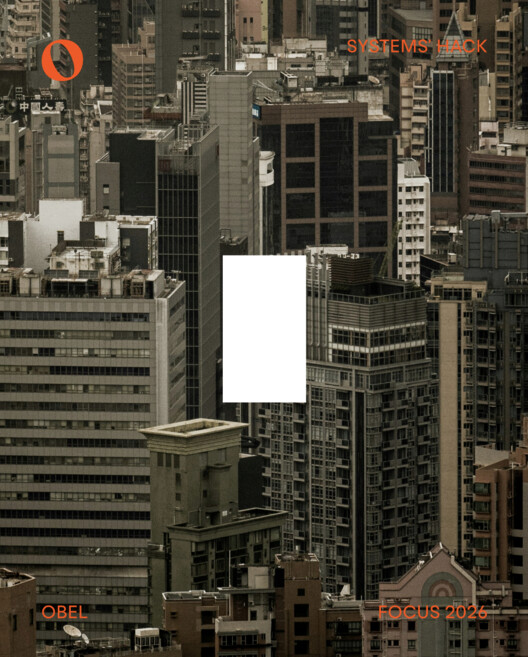
The OBEL Award Reveals "Systems’ Hack" as the Theme for Its 2026 Edition

©OBEL Foundation
The OBEL Foundation has announced "Systems' Hack" as the focus of its 2026 cycle, setting the conceptual framework that will guide the foundation's activities and the selection of the next OBEL Award. Founded in 2019, OBEL recognises architecture's potential to act as a tangible agent of positive social and ecological change, supporting approaches that expand how the built environment is defined and shaped. The 2026 theme calls on architecture to critically engage with the systems that underpin contemporary society, including infrastructure, energy, food, water, education, and information, and to examine how these interconnected networks might be reconfigured in response to accelerating global challenges.



https://www.archdaily.com/1038243/the-obel-award-reveals-systems-hack-as-the-theme-for-its-2026-editionReyyan Dogan
Civic Architecture Opens to the City as Global Attention Turns to Africa: This Week’s Review

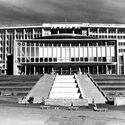
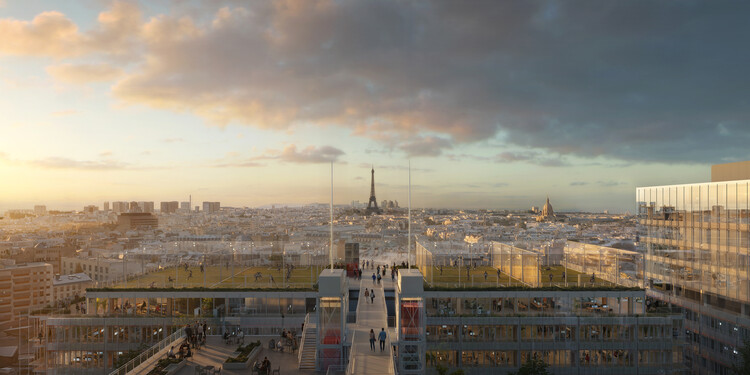
This week's news compilation opens with two international commemorations, the International Day for Clean Energy and the International Day of Education, alongside a major archaeological discovery in Fano, Italy, where excavations have revealed a basilica described by Vitruvius, linking contemporary architectural discourse with deep historical continuity. Across this week's broader architecture news landscape, a central theme emerges around the advancement of civic architecture conceived as open, publicly engaged infrastructure, with cultural and institutional projects increasingly designed to strengthen their relationship with the city and everyday urban life. At the same time, renewed global attention turns toward Africa, where large-scale transport infrastructure and the conservation of modernist landmarks reflect interests in the region and the reassessment of the continent's architectural heritage. Complementing these narratives, this week's highlights also include a new model for car-free urban districts, co-designed public landscapes grounded in indigenous knowledge, and a residential development responding to regional context, reflecting how architecture is negotiating public space, civic responsibility, and territorial identity across diverse geographies.

https://www.archdaily.com/1038244/civic-architecture-opens-to-the-city-as-global-attention-turns-to-africa-this-weeks-reviewAntonia Piñeiro
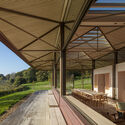
Níall McLaughlin Receives the 2026 RIBA Royal Gold Medal for Architecture

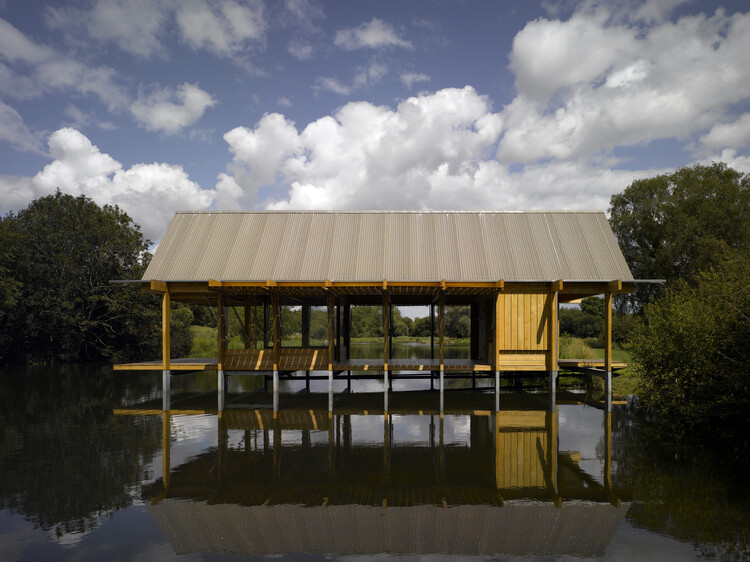
The Royal Institute of British Architects (RIBA) has announced that Irish architect, educator, and writer Níall McLaughlin will receive the 2026 Royal Gold Medal for Architecture. Awarded on behalf of His Majesty the King, the Royal Gold Medal is among the significant international distinctions in architecture, recognizing a sustained contribution to the advancement of the discipline through built work, education, and critical discourse. In announcing the award, RIBA noted McLaughlin's long-standing influence across architectural practice and pedagogy, citing a career that spans more than three decades and reflects a consistent engagement with the cultural, environmental, and social dimensions of architecture.


https://www.archdaily.com/1038254/niall-mclaughlin-receives-the-2026-riba-royal-gold-medal-for-architectureReyyan Dogan
Foster + Partners Plans Airport-Led Urban Development Outside Luanda, Angola

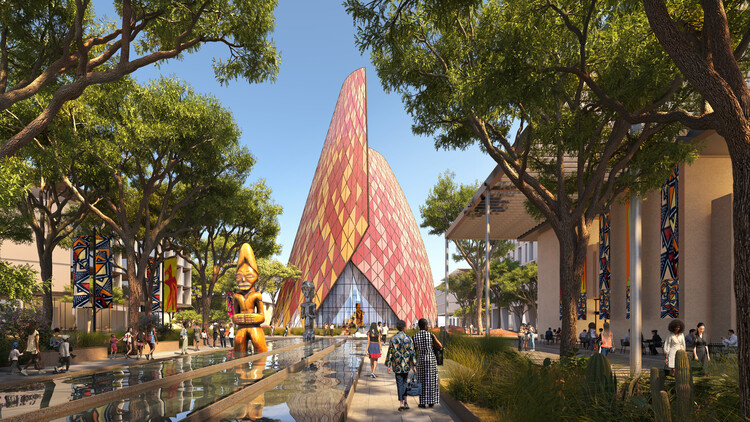
Foster + Partners, in collaboration with Angola's Ministry of Transport, has unveiled the master plan for the Icolo e Bengo Aerotropolis, a large-scale development planned around the recently completed Dr. Antonio Agostinho Neto International Airport. The proposal organizes business, research, residential, and hospitality programs within a landscape-led framework structured around the airport. Development is planned to proceed in phases, beginning with the business and cultural district located to the north of the site.

https://www.archdaily.com/1038201/foster-plus-partners-plans-airport-led-urban-development-outside-luanda-angolaReyyan Dogan
David Chipperfield Architects Releases New Images of the Milano Santa Giulia Arena Ahead of the 2026 Winter Olympics

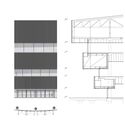
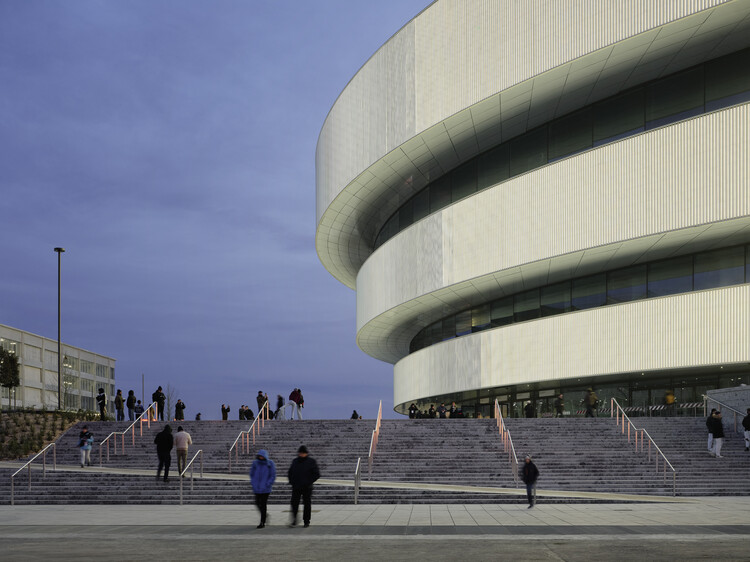
David Chipperfield Architects has released new images of the Ice Hockey Arena in Milan, one of the host sports venues for the 2026 Milano Cortina Winter Olympics. The project, currently in its testing phase, was commissioned to Arup and David Chipperfield Architects in 2021. The first images of the elliptical amphitheatre arena were released in 2022, ahead of the start of construction in 2023, which was scheduled for completion in 2025. The new sports and cultural events venue has a capacity of 16,000 spectators, 12,000 seated and 4,000 standing, and is a centrepiece of a broader urban redevelopment project originally designed by Foster + Partners for Milano Santa Giulia, a district in the south-east of Milan, just a few kilometres from the city centre and connected to the high-speed rail network and motorway.


https://www.archdaily.com/1038211/david-chipperfield-architects-releases-new-images-of-the-milano-santa-giulia-arena-ahead-of-the-2026-winter-olympicsAntonia Piñeiro
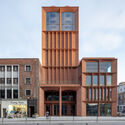
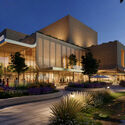
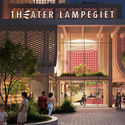
MVRDV and Buro Happold Reveal Design for the Lampegiet Theatre in Veenendaal, Netherlands

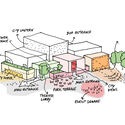
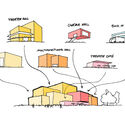
Designed by MVRDV in collaboration with Buro Happold, the new Lampegiet Theatre in Veenendaal, the Netherlands, is scheduled to replace the existing theatre building from 1988. Approved by the Veenendaal City Council in January 2026, the project is expected to begin construction in 2027 and reach completion in 2029. Conceived as a contemporary cultural venue that responds to both current performance requirements and the city's historical identity, the new theatre introduces a compact, multi-volume composition wrapped in a porous ceramic facade that allows the building to act as an illuminated urban landmark.
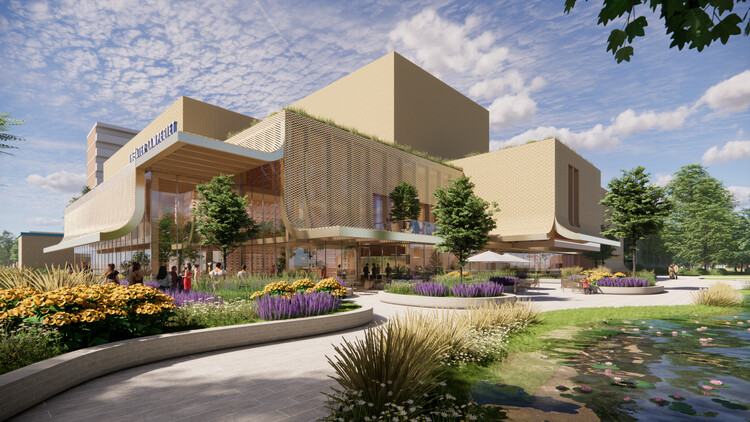
https://www.archdaily.com/1038199/mvrdv-and-buro-happold-reveal-design-for-the-lampegiet-theatre-in-veenendaal-netherlandsReyyan Dogan
Construction Advances on Herzog & de Meuron’s Timber-Structured Memphis Art Museum Ahead of 2026 Opening

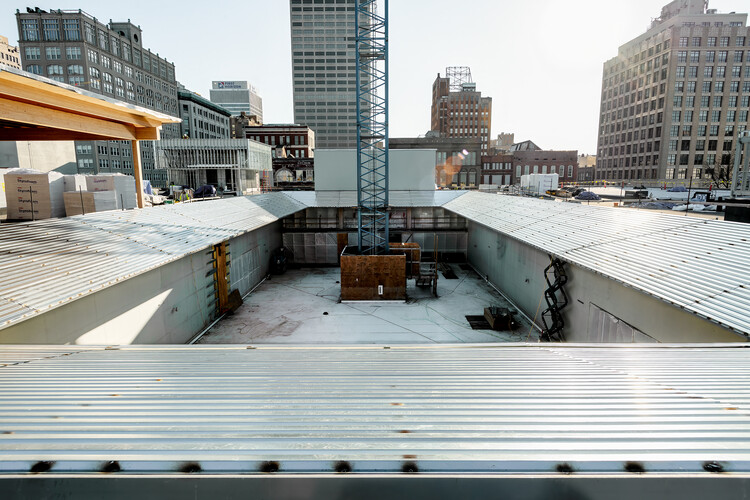
Pritzker Prize-winning architecture firm Herzog & de Meuron has released new images showing construction progress on the Memphis Art Museum, set to open in December 2026. Currently operating as the Memphis Brooks Museum of Art, the institution is both the oldest and largest art museum in Tennessee, United States, with a collection of more than 10,000 works spanning from ancient to contemporary art. Commissioned in 2019, the project marks the museum's relocation to a new site in Downtown Memphis along the Mississippi River bluff. The first images of the new cultural campus, designed by Herzog & de Meuron with architect of record archimania and landscape design by OLIN, were released in 2021. The 123,500-square-foot museum will expand gallery space by 50 percent and introduce extensive free, publicly accessible areas conceived as an open invitation to the city.


https://www.archdaily.com/1038186/construction-advances-on-herzog-and-de-meurons-timber-structured-memphis-art-museum-ahead-of-2026-openingAntonia Piñeiro
Archaeological Excavations in Fano, Italy, Reveal Basilica Described by Vitruvius

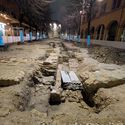
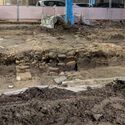
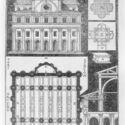
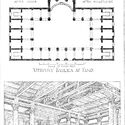
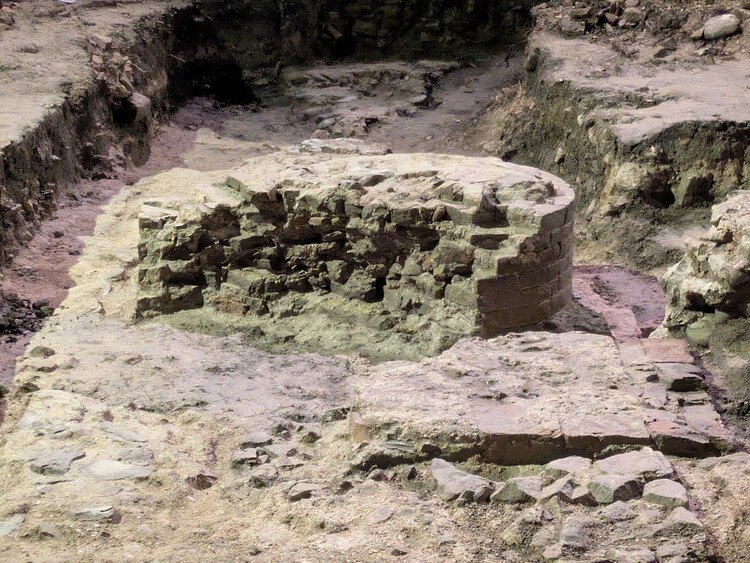
Archaeological excavations in Fano, Italy, have revealed the basilica described by Vitruvius in De Architectura, a finding of major architectural significance, as it represents the only structure that can be attributed with certainty to the Roman architect. Identified during redevelopment works in Piazza Andrea Costa, the discovery provides rare physical evidence of Vitruvian theory translated into built form and offers new insights into Roman architectural design, proportions, and construction practices. The announcement was made during a press conference at the Montanari Media Library, attended by representatives of local, regional, and national institutions, including Italy's Minister of Culture Alessandro Giuli.
https://www.archdaily.com/1038166/archaeological-excavations-in-fano-italy-reveal-basilica-described-by-vitruviusReyyan Dogan
On the International Day for Clean Energy: How Local Initiatives Respond to the Spatial Impacts of Energy Production

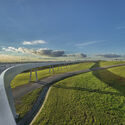
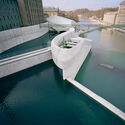
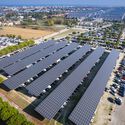
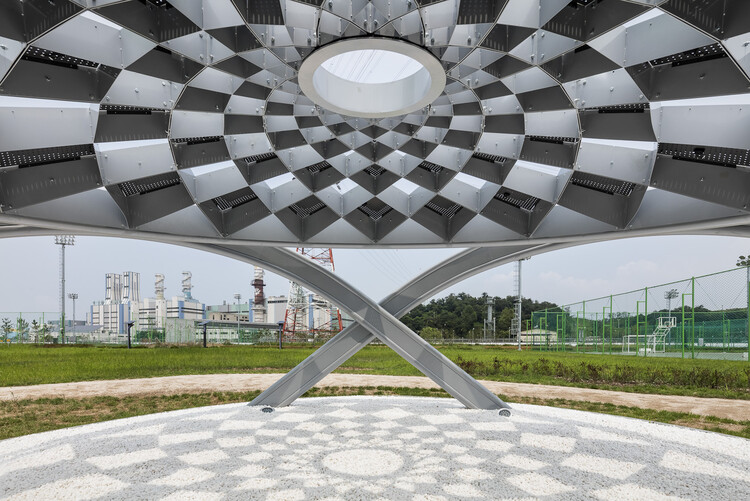
January 26 marks the International Day for Clean Energy, an initiative aimed at raising awareness and mobilizing action for an inclusive transition from fossil fuels, such as coal, oil, and natural gas, to power generation systems with lower greenhouse gas emissions and fewer pollutants. The term "clean" signals a fundamental shift away from extractive, finite, and exhaustible energy sources toward systems based on renewable resources or on capturing energy embedded in natural processes. In a world grappling with climate change, clean energy plays an important role in reducing emissions and expanding access to reliable power. However, being labeled "clean" does not exempt these systems from the impacts associated with their production, deployment, and commercialization. In this context, architectural knowledge related to space, materiality, and habitation becomes relevant for supporting a transition toward energy systems that are sustainable over time. As stated by the United Nations, the science is clear: to limit climate change, reliance on fossil fuels must end, and buildings must be heated, lit, and electrified through clean, accessible, affordable, sustainable, and reliable power sources.
https://www.archdaily.com/1038162/international-day-for-clean-energy-local-responses-to-the-spatial-impacts-of-energy-productionAntonia Piñeiro
Reflecting on the International Day of Education: From Playful Environments to Youth Agency in Architecture

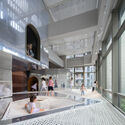
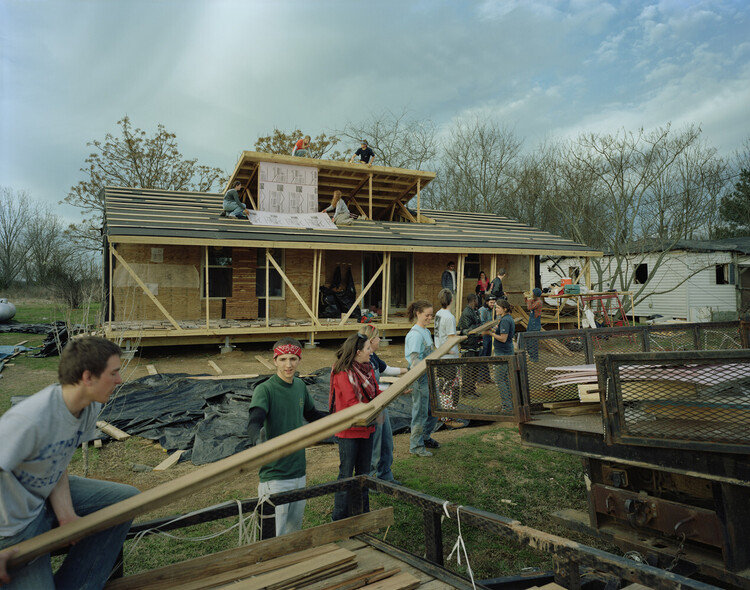
Education has long been understood as a cornerstone of social development, shaping not only individual futures but also the collective capacity of societies to respond to change. Observed annually on 24 January, the International Day of Education invites reflection on the role education plays in addressing global challenges and sustaining social progress. As the world confronts overlapping challenges, from technological transformation to deepening inequalities, the question of how education is imagined, governed, and experienced has become increasingly urgent.

https://www.archdaily.com/1038135/reflecting-on-the-international-day-of-education-from-playful-environments-to-youth-agency-in-architectureReyyan Dogan
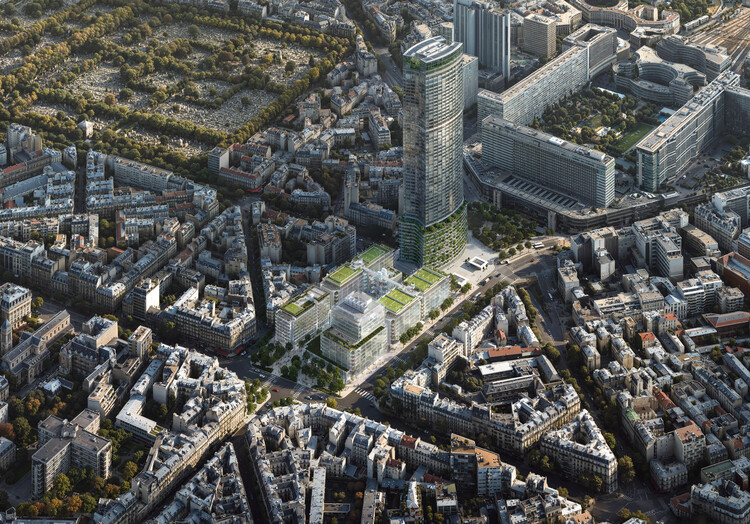
Renzo Piano Building Workshop Redesigns Montparnasse Commercial Centre as a Pedestrian District

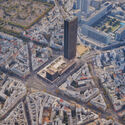
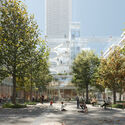
During a presentation to the press held at Paris City Hall on January 7, 2026, architect and Pritzker Prize laureate Renzo Piano released the first images of the transformation of Montparnasse's emblematic shopping center and CIT Tower into a pedestrian-focused district in Paris, France. The project, commissioned to Renzo Piano Building Workshop (RPBW) in 2022 by the co-owners of the commercial complex, proposes both a visual and functional transformation of the 1970s low-rise retail development into a more traversable space characterized by transparency and openness. The design was developed in parallel with the redevelopment of the Montparnasse Tower, led by Nouvelle AOM, to reshape the broader tertiary complex into a contemporary Parisian block oriented toward public life, environmental performance, and everyday use. The project reopens the site to the city, reconnecting streets and restoring continuity between Montparnasse and its surrounding neighborhoods through new public spaces.


https://www.archdaily.com/1038122/renzo-piano-building-workshop-redesigns-montparnasse-commercial-centre-as-a-pedestrian-districtAntonia Piñeiro
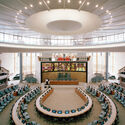
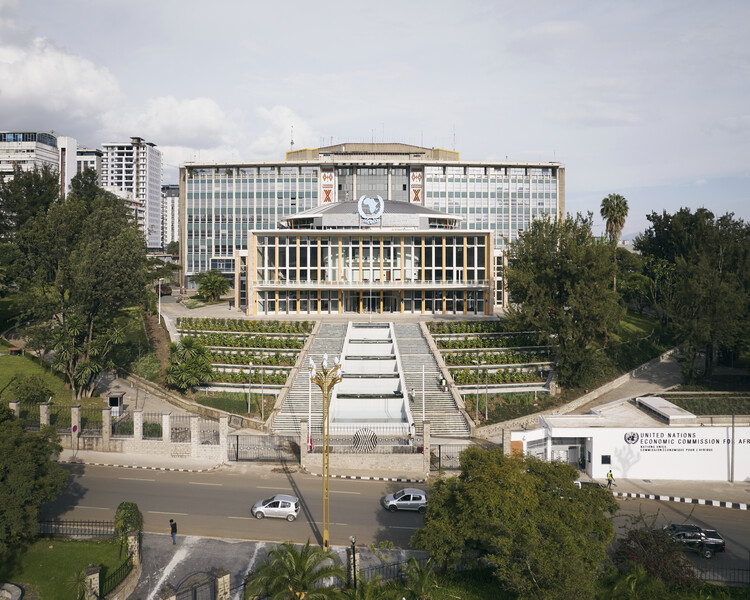
United Nations’ Africa Hall Restoration in Ethiopia Receives 2026 World Monuments Fund/Knoll Modernism Prize

World Monuments Fund (WMF) is an independent organization dedicated to safeguarding significant places that enrich people's lives and foster mutual understanding across cultures and communities. Since 2008, the World Monuments Fund/Knoll Modernism Prize has been a biennial award recognizing outstanding achievements in the conservation of buildings emblematic of the modernist architectural movement. The prize honors individuals and organizations that revitalize modern built heritage through innovative and sensitive architectural interventions.
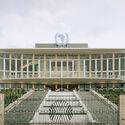
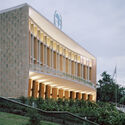
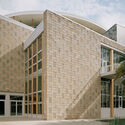
On January 22, 2026, WMF and Knoll announced the Australia-based architecture firm Architectus as the recipient of the 2026 World Monuments Fund/Knoll Modernism Prize for its conservation of the United Nations' Historic Africa Hall in Addis Ababa, Ethiopia. The jury recognized the project for reestablishing a significant work of African modernism as an active venue for diplomacy and cultural exchange. In addition to the main prize, the jury also awarded Paul Rudolph's Umbrella House in Sarasota, Florida, United States, with the Stewardship Award for Modernist Homes.
https://www.archdaily.com/1037851/united-nations-africa-hall-restoration-in-ethiopia-receives-2026-world-monuments-fund-knoll-modernism-prizeAntonia Piñeiro
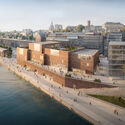
Serpentine Pavilion 2026 and Lina Ghotmeh’s House of Performing Arts: This Week’s Review

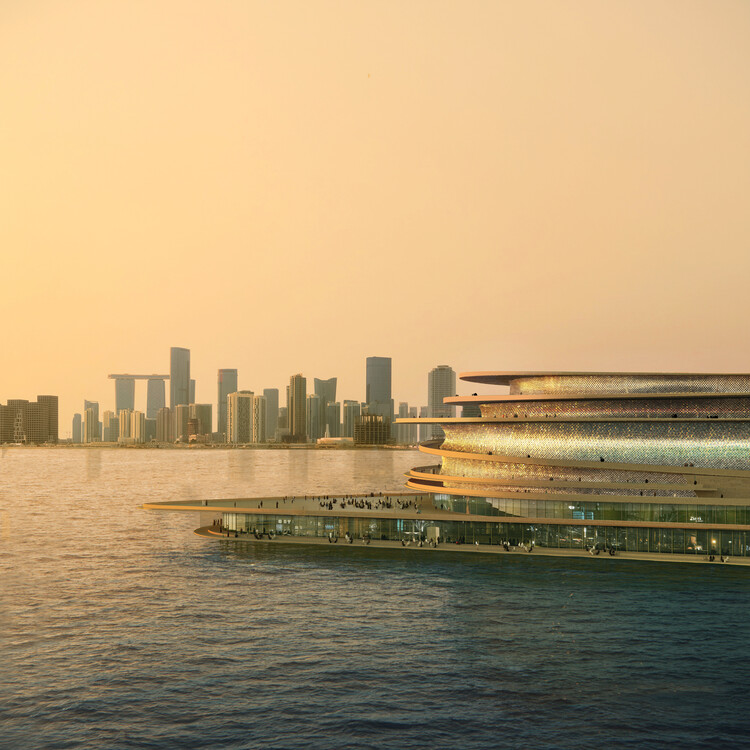
Architecture's public role emerges as a central theme across recent announcements, institutional projects, and professional programs. The selection of the 2026 Serpentine Pavilion designer foregrounds architecture as a space for public encounter and material inquiry, while major civic and cultural projects point to renewed investment in institutions that support education, exchange, and urban continuity. Alongside these developments, international award programs and policy-aligned initiatives continue to situate architecture within broader conversations on sustainability, social responsibility, and long-term impact, highlighting how design decisions at both intimate and monumental scales respond to shared environmental and civic challenges.
https://www.archdaily.com/1038078/serpentine-pavilion-2026-and-lina-ghotmehs-house-of-performing-arts-this-weeks-reviewReyyan Dogan
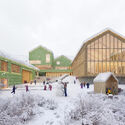
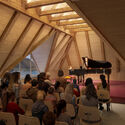
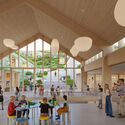
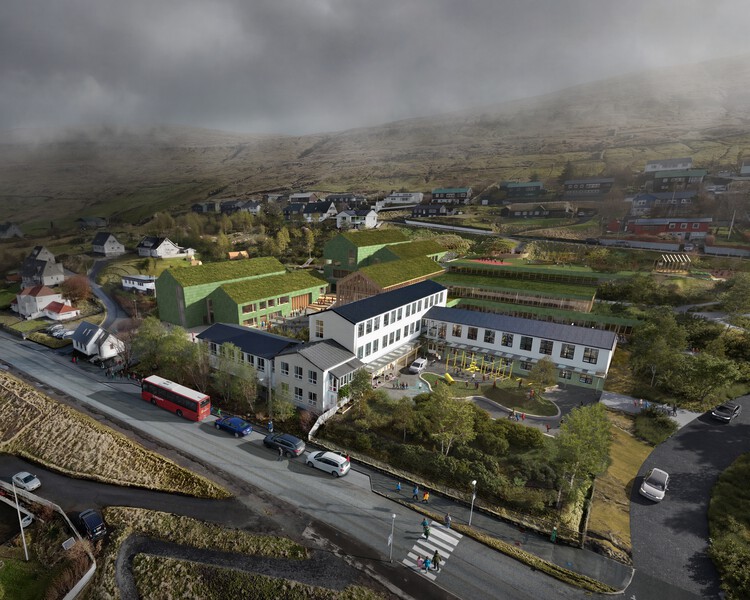
Henning Larsen Proposes a "Learning Village" to Expand the Glyvra School in the Faroe Islands

Danish architecture studio Henning Larsen has been selected to redesign and expand Glyvra School in the Faroe Islands, proposing a landscape-driven educational campus that responds directly to the region's topography and climate. Conceived as a "learning village," the project rethinks the role of the school in a small coastal community, positioning architecture and outdoor space as integral parts of everyday learning. Commissioned by Runavík Municipality and developed in collaboration with engineering firm Ramboll, the project will be delivered in multiple phases to ensure the school remains fully operational throughout construction, with new facilities completed and occupied before existing structures are renovated or removed.
https://www.archdaily.com/1038081/henning-larsen-proposes-a-learning-village-to-expand-the-glyvra-school-in-the-faroe-islandsReyyan Dogan
"Each Constraint Becomes More of an Opportunity": In Conversation With Holcim Award Winner THINK TANK architecture

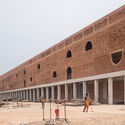
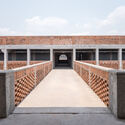
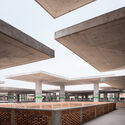
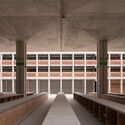
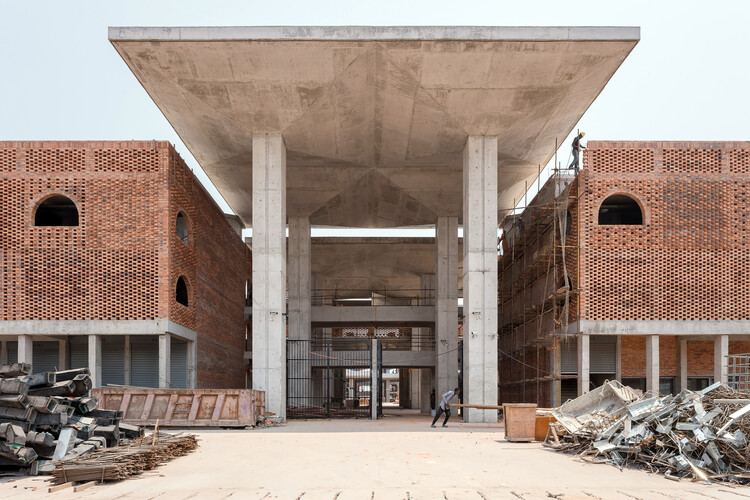
The Zando Central Market redevelopment in Kinshasa, Democratic Republic of the Congo, designed by THINK TANK architecture, has been selected among the 20 winning projects of the 2025 Holcim Foundation Awards in the Middle East and Africa region. Originally designed for 3,500 traders and now accommodating more than 20,000 vendors, the market has long operated under conditions of severe overcrowding and infrastructural strain. The project stands out for its large-scale public ambition, its reliance on locally available materials and skills, and its capacity to accommodate both formal and informal economies within a rapidly transforming urban context.
https://www.archdaily.com/1038040/each-constraint-becomes-more-of-an-opportunity-in-conversation-with-holcim-award-winner-think-tank-architectureReyyan Dogan
“Great Architecture Must Be Poetry:” Zhu Pei on Architecture as a Form of Art in Louisiana Channel Interview
Zhu Pei is a Chinese architect born in 1962 in Beijing. He studied at Tsinghua University and UC Berkeley, and founded Studio Zhu Pei in 2005. The studio's experimental work and research focus on contemporary architecture, art, and cultural projects. With an artistic and exploratory approach, it investigates the relationship between the roots that anchor architecture in specific natural and cultural contexts and the innovation that drives architecture as a form of artistic revolution. In his interview with Louisiana Channel, Zhu Pei describes architecture as an artistic discipline that, like poetry, relies on openness, imagination, and the creation of new experiences. He argues that great architecture goes beyond functional problem-solving by generating a sense of wonder through its ability to "invent" and "create some new thing, new experience," positioning architectural practice as cultural and sensory exploration rather than purely technical production.


https://www.archdaily.com/1036650/great-architecture-must-be-poetry-zhu-pei-on-architecture-as-a-form-of-art-in-louisiana-channel-interviewAntonia Piñeiro
Call for ArchDaily's Next Product Manager

ArchDaily is expanding its product team and looking for an additional Product Manager to help expand our portfolio. Working at the intersection of content, technology, and the built environment, this role offers the opportunity to contribute directly to the world's most visited architecture platform and to products used daily by millions of professionals.
If you're passionate about architecture, digital products, and building meaningful tools at a global scale, we'd love to hear from you.
https://www.archdaily.com/1038010/call-for-archdailys-next-product-managerArchDaily
From Diplomacy to Mobility: Six Legislative Responses Cities Are Using to Confront Climate Change

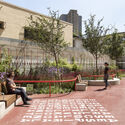
From building codes to mobility restrictions and new diplomatic roles within city governments, climate policy is increasingly being shaped at the local level through a widening range of legislative and institutional tools. Cities as varied as Sydney, Boston, New York, Paris, Miami, and dozens across Latin America are adopting targeted strategies that reflect their distinct environmental pressures and governance structures. These initiatives range from all-electric and net-zero construction requirements, to traffic-control measures designed to curb the social costs of private vehicle use, to emerging forms of urban diplomacy that coordinate responses to rising temperatures and biodiversity loss. Together, these approaches illustrate how territorial management is evolving in response to the accelerating climate crisis, and how local governments are experimenting with regulation and collaboration to confront challenges that are at once global and deeply place-specific.




https://www.archdaily.com/1036162/from-diplomacy-to-mobility-six-legislative-responses-cities-are-using-to-confront-climate-changeAntonia Piñeiro
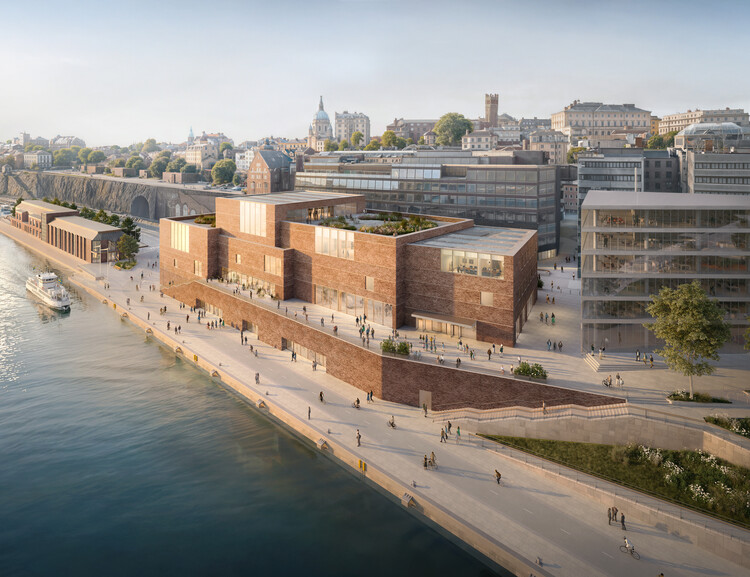
Nobel Foundation Reveals Design for New Nobel Center in Stockholm by David Chipperfield Architects

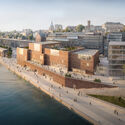
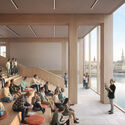
The Nobel Foundation has revealed the first design proposal for the new Nobel Center, a public cultural and educational institution dedicated to science, literature, and peace. Designed by David Chipperfield Architects Berlin, the project will be constructed along Stadsgårdskajen at Slussen in Stockholm, with construction scheduled to begin in 2027 and completion planned for 2031. Conceived as a permanent home for the activities surrounding the Nobel Prize, the building aims to make the work of Nobel Prize laureates accessible to a broad public through exhibitions, public programs, and interdisciplinary exchange, positioning the center as both a civic landmark and an international point of reference.


https://www.archdaily.com/1037944/nobel-foundation-reveals-design-for-new-nobel-center-in-stockholm-by-david-chipperfield-architectsReyyan Dogan
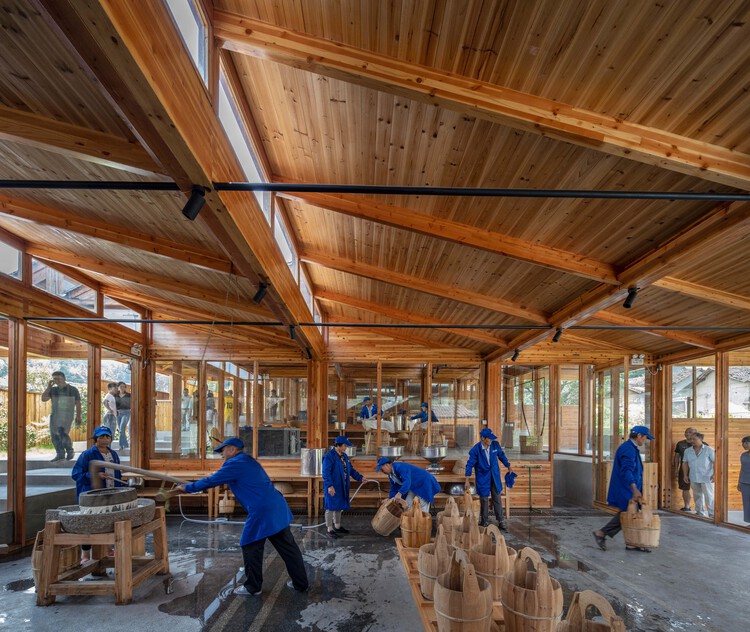
Louisiana Museum of Modern Art Opens Memoryscapes Exhibition Exploring the Design Methodologies of ATTA and DnA

The Louisiana Museum of Modern Art will inaugurate, on January 22, 2026, the second exhibition in its Architecture Connecting series, focusing on the discipline's relationship with science and research across a wide range of fields, including biology, neuroscience, and anthropology. The first exhibition in the series, Living Structures (2024–2025), featured ecoLogicStudio, Atelier LUMA, and Jenny Sabin Studio, highlighting their work at the intersection of algorithms and nature and their development of methods that re-evaluate sustainable architecture and climate considerations. This second exhibition, titled Memoryscapes, explores the memories, stories, and traditions informing the working methodologies of Xu Tiantian's DnA_Design and Architecture (Beijing) and ATTA – Atelier Tsuyoshi Tane Architects (Paris).


https://www.archdaily.com/1037474/louisiana-museum-of-modern-art-opens-memoryscapes-exhibition-exploring-the-design-methodologies-of-atta-and-dnaAntonia Piñeiro
UIA 2030 Award Announces Regional Finalists of Its Third Cycle Across Five Global Regions

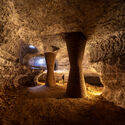
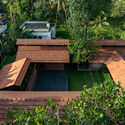
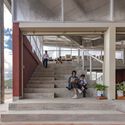
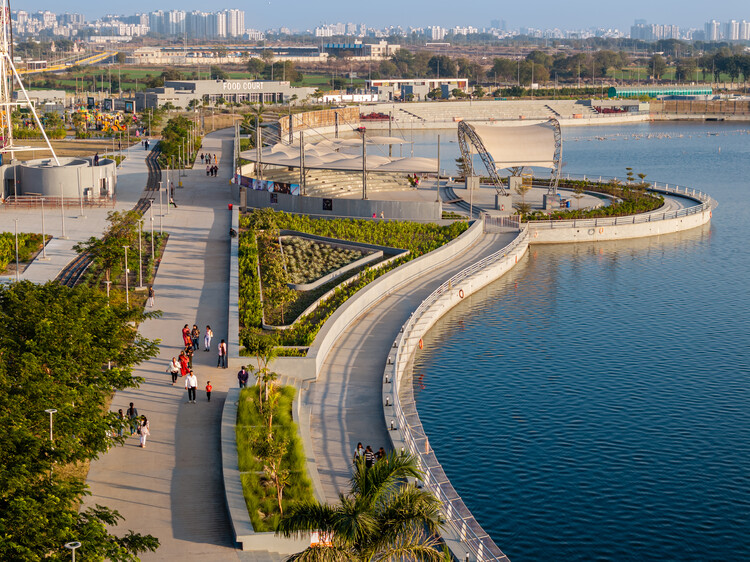
The International Union of Architects (UIA), in partnership with UN-Habitat, has released the Stage 1 results of the third cycle of the UIA 2030 Award, identifying the projects selected as Regional Finalists. The shortlisted entries were drawn from submissions across the UIA's five global regions and will advance to the second stage of evaluation. Established in alignment with the UN 2030 Agenda for Sustainable Development, the award framework positions the built environment within broader discussions on sustainable urban development and global policy objectives.

https://www.archdaily.com/1037877/uia-2030-award-announces-regional-finalists-of-its-third-cycle-across-five-global-regionsReyyan Dogan
The New Museum Expansion by OMA Opens on March 21 with Exhibition on Humanity
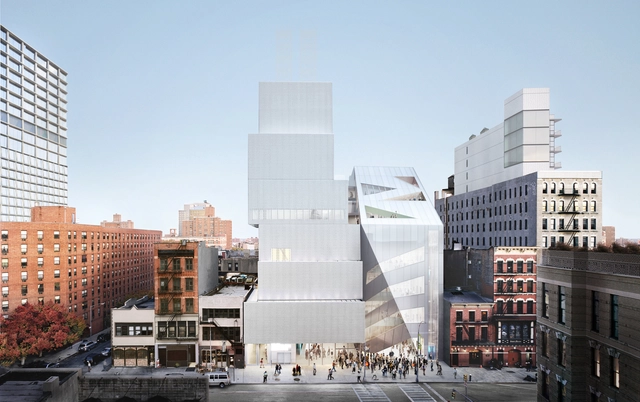
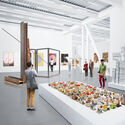
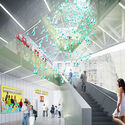
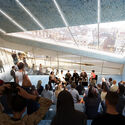
The New Museum is the only museum in New York City dedicated exclusively to contemporary art. From its beginnings as a one-room office on Hudson Street to the inauguration of its first freestanding building on the Bowery, designed by SANAA in 2007, it has evolved into a center for exhibitions, research, and documentation on international living artists. In 2017, Shohei Shigematsu and Rem Koolhaas of OMA were selected to design the New Museum's expansion. The first design images were released in 2019. On January 13, the Museum announced that its 60,000-square-foot expansion, designed in collaboration with Cooper Robertson, will open on March 21, 2026, with an exhibition exploring the very definition of humanity.


https://www.archdaily.com/1027488/the-new-museum-expansion-by-oma-to-open-in-fall-2025-with-exhibition-on-humanityAntonia Piñeiro
EU Mies Awards Shortlist and MVRDV’s Fluid Facade in Beijing: This Week’s Review

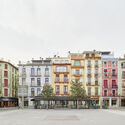
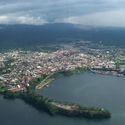
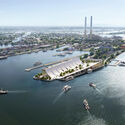
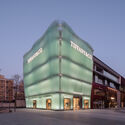
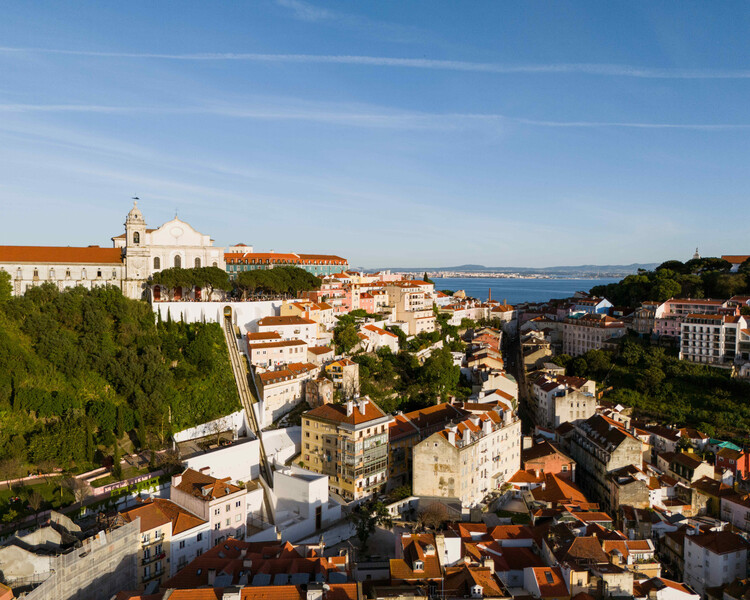
Spanning multiple geographies and scales, this week's architecture news reflects ongoing discussions around long-term planning, institutional frameworks, and the public role of architecture. National-scale urban initiatives and large civic developments point to how planning and infrastructure are being used to reorganize cities and territorial systems, while parallel attention to stadiums, cultural facilities, and mixed-use projects highlights the expanding civic ambitions of large-scale architecture. Alongside these, interviews and heritage-focused projects foreground participatory practices and the careful reuse of existing structures, highlighting architecture's capacity to operate within complex social and political conditions. Recognition platforms and professional programs further situate these practices within a broader architectural discourse, offering insight into how contemporary work is evaluated and shared across regions.
https://www.archdaily.com/1037858/eu-mies-awards-shortlist-and-mvrdvs-fluid-facade-in-beijing-this-week-in-architectureReyyan Dogan
Zaha Hadid Architects Breaks Ground on Bishoftu International Airport for Ethiopian Airlines in Addis Ababa

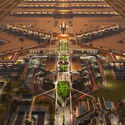
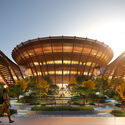
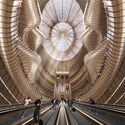
Construction has begun on the new Bishoftu International Airport (BIA), designed by Zaha Hadid Architects for Ethiopian Airlines Group. Ethiopia's Prime Minister, Abiy Ahmed Ali, laid the cornerstone at the airport's groundbreaking ceremony on Saturday, January 10, 2026. The new airport will be located approximately 40 kilometers south of the Ethiopian capital, Addis Ababa, and is planned to become Africa's largest airport. Phase One of the project is designed to serve 60 million passengers per year. Subsequent phases are expected to increase capacity to up to 110 million passengers annually, supported by four runways and parking for 270 aircraft, more than four times the capacity of Ethiopia's current main airport, according to statements by the Prime Minister.

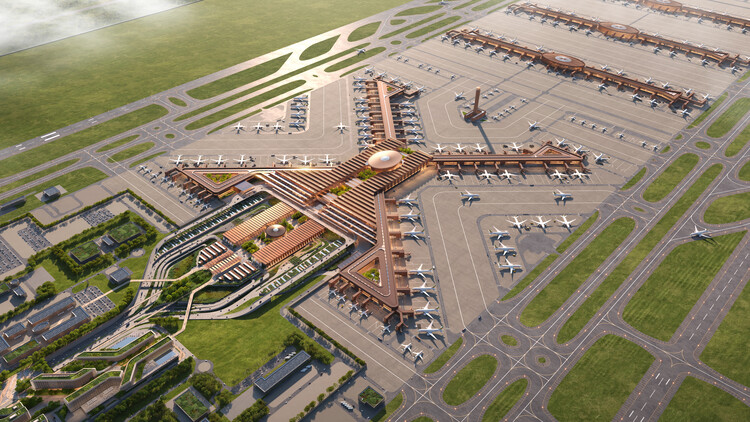
https://www.archdaily.com/1037842/zaha-hadid-architects-break-ground-on-bishoftu-international-airport-for-ethiopian-airlines-in-addis-ababaAntonia Piñeiro