

This guide explains how to structure multi-image prompts in the RunDifussion platform. Explore RunDifussion's product catalog.
Articles
How to Prompt and Annotate Multiple Images with AI
| Sponsored Content
https://www.archdaily.comhttps://www.archdaily.com/catalog/us/products/38860/how-to-prompt-and-annotate-multiple-images-with-ai-rundiffusion
Reinventing the Cooking Ritual with AI at the Heart of the Home
| Sponsored Content
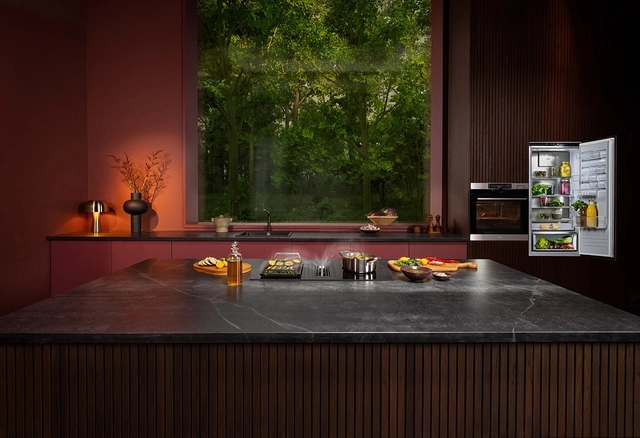
The role of the kitchen has undergone a remarkable transformation—evolving from a purely functional space into the central hub of the home, where creativity thrives and meaningful connections are made. This shift is closely linked to the growing popularity of cooking as a hobby, spurred by a surge in culinary-focused TV shows and dedicated channels. It reflects a broader cultural movement towards authenticity in an increasingly digital world—a counterpoint to the fast-paced nature of modern life that emphasizes a slower, more mindful lifestyle, often referred to as "slow living".
This trend also aligns with a growing focus on health and wellness, as well as a renewed appreciation for nature and cultural heritage. Today, the kitchen is more than just a place to prepare meals—it's where families gather, friends connect, and culinary skills are honed and celebrated. Yet, even an activity as elemental and hands-on as cooking can be transformed by technology. Beyond traditional electronic utensils and appliances that simplify many processes, Artificial Intelligence is emerging as a powerful ally in the modern kitchen.
https://www.archdaily.com/1028933/reinventing-the-cooking-ritual-with-ai-at-the-heart-of-the-homeEduardo Souza
Wellbeing and Slow Spaces: Can Architecture Distort the Way We Experience Time?
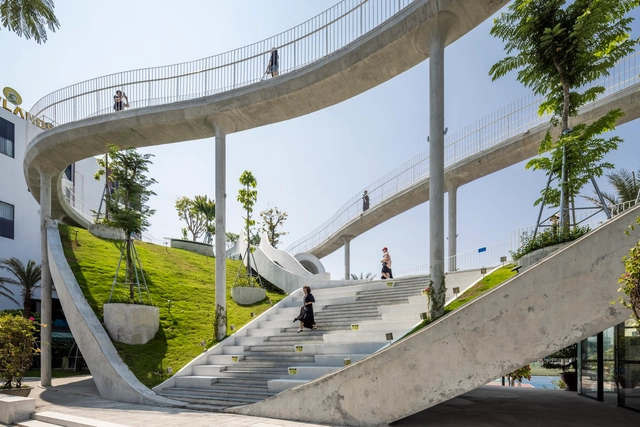
A good conversation can make time feel like it's passing more quickly. But is this effect solely due to the verbal exchange, or could our perception of time be shaped by the spatial conditions surrounding us? There are environments that, due to their scale, distribution, and atmosphere, are conducive to meeting, listening, or pausing, thereby influencing the human experience. Perhaps it's not the words we share, but the space in which we speak that truly shapes our understanding of time. Some sociological theories about our society and the built environment go beyond considering it as a mere physical container and suggest that architecture, in its very duality, can act as both an inhibitor and a catalyst for our temporal experiences, impacting our wellbeing.
https://www.archdaily.com/1029304/wellbeing-and-slow-spaces-can-architecture-distort-the-way-we-experience-timeEnrique Tovar
Earth Day 2025: Our Agency in Rethinking Sustainability Across Cities, Scales, and Sectors
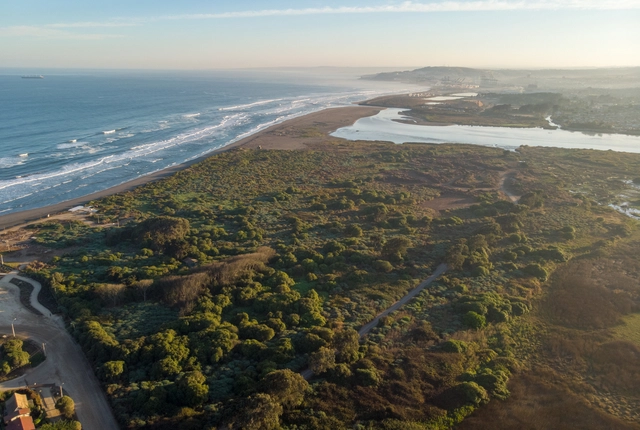
On Earth Day 2025, observed annually on April 22, we are once again reminded of the urgent environmental and sustainability challenges that face our planet—challenges that continue to evolve alongside global economic, political, and cultural shifts. The building and construction industry remains one of the most critical sectors in the effort to manage and reduce global carbon emissions. This year, these issues are being addressed through increasingly diverse lenses, calling for more holistic and integrated approaches. It's vital that we view sustainability not as a one-size-fits-all solution, but as a multi-scalar effort—one that spans from large-scale urban development and strategic planning, to the advancement of sustainable materials, and even to temporary, thought-provoking interventions like exhibitions and installations. In doing so, we reaffirm our commitment to reducing our collective carbon footprint, while shaping a built environment that promotes human well-being and planetary health.



https://www.archdaily.com/1029264/earth-day-2025-our-agency-in-rethinking-sustainability-across-cities-scales-and-sectorsJonathan Yeung
Osaka: Architectural Ambiguity Within the Urban Fabric
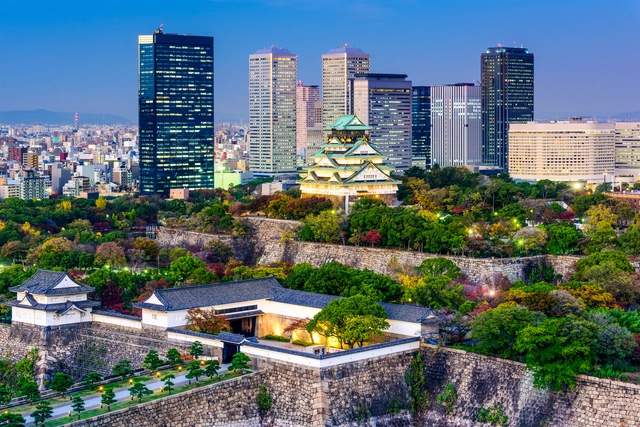
"If buildings could speak," as a filmmaker once mused, then Osaka's cityscape might sound loud, vibrant, and slightly rough around the edges—yet somehow neatly composed. Much like the city itself, the architectural landscape reflects Osaka's distinctive character: layered, dynamic, and full of messy vibrancy. With a population of 2.7 million and growing, this dense urban center continues to evolve in its idiosyncratic way.
https://www.archdaily.com/1029344/osaka-architectural-ambiguity-within-the-urban-fabricMiwa Negoro
Biophilic Architecture without Plants: Invisible Design for Wellbeing
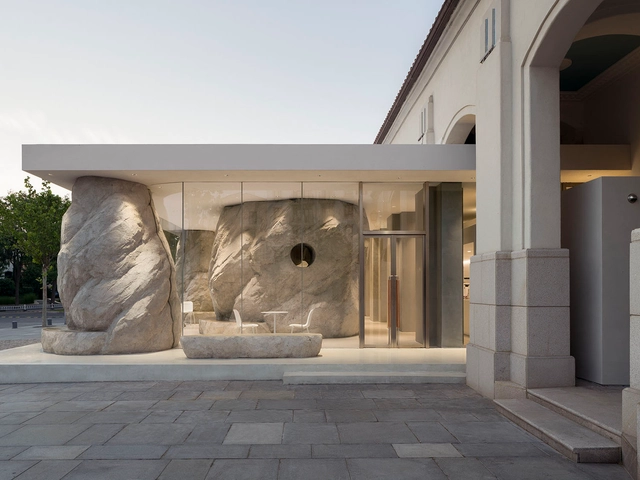
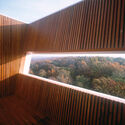
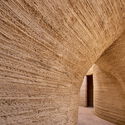
The term "biophilia" understandably conjures images of buildings engulfed by vegetation and integrated into natural landscapes. In modern architectural discourse, the concept has come to be associated with the incorporation of greenery into built environments, yet such applications represent only a sliver of biophilic design's true scope. Inarguably, nature plays a central role in biophilic design. However, its influence stretches to often-overlooked strategies that involve spatial configuration and environmental patterning. "Invisible" biophilia frequently leads to positive health outcomes for occupants, working impactfully beneath the surface.

https://www.archdaily.com/1029257/biophilic-architecture-without-plants-invisible-design-for-wellbeingAnkitha Gattupalli
What Kind of City Will Humanity Need? Exploring Amancio Williams' Proposal for a Linear City
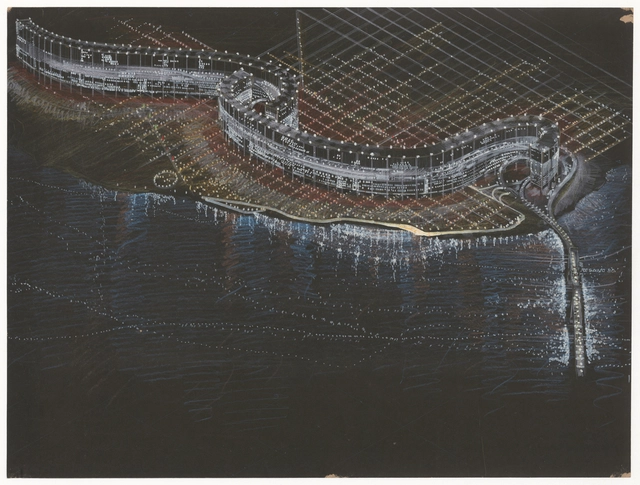
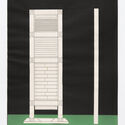
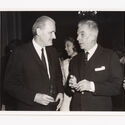
Through his unbuilt projects, built works, and research, Amancio Williams's ideas emerge as the result of a deep understanding of the most advanced trends of his time reflecting on architectural design, urbanism and city planning. By exploring various themes, concepts, and even materials, he aims to create a personal universe that interprets the present as something future-oriented, both international and distinctly Argentine. His proposal "La ciudad que necesita la humanidad" presents linear and layered buildings raised 30 meters above ground, incorporating everything from office spaces to roads and magnetic trains on different levels of a single structure. The Amancio Williams archive at the Canadian Centre for Architecture in Montreal documents Williams' career as an architect and designer from the 1940s to the late 1980s. The fonds documents his work for over 80 architectural, urban planning and design projects, as well as the administration of his architecture practice and his professional activities. Including drawings and sketches, presentation models, photographic materials, such as photographs of models, finished project (when realized), reference images, photographic reproduction of plans, and site photographs, the archive is available to consult offering more details.


https://www.archdaily.com/1028187/what-kind-of-city-will-humanity-need-exploring-amancio-williams-proposal-for-a-linear-cityAgustina Iñiguez
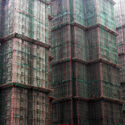
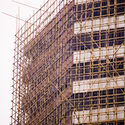
From Common Sight to Cultural Symbol: The Rise and Decline of Bamboo Scaffolding in Hong Kong
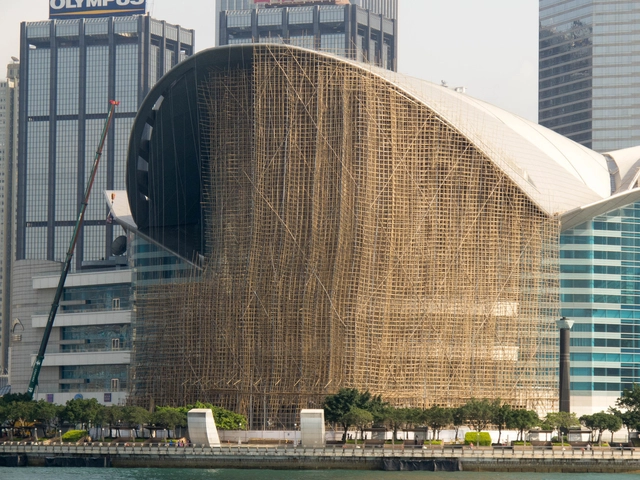
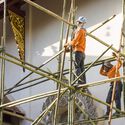
The bamboo scaffolding building typology—temporary, agile, and deeply rooted in tradition—particularly, the bamboo shed theatre building technique, is recognized as an item of Intangible Cultural Heritage in Hong Kong. As one walks through the city, especially in busy urban districts, it's nearly impossible not to encounter a bamboo scaffold within a five-minute radius. Bamboo scaffolding is arguably the most iconic construction material in Hong Kong, valued for its abundance, sustainability, flexibility, adaptability, and—most importantly—scalability. These qualities have contributed to its widespread use in temporary construction, from building maintenance and renovations to festival stages and sporting events.
However, this once-ubiquitous feature of the urban landscape may be slowly fading from view. A dwindling pool of skilled, younger workers—combined with evolving construction regulations—has contributed to its decline. On March 17, the Development Bureau announced plans to "drive a wider adoption of metal scaffolds in public building works." In practice, this means the Architectural Services Department (ArchSD) will soon require at least 50% of its capital works projects to utilize metal scaffolding. While not a formal ban, the policy signals what many see as the beginning of a gradual phase-out of bamboo scaffolding in public-sector construction.


https://www.archdaily.com/1029052/from-common-sight-to-cultural-symbol-the-rise-and-decline-of-bamboo-scaffolding-in-hong-kongJonathan Yeung
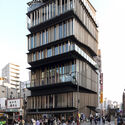
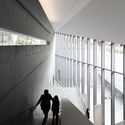
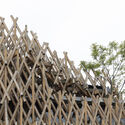
An Architectural Journey Through Tokyo, the Never-Ending City
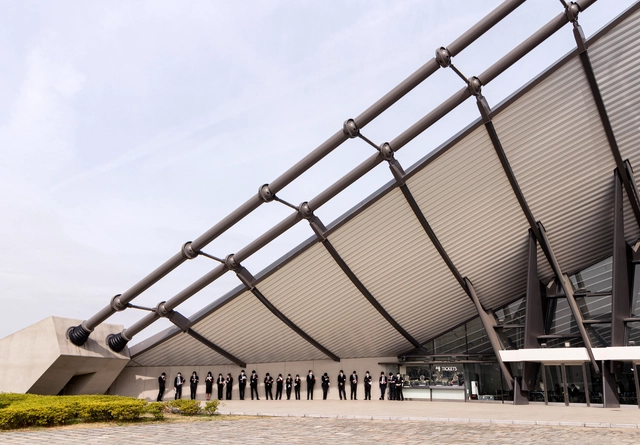
Tokyo is never-ending. It is a city made up of many cities, where everything is superlative and encounters with overwhelming scale are constant. For those visiting for the first time, the cultural shock is striking. Everything is extremely clean despite the absence of public trash bins, there's a strong impression of zero violence, and society seems to follow strict disciplinary codes to the letter. There’s a sense that human relationships and individual feelings are set aside in favor of the collective, with all the benefits and drawbacks that this way of life may bring.

https://www.archdaily.com/1029375/an-architectural-journey-through-tokyo-the-never-ending-cityEron Costin
Inclusion, Encounter, and Creativity in Public Spaces: The Role of Skateboarding in the Pursuit of Urban Wellbeing
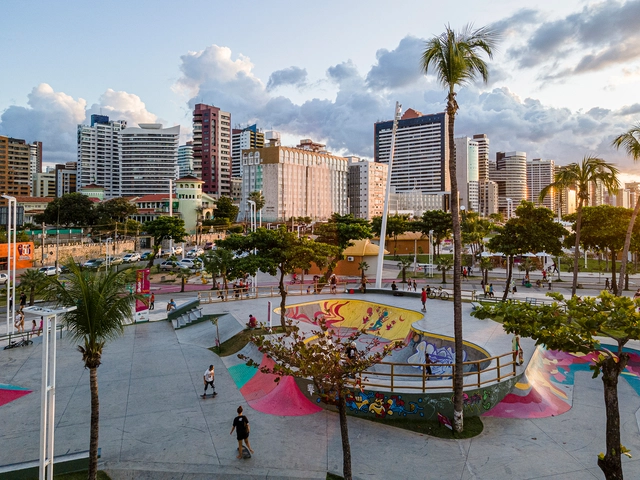
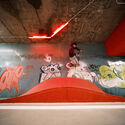
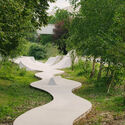
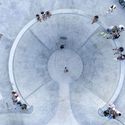
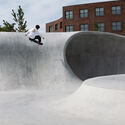
How is it possible to achieve emotional well-being in public spaces? What role do public spaces play in promoting urban well-being? Considering that sports practices can be a vital component in creating healthy public spaces, skateboarding, one of the most globally recognized urban activities, offers an alternative for building opportunities for the physical, recreational, social, cultural, and even professional development of multiple generations.

https://www.archdaily.com/1029050/inclusion-encounter-and-creativity-in-public-spaces-the-role-of-skateboarding-in-the-pursuit-of-urban-wellbeingAgustina Iñiguez
Spaces for Wellness: Integrating Fitness into Everyday Environments
_Yohei_Sasakura.jpg?1584733407&format=webp&width=640&height=580)
As cities continue to grow and daily realities shift rapidly, people are turning to new and evolving ways to maintain their well-being. While promoting active lifestyles has long been a focus for many planners and architects, through pedestrian- and bike-friendly cities, parks, and fitness or sports centers, recent times have shown that these publicly valued facilities are not always accessible. A clear solution has emerged in recent years, accelerated by the global pandemic in 2020. Both homes and workplaces have begun to adapt their interior spaces, incorporating designated areas and equipment to support physical activity and provide opportunities for movement during the day.
_Toshiyuki_Yano.jpg?1584733248 "© Toshiyuki Yano")
_Fernando_Guerra___FG_SG.jpg?1584733499 "© Fernando Guerra | FG+SG")
_Toshiyuki_Yano.jpg?1584733288 "© Toshiyuki Yano")
_Adrien_Williams.jpg?1584733422 "© Adrien Williams")
_Yohei_Sasakura.jpg?1584733407)
https://www.archdaily.com/936042/13-design-solutions-to-organize-your-workout-at-homePaula Pintos
Breathing New Life into an Evocative Salt Mine: A Landscape Journey with Snøhetta at YACademy
| Sponsored Content
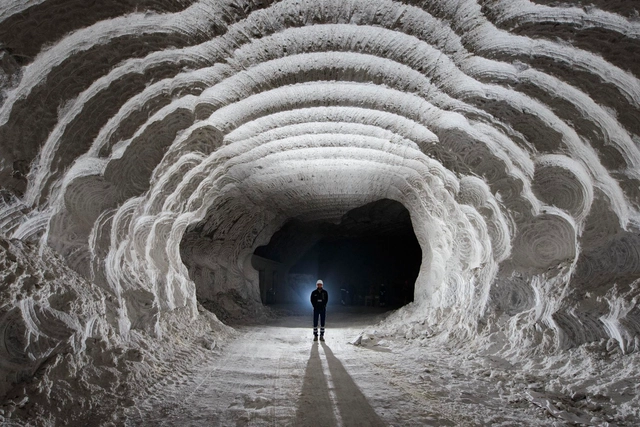
Blurring the boundaries between surface and underground, The In-between Scape and Transitorre boldly reimagine the Petralia Soprana Salt Mine as a meeting point of contrasts—where education blends with leisure, nature with architecture, and visitors become part of the story. These visionary projects, born from YACademy's Architecture for Landscape program, use bold forms and innovative materials to spark a dialogue between people and place, transforming the mine into an immersive and deeply connected experience. Drawing on a decade of expertise in designing within extraordinary natural sites, the program offers a unique educational journey into meaningful, context-driven architecture.
Throughout the course, Yacademy aims to train professional designers capable of intervening in astonishing and monumental natural contexts. Through an extensive program of lectures by master architects, exclusive site visits, hands-on workshops, and design reviews, designers will become more and more able to reconnect human design to the natural environment and be inspired by landscape to design outstanding, sustainable and impressive architectures. Moreover, the program guarantees an internship in a well-renowned architectural firm.
https://www.archdaily.com/1029014/breathing-new-life-into-an-evocative-salt-mine-a-landscape-journey-with-snohetta-at-yacademyRene Submissions
A Scandinavian soul in a Mexican metropolis: BoConcept’s vision for Riga Bosques
| Sponsored Content
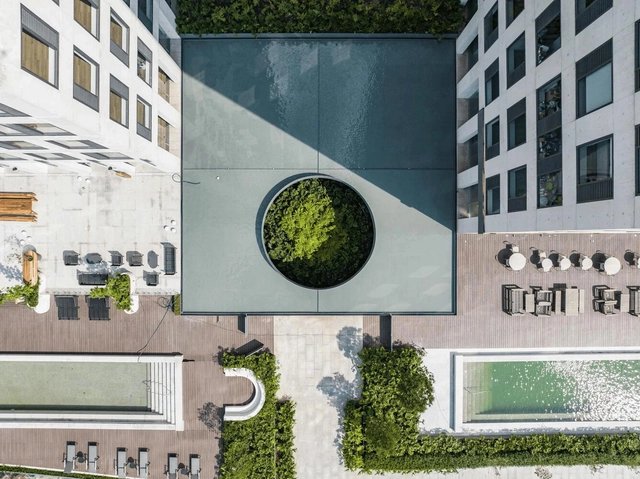
When the seeds that would bloom into BoConcept were planted by cabinet makers Tage Mølholm and Jens Ærthøj, in the small Danish town of Herning in 1947, its founders could hardly have foreseen that their nascent furniture company would eventually become a global leader in contemporary Scandinavian design.
But such is the way. BoConcept now operates 300 dedicated stores in over 65 countries, and many of its pieces – from the minimal, organic and ergonomic Adelaide chair, designed by Henrik Pedersen; to Morten Georgsen's classically-inflected, ceramic-topped Santiago dining table – have become touchstones for interior designers and aesthetically minded consumers alike. Its global reach is supported by dedicated franchisers, such as Carlos Salamonovitz, who recently brought BoConcept's vision to a new residential project in Mexico City.
https://www.archdaily.com/1029218/a-scandinavian-soul-in-a-mexican-metropolis-boconcepts-vision-for-riga-bosquesTom Howells
Architecture Offices in Porto Through the Lens of Marc Goodwin
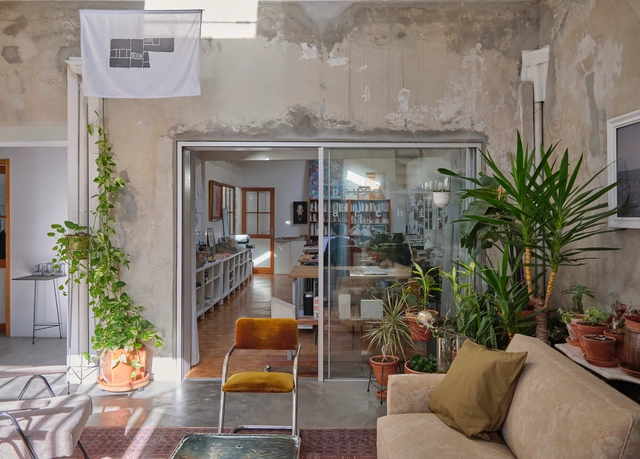
Porto's architectural legacy has long been shaped by the weight of history and the clarity of form. From the work of Álvaro Siza to the dense network of studios emerging from the city's schools, Porto offers a unique blend of continuity and reinvention. Here, architecture is not only a matter of design but often one of endurance — of working within constraints, of drawing with precision, and of navigating a built environment marked by permanence and resistance to spectacle.
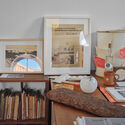
Yet within this persistent context, a new generation of architects has been reshaping the field with quiet determination. Often formed in shared spaces, these practices balance autonomy with collaboration and meticulous detailing with broader urban concerns. Their studios tend to reflect this ethos: modest in scale, defined by adaptive reuse, and rooted in the material reality of the city. In these workspaces, architecture unfolds as a process — sometimes speculative, sometimes grounded — but always reflective of a practice that is deeply local and increasingly global.




https://www.archdaily.com/1028765/architecture-offices-in-porto-through-the-lens-of-marc-goodwinDiogo Borges Ferreira
Insights from Saudi Arabia’s Architecture and Design Commission and the Designathon Initiative
| Sponsored Content
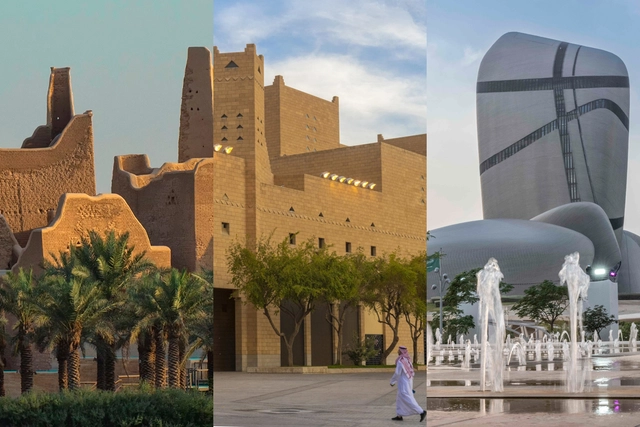
For centuries, the heart of the Arabian Peninsula was a land of vast deserts and settlements shaped by their environment. This relationship with the landscape, materiality, and knowledge of the place has not only endured but now translates into a landscape gaining recognition on the global creative scene. From projects that emerge with a profound sensitivity to context to global exhibitions and awards that drive its evolution, the region is consolidating its architectural language—rooted in its history while oriented toward new explorations. Far from halting, this momentum continues to chart the path for its development, establishing the region as a platform in contemporary architectural discourse.
https://www.archdaily.com/1028115/insights-from-saudi-arabias-architecture-and-design-commission-and-the-designathon-initiativeEnrique Tovar
Raw, Refined, and Resilient: 14 Projects Showcasing Concrete Block as a Design Language
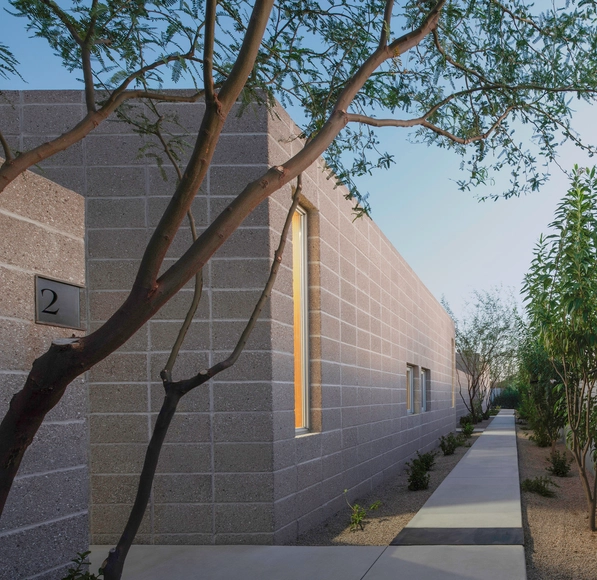
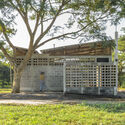
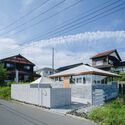
Once seen as purely utilitarian, bare concrete blocks have increasingly become part of an architectural transformation. In regions where warm climates make insulation unnecessary, this material can be left exposed, free of cladding, finishes, or embellishment. In doing so, texture, bond, and form can define the building's character and simplify construction while creating new opportunities for expression and identity. This also creates a platform to explore the concept of material honesty. Beyond its aesthetic value, using a material "as is" can significantly reduce construction costs and minimize maintenance during the building's lifespan.

https://www.archdaily.com/1029099/concrete-block-as-a-design-language-raw-refined-and-resilientMoises Carrasco
Winners of the Denver Single Stair Housing Challenge Unveiled by Buildner
| Sponsored Content
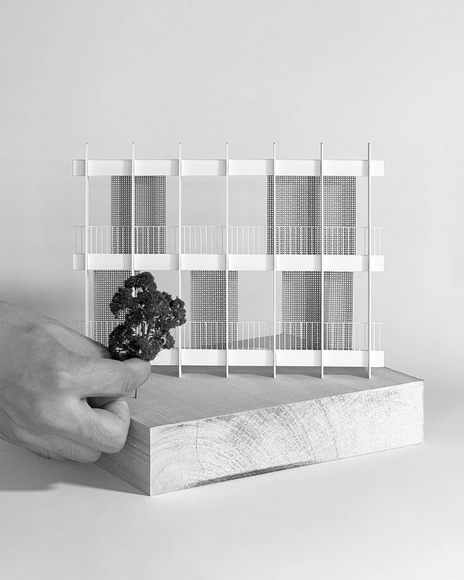
Buildner has released the results of its Denver Single Stair Housing Challenge, an international design challenge inviting architects, designers, and urban planners to explore innovative solutions for high-density residential living. Participants were tasked with reimagining a common point access block typology—often characterized by vertical circulation concentrated in a compact core—and transforming it into a more sustainable, community-oriented, and adaptable living environment. The competition was focused on sites in Denver, Colorado, though its issues are relevant to urban situations throughout the United States and around the globe.
https://www.archdaily.com/1028772/winners-of-the-denver-single-stair-housing-challenge-unveiled-by-buildnerRene Submissions
A Culture of Reuse: 5 European Museums Embedded into Their Historical Contexts
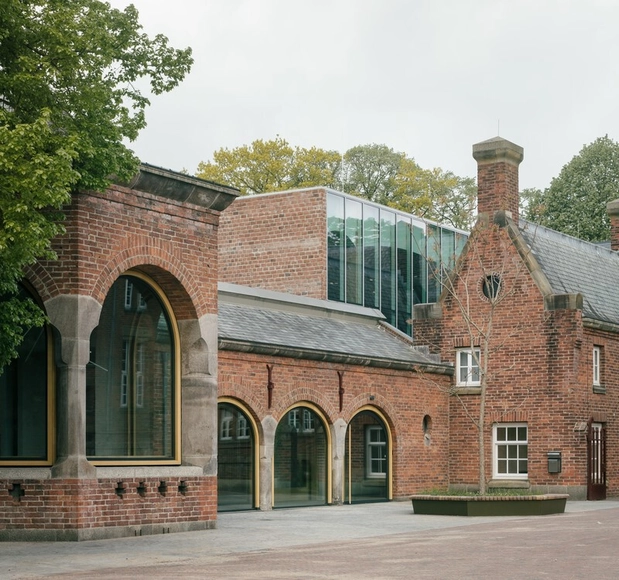
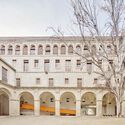
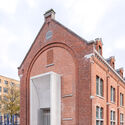
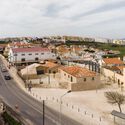
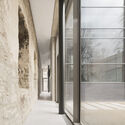
Throughout their relatively recent history, museums have evolved to condense particular aspects of a culture and present them in a coherent and unified manner. This makes the connection between the architecture and the exhibit a crucial matter, as the architect is tasked with designing not only the framework and background of the exhibited arts or artifacts but also taking charge of the journey undertaken by the visitor, harmonizing the cultural gain with the lived spatial experience of walking the exhibition halls. However, not all museums have been purposely built for this task.
Across Europe, museums are being organized within or expanding upon historical monuments and buildings that have lost their original purpose. Then in a state of decay, this decision to reorganize them as cultural venues stops the decay and preserves the historical material, adding a new layer of complexity to the intended exhibits. The architect's role becomes that of introducing order and a system that can balance the heritage of the place with the needs of modern functionality, ensuring that the essence of the original structure is preserved while meeting the needs of contemporary exhibitions and public engagement.

https://www.archdaily.com/1023547/a-culture-of-reuse-5-european-museums-embedded-into-their-historical-contextsMaria-Cristina Florian
Terrazzo’s Sustainable Design Strategy: Integrating Tradition, Reuse, and Innovation
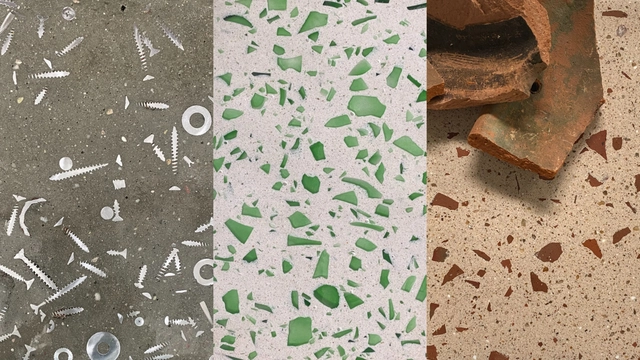
In a context where sustainability and material identity are becoming priorities in architecture, some ancient materials are finding new life. Terrazzo, with origins dating back to the 15th century, stands out as an example of how tradition can fuel innovation. The modern form, as we know it today, emerged in 15th-century Venice, Italy, when Venetian mosaic workers, seeking to make use of marble scraps, began incorporating these irregular fragments into mortar to create durable and visually appealing surfaces for terraces around their homes. This approach not only minimized raw material waste but also led to the development of new surface-finishing techniques, evolving from manual stone rubbing to the use of a heavy, long-handled grinding stone known as a galera.
https://www.archdaily.com/1029067/terrazzos-sustainable-design-strategy-integrating-tradition-reuse-and-innovationEduardo Souza
Environmental Noise: Improving Urban Soundscapes for Well-Being
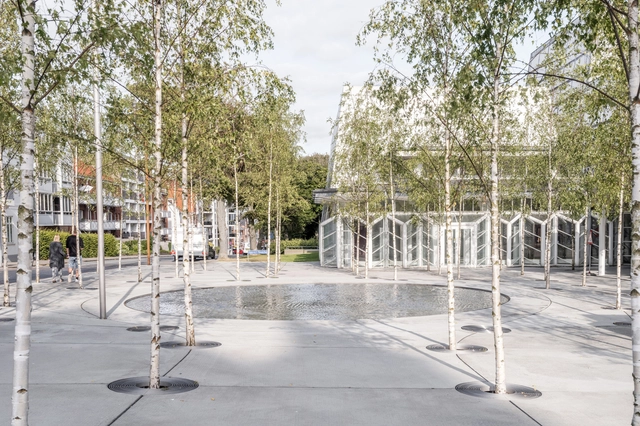
According to several recent studies, noise in cities has become an increasing hazard to health. Environmental noise, that is, noise from traffic, industrial activities, or amplified music, which reaches internal spaces, is not merely an annoyance. It has been linked to cardiovascular disease, diabetes, dementia, and mental health. As the world urbanizes, more people are exposed to excessive levels of noise. How can urban design and architectural strategies help to prevent this?




https://www.archdaily.com/1029098/environmental-noise-improving-urban-soundscapes-for-well-beingMohieldin Gamal
The Economics of Vertical Growth in India: Addressing Urban Density and Sprawl
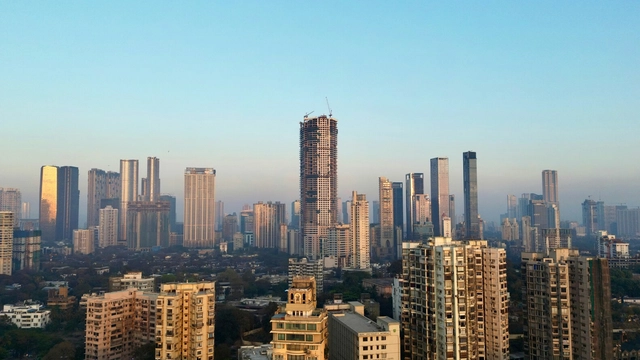
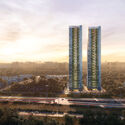
India finds itself a watershed moment with its urban evolution. With the United Nations projecting urbanization to reach 68% by 2050, the country's metropolitan regions needs to adapt to increasing populations while maintaining equity and quality of life. India's urban population is expected to exceed 600 million by 2030, drawing attention to both urban density and sprawl. As an emerging player in the domain of high-rise development, India is restructuring how it engages with urban growth by shifting from horizontal sprawl to vertical expansion.




https://www.archdaily.com/1028945/the-economics-of-vertical-growth-in-india-addressing-urban-density-and-sprawlAnkitha Gattupalli
High-Level Realism: Cinematic Rendering Powered by Real-Time Path Tracing
| Sponsored Content

Real-time rendering technology is evolving at an unprecedented pace, and D5 Render 2.10 sets a new benchmark with the introduction of real-time path tracing. In addition to this cutting-edge advancement, the update brings significant improvements to AI-driven post-processing, procedural city generation, weather effects, animation controls, and team collaboration features, elevating both rendering quality and workflow efficiency.
https://www.archdaily.com/1028360/high-level-realism-cinematic-rendering-powered-by-real-time-path-tracingRene Submissions
Expo 2025 Osaka: 8 Must-See National Pavilions
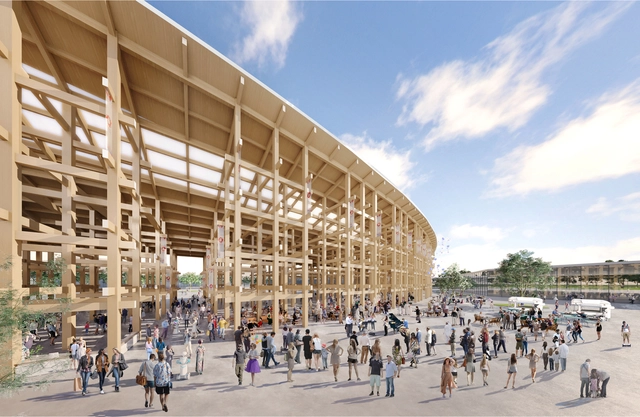
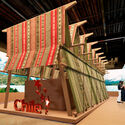
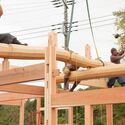
Opening on April 13th, 2025, Expo 2025 Osaka gathers countries and organizations from around the world under the theme "Designing Future Society for Our Lives." Located on the manmade island of Yumeshima, the event is expected to attract millions of visitors with a focus on innovation, sustainability, and cross-cultural exchange. The overall masterplan is led by Japanese architect Sou Fujimoto, who envisions a circular structure known as the Grand Roof, or the "Grand Ring." Measuring 1.5 kilometers in diameter, the floating canopy will connect the national and thematic pavilions below, functioning as a symbol of unity and collaboration while offering shaded walkways and event spaces.

https://www.archdaily.com/1028820/one-week-to-expo-2025-osaka-8-must-see-national-pavilionsNour Fakharany
Old Homes, New Stories: 11 Traditional Japanese Homes Renovated for Modern Living
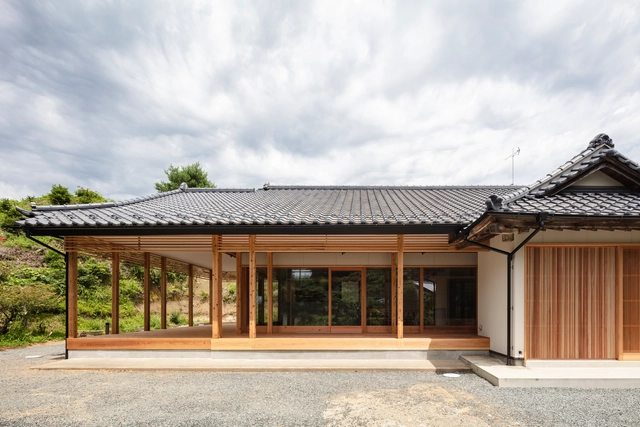
When thinking about Japan, the first thing that comes to mind is the bustling streets of Tokyo, old fortified castles, and the cherry blossom-lined rivers in the urban areas. However, little is discussed regarding a real estate market problem currently ongoing in the country: Akiya, a Japanese term that translates to an empty house. In 2024, the number of Akiya in Japan went up to a record high of nine million units. Some believe that at the root of the issue is depopulation. When homes are passed down through family inheritance, they frequently become burdens rather than assets. As younger generations increasingly move to cities or live in apartments, they usually have no interest in living in or maintaining the old family home, especially if it's located in a less convenient or rural area. Cities like Tokyo see a smaller number of Akiya due to the elevated price of the land. Nonetheless, issues such as elevated costs of adapting the house to the new earthquake regulations and higher taxation on vacant land, still cause people to abandon them even in urban areas.


https://www.archdaily.com/1028786/old-homes-new-stories-11-traditional-japanese-homes-renovated-for-modern-livingMoises Carrasco
Public Space as a Tool for Community Healing: Scales of Intervention in Latin America
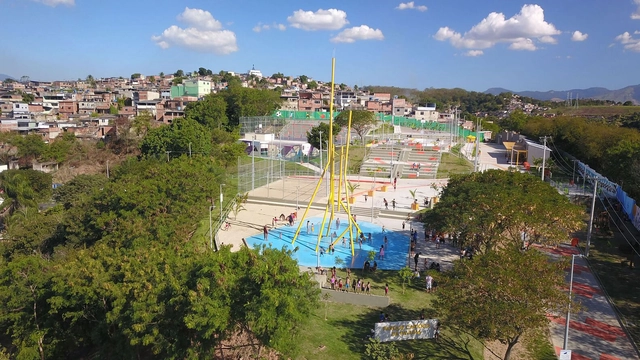
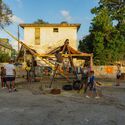
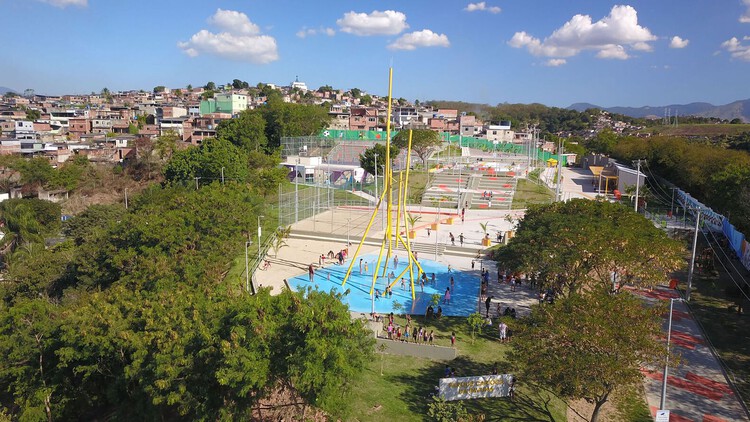
Public spaces are more than just physical voids in the urban fabric—they are stages for social interaction, cultural expression, and collective memory. In times of social fragmentation and environmental stress, these spaces can serve as catalysts for healing, offering safe environments where communities can reconnect. Through thoughtful design and participatory processes, public space interventions can rebuild trust, promote mental well-being, and foster a renewed sense of belonging among community members.


https://www.archdaily.com/1028942/public-space-as-a-tool-for-community-healing-scales-of-intervention-in-latin-americaPaula Pintos