

This guide explains how to structure multi-image prompts in the RunDifussion platform. Explore RunDifussion's product catalog.
Articles
How to Prompt and Annotate Multiple Images with AI
| Sponsored Content
https://www.archdaily.comhttps://www.archdaily.com/catalog/us/products/38860/how-to-prompt-and-annotate-multiple-images-with-ai-rundiffusion
Transforming Historic Industrial Buildings in US Cities: 6 Buildings Adapted For The Contemporary Workspace
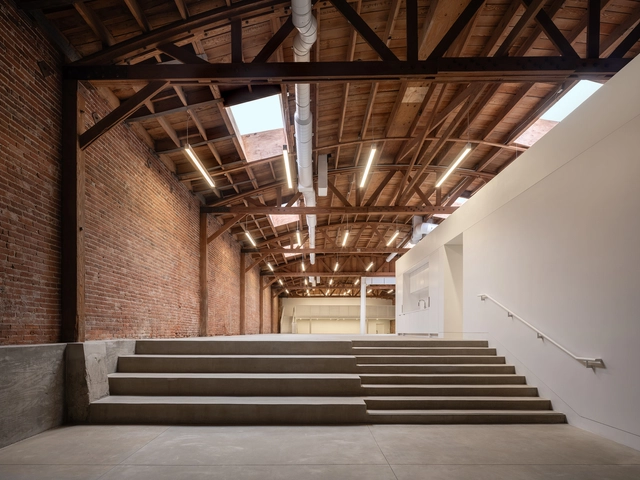
Many major cities in the United States are grappling with large industrial buildings that have fallen into disuse. These buildings hold historical and architectural significance and are often protected from demolition. Consequently, architects face the challenge and responsibility of adapting these buildings to contemporary functionalities. Opting against demolition reflects a sustainable construction approach and highlights the importance of honoring the built heritage.


https://www.archdaily.com/1015956/transforming-historic-industrial-buildings-in-us-cities-6-buildings-adapted-for-the-contemporary-workspacePaula Pintos
How Emerging Tech is Transforming the Architecture and Construction Industry
| Sponsored Content
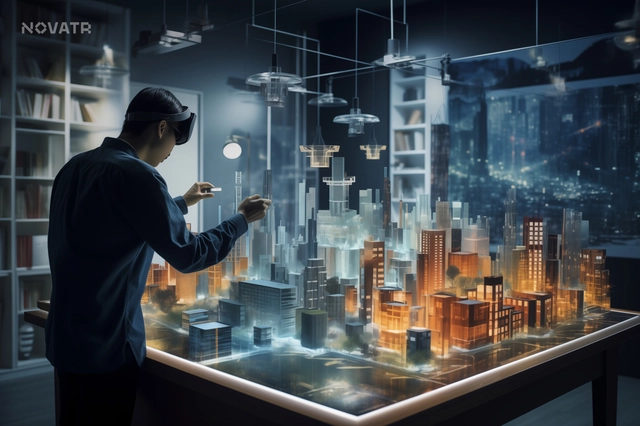
For many years, technology has been shaping the future of various industries, and the architecture, engineering, and construction (AEC) industry is no different. Initially, architects used to draw sketches on paper, which later progressed to 2D drawings, 3D digital blueprints, and now BIM—these technological advancements have changed how modern architects approach design by making it more sustainable and efficient. According to the 2024 RIBA AI study, 57% of architects believe AI will improve design process efficiency, and 54% expect to integrate it into their practice within the next two years.
https://www.archdaily.com/1027631/how-emerging-tech-is-transforming-the-architecture-and-construction-industryRene Submissions
Frank Lloyd Wright’s Mayan Revival Houses in Los Angeles: Creating Atmosphere and Perception of Space
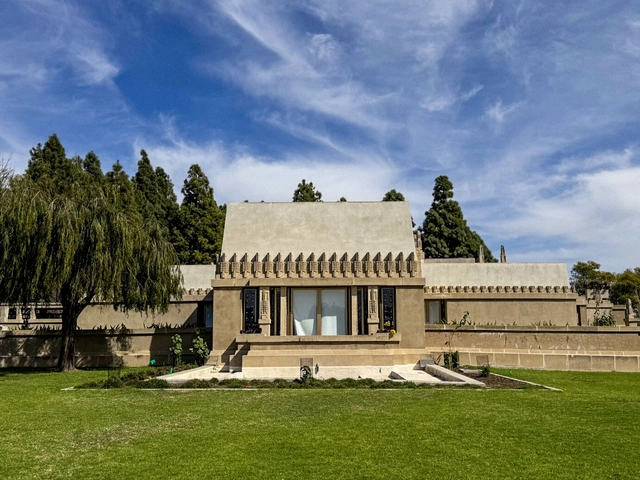
Frank Lloyd Wright's architectural legacy is vast, but among his most enigmatic and atmospheric works are his Mayan Revival houses in Los Angeles, California. Residences such as the Hollyhock House redefine the interplay of light, materiality, constructive innovation, and spatial perception. By using modular concrete blocks in an ornamental and structural way, Wright developed a unique aesthetic deeply rooted in both the past and the future.


https://www.archdaily.com/1027771/frank-lloyd-wrights-mayan-revival-houses-in-los-angeles-creating-atmosphere-and-perception-of-spaceMoises Carrasco
Rethinking Sustainability Through Site-Specific Strategies
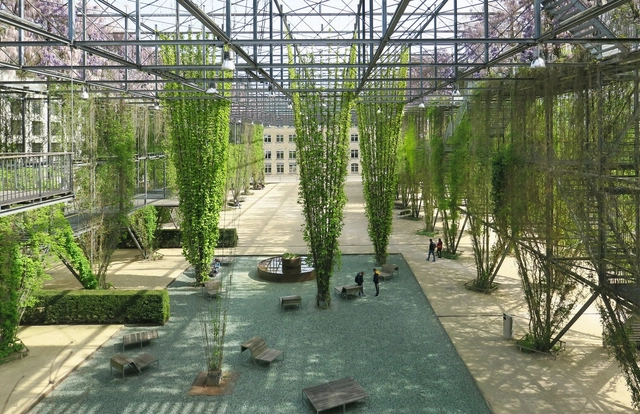
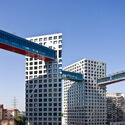
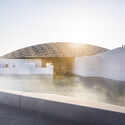
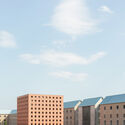
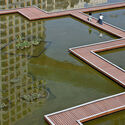
Sustainability in architecture is often framed as a universal challenge, leading to standardized solutions that prioritize efficiency over context. However, architecture is inherently tied to its environment — buildings interact with climate, topography, and cultural history in ways that demand specificity. Instead of relying on standardized sustainability checklists, how can architecture embrace site-specific solutions? This conversation is deeply connected to the concept of Genius Loci, or the spirit of a place, introduced by Christian Norberg-Schulz and embraced by architects advocating for designs that resonate with their surroundings. It suggests that architecture should not be imposed upon a site but rather emerge from it, informed by its materials, climate, and cultural significance. This philosophy challenges the widespread application of generic sustainable technologies, instead proposing that sustainability must be inherently tied to the location in which it operates.

https://www.archdaily.com/1027018/rethinking-sustainability-through-site-specific-strategiesDiogo Borges Ferreira
Reimagine Hospitality in Venice: Monaco Smart & Sustainable Marina Rendezvous 2025
| Sponsored Content

For the 5th Anniversary Edition of the "Monaco Smart & Sustainable Marina Rendezvous", M3 Monaco unveils the new theme of its annual international architecture competition. Students, young architects, and professionals are challenged to imagine a new vision or rethink the development of Certosa Island's infrastructure in Venice, creating a unique dialogue that incorporates regenerative tourism, the maritime journey, the UNESCO World Heritage listing, and the context of "La Serenissima."
https://www.archdaily.com/1027493/reimagine-hospitality-in-venice-monaco-smart-and-sustainable-marina-rendezvous-2025Rene Submissions
Art, Activism, and the City: Illuminating Social Change
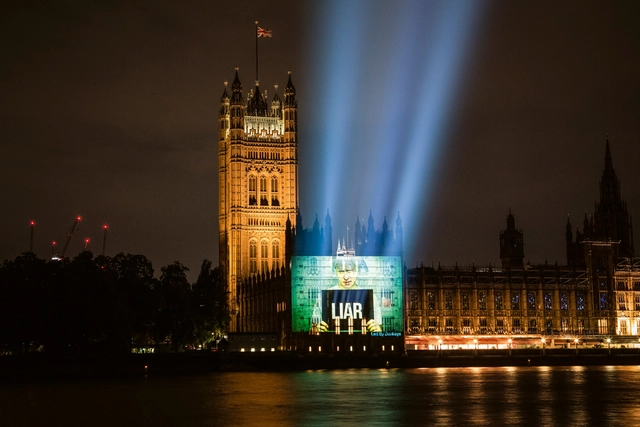
The creative fusion of art and activism in urban spaces has propelled the British collective Led by Donkeys into the spotlight, garnering millions of views for their interventions on social media. Their critical visual occupations - whether billboard messages during the day or large-scale projections at night - raise a compelling question: which medium holds the greater persuasive power? The book "Led by Donkeys: Adventures in Art, Activism and Accountability" offers a deep dive into their conceptual approach, charting their rapid evolution over six years. What began as a London-based response to Brexit has expanded into a global critique of political hypocrisy, addressing issues in Europe, the Middle East, and America. For Peter Weibel, former director of the ZKM Center for Art and Media in Karlsruhe, Germany, the innovative fusion of activism and art—or "Artivism"—represents the first new art form of the 21st century. Years of experience in environmental activism provided the group with crucial insights into the mechanics of political communication, the organization of public interventions, and the challenges of achieving meaningful societal change.


https://www.archdaily.com/1027904/art-activism-and-the-city-illuminating-social-changeThomas Schielke
Comfort and Seclusion: 5 Hotels in the Deserts of Latin America
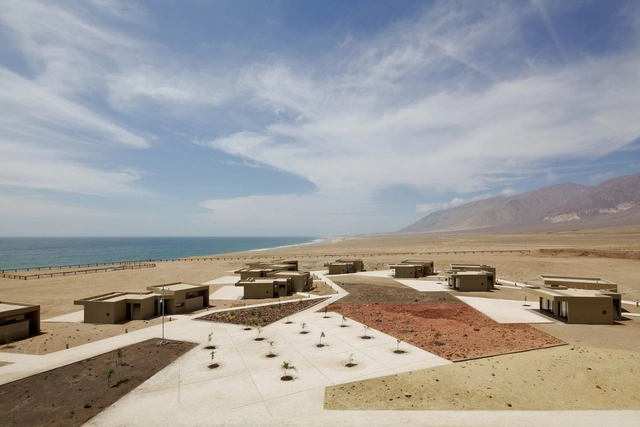
The desert is a landscape in constant transformation. Shaped by the wind, its dunes, ridges, and fissures emerge and fade in an ever-shifting expanse, as if the scenery itself were alive. It is a land of stark contrasts, where the scorching heat of the day gives way to the crisp coolness of the night, revealing nature in its most primal form. In such a dynamic and untamed environment, how can architecture not only integrate but also respect and engage with its surroundings? This is the challenge faced by hotels built within Latin America’s vast desert landscapes.


https://www.archdaily.com/1027844/comfort-and-seclusion-5-hotels-in-the-deserts-of-latin-americaCamilla Ghisleni
Advanced Façades by Trimo: Shaping Architecture for a Net-Zero Future
| Sponsored Content
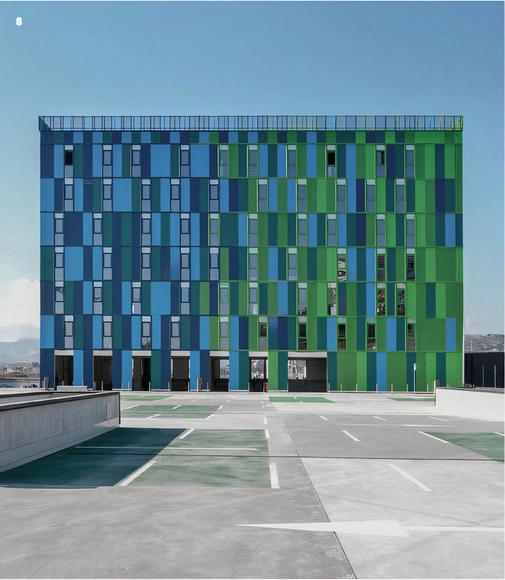
As the construction industry intensifies its efforts towards sustainability, architects and developers are actively seeking innovative solutions to reduce the environmental footprint of buildings. Trimo, a global leader in architectural façade and roofing solutions, is at the forefront of this transformation with its NEXT product range—Qbiss One NEXT and Trimoterm NEXT—which are setting new standards in sustainability. Designed to support the global shift to net-zero carbon construction, these products embody cutting-edge technology, lower carbon emissions, and high recyclability, all while delivering superior performance and aesthetics.
https://www.archdaily.com/1027640/advanced-facades-by-trimo-shaping-architecture-for-a-net-zero-futureRene Submissions
From AI to Artisans: How MEAN* Merges Computational Design with Middle Eastern Craftsmanship
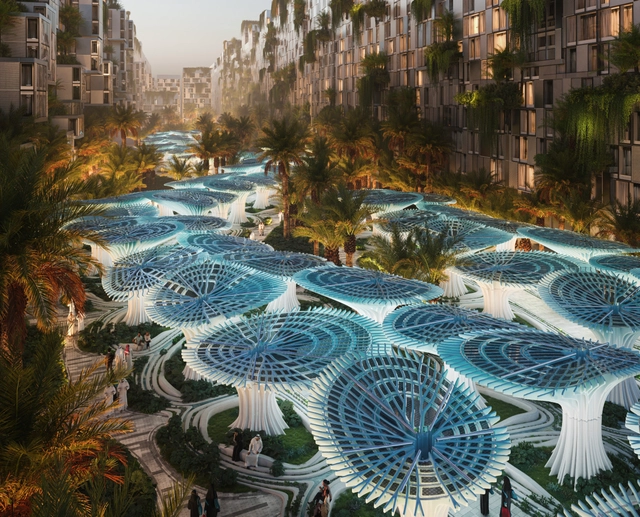
Named one of ArchDaily's Best New Practices in 2024, MEAN* (Middle East Architecture Network) is redefining the architectural landscape of the region by merging computational design, digital fabrication, and material research with local heritage. Founded in 2016, the studio takes a forward-thinking approach, developing site-specific architectural solutions that balance technological innovation with cultural continuity. Their work spans projects of various scales, from experimental furniture like the Mawj Chair to urban-scale interventions such as The Adaptive Majlis, a digitally fabricated reinterpretation of traditional cooling and social spaces. By integrating advanced tools like parametric design, AI, and 3D printing with local materials, MEAN* is crafting a new architectural language that reflects both the aspirations of the future and the depth of the past.


https://www.archdaily.com/1027870/from-ai-to-artisans-how-mean-merges-computational-design-with-middle-eastern-craftsmanship-starNour Fakharany
Liu Jiakun and the Reinvention of Tradition in Chinese Architecture
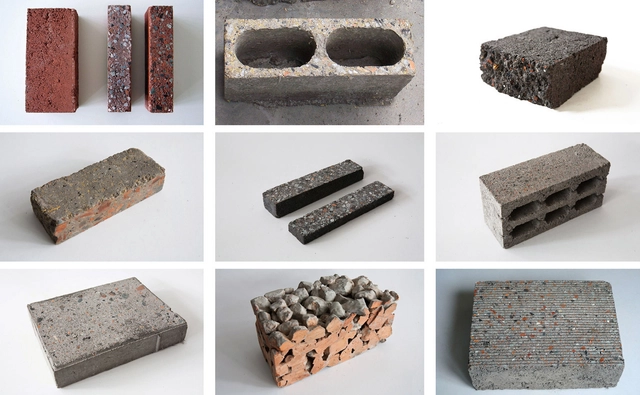
The world watches China's development with a mix of admiration, curiosity, and apprehension. From massive infrastructure projects—such as hydroelectric plants and a modern high-speed rail network—to the emergence of entire cities built from scratch, the country showcases an ambitious growth strategy and an impressive capacity for execution. However, this rapid progress also brings significant challenges and stark contrasts. On one hand, modernity asserts itself in futuristic skyscrapers and cutting-edge technology; on the other, there remains a pressing need to preserve the country's rich cultural and historical heritage, reflected in ancient temples, imperial palaces, and historic cities.
Rapid urban growth has also introduced issues such as overcrowding, environmental pollution, increasing social inequality, and the loss of agricultural land. Large-scale urbanization has led to the disappearance of traditional villages, environmental degradation, and the homogenization of architecture and lifestyles in many Chinese cities. It is within this context that Liu Jiakun, awarded the 2025 Pritzker Prize, stands out for his subtle yet profoundly transformative architectural approach. His work responds to these and other challenges of Chinese society while valuing traditional materials and techniques, as well as the creation of communal spaces.
https://www.archdaily.com/1027799/liu-jiakun-and-the-reinvention-of-tradition-in-chinese-architectureEduardo Souza
AI is Revolutionizing Construction – 'Now’s the Time to Lead the Change,' Says Pioneer Lilian Ho
| Sponsored Content
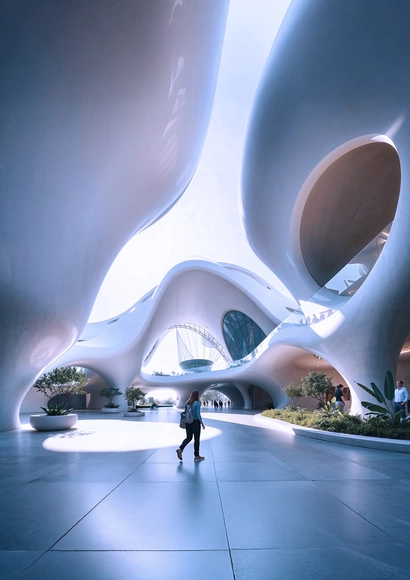
"We stand on the brink of a revolution in construction. The introduction of Artificial Intelligence is set to inevitably transform a sector that has, until now, been traditional and scarcely digitalized. Soon, we will witness a paradigm shift in how we approach every stage of the construction process, and industry professionals must lead the change," warns Lilian Ho, BIM & Digital Leader in AEC industry.
https://www.archdaily.com/1027492/ai-is-revolutionizing-construction-nows-the-time-to-lead-the-change-says-pioneer-lilian-hoRene Submissions
Designing with Humidity: How Architecture Adapts to the World’s Dampest Climates
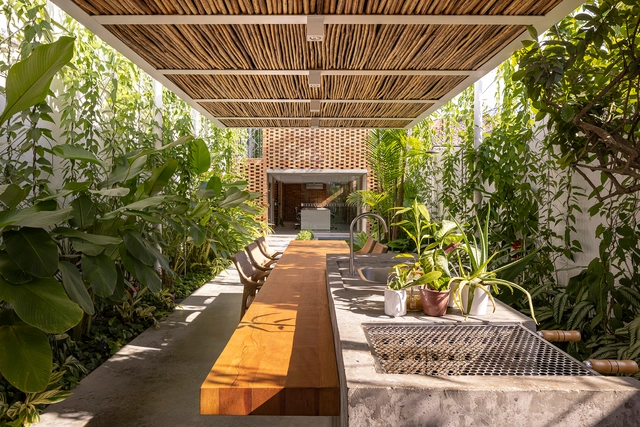
Humid environments present some of the most complex challenges in architectural design. From the tropical monsoon season of Southeast Asia to the equatorial heat of Central Africa, these environments demand solutions that account for intense moisture, high temperatures, and the constant battle against mold, decay, and stagnation. Yet, for centuries, communities in these regions have developed architectural techniques that do not fight against humidity but instead work with it, leveraging local materials, climate-responsive design, and passive cooling techniques to create sustainable and livable spaces. By considering atmosphere as a sensory and climatic phenomenon, architects will craft spaces that are not only evocative but also responsive, adaptive, and sustainable.




https://www.archdaily.com/1027537/designing-with-humidity-how-architecture-adapts-to-the-worlds-dampest-climatesOlivia Poston
Frameless is More: How Minimalist Windows Shape Architectural Atmospheres
| Sponsored Content
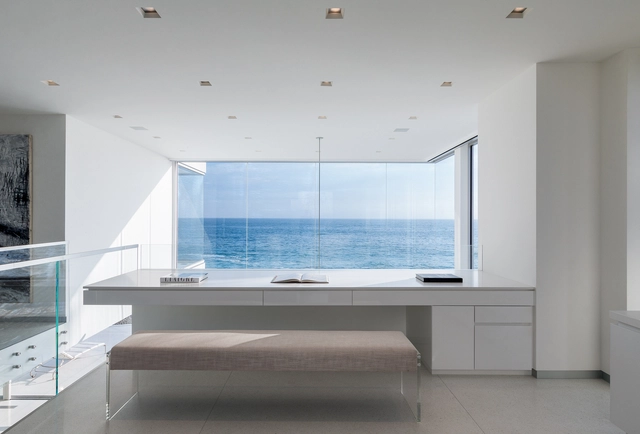
Challenging conventions has been a constant in artistic production throughout history, always seeking to reframe established limits. In the 20th century, societal, historical, and technological changes created the perfect context for profound architectural reconfiguring. In this process, modernism introduced new ideas around functionality, breaking with the ornamentation of the past. However, building on that foundation, minimalism further refined the reduction of form to its essence. Focusing on the relationship between space, restraint, and light, the Minimalist movement transformed contemporary architecture and interior design, turning windows into a fundamental resource for sensory perception and interaction with the atmosphere and space, opening up a realm of introspective, sensitive, and refined exploration.
https://www.archdaily.com/1027602/frameless-is-more-how-minimalist-windows-shape-architectural-atmospheresEnrique Tovar
International Women’s Day 2025: The Diverse Approaches of Emerging Woman-Led Architecture Practices

This International Women's Day, we celebrate the contributions of women in architecture, a field traditionally dominated by men. While dominant narratives may overlook their significant impact, as the history of architecture is replete with examples of women subtly but powerfully shaping the profession. When limited to a draftsman position, Ester McCoy took a step back not to disengage but to better observe. She became the first architectural critic and historian to notice the unique flavor of Modernism developing along the West Coast during the 1950s, bringing names such as Richard Neutra, or Luis Barragan to the forefront of architectural discussions. Similarly, the name Aline Louchheim may not be a widely recognized one among architects, but, because of her, the name Eero Saarinen surely is. The profession of architectural publicist also emerged through this collaboration. These stories remind us that recognizing women's achievements in architecture is not about celebrating gender, but about acknowledging a historical bias that has hindered the entire field's progress.



https://www.archdaily.com/1027786/international-womens-day-2025-the-diverse-approaches-of-emerging-woman-led-architecture-practicesMaria-Cristina Florian
Architecture for Neurodiversity: Designing for Control, Choice, and the Senses
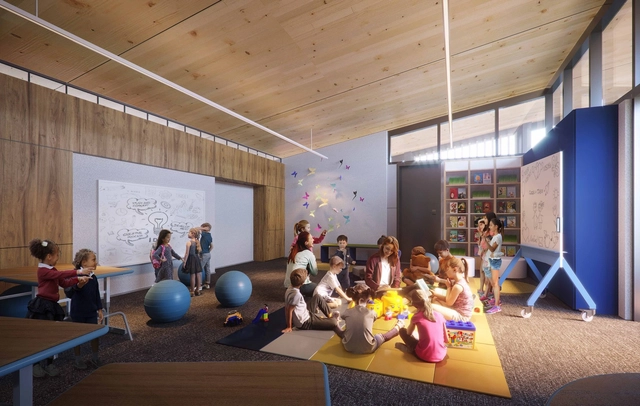
Publicly occupied spaces can be overwhelming. Airports, schools, stadiums, and workplaces all feature environments with visual chaos that can be disorienting and stressful for individuals, especially those who are neurodiverse. The bombardment of stimuli, unpredictable movements, and competing visual information can create barriers to occupant comfort. Architects are regularly encouraged to create spaces that recognize and honor individual differences. Designing for neurodiversity is one way of championing inclusivity and extending principles of universal design.


https://www.archdaily.com/1027772/architecture-for-neurodiversity-designing-for-control-choice-and-the-sensesAnkitha Gattupalli
Power Play: How Large-Scale Complexes are Leading the Charge with Solar Investments
| Sponsored Content
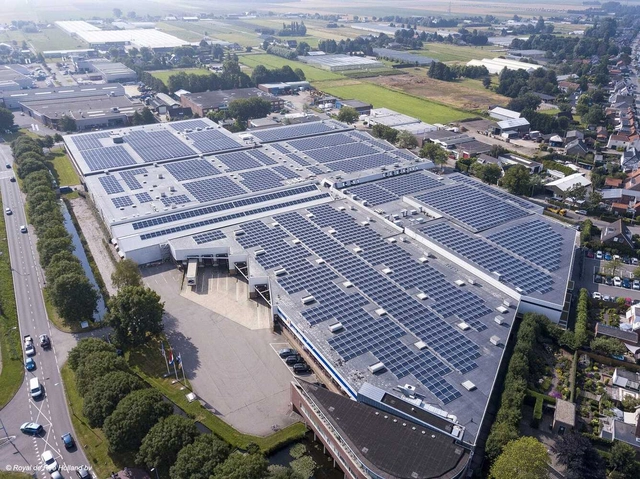
Transforming urban buildings into clean energy plants is a bold and powerful strategy to combat the climate crisis, reduce dependence on centralized grids, and promote more resilient, sustainable cities. Since 2010, cities have been responsible for over 75% of global electricity use, a demand historically met by fossil fuels as urbanization has increased since the Industrial Revolution. By the late 19th century, hydroelectric power began gaining relevance as a renewable alternative. However, with rapid advancements in solar technology, urban buildings now have the unprecedented potential to become self-sufficient power hubs.
https://www.archdaily.com/1026865/power-play-how-large-scale-complexes-are-leading-the-charge-with-solar-investmentsEduardo Souza
From High-Tech Icons to Social Housing: The Evolving Role of Prefabrication
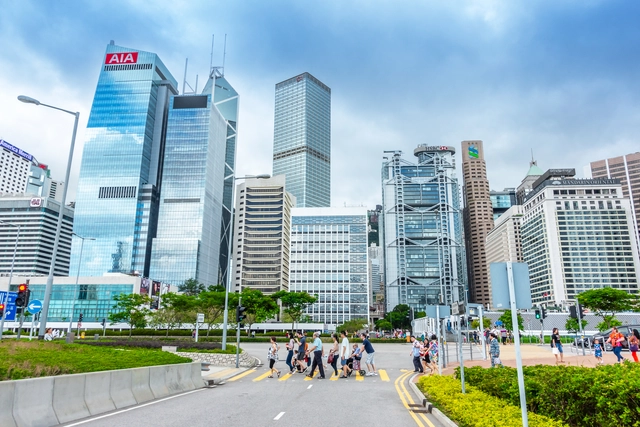
Prefabrication is one of the most transformative innovations in architecture and construction, redefining how buildings are designed, manufactured, and assembled. While not a new concept, its application has evolved to offer a broader range of advantages. Traditionally valued for its precision and quality, prefabrication is now equally recognized for its cost and time efficiencies, particularly in leveraging regional differences in labor and production. This shift has fueled its resurgence across high-end, design-driven projects and large-scale, cost-efficient public buildings.


https://www.archdaily.com/1027542/from-high-tech-icons-to-social-housing-the-evolving-role-of-prefabricationJonathan Yeung
"We See Difference as a Value and Uniqueness as a Catalyst for Collectivity." Get to Know the Work of BBOA – Balparda Brunel Oficina de Arquitectura
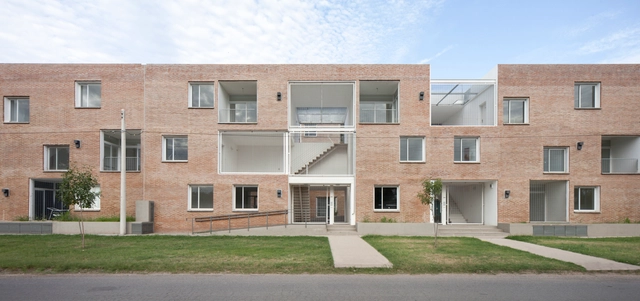
In recent years, the Argentine architectural field has been shaped by a group of young architects striving to create architecture that responds innovatively to contemporary needs and, above all, to local contexts. Adding their individual perspectives and interests, among them, we can highlight the work of architects Tomás Balparda and Fernando Brunel.
https://www.archdaily.com/1027691/we-see-difference-as-a-value-and-uniqueness-as-a-catalyst-for-collectivit-get-to-know-the-work-of-bboa-balparda-brunel-oficina-de-arquitecturaPaula Pintos
Call for Entries: ICONIC AWARDS 2025 – Shaping the Future of Architecture, Interior Design, and Product Innovation
| Sponsored Content
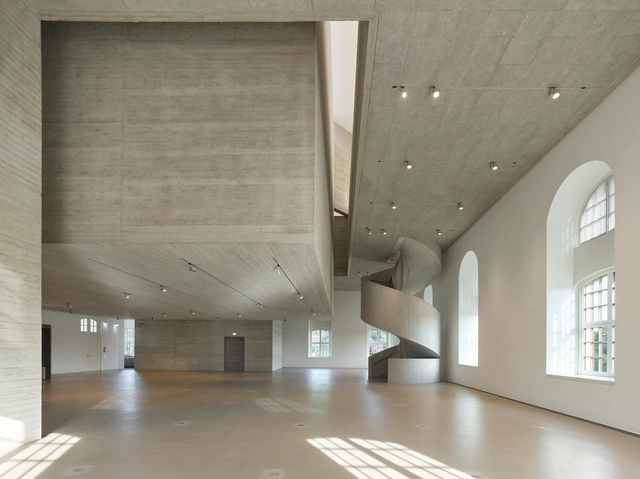
In a world facing resource scarcity, rapid digital transformation, and evolving societal demands, the need for dynamic dialogue between architects, designers, product developers, and manufacturers has never been more crucial. In 2025, the ICONIC AWARDS will take things further with an expanded and refreshed platform that unites architecture, interior design, and product innovation—spanning from buildings to furniture—all under one roof. The German Design Council is merging the former "Innovative Architecture" and "Interior Products" awards to create a powerful new stage for visionary ideas and groundbreaking solutions.
https://www.archdaily.com/1027490/call-for-entries-iconic-awards-2025-shaping-the-future-of-architecture-interior-design-and-product-innovationRene Submissions
Reconsidering Brutalist Renovations: A Transformation of the Boston City Hall for the Public
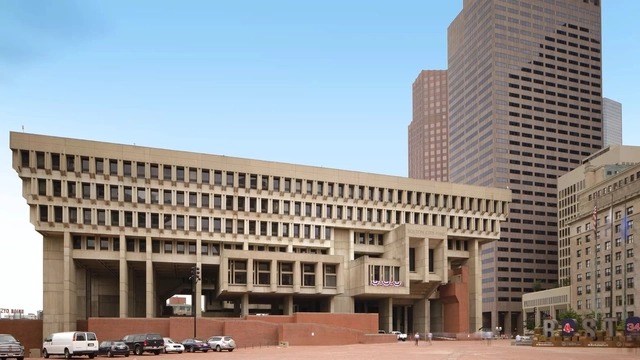
Boston City Hall, one of the most debated examples of Brutalist architecture in the United States, has significantly transformed since its conception. Designed by Kallmann, McKinnell, and Knowles and completed in 1968, the fortress-like concrete exterior and geometric austerity have long divided public opinion. Critics, including a former mayor, called for its demolition for decades arguing that its imposing design was inhospitable, inefficient, and most importantly, not beautiful. However, rather than tearing it down, Boston has chosen to renovate and revitalize the structure, demonstrating that contested Brutalist architectural styles can be adapted for a more sustainable future.


https://www.archdaily.com/1026387/reconsidering-brutalist-renovations-a-transformation-of-the-boston-city-hall-for-the-publicOlivia Poston
The Power of Harmonious Inspiration in Transforming Façades
| Sponsored Content
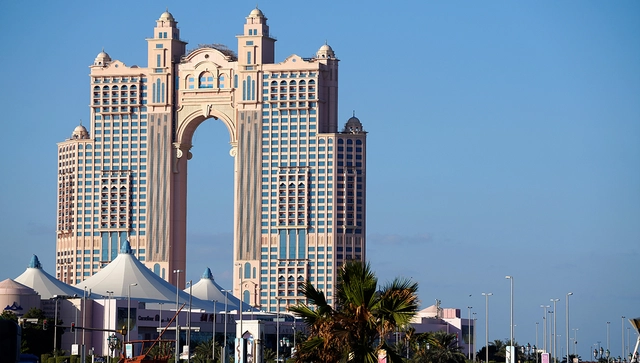
The façade of any building is more than just its exterior; it serves as a canvas that not only enhances the structure's appearance but also reflects its inner essence and character. The exterior façades category encompasses a broad variety of finishes and systems, including renders, and decorative coatings, designed to protect buildings while adding aesthetic value, blending functionality with visual appeal in perfect harmony. These finishes are crucial in defining the architectural character and energy efficiency of residential, commercial, and industrial structures.
The global exterior façade finishes and coatings industry is witnessing significant growth, driven by: increasing construction activities related to rapid urbanization and development; accelerated renovation projects; the adoption of energy-efficient building and sustainable construction practices; and the rising demand for aesthetically pleasing and durable building exteriors. It is projected to grow with a strong CAGR of 9% between 2023-2030, as per the Exterior Architectural Coating Market 2024 report by 360iResearch.
https://www.archdaily.com/1026432/the-power-of-harmonious-inspiration-in-transforming-facadesRene Submissions
From Micro to Spacious: Maximazing Space in Taiwan’s Urban Apartments
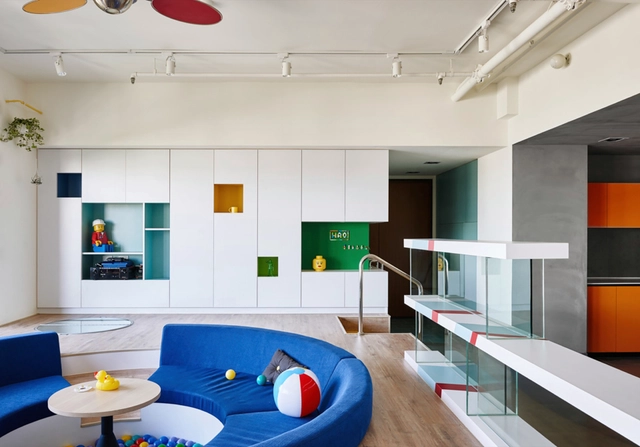
Despite its small size, the island of Taiwan is densely populated, with more than 80% of its people living in urban areas. Available space is often limited, particularly in major cities like Taipei, Taichung, and Kaohsiung. Therefore, designers face the ongoing challenge of creating interiors that feel spacious, functional, and visually appealing despite their sometimes compact footprints. Rather than seeing these limitations as constraints, architects embrace them as opportunities to experiment with smart layouts and multi-functional furniture that enhances livability.





https://www.archdaily.com/1027620/from-micro-to-spacious-maximazing-space-in-taiwans-urban-apartmentsMoises Carrasco
Refuges in the Latin American Jungle: 7 Lodges to Connect With Nature
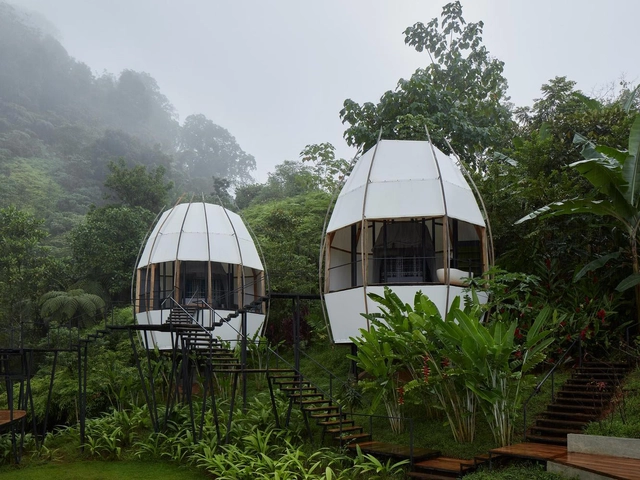
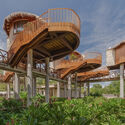
Many people living in large urban centers have, at some point, wished to trade the chaos of city life for the calm and tranquility of nature. As the desire for such experiences grows, Latin American countries' tourism and hospitality sectors have been investing in resorts nestled within forests. Inspired by eco-tourism, these retreats are designed to blend seamlessly into their surroundings, using local materials and traditional techniques that respect the ecosystem and promote sustainability.




https://www.archdaily.com/1027501/refugios-na-selva-latino-americana-7-pousadas-para-se-conectar-com-a-naturezaCamilla Ghisleni
Chinese Architect Liu Jiakun Receives the 2025 Pritzker Architecture Prize
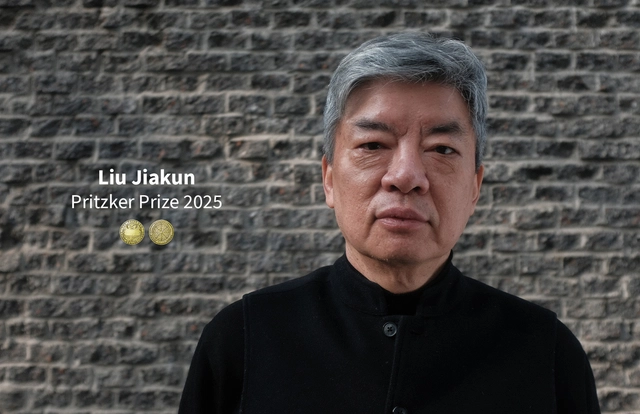
Chinese architect and educator Liu Jiakun has been announced as the laureate of the 2025 Pritzker Architecture Prize, the highest honor in the architecture field. This prestigious award recognizes Jiakun, founder of Jiakun Architects (established 1999), for his ability to blend traditional Chinese elements with contemporary design and for his commitment to social equity in the built environment. Born in Chengdu, China, where he continues to live and work, he becomes the second Chinese architect to receive the accolade, following Wang Shu (2012). Jiakun joins a distinguished list of previous laureates including Riken Yamamoto in 2024, David Chipperfield in 2023, and Francis Kéré in 2022. The award ceremony will be held this spring at the Jean Nouvel-designed Louvre Abu Dhabi, with a global video release of the presentation this fall, followed by the 2025 Laureates' Lecture and Symposium in May.




https://www.archdaily.com/1027571/chinese-architect-liu-jiakun-receives-the-2025-pritzker-architecture-prizeMaria-Cristina Florian