

This guide explains how to structure multi-image prompts in the RunDifussion platform. Explore RunDifussion's product catalog.
Articles
How to Prompt and Annotate Multiple Images with AI
| Sponsored Content
https://www.archdaily.comhttps://www.archdaily.com/catalog/us/products/38860/how-to-prompt-and-annotate-multiple-images-with-ai-rundiffusion
Nomadic Architecture: Why Tomorrow's Buildings Might Need to Move
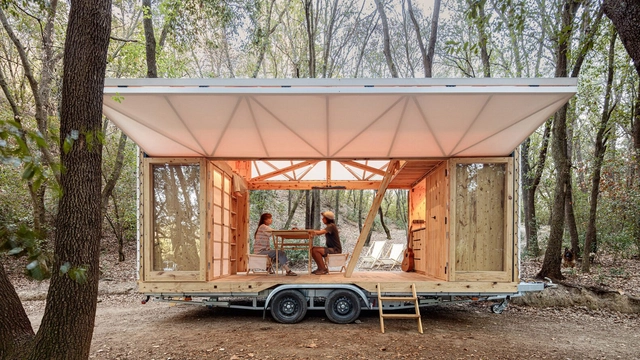
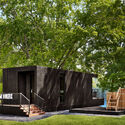
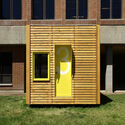
In early Mongolia, herders dismantle their yurt - a portable round tent made of felt or animal skin - in pursuit of new lands where they can raise their livestock. Not much further away is a digital nomad in Bali, preparing their next move into a co-living space in Ho Chi Minh City. Though separated by vast distances and cultural divides, these individuals are united by a timeless human desire - a quest mobility and adaptable living spaces. In light of geopolitical changes and emerging lifestyles, the demand for flexible residential architecture intensifies. In this era of increased mobility, is it enough for people alone to move, or will the buildings of tomorrow need to follow suit?



https://www.archdaily.com/1026393/nomadic-architecture-why-tomorrows-buildings-might-need-to-moveAnkitha Gattupalli
Redefining Contemporary Rituals: Architectural Approaches in 17 Crematorium Projects
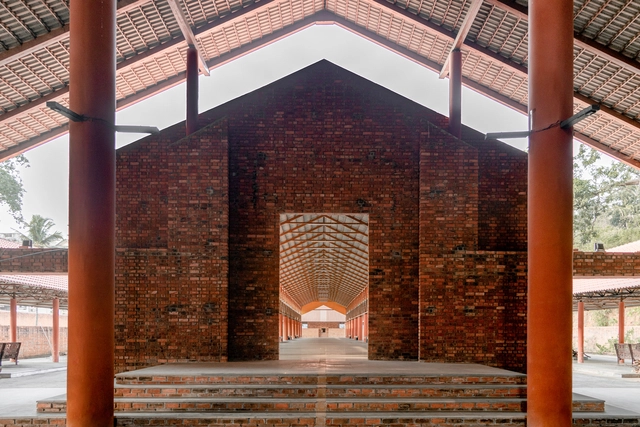
As people take greater control over the rituals surrounding their deaths, cremation has become an increasingly popular option worldwide. This shift has prompted the thoughtful design of spaces that address the profound emotions tied to cremation, life and death, and stillness. Architects are increasingly grappling with the question of what role architecture plays in these rituals.
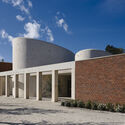
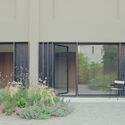
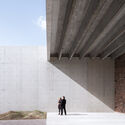
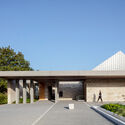

https://www.archdaily.com/933355/the-architecture-of-the-crematorium-in-10-projectsNiall Patrick Walsh
Designing for Density: How Modernist Principles Continue to Shape Social Housing Solutions Today
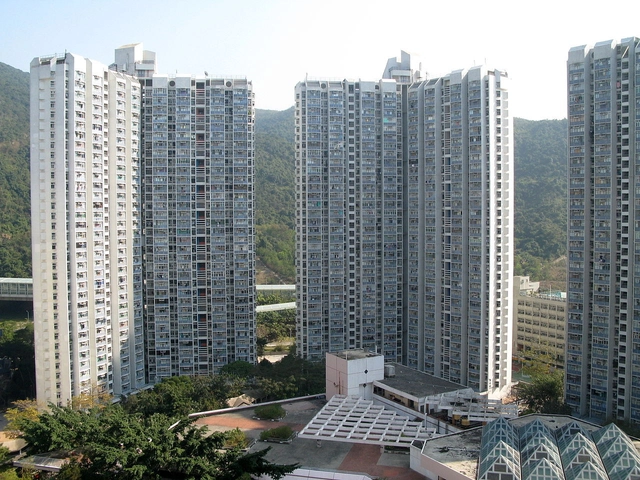
When discussing modernist living, several iconic private residential projects may first come to mind—Le Corbusier's Villa Savoye, the Case Study Houses, most notably by Richard Neutra, Pierre Koenig, and Charles and Ray Eames, as well as the glass houses by Mies van der Rohe and Philip Johnson. Most of these projects exemplified an idealized vision of modern living, set in picturesque landscapes and characterized by experimentation with new construction methods, materials, and spatial concepts. Their designs embraced openness, blurring the boundaries between private and public spaces, largely unburdened by constraints such as density, efficiency, accessibility, public transit integration, or communal considerations.
While these modern homes remain influential in contemporary residential design, they also—perhaps unexpectedly—laid the groundwork for high-density housing principles. Concepts such as the interplay between public and private space, modular construction, and prefabrication, initially explored in these private residences, have been adapted to the vastly different constraints of social housing.


https://www.archdaily.com/1026428/designing-for-density-how-modernist-principles-continue-to-shape-social-housing-solutions-todayJonathan Yeung
Playful Pedagogy: 4 Projects Using Topography to Redefine Children's Learning Environments in China
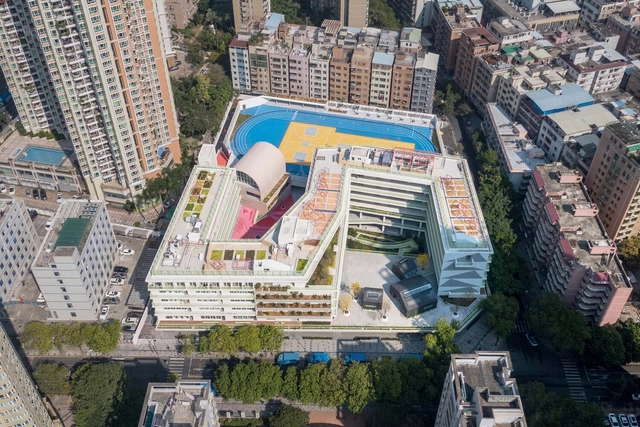
Educational architecture globally is undergoing a significant transformation, moving away from static, rigid designs toward more dynamic, interactive, and nature-driven environments. As cities become denser and land availability diminishes, architects are reimagining schools not just as places for learning but as ecosystems where children can grow holistically. A key element in this shift is the integration of landscape and topographical design, which allows schools to transcend traditional boundaries, combining education with play, exploration, and connection to nature. These designs aim to create engaging spaces that challenge children to interact with their environment physically and emotionally, fostering creativity, independence, and well-being. By layering natural elements such as mounds, gardens, terraces, and play structures into architectural plans, educational spaces are being reshaped into vibrant, multi-dimensional landscapes that encourage movement, imagination, and discovery.


https://www.archdaily.com/1026285/projects-redefining-childrens-learning-environments-through-landscape-and-play-in-chinaNour Fakharany
A Cultural, Architectural, and Territorial Tradition: Houses That Recycle and Showcase Wooden Shingles in Chile
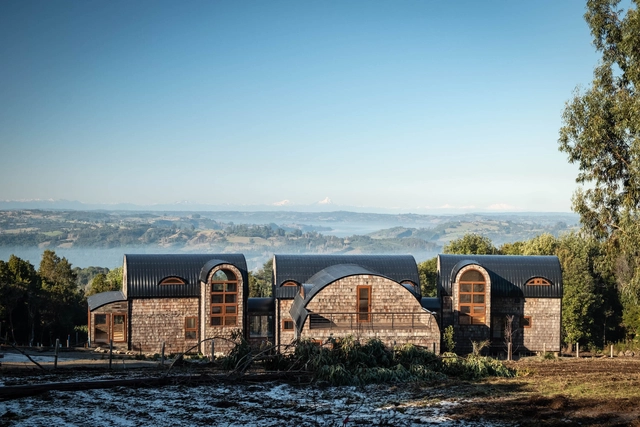
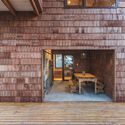
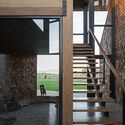
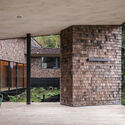
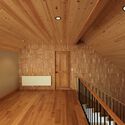
On a slope, along the banks of a river, among trees, or on an expansive hillside, each territory serves as a living testament to its local traditions. Through its architecture, the experimentation, appreciation, and use of certain materials, construction techniques, local crafts, and site-specific tools aim to preserve stories and pass on the discoveries and learnings that have shaped many of the practices still used in construction today. In Chile, the language of wooden shingles evokes a reflection rooted in history and an understanding of relationships, timelines, and life networks.

https://www.archdaily.com/1026166/a-cultural-architectural-and-territorial-tradition-houses-that-recycle-and-showcase-wooden-shingles-in-chileAgustina Iñiguez
Adapting Modernism in Argentina: The Case of Grupo Austral and Los Eucaliptos Building
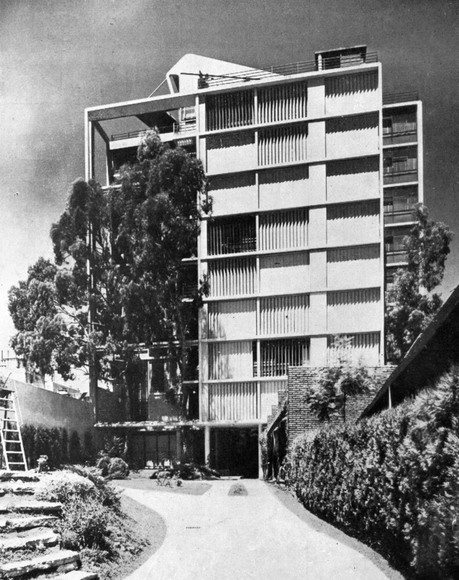
At the intersection of the inevitable influence of the international modern movement and Argentinian architectural tradition, the Grupo Austral emerges as a collective of architects proposing a reinterpretation of Le Corbusier's rationalism, adapting it to the particularities of the local context. In this framework, we can speak of an international architecture that is not merely incorporated but can be considered "appropriated" architecture, meaning it is rooted in Argentina's climatic conditions, lifestyles, and local materials. This leads us to question: How does European architecture correspond with the local? Is it the product of similar situations or a process of transferring architectural images, as has happened throughout history? Is it a mix of both factors? Can we talk about appropriated architecture?


https://www.archdaily.com/1026316/adapting-modernism-in-argentina-the-case-of-grupo-austral-and-los-eucaliptos-buildingPaula Pintos
Modernism Reconsidered: Revisiting the Movement’s Complex Relationship with Sustainability
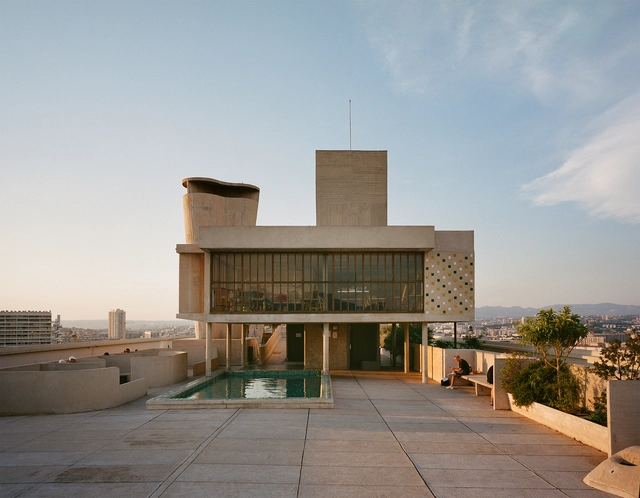
Modernism emerged in the early 20th century as a revolutionary movement that rejected historical styles, prioritizing functionality, innovation, and rationality. Grounded in the promise of industrial progress, architects like Walter Gropius, Le Corbusier, and Ludwig Mies van der Rohe championed using new materials and construction methods, striving for a universal architectural language. Their work introduced radical ideas: open floor plans, expansive glazing for natural light, and pilotis that elevated structures, symbolizing a new architectural era. However, alongside its groundbreaking ideas, modernism's relationship with sustainability has sparked ongoing debates.
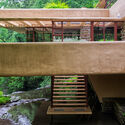
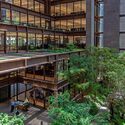
While modernist architects sought to address social and economic challenges through affordable housing and efficient design, their reliance on energy-intensive materials like concrete and steel created unintended environmental consequences. The large-scale industrialization celebrated by modernists often disregarded local climates and ecological systems, leading to inefficiencies. Yet, the principles of functionality and adaptability embedded in modernist architecture laid the groundwork for what we now recognize as sustainable practices. From Le Corbusier's rooftop gardens to Frank Lloyd Wright's integration of nature, the seeds of environmentally conscious design were undeniably present, albeit limited in their execution.


https://www.archdaily.com/1025961/modernism-reconsidered-revisiting-modernisms-complex-relationship-with-sustainabilityDiogo Borges Ferreira
Architecture Reflected in Water: 20 Lakeside Homes
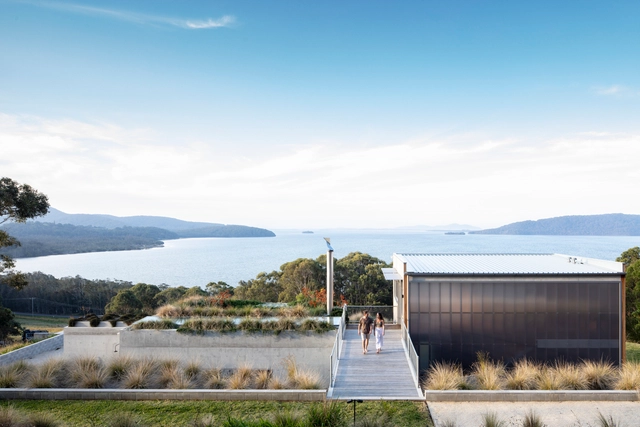
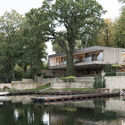
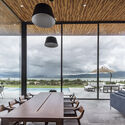
On the shores of serene lakes, where water reflects the harmony between architecture and nature, homes emerge as true retreats. Designed to offer comfort and a deep connection with the surroundings, these residences stand out worldwide for their diverse materials and scales, adapting to different landscapes and lifestyles. From remote wooden cabins to sophisticated concrete and glass mansions in urban areas, each project takes advantage of natural resources and the unique characteristics of its setting.


https://www.archdaily.com/1026292/architecture-reflected-in-water-20-lakeside-homesCamilla Ghisleni
An Eden within the Workplace: Flexible Pods with Biophilic and Human-Centered Design
| Sponsored Content

Winston Churchill once wisely stated, "We shape our buildings, and in turn, our buildings shape us," a reflection that highlights how architecture, in its dynamic nature, responds to functional needs and molds the experiences of its users. Workplaces have been no exception, evolving with the social and technological changes that have redefined our understanding of organizational interactions. Almost in the blink of an eye, the once-restrictive cubicles and closed offices have made way for open layouts, while hybrid models have transformed offices into destination spaces. Furniture elements like office pods are at the forefront of this change—balancing collaboration and privacy. Designed to adapt, they have continually evolved alongside the shifting demands of modern workspaces and their inhabitants.
https://www.archdaily.com/1025776/an-eden-within-the-workplace-flexible-pods-with-biophilic-and-human-centered-designEnrique Tovar
Tegucigalpa’s Modernist Revolution: Metroplan and the Shift in the Urban Identity of 1970s Honduras
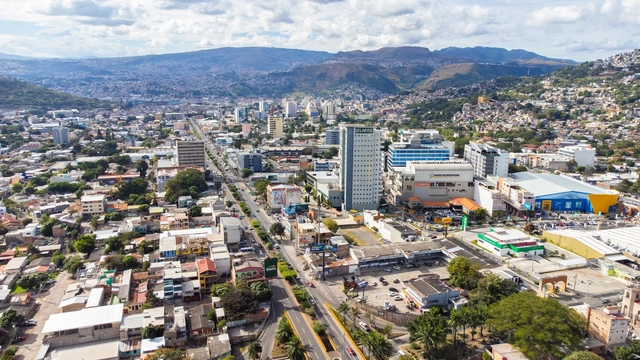
In 1975, Honduras was under a military regime that had been in power for over a decade, led at the time by General Juan Alberto Melgar Castro. During this period, Tegucigalpa underwent several big and unprecedented changes. The influx of people from various parts of the country due to rural migration transformed the city from a compact urban area into an expanding metropolis. This unexpected growth prompted the government to implement a municipal development and planning scheme, a project that would define the city's future and the evolution of its old town. This article was developed with the collaboration of the Honduran architect Lisandro Calderón, who specializes in Urban Planning and is currently a professor at the Central American Technological University (UNITEC), located in Tegucigalpa, Honduras.


https://www.archdaily.com/1026205/tegucigalpas-modernist-revolution-metroplan-and-the-shift-in-the-urban-identity-of-1970s-hondurasMoises Carrasco
Shanghai Architecture City Guide: 30 Projects Showcasing the City's Diverse Contemporary Architecture
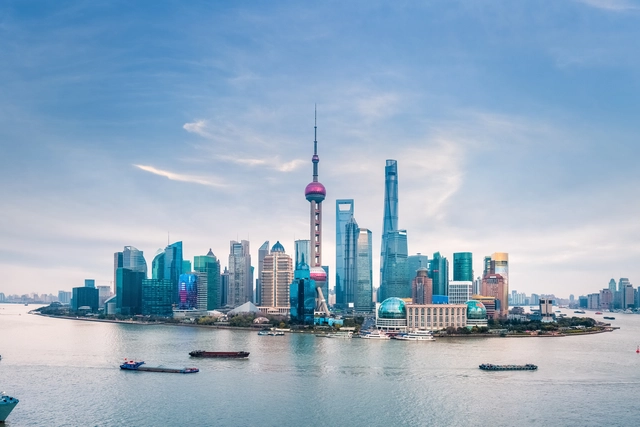
Shanghai, as one of China's most representative global cities, features an architectural vocabulary that seamlessly blends its distinctive "Haipai" (Shanghai style) urban character with an international perspective. The city boasts a rich spatial hierarchy, ranging from the micro-level of alleyways and neighborhoods to the macro-scale of urban planning. From the Suzhou Creek to the Huangpu River, every architectural landmark embodies Shanghai's unique history, culture, and vision for the future.


https://www.archdaily.com/164792/architecture-city-guide-shanghai韩爽
From Disposable to Sustainable: The Transformation of Recycled Polyurethane into High-Performance Products
| Sponsored Content
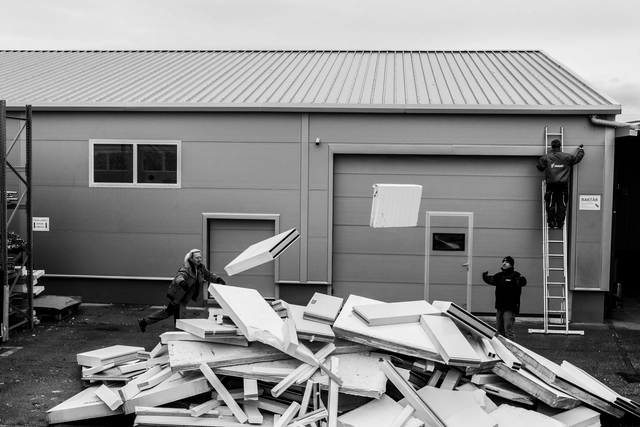
Polyurethane (PU) started as a solution to a 1930s shortage, but today it's a key material in industries from insulation to cushioning. Invented in 1937 by Otto Bayer and his team in Germany, PU was originally designed as a cheap, versatile alternative to rubber. It quickly became popular in coatings and adhesives for its strong bonding and protective properties. PU is made by reacting polyols and isocyanates, which generates heat and, in the presence of expansion agents such as water or gases, creates bubbles that cause the material to expand, resulting in a foam with adjustable density and structure. Its flexibility allowed PU to revolutionize industries with products like insulation and padding. However, its durability and non-biodegradability have raised environmental concerns. To address this, companies like Purman are leading the charge in recycling PU waste, helping to reduce its environmental impact while promoting more sustainable alternatives.
https://www.archdaily.com/1025575/from-disposable-to-sustainable-the-transformation-of-recycled-polyurethane-into-high-performance-productsEduardo Souza
Social Media-Friendly Design: Is Architecture Adapting to Viral Trends and Algorithms?
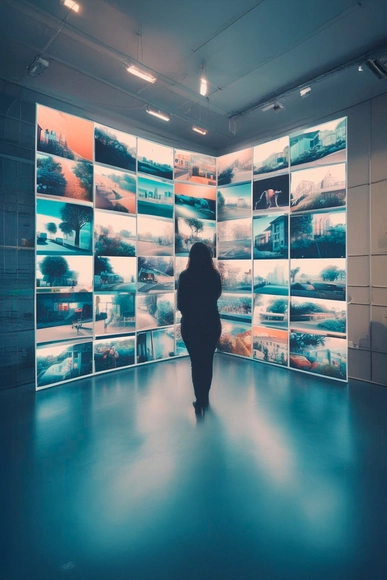
I saw it on Instagram! It's a phrase we often hear in various contexts, from the latest restaurant recommendations to the trendiest hotel in town. The window to observe and expose ourselves to the outside world now sits in our smartphones. This doesn't necessarily mean it's all doom and gloom. Still, it reflects that we're constantly flooded with data and information segmented by algorithms, all in a super easy-to-consume format. In today's world, it takes only a few seconds to form a lasting impression of a building and its atmosphere—and those first impressions matter more than we often realize.
https://www.archdaily.com/1025972/social-media-friendly-design-is-architecture-adapting-to-viral-trends-and-algorithmsEnrique Tovar
Redefining Compact Living: Meet the €40,000 Winner of the Kingspan-Buildner Microhome Competition
| Sponsored Content
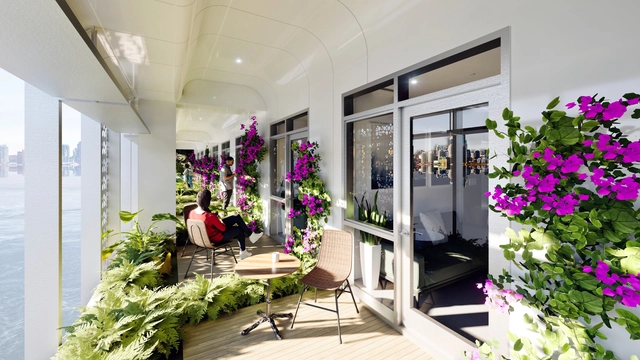
In the world of architecture, competitions often serve as platforms for creativity, experimentation, and problem-solving. For Daniel Rojas, Founding Partner of Wandrian Studios, winning the 2023-2024 MICROHOME competition, sponsored by Buildner and Kingspan, was a transformative moment. His project, Urban Residential Pods, addresses the global housing crisis by reimagining vacant office spaces as compact, sustainable homes.
Rojas' design strikes a balance between innovation, functionality, and sustainability, offering a glimpse into how architecture can address some of today's most pressing challenges. As the next edition of the competition approaches, Rojas shares insights into his winning project and offers advice to future participants.
Visit the MICROHOME competition site for details in the open 2025 edition and to register before the deadline on February 13.
https://www.archdaily.com/1026193/redefining-compact-living-meet-the-40000-euros-winner-of-the-kingspan-buildner-microhome-competitionRene Submissions
Mid-Century Modernism and East Coast Ruralism: A Study of Adaptive Design
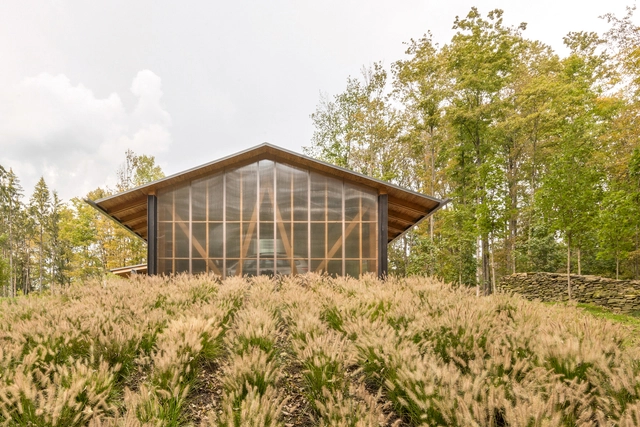
Mid-century modernism, celebrated for its simplicity, functionality, and direct connection with nature, is often associated with urban and suburban environments. However, its principles found fertile ground in the rural landscapes of the United States East Coast. The post-war architectural movement, characterized by innovative materials, clean lines, and harmony with natural surroundings, reveals its adaptability in the hands of architects and craftsmen working in rural regions of the East Coast. Although associated with metropolitan areas, its adoption in rural settings reveals a compelling story of cultural and environmental adaptation.


https://www.archdaily.com/1025602/mid-century-modernism-and-east-coast-ruralism-a-study-of-adaptive-designOlivia Poston
From Colonization to Le Corbusier: Was Modernism in India an Imposition or an Invitation?
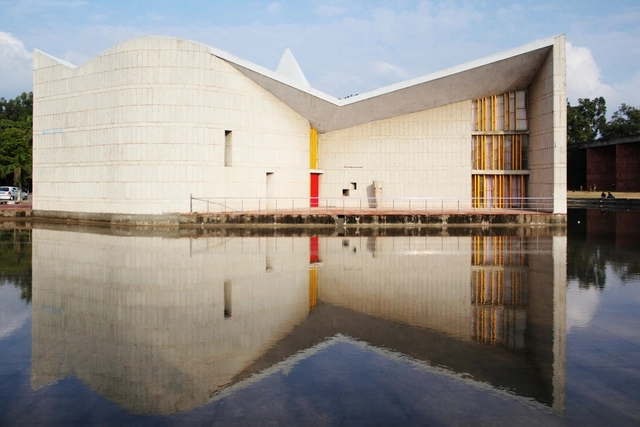
When India gained independence in 1947, the nation faced a decision that would determine the course of its architectural future: brick or concrete. A seemingly mundane choice of material was rooted in a deeper philosophical divide between two potential outcomes for post-colonial India's built environment. Pioneering figures in India's struggle for independence held opposing views - Mahatma Gandhi advocated for traditional craftsmanship while Jawaharlal Nehru embraced modernism. The architecture one sees in the subcontinent today is a mosaic of both, begging the question: was modernism in India a foreign imposition or a celebrated import?


https://www.archdaily.com/1026202/from-colonization-to-le-corbusier-was-modernism-in-india-an-imposition-or-an-invitationAnkitha Gattupalli
Final Call: Seize the Opportunity to Join Sustainability's Leading Changemakers
| Sponsored Content
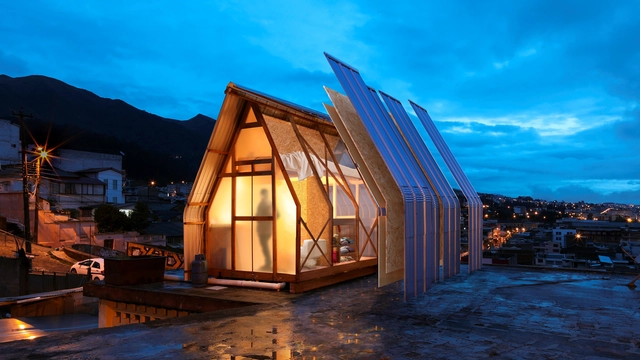
The clock is ticking for architects, urban planners, and engineers to submit their groundbreaking projects to the Holcim Foundation Awards. With the entry deadline of February 11, 2025, at 14:00 hrs UTC, this is the final opportunity to gain global recognition and compete for a share of the USD 1 million prize pool. The awards ceremony will take place at the Venice Forum on November 20, 2025 and winners are invited to attend.
https://www.archdaily.com/1026106/final-call-seize-the-opportunity-to-join-sustainabilitys-leading-changemakersRene Submissions
The Impact of Wildfires on Building Codes: Reflections on the Recent Los Angeles Fires

It has been nearly three weeks since one of California's most devastating wildfires began, triggering an immense effort to combat the blaze and mitigate further damage. As firefighters work to contain the remaining flames, the city braces for its first significant winter rainfall, raising concerns about flooding and landslides that may exacerbate the already extensive destruction.
Amid these challenges, the wildfire has spurred widespread reflection at local and global levels. Discussions have emerged on topics such as the insurance system, firefighting infrastructure, water resources, global warming's role in high-wind fire conditions, and the impact of landscape design, particularly the use of non-native vegetation.





https://www.archdaily.com/1026206/the-impact-of-wildfires-on-building-codes-reflections-on-the-recent-los-angeles-firesJonathan Yeung
From Home to Hotel: A Design Comparison Across 20 Bathrooms
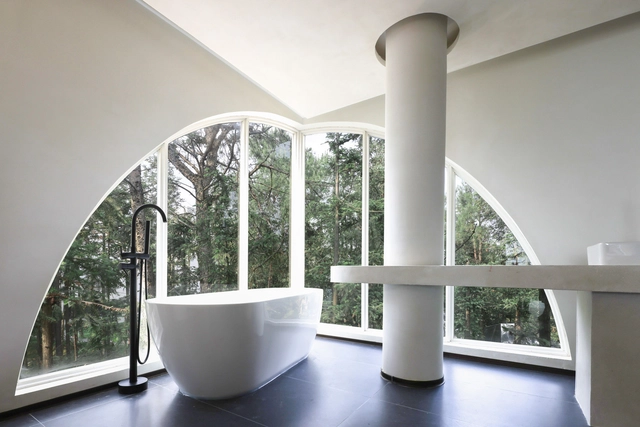
Bathrooms play a significant role in our daily lives, serving multiple functions beyond basic hygiene. Research highlights their importance as relaxation, introspection, and personal wellness spaces. A bathroom's design and comfort can profoundly influence how we begin and end our day, framing our routines with a sense of ease or disruption. When traveling, hotel bathrooms often leave a lasting impression, as a well-designed and thoughtfully executed bathroom can significantly elevate the overall experience of a stay.



https://www.archdaily.com/1025928/from-home-to-hotel-a-design-comparison-across-20-bathroomsJonathan Yeung
Contemporary Yet Traditional Courtyards: Enhancing Living Spaces in 10 Chinese Residential Projects
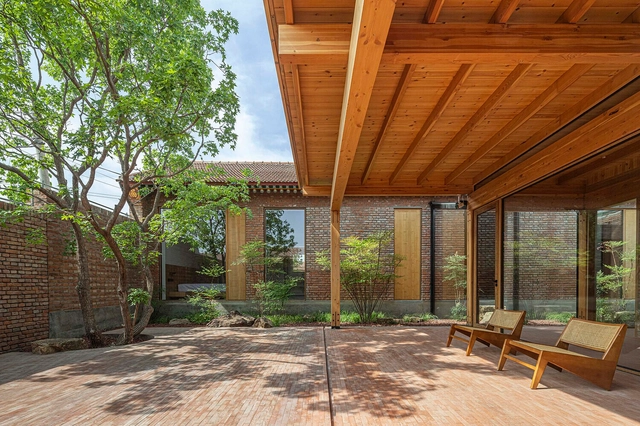
Courtyards have long been a fundamental aspect of traditional Chinese architecture, serving as central spaces around which domestic life is organized. These spaces play a vital role in creating a harmonious living environment, offering benefits that range from regulating indoor temperatures to enhancing social interactions and fostering a close connection with nature.


https://www.archdaily.com/1020848/contemporary-yet-traditional-courtyards-enhancing-living-spaces-in-10-chinese-residential-projectsPaula Pintos
Norman Foster and Buildner Deliver Once Again: A Showcase of Exceptional Designs for Revitalizing Kharkiv's Freedom Square
| Sponsored Content
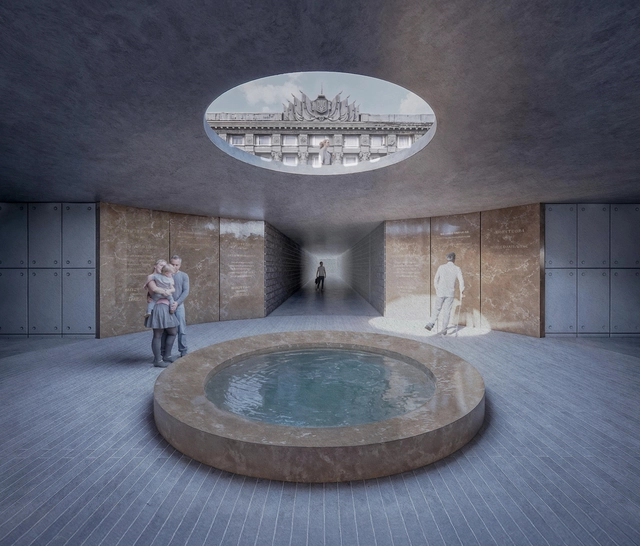
The city of Kharkiv has faced significant challenges due to its proximity to the Russian border. Amidst these circumstances, Kharkiv's Mayor, Ihor Terekhov, underscored the need for a new landmark during the United Nations' Second Forum of Mayors—a project that could embody renewal, resilience, and hope. The Freedom Square International Competition was launched as part of this vision, inviting local and international experts to propose innovative designs for Freedom Square and the Kharkiv Regional State Administration Building.
This competition is part of the broader Kharkiv Masterplan Concept, an initiative led by the Kharkiv City Council in collaboration with the United Nations Economic Commission for Europe (UNECE), the Norman Foster Foundation, Arup, and local architects and experts. The Masterplan Concept seeks to guide Kharkiv's regeneration by fostering a vibrant, inclusive, and forward-looking urban environment while honoring the city's historical identity.
https://www.archdaily.com/1026011/norman-foster-and-buildner-deliver-once-again-a-showcase-of-exceptional-designs-for-revitalizing-kharkivs-freedom-squareRene Submissions
Sometimes, All It Takes Is One Course to Unlock a New Future in Architecture and Design
| Sponsored Content
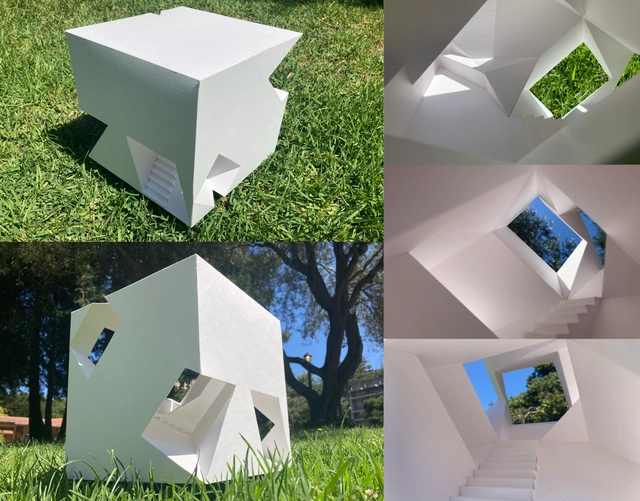
Are you considering a career in architecture or environmental design? The College of Environmental Design at UC Berkeley offers immersive summer programs that could help you decide if these creative fields are right for you. Whether you're a professional, undergraduate, or high school student, CED's Summer Programs offer you an invaluable opportunity to explore architecture, urban design, sustainable city planning, and landscape architecture.
https://www.archdaily.com/1025164/looking-to-shape-tomorrows-cities-explore-uc-berkeleys-transformative-urban-design-trackRene Submissions
"You Have to Leave Some Space for the Future People to Interpret": In Conversation with Zhu Pei
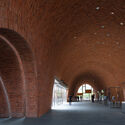
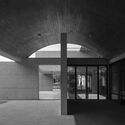
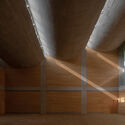
Over the last eight years, I have interviewed Beijing-based architect and educator Zhu Pei several times. His persistent quest to combine traditional planning and construction principles with innovative formal and spatial sensibilities intrigues me. His latest projects, including Zijing International Conference Camp (2022) and Jingdezhen Imperial Kiln Museum (2020), are widely published and represent his most mature works. Yet, he is convinced that his best building is in the making. "This is going to be amazing! I feel so excited!" the architect told me, referring to his now under-construction Majiayao Ruins Museum and Observatory in Gansu province in Northwestern China. "I hate column-beam solutions. I want column-free spaces for the public building," he continued. Our conversation took place earlier this year on a video call, complete with dozens of relevant illustrations.

https://www.archdaily.com/1026107/you-have-to-leave-some-space-for-the-future-people-to-interpret-in-conversation-with-zhu-peiVladimir Belogolovsky
Building Among the Branches: A Showcase of Contemporary Treehouse Architecture
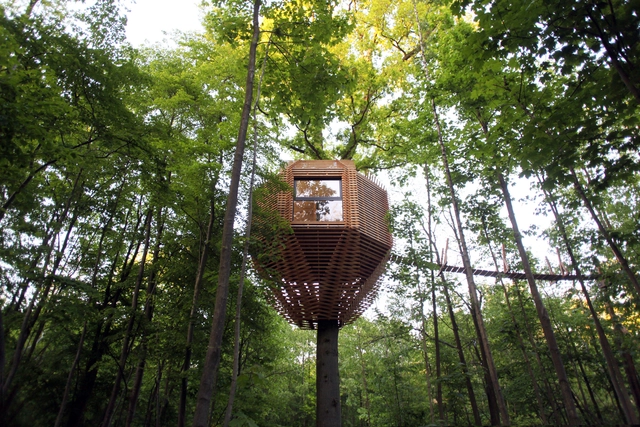
Despite their whimsical appearance, treehouses offer a unique platform for structural innovations and design explorations. Traditional treehouses rely on the trunks of trees for structural support, but, in order to ease the load supported by the tree, contemporary projects often introduce additional systems, such as stilts to maintain the image while offering additional support. One of the key advantages of elevating them in this way is the reduced environmental footprint. Treehouses can be designed to leave the forest floor untouched, preserving small-scale ecosystems. By freeing up the ground below, they minimize disruptions to native flora and fauna, allowing nature to thrive undisturbed. Similarly, many architects use the local topography to create seamless connections, incorporating ramps, stairs, or bridges that integrate with the landscape. These solutions not only improve accessibility but also enhance the overall experience creating an architectural promenade that moves between the treehouse and its surroundings.
"This sensitivity to the environment is reflected not only in the structural design but also in the careful selection of materials. The use of natural materials like wood, also helps the structure blend with its environment. Some designers have gone further by employing alternative materials such as mirrored panels to reflect the surrounding forest and mask the treehouse's presence entirely, demonstrating that the choice of material can contribute to creating a project that feels like an extension of its setting rather than an imposition on it. This collection highlights notable examples from Sweden, Denmark, Indonesia, and France, showcasing their diverse approaches.


https://www.archdaily.com/1025922/building-among-the-branches-a-showcase-of-contemporary-treehouse-architectureMoises Carrasco