

This guide explains how to structure multi-image prompts in the RunDifussion platform. Explore RunDifussion's product catalog.
Articles
How to Prompt and Annotate Multiple Images with AI
| Sponsored Content
https://www.archdaily.comhttps://www.archdaily.com/catalog/us/products/38860/how-to-prompt-and-annotate-multiple-images-with-ai-rundiffusion
Mid-Century Modernism and East Coast Ruralism: A Study of Adaptive Design
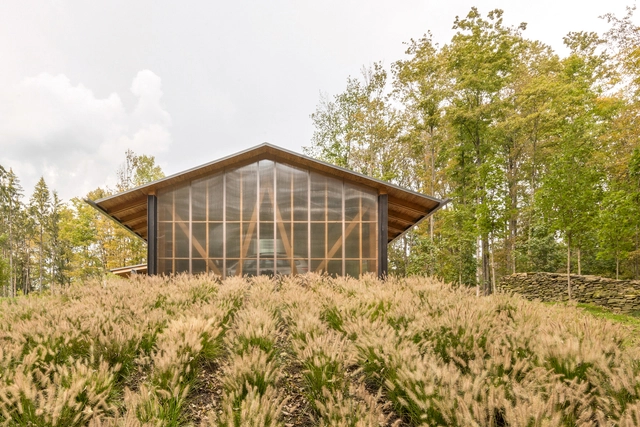
Mid-century modernism, celebrated for its simplicity, functionality, and direct connection with nature, is often associated with urban and suburban environments. However, its principles found fertile ground in the rural landscapes of the United States East Coast. The post-war architectural movement, characterized by innovative materials, clean lines, and harmony with natural surroundings, reveals its adaptability in the hands of architects and craftsmen working in rural regions of the East Coast. Although associated with metropolitan areas, its adoption in rural settings reveals a compelling story of cultural and environmental adaptation.


https://www.archdaily.com/1025602/mid-century-modernism-and-east-coast-ruralism-a-study-of-adaptive-designOlivia Poston
From Colonization to Le Corbusier: Was Modernism in India an Imposition or an Invitation?
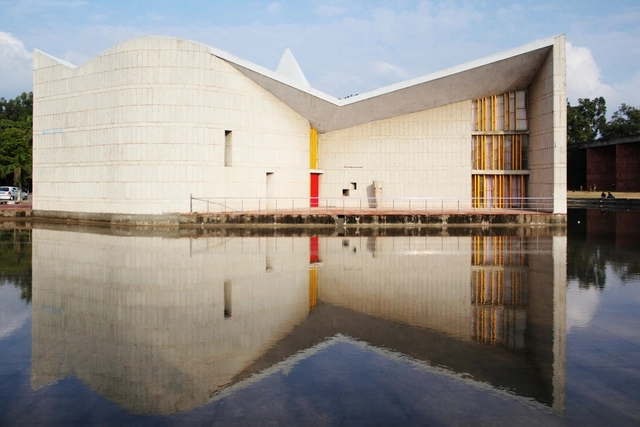
When India gained independence in 1947, the nation faced a decision that would determine the course of its architectural future: brick or concrete. A seemingly mundane choice of material was rooted in a deeper philosophical divide between two potential outcomes for post-colonial India's built environment. Pioneering figures in India's struggle for independence held opposing views - Mahatma Gandhi advocated for traditional craftsmanship while Jawaharlal Nehru embraced modernism. The architecture one sees in the subcontinent today is a mosaic of both, begging the question: was modernism in India a foreign imposition or a celebrated import?


https://www.archdaily.com/1026202/from-colonization-to-le-corbusier-was-modernism-in-india-an-imposition-or-an-invitationAnkitha Gattupalli
Final Call: Seize the Opportunity to Join Sustainability's Leading Changemakers
| Sponsored Content
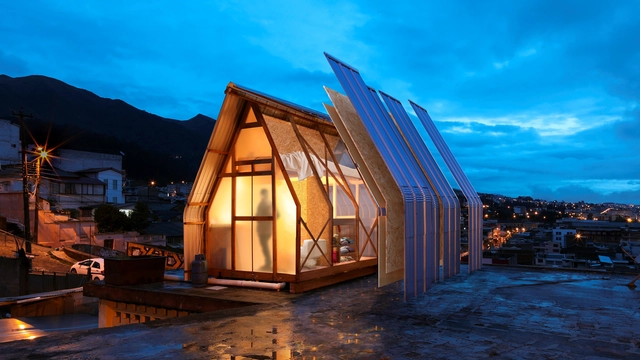
The clock is ticking for architects, urban planners, and engineers to submit their groundbreaking projects to the Holcim Foundation Awards. With the entry deadline of February 11, 2025, at 14:00 hrs UTC, this is the final opportunity to gain global recognition and compete for a share of the USD 1 million prize pool. The awards ceremony will take place at the Venice Forum on November 20, 2025 and winners are invited to attend.
https://www.archdaily.com/1026106/final-call-seize-the-opportunity-to-join-sustainabilitys-leading-changemakersRene Submissions
The Impact of Wildfires on Building Codes: Reflections on the Recent Los Angeles Fires

It has been nearly three weeks since one of California's most devastating wildfires began, triggering an immense effort to combat the blaze and mitigate further damage. As firefighters work to contain the remaining flames, the city braces for its first significant winter rainfall, raising concerns about flooding and landslides that may exacerbate the already extensive destruction.
Amid these challenges, the wildfire has spurred widespread reflection at local and global levels. Discussions have emerged on topics such as the insurance system, firefighting infrastructure, water resources, global warming's role in high-wind fire conditions, and the impact of landscape design, particularly the use of non-native vegetation.




https://www.archdaily.com/1026206/the-impact-of-wildfires-on-building-codes-reflections-on-the-recent-los-angeles-firesJonathan Yeung
From Home to Hotel: A Design Comparison Across 20 Bathrooms
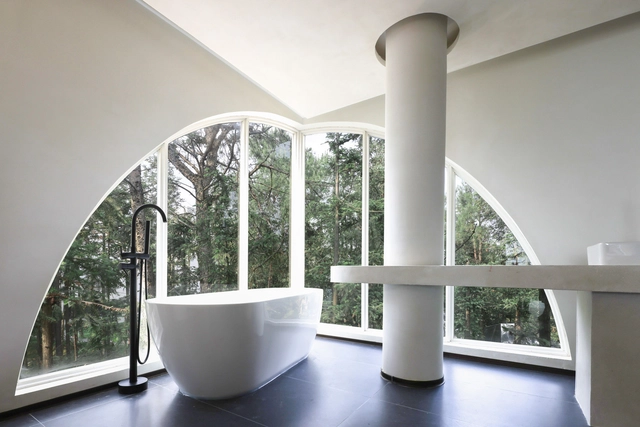
Bathrooms play a significant role in our daily lives, serving multiple functions beyond basic hygiene. Research highlights their importance as relaxation, introspection, and personal wellness spaces. A bathroom's design and comfort can profoundly influence how we begin and end our day, framing our routines with a sense of ease or disruption. When traveling, hotel bathrooms often leave a lasting impression, as a well-designed and thoughtfully executed bathroom can significantly elevate the overall experience of a stay.



https://www.archdaily.com/1025928/from-home-to-hotel-a-design-comparison-across-20-bathroomsJonathan Yeung
Contemporary Yet Traditional Courtyards: Enhancing Living Spaces in 10 Chinese Residential Projects
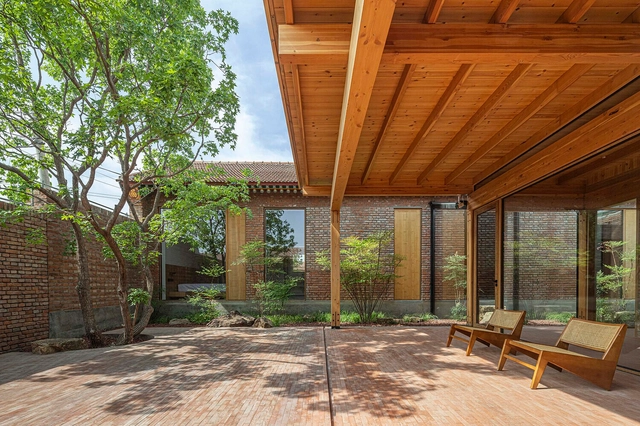
Courtyards have long been a fundamental aspect of traditional Chinese architecture, serving as central spaces around which domestic life is organized. These spaces play a vital role in creating a harmonious living environment, offering benefits that range from regulating indoor temperatures to enhancing social interactions and fostering a close connection with nature.


https://www.archdaily.com/1020848/contemporary-yet-traditional-courtyards-enhancing-living-spaces-in-10-chinese-residential-projectsPaula Pintos
Norman Foster and Buildner Deliver Once Again: A Showcase of Exceptional Designs for Revitalizing Kharkiv's Freedom Square
| Sponsored Content
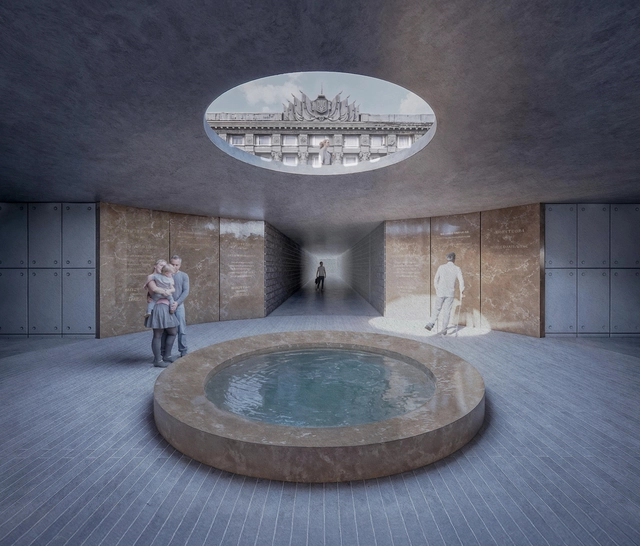
The city of Kharkiv has faced significant challenges due to its proximity to the Russian border. Amidst these circumstances, Kharkiv's Mayor, Ihor Terekhov, underscored the need for a new landmark during the United Nations' Second Forum of Mayors—a project that could embody renewal, resilience, and hope. The Freedom Square International Competition was launched as part of this vision, inviting local and international experts to propose innovative designs for Freedom Square and the Kharkiv Regional State Administration Building.
This competition is part of the broader Kharkiv Masterplan Concept, an initiative led by the Kharkiv City Council in collaboration with the United Nations Economic Commission for Europe (UNECE), the Norman Foster Foundation, Arup, and local architects and experts. The Masterplan Concept seeks to guide Kharkiv's regeneration by fostering a vibrant, inclusive, and forward-looking urban environment while honoring the city's historical identity.
https://www.archdaily.com/1026011/norman-foster-and-buildner-deliver-once-again-a-showcase-of-exceptional-designs-for-revitalizing-kharkivs-freedom-squareRene Submissions
Sometimes, All It Takes Is One Course to Unlock a New Future in Architecture and Design
| Sponsored Content
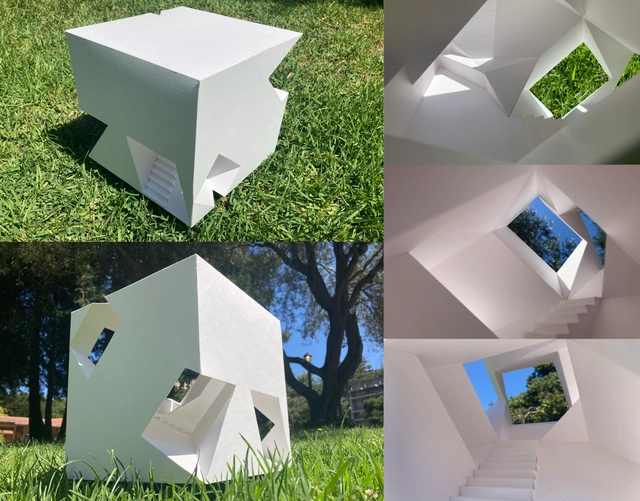
Are you considering a career in architecture or environmental design? The College of Environmental Design at UC Berkeley offers immersive summer programs that could help you decide if these creative fields are right for you. Whether you're a professional, undergraduate, or high school student, CED's Summer Programs offer you an invaluable opportunity to explore architecture, urban design, sustainable city planning, and landscape architecture.
https://www.archdaily.com/1025164/looking-to-shape-tomorrows-cities-explore-uc-berkeleys-transformative-urban-design-trackRene Submissions
"You Have to Leave Some Space for the Future People to Interpret": In Conversation with Zhu Pei
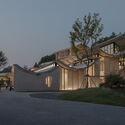
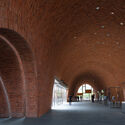
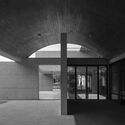
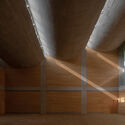
Over the last eight years, I have interviewed Beijing-based architect and educator Zhu Pei several times. His persistent quest to combine traditional planning and construction principles with innovative formal and spatial sensibilities intrigues me. His latest projects, including Zijing International Conference Camp (2022) and Jingdezhen Imperial Kiln Museum (2020), are widely published and represent his most mature works. Yet, he is convinced that his best building is in the making. "This is going to be amazing! I feel so excited!" the architect told me, referring to his now under-construction Majiayao Ruins Museum and Observatory in Gansu province in Northwestern China. "I hate column-beam solutions. I want column-free spaces for the public building," he continued. Our conversation took place earlier this year on a video call, complete with dozens of relevant illustrations.

https://www.archdaily.com/1026107/you-have-to-leave-some-space-for-the-future-people-to-interpret-in-conversation-with-zhu-peiVladimir Belogolovsky
Building Among the Branches: A Showcase of Contemporary Treehouse Architecture
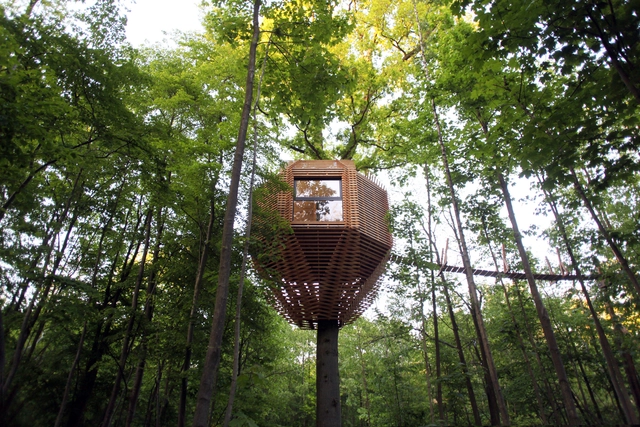
Despite their whimsical appearance, treehouses offer a unique platform for structural innovations and design explorations. Traditional treehouses rely on the trunks of trees for structural support, but, in order to ease the load supported by the tree, contemporary projects often introduce additional systems, such as stilts to maintain the image while offering additional support. One of the key advantages of elevating them in this way is the reduced environmental footprint. Treehouses can be designed to leave the forest floor untouched, preserving small-scale ecosystems. By freeing up the ground below, they minimize disruptions to native flora and fauna, allowing nature to thrive undisturbed. Similarly, many architects use the local topography to create seamless connections, incorporating ramps, stairs, or bridges that integrate with the landscape. These solutions not only improve accessibility but also enhance the overall experience creating an architectural promenade that moves between the treehouse and its surroundings.
"This sensitivity to the environment is reflected not only in the structural design but also in the careful selection of materials. The use of natural materials like wood, also helps the structure blend with its environment. Some designers have gone further by employing alternative materials such as mirrored panels to reflect the surrounding forest and mask the treehouse's presence entirely, demonstrating that the choice of material can contribute to creating a project that feels like an extension of its setting rather than an imposition on it. This collection highlights notable examples from Sweden, Denmark, Indonesia, and France, showcasing their diverse approaches.


https://www.archdaily.com/1025922/building-among-the-branches-a-showcase-of-contemporary-treehouse-architectureMoises Carrasco
Promenade Architecturale: How the Modernist Concept Continues to Inspire Contemporary Architecture
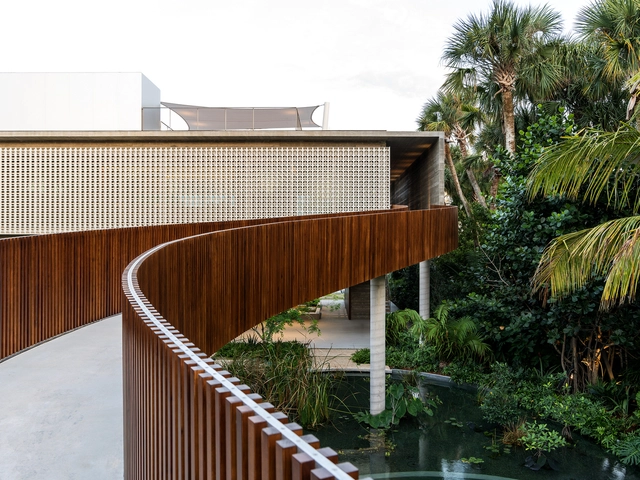
In modernist architecture, promenade architecturale emerged as a key design strategy, embodying the principles of functionality, aesthetics, and integration with the urban context. Le Corbusier’s iconic projects, such as Villa La Roche (1925) and Villa Savoye (1929), exemplify this idea by guiding visitors through an ascending journey that culminates in the rooftop garden—a space where the building and nature seamlessly interact. A century later, this concept remains influential, continuing to shape contemporary designs that explore the relationship between movement and space in various architectural typologies, including houses, museums, libraries, and parks.


https://www.archdaily.com/1025951/promenade-architecturale-how-the-modernist-concept-continues-to-inspire-contemporary-architectureCamilla Ghisleni
The Case for Local Modernism in Cairo: Egypt's Architectural Transformation During the 1950s
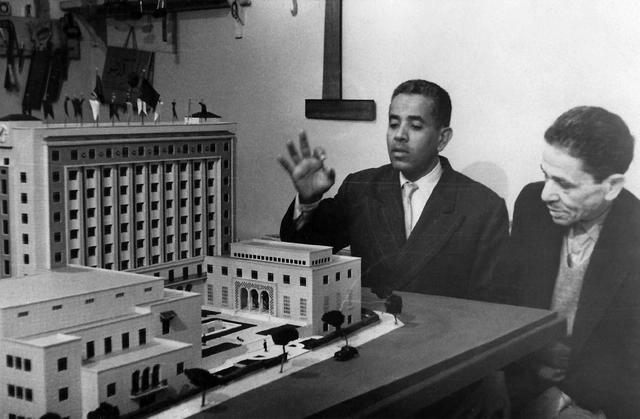
In the heart of Cairo, amid its historic landmarks and evolving urban fabric, a distinct modernist architectural movement took shape in the 1950s and 60s. It reflected the city's response to rapid political, economic, and social changes. When it arrived, modernism in Cairo was not just an imported style but a "pragmatic response to the needs of a growing city." Architects focused on functionality, efficiency, and adapting designs to the local climate and cultural context. Following the 1952 revolution, Egypt underwent significant transformations under President Gamal Abdel Nasser's leadership. In fact, the government sought to build a new national identity that reflected progress and the nation's self-sufficiency. Architecture played a crucial role in this effort, with a strong focus on modernization and development. The state invested in large-scale projects to accommodate the needs of a rapidly growing population and expanding industries. This period marked a shift from colonial-era influences toward a search for a distinct architectural identity that aligned with the political and social aspirations of the time.


https://www.archdaily.com/1025920/the-case-for-local-modernism-in-cairo-egypts-architectural-transformation-during-the-1950sNour Fakharany
How Did BIM Help Notre-Dame Rise from the Ashes?
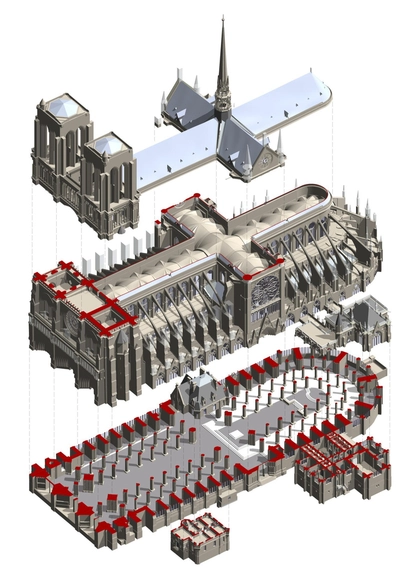
In many cultures, fire is a sacred element used in rituals of rebirth and renewal. It carries a dual symbolism, being both a creator and a destroyer—capable of illuminating paths or consuming everything in its wake. In Greek mythology, for example, Prometheus stole fire from the gods and gave it to humanity, marking it as a symbol of progress, knowledge, and creative power. However, fire also evokes destruction, as seen in biblical tales like that of Sodom and Gomorrah, where it was used as divine punishment. This duality was also evident in the 2019 fire at Notre-Dame Cathedral, which devastated its historic structure. The disaster sparked a wave of solidarity and led to unprecedented technological advancements, with restoration efforts utilizing digital tools such as laser scanning and Building Information Modeling (BIM) to recreate intricate details and preserve architectural heritage.
https://www.archdaily.com/1025809/how-did-bim-help-notre-dame-rise-from-the-ashesEduardo Souza
National Athletics Centre – Transforming Budapest's Rust Belt into a Vibrant Community Space
| Sponsored Content
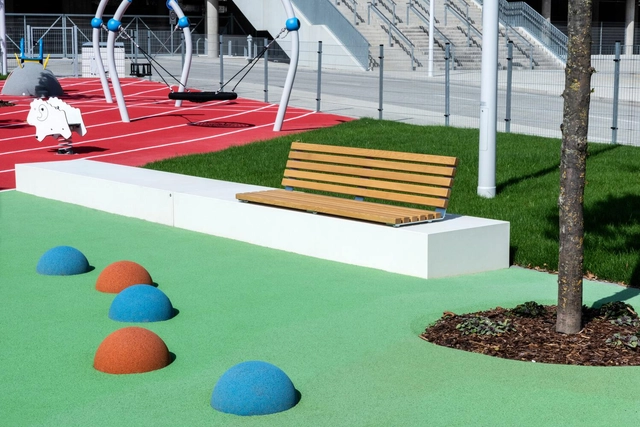
The National Athletics Centre in Budapest marks a significant milestone in urban regeneration and architectural innovation. Located on a former industrial site along the Danube, this transformative project revitalizes a neglected brownfield into a vibrant hub for sports, recreation, and community engagement. Designed by Marcel FERENCZ, architect at NAPUR Architect Ltd., with landscape design created by S-TÉR and several hundred pieces of furniture from VPI Concrete, the Centre is a cornerstone for connecting North Csepel to the city and fostering urban development.
https://www.archdaily.com/1025410/national-athletics-centre-transforming-budapests-rust-belt-into-a-vibrant-community-spaceRene Submissions
Contemporary Mosques: Using Context as Driver over Symbolism
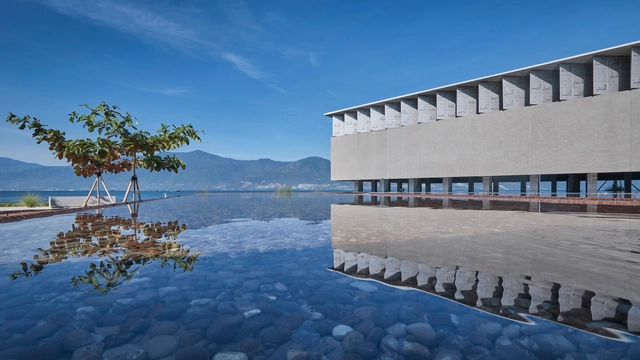
The configuration of the mosque, the worshipping place for Muslims, traces its history to the courtyard of the religion's founder. The first mosques were, therefore, simple open spaces marked for ritual prayer use. Over the years and centuries, they would gain multiple standard, functional features, such as the mihrab, a niche that indicates the direction of prayer, and the minbar, a pulpit for the preacher to give the sermon. Other elements also became common, such as domes and minarets, which were historically used for the call to prayer. These had the additional purpose of signifying the function of the building as a mosque and were used by rulers and benefactors to elevate its grandeur.
In contemporary times, mosques are not immune from architectural debate. Elements that have no religious function are questioned, as is the relationship between a mosque and its context. The discussion is especially stark in parts of the world with relatively new Muslim communities, where some theorists have advocated for the removal of symbolic elements on the basis that they are 'pastiche,' while others are nostalgic about the sentimentality associated with historical forms. Nonetheless, contemporary architects have been successfully elevating mosque architecture, fulfilling its functional requirements creatively, while allowing the building's context to drive the form.


https://www.archdaily.com/1025921/contemporary-mosques-using-context-as-driver-over-symbolismMohieldin Gamal
How Do Architects Forecast Trends? In Conversation with Research and Innovation Co-Directors of Perkins&Will
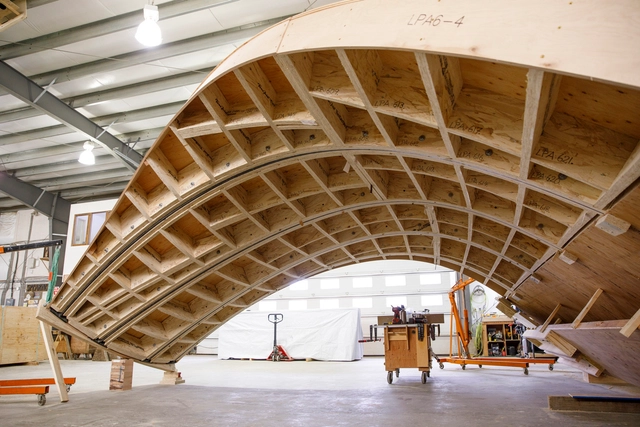
Innovation comes in many shapes and forms. 2025 is poised to witness continued advancements in the areas of artificial intelligence, sustainability, and biotechnology. These breakthroughs often arise from experimentation in industries like technology and healthcare, where companies have strong research and development teams and significant budgets. This enables them to produce new products and services that address society's evolving needs.
In a world confronting complex challenges, innovation in architecture plays a distinctive role. Unlike industries driven by rapid innovation cycles, architecture must balance creativity with practical solutions that are deeply rooted in human experience. What will it take for the architecture industry to fully harness its potential in shaping the future of our built environment?


https://www.archdaily.com/1025918/how-do-architects-forecast-trends-in-conversation-with-research-and-inovation-co-directors-of-perkins-and-willAnkitha Gattupalli
Cultivating Green Apartments: A Guide to Integrating Nature in Small Urban Spaces
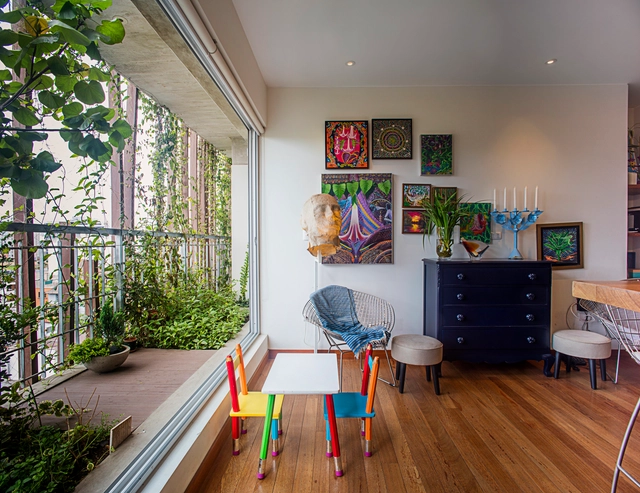
Urban living has become synonymous with limited space and creativity for compact apartments. As cities become more dominated by concrete and steel, there is an exciting, yet unsurprising, rise in interest in embracing the green thumb, even within the constraints of a dense urban environment. This interest is not purely to tend aesthetic tastes, as studies consistently show that exposure to nature reduces stress, improves focus, and enhances overall well-being. However, in dense urban environments, the challenge lies in finding innovative ways to make this vision a reality for apartments where every inch matters.


https://www.archdaily.com/1025364/cultivating-green-apartments-a-guide-to-integrating-nature-in-small-urban-spacesOlivia Poston
The Evolution of Modernism in Asian Architecture: Key Figures and Landmark Projects
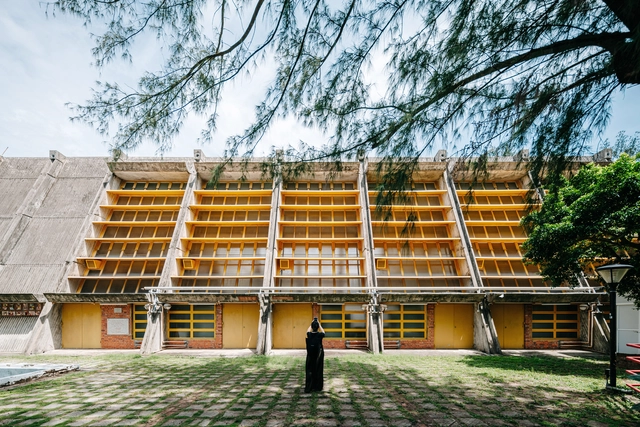
Modernism in architecture emerged at the beginning of the twentieth century, fueled by advancements in science and engineering and a deliberate departure from historical styles. It championed a focus on social equity, urban development, efficiency, and functional design, marking a significant shift in architectural philosophy. Originating primarily in Europe and the United States, modernism captivated the global imagination with its innovative redefinition of space and architecture. Its spread to Asia was facilitated by cross-cultural exchanges—East Asian architects who studied under prominent modernists and European architects working in East Asia through international collaborations or colonial-era influences.


https://www.archdaily.com/1025603/the-evolution-of-modernism-in-asian-architecture-key-figures-and-landmark-projectsJonathan Yeung
Can Cities Be Fully Planned? The Hidden Role of Spontaneity
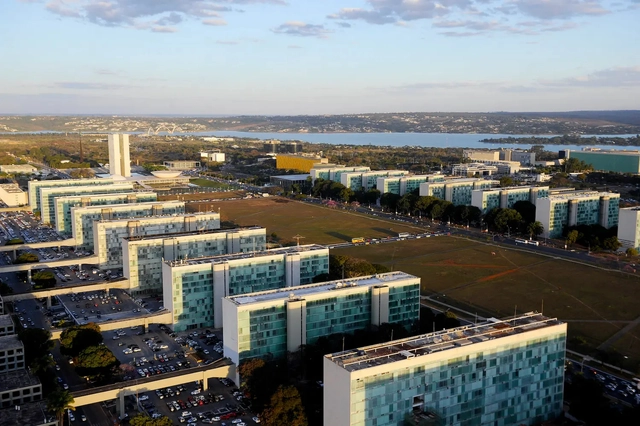
What is better: a city planned from scratch or one that forms spontaneously? In popular imagination, there is a belief that if a city was planned from the beginning, it must be better or more organized than others. In practice, however, this does not guarantee a city's success.
Cities like Tamansourt in Morocco, Songdo in South Korea, and King Abdullah Economic City in Saudi Arabia serve as cautionary examples of planning a new city from scratch only to struggle to attract the expected number of residents. These projects involved significant investment (both operational and financial) in urban design, space, and infrastructure but overlooked the fundamental economic reasons why cities exist.
https://www.archdaily.com/1025885/can-cities-be-fully-planned-the-hidden-role-of-spontaneityRoberta Inglês
Madrid: A Vibrant Confluence of History, Modernity, and Sustainable Urban Regeneration
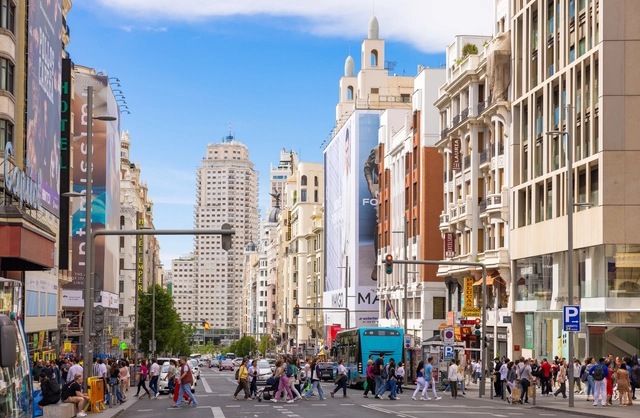
It is almost impossible to talk about Madrid, the Spanish capital, which, in addition to its obvious tourist appeal and its leadership as the most visited city in the country—followed by Barcelona—is inseparable from its long history and evolution up to the present day. In 2024, Madrid welcomed over 11.2 million visitors, accounting for approximately 11.9% of the total tourists who came to Spain that year. Much of the city's identity, the uniqueness of each of its neighborhoods, and the new areas developed over the years are deeply linked to growth that, although planned and modernized in many aspects, has managed to preserve the diverse character that defines its urban essence.
https://www.archdaily.com/1025975/madrid-a-vibrant-confluence-of-history-modernity-and-sustainable-urban-regenerationPaula Pintos
Insights on the Architecture of Public Space as a Driver of Transformation: A Journey Through 10 Projects in Spain
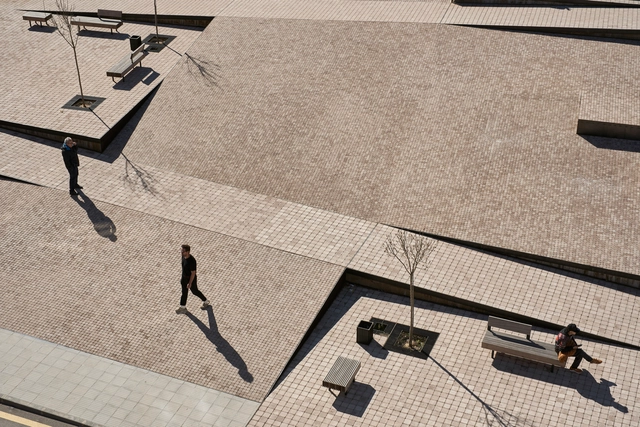
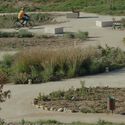
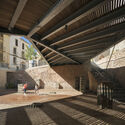
Spain boasts a vast diversity of natural and urban landscapes, where public space plays a leading role. Its relevance has grown in recent years, solidifying it as a key axis for interaction. Beyond its architectural and landscape qualities, public space offers visitors and citizens high-quality environments that contribute to improving living conditions, whether, in an urban park, a pedestrian axis within the city, or a space simply meant for being in a natural setting and connecting with the territory.



https://www.archdaily.com/1025817/insights-on-the-architecture-of-public-space-as-a-driver-of-transformation-a-journey-through-10-projects-in-spainPaula Pintos
Unveiling the 15 Most Significant Architectural Events of 2025
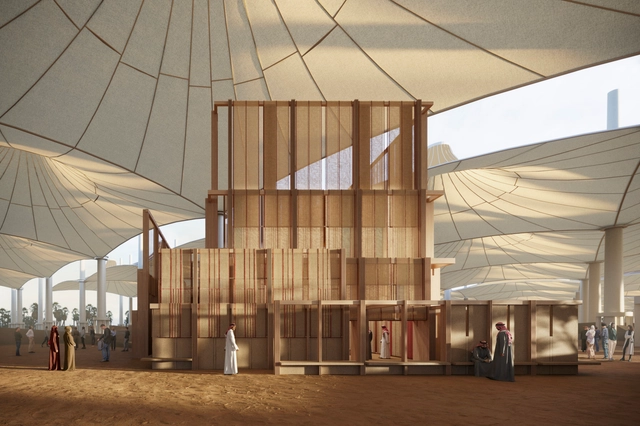
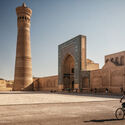
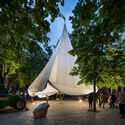
2025 promises to be a landmark in architecture, heralding a vibrant renaissance of creativity and exploration. As societies confront challenges such as climate change, rapid urbanization, and technological evolution, architecture is both a mirror to these dynamics and a compass pointing toward a sustainable and inclusive future. This year's architectural calendar offers abundant opportunities to celebrate the discipline's transformative power — from boundary-pushing festivals to thought-provoking exhibitions that explore pressing cultural and environmental narratives.
From well-established biennials to inaugural gatherings, including the World Architecture Festival 2025, Desert X Al Ula, and the COP Climate Conference, the 2025 calendar highlights themes such as sustainability, heritage, and community. These events underscore architecture's unique ability to shape a better future, addressing global challenges while honoring cultural diversity and design ingenuity.


https://www.archdaily.com/1025820/unveiling-the-15-most-significant-architectural-events-of-2025Diogo Borges Ferreira
Redefining Urban Domesticity: How SO-IL Transforms the Concept of Home
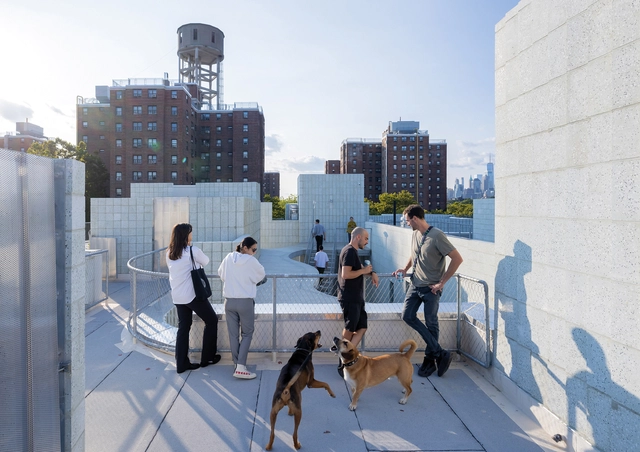
SO-IL (Solid Objectives – Idenburg Liu) is an architectural design firm based in Brooklyn, New York, founded in 2008 by Florian Idenburg and Jing Liu. Known for an architecture deeply engaged with social, cultural, and environmental contexts, the studio focuses on exploring innovative materials, creating fluid spatial experiences, and prioritizing ecological sustainability. SO-IL's work spans various scales and program types, reflecting their versatile approach to design. In 2024, their housing project 450 Warren in Brooklyn was selected as ArchDaily's Building of the Year by the audience in the housing category.
In their latest book, In Depth: Urban Domesticities Today, SO-IL explores the evolving concept of home in contemporary urban contexts, transforming it "from a source of vulnerability into a tool for empowerment." The book redefines domesticity as an active and shared experience and examines how architects can address pressing urban challenges such as affordability, density, and sustainability. SO-IL's work advocates for flexible, resilient housing that fosters community while integrating ecological and social dimensions. ArchDaily spoke with the architects about the innovative solutions and ideas presented in the book, delving into how their projects challenge conventional systems and envision a future where architecture is a tool for empowerment.


https://www.archdaily.com/1025728/redefining-urban-domesticity-how-so-il-transforms-the-concept-of-homeChristele Harrouk
Residues That Build: A School in India Made from Sugarcane Bagasse
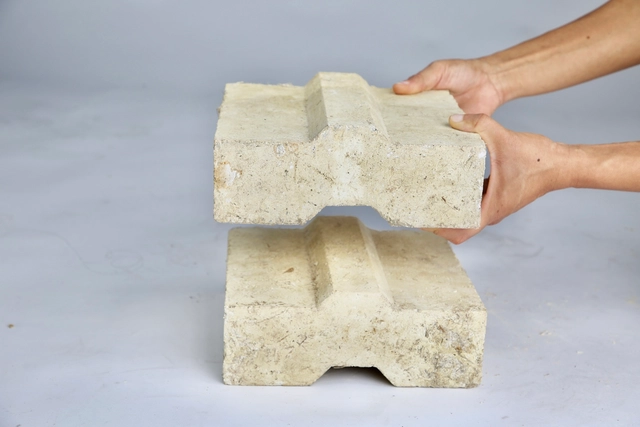
The construction industry, traditionally reliant on the intensive use of non-renewable natural materials, is at a decisive moment to reevaluate its processes and mitigate its significant environmental impact. How can the growing demand for infrastructure, housing, healthcare, and education be met without depleting natural resources? While recycling initiatives are gaining traction, they remain insufficient. In this context, more innovative solutions are emerging, proposing the use of agricultural waste, such as sugarcane bagasse, to create sustainable and disruptive alternatives for construction.
https://www.archdaily.com/1025000/residues-that-build-a-school-in-india-made-from-sugarcane-bagasseEduardo Souza