

This guide explains how to structure multi-image prompts in the RunDifussion platform. Explore RunDifussion's product catalog.
Articles
How to Prompt and Annotate Multiple Images with AI
| Sponsored Content
https://www.archdaily.comhttps://www.archdaily.com/catalog/us/products/38860/how-to-prompt-and-annotate-multiple-images-with-ai-rundiffusion
Celebrating the Lives of Inspiring Architects Who Passed in 2024
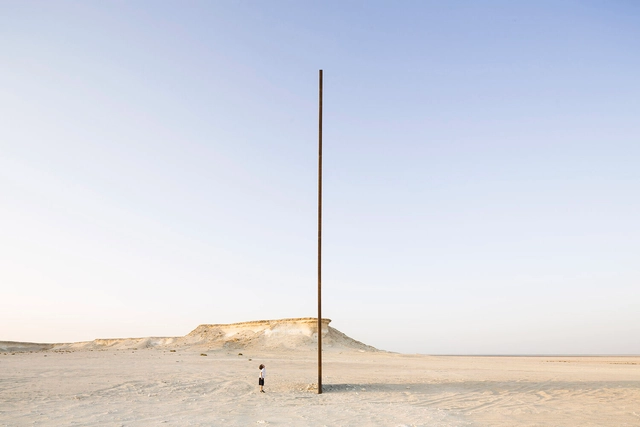
As the year comes to an end, we take a moment to honor the careers and contributions of celebrated architects, designers, and artists who passed away in 2024. These influential figures have left a lasting legacy in the built environment, prompting deeper thought about the role of their disciplines in society and their ability to evolve over time.
Whether through their work in academia, professional practice, or the arts, each of these individuals stood out for their dedication to advancing the fields of architecture, landscapes, design, materiality, and more. From Pritzker Prize-winning architect Fumihiko Maki to renowned sculptor Richard Serra, each showcased a unique vision and approach to design, leaving behind a wealth of knowledge to explore.


https://www.archdaily.com/1024124/paying-tribute-to-the-influential-architects-we-have-lost-in-2024Agustina Iñiguez
Bars, Cafés, and Shops in Madrid: The Role of Design in Creating Urban Tourism Highlights
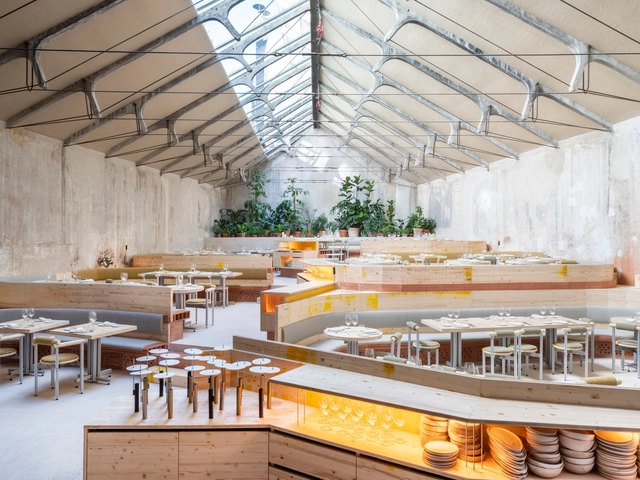
The post-pandemic world has undergone transformations in various aspects, including urban tourism and new modes of travel. With the rise of remote and freelance work, many people now have the freedom to move between cities without needing to establish a permanent residence. This has turned bars, restaurants, and cafés into more than just spaces for consumption: they are now temporary offices and, in many cases, settings for a variety of activities.
On the other hand, shops and retail spaces have evolved to offer more than just the sale of products or services. They have become part of a holistic consumer experience, fostering an emotional connection with users.


https://www.archdaily.com/1024936/bars-cafes-and-shops-in-madrid-the-role-of-design-in-creating-urban-tourism-highlightsPaula Pintos
Buildner and Kingspan Announce the Eighth Edition of the MICROHOME Competition with a 100,000 EUR Prize Fund
| Sponsored Content
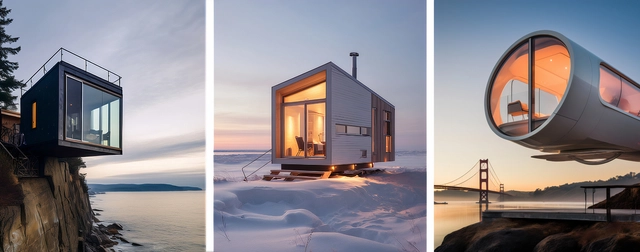
The MICROHOME 2025 Competition by Buildner is back, offering a record-breaking 100,000 EUR prize fund to celebrate cutting-edge, sustainable solutions for compact housing. Sponsored by Kingspan, this global competition invites architects, designers, and creative thinkers to redefine the concept of microhomes.
Register before the deadline on 13 February 2025.
https://www.archdaily.com/1024782/buildner-and-kingspan-announce-the-eighth-edition-of-the-microhome-competition-with-a-100000-eur-prize-fundRene Submissions
Designing for All: Exploring Empathy, Inclusivity, Accessibility and Spatial Equity in Architecture
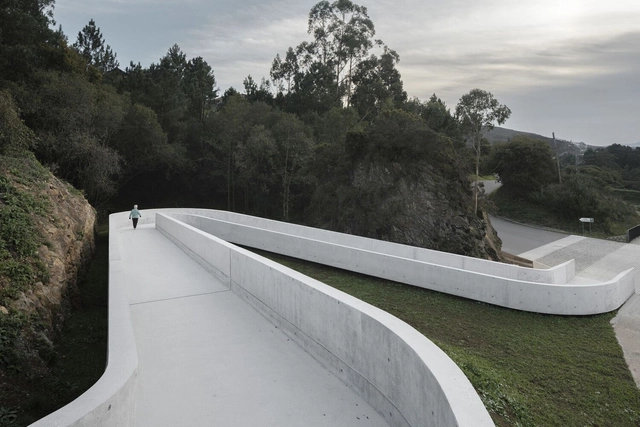
The concept of inclusive architecture has gained prominence as the built environment evolves to reflect and address the diverse needs of humanity. This approach prioritizes empathy, accessibility, and equity, striving to create spaces that resonate with individuals across a spectrum of demographics, abilities, and cultural contexts. It moves beyond merely meeting accessibility standards or incorporating universal design elements; instead, it embodies a paradigm shift that humanizes architecture and aligns it with fundamental social values. Through this lens, inclusive architecture fosters connections, embraces diversity, and ensures that physical spaces contribute to collective well-being.
This article explores four interrelated themes — Empathy, Inclusive Architecture, and Spatial Equity and Accessibility— through selected articles published in 2024. Together, these themes reveal how architecture can respond to societal challenges and aspirations, illustrating its potential as a catalyst for social change. From designing for emotional connection to addressing spatial inequalities, the lessons of 2024 emphasize the responsibility of architects to create spaces that transcend functionality, champion inclusivity at every scale, and foster environments where everyone feels seen, valued, and empowered.


https://www.archdaily.com/1024539/designing-for-all-exploring-empathy-inclusivity-accessibility-and-spatial-equity-in-architectureDiogo Borges Ferreira
Swissness Framed: Micromechanics and Minimalist Windows in Modern Architecture
| Sponsored Content
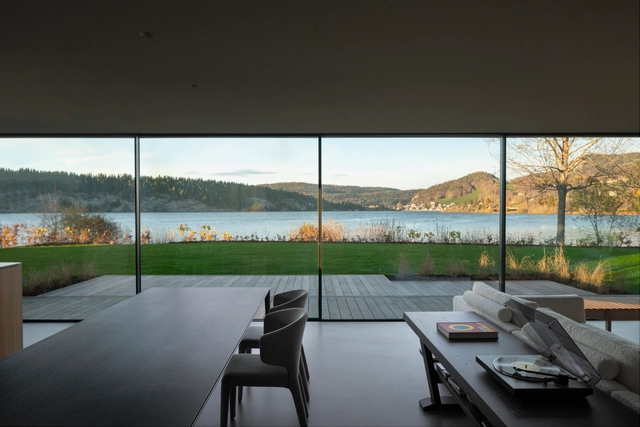
Each region possesses a distinct architectural identity, serving as a cultural "fingerprint" that makes it uniquely recognizable. Italian design, for instance, draws from the Roman legacy using stone and light hues. Turkey is distinguished by intricate glazed tilework that adorns walls and ceilings, whereas Mexico embraces vibrant colors and textures through local materials and artisanry. Many of these elements are rooted in heritage-based practices, yet over time, they have been reimagined and transformed through new processes, giving rise to contemporary architectural expressions. In Switzerland, the concept of "Swissness" frames this core identity—a fusion of watchmaking precision and functionality. Rooted in micromechanics, Swiss engineering, and craftsmanship converge in the design of modern minimalist windows, where clean lines and transparency redefine boundaries and shape the architectural language.
https://www.archdaily.com/1024621/swissness-framed-micromechanics-and-minimalist-windows-in-modern-architectureEnrique Tovar
2024 Best Articles: Architecture’s New Voices, Rediscovered Territories, and a Spirit of Shared Knowledge
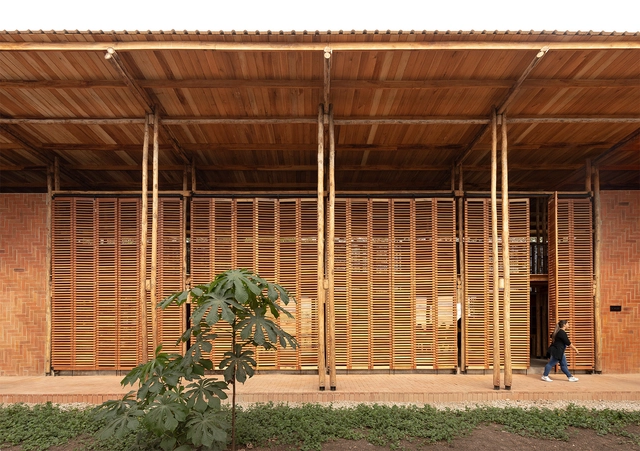
The year 2024, following a period of global uncertainty, saw a complex interplay of challenges and advancements. While geopolitical tensions and the lingering effects of past crises remained prominent, a focus shifted towards rebuilding, with communities worldwide seeking local solutions and ways to advance despite the turmoil. The architectural landscape of 2024 saw a growing exploration of new building systems and technologies, often inspired by vernacular solutions. At an urban scale, spaces are reconsidered for their potential to shift towards more pedestrian-friendly activities, more natural areas, and opportunities for community gathering and event organizing.
Discussions around decolonization, the preservation of traditional building techniques, and the integration of local narratives into design continued to gain momentum. The focus was less on singular, iconic structures and more on environmentally responsible and socially conscious projects that addressed the specific needs of communities. Concurrently, new technologies such as AI systems have continued to impact the profession, but are understood more and more not as replacements, but as tools available for architects and designers to improve their processes.



https://www.archdaily.com/1024995/2024-best-articles-architectures-new-voices-rediscovered-territories-and-a-spirit-of-shared-knowledgeMaria-Cristina Florian
An Innovative Take on Transforming Hospice Spaces with Buildner for Better Well-being
| Sponsored Content
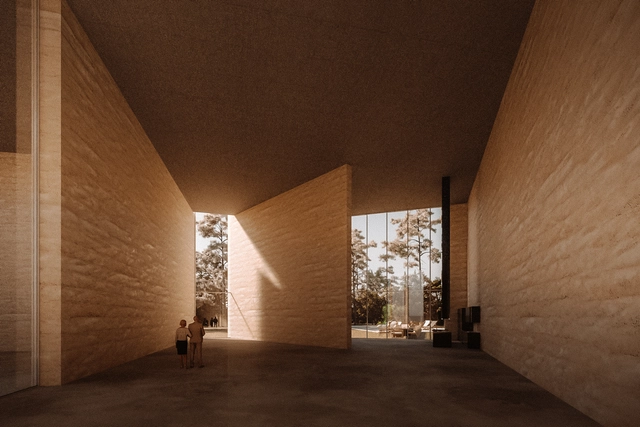
Buildner has announced the results of its Hospice - Home for the Terminally Ill competition, the third in a series of architectural idea challenges focused on creating compassionate spaces for individuals facing terminal illnesses. This competition encouraged architects to move beyond traditional medical models, designing environments that prioritize comfort, dignity, and community.
https://www.archdaily.com/1024459/an-innovative-take-on-transforming-hospice-spaces-with-buildner-for-better-well-beingRene Submissions
Adapt, Breathe, Regenerate: Envisioning a New Chapter in Architectural Materials

The fine line between art and craft, creativity and functionality, personal expression and societal or industrial demands is one that architecture navigates with great care. This duality is increasingly shaped by the urgent need to address environmental challenges. At the forefront of this evolution are materials and construction systems, the essential building blocks of design and execution. Historically, architecture relied on natural raw materials like wood, stone, and metals, which defined built spaces but often strained ecosystems. Today, the discipline seems to be undergoing a profound transformation, shifting beyond mitigating negative impacts to actively fostering the planet's regeneration.
From regenerative materials that integrate biology and engineering to circular economy principles redefining resource use, and hybrid approaches that blend traditional methods with cutting-edge technology, these innovations are reshaping the blueprint for the built environment. In this article, we recap the year's key advancements in materials and construction systems, showcasing how they are driving architecture toward a sustainable future. Whether through carbon-sequestering materials, systems designed for disassembly and reuse, or technologies that merge nature with engineering, these developments underscore the essential role materials and construction systems play in creating a regenerative, resilient, and resource-conscious world.
https://www.archdaily.com/1024935/adapt-breathe-regenerate-envisioning-a-new-chapter-in-architectural-materialsArchDaily Team
Winner Announced: ArchDaily X ICEX's Spanish Refurbishment Competition
| Sponsored Content
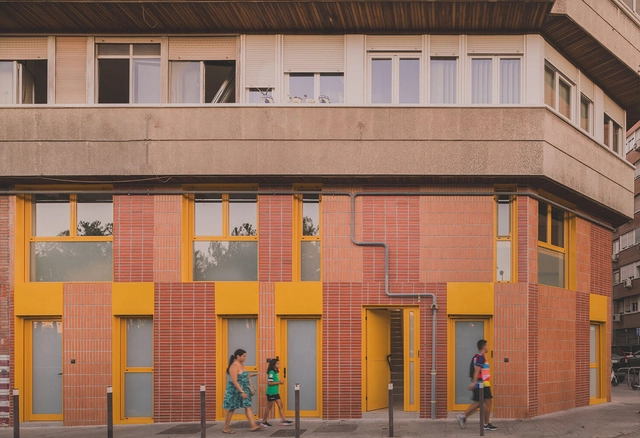
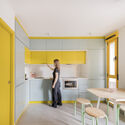
Why demolish when you can embellish? A collaboration between ArchDaily and ICEX highlights the most outstanding remodeling, reuse, extension and renovation works recently built in Spain. This competition focuses on how Spanish architecture values the revitalization of historic buildings and centers, and recovers existing structures promoting a more balanced urban development. In Spain, old casonas become boutique gems, and factories like Madrid's Matadero morph into cultural havens—a clever mix of tradition and modern flair. After all, good design isn't built—it's built upon.


https://www.archdaily.com/1024354/winner-announced-archdaily-x-icexs-spanish-refurbishment-competitionArchDaily Team
2024 Retrospective: Uncovering the Stories Behind Iconic Projects
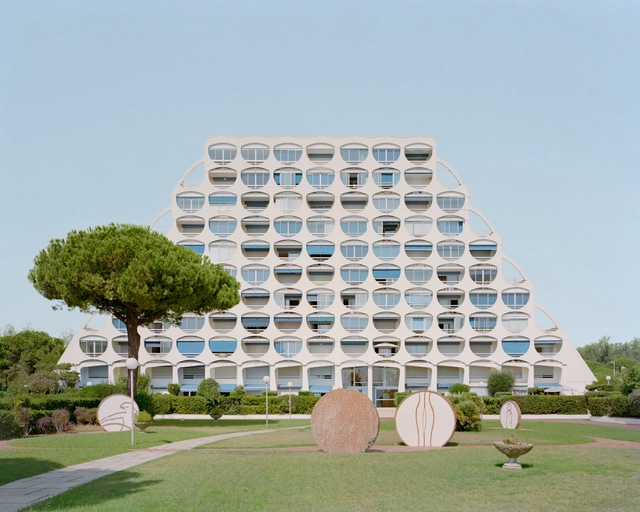
How many stories are hidden behind every line and every wall? Each project serves a purpose, and its creation leaves a lasting impression on the environment it inhabits. ArchDaily's AD Narratives series seeks to uncover the fascinating—and often unexpected—stories that breathe life into selected projects. Through in-depth research, the series delves into the unique details of the design and construction processes, exploring the cultural, social, and political contexts that have shaped each work.


https://www.archdaily.com/1024704/2024-retrospective-uncovering-the-stories-behind-iconic-projectsCamilla Ghisleni
Voices Shaping the Future of Architecture: ArchDaily's Best Interviews of 2024
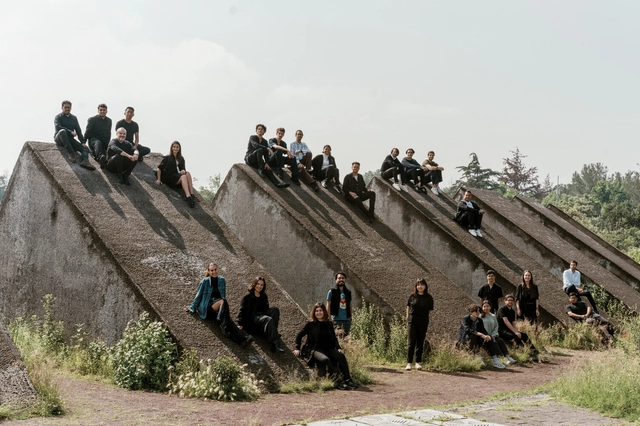
In 2024, architecture continues to evolve in response to global challenges, with an increasing focus on sustainability, cultural context, and social responsibility. ArchDaily's interviews with leading architects, such as Kengo Kuma and Anne Lacaton, highlight how design is shifting towards environmental and community-centric solutions. These conversations also shed light on the emerging voices from the Global South, where innovative practices are addressing unique socio-political and environmental challenges. Architects from regions like Africa, Asia, and Latin America are offering fresh perspectives, pushing the boundaries of traditional architecture to reflect their diverse cultural narratives and local contexts.





https://www.archdaily.com/1024860/voices-shaping-the-future-of-architecture-the-best-interviews-of-2024Nour Fakharany
Interior Design Trends of 2024
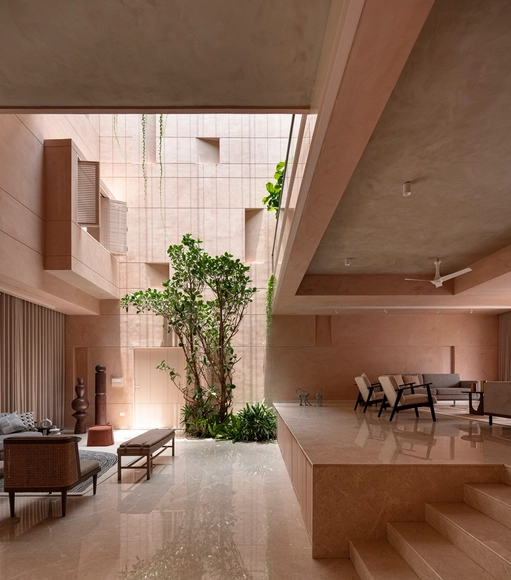
As 2024 comes to an end, a dynamic year that questioned knowledge, tradition, and innovation, we take a look at how global events and trends influenced the design of interior spaces. Last year, architecture practices sparked worldwide discussions, challenging norms and tradition, and embracing overlooked regions. Interior design, on the other hand, took a more reserved, modest approach, favoring simplicity and individuality. Fast forward a year later, the overall architecture and design themes of 2023 remain the same - reinforced if anything - but have embraced "crafted experimentations" through subtle, acupuncture-like interventions.


https://www.archdaily.com/1024255/10-interior-design-trends-of-2024Dima Stouhi
The Transformative Power of Sculptures and Landmarks in Urban Spaces: The Case of AL Khobar, Saudi Arabia
| Sponsored Content
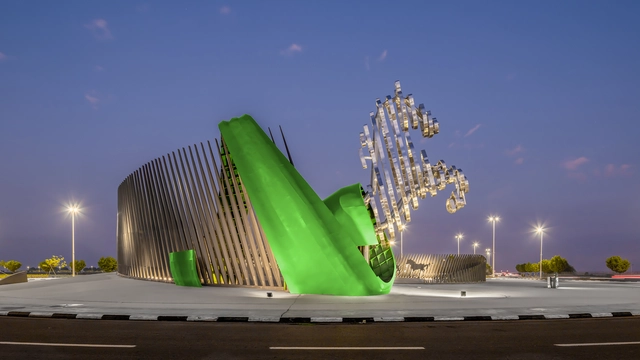
Cities are vibrant environments where architecture, public spaces, and art intertwine to shape the human experience. Sculptures and landmarks are essential components of urban design, creating cultural connections and enhancing both functionality and aesthetics. They define a city's identity while fostering community interaction and civic pride.
In Alkhobar, Saudi Arabia, public art has played a transformative role in reshaping the cityscape, with projects like Alarda, Alkhobar Memory, Aebayah Roundabout, and Albairaq Roundabout. These initiatives, many spurred by the Mujassam Wattan competition (MW Award), highlight the profound impact of integrating art into urban design.
https://www.archdaily.com/1024531/the-transformative-power-of-sculptures-and-landmarks-in-urban-spaces-the-case-of-al-khobar-saudi-arabiaRene Submissions
On Mountains: Architectural Designs Adjusted for High-Altitude Climates
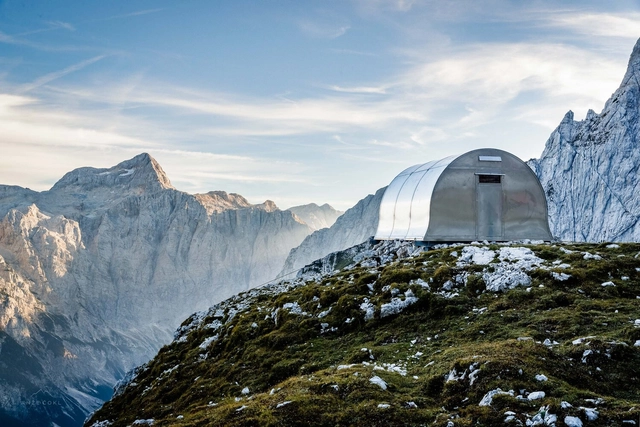
Mountainous and high-altitude regions are considered to be among the most fragile ecosystems on Earth. From melting glaciers to land erosion, these environments face mounting threats from climate change, making it imperative to reimagine how architecture and its supporting infrastructure are designed for such places.
The communities settled in mountain ecosystems are especially vulnerable to the impacts of climate change because of their proximity to early symptoms of changing environments and lack of access to adaptive resources and materials. Beyond all poetic aspirations of building and living in mountain environments, it is an urgent challenge to design solutions that properly resist hostile climatic conditions and promote sustainable and safe human settlements in mountainous regions.




https://www.archdaily.com/1021222/on-mountains-architectural-designs-adjusted-for-high-altitude-climatesOlivia Poston
Shaping Safe Journeys Through Fire-Resistant Design in Modern Train Stations
| Sponsored Content
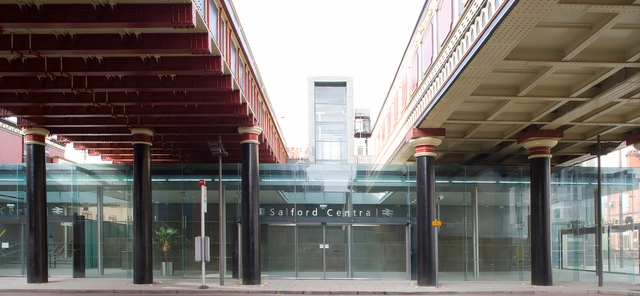
Infrastructure comprises the core services that urban areas must provide to ensure access to essential health and well-being standards, such as basic sanitation, energy, roads, transportation, and communication. Beyond being a functional network, infrastructure plays a transformative role in shaping how people live, work, and connect. Train stations, for instance, extend beyond their mobility functions to become centers of social interaction, economic hubs, and symbols of sustainable development. Their design reflects a delicate balance between functionality, safety, and architectural value, illustrating how infrastructure can enhance and transform urban experiences.
https://www.archdaily.com/1024600/shaping-safe-journeys-through-fire-resistant-design-in-modern-train-stationsEduardo Souza
Architecture for Public Health: A Joint Approach to Sustainability and Wellness
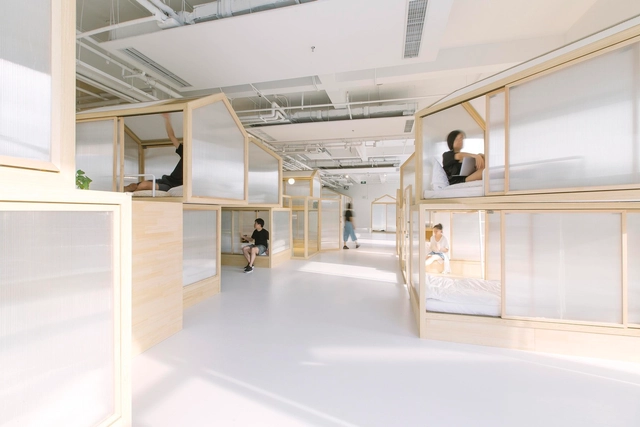
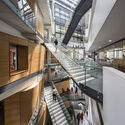
The built environment significantly impacts public health, yet its potential as a tool for health promotion remains largely unrecognized. Historically, architects and urban planners have explored the connections between design and health, identifying foundational factors that improve a building's health performance. Built environment professionals possess compelling evidence on how spatial interventions can improve health outcomes, yet health practitioners often lack this perspective. Breaking down these silos is essential in the creation of spaces that promote occupant well-being.

https://www.archdaily.com/1024781/architecture-for-public-health-a-joint-approach-to-sustainability-and-wellnessAnkitha Gattupalli
Transparent Future: Transforming Corporate Spaces with Interactive Glass Design
| Sponsored Content
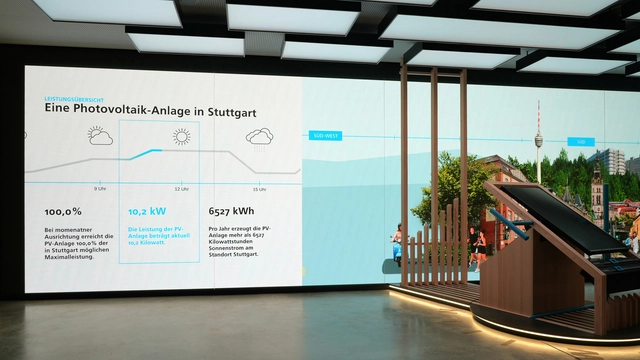
The likelihood that your next favorite basketball game unfolds atop a customizable and interactive glass floor is relatively high. Even more so, the chances that this glass marvel is crafted by ASB GlassFloor are markedly greater. In the ever-evolving world of sports and corporate architecture, innovative design elements are increasingly capturing the spotlight. One such marvel making waves is the glass floor—a feature that, while seemingly a novelty, has become a staple in high-profile arenas across the globe. Beyond illuminating sports arenas, ASB GlassFloor has plenty of tricks up its sleeves to dazzle the world. Venturing into the corporate world is just one of those clever moves.
https://www.archdaily.com/1024440/transparent-future-transforming-corporate-spaces-with-interactive-glass-designTatevik Avetisyan
ArchDaily's Best Architectural Projects of 2024
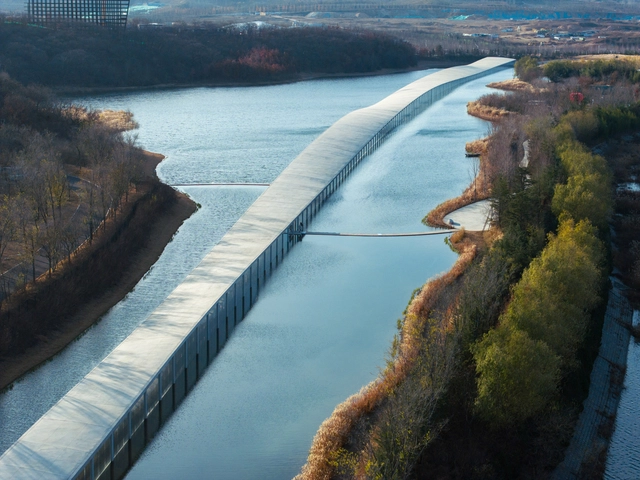
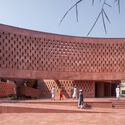
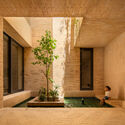
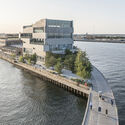
Throughout the year, ArchDaily's team of curators works on expanding and populating our project library. Located all around the world, each curator carefully considers the best works emanating from their respective regions in an effort to have a diverse representation of the most inspiring and innovative built works. The team looks to new rising practices, new technologies, and the vernacular revival of traditional construction techniques. Seeking socially driven initiatives, as well as major works by renowned architects, the overall offers a holistic view of the built world today and is relayed through the yearly project review.

https://www.archdaily.com/1024672/archdailys-best-architectural-projects-of-2024Hana Abdel
Reflecting on Architectural Details and Construction Systems in 2024

In 2024, a diverse range of topics have been comprehensively explored, some focusing specifically on architectural details and construction systems. These articles provide valuable insights into architecture's often-overlooked technical and functional aspects. By shifting attention away from aesthetics, materials, and spatial massing, they reveal the importance of intricate details and the construction systems underpinning contemporary projects' larger architectural vision.
Executing these seemingly small elements is crucial in shaping how architecture is perceived and experienced. Specifying and drawing a thoughtfully designed detail is not dissimilar to determining the correct screw in building a car—its thread count, material, and length—can dramatically influence not only the success of an architectural design but also the quality of the human experience it fosters. Such details, while often dismissed as mundane and may not be the most recognizable features of stellar projects, profoundly impact the cohesiveness and functionality of architectural projects.


https://www.archdaily.com/1024779/reflecting-on-architectural-details-and-construction-systems-in-2024Jonathan Yeung
Cooling Canvas: When Air Conditioning Meets Interior Design
| Sponsored Content

The first air conditioning systems were created by electrical engineer Willis Carrier in 1902 to solve a problem for a printing press in Brooklyn, New York, where humidity threatened to ruin the paper. Since then, air conditioning has evolved from a revolutionary thermal comfort system into an essential element of homes and workplaces. Initially, the units were large and centralized, hidden away due to their ducted system nature. However, this approach is rapidly changing as more energy-efficient efficient ductless air conditioners become more integrated into contemporary interiors.
https://www.archdaily.com/1024328/cooling-canvas-when-air-conditioning-meets-interior-designEduardo Souza
Integrating Nature as a Building Material: Exploring the Works of Estudio Planta
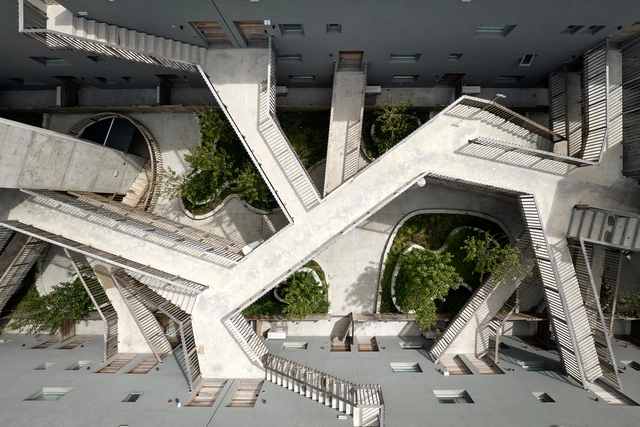
Combining experience, knowledge, tradition, innovation, and experimentation, Estudio Planta, based in Buenos Aires, Argentina, focuses on fostering the relationship between architecture and nature by using vegetation as a building material and integrating outdoor spaces into daily life. Addressing the unique characteristics of each site, programmatic innovation, sustainability, care for noble materials, and construction details, the practice defines its identity by proposing ways of living in harmony with its inhabitants and understanding the legacy that architecture can leave for society.


https://www.archdaily.com/1023918/integrating-nature-as-a-building-material-exploring-the-works-of-estudio-plantaAgustina Iñiguez
The Second Studio Podcast: Executive Architect and Design Architect Roles Explained
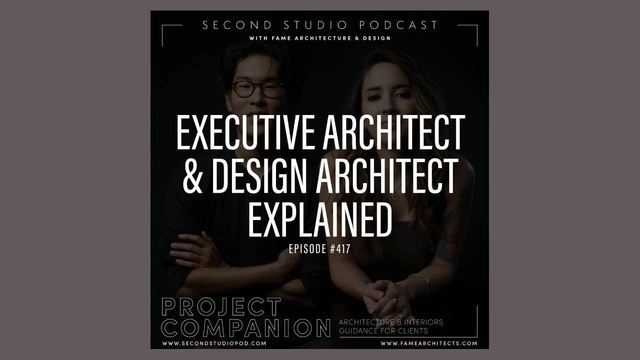
The Second Studio (formerly The Midnight Charette) is an explicit podcast about design, architecture, and the everyday. Hosted by Architects David Lee and Marina Bourderonnet, it features different creative professionals in unscripted conversations that allow for thoughtful takes and personal discussions.
A variety of subjects are covered with honesty and humor: some episodes are interviews, while others are tips for fellow designers, reviews of buildings and other projects, or casual explorations of everyday life and design. The Second Studio is also available on iTunes, Spotify, and YouTube.
This week David and Marina of FAME Architecture & Design discuss the responsibilities and roles of the Design Architect and the Architect of Record (AOR) also known as the Executive Architect when working together during each project phase from pre-design to concept design; schematic design; design development; construction documentation; bidding; and construction. They two also discuss legal liabilities; fee differences; knowledge overlap; and more.

https://www.archdaily.com/1025778/the-second-studio-podcast-executive-architect-and-design-architect-roles-explainedThe Second Studio Podcast
Creating Winter Retreats: Snow Resorts and Vacation Home Typologies
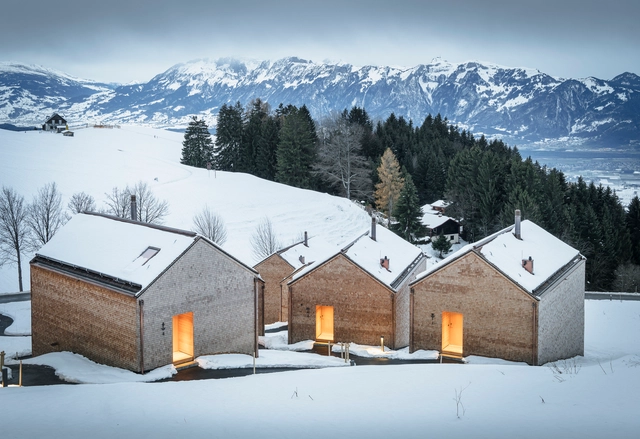
As we move past Thanksgiving and step into December, the festive season is fast approaching. This time of year brings celebrations, holidays, and travel plans into full swing. Particularly in the Northern Hemisphere, there is a strong association between end-of-year festivities and cold, snowy weather.
Among the many traditions that celebrate the season, one of the most logistically and architecturally challenging is arranging for the giant Christmas tree for Rockefeller Center in New York City. This spectacle of moving a 70+ foot, 10+ ton tree into one of the busiest city centers in the world continues to capture the holiday spirit annually.



https://www.archdaily.com/1024502/creating-winter-retreats-snow-resorts-and-vacation-home-typologiesJonathan Yeung
Exploring Split Beams: A Modern Take on Bamboo Construction
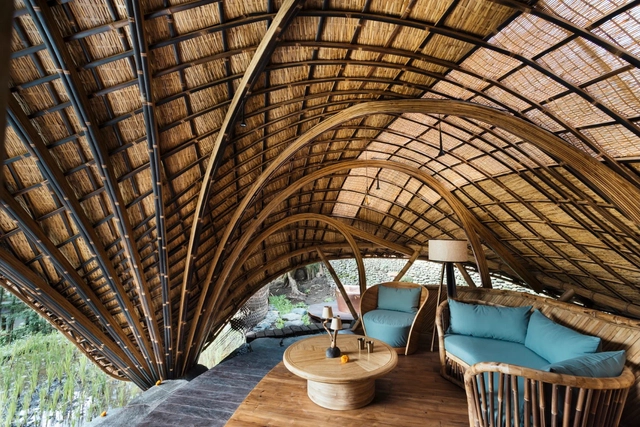
Over the years, through projects such as the Green School and homes at the Green Village, bamboo has become an increasingly popular material in Bali, Indonesia. While design firms in Bali such as IBUKU have most often worked with bamboo in its round-pole form, advancements and testing in recent years are looking to increase the use of bamboo split beams in the realm of construction.
https://www.archdaily.com/1024744/exploring-split-beams-a-modern-take-on-bamboo-constructionInaara Thawer