

This guide explains how to structure multi-image prompts in the RunDifussion platform. Explore RunDifussion's product catalog.
Articles
How to Prompt and Annotate Multiple Images with AI
| Sponsored Content
https://www.archdaily.comhttps://www.archdaily.com/catalog/us/products/38860/how-to-prompt-and-annotate-multiple-images-with-ai-rundiffusion
Shaping a Sustainable Built Environment Through Industry-Wide Upskilling
| Sponsored Content
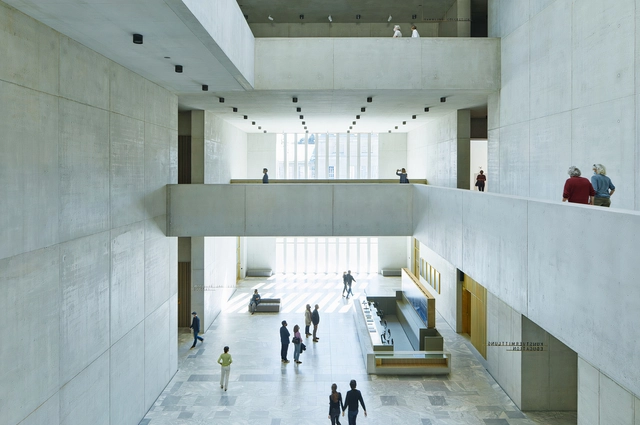
By now, most people in the construction industry know that addressing the carbon emissions that come from the built environment is key to solving the climate challenge. Yet, knowing where to start can be a challenge for many professionals. That's why education and upskilling across the value chain—from architects to urban planners, and real estate developers to engineers—are essential to fostering sustainable construction practices.
https://www.archdaily.com/1023262/shaping-a-sustainable-built-environment-through-industry-wide-upskillingRene Submissions
Vibrancy and Utility: Embracing Color in Urban Apartment Kitchens
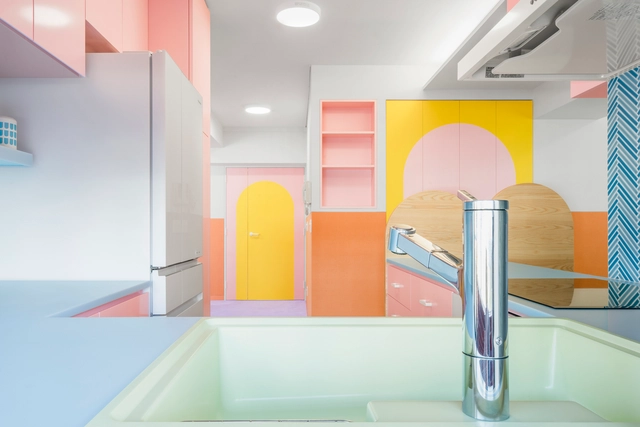
Urban apartments are frequently praised for their clever use of space, but what of their approach to color? Thoughtfully incorporating color is more than an aesthetic decision; it has the potential to shape emotional responses, influence mood, and create spatial illusions. Research in color psychology shows that colors affect our social, cultural, and psychological reactions, making them powerful design tools. Variations of blue, for instance, have been shown to slow melatonin production, keeping people more awake and alert, while shades of green relieve strain on our nervous systems, helping us feel calmer and more grounded. Color in architectural spaces can even alter our perception, creating illusions of depth, movement, and texture that influence how we experience space. Warmer hues like oranges and reds tend to make a room feel more intimate and cozy, while cool whites and blues lend a sense of openness, making spaces appear taller and more expansive.


https://www.archdaily.com/1023107/vibrancy-and-utility-embracing-color-in-urban-apartment-kitchensOlivia Poston
Art Galleries that Draw You In: 5 Artistic Spaces in Brazil Connecting Indoors and Outdoors
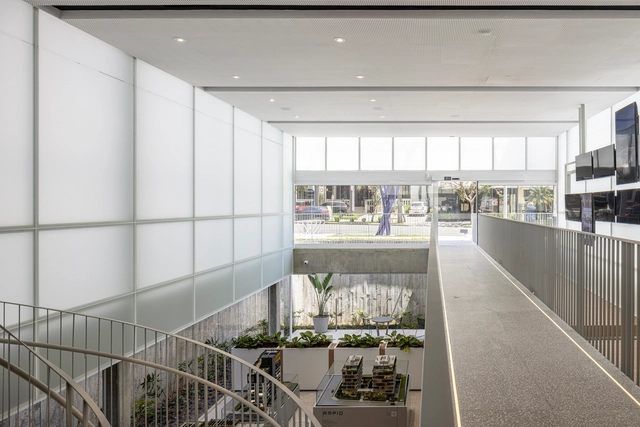
Art and architecture go through a series of interpretive processes before their creation that involve recognizing a capacity for wonder, experimentation, communication, and imagination. Sharing sensitivities and creative quests, they can transform the experience of the world by responding to a collective set of ideas that, at times, design, paint, and write about themes related to the connection with nature, the role of society in the built environment, the sensations conveyed by spaces, and more.


https://www.archdaily.com/1022829/art-galleries-that-draw-you-in-5-artistic-spaces-in-brazil-connecting-indoors-and-outdoorsAgustina Iñiguez
The Essential Role of Modern Building Envelopes in Balancing Sustainability and Aesthetics
| Sponsored Content
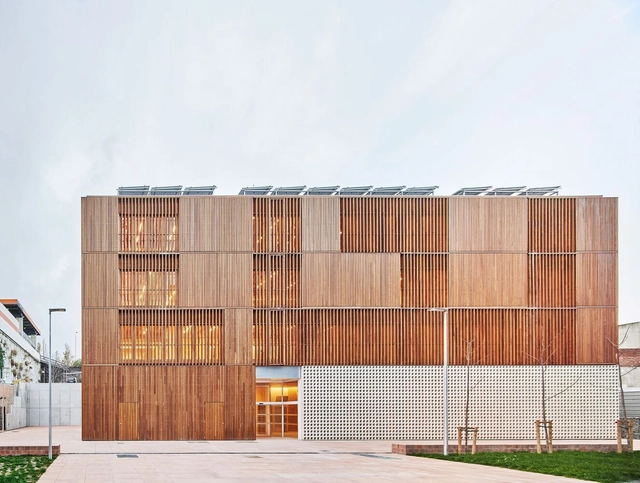
Traditionally, architecture's role has been to create a barrier between inhabitants and the elements, providing protection and security. Even with material and technological advances over time, this function remains fundamental. We still rely on our building envelopes to keep us dry, safe, and comfortable, allowing us to live our daily lives with ease. Nowadays, high-performance building envelopes expand this protective function by using advanced materials and technology, transforming into essential elements of sustainable and resilient design. They not only protect interiors from external factors—such as heat, humidity, and pollutants—but also contribute directly to the building's energy efficiency, durability, and aesthetics. Consisting of facades, solar shading systems, and windows, these envelopes define the building's character and play an essential role in its overall performance.
https://www.archdaily.com/1023179/the-essential-role-of-modern-building-envelopes-in-balancing-sustainability-and-aestheticsEduardo Souza
11 Powerful Extensions to Boost Designer Productivity
| Sponsored Content
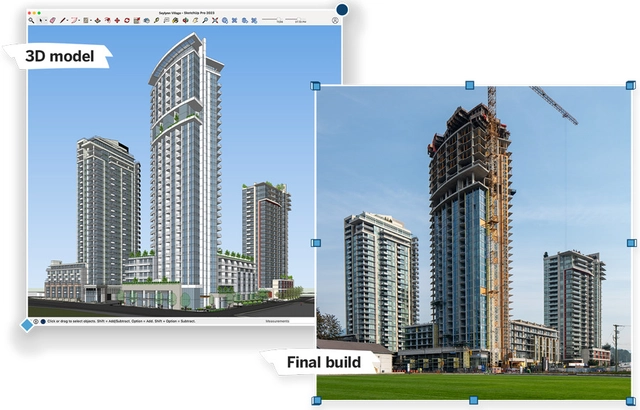
With a longstanding dedication to empowering designers and beautifully bringing their ideas to life, SketchUp software offers an intuitive, comprehensive 3D modeling toolset straight out of the box. Still, users can supercharge its capabilities with a range of powerful extensions.
SketchUp's Extension Warehouse features hundreds of plugins for everything from animation and urban planning to interior design and architecture. These tools eliminate repetitive tasks, improve accuracy, and streamline workflows, allowing designers to customize and enhance their SketchUp experience. But with so many extensions to choose from, diving in can feel daunting. Get started with this list of the top 11 SketchUp extensions to extend and customize your workflows.
https://www.archdaily.com/1022802/11-powerful-extensions-to-boost-designer-productivityRene Submissions
Shaping History: The Impact of Women Architects in Post-Colonial South Asia
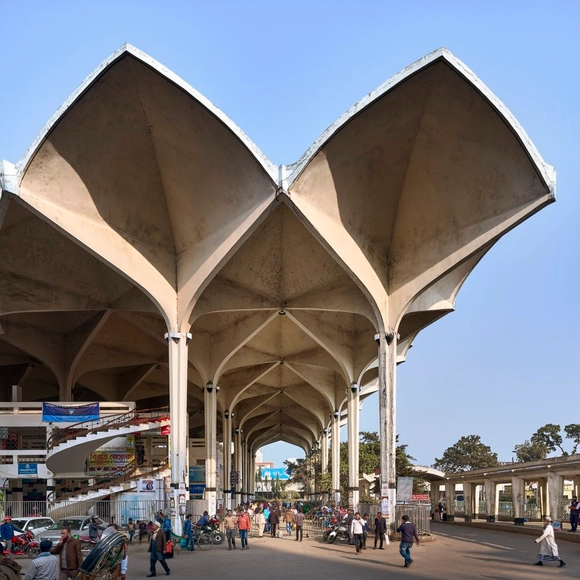
In the mid-twentieth century, a set of South Asian countries collectively experienced a catharsis from colonizers' rule. The period that followed sparked an era of ideas and philosophies for a new future. During this time, architects were pivotal in creating modernist structures that defined the countries' post-colonial, post-partition and post-imperial identities. South Asian architects used design as an expression of hopeful societal visions, most of which have been actualized. With this success in nation-building, there has been a lack of accreditation for women architects in shaping South Asian histories.


https://www.archdaily.com/991027/shaping-history-the-impact-of-women-architects-in-post-colonial-south-asiaAnkitha Gattupalli
Generations of Change: Women Who Redefined Landscape Architecture
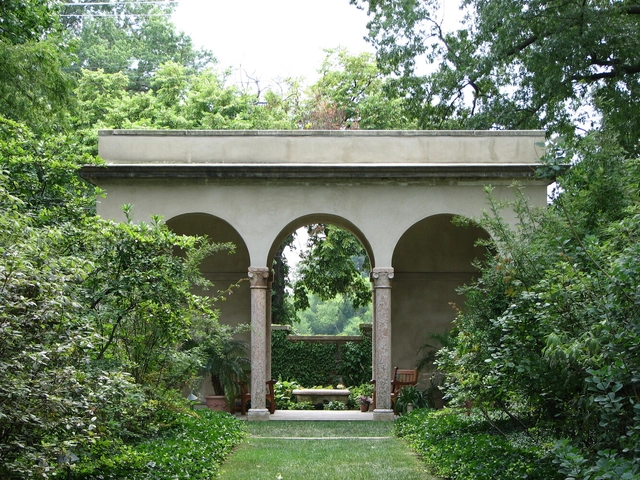
Women have played a pivotal role in the evolution of landscape architecture, overcoming the constraints of a male-dominated profession to introduce groundbreaking ideas and fresh perspectives. From early pioneers to contemporary leaders, their work has reshaped how we interact with public and private spaces, intertwining aesthetics, functionality, and sustainability in innovative ways.
In the late 19th and early 20th centuries, female landscape architects carved out their place in the profession, emphasizing harmony between built structures and natural landscapes. Their projects showcased a deep commitment to community and ecological balance, setting the stage for an inclusive and thoughtful approach to design that continues to inspire the field today.


https://www.archdaily.com/1022870/generations-of-change-women-who-redefined-landscape-architectureDiogo Borges Ferreira
From Industrial Heritage to Green Innovation: The Rebirth of the Domino Sugar Factory
| Sponsored Content
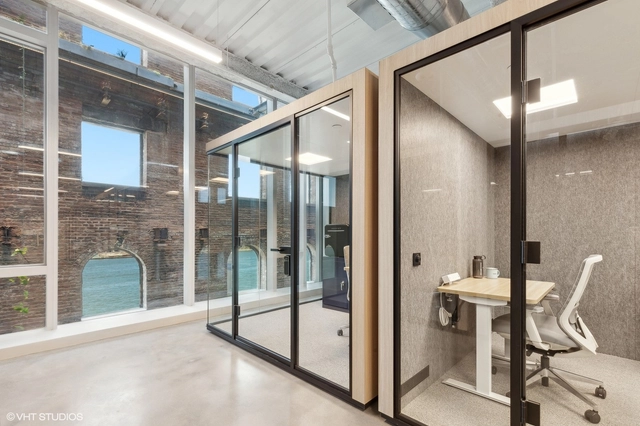
New York City is a place of constant transformation. Since the late 18th century, when it became one of the world's largest ports, it has established itself as a hub of innovation, commerce, and cultural diversity, attracting immigrants from all over. The rapid industrialization of the 19th century spurred a proliferation of factories, warehouses, and working-class neighborhoods, like Brooklyn and the Lower East Side, which shaped the city's urban and economic growth.
https://www.archdaily.com/1022983/from-industrial-heritage-to-green-innovation-the-rebirth-of-the-domino-sugar-factoryEduardo Souza
Carl Pruscha, an Architect Investigating Overlooked Territories
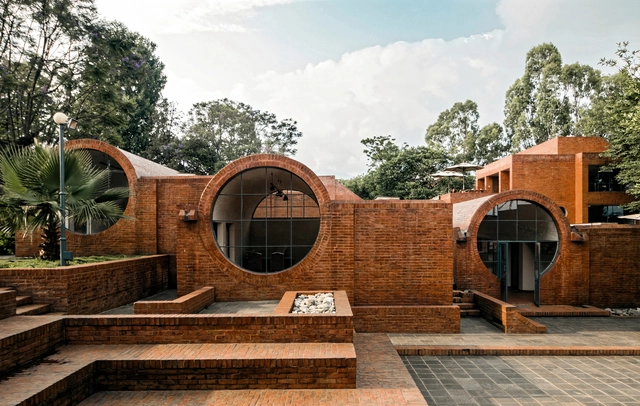
Carl Pruscha, an Austrian architect who mainly dedicated his professional career to investigating and working closely in the field of regional architecture in the Eastern world, a territory that was being overlooked at a time when the modern movement in architecture and in the rest of the world was booming. Through an overview of his life, we will highlight some of his most relevant works in Nepal and Sri Lanka and understand how Pruscha managed to stamp his unique visions of architecture and cities into his built projects.


https://www.archdaily.com/957728/carl-pruscha-an-architect-investigating-overlooked-territoriesPaula Pintos
Bioclimatic Architecture in Central America: Lessons from Angela Stassano’s Work in Honduras
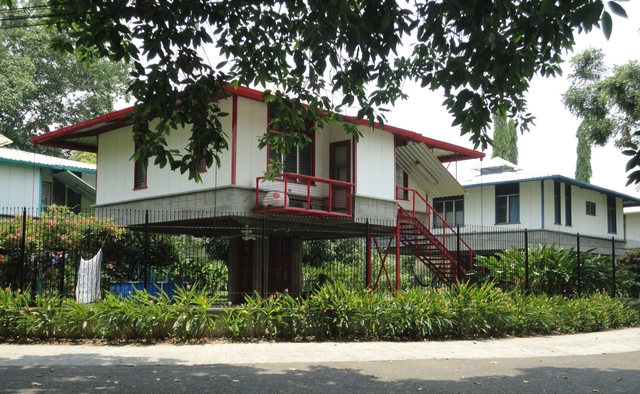
Honduran architect Angela Stassano is contributing to Central America's architectural landscape with her applied research regarding bioclimatic designs. Based in San Pedro Sula, Honduras, her projects draw from local heritage techniques to address the needs of hot, humid tropical environments. Stassano has developed her expertise through over 30 years of hands-on research, culminating in a bioclimatic architecture guide that outlines her methods for construction in this region. One of her most notable projects, Las Casitas, is a residential complex that embodies this research. The project includes multiple energy-efficient tropical houses that harness the local climate, resulting in low energy and operational costs.


https://www.archdaily.com/1023046/bioclimatic-architecture-in-central-america-lessons-from-angela-stassanos-work-in-hondurasMoises Carrasco
Bringing Intersectional Feminism into Architecture and Urbanism
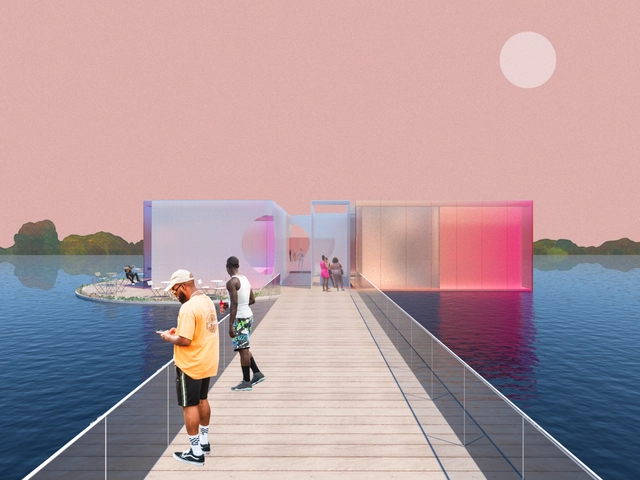
"One of the first hits I got when I was googling about female architecture was a high-rise building in Australia, whose architects said that they had been inspired by Beyoncé's curves when they built it," exclaimed the Dutch architect Afaina de Jong in her last talk for TEDxAmsterdamWomen in 2021. "I mean, really? Her body? Beyoncé? Of course, she is amazing, but to translate her body literally in a building… Is that female architecture?", she continued indignantly.
De Jong is the founder of AFARAI studio, where she works with an interdisciplinary methodology combining theory and research with design. She considers her studio as "a feminist practice that encourages change on social and spatial issues and that accommodates differences," so Afaina is likely familiar with the concept of 'intersectionality'.
https://www.archdaily.com/990977/bringing-intersectional-feminism-into-architecture-and-urbanismLucila Sarasola
A Toy Sanctuary in Spain and an Art Center in Iran: 8 Conceptual Cultural Centers Submitted by the ArchDaily Community
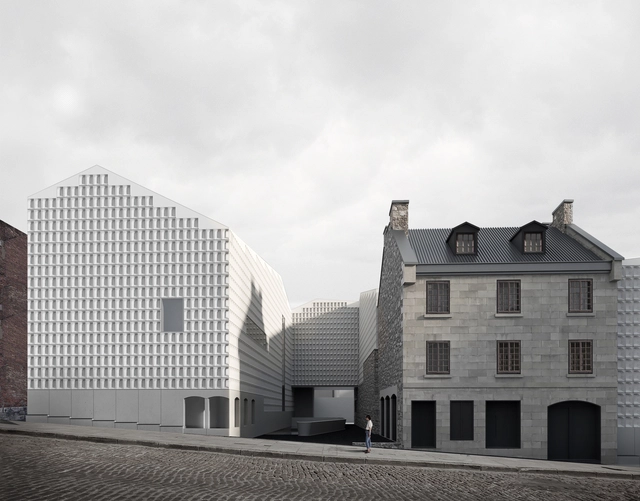
Cultural centers are vibrant places where art, community, and innovation intersect—each uniquely crafted to embody and celebrate its local character. This month's projects, submitted by the ArchDaily community, showcase a diverse array of cultural spaces, from the transformation of a historic townhouse in Montreal to a dynamic creative hub in Riyadh and an eco-conscious visitor center in Tennessee's mountains. Each design offers a new perspective on what a cultural center can be, whether a hub for creativity, a sanctuary for nature, or a bridge to the past.
https://www.archdaily.com/1023175/a-toy-sanctuary-in-spain-and-an-art-center-in-iran-8-conceptual-cultural-centers-submitted-by-the-archdaily-communityNour Fakharany
Here's How to Level-up Indoor Pools with Daylight Solutions
| Sponsored Content
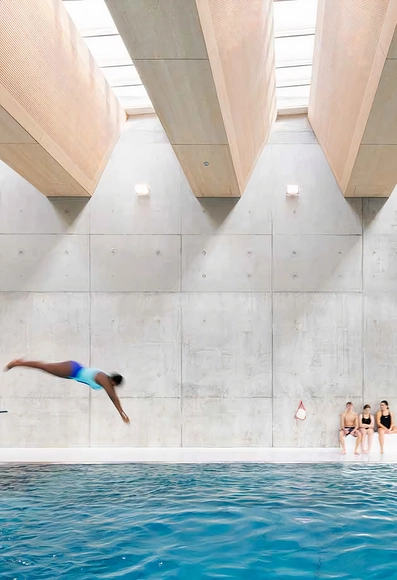
Water and daylight? At first glance, they seem like distant concepts: one is tangible, while the other, —though intangible—, manifests itself through its effects and perceptible qualities. Both are powerful and recurring resources in architectural design, often employed only for compositional purposes. However, in the context of indoor pools, this combination is frequently functionally oriented, prioritizing 'protection' from external stimuli. This one-dimensional approach can restrict the dynamic interaction between water and natural light, leading to aesthetic, functional, and operational challenges.
https://www.archdaily.com/1022632/heres-how-to-level-up-indoor-pools-with-daylight-solutionsEnrique Tovar
Documenting Female Voices in Architecture: “Women in Architecture” Returns in Second Chapter
"We think we are diverse, and we think we have equality, but is that really the case?"
Highlighting the stories of female architecture shaping the built environment, the documentary "Women in Architecture", by Boris Noir returns for a second chapter. Initiated by Sky-Frame, in collaboration with ArchDaily, this installment of the docu-series delves into the stories of Dorte Mandrup and Tosin Oshinowo, drawing a parallelism between both of their lives and focusing on their distinct paths and challenges. Stay tuned for the online screening on November 12th at 7:30 am EST, 12:30 pm CET on ArchDaily.
https://www.archdaily.com/1023130/documenting-female-voices-in-architecture-women-in-architecture-returns-in-second-chapterChristele Harrouk
Tijuana-San Diego as a Creative Beacon: Exploring the World Design Capital's Growing Influence
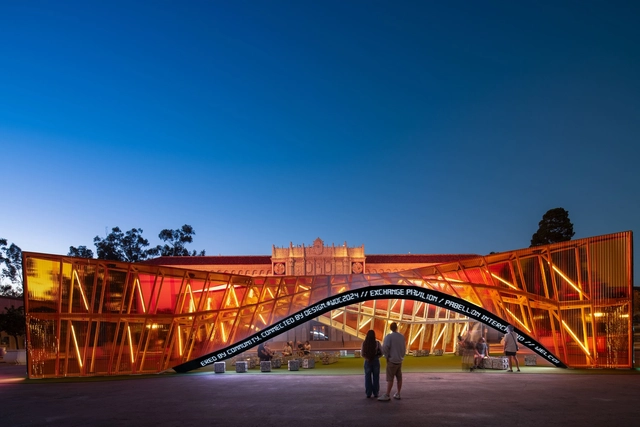
Global conferences, events, and exhibitions have profoundly influenced the evolution of architecture and design, serving as catalysts for innovation, new ideas, and pivotal debates. Some gatherings, like the historic Congrès International d'Architecture Moderne, have impacted the field. In contrast, others, such as the Venice Biennale and the World Design Capital (WDC), continue shaping the architectural landscape through periodic editions. Initiated in Turin, Italy, the WDC celebrates a different city every two years as a hub of design reflection and creativity. In the latest edition, the binational region of Tijuana-San Diego made history as the first cross-border WDC, emerging as a creative epicenter with a rich, innovative program that warrants special attention.
https://www.archdaily.com/1023090/tijuana-san-diego-as-a-creative-beacon-exploring-the-world-design-capitals-growing-influenceEnrique Tovar
Buildner and Norman Foster Announce Kharkiv Housing Challenge Results
| Sponsored Content
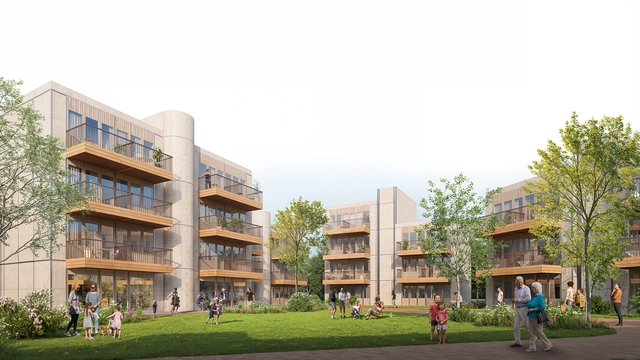
Buildner has announced the results of the Kharkiv Housing Challenge, the first competition in a two-part series focused on rebuilding Ukraine. Kharkiv, Ukraine's second-largest city, has been deeply affected by the ongoing conflict, and this competition is part of a broader effort to rebuild its housing and public spaces.
https://www.archdaily.com/1023023/buildner-and-norman-foster-announce-kharkiv-housing-challenge-resultsRene Submissions
How Flood Defenses Can Enhance the Public Realm
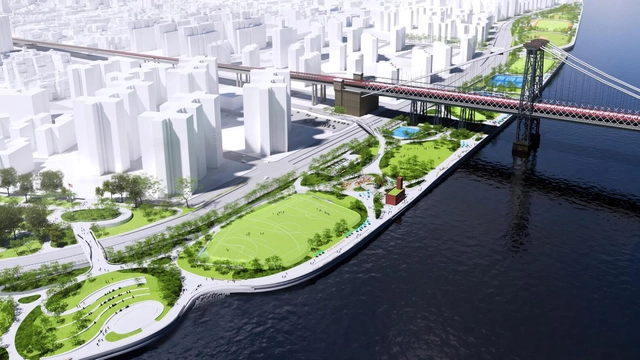
Superstorm Sandy inundated Lower Manhattan, causing billions in property and infrastructure damage. To protect against future flooding, storm surges, and sea level rise, landscape architects are developing an innovative mix of green and grey solutions along the southern coast of Manhattan.
These are not nature-based solutions but forms of armor. And designers are showing how this armature can be woven into the public realm, creating new kinds of infrastructure. Smart design is resulting in retractable gates and walls, landscaped berms, and raised platforms. No concrete walls separating communities from each other or the waterfront here.



https://www.archdaily.com/1023164/how-flood-defenses-can-enhance-the-public-realmJared Green
Room for Change: Interior Design that Adapts with Style
| Sponsored Content
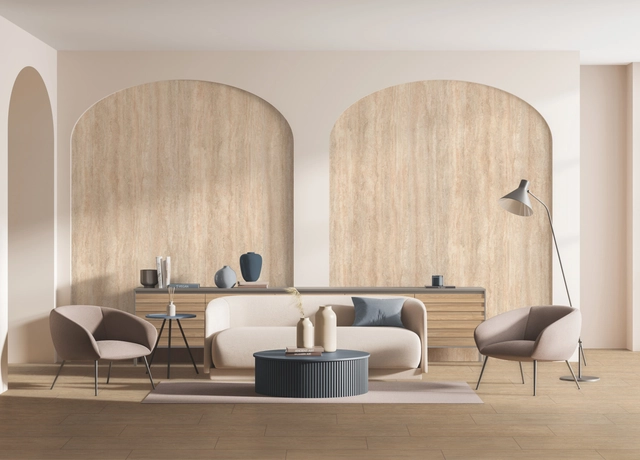
Colors, materials, lighting, and textures are the foundational pillars that shape the mood and atmosphere of an interior space. These elements should work in harmony to create environments that deeply influence how we feel and interact with the space around us. From serene, tranquil homes to dynamic offices or welcoming hospitality spaces, design trends have evolved to meet the specific needs of each setting, while the market offers an abundance of product combinations.
Recent years have seen a transformative shift in these trends, with a growing focus on flexibility, biophilic design, and sustainability. These three approaches are reshaping the way spaces are designed—not just in terms of aesthetics, but also with respect to functionality, well-being, and environmental impact. Mastering the interplay of these elements has become essential to create spaces that resonate with purpose and functionality, offering immersive and meaningful experiences for their intended audience.
https://www.archdaily.com/1022833/room-for-change-interior-design-that-adapts-with-styleEduardo Souza
How Tech Parks Are Replacing Central Business Districts in India
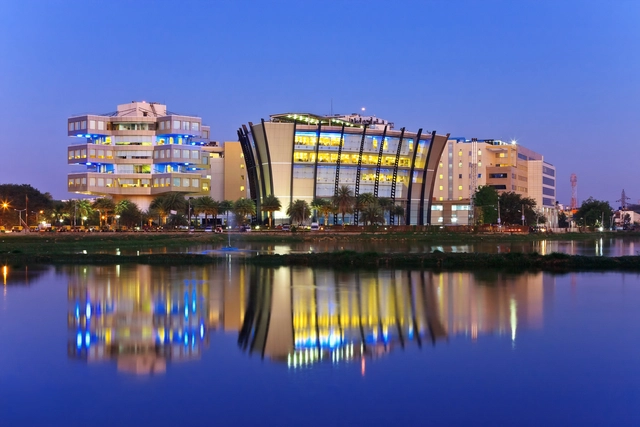
India is often recognized for its thriving technology industry, with a reputation for producing a substantial number of skilled tech professionals each year. This has attracted a dynamic technology ecosystem that increasingly draws global companies to establish operations in the country. The rise of tech parks has become a key strategy for harnessing this talent and resources, cultivating an environment conducive to innovation. What impact do these tech parks have on the urban landscape of Indian cities?


https://www.archdaily.com/1023105/how-tech-parks-are-replacing-central-business-districts-in-indiaAnkitha Gattupalli
Exclusive Video Interview: Bjarke Ingels discusses Holcim Foundation Award-Winning BIG U in New York
| Sponsored Content
Over the past two decades, the Holcim Foundation Awards has committed USD 20M to spotlight transformative projects by architects, designers, and engineers who pioneer sustainable design and construction practices. To capture these stories, the Foundation launched a short film series titled Words with Winners.
This series provides an in-depth look at award-winning sustainable design projects through exclusive interviews with their creators. It includes one of the first films to showcase the BIG U, also known as the DryLine, in its built form, featuring an exclusive one-on-one with Bjarke Ingels, Creative Director and Founder of Bjarke Ingels Group (BIG).
https://www.archdaily.com/1022871/exclusive-video-interview-bjarke-ingels-discusses-holcim-foundation-award-winning-big-u-in-new-yorkRene Submissions
Beyond Conventional Design: The Unique Approaches of Office ParkScheerbarth
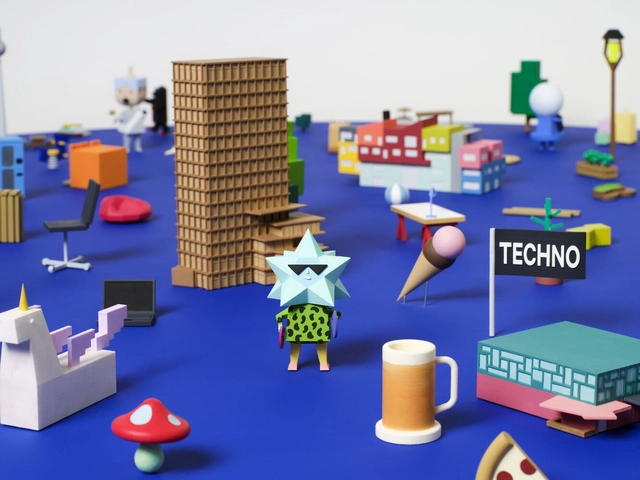
Office ParkScheerbarth, selected as one of ArchDaily's 2024 Best New Practices, was founded in Berlin in 2019 by principals Moojin Park and Benjamin Scheerbarth. Together, they create a synthesis between architecture, urban planning, and social science, drawings on cultural and educational contexts from Korea, the US, and Germany. Their work creates spaces that welcome versatility, challenges, and growth. The duo embodies a fusion of cultures, nationalities, and diverse disciplines, approaching each project from multiple perspectives and emphasizing adaptability, respect for ownership, and the continuous pursuit of knowledge and innovation. Challenging norms and regulations of the built environment, Moojin Park and Benjamin Scheerbarth share a commitment to pushing and exploring design boundaries. They met during their Master's studies in the US, where their shared vision took shape and marked the beginning of their journey together.


https://www.archdaily.com/1023032/beyond-conventional-design-the-unique-approaches-of-office-parkscheerbarthHadir Al Koshta
Designing Above-Ground Cemeteries: Challenges and Solutions
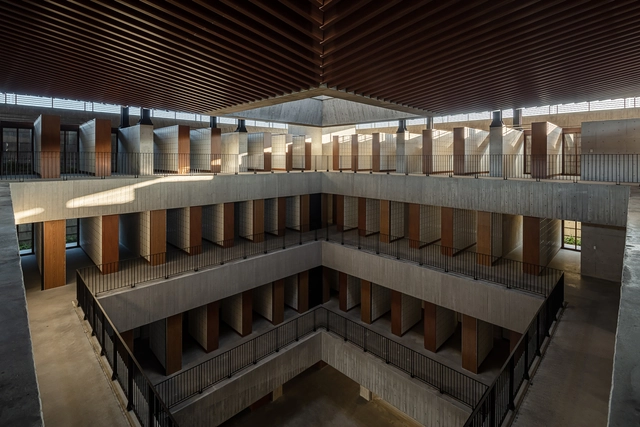
For centuries, burial practices across various cultures have connected honoring the deceased to the earth, with cemeteries firmly grounded in the soil as a symbol of eternal peace. Yet, as discussed in one of our articles, No More Room for the Living or the Dead: Exploring the Future for Burials in Asia, land shortages in densely developed urban areas present significant challenges to traditional burial practices, especially as societies like Japan face an aging population. Given these spatial constraints, how can above-ground cemeteries and columbariums be designed to provide a dignified, tranquil resting place while respecting cultural values?


https://www.archdaily.com/1023106/designing-above-ground-cemeteries-challenges-and-solutionsJonathan Yeung
Innovative Solutions for Enhanced Aesthetics and Safety in Swimming Pools
| Sponsored Content
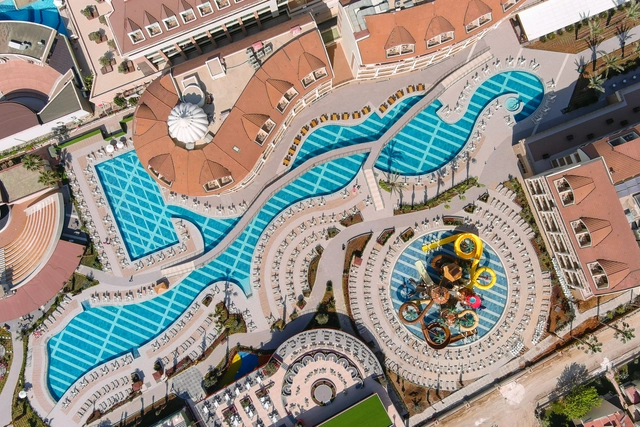
Serapool, a leading brand in porcelain pool tiles and complementary porcelain products, has been innovating and producing sustainable design solutions for residential, spa and wellness centers, hotels, water parks, and Olympic-size pools globally for 40 years. The brand's holistic approach to pool design has led to a comprehensive porcelain collection that includes pool tiles, stair nosings, pool copings, porcelain pool grates, infinity tiles, concealed overflow handles, terrace nosings, and rain channels. With years of expertise in the industry, the company stands as a leading example of innovation, consistently delivering safe and long-lasting products.
https://www.archdaily.com/1022794/innovative-solutions-for-enhanced-aesthetics-and-safety-in-swimming-poolsRene Submissions
Blending Heritage: Canada’s Integration of Revival Architecture and Modern Design
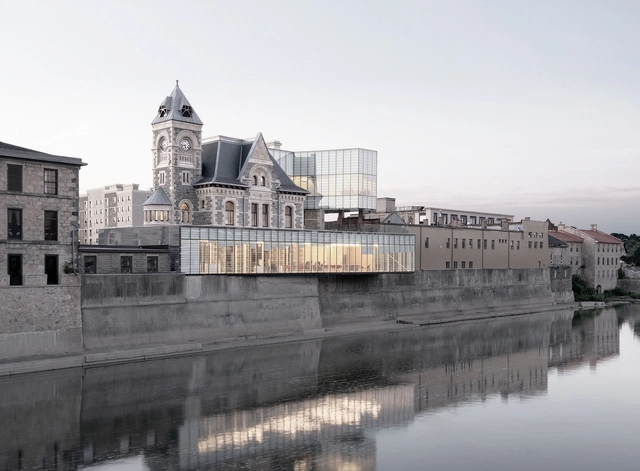
The architecture in Canada has evolved to reflect both its European heritage and modern global trends while adapting to the country's environment. As Canada developed, architectural styles became a means to express its identity as an independent nation. This architectural development, especially in the 19th and early 20th centuries, was influenced by colonial styles from Great Britain and France. While French colonial was more prominent in Quebec, British styles influenced the rest of the country.
In this context, the adoption of 19th-century Gothic Revival styles and Classical Revival styles of the early 20th century became popular. Today, many of those buildings remain as prominent landmarks across the country and have become integral parts of the urban landscapes. This curated collection explores how Canadians are integrating traditional elements with modern materials like glass and steel. These efforts preserve the historical significance of the buildings while adapting them to meet the functional demands of modern life.


https://www.archdaily.com/1022848/blending-heritage-canadas-integration-of-revival-architecture-and-modern-designMoises Carrasco