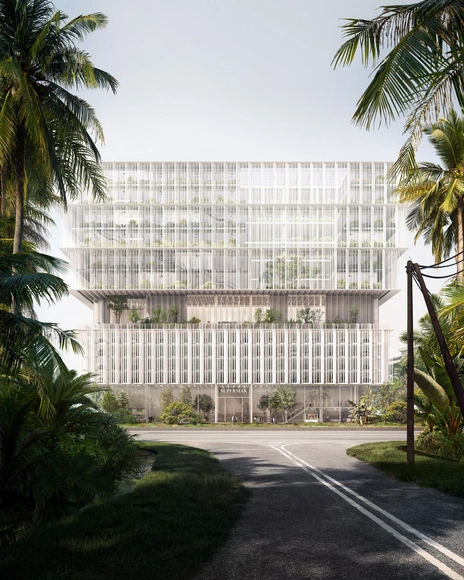
Following an international competition, the latex glove manufacturer Supermax selected Szczepaniak Astridge, to design its new headquarters, in Malysia. The world's largest supplier of medical gloves and PPE had seen an increase this year in demand due to the coronavirus pandemic and needs to expand its buildings accordingly.
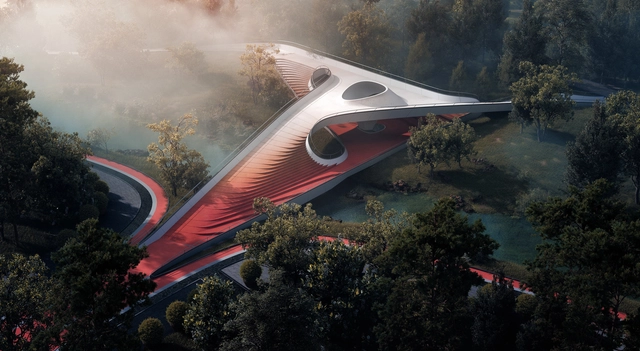
This week’s curated selection of Best Unbuilt Architecture encompasses conceptual proposals submitted by our readers. It features diverse functions and tackles different scales, from a spiraling bridge in China to a transportation hub dedicated primarily to space travel in Japan.
Comprising uncommon design approaches, this article introduces a humanitarian architectural response to the needs of the residents in an informal Egyptian settlement. In the master plan category, a Green city proposal highlights how we should develop our cities and neighborhoods in the future, and the first net-zero energy airport in Mexico reinterprets holistic design approaches. Moreover, the roundup presents different cultural interventions, from a museum in Botswana, an installation at the Burning Man festival by AI Studio, and an observatory in Vietnam.
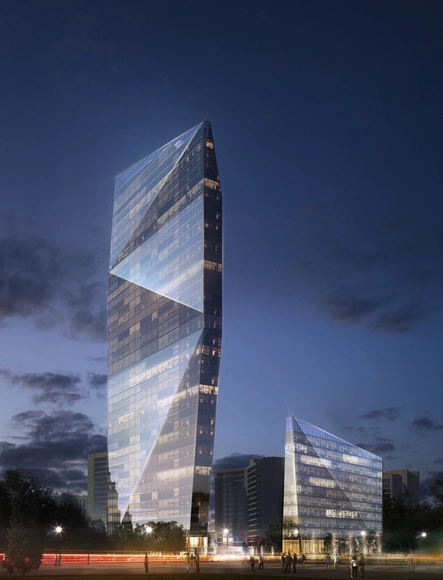
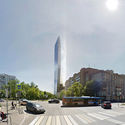
SPEECH has designed a proposal for the World Trade Centre (WTC), in Moscow, Russia, one of the largest and oldest mixed-use business complexes built initially in 1980. The suggested project introduces two glass blocks to the city’s skyline, featuring mixed-use functions such as offices, cafés, and shops.
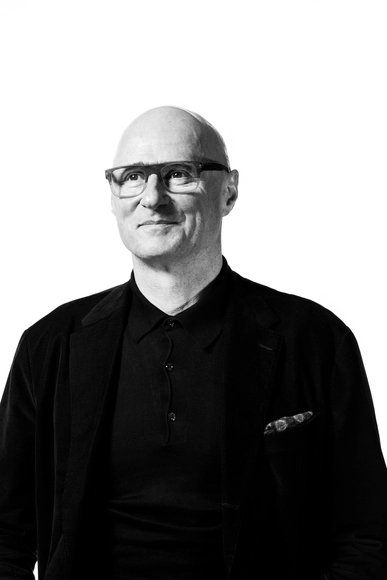
Simon Allford has been elected for the highest position in UK architecture, as the next President of the Royal Institute of British Architects (RIBA). Taking over the two-year presidential starting 1 September 2021, Allford, founding director of AHMM, will succeed to Alan Jones.
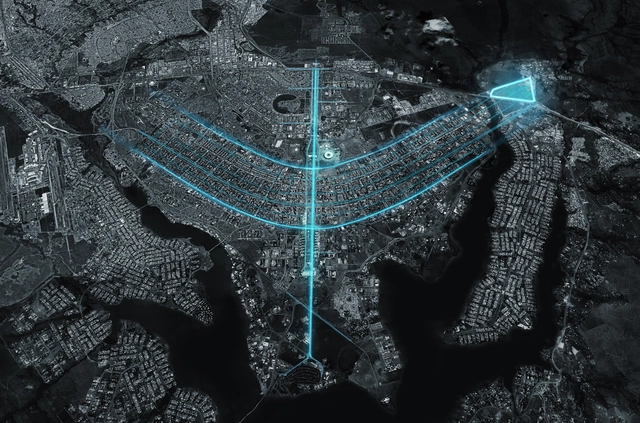
CRA - Carlo Ratti Associati has unveiled a major extension for Brazilia, reinterpreting “Lúcio Costa and Oscar Niemeyer’s modernist master plan for Biotic - a high-tech innovation district immersed in nature”. Developed in collaboration with Ernst&Young, the project that started in 2018 reimagines primarily the superblocks.
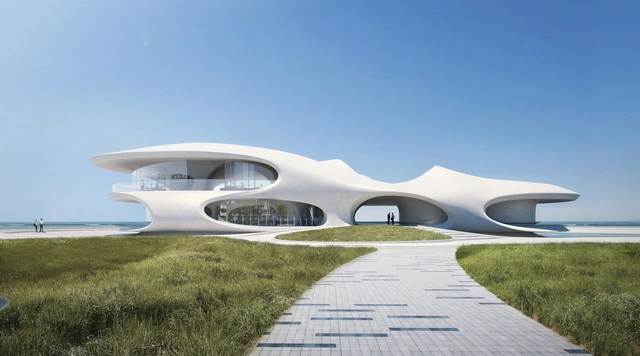
MAD Architects has just released its design for the Wormhole Library, a curved structure that serves as a multi-functional building, allowing visitors to read, enjoy the sea views and attend open-air performances. Located on the coast in Haikou, Hainan Province in China, the “wormhole” pavilion is now under construction and is expected to be completed in 2021.
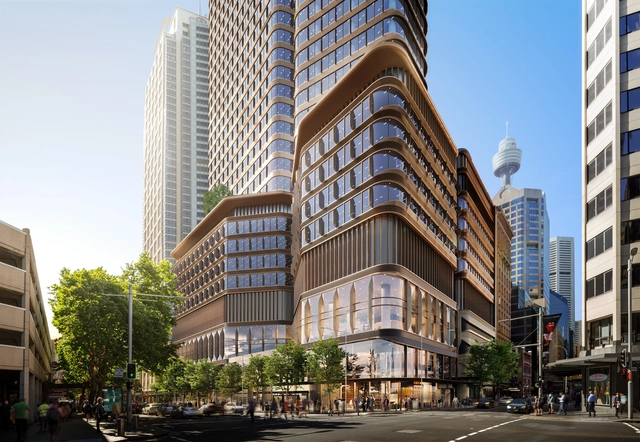
Pitt Street Over Station Development, Sydney. Image Courtesy of Foster + Partners
Foster + Partners has revealed visuals for its Pitt Street OSD and metro station design in Sydney, Australia. Stretching out underground across an entire city block, the over station development in the center of the city puts in place a 39-story office building and “creates a vibrant mixed-use hub offering flexible space with an elevated lobby and retail plaza in the heart of Sydney’s retail, dining, and entertainment precinct”.
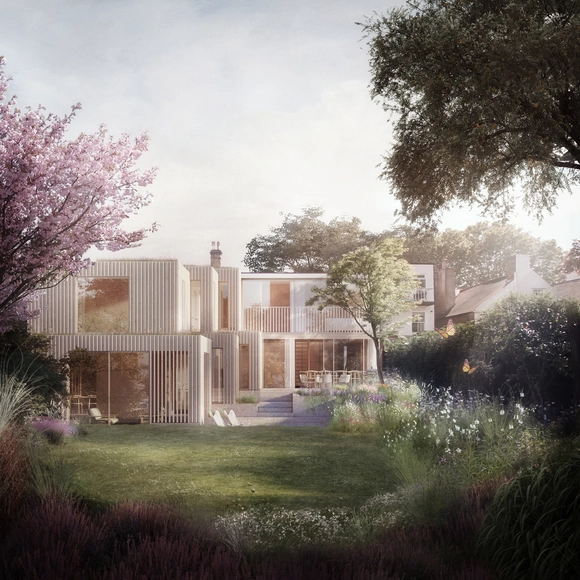
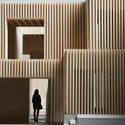
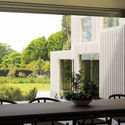
Morris + Company has just received planning approval to create a timber extension to Walter Segal’s Highgate residence in London. The transformation aims to revive the original architecture of the house, built by the architect himself in 1965 and introduces a contemporary intervention to the iconic village home.
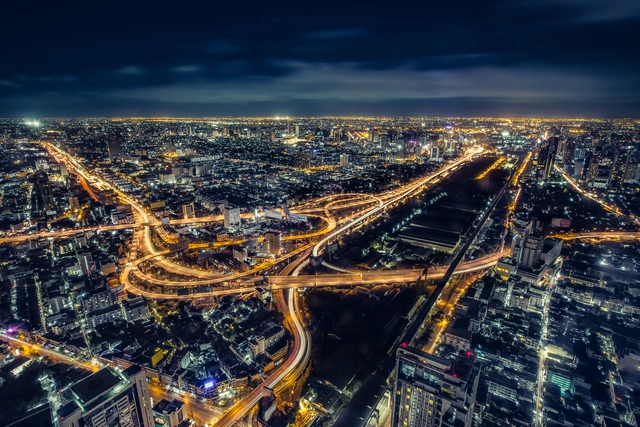
Our cities, vulnerable by nature and design, have generated the biggest challenge that humankind has to face. With the vast majority of the population expected to settle in urban agglomerations, rapid urbanization is going to raise the issue of adaptability with future social, environmental, technological and economic transformations.
In fact, the main problematic of the decade questions how our cities will cope with fast-changing factors. It also looks into the main aspects to consider in order to ensure long-term growth. In this article, we highlight major points that help future-proof our cities and create a livable, inclusive and competitive fabric that adapts to any unexpected future transformation.
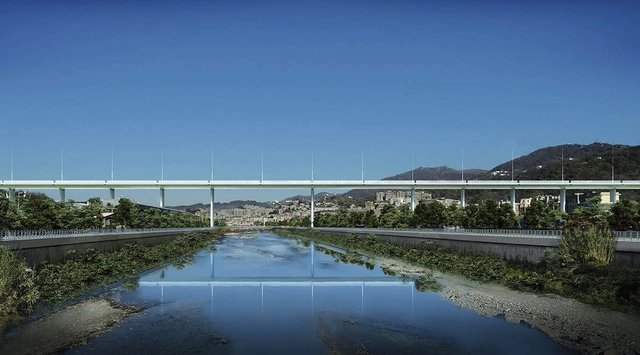
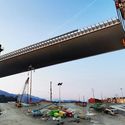
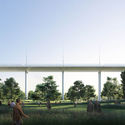
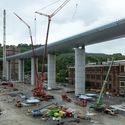
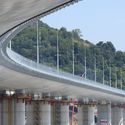
Designed by Renzo Piano, Genova San Giorgio, the new viaduct over the Polcevera has been inaugurated. Created after the tragic collapse of the Morandi Bridge in 2018, the new bridge in place will be open to traffic starting August 5, 2020.
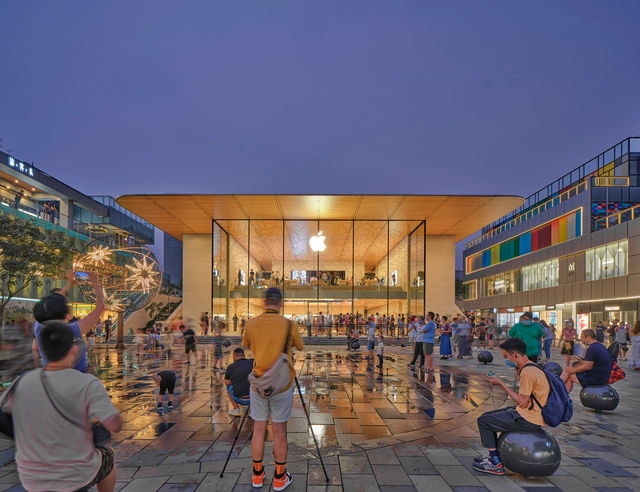
Foster + Partners has completed and reimagined the Apple store in Sanlitun, an urban quarter in Beijing, China. Originally built in 2008, Apple’s first store in China has relocated, in proximity to the older building, taking on more social aspects, and generating a “new dialogue with the surrounding pedestrian streets, addressing the large open square that is a social focus for the district”.
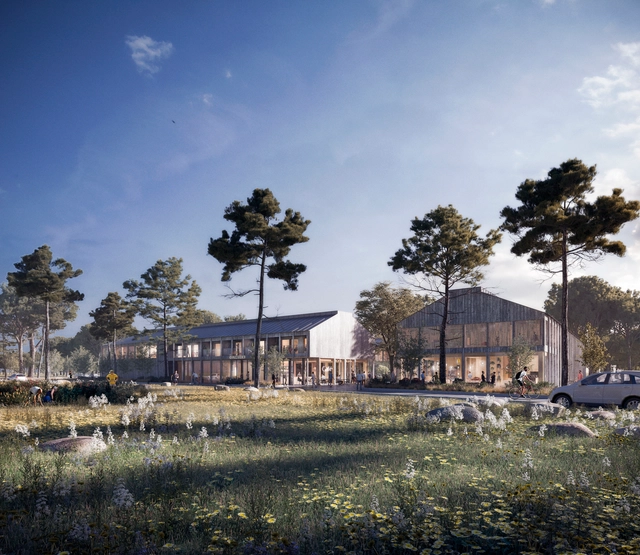
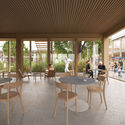
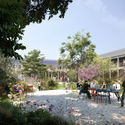
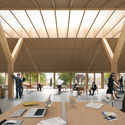
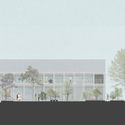
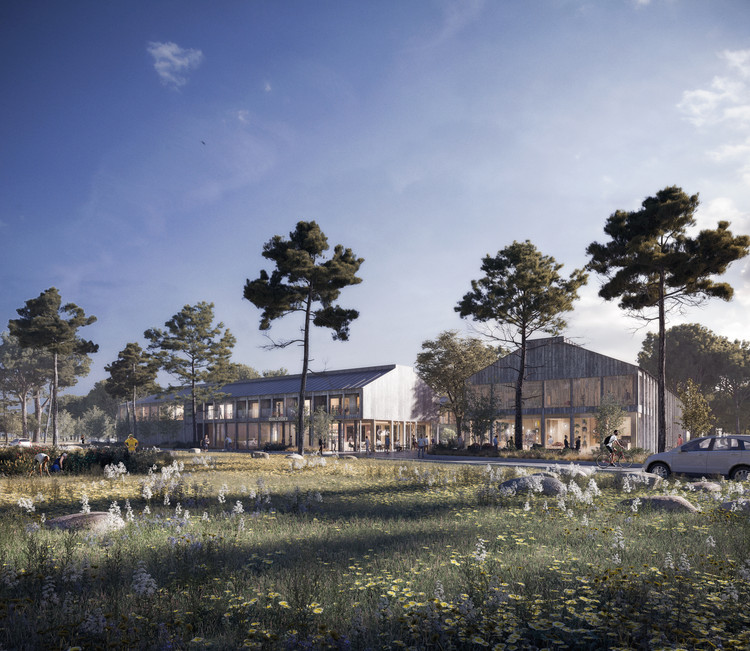
Waugh Thistleton Architects or WTA has won an international design competition in collaboration with In Praise of Shadows and Land Arkitektur, to deliver the new head office of Gotlandshem, the national housing association of the Swedish island of Gotland in Visby, Sweden. The project, low carbon, and low impact building will be a multifunctional place, providing a healthy hub for businesses, accessible by the whole community.
Proposing a reflective “floating garden” to counterpoint the existing absolutist castle, MVRDV has won the competition for the masterplan of the Ettlinger Tor area in Karlsruhe, Germany, taking joint-first place alongside Max Dudler Architekten. Inspired by the historical fabric of the city, the project imagines a new composition, blurring divisions, and bringing more greenery to the area.
A new six-story net-zero carbon office development in Vauxhall, London, UK has been granted planning commission by the city council to move further. Designed by FCBStudios, the timber workspace named Paradise, will transform an abandoned site on old Paradise street, and replace the existing disused roastery.
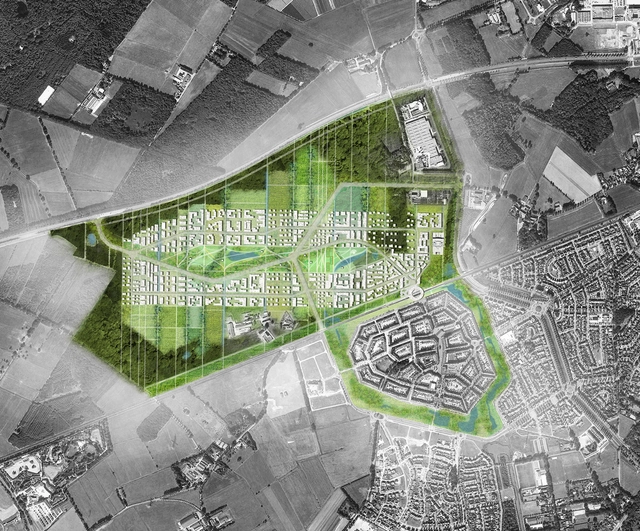
Brainport Smart District, Helmond, NL. . Image Courtesy of UNStudio
By 2025, Frost and Sullivan, a market research company, has predicted that there will be at least 26 fully-fledged major smart cities around the world. While some still think that as our cities get more intelligent, they will resemble sci-fi futuristic movies, the reality is that the quality of life in these cities will drastically improve. Cities are set to become more efficient with better services. Nevertheless, before reaching these ideals, let us go back on the process itself, and evaluate the challenges that we might face.
Because the concept of smart cities is still very new, with rare finalized and implemented projects, the topic is still unclear. Although big titles and strategies are well defined, the on-ground application is still uncertain, giving us the opportunity to question its planning process. In fact, how can we go wrong when designing smart cities? What key element are we failing to address in the planning phase?
Townscaper is a new building game that allows users to create their own town, in a very simple way, with elements rising from a digital sea as they click. With no goal apart from the design aspect, this video game, launched very recently, has already gained a lot of positive reviews.
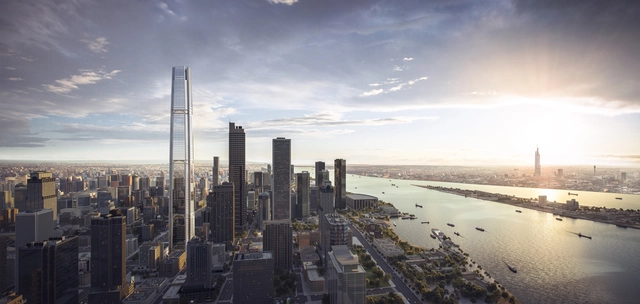
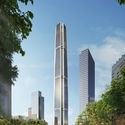
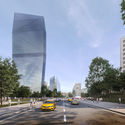
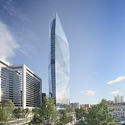
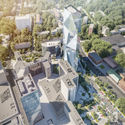
SOM has unveiled its design for a record-breaking supertall structure in Jiangsu Province, in China. Under construction since 2017, the Greenland Int’l Finance Center will become the tallest tower at almost 500 meters, once completed, surpassing Nanjing’s Zifeng Tower, also designed by SOM.
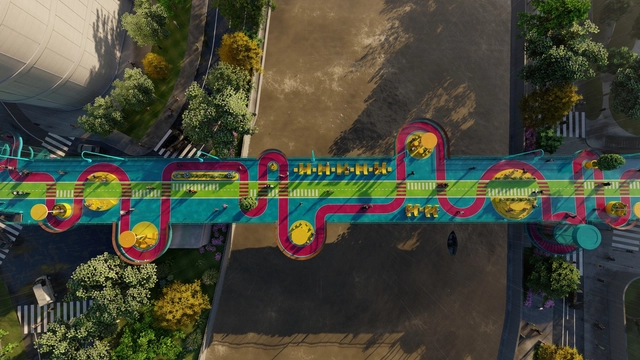
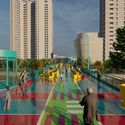
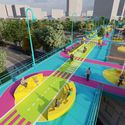
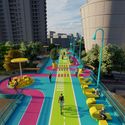
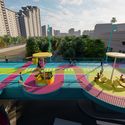
100architects has designed a proposal that regenerates the Puji Road pedestrian bridge in Shanghai, China. Entitled High Loop, the proposal reimagines the 1-kilometer elevated platform, adding playfulness and color to the city, without transforming the structure.


2020_canaria__dentsu__noiz__Space_Port_Japan_Association.jpg?1597222708 "SPACEPORT CITY. Image Courtesy of Noiz Architects")













.jpg?1596440556&format=webp&width=640&height=580)
.jpg?1596440410 "Courtesy of MVRDV")
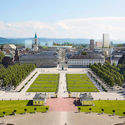
.jpg?1596440577 "Courtesy of MVRDV")
.jpg?1596440379 "Courtesy of MVRDV")
.jpg?1596440556)
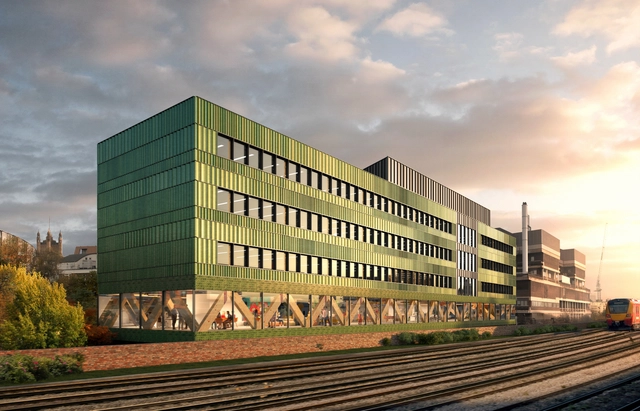
.jpg?1596100203 "Courtesy of FCBStudios")
.jpg?1596100176 "Courtesy of FCBStudios")

.jpg?1596100270 "Courtesy of FCBStudios")