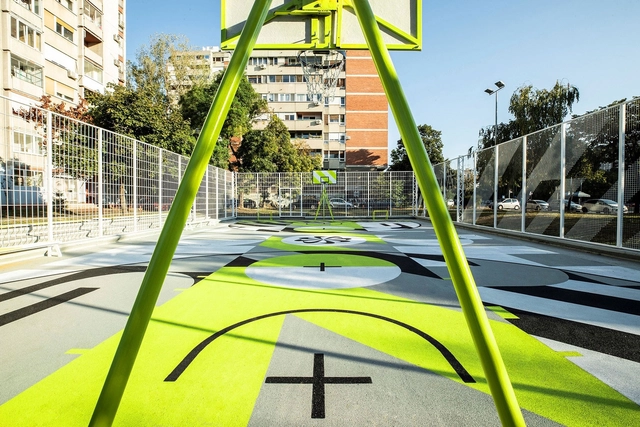
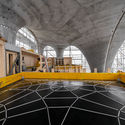
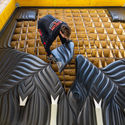
Creative agency Accept & Proceed has designed a new basketball court for Nike using 20,000 recycled sneakers in New Belgrade, Serbia. Inspired by the ‘Move to Zero’ ethos, the design features the court, children’s playground, bleacher benches, chain link fence, outdoor gym, collection bins, in-store campaign presence and restoration of existing elements. The renewal aims to re-energize the local neighborhood while providing a space for play and for sport among kids and adults alike.
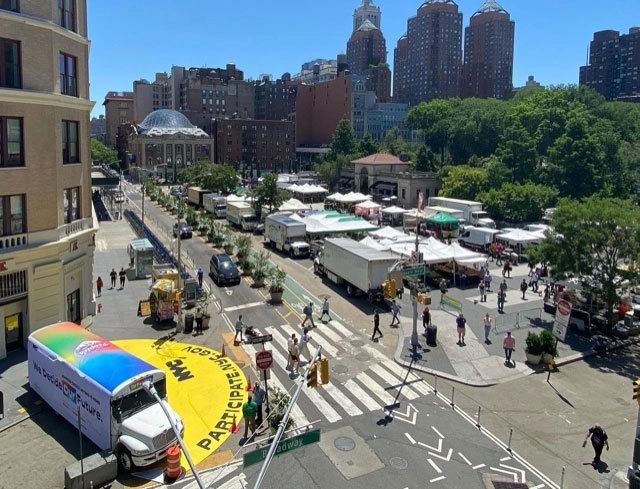
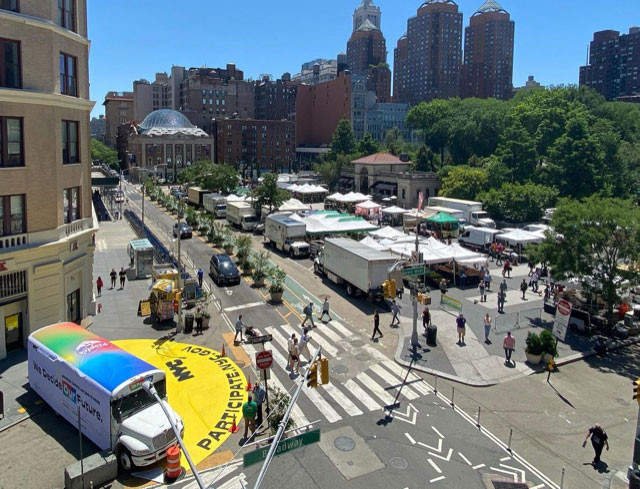
The NYC Civic Engagement Commission (CEC), Department of Cultural Affairs (DCLA), the Mayor’s Fund to Advance New York City and Public Artist in Residence (PAIR) Yazmany Arboleda officially kicked off The People’s Festival. This five borough series of outdoor events featured live performances, interactive workshops, and community information and resources. The festival was anchored by The People’s Bus, a retired city bus formerly used to transport people detained on Rikers Island.
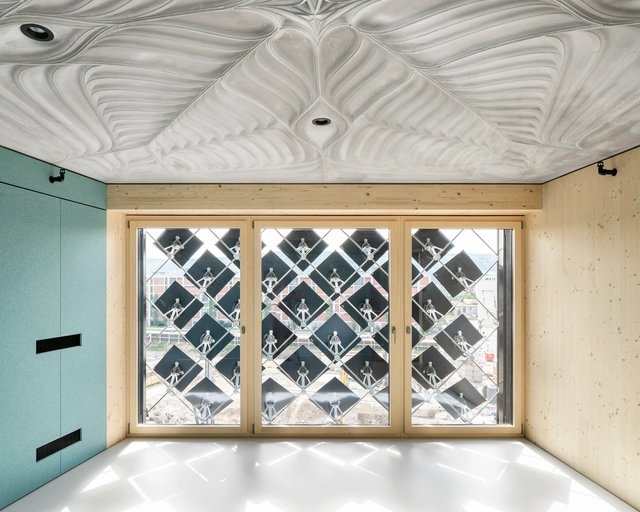
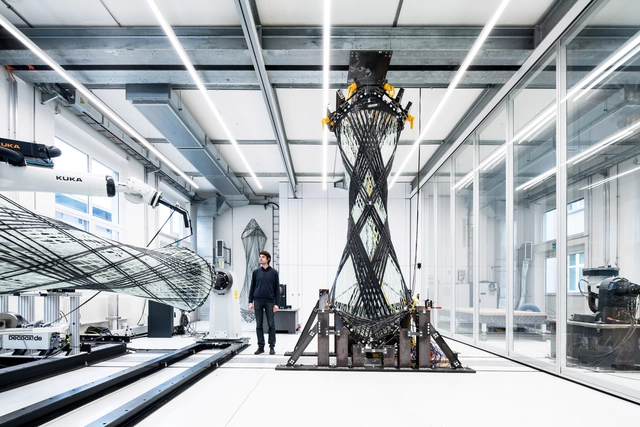
The latest addition to Empa and Eawag's NEST research building in Duebendorf, Switzerland has officially opened. The innovative HiLo unit illustrates nearly a decade of formative ETH Zurich research in architecture and sustainable technologies, and features an intricate, doubly curved concrete roof, lightweight funicular floors, and self-learning building technology.
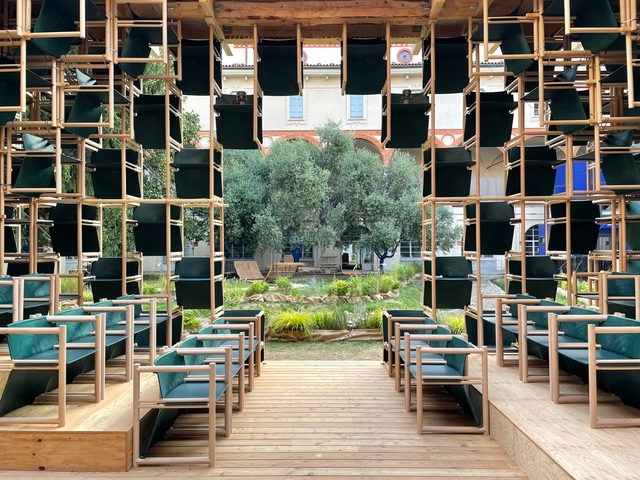
Lendager Group was founded with the explicit goal of becoming the leading sustainable architectural office in Denmark. Exploring the concept of Design for Disassembly (DfD for short), their recent project in Milan is grounded in the growing concern around resource consumption and low recycling rates within the construction industry. Expanding on themes of the circular economy, their work was designed utilizing chairs made of ocean plastic and the pavilion was designed for disassembly.
Artificial intelligence is transforming how we design and build. By 2050, the effects of AI adoption will be widely felt across all aspects of our daily lives. As the world faces a number of urgent and complex challenges, from the climate crisis to housing, AI has the potential to make the difference between a dystopian future and a livable one. By looking ahead, we're taking stock of what's happening, and in turn, imagining how AI can shape our lives for the better.
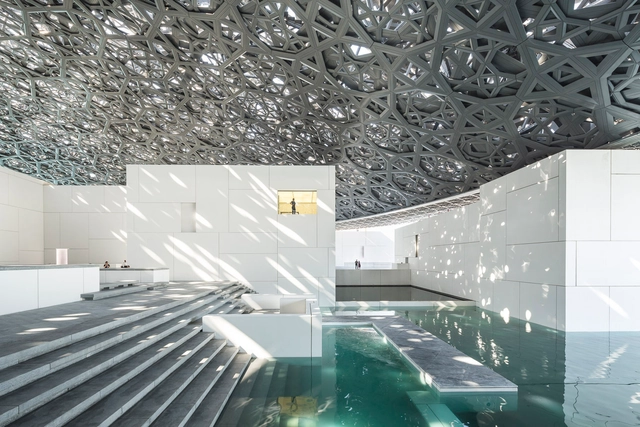
Abu Dhabi's history is tied to its development. As the capital and second most populated city of the United Arab Emirates, it has radically transformed in recent decades. Planned under the guidance of Sheikh Zayed by Japanese architect Katsuhiko Takahashi in 1967, Abu Dhabi has become an epicenter of cultural exchange and commercial activity. Between rapid development and urbanization, the city's architecture reflects global trends alongside new building methods.
Contemporary Egyptian architecture draws from a rich history. As a cradle of civilization, the transcontinental country has influenced diverse building styles and design cultures. Home to some of the earliest urban developments and centralized governments, Egypt is defined by its geography and its multicultural background. Today, its modern architecture must contend with a legacy of building that spans millennia.
Pakistani architecture is defined by multiplicity. Both following tradition and breaking from it, contemporary projects contend with multiple histories. Informed by the coexistence and juxtaposition of conditions like regulated development and informal settlements in Karachi and Islamabad, modern designs are being shaped by broader contexts. In turn, these public and private projects are exploring new spaces and forms.
Artificial intelligence, machine learning and generative design have begun to shape architecture as we know it. As systems and tools to reimagine the built environment, they present diverse opportunities to rethink traditional workflows. Designers also fear they may inversely affect practice, limiting the services of the architect. Looking to building technologies, new companies are creating software and projects to explore the future of design.
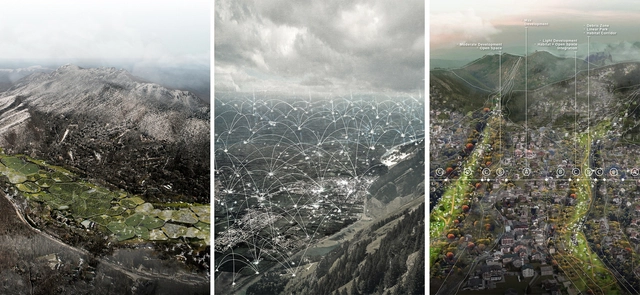
Great design is rooted in responsive and adaptive approaches. For architect and landscape architect Greg Kochanowski, equitable design solutions should address critical issues, such as climate and housing. As Partner and Design Principal at GGA, Greg is an active researcher focusing on resilient environments that create synergies between natural systems, culture, infrastructure, and development.
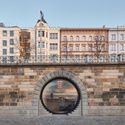
Few cities combine history and contemporary culture like Prague. The so-called "Mother of all Cities" was spared from widespread destruction during World War II, and as a result, its diverse architecture dates back over a millennium. As a political, cultural and economic center of Europe, the city has become a significant metropolis balancing both its past and future as one of the world's most beautiful cities.
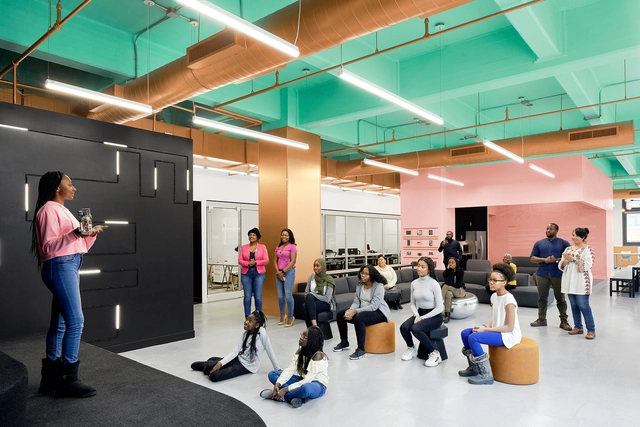
Last year, architect Danish Kurani completed a new tech lab in New York City in partnership with Black Girls Code. As a place where young women from all over New York can come together to learn about technology, the revamp project includes 3,900 square feet of space at Google’s New York offices that were turned into a tech exploration lab.
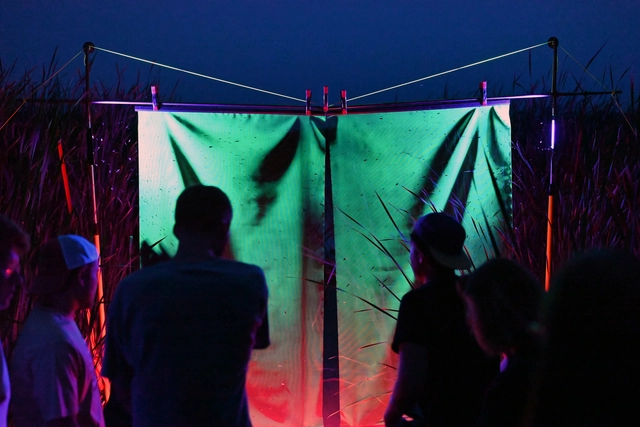
Artist collective Space Saloon recently completed the inaugural Public Art and Ecology Artists-in-Residence in the Okoboji region of Northwest Iowa. Observing local landscapes and diverse ecosystems, the team created a series of temporary installations, site-specific sculptures and multi-species performances. Working in association with Imagine Iowa Great Lakes and the Iowa Lakeside Lab, the process led to a series of public events reimagining how to engage regional ecologies.
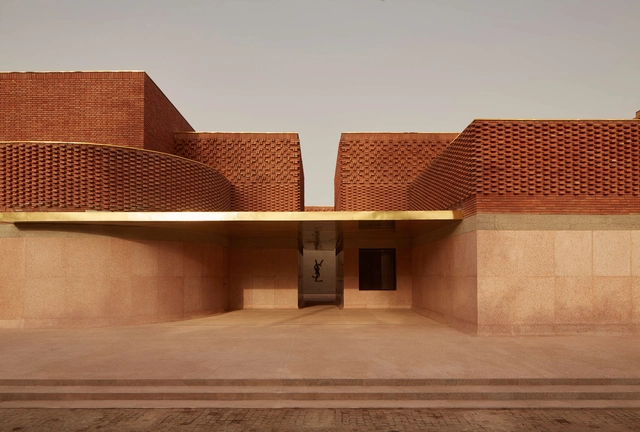
Few materials are as timeless, durable and beautiful as terracotta. With a range of inherent properties, terracotta is being specified to redefine building envelopes. Used for its many colors and textures, as well as its flexibility, this ceramic can be constructed as cladding, rain screens and a variety of components. Dating back to the Babylonians, terracotta has been used throughout history, and it continues to be a material selected for diverse building types around the world.
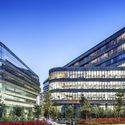
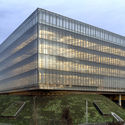
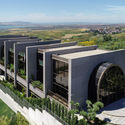
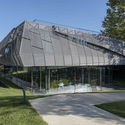
Office buildings are known for being utilitarian, efficient, and rigid. While this typology has earned a reputation for adopting rectilinear grids and open layouts, modern designs have begun exploring new alternatives for the contemporary workplace. Moving beyond standard work rooms, meeting spaces, and support zones, these projects are reimagining the relationships between envelope and program. This is a larger movement towards rethinking the formal and spatial characteristics of where we work. While this trend is being explored globally, cities have begun embracing new office designs at a larger scale.
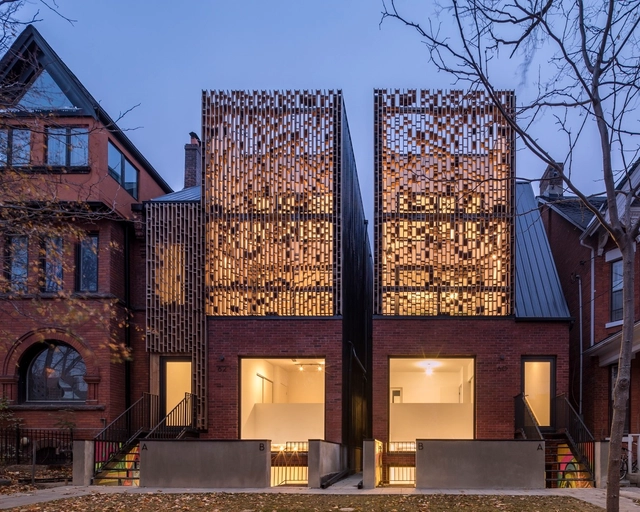
Canada’s Queen City has become renowned for its housing boom. As the most populous location in the country, Toronto is also one of the world’s hottest luxury real estate markets. An hub for arts, business, and media, the city is sited on a sloping plateau with a unique ravine system. While it boasts incredible architecture and high-end designs, Toronto risks a housing correction. Rapid increases in home prices, overvaluation, and overbuilding have all attributed to the city’s mounting situation. Amidst these unstable conditions and uncertainty, new residential projects continue to be built.
Too often buildings end up as waste at the end of their lifecycle. How can the built environment move towards a circular economy, and in turn, reimagine how valuable materials are tracked and recycled? Looking to address this issue, material passports are one idea that involves rethinking how materials are recovered during renovation and demolition for reuse. The result is when a building is ready to be demolished, it becomes a storage bank for useful materials.
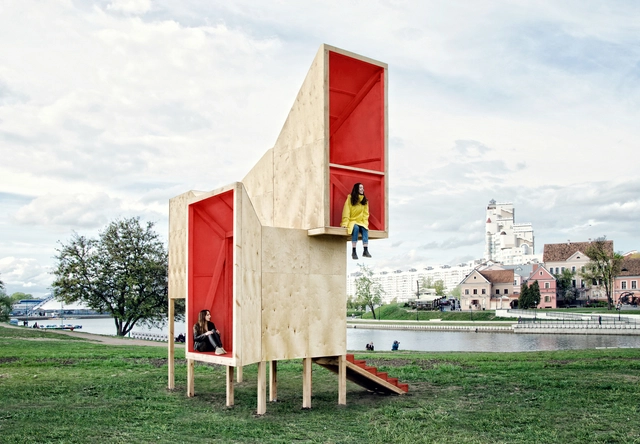
The new architecture of Belarus responds to an interplay of history and culture. Regional forces have defined the built environment and its evolution, and in turn, shaped the lives of the Belarusian people. Since the landlocked country attained its independence in 1991, it has had the most development in its cities, where two thirds of the population live. Over the last ten years, a range of new buildings have begun to paint a picture of its emerging design culture.