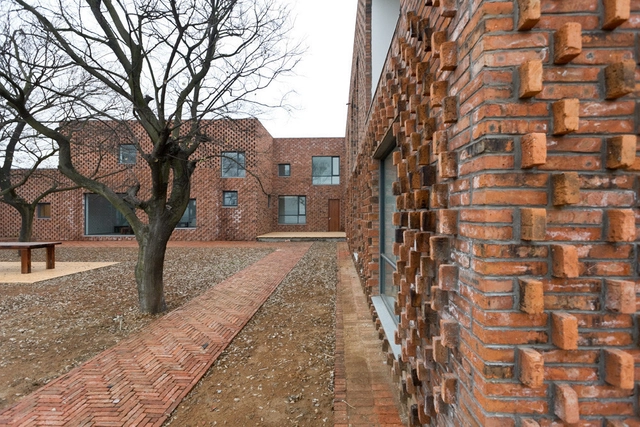
Bricks have historically been the cornerstone of a wide array of living spaces, providing everything from enclosure and protection to the framework for letting in sunlight. Whether it be for their economic or aesthetic aspects in both color and texture, the use of brick can be glimpsed in cities the world over.
In spite of its practicality and widespread use, brick does present a challenge for architects and builders. Everything from humidity, wind, sun, mold, and time leaves its mark on brick, gradually wearing down its practical and aesthetic properties.
But fear not, in the following article we'll give you our tips on how to best treat and care for brick.
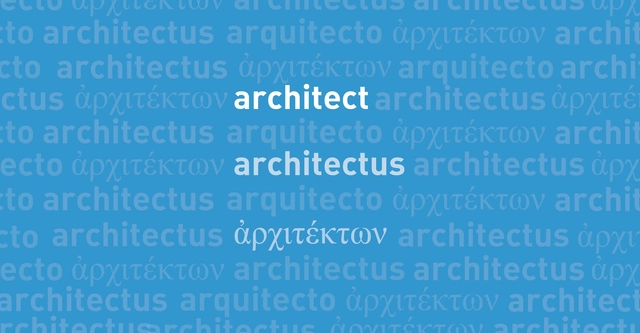
For many architects writing is an integral part of the design process, one that clarifies or pushes ideas into places sketches can't always reach. But for many, the origins of the words we use to explain and classify our work are a mystery. A look at their origins and derivations offers insight - occasionally surprising - into the evolution of architectural language.
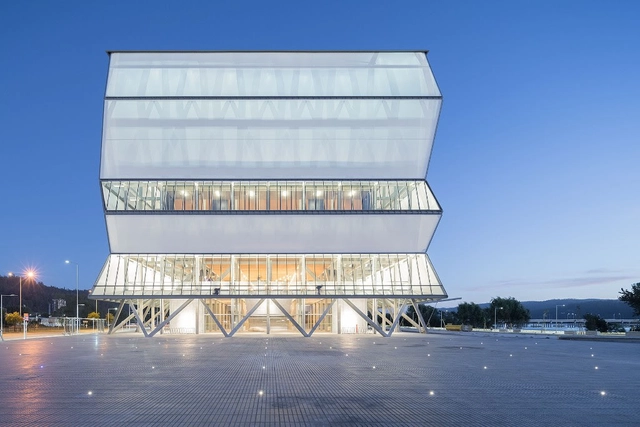
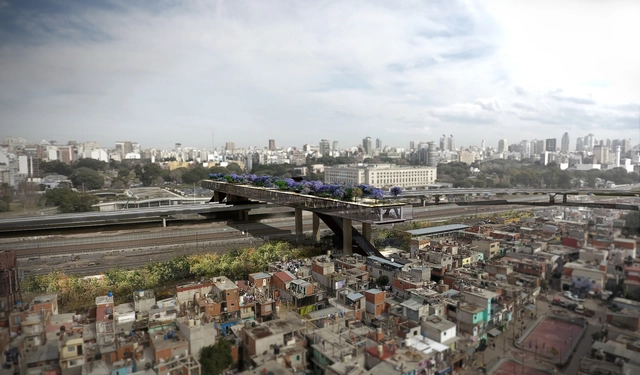
ELEMENTAL, the architecture office led by Alejandro Aravena, has proposed a solution to the physical integration of Villa 31 in the city of Buenos Aires. The building includes a raised linear park that aims to be the new headquarters for the Southern Cone of the Inter-American Development Bank Group and to facilitate access of the residents of the neighborhood to other areas of the city.
Chiloé is a five-part video series produced by Glaciar Films and directed by Diego Breit and David Guzmán; it explores the architectural identity of the southern island off of Chile. Architects, carpenters, artisans, and inhabitants present the constructive history of the island and explore how it is faced with the imminent changes of modern production and practices.
Glaciar Films has made three of the five episodes available to ArchDaily readers. In these clips, explore the island's architecture along with interviews with principal architects of the region: Jonah Retamal, Edward Rojas, and Macarena Almonacid.
Videos
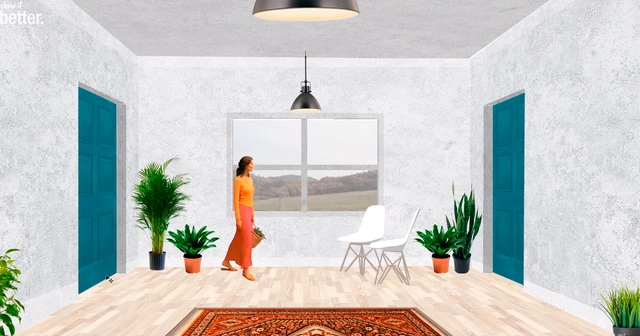
Screen capture, Post-Digital Interior Design Drawing. Image via Show It Better
If you are trying to approach the representation of architecture through postproduction in Photoshop, the YouTube channel Show It Better can be very useful. The following tutorials allow you to maximize the effectiveness of photoshop by providing both technical and visual tips.
Here we have selected examples that address axonometric representation, plans, sections, elevations, diagrams, and others.
We hope you enjoy the following tutorials. What other kinds of drawing tips would you like to see?
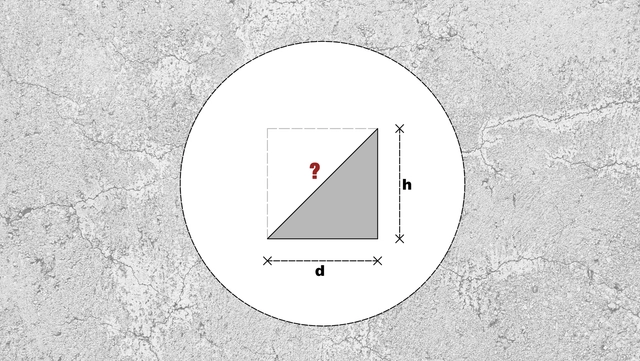
We already know that the ramp, aside from its different design possibilities, allows—without forgetting the notion of promenade architecturale—its users to overcome physical barriers in the urban and architectural context.
Although it basically consists of a continuous surface with a particular angle of slope, it is necessary to point out the many constructive specifications, which of course may vary due based on the standards of different governing bodies. The following clarifications are intended to assist and determine the appropriate dimensions for comfortable and efficient ramps for all, based on the concept of universal accessibility.
To what extent can the slope of a ramp be modified? How can we determine its width and the space needed for maneuvering? What considerations exist regarding the handrails? Here we review some calculations and design examples for different ramps, below.
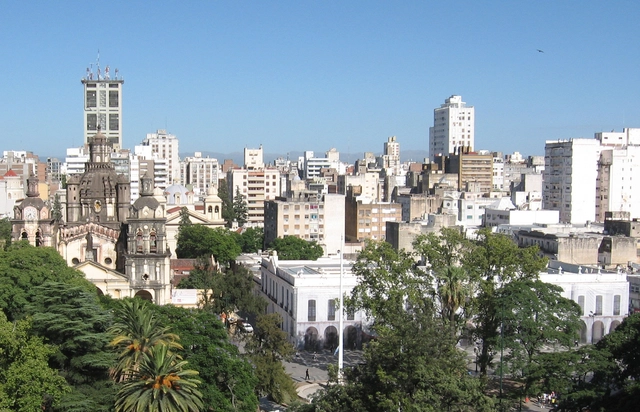
Located in the central region of Argentina, the historic city of Córdoba is the second most populated city in the country; which means it can be considered an important center for culture, education, and finance. Its dense historic center is characterized by the presence of brick -a product of the work of Togo Díaz- and the particular landscape that links the urban with the natural, resulting in an exclusive atmosphere that invites us to walk its streets.
The characteristic culture of Córdoba is evident in its urban public spaces, its natural streams and its pedestrian areas; where one can appreciate the heterogeneity of classical, modern and contemporary architecture. Below is a list of 15 sites that every architect should visit.
As part of our 2018 Venice Architecture Biennale coverage, we present the completed Argentinian Pavilion. Below, the curatorial team describes the exhibition in their own words.
Horizontal Vertigo, Argentinian Pavilion at the Venice Biennale 2018, delves into the notions of humanity and democratic spirit as proposed by Freespace, by establishing a cross-cutting dialog between geography, place, and architecture.
The exhibition, curated by the architects Javier Mendiondo, Pablo Anzilutti, Francisco Garrido and Federico Cairoli, is an invitation to rethink our territory as a collective construction and discover architecture in its capacity to convey unexpected generosity in every project.
This month the world winners of the Prix Versailles 2018 were announced at the UNESCO headquarters in Paris. This annual recognition celebrates commercial architecture projects from around the world, promoting successful interactions between culture and economy.
The twelve winning projects—including stores, shopping malls, hotels, and restaurants—were selected from the 70 continental finalist teams from 32 different countries. These works of architecture also show projects that recognize architecture's relationship with heritage.
The academy's annual architecture awards program began in 1955 with the opening of the Arnold W. Brunner Memorial Prize. The prize is given to an architect of any nationality who has made a significant contribution to architecture as an art. The program has since been expanded to include four Arts and Literature Awards for American architects that explore ideas in architecture through any medium of expression.
On April, the continental ceremony of the Prix Versailles 2018 took place in the International Center of Conférences d'Alger with the announcement of the selected projects in shops, shopping centers, hotels and restaurants for the "Africa and West Asia" and "Europe" regions.
The 24 new projects are now incorporated into the list of 46 continental winners -from Central America, the South and the Caribbean; North America; Central Asia and the Northeast; and South Asia and the Pacific regions- resulting in 70 projects that will compete in the 2018 Prix Versailles World Final at the UNESCO Headquarters.
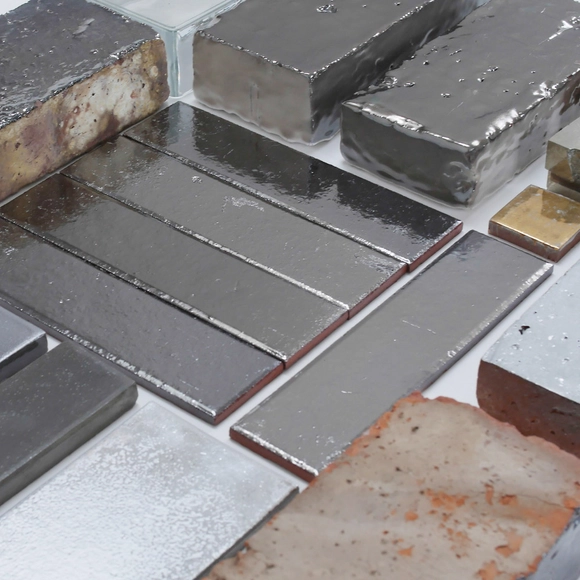
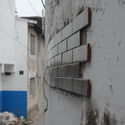
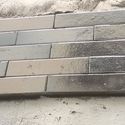
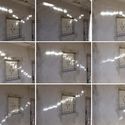
French designer, Nathanaël Abeille's metalized pieces in 'Proyecto Reflexión' shows how a building could reflect sunlight and share it with another building in some of the narrow spaces of Villa 21 de Barracas, Buenos Aires. These "metal bricks" came about as a combined team effort with architects Francisco Ribero and journalist Cecilia Fortunato.
From ceramic tiles and metal sheets for roofs to wooden decks and floating cement tiles for roofing, roofing materials not only contribute to the drainage and protect the lower layers from solar radiation and wear, but also have an important aesthetic function.
Currently, when choosing the roof covering, you can find a wide variety of materials and dimensions, each with specific characteristics, determined by the type of roofing, the location of the project, and its future maintenance.
Review a catalog of options to incorporate creatively into your designs, below.
Ten winning projects in Central America, the South and the Caribbean and twelve in North America are awarded in four categories: stores, shopping malls, hotels and restaurants. In May, built projects in Africa and Asia will be awarded in Algiers and Beijing. The European winners will be announced in Paris.
Check a gallery of the continental winners projects, below.
Continental Winners Central America, the South and the Caribbean:
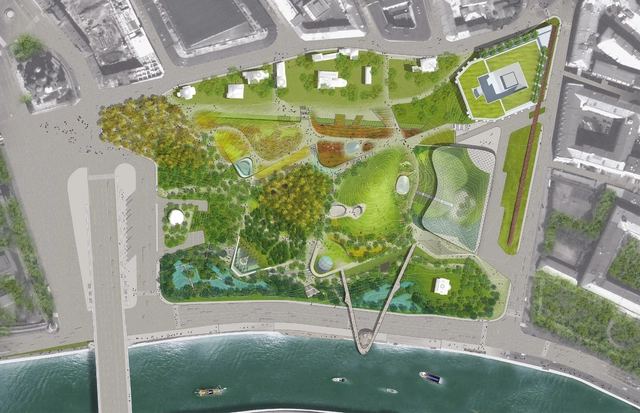
Parque Zaryadye Plan / Diller Scofidio + Renfro. Image via Diller Scofidio + Renfro
Frequently imperceptible to the inhabitant, the architectural plans of landscape designs are unquestionably the best tool for understanding certain relationships between elements and the strategic organization of the work. They are therefore an essential part of any good architecture project.
The distribution and type of vegetation, topography levels, the relationships between the preexisting urban or natural context, the possible routes and incorporated activities, and the materiality and the dimensional precision required for its construction are some of the considerations that are usually reiterated in this type of representation.
The result permits the communication of intentions in an organized way, while clearly exposing the concerns of the authors; for this reason, we invite you to review a series of different examples of architectural plans of public spaces that enables a comprehensive approach to the role of each project.
via Wikipedia User: HalloweenHJB Licensed Under CC BY-SA 3.0
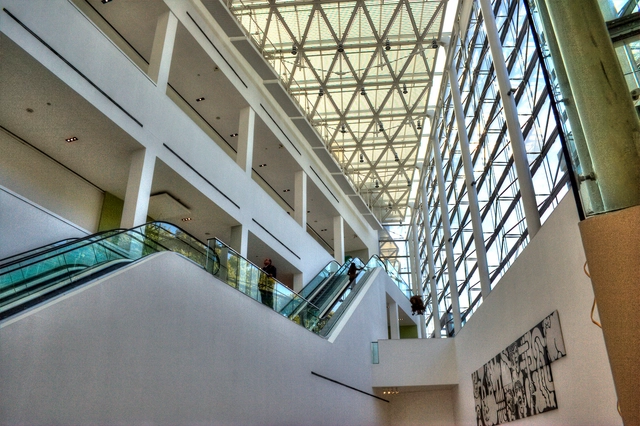
Even in the age of instant information, museums enthrall us. Lining the tourist guidebooks of cities across the world, art museums are a must-see destination for visitors and locals alike. However, as our methods of communication and archiving change, driven by science and innovation, historic institutions such as art museums must keep up.
In cities around the world, art museums are redefining themselves to respond to the contemporary, experimental demands of the 21st-century. In Buenos Aires, the architecture of art museums showcases a diverse catalog of form, materiality and atmosphere, blending the instant, flexible demands of the modern age with a historic role of archiving some of humanity's most evocative works.
Below, we paint a picture of Buenos Aires' diverse art museums, showcasing the changing nature of exhibition architecture in one of the world’s most energetic cities.
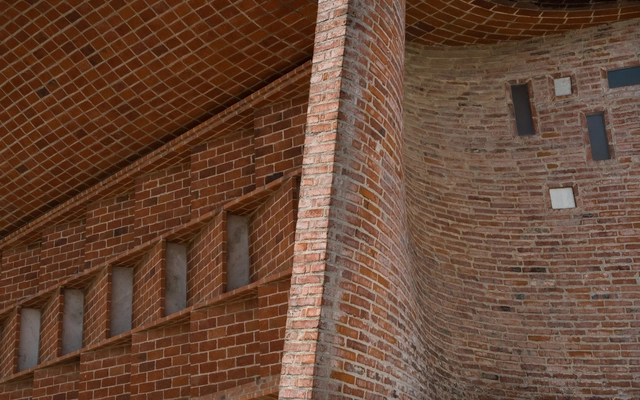
Gonzalo Viramonte has released a series of photographs that focus in on the use of bricks by engineer Eladio Dieste in his Atlántida Cristo Obrero church.
Viramonte shows us the essence of the project with an artful register that places the serial yet simple material element (the brick) at the forefront. This gallery also celebrates the potential and versatility of bricks by highlighting the artfully geometric interior and exterior spaces and the apertures that allow natural light to cast upon the walls, floors, and other surfaces.


.jpg?1527355326&format=webp&width=640&height=580)