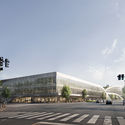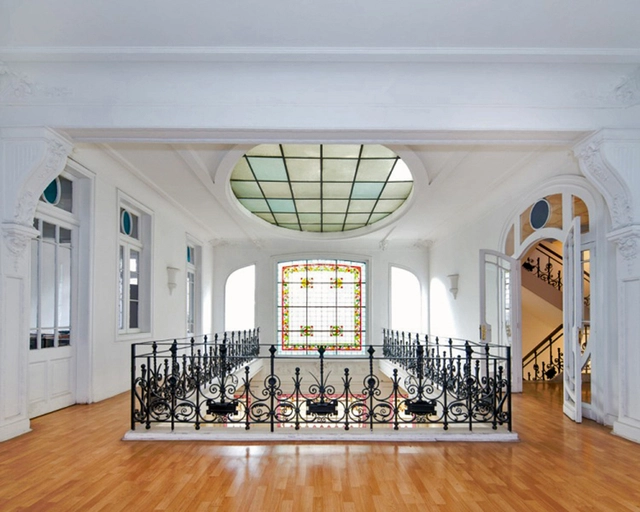
The Ministry of Culture, Art, and Heritage, and the College of Architects of Chile have announced the results of the open call for two exhibitions that will house the 2022 Chile Architecture Biennial.


Fabian Dejtiar is architect and Managing Editor at ArchDaily en Español. Instagram: @ fabe.de
The Ministry of Culture, Art, and Heritage, and the College of Architects of Chile have announced the results of the open call for two exhibitions that will house the 2022 Chile Architecture Biennial.
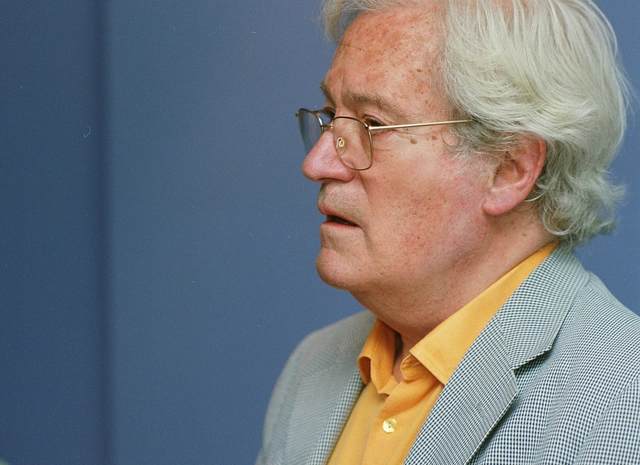
On the 30th of November, we received news of the death of Oriol Bohigas Guardiola (Barcelona, 1925), architect, urbanist, and one of the main drivers of Catalan's modern transformation.
The team at Cazú Zegers Arquitectura gave us an inside look at their three Chilean projects--Ye house, Llu House, and Fire House. The film, completed by ClaraFilms, seeks to capture the human dimensions of the homes and centers on how spaces are inhabited throughout time.
Clara Larraín, one of the team members, wrote the following text to accompany the architect's vision of encapsulating the feeling of the three videos into one poetic montage:
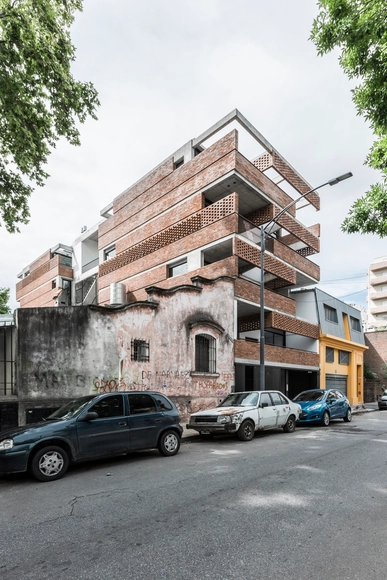
Since 2008, the BAAG Studio, or Buenos Aires Architectura Grupal, has demonstrated that taking the time to collectively think, experiment, and rethink, not only reinforces architecture as a discipline, it advances it. The group's projects and research have added to the shared-practice-driven critical thinking that has become increasingly essential within the profession.
We sat down with BAAG to hear more about their inspiration, processes, education, and their predictions going forward.
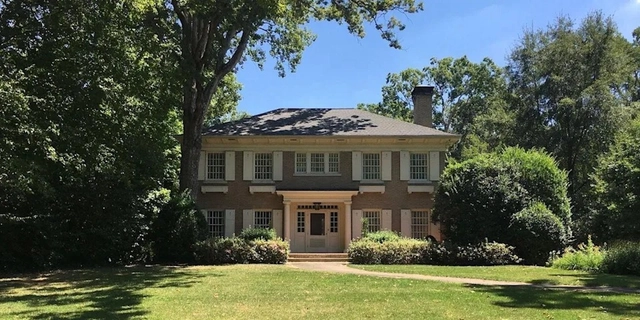
If you haven't seen Respect, I highly recommend it. The Liesl Tommy-directed biographical film based on the life of American singer Aretha Franklin visually takes us back to the 1960s through a successful set work. Here, Production Designer, Ina Mayhew had the job of creating a series of locations where color palettes undoubtedly evoke more than emotions: Her suburban home from her childhood in Detroit, the sassy jazz clubs of New York City, her luxurious Upper West Side apartment, and finally her ultramodern home in Los Angeles.
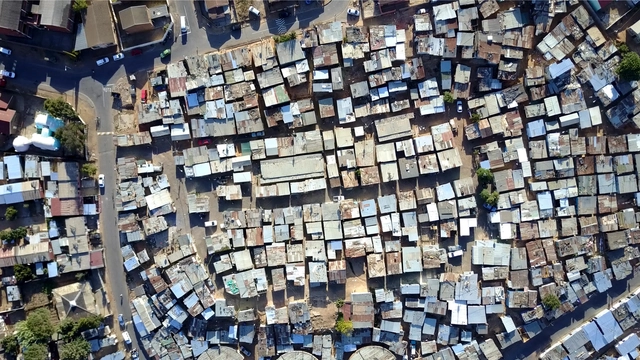
María Cristina Cravino, the head of numerous research projects and publications on informal settlements and the politics of public habitation, draws from her background in anthropology to become one of the most prominent voices in the discussion about rights to the city and modern urban conflicts.
To get her perspective, we sat down with Cravino to discuss her observations and understanding of the issue--especially in the context of quarantine and lockdowns--as well as her reflections on the role of academia in exploring the problem and finding solutions.
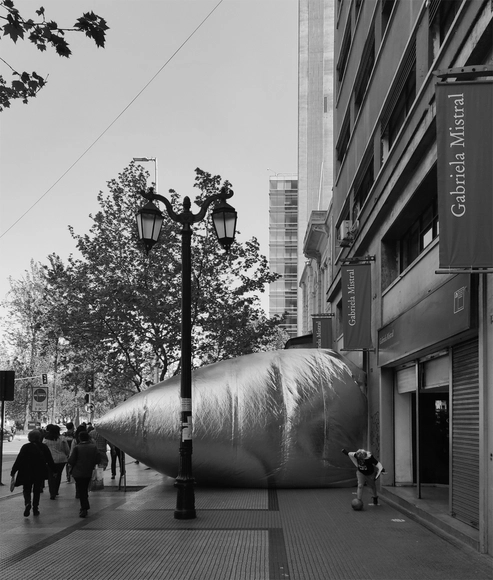
An inflatable and soft body—a silver balloon—scatters towards the sidewalk in the heart of Santiago, Chile. People walk by touching the strange artifact, curiously looking at the object moving over the public space. Behind the pillow, the Gabriela Mistral Gallery disappears.
Chilean architect Smiljan Radic has designed and installed a perfectly transparent dome for Alexander McQueen's Spring / Summer 2022 fashion show earlier this week in London.

"Here in the tropics, shade is the prime air conditioner and, unlike the stove, it can be created everywhere," says Bruno Stagno about architecture for the tropics. In this sense, how has Costa Rica been "building" it's shade over the years?
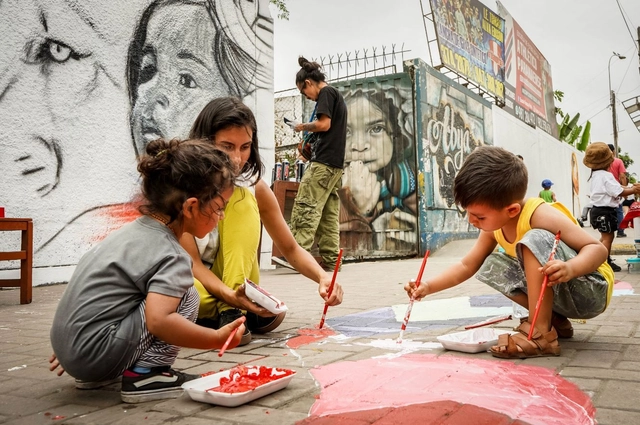
Lucía Nogales is the general coordinator of Ocupa tu Calle (Occupy your Street) —an UN-Habitat, Avina Foundation-supported initiative promoted by Lima Como Vamos— which focuses on 'citizen urbanism' for inclusive and resilient cities in Latin America.
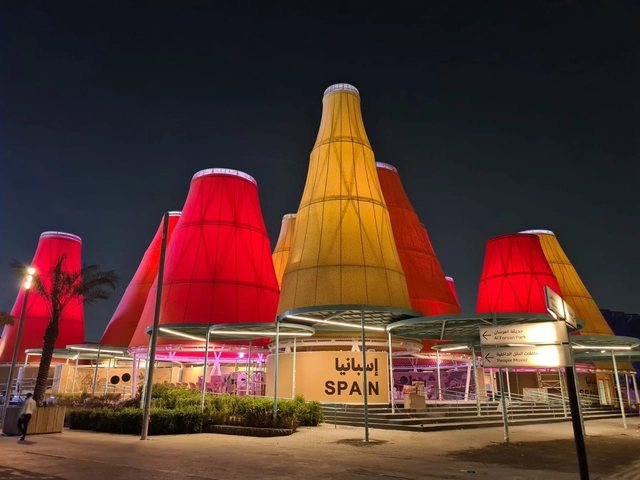
Under the motto of 'Intelligence for life', the Spanish Pavilion at the 2020 Expo in Dubai seeks to synthesize "our ingenuity, our creativity and our innovative capacity as essential tools to preserve life and biological diversity as well as to build a sustainable future". The architectural project entrusted to the studio Amann-Cánovas-Maruri is located in the "Sustainability" thematic area, close to what will undoubtedly be one of the largest meeting points: Al Wasl Square and the UAE Pavilion designed by Santiago Calatrava.

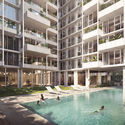
ODA, the New York-based architecture office, has recently unveiled its design for Paseo Gigena, a former parking lot that will be transformed into a mixed-use project and a public park in Buenos Aires. Around the same time, ODA has also announced the beginning of the construction phase of its first residential venture in the same city: The ZETA building.
Located in the Belgrano neighborhood, next to the modern structure of the University of Belgrano and facing the historic mansion that houses the Australian Embassy, the 126-unit project seeks to "reimagine the language of residential buildings in Buenos Aires", according to the architects.
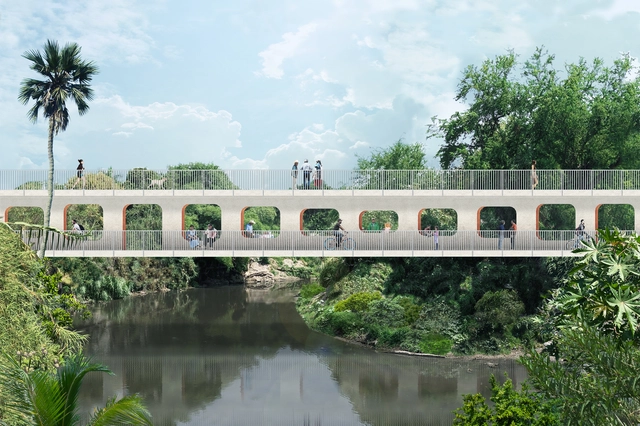
OMA New York has designed a new 145-meter pedestrian bridge over the Apatlaco River in Jojutla de Juárez, Mexico, as part of a larger reconstruction effort by Infonavit (National Workers’ Housing Fund Institute) following the 2017 earthquakes.
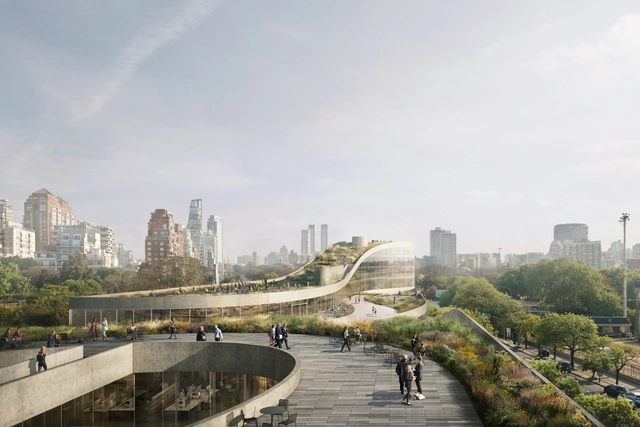
The old structure called Playa Gigena, in honor of the equestrian of the same name, located between the hippodrome and the Rosedal de Palermo in Buenos Aires, will now be converted by ODA into a Class A office building and a public park including cafes, restaurants, shops, and a covered parking lot. The partial demolition of the old parking lot has begun on June 28th.
Designed by the American architecture office ODA, the next Paseo Gigena will be the firm's first mixed-use project in the city of Buenos Aires city. The team involved in the process also includes the participation of Aisenson studio, Inscape Landscape, Coinsa, and the developer BSD Investments, to which the government has granted the concession of the property known as Ámbito Gigena, for a period of 15 years.
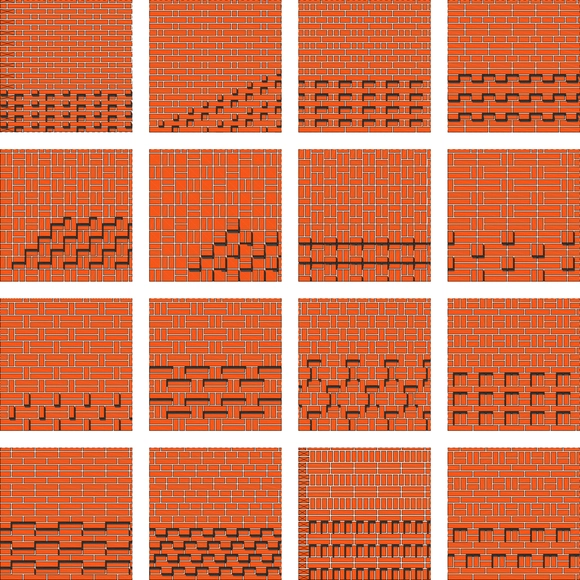
"Welcome to this strange book. With all the drawings, it might appear like a manual, but it isn't. The book is as much about joints as it is about pieces. Above all, it seeks the order that is inherent in things". These words are part of the introduction to Koen Mulder's book, "The lively surface: Masonry associations as a pattern art and tool of composition". Available in German, the 160-page manual, rigorously illustrated, presents a universe of possible pattern variations that can be created when you start designing.
We interviewed Koen to find out what inspired him to talk about this topic and to understand how he managed to gather all this information, while also figuring out the impact that this type of study can have on architecture students and architects.

A building stands out along the maritime walkway in Palma, Mallorca's capital. Designed by José Ferragut Pou and completed in 1960, the building was a poster child for the modern architectural movement sweeping the globe at that time. Today, like many of its brethren, it stands in abandoned disrepair.
Lluís Bort is the Spanish architect and photographer behind "Empty Architecture," a photographic compilation of abandoned buildings from throughout the island of Mallorca, Spain.
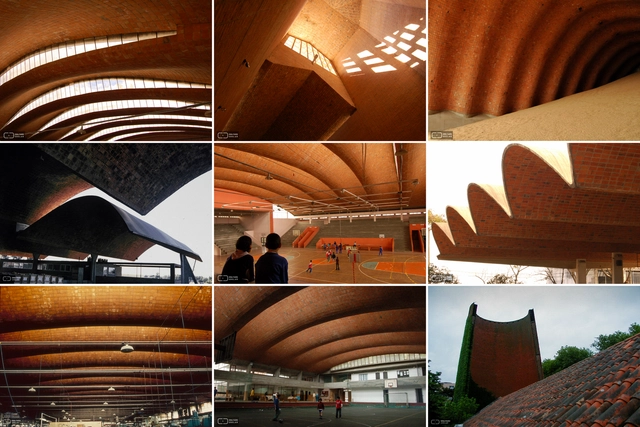
Eladio Dieste, the engineer behind "reinforced ceramic" and double-curved arches marked his spot as one of the most important figures in architecture, not only in his native Uruguay, but in Latin America and beyond. Here, we invite you to take a look at just some of the engineer's work, from his widely-recognized churches like the Church of San Pedro and the Christ the Worker Church in Atlántida- to his factories, silos, and gymnasiums, all of which form an important part of the region's architectural repertoire.
To help us in our mission to bring Dieste's work to our readers, the Audiovisual Media Service of the Faculty of Architecture, Design, and Urbanism at the University of the Republic has shared the following images as well as the Eladio Dieste page in order to provide a space to learn about his works and writings.
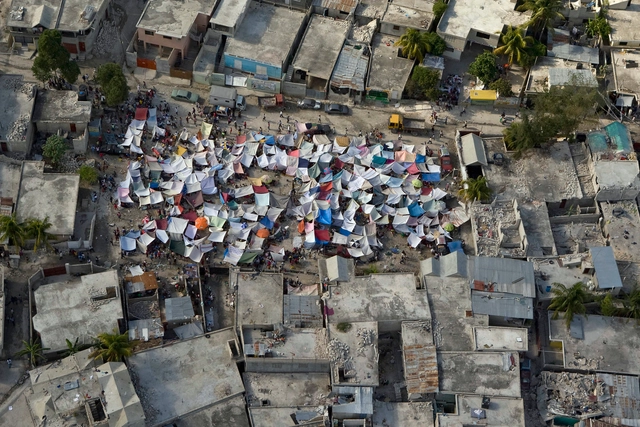
Haiti is suffering the consequences of a magnitude-7.2 earthquake that worsen a national crisis. News agencies have published photographs of collapsed buildings in Port-au-Prince recalling the destruction due to the 2010 earthquake.
As humanitarian aid is been deployed around the world to collaborate in rescue, shelter, health care, and food, questions arise: how does architecture help?