Maria-Cristina Florian

Architect, researcher, assistant lecturer at the Faculty of Architecture and Urban Planning UTCN, Master’s Degree in Architecture and Urban Planning from the Technical University of Cluj-Napoca and KU Leuven. Based in Cluj-Napoca, Romania.

BROWSE ALL FROM THIS AUTHOR HERE

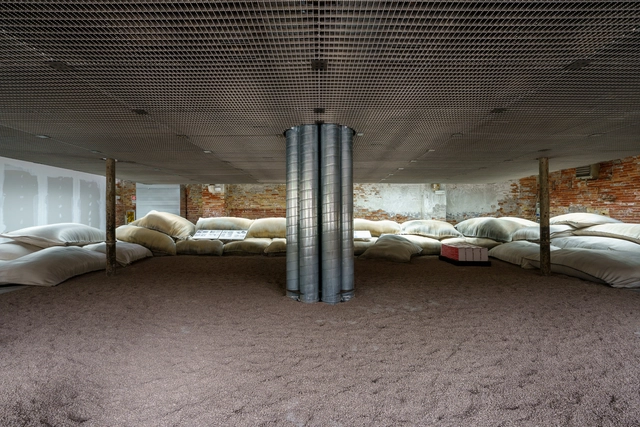
The Intelligens Biennale Gathers the Data, But Fails to Synthesize It

This article introduces our new Opinion section, a format for argument-driven essays on critical questions shaping our field.

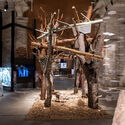
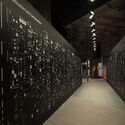
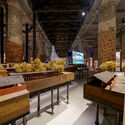
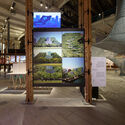
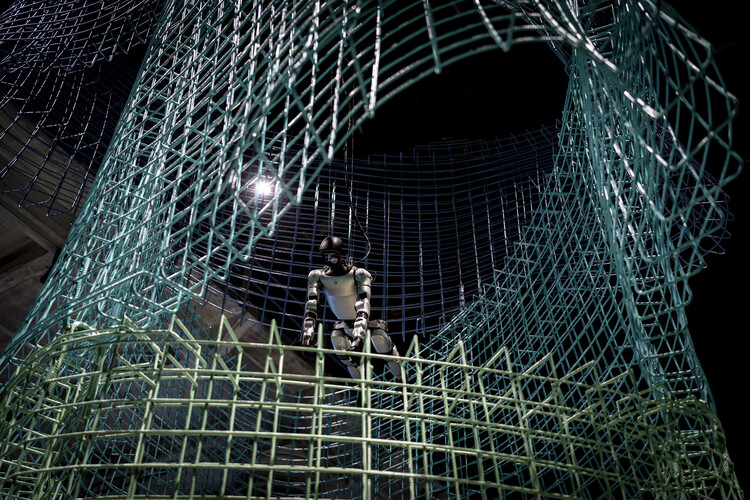
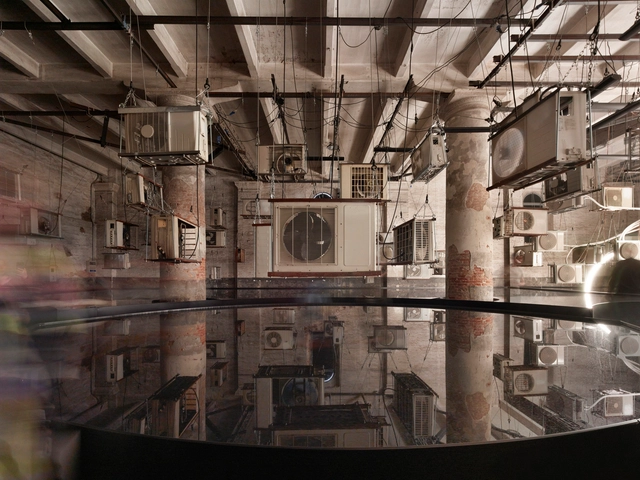
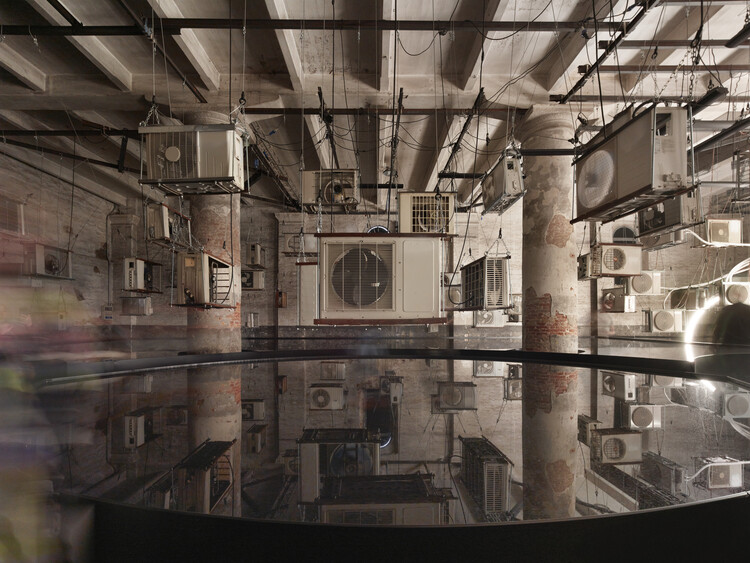
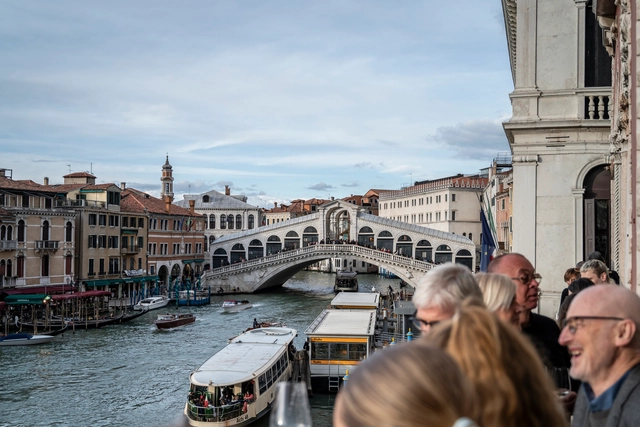
The Venice Architecture Biennale has always been larger than itself. Never content with merely being an exhibition, it has always carried ambitions that expand beyond the grounds of Arsenale and Giardini. Rem Koolhaas's Fundamentals sought to deconstruct architecture into a universal grammar; Alejandro Aravena's Reporting from the Front reframed it as a tool for social justice on the ground; Lesley Lokko's The Laboratory of the Future set out to decolonize and decarbonize the architectural canon.

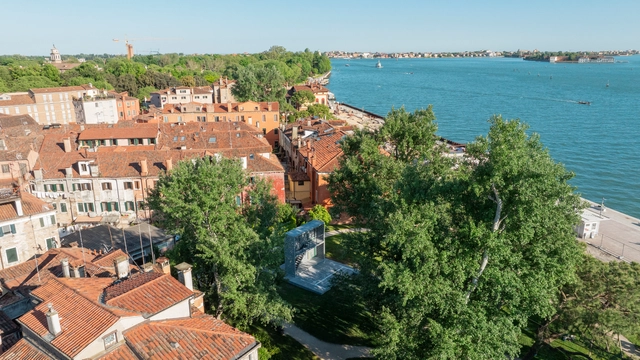
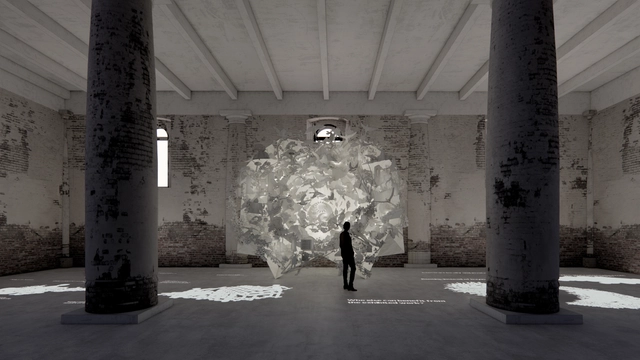
The Intelligens Biennale Gathers the Data, But Fails to Synthesize It  - Image 1 of 4The Intelligens Biennale Gathers the Data, But Fails to Synthesize It  - Image 2 of 4The Intelligens Biennale Gathers the Data, But Fails to Synthesize It  - Image 3 of 4The Intelligens Biennale Gathers the Data, But Fails to Synthesize It  - Image 4 of 4The Intelligens Biennale Gathers the Data, But Fails to Synthesize It  - More Images+ 13

World Architecture Day 2025: How We Design for Strength in an Age of Crisis

Today, on the first Monday of October, we celebrate World Architecture Day. This year, the International Union of Architects (UIA) has set the theme "Design for Strength," a powerful call to action that resonates deeply with the UN's focus on urban crisis response. In a world facing unprecedented environmental and social disruptions, this theme challenges us to move beyond temporary fixes. It asks: How can our buildings and cities not only withstand shocks but also foster equity, continuity, and resilience?

While the concept of strength in architecture can easily evoke images of reinforced concrete and steel, a more profound interpretation is emerging, one that defines strength not as mere rigidity, but as a holistic capacity to endure and adapt. This includes many facets, from ecological resilience and stewardship to long-lasting concepts of social resilience or the long-lasting conservation of existing urban structures, all contributing to a built environment more able to respond to the multitude of crises faced by cities worldwide.

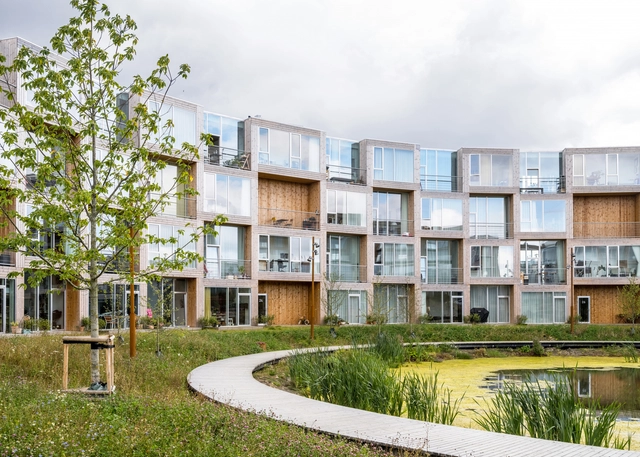
World Architecture Day 2025: How We Design for Strength in an Age of Crisis - Image 1 of 4World Architecture Day 2025: How We Design for Strength in an Age of Crisis - Image 2 of 4World Architecture Day 2025: How We Design for Strength in an Age of Crisis - Image 3 of 4World Architecture Day 2025: How We Design for Strength in an Age of Crisis - Image 4 of 4World Architecture Day 2025: How We Design for Strength in an Age of Crisis - More Images+ 20

Kongjian Yu, Creator of the Sponge City Concept, Passes Away in Brazil Plane Crash

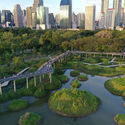
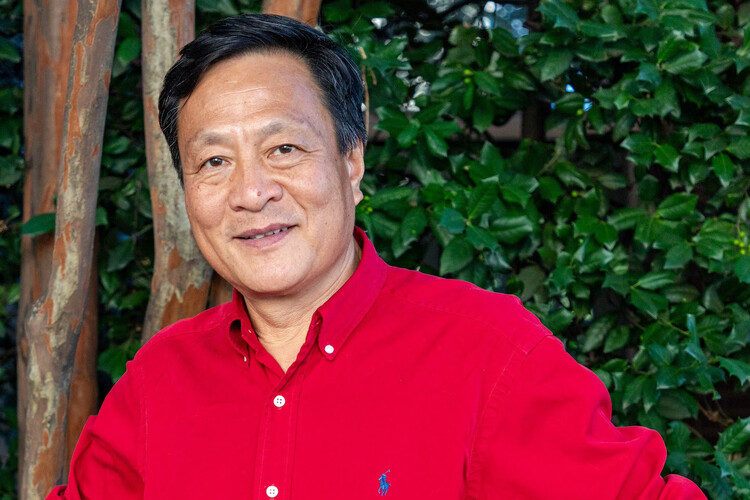
Kongjian Yu, the pioneering Chinese landscape architect and urban planner credited with coining the "sponge city" concept, has passed away at 62. According to Reuters, he was killed in a plane crash on Tuesday in the wetlands of Mato Grosso do Sul state, in Brazil, while reportedly filming a documentary about his work, after being featured in the opening program of the São Paulo International Architecture Biennale last week.

A globally-recognized advocate for ecological urbanism, Yu gained international relevance after his "sponge city" philosophy was adopted as a national policy in China in 2013. The approach prioritizes nature-based solutions, such as wetlands, parks, and permeable pavements, to absorb and retain water. This novel method stood in stark contrast to traditional concrete infrastructure, offering cities a way to combat urban flooding and accelerate climate change by working with nature rather than against it. His ideas have since been implemented in hundreds of cities worldwide.

Kongjian Yu, Creator of the Sponge City Concept, Passes Away in Brazil Plane Crash - Image 1 of 4Kongjian Yu, Creator of the Sponge City Concept, Passes Away in Brazil Plane Crash - Image 2 of 4Kongjian Yu, Creator of the Sponge City Concept, Passes Away in Brazil Plane Crash - Image 3 of 4Kongjian Yu, Creator of the Sponge City Concept, Passes Away in Brazil Plane Crash - Image 4 of 4Kongjian Yu, Creator of the Sponge City Concept, Passes Away in Brazil Plane Crash - More Images+ 1

A Modernist Church Set in Stone: The Story Behind the Temppeliaukio Kirkko in Helsinki, Finland

Subscriber Access | 

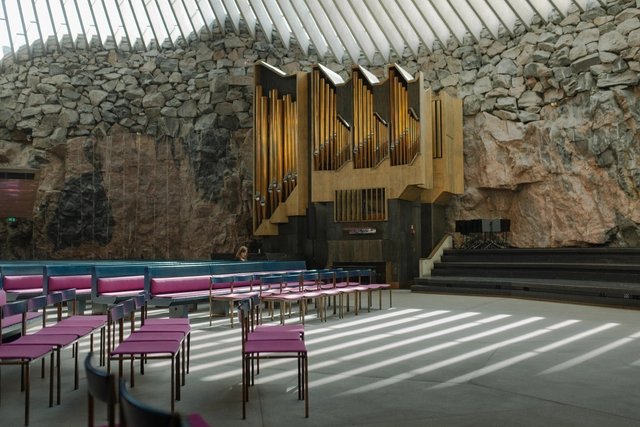
Near the center of Helsinki, Finland, in the Töölö neighborhood, one can find the Temppeliaukio Church, an unusual-looking Lutheran church nestled between granite rocks. Approaching the square from Fredrikinkatu street, the church appears subtly, a flat dome barely rising above its surrounding landscape. An unassuming entrance, flanked by concrete walls, leads visitors through a dark hallway, and into the light-filled sanctuary carved directly into the bedrock. The exposed rock walls earned it the alternative name “The Church of the Rock.” To contrast the heaviness of the materials, skylights surrounding the dome create a play of light and shadows and a feeling of airiness.

The church is the result of an architectural competition won by the architect brothers Timo and Tuomo Suomalainen in 1961. Their original solution was recognized not only for its creativity but also for the respect it showed to the competition’s goal: “to include the organization plan for the whole Temppeliaukio Square, taking into attention that as great part as possible of the rock outcrop of the square to be preserved.” The winning proposal achieves this by embedding the church inside the rock and placing parish facilities on the edges of the hillock. This article explores the story behind the Temppeliaukio Church both narratively and visually, through the lens of Aleksandra Kostadinovska, a professional photographer from Skopje.

A Modernist Church Set in Stone: The Story Behind the Temppeliaukio Kirkko in Helsinki, Finland - Image 1 of 4A Modernist Church Set in Stone: The Story Behind the Temppeliaukio Kirkko in Helsinki, Finland - Image 2 of 4A Modernist Church Set in Stone: The Story Behind the Temppeliaukio Kirkko in Helsinki, Finland - Image 3 of 4A Modernist Church Set in Stone: The Story Behind the Temppeliaukio Kirkko in Helsinki, Finland - Image 4 of 4A Modernist Church Set in Stone: The Story Behind the Temppeliaukio Kirkko in Helsinki, Finland - More Images+ 29

How Amsterdam Uses the Doughnut Economics Model to Create a Balanced Strategy for Both the People and the Environment

In 2020, in the midst of the first wave of lockdowns due to the pandemic, the municipality of Amsterdam announced its strategy for recovering from this crisis by embracing the concept of the “Doughnut Economy.” The model is developed by British economist Kate Raworth and popularized through her book, “Doughnut Economics: Seven Ways to Think Like a 21st-Century Economist”, released in 2017. Here, she argues that the true purpose of economics does not have to equal growth. Instead, the aim is to find a sweet spot, a way to balance the need to provide everyone with what they need to live a good life, a “social foundation” while limiting our impact on the environment, “the environmental ceiling.” With the help of Raworth, Amsterdam has downscaled this approach to the size of a city. The model is now used to inform city-wide strategies and developments in support of this overarching idea: providing a good quality of life for all without putting additional pressure on the planet. Other cities are following this example.

How Amsterdam Uses the Doughnut Economics Model to Create a Balanced Strategy for Both the People and the Environment - Image 1 of 4How Amsterdam Uses the Doughnut Economics Model to Create a Balanced Strategy for Both the People and the Environment - Image 2 of 4How Amsterdam Uses the Doughnut Economics Model to Create a Balanced Strategy for Both the People and the Environment - Image 3 of 4How Amsterdam Uses the Doughnut Economics Model to Create a Balanced Strategy for Both the People and the Environment - Image 4 of 4How Amsterdam Uses the Doughnut Economics Model to Create a Balanced Strategy for Both the People and the Environment - More Images+ 5

Architectural Acts of Repair: Critical Themes from the 2025 ECC "Time Space Existence" Exhibition

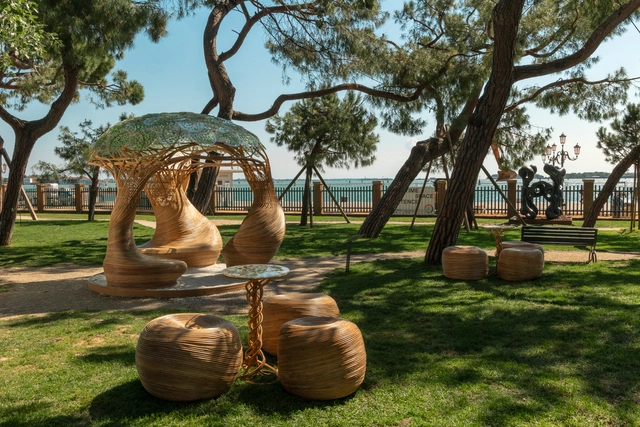
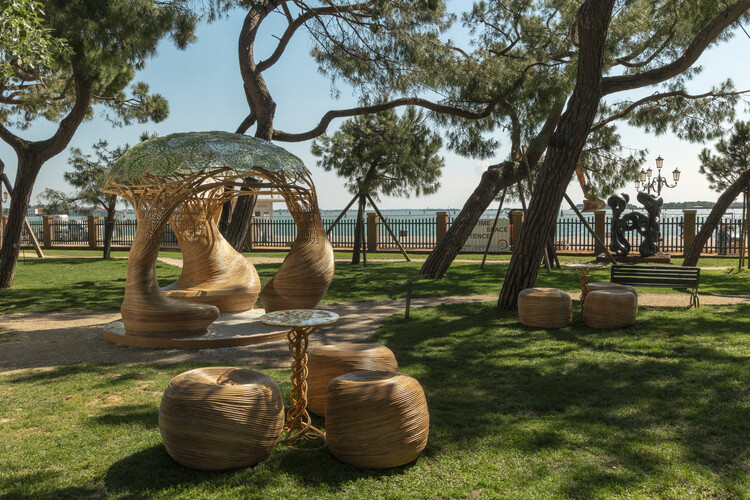
The 2025 edition of the European Cultural Centre's (ECC) Time Space Existence exhibition in Venice is guided by the mandate to "Repair, Regenerate, and Reuse." Aiming to move beyond surface-level solutions and overused terminology, the exhibition showcases a cohort of practitioners who interpret architecture as an active agent of repair. The most compelling works presented in Venice demonstrate that "repair" is a multifaceted practice, operating across material, social, and historical registers. The varied approaches showcase a shift in the role of the architect, from a master builder and designer of physical objects, to that of a mender, able to combine technology, community, and material intelligence to restore narratives and build stronger cultural systems.

Architectural Acts of Repair: Critical Themes from the 2025 ECC "Time Space Existence" Exhibition - Image 2 of 4Architectural Acts of Repair: Critical Themes from the 2025 ECC "Time Space Existence" Exhibition - Image 7 of 4Architectural Acts of Repair: Critical Themes from the 2025 ECC "Time Space Existence" Exhibition - Image 18 of 4Architectural Acts of Repair: Critical Themes from the 2025 ECC "Time Space Existence" Exhibition - Image 16 of 4Architectural Acts of Repair: Critical Themes from the 2025 ECC Time Space Existence Exhibition - More Images+ 14

"Luxury Without Context Is Just Excess": Elisa Orlanski Ours on Bridging Design Vision with Market Realities

Subscriber Access | 

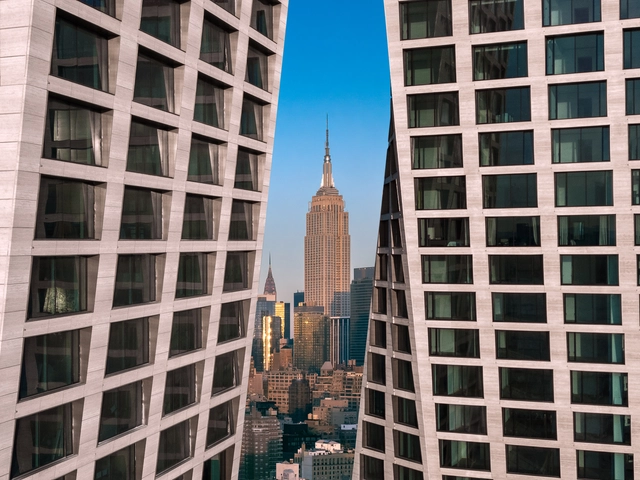
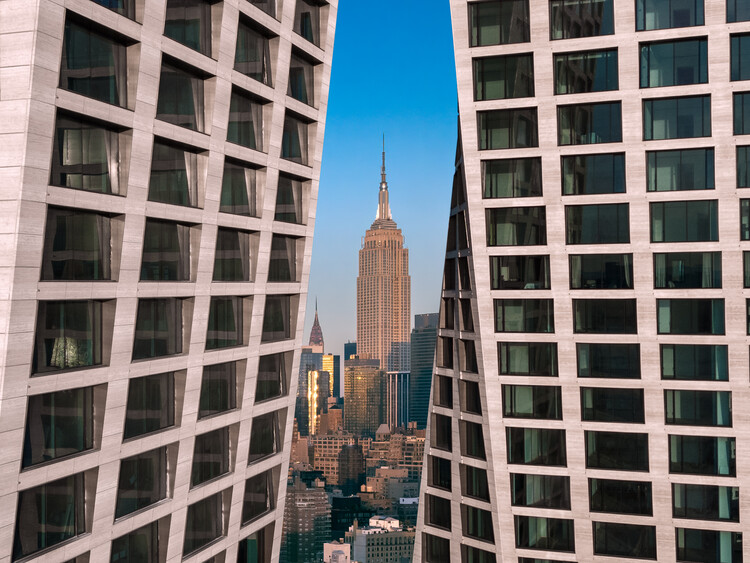
In the complex ecosystem of architectural development, where innovative concepts meet market realities, a distinct role exists to bridge diverse professional interests and realize impactful spaces. Elisa Orlanski Ours exemplifies this function. This is the domain of Elisa Orlanski Ours, a designer, educator, and industry leader. As Chief Planning & Design Officer at Corcoran Sunshine Marketing Group, Elisa founded her department two decades ago. Now, her extensive portfolio spans condominium skyscraper master plans and individual branded villas across continents, including significant New York City developments like Hudson Yards and 220 Central Park South, as well as international developments in collaboration with prominent architectural firms like SHoP Architects, BIG, Herzog & de Meuron, Adjaye Associates, and SO-IL. Her strategic perspective on bringing projects from schematic phase to final sale provides valuable insights into the industry's intricate workings. ArchDaily's Managing Editor, Maria-Cristina Florian, had the opportunity to discuss these critical topics with Elisa in the following interview.

"Luxury Without Context Is Just Excess": Elisa Orlanski Ours on Bridging Design Vision with Market Realities - Image 1 of 4"Luxury Without Context Is Just Excess": Elisa Orlanski Ours on Bridging Design Vision with Market Realities - Image 2 of 4"Luxury Without Context Is Just Excess": Elisa Orlanski Ours on Bridging Design Vision with Market Realities - Image 3 of 4"Luxury Without Context Is Just Excess": Elisa Orlanski Ours on Bridging Design Vision with Market Realities - Image 4 of 4Luxury Without Context Is Just Excess: Elisa Orlanski Ours on Bridging Design Vision with Market Realities - More Images+ 31

Elements of a Complete Architecture: The Furniture of Louis I. Kahn

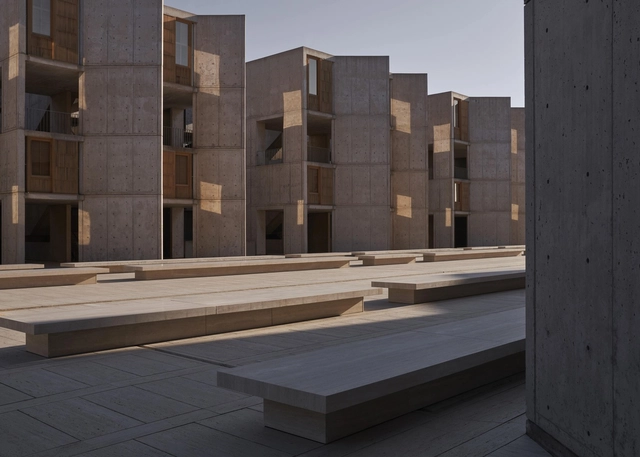
In the history of modern architecture, Louis I. Kahn is regarded as the undisputed master of monumentality in the United States. At the height of his career, Kahn managed to create a unique type of architecture, often awe-inspiring, but avoiding overdone grandiosity, expressing its constructive system, yet avoiding structural exhibitionism, steeped in history but developed with a new language and system of forms. His interest in light as a functional element and the specific qualities of materials extended beyond his buildings, in all the objects he created to populate them following their intrinsic spirit. To celebrate this legacy, Form Portfolios has now launched "Monumental Modernism," the first collection of lighting, objects, and furniture modeled after those discovered in Louis I. Kahn's buildings.

Elements of a Complete Architecture: The Furniture of Louis I. Kahn - Image 1 of 4Elements of a Complete Architecture: The Furniture of Louis I. Kahn - Image 2 of 4Elements of a Complete Architecture: The Furniture of Louis I. Kahn - Image 3 of 4Elements of a Complete Architecture: The Furniture of Louis I. Kahn - Image 4 of 4Elements of a Complete Architecture: The Furniture of Louis I. Kahn - More Images+ 18

On Juneteenth, Discover 8 Museums and Cultural Institutions Dedicated to African American History and Culture

Subscriber Access | 

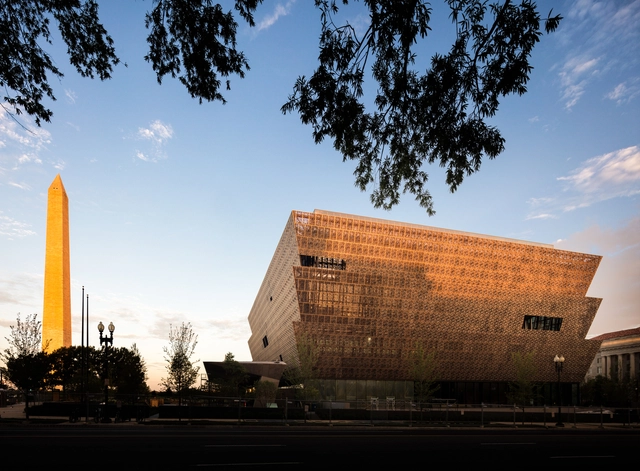
Juneteenth, observed annually on June 19th, commemorates the emancipation of enslaved African Americans in the United States, marking a moment of liberation and reflection on a complex and often overlooked history. Originally celebrated in Texas, Juneteenth has grown to symbolize broader themes of freedom, resilience, and cultural identity, fostering conversations about justice and representation. This day also presents an opportunity to highlight the ways in which architecture can serve as a medium for preserving and presenting African American history and cultural values.

Architecture, beyond its functional and aesthetic qualities, can reflect and collect narratives, values, and hidden histories, giving a tangible and visual presence to communities often underrepresented in cityscapes. Buildings dedicated to African American history and culture become physical landmarks that anchor these stories within the daily life of cities. They serve as places of learning, reflection, and celebration, creating meaningful spaces that engage the public and foster a sense of communal identity.

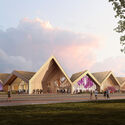
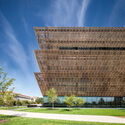
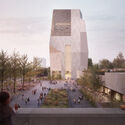
On Juneteenth, Discover 8 Museums and Cultural Institutions Dedicated to African American History and Culture - Image 1 of 4On Juneteenth, Discover 8 Museums and Cultural Institutions Dedicated to African American History and Culture - Image 2 of 4On Juneteenth, Discover 8 Museums and Cultural Institutions Dedicated to African American History and Culture - Image 3 of 4On Juneteenth, Discover 8 Museums and Cultural Institutions Dedicated to African American History and Culture - Image 4 of 4On Juneteenth, Discover 8 Museums and Cultural Institutions Dedicated to African American History and Culture - More Images+ 9

An Unfolding Crisis with a Hopeful Outlook: Highlights from the Projects Exhibited at Venice Architecture Biennale 2025

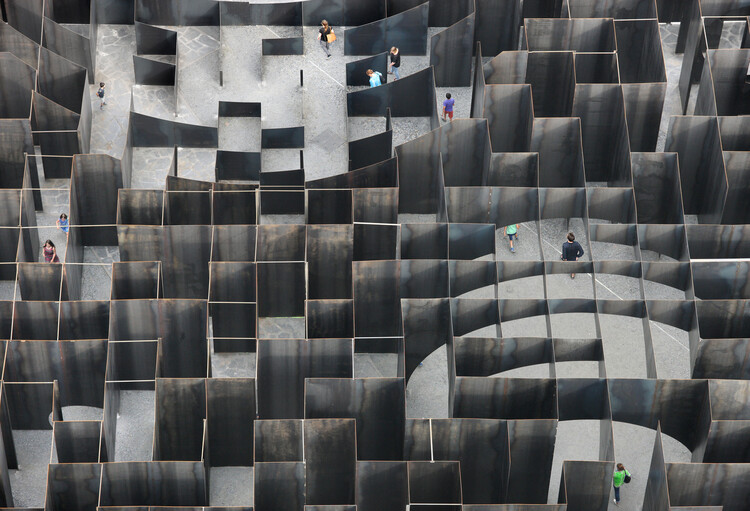
Under Carlo Ratti's curatorship, the Venice Biennale's 19th International Architecture Exhibition delves into the theme "Intelligens. Natural. Artificial. Collective," with the explicit aim of transforming the city of Venice into a "Living Laboratory." In addition to the 65 national participations and a wide range of educational and collateral events, the exhibition features independent projects that directly respond to the overarching theme. With most of the exhibits showcased in the historic Corderie building, stretching along the south side of the Arsenale, the event offers a dynamic exploration of emerging architectural ideas and urban strategies.

An Unfolding Crisis with a Hopeful Outlook: Highlights from the Projects Exhibited at Venice Architecture Biennale 2025 - Image 1 of 4An Unfolding Crisis with a Hopeful Outlook: Highlights from the Projects Exhibited at Venice Architecture Biennale 2025 - Image 2 of 4An Unfolding Crisis with a Hopeful Outlook: Highlights from the Projects Exhibited at Venice Architecture Biennale 2025 - Image 3 of 4An Unfolding Crisis with a Hopeful Outlook: Highlights from the Projects Exhibited at Venice Architecture Biennale 2025 - Image 4 of 4An Unfolding Crisis with a Hopeful Outlook: Highlights from the Projects Exhibited at Venice Architecture Biennale 2025 - More Images+ 41

How Breathable Should Facades Be? Exploring Permeability and Impermeability in Building Envelopes

The main role of architecture is to create structures that protect us from the environment and create spaces that are safe and comfortable for all types of needs and activities. By providing shelter, architecture also shapes the way people interact with their surroundings. Building technologies of the past rarely managed, however, to create a complete separation between us and the outside world.

While impermeability was a desired outcome, the porous building materials available always allowed some water, wind, or outside particles to leak into the interior spaces. In contrast, modern technologies now allow for almost completely impermeable building envelopes, allowing for complete separation between indoors and outdoors, thus relying on engineered systems to regulate temperature, airflow, or humidity. This article explores the differences between these two contrasting approaches, exploring how building facades are equipped to regulate indoor comfort and its environmental impact.

How Breathable Should Facades Be? Exploring Permeability and Impermeability in Building Envelopes - Image 1 of 4How Breathable Should Facades Be? Exploring Permeability and Impermeability in Building Envelopes - Image 2 of 4How Breathable Should Facades Be? Exploring Permeability and Impermeability in Building Envelopes - Image 3 of 4How Breathable Should Facades Be? Exploring Permeability and Impermeability in Building Envelopes - Image 4 of 4How Breathable Should Facades Be? Exploring Permeability and Impermeability in Building Envelopes - More Images+ 5

From Root to Roof: In Venice, ArchDaily Highlights Restorative Emerging Practices

In partnership with the European Cultural Center (ECC), ArchDaily has launched its inaugural exhibition as part of the seventh iteration of Time Space Existence, an architectural showcase occurring concurrently with the 19th Venice Architecture Biennale. Open from May 10 to November 23, 2025, in various locations throughout Venice, this edition centers on the theme of "Repair, Regenerate, and Reuse," promoting innovative and sustainable approaches in architecture. ArchDaily's contribution is located at Palazzo Mora, complementing other venues like Palazzo Bembo, Marinaressa Gardens, and Palazzo Michiel.

From Root to Roof: In Venice, ArchDaily Highlights Restorative Emerging Practices - Image 1 of 4From Root to Roof: In Venice, ArchDaily Highlights Restorative Emerging Practices - Image 2 of 4From Root to Roof: In Venice, ArchDaily Highlights Restorative Emerging Practices - Image 3 of 4From Root to Roof: In Venice, ArchDaily Highlights Restorative Emerging Practices - Image 4 of 4From Root to Roof: In Venice, ArchDaily Highlights Restorative Emerging Practices - More Images+ 17

Between Housing Demand and Environmental Goals: Alejandro Aravena on Incremental Solutions and Net-Zero Concrete

During the Time Space Existence exhibition, organized by the European Cultural Centre in Venice, Pritzker Prize-winning architect Alejandro Aravena and his firm ELEMENTAL unveiled a full-scale prototype for a new approach in incremental housing solutions. Titled the USB Core, standing for Basic Services Unit housing prototype, this proposal aims to demonstrate how efficient construction can provide all the essential housing components in a minimal space. The prototype is also the result of a collaboration between the architecture office and concrete manufacturer and researcher Holcim, and is built out of a newly developed type of net-zero concrete mix. It also incorporates fully recycled aggregates, in alignment with circular economy principles. The collaboration aims to demonstrate a more environmentally conscious yet cost-effective way of providing essential services to at-risk communities without harming the planet.

While on site in Venice, ArchDaily's managing editor Maria-Cristina Florian had the chance to sit down with Alejandro Aravena and discuss the implications of this collaboration, the urgent need for housing, and the role of the architect as the coordinator of a process involving many actors.

Between Housing Demand and Environmental Goals: Alejandro Aravena on Incremental Solutions and Net-Zero Concrete - Image 1 of 4Between Housing Demand and Environmental Goals: Alejandro Aravena on Incremental Solutions and Net-Zero Concrete - Image 2 of 4Between Housing Demand and Environmental Goals: Alejandro Aravena on Incremental Solutions and Net-Zero Concrete - Image 3 of 4Between Housing Demand and Environmental Goals: Alejandro Aravena on Incremental Solutions and Net-Zero Concrete - Image 4 of 4Between Housing Demand and Environmental Goals: Alejandro Aravena on Incremental Solutions and Net-Zero Concrete - More Images+ 29

Bahrain Wins the Golden Lion for Best National Participation at the 2025 Venice Architecture Biennale

The Kingdom of Bahrain's Heatwave exhibition, curated by architect Andrea Faraguna has been announced as the winner of the Golden Lion for the Best National Participation at the 2025 Venice Architecture Biennale. The winner has been selected by an international jury comprising of Swiss curator, critic, and art historian Hans Ulrich Obrist as jury chair, South African architect, lecturer, and curator Mpho Matsipa, and Italian curator Paola Antonelli. The awards ceremony is broadcast live from the headquarters of the Biennale at Ca'Giustinian. The pavilion stands out for addressing the pressing issue of extreme heat through a site-specific installation that showcases passive cooling strategies rooted in Bahrain's climatic realities and cultural context.

Bahrain Wins the Golden Lion for Best National Participation at the 2025 Venice Architecture Biennale - Image 1 of 4Bahrain Wins the Golden Lion for Best National Participation at the 2025 Venice Architecture Biennale - Image 2 of 4Bahrain Wins the Golden Lion for Best National Participation at the 2025 Venice Architecture Biennale - Image 3 of 4Bahrain Wins the Golden Lion for Best National Participation at the 2025 Venice Architecture Biennale - Image 4 of 4Bahrain Wins the Golden Lion for Best National Participation at the 2025 Venice Architecture Biennale - More Images+ 7

Discover the Full List of Special Projects and Participants of the 2025 Venice Architecture Biennale

The 19th International Architecture Exhibition, organised by La Biennale di Venezia under Carlo Ratti's curatorship and the theme "Intelligens. Natural. Artificial. Collective," is set to transform Venice into a "Living Laboratory" of experimentation and collaboration. This year's special projects extend beyond the exhibition grounds, integrating into various city locations and Forte Marghera in Mestre, providing an alternative perspective that expands the reach of architectural discourse.

The Biennale promises to be a dynamic platform uniting over 750 participants from diverse backgrounds, including architects, engineers, mathematicians, climate scientists, and artists. Such a broad coalition of over 280 projects underlines the Exhibition's focus on inclusivity and interdisciplinary collaboration, an essential aspect for adaptation. The selection process proposed a bottom-up, open call approach through the Space for Ideas initiative, which ran between May and June 2024. It encouraged participation from global teams, from Pritzker Prize winners and Nobel laureates to emerging architects and scientists.

Discover the Full List of Special Projects and Participants of the 2025 Venice Architecture Biennale - Image 1 of 4Discover the Full List of Special Projects and Participants of the 2025 Venice Architecture Biennale - Image 2 of 4Discover the Full List of Special Projects and Participants of the 2025 Venice Architecture Biennale - Image 3 of 4Discover the Full List of Special Projects and Participants of the 2025 Venice Architecture Biennale - Image 4 of 4Discover the Full List of Special Projects and Participants of the 2025 Venice Architecture Biennale - More Images+ 16

The Promise of Accessibility: Can Modular Systems Contribute to Democratizing the Design Process?

At the dawn of Modernism, in the fervent search for innovative, efficient, and cost-effective building systems, the idea of modular construction offered the promise of exactly that: an industrialized system comprised of ready-to-assemble elements, easily configured, cost-effective, and quality-controlled. While the idea did not gain as much traction as was initially expected, it has remained an attractive premise for architects and designers. Now, new developments in the field have led to a renewed interest in the matter, as modular housing emerges as an effective measure in various fields, from affordable housing to emergency shelters, or even as platforms for interdisciplinary collaboration, participation, and co-design. The following article explores this promise of accessibility, creativity, and affordability that has become an integral part of the debate around modular architecture.

The Promise of Accessibility: Can Modular Systems Contribute to Democratizing the Design Process? - Image 1 of 4The Promise of Accessibility: Can Modular Systems Contribute to Democratizing the Design Process? - Image 2 of 4The Promise of Accessibility: Can Modular Systems Contribute to Democratizing the Design Process? - Image 3 of 4The Promise of Accessibility: Can Modular Systems Contribute to Democratizing the Design Process? - Image 4 of 4The Promise of Accessibility: Can Modular Systems Contribute to Democratizing the Design Process? - More Images+ 3

ECC Announces the 2025 Time Space Existence Exhibition in Venice as a Call to Repair, Regenerate, and Reuse

The 2025 iteration of the Time Space Existence exhibition is set to attract audiences from May 10 to November 23. Organized by the European Cultural Centre (ECC) in Venice's renowned venues—Palazzo Bembo, Palazzo Mora, and Marinaressa Gardens—this seventh edition brings together a diverse cohort of 207 architects, designers, artists, and researchers from over 52 countries. All contributions are curated under the theme of "Repair, Regenerate, and Reuse" as an exploration of architecture's capacity to engage with critical environmental, social, and cultural challenges. Highlights of the Special Projects section include ArchDaily's inaugural exhibition, presenting six architecture offices previously recognized as Best New Practices as emerging voices in the field of architectural innovations.

ECC Announces the 2025 Time Space Existence Exhibition in Venice as a Call to Repair, Regenerate, and Reuse - Image 1 of 4ECC Announces the 2025 Time Space Existence Exhibition in Venice as a Call to Repair, Regenerate, and Reuse - Image 2 of 4ECC Announces the 2025 Time Space Existence Exhibition in Venice as a Call to Repair, Regenerate, and Reuse - Image 3 of 4ECC Announces the 2025 Time Space Existence Exhibition in Venice as a Call to Repair, Regenerate, and Reuse - Image 4 of 4ECC Announces the 2025 Time Space Existence Exhibition in Venice as a Call to Repair, Regenerate, and Reuse - More Images+ 3

DP Architects Completes “The Dream Sphere,” Singapore’s National Pavilion at Expo Osaka 2025

DP Architects group, in collaboration with Kingsmen Exhibits, designed the Singapore Pavilion for the Expo Osaka 2025. With the grand opening on 13th April, the pavilion is now welcoming visitors. The concept of the pavilion centers around the tagline "Where dreams take shape," aiming to offer an insight into the country's culture and impactful innovations. The pavilion, taking the shape of a 17-meter-high sphere clad in recycled disks, creates a multi-sensorial exhibition showcasing actions and innovations that encourage a more sustainable future.


DP Architects Completes “The Dream Sphere,” Singapore’s National Pavilion at Expo Osaka 2025 - Image 1 of 4DP Architects Completes “The Dream Sphere,” Singapore’s National Pavilion at Expo Osaka 2025 - Image 2 of 4DP Architects Completes “The Dream Sphere,” Singapore’s National Pavilion at Expo Osaka 2025 - Image 3 of 4DP Architects Completes “The Dream Sphere,” Singapore’s National Pavilion at Expo Osaka 2025 - Image 4 of 4DP Architects Completes “The Dream Sphere,” Singapore’s National Pavilion at Expo Osaka 2025 - More Images+ 15