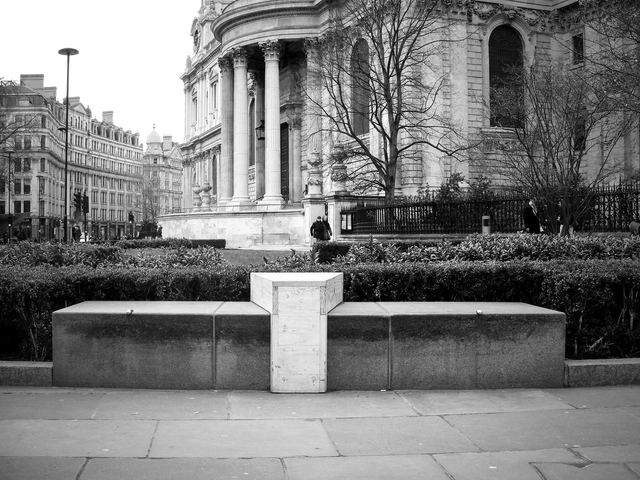
In recent years, the architectural community has become heavily involved, in both positive and negative ways, with the chronic global issue of homelessness. In response, James Furzer of UK-based Spatial Design Architects has undertaken a photographic analysis exploring defensive forms of urban design. Using the typology of public benches in London, Furzer documents public fixtures which act as deterrents to rough sleepers, essentially denying a right to the city for those who ultimately have no choice but to be there.
In a continued effort to deliver tools, inspiration, and knowledge for readers, 2019 saw ArchDaily editors and contributors engage in a wealth of conversations with distinguished individuals from all corners of the design world. Whether this be a discussion with Carlo Ratti and Winy Maas on artificial intelligence or a conversation with Mario Botta on Modernism, these interviews convey the remarkable variety of talent, ideas, and paradigms through which one can engage with architecture and design.
https://www.archdaily.com/929978/the-top-20-architecture-interviews-of-2019Niall Patrick Walsh
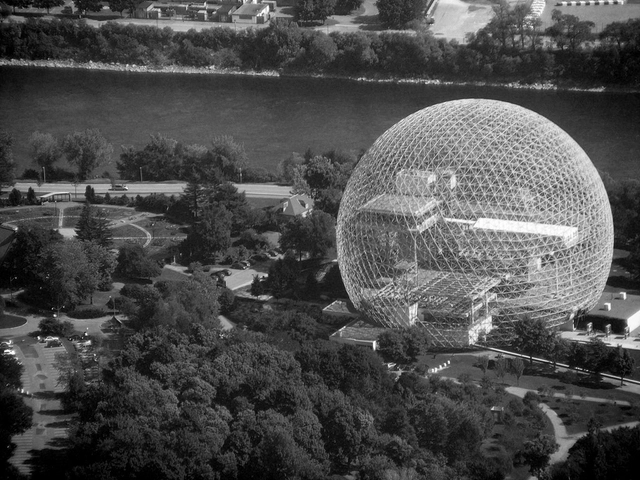
The advent of steel in architecture at the beginning of the 20th century is considered as one of the most innovative construction developments in history, allowing architects to create structures with heights, flexibility, and freedom never seen before. Henry Bessemer invented the most successful steel-making process in 1855, but it was not until 1890 that the process was refined enough for construction. The first steel constructions on both sides of the Atlantic, the Rand McNally Building in Chicago and Forth Bridge in Edinburgh, were record-breaking structures of their time.
https://www.archdaily.com/933851/20-steel-projects-from-the-20th-centuryNiall Patrick Walsh
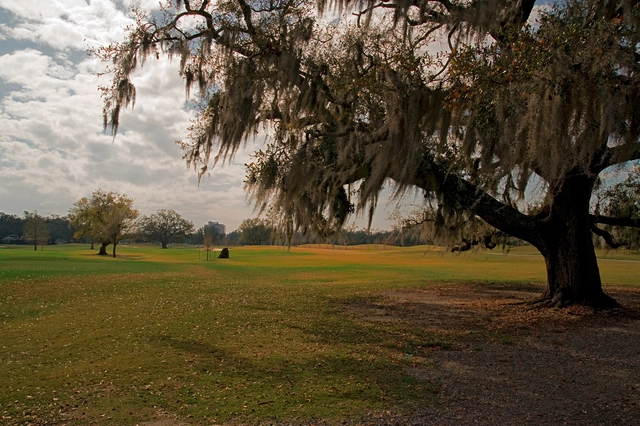
Audubon Park golf course, where Joseph Bartholomew first caddied. Image via Shutterstock
In 1979, the Pontchartrain Park golf course was renamed the Joseph M. Bartholomew, Sr. Municipal Golf Course by the City of New Orleans. While perhaps not the ‘catchiest’ of title changes, the event was a posthumous chapter in the legacy of one of the most celebrated golf course architects of his time. Joseph Bartholomew (1888-1971) began life as an African-American in racially-segregated Louisiana only 23 years after the end of the American Civil War; fought in large part over the legality of African American slavery. But his life, chronicled in the latest New York Times’ Overlooked series, would see him reach the pinnacles of golf course architecture, and design nationally-celebrated landscapes that Bartholomew, because of his race, was himself not allowed to play on.
https://www.archdaily.com/933703/once-racially-discriminated-from-his-own-architecture-joseph-bartholomew-is-overlooked-no-moreNiall Patrick Walsh
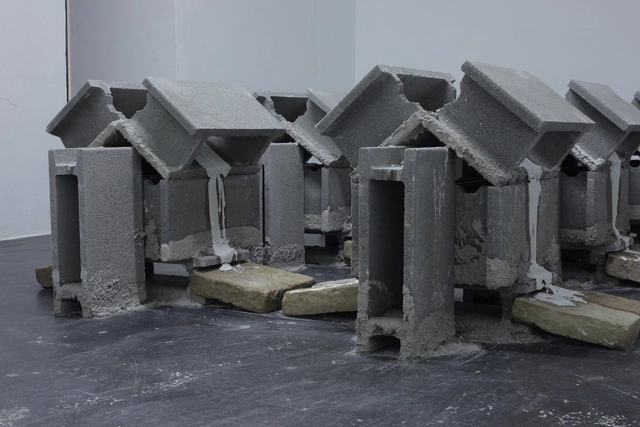
As the world of construction becomes more automated, driven by economy, speed, and bureaucracy, architect and professor Marc Leschelier has created an exhibition at the Architektur Im Magazin Vienna, Austria, which inverts this trend. Titled “Cold Cream” the exhibition creates a secluded space, dissociated from the world, where the practice of construction is reduced to the struggle between soft and hard matters as well as spontaneous rises. The exhibition is therefore not an act of architecture, but rather approaching a form of pre-architecture.
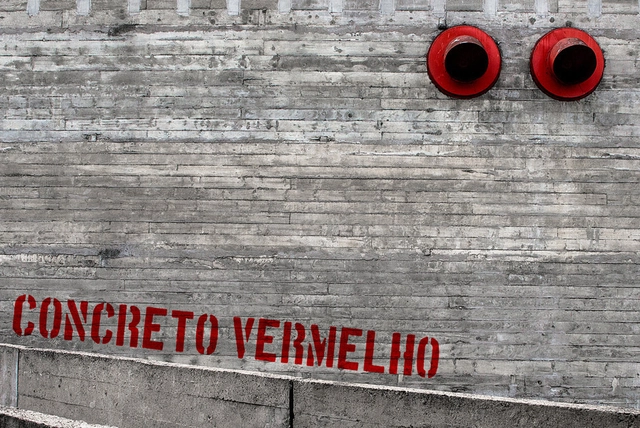
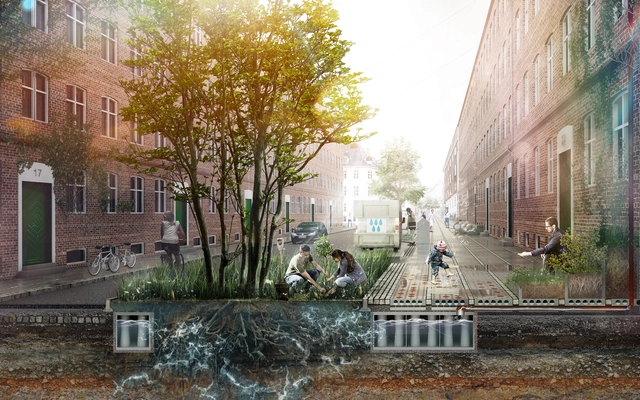
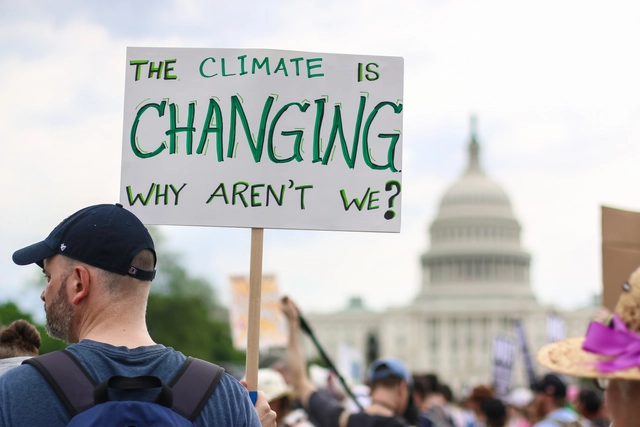
Around the world today, the "Climate Emergency" continues to embody a renewed worldwide focus on tackling climate change. With 36% of global energy devoted to buildings and 8% of global emissions caused by cement alone, the architectural community is deeply entwined with the flows of materials, energy, and ideas that relate to climate change, both causes and solutions.
https://www.archdaily.com/933459/the-carbon-cost-of-key-raw-materials-in-architectureNiall Patrick Walsh
With growing awareness of the impact of fossil fuels on the natural environment and their common usage in buildings, architects are increasingly required to specify and accommodate alternative energy sources in their design approaches. Included in this portfolio of progressive energy sources is biomass, a scalable system that combines the usage of raw, sustainable materials with a lower resulting emission of CO2. As a method often heralded as the most transferable alternative to gas and coal, we answer a simple question: what is biomass energy?
https://www.archdaily.com/933023/what-is-biomass-energyNiall Patrick Walsh
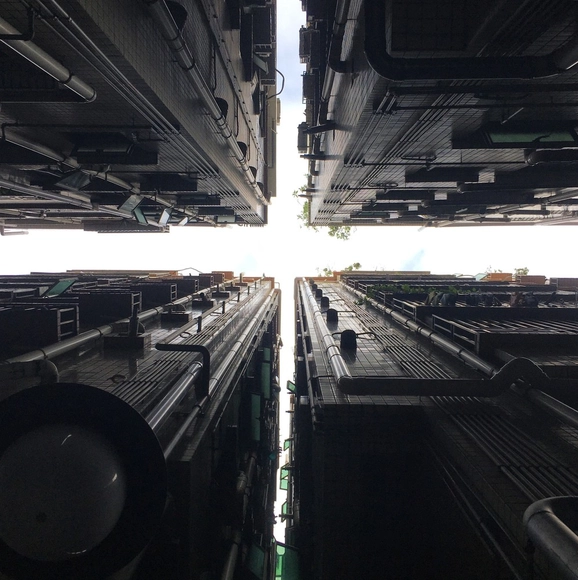
The Chinese megacity of Shenzhen bares all the hallmarks of a surging modern metropolis. Busy (and loud) five-lane motorways weave through islands of glittering glass skyscrapers, rising from podiums filled with designer shops, fronting vast squares and plazas, activated by screen-savvy young professionals fueling the city’s booming tech economy. Such a scene is truly remarkable considering that before 1980, Shenzhen was nothing more than a provincial fishing town of 60,000 people. Today, that figure has risen to 13 million.
This poses the question of how the urban environment accommodated such a rapid population explosion in such a short time. The answer lies in the city’s “Urban Villages,” remarkable manifestations of Shenzhen’s past and present, though likely not of its future.
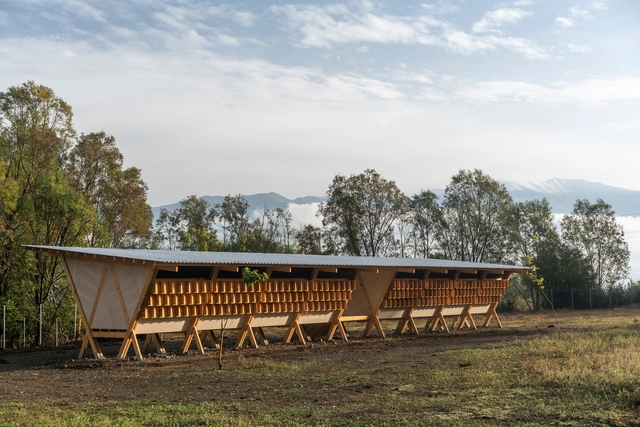
House of Chickens / SO? Architecture and Ideas. Image Alí Taptik
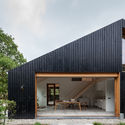
The barnyard typology is an endearing staple of rural architecture. Simple in construction, and traditionally shaped from necessity rather than aesthetic, barns have nonetheless continued to spark the imaginations of those seeking a contrast to the fast-paced, dense, globalized reality of urban life. They also spark the intrigue of designers. Whether it is refurbishing historic farms for modern use, or constructing an entirely new addition to the countryside, architects have drawn inspiration from the industrial origins of traditional barnyards to reinterpret elements such as modularity, timber expression, and refined ornamentation.
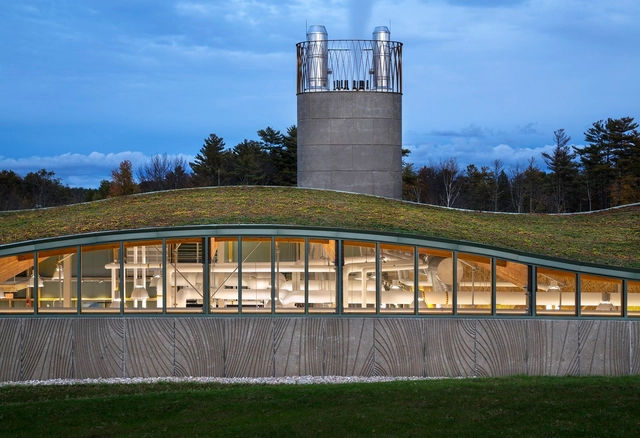
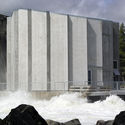
Energy infrastructure has historically been met with a “Not in My Back Yard” response from policymakers and the public alike. Aside from the clear human health implications of coal plants and natural gas stations, the architecture of energy infrastructure has traditionally been driven by raw economy and feasibility, with isolated locations creating little need for architectural beauty. However, modern ideological and urban shifts are powering a new approach.
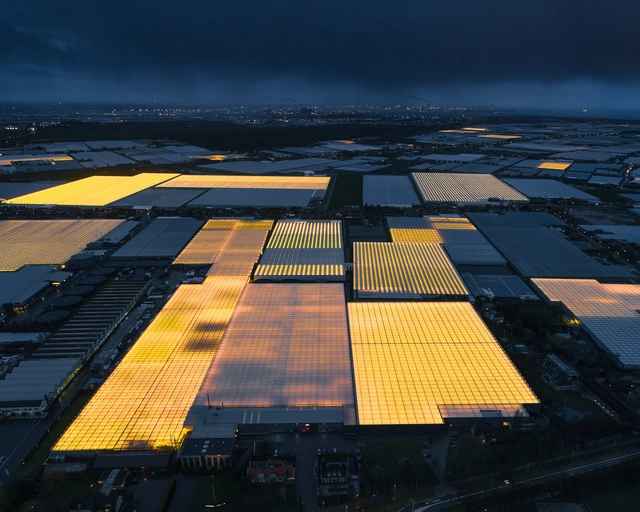
The Netherlands is the world’s second-biggest exporter of agricultural products. This is remarkable when one considers that the only country which tops the Netherlands, the United States, is 237 times bigger in land area. Nevertheless, the Netherlands exported almost $100 billion in agricultural goods in 2017 alone, as well as $10 billion in agriculture-related products. The secret to the Netherlands’ success lies in the use of architectural innovation to reimagine what an agricultural landscape can look like.
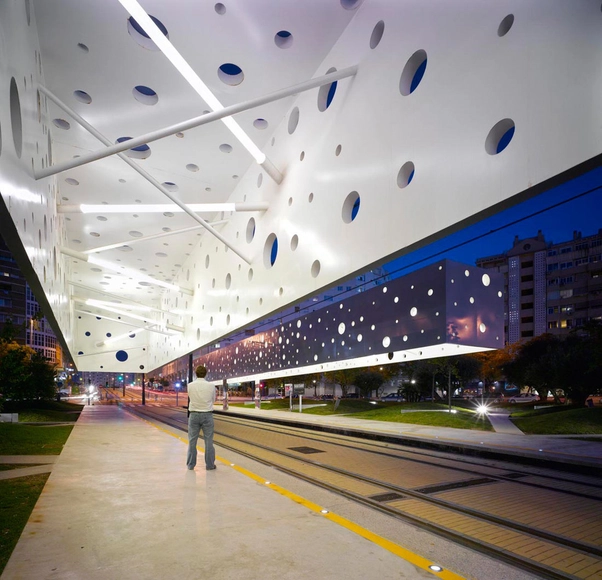
Around the world, cities are the “ground zero” of inequality and unsustainability. The two largest cities in the United States, New York City and Los Angeles, are also the two most unequal cities, and one-third of the United Kingdom’s poorest 10% of families live in London. Meanwhile, two-thirds of the world’s energy and 70% of global carbon emissions are attributed to cities. This leads to the question of how the evolution of public policy, and urban design, can strategically combat these two growing issues. Around the world, cities are looking to mobility as part of the solution, and in particular, asking a simple question: what if public transport was free?
https://www.archdaily.com/932193/should-cities-make-public-transport-freeNiall Patrick Walsh
While 2019 saw the completion of great works of architecture, it has also been a busy year for unbuilt designs. Whether this consists of imaginary visions intended to broaden horizons and innovations, or practical projects intended for construction, ArchDaily has published a wealth of unbuilt projects throughout the year that have been recognized and celebrated by juries, peers, and institutions.
As the year draws to a close, we look back at the top competition-winning architecture of 2019. From built competition-winning entries from the world’s leading firms, to student and young architect entries which imagine the architecture of the future, the list offers an insight into what the architecture world has in store for the next year, decade, or even century.
It is only a matter of time until algorithms take the wheel. While the first autopilot system for vehicles was developed 3000 years ago by sailors attaching weather vanes to tillers, the last 10 years have seen unprecedented growth in interest and effort towards AV (autonomous vehicles). Today, autonomous vehicle tests are underway in 36 US states, while it is estimated that the technology could replace 90% of vehicles in cities such as Lisbon, Portugal and Austin, Texas.
https://www.archdaily.com/931640/how-will-autonomous-vehicles-impact-citiesNiall Patrick Walsh
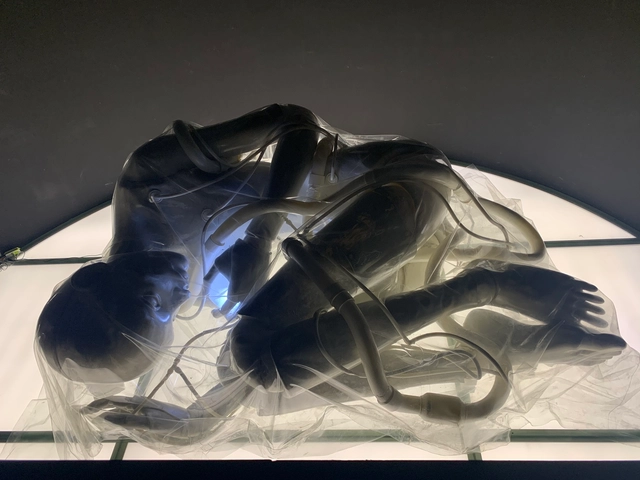
December 22nd, 2019 saw the public opening of the 8th Bi-City Biennale of Urbanism\Architecture (UABB) in Shenzhen, China. As the world’s most visited architecture exhibition, the Biennale forms an influential moment for the dissemination of architectural knowledge, and the generation of dialogue and feedback loops between designers and citizens. Titled “Urban Interactions”, the Biennale's 2019 edition sets its sights on the multifaceted question of how technological advancements will impact the relationships cities share with people, technology, nature, and each other.






.jpg?1576530934&format=webp&width=640&height=580)










.jpg?1580062329&format=webp&width=640&height=580)
.jpg?1580062329)







.jpg?1578620072&format=webp&width=640&height=580)

%E2%80%9D_%E2%80%93_Philip_F._Yuan_%C2%A9_UABB.jpg?1577392546 "“Nomadic Wood (Looking)” – Philip F. Yuan. Image © UABB")
