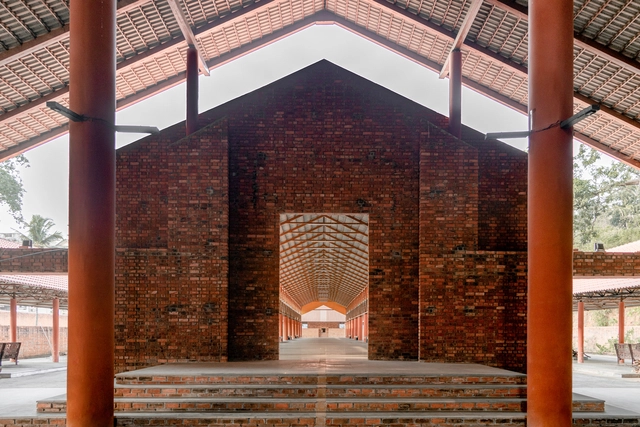
As people take greater control over the rituals surrounding their deaths, cremation has become an increasingly popular option worldwide. This shift has prompted the thoughtful design of spaces that address the profound emotions tied to cremation, life and death, and stillness. Architects are increasingly grappling with the question of what role architecture plays in these rituals.
The security and dignity of a good-quality home is one of the most important and liberating qualities in society. For people experiencing financial or social pressures, many countries offer some form of public or social housing system. While there is no fixed definition for social housing, it often involves the design, construction, and allocation of housing by government authorities, or non-profit organizations.
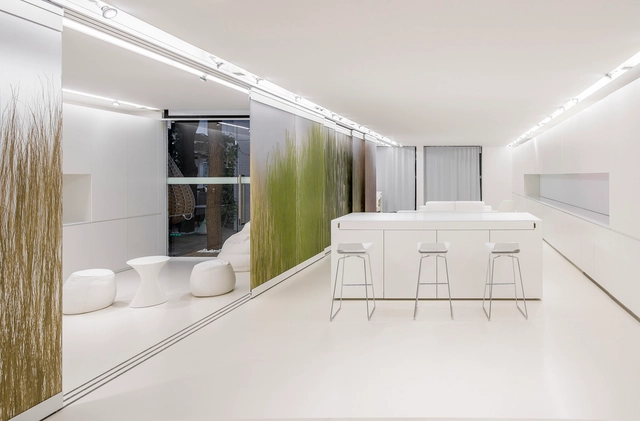
Just as social housing systems differ throughout the world, so too does the architecture of social housing. A government’s outlook or priorities for social housing provision, which can differ between capacity, cost, sustainability, or urban regeneration, all contribute to unique responses by architects and designers. Below, we identify six systems from countries around the world, complete with architectural examples.
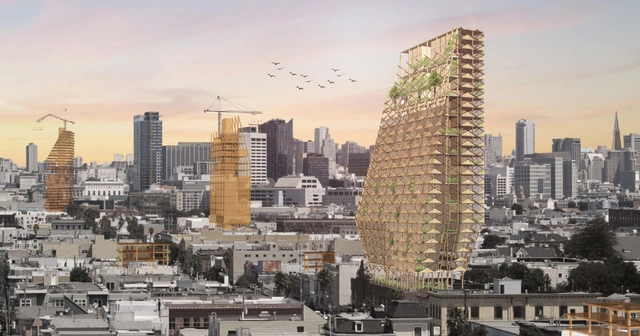
The potential for mass timber to become the dominant material of future sustainable cities has also gained traction in the United States throughout 2018. Evolving codes and the increasing availability of mass timber is inspiring firms, universities, and state legislators to research and invest in ambitious projects across the country.
https://www.archdaily.com/905601/4-projects-that-show-mass-timber-is-the-future-of-american-citiesNiall Patrick Walsh
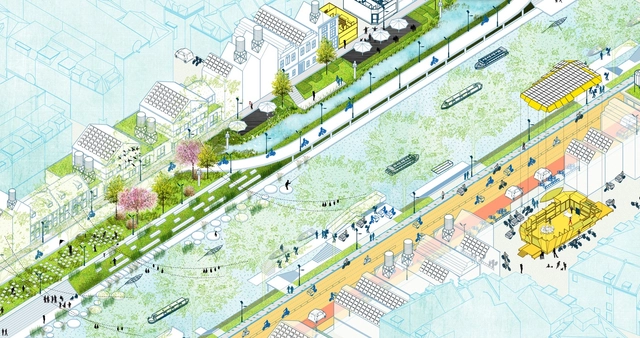
“Atelier Stad Breda”, 2015. In the image a series of design strategies touching upon energy, ecology and economy come together.
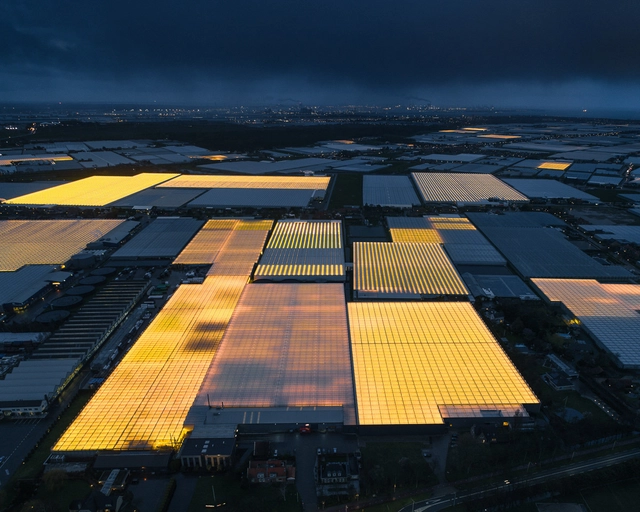
By some estimates, cities consume over two-thirds of the world’s energy, and account for more than 70% of global CO2 emissions: a figure sure to increase as the global migration from rural to urban areas continues. In the pursuit of exploring new models for how healthy cities could more effectively sustain these demands, Dutch design and research studio FABRICations has investigated how cities of the Netherlands can reduce carbon emissions through new design-led approaches.
https://www.archdaily.com/918940/6-steps-for-designing-healthy-citiesNiall Patrick Walsh
The "Climate Emergency" continues to embody a renewed worldwide focus on tackling climate change. While there is no "one solution" to the multifaceted challenges brought about by this crisis, there is an onus on every citizen, in both a personal and professional capacity, to apply their skills and actions in addressing the profound pressures on the natural world.
For those involved in the design of buildings and cities, be they architects, urbanists, or citizens, there is a deep responsibility to be aware of, and design for, the impact of climate change. With 36% of global energy devoted to buildings and 8% of global emissions caused by cement alone, the architectural community is deeply entwined with the flows of materials, energy, and ideas that relate to climate change, both causes, and solutions.
https://www.archdaily.com/931240/the-facts-about-architecture-and-climate-changeNiall Patrick Walsh
As we recognize the 50th Earth Day, it is difficult to think of a time where our relationship with the Earth has been so different from normal. As we grapple with the worst health crisis in one hundred years, attention turns to the future of how we will live with each other, how global systems will operate, and in some cases, how profoundly positive it can be for the natural world when our exponential demands for oil, transport, and energy are curtailed.
Liam Young was once described by the BBC as "the man designing our futures". The Australian-born architect and director has carved a vibrant path through architectural discourse, standing at the intersection of design, technology, and media. A self-described "speculative architect", Young is the co-founder of thinktank Tomorrow's Thoughts Today, using vivid imagery and films to spark conversations about the future of the built environment, and the relationships between humans and machines, bits and atoms, artificial and natural. He also co-runs the Unknown Fields Division, a nomadic research studio that travels the world in search of landscapes that speak to his focus on global flows of materials, technologies, and ideas.
https://www.archdaily.com/936912/interview-liam-young-on-the-future-of-artificial-intelligence-in-architectureNiall Patrick Walsh
The outbreak of COVID-19 has caused an estimated 900 million people around the world to remain at home. Among them are architects and designers who have been asked to work remotely to prevent the virus from spreading through the workplace. For many architects, this is undoubtedly a new territory. However, for ArchDaily, it is not, and we can assure you that it is possible not only to work from home, but to use this time to greatly enhance your skills, knowledge, and development as an architect.
https://www.archdaily.com/936082/tips-for-architects-working-at-home-during-covid-19Niall Patrick Walsh
As the world's healthcare systems struggle to meet the exponential surge in demands from COVID-19, architects and designers are generating a variety of responses and proposals, from large field hospitals to 3D printed clinical masks. In Italy, where the coronavirus outbreak has been among the world's most damaging, a collaborative team led by architect and MIT professor Carlo Rattihas unveiled CURA, a modular intensive care unit made from repurposed shipping containers. CURA, whose name stands for Connected Units for Respiratory Ailments (and also “cure” in Latin), can be quickly deployed in cities around the world and replicated through an open-source design, promptly responding to the shortage of ICU space in hospitals and the spread of the disease.
https://www.archdaily.com/936911/interview-carlo-ratti-on-architecture-that-fights-covid-19Niall Patrick Walsh
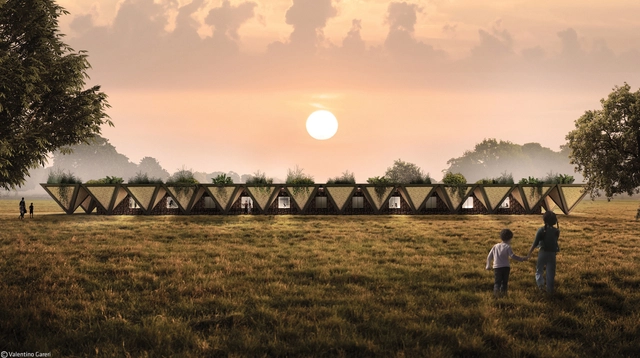
The World Bank believes that urbanization will be “the single most important transformation that the African continent will undergo this century”, with over half of the population set to live in cities by 2040. This will manifest as 40,000 people moving to cities every day for the next 20 years. While much of the architectural discourse around Africa's future focuses on cities, rural areas are often ignored. This has however been the preoccupation of Italian architect Valentino Gareri, founder of Valentino Gareri Architectural Atelier and Senior Designer at Bjarke Ingels Group.
https://www.archdaily.com/936910/in-africa-a-modular-prototype-school-combines-the-practical-and-utopianNiall Patrick Walsh
Since their founding in Bangkok in 2013, Space Popular have offered an eclectic series of architectural spaces, objects, and events that cross digital and physical space, speculating on how the two realms could blend together in the near future. Directed by Lara Lesmes and Fredrik Hellberg, both graduates of the Architectural Association in London, Space Popular has completed buildings, exhibitions, artworks, furniture collections, and interiors across Asia and Europe, as well as engaging works of virtual architecture.
https://www.archdaily.com/936914/interview-space-popular-on-the-future-of-digital-architectureNiall Patrick Walsh
In his book "Life 3.0", MIT professor Max Tegmark says "we are all the guardians of the future of life now as we shape the age of AI." Artificial Intelligence remains a Pandora's Box of possibilities, with the potential to enhance the safety, efficiency, and sustainability of cities, or destroy the potential for humans to work, interact, and live a private life. The question of how Artificial Intelligence will impact the cities of the future has also captured the imagination of architects and designers, and formed a central question to the 2019 Shenzhen Biennale, the world's most visited architecture event.
https://www.archdaily.com/936533/6-visions-of-how-artificial-intelligence-will-change-architectureNiall Patrick Walsh
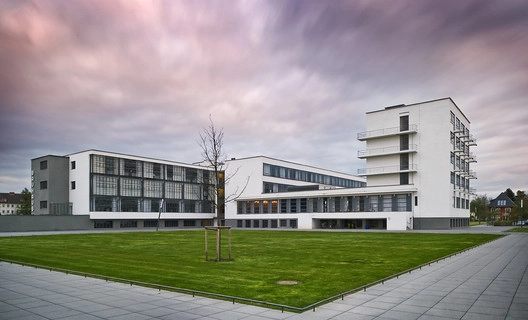
Modernism could be described as one of the most optimistic styles in architectural history, drawing from notions of utopia, innovation, and the reimagination of how humans would live, work, and interact. As we reflected in our AD Essentials Guide to Modernism, the philosophy of Modernism still dominates much of architectural discourse today, even if the world that gave rise to Modernism has changed utterly.
As we say goodbye to 2019, a year that saw the centenary of the Bauhaus, we have collated a list of key architectural styles that defined Modernism in architecture. This tool for understanding the development of 20th-century design is complete with examples of each style, showcasing the practice of Modernism that lay behind the theory.
Building surveys are one of the staples of the early stages of any architectural project. Although this task is commonly now outsourced to specialist surveyors for larger projects, especially in the new BIM world, smaller schemes such as residential renovations and extensions can still require an architect’s surveying tools. With that in mind, we have created a list of specific considerations and tips for measuring interior spaces.
https://www.archdaily.com/935638/tips-for-measuring-and-surveying-interior-spacesNiall Patrick Walsh
Over the last three months, Coronavirus has spread to more than 100 countries and claimed more than 3,800 lives (as of 8th March 2020). It has also plunged many global industries into a paralysis, from canceled flights and mass quarantines to disruptions in supply chains and financial markets. Setting aside the serious health implications of the outbreak, the coronavirus epidemic has, in an unorthodox way, amplified a debate over the future of work. With millions of people around the world working from home as a result of the outbreak, whether through quarantine or as a company precaution, the question is being asked by outlets around the world: are we seeing the beginning of the end of the traditional office typology?
Robotics and automation are a staple of any vision of how we will live in the future. Among architects and designers, this trend crosses a variety of scales, from smart cities to smart kitchens. As we outlined in our Trends That Will Influence Architecture in 2019, recent years has seen a strengthening in how interior spaces are being transformed by technologies, with searches for Domotics soaring by 450% in twelve months.
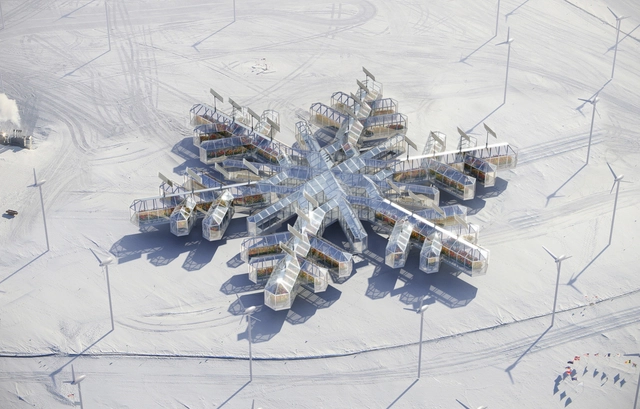
In 1773, James Cook circumnavigated Antarctica, representing humankind’s first known encounter with the continent. Ever since, Antarctica has been a vast, formidable, yet curious 14 million kilometer landscape, which explorers, scientists and governments have sought to understand and exploit. Given the harsh realities of building on the continent, aesthetics and architectural creativity have remained an afterthought in Antarctic settlements up until recent years. Today, however, the architectural scene is heating up.
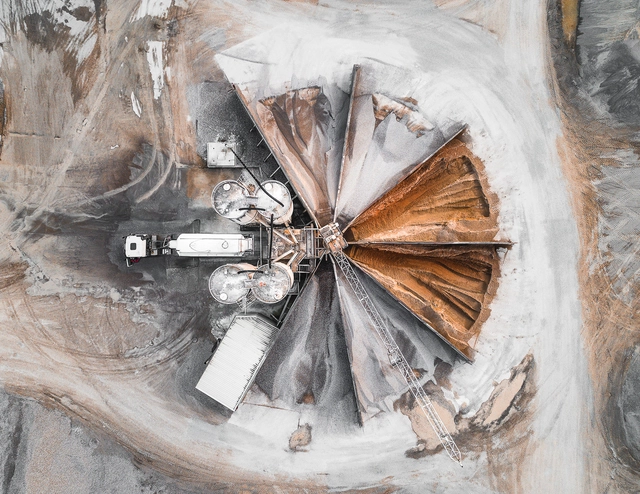
Newton’s Third Law of Motion dictates that for every action, there is an equal and opposite reaction. In urbanism, this concept is evident in how the unprecedented growth of the built environment causes a reaction in rural landscapes. By 2050, the number of people living in cities will have increased by 2.5 billion, representing two-thirds of the global population. This mass flow of people from rural to urban areas gives rise to an equally dramatic flow of natural resources. As can be seen in studies such as Tom Hegen’s The Quarry Series, whose imagery accompanies this article, the extraction of these minerals represents yet another physical manifestation of rapid, linear urbanism.





.jpg?1579214206&format=webp&width=640&height=580)
.jpg?1579212615 "St-Agatha-Berchem Sustainable Social Housing / Buro II & Archi+I. Image © Filip Dujardin")


.jpg?1579214206)
.jpg?1578004263&format=webp&width=640&height=580)
.jpg?1587553900 "© Shutterstock")







.jpg?1577789705 "Villa Savoye / Le Corbusier")
.jpg?1577789737 "Vitra Design Museum / Gehry Partners. Image © Liao Yusheng")