1. ArchDaily
  2. News

News

Nature-Set Wellness Centers That Restore and Rejuvenate

Subscriber Access | 

The wellness market is booming, predicted to grow by almost 60% in the five years since the COVID pandemic, with consumers taking greater care of both their physical and mental health. It’s now understood, of course, that wellness – the virtue of feeling good in both body and mind – is more affected by our environment than we used to admit.

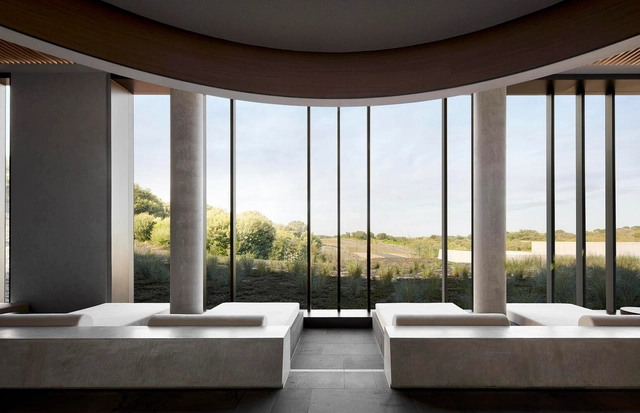
Since 2020 we’ve been quickly migrating away from cities, with attitudes on work and living also shifting to include more natural beauty and the hunt for the nirvana of greater wellbeing. These four wellness centers take care to complement the rejuvenating surroundings of the outdoors with healing activities and architecture, helping visitors to feel at peace with themselves and the world around them.

Wood: ArchDaily's Best Articles

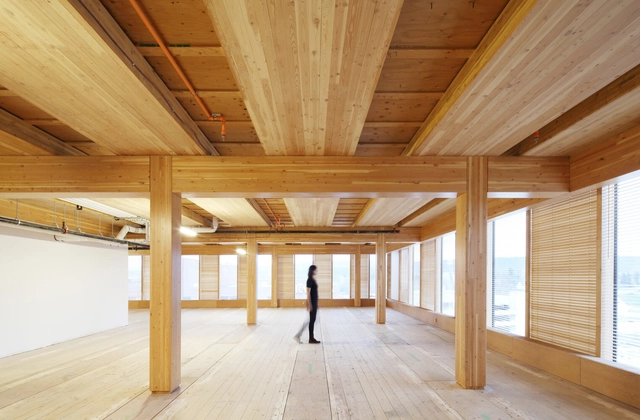
Wood has played a key role in the history of architecture by adding warmth, versatility, and sustainability to buildings. Today, its use is experiencing a renewed interest, driven both by technological advancements brought about by the use of Cross-Laminated Timber (CLT) and by growing environmental awareness.

The following list is an index of articles, news, and projects published on ArchDaily that cover everything you need to know about the use of wood in architecture, from design strategies and the latest trends to its application in construction works and building materials.

How Thermal Modification Can Make Wood in Architecture Last a Lifetime

 | Sponsored Content

Wood is a material with unique characteristics –such as its natural warmth and tactile quality– capable of providing a sense of comfort and well-being, evoking emotions and memories, and creating a cozy atmosphere in interior spaces. Its versatility allows it to be used in building structures, for solar protection, or as interior cladding, and it can be molded, carved, and jointed to create a variety of forms, from simple to complex designs. When properly maintained and kept in ideal conditions, wood can last for hundreds of years. However, as a natural material, it is susceptible to degradation over time due to biological, chemical and environmental factors, which can result in rotting, cracking, erosion and the loss of physical properties.

To mitigate this issue, there are preservation techniques that aim to improve the durability, stability, and resistance of wood to adverse factors, prolonging its life and performance. Among these techniques are treatments with chemical products, the application of pressure, and thermal modification. 

The Shift in India's Cultural Landscape: A Look at Contemporary Projects

Subscriber Access | 

India hosts a multitude of museums, art galleries, public libraries, theaters, and heritage centers. Nevertheless, many of these structures remain abandoned and fossilized like the artifacts they intend to present and protect. The development of cultural infrastructure in India has historically been a government endeavor, often resulting in a state of stagnation. The past two decades have seen a noticeable shift in the country’s cultural landscape. Increased interest from private institutions has paved the way for plenty of cultural projects to be initiated, usually in partnership with city authorities. These contemporary projects aim to celebrate the richness of India’s historical and contemporary culture, becoming prize destinations for the rising middle class.

The Shift in India's Cultural Landscape: A Look at Contemporary Projects - Image 1 of 4The Shift in India's Cultural Landscape: A Look at Contemporary Projects - Image 2 of 4The Shift in India's Cultural Landscape: A Look at Contemporary Projects - Image 3 of 4The Shift in India's Cultural Landscape: A Look at Contemporary Projects - Image 4 of 4The Shift in India's Cultural Landscape: A Look at Contemporary Projects - More Images+ 3

How 2,000 Architects and Designers Envision the Future of Architectural Visualization

 | Sponsored Content

Do you ever wonder what the future holds for architectural visualization? To answer this question and understand the present state and expectations for the future of architectural visualization, over 2,000 architects and designers were surveyed through a commissioned study conducted by Architizer on behalf of Chaos Enscape.