

This guide explains how to structure multi-image prompts in the RunDifussion platform. Explore RunDifussion's product catalog.
News
How to Prompt and Annotate Multiple Images with AI
| Sponsored Content
https://www.archdaily.comhttps://www.archdaily.com/catalog/us/products/38860/how-to-prompt-and-annotate-multiple-images-with-ai-rundiffusion
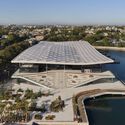
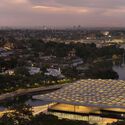
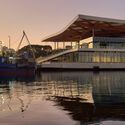
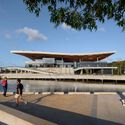
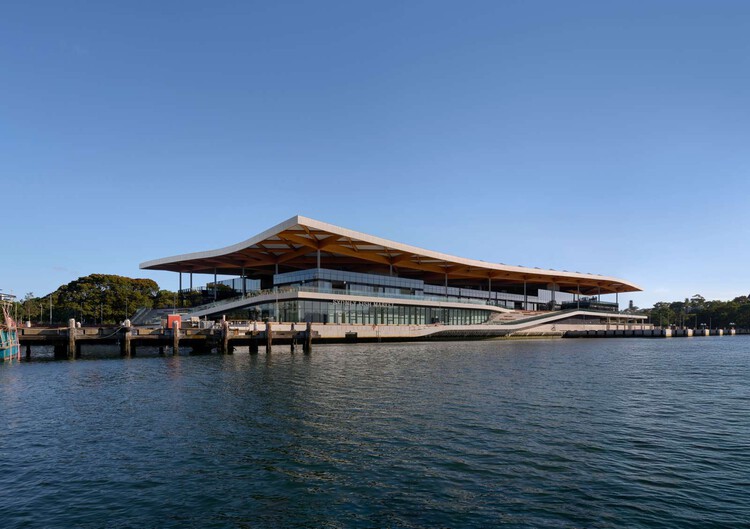
3XN’s Sydney Fish Market to Open as Blackwattle Bay’s First Completed Project

Set to open on January 19, 2026, the Sydney Fish Market marks the first completed project within the broader renewal of Blackwattle Bay on Sydney's inner harbour. Designed by 3XN in collaboration with BVN and Aspect Studios, and delivered by Multiplex, the purpose-built facility replaces the former market with a contemporary structure that combines an operating wholesale fish market with retail, dining, and publicly accessible waterfront spaces. Positioned approximately one mile southwest of Sydney's central business district, the project reframes one of the world's largest fish markets by volume as both working infrastructure and a civic destination.
https://www.archdaily.com/1037650/3xns-sydney-fish-market-to-open-first-completed-project-in-blackwattle-bays-renewalReyyan Dogan
“Built Environment: An Alternative Guide to Japan” Exhibition in Montréal Examines Resilient Japanese Architecture

The exhibition Built Environment: An Alternative Guide to Japan at the Université du Québec à Montréal's (UQAM) Centre de design will be on view until January 25, 2026. Curated by Shunsuke Kurakata, Satoshi Hachima, and Kenjiro Hosaka, it features a selection of 80 projects from Japan's 47 prefectures, including works by renowned Japanese architects such as 2014 Pritzker Prize laureate Shigeru Ban, Kengo Kuma, the designer of the Museum of Modern Art's renovation in New York Yoshio Taniguchi, celebrated landscape architect and sculptor Isamu Noguchi, and 2019 Pritzker Prize laureate Arata Isozaki. The selection aims to offer a renewed perspective on Japan through innovative buildings, civil engineering projects, and landscape designs. Organized in collaboration with the Japan Foundation and presented with the support of the Consulate General of Japan in Montreal, the exhibition is conceived as a traveling project exploring the resilience of Japanese architecture and infrastructure in the face of natural disasters and climate change.
https://www.archdaily.com/1037641/built-environment-an-alternative-guide-to-japan-exhibition-in-montreal-examines-resilient-japanese-architectureAntonia Piñeiro
Revisiting 2025: 20 Classic Projects and Defining Stories in Architecture

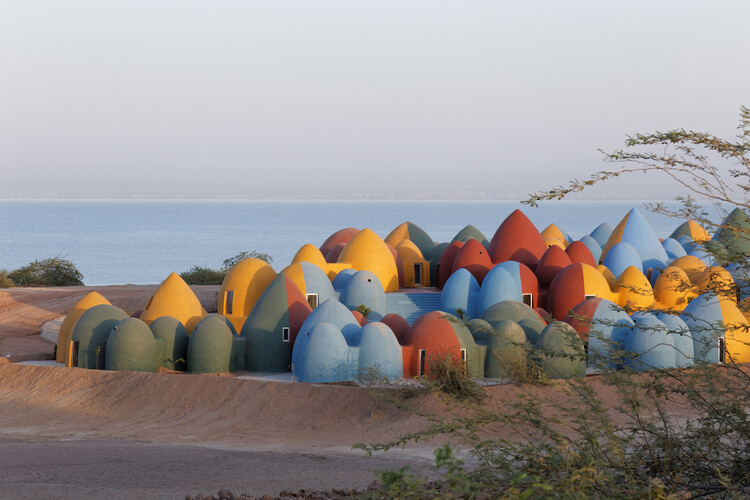
Every architectural project is the result of deliberate choices. Beyond form and function, buildings embody technical, political, and cultural decisions that shape their relationship with both their surroundings and the people who inhabit them. ArchDaily’s AD Narratives series explores these processes by bringing together accounts that trace projects from initial conception to built realization. In parallel, the AD Classics series turns to works of historical significance, presenting not only the stories behind these buildings but also technical drawings that allow for a deeper, more informed reading of their architecture.
https://www.archdaily.com/1037321/revisiting-2025-20-classic-projects-and-defining-stories-in-architectureCamilla Ghisleni
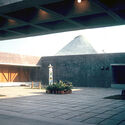
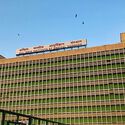
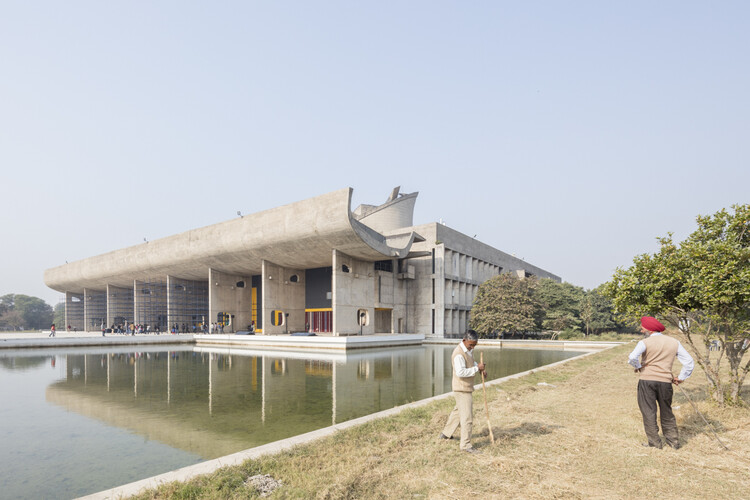
The Everyday Legacy of Indian Modernism: Building for the Post-Independence Middle Class

Indian modernism is often narrated through a narrow lens: a handful of iconic institutions, master architects, and formally radical experiments that came to symbolize the nation's post-Independence aspirations. Yet this version of history overlooks the far larger body of modernist architecture that quietly shaped everyday life across the country. Beyond celebrated campuses and canonical buildings exists a vast, dispersed landscape of housing blocks, offices, hostels, hospitals, markets, and townships — structures that were designed to function and endure.
https://www.archdaily.com/1037432/the-everyday-legacy-of-indian-modernism-building-for-the-post-independence-middle-classAnanya Nayak
Self-Sufficient Facades: Where Solar Protection Meets Renewable Energy
| Sponsored Content

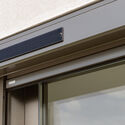
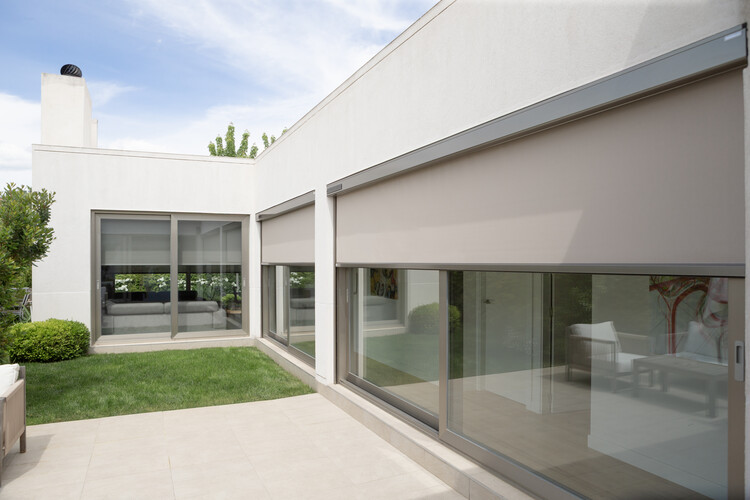
Taking a deeper look at the interplay of light and shadow in architecture seems to be a recurring topic on the agenda of many professionals in the field. Spaces of light and darkness are conceived to enhance circulation and spatial directionality, as well as to highlight the colors, textures, and forms of specific architectural elements. That said, the impact of natural light on building facades reveals the need to develop strategies that support energy savings, improve the thermal and visual comfort of interior spaces, and promote the reduction of carbon emissions. Considering light as another material in architecture, in what ways could its power contribute to the architectural experience?

https://www.archdaily.com/1037624/self-sufficient-facades-where-solar-protection-meets-renewable-energyAgustina Iñiguez
An Architecture of Care: ArchDaily’s Direction for 2026

Dear Readers,
The past year marked a defining moment in ArchDaily's evolution: a year of recalibration, intention, and renewed editorial purpose.
In an increasingly fast-moving and saturated media landscape, we took the opportunity to ask the fundamental questions: What does architectural media need to be today? What responsibilities do we carry as a global platform? And how can we contribute meaningfully to a profession navigating social, environmental, and cultural transformation?
And by engaging deeply with these reflections, we stepped fully into our role, bringing greater definition to who ArchDaily is and how it operates.
https://www.archdaily.com/1037565/an-architecture-of-care-archdailys-direction-for-2026Christele Harrouk
2026 EU Mies Awards Reveal 40 Shortlisted Works Across 18 Countries

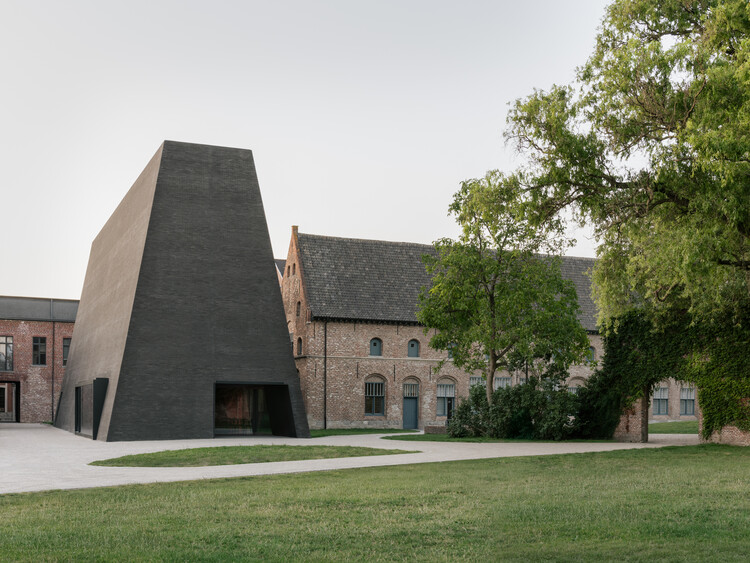
The European Commission and the Fundació Mies van der Rohe have announced the 40 shortlisted works for the 2026 European Union Prize for Contemporary Architecture – Mies van der Rohe Awards, selected from a total of 410 nominations. The shortlist brings together projects from 18 countries and 36 cities, offering an overview of contemporary architectural production across Europe. Among the shortlisted works, France accounts for nine projects, followed by Spain with seven and Denmark with four, with the remaining projects distributed across a wide range of European contexts. The finalists will be announced in February 2026, with the winners revealed in April 2026, ahead of the EUmies Awards Days in May.
https://www.archdaily.com/1037602/2026-eu-mies-awards-reveal-40-shortlisted-works-across-18-countriesReyyan Dogan
Cultural Venues, Fresh Perspectives on Public Space and One Month until the Winter Olympics: This Week’s Review

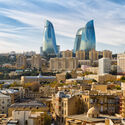
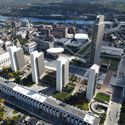
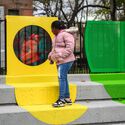
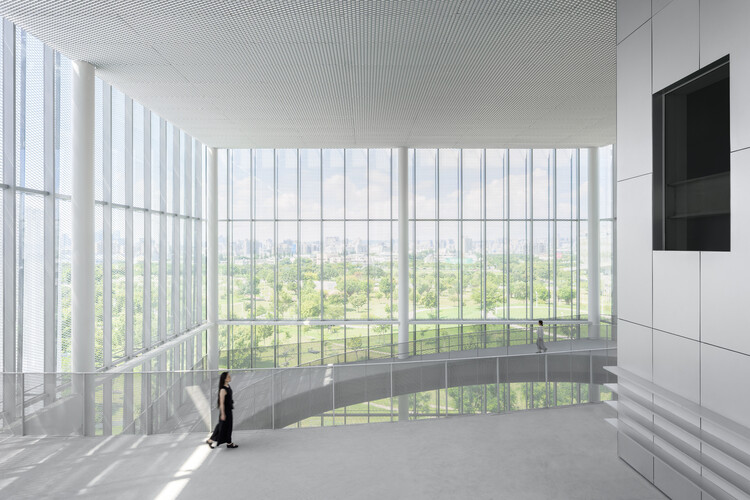
This week's news compilation brings together current discussions around public and collective space, cultural infrastructure, and long-term urban transformation across diverse geographic contexts. From shared management models redefining public space ownership in cities such as Paris and New York, to large-scale event-driven initiatives linked to Milano Cortina 2026 and the World Urban Forum in Baku, the selected projects and initiatives highlight how governance, culture, and infrastructure intersect in contemporary practice. These themes are further developed through a mix of strategic planning processes, including international test planning efforts in Northern Lviv, and built projects spanning education, culture, and temporary architecture, from a new dental teaching facility in Blantyre, Malawi, to restored and newly opened cultural venues in the United States and Taiwan, and adaptive reuse interventions showcased at the Chicago Architecture Biennial. The international examples outline an architectural landscape shaped by reuse, public engagement, and the evolving role of design in responding to social, cultural, and institutional frameworks.
https://www.archdaily.com/1037585/cultural-venues-fresh-perspectives-on-public-space-and-one-month-until-the-winter-olympics-this-weeks-reviewAntonia Piñeiro
Coming Together and the Making of Place: ArchDaily’s January Editorial Focus

Long before architecture took the form of walls, roofs, or cities, it gathered people around fire. The simple fire pit was one of humanity's earliest spatial devices: a place for warmth, food, storytelling, and ritual. Around it, space took shape through proximity rather than enclosure, through shared presence rather than prescribed use. The fire organized bodies in a circle, fostered alliances, and turned survival into collective life. Today, this ancestral logic persists: architecture has the potential of bringing people together not by commanding how they gather, but by creating the conditions that make togetherness possible.
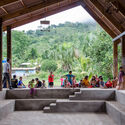
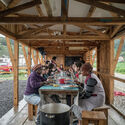
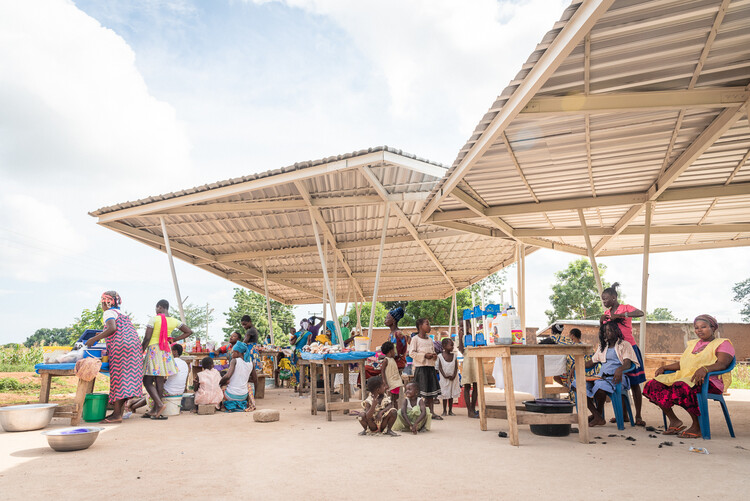
This month, ArchDaily explores Coming Together and the Making of Place, a topic that examines architecture as a framework for inclusion, care, and belonging. The theme aligns with the first edition of the ArchDaily Student Project Awards, which approach care from a collective perspective by focusing on spaces that nurture better ways of living together. Looking beyond iconic gathering spaces, the coverage considers everyday environments, from food markets, communal tables, and neighborhood plazas to third spaces, domestic settings, and digital or hybrid environments of remote togetherness. Rather than treating togetherness as a fixed program, it asks how spatial design can support openness, diversity, and collective life without enforcing uniform ways of gathering.
https://www.archdaily.com/1037581/coming-together-and-the-making-of-place-archdailys-january-editorial-focusRomullo Baratto
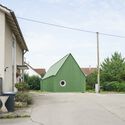
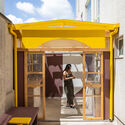
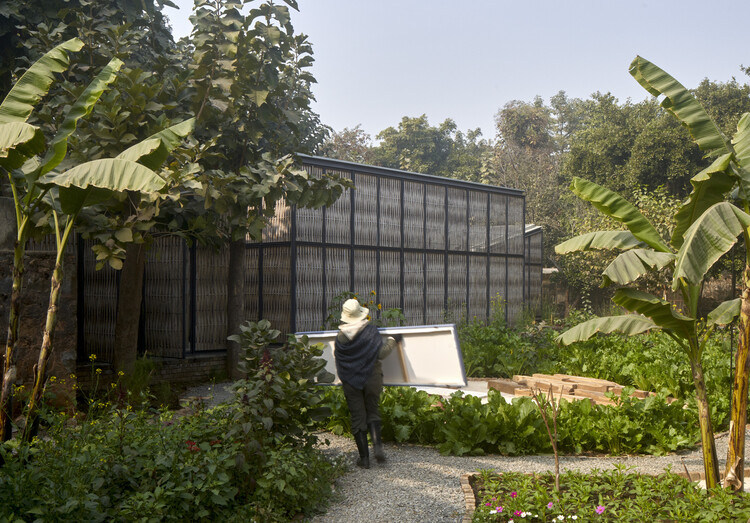
Integrating Creative Spaces: Designing Art Studio Additions at Home

The home carries multiple identities as shelter, sanctuary, workplace, and stage for daily rituals. In recent years, its role has expanded in unprecedented ways. The pandemic, notably, coerced the home to act as a site of extraordinary adaptability to absorb functions once delegated to schools, offices, gyms, and studios. This transformation has shifted how we imagine domestic life, urging us to think of the home not simply as a backdrop for activity but as a dynamic framework for living, producing, and creating. Within this expanded understanding, artists find themselves asking a renewed question: how can the home allow the flexibility needed for creative practice?
https://www.archdaily.com/1033224/integrating-creative-spaces-designing-art-studio-additions-at-homeOlivia Poston
Wohnpark Alterlaa: Vienna’s Monumental Vision for Everyday Life

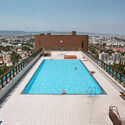
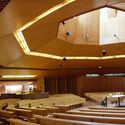
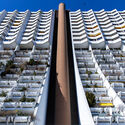
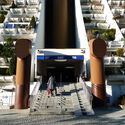
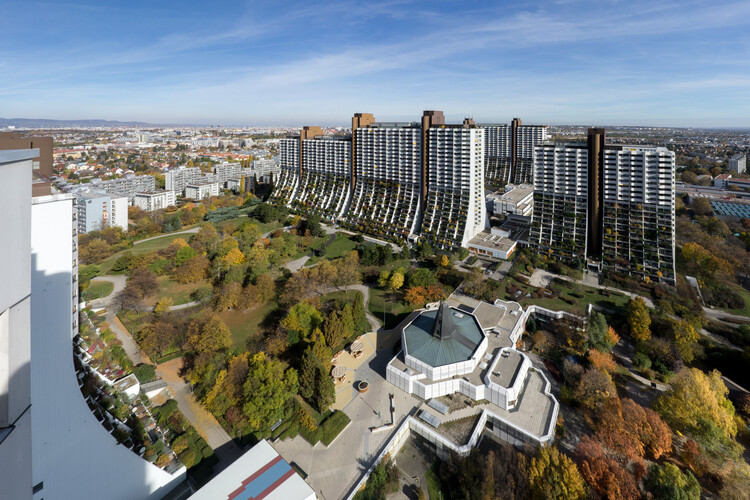
On the southern edge of Vienna, a cluster of monumental terraces rises above the cityscape, their stepped balconies cascading with greenery and their rooftops crowned with swimming pools. This is the Wohnpark Alterlaa, one of the most ambitious social housing projects in postwar Europe. Designed by Austrian architect Harry Glück and built between 1973 and 1985, the complex was founded on a provocative principle: municipal housing should not only provide affordable shelter but also offer the pleasures and amenities usually reserved for the wealthy.
With more than 3,000 apartments housing nearly 9,000 residents, Alterlaa was conceived as a city within the city. Alongside its residential towers, it incorporates shops, schools, medical services, and cultural facilities, ensuring that daily life can unfold entirely within its boundaries. The project reflects a moment of optimism in Vienna's urban policy, when housing was understood as infrastructure for collective well-being rather than as a commodity.
https://www.archdaily.com/1037099/wohnpark-alterlaa-viennas-monumental-vision-for-everyday-lifeDiogo Borges Ferreira
"Learning in Contact With Nature": In Conversation With 2025 Holcim Award Winner Urko Sánchez Architects

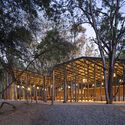
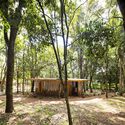
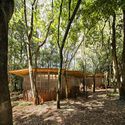
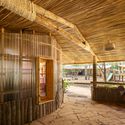
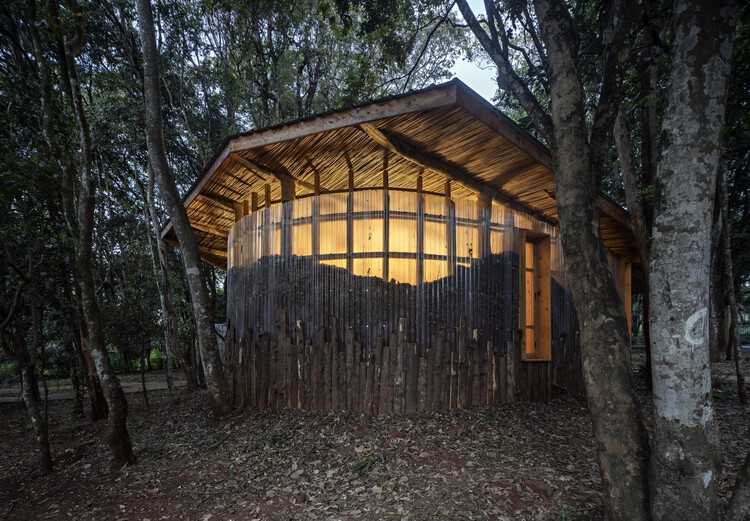
The Waldorf School Nairobi, designed by Urko Sánchez Architects, has been selected among the 20 winning projects of the 2025 Holcim Foundation Awards, which recognize contributions to sustainable design and construction worldwide. Located within a forested site in Nairobi, the project was awarded in the Middle East and Africa region, acknowledging its sensitive response to site conditions, educational needs, and local culture. Developed in close dialogue with its surroundings and community, the school explores low-impact construction methods, the use of locally sourced materials, and participatory design processes.
https://www.archdaily.com/1037551/learning-in-contact-with-nature-in-conversation-with-2025-holcim-award-winner-urko-sanchez-architectsReyyan Dogan
The Egg Performing Arts Center Reopens Following Six-Month Restoration in Albany, New York

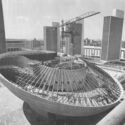
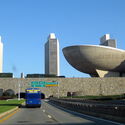
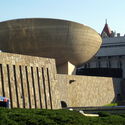
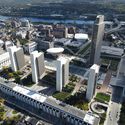
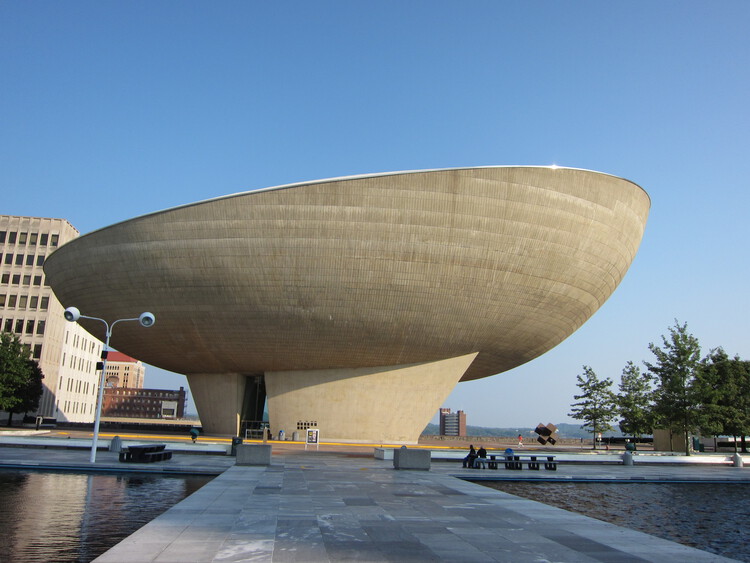
The Egg is a performing arts centre located in Albany, within New York's Empire State Plaza, designed by the North American firm Harrison & Abramovitz. Construction began in 1966 and was completed twelve years later, in 1978, with the aim of hosting a broad range of cultural events and performances for New York State residents. Drawing inspiration from Brazilian modernism, the domed, egg-like concrete structure stands out as a striking counterpoint within an otherwise rational urban ensemble. Surrounded by state government towers set in an open plaza and clad in stone, the building's exposed concrete, its seemingly suspended form, and pronounced curved geometry position it as a late example of modernist Brutalism. The venue is currently undergoing restoration and, after six months of renovations, is set to reopen on January 8, 2026, in what has been described as a "refreshed and reimagined" space.
https://www.archdaily.com/1037540/the-egg-performing-arts-center-reopens-following-six-month-restoration-in-albany-new-yorkAntonia Piñeiro
Modern Spolia: Harvesting Building Materials from Demolition Sites
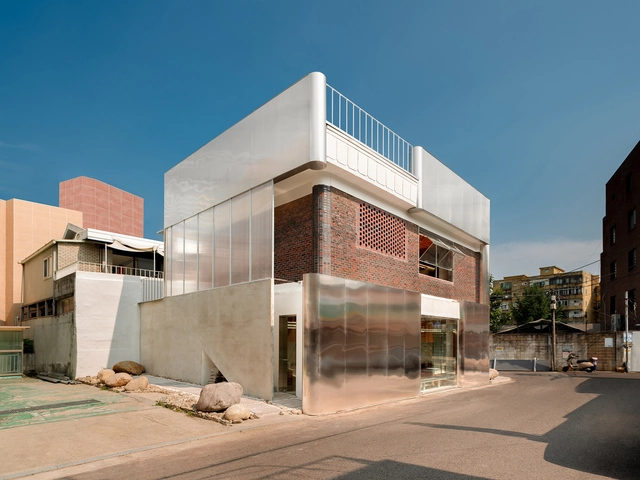
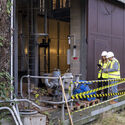
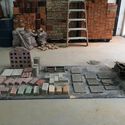
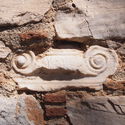
The circular economy, including the reuse of building materials, is fast becoming a key component in the fight against carbon emissions. This involves designing to minimize waste and utilize materials that can be reused at the end of the building's life. On the opposing side, the reuse of materials from partially or wholly demolished buildings can also reduce waste and carbon emissions that would have resulted from using virgin materials. Sustainability purposes aside, the reuse of building materials has a centuries-old history, both for symbolic reasons and simply out of necessity.
https://www.archdaily.com/1032354/modern-spolia-harvesting-building-materials-from-demolition-sitesMohieldin Gamal
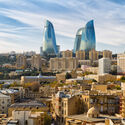
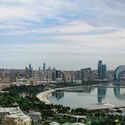
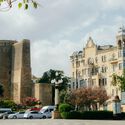
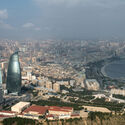
Azerbaijan Declares 2026 the "Year of Urban Planning and Architecture" as Baku Prepares to Host WUF13

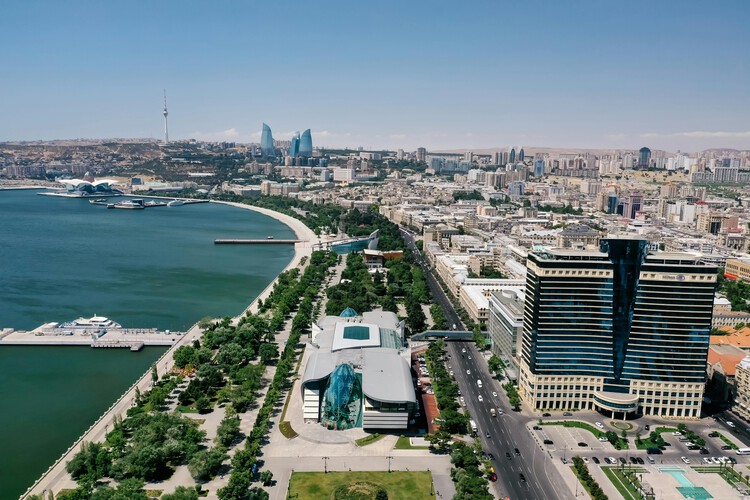
President Ilham Aliyev has signed an order declaring 2026 the "Year of Urban Planning and Architecture" in the Republic of Azerbaijan. The decision establishes a national framework focused on urban planning policy, architectural culture, and sustainable development, aligning with Azerbaijan's preparations to host the 13th World Urban Forum (WUF13) in Baku in May 2026. According to the order, the designation aims to preserve Azerbaijan's centuries-old traditions while integrating contemporary approaches that respond to current social, environmental, and spatial challenges. The President's Administration will now prepare and submit a comprehensive action plan for the year within one month.
https://www.archdaily.com/1037524/azerbaijan-declares-2026-the-year-of-urban-planning-and-architecture-as-baku-prepares-to-host-wuf13Reyyan Dogan
One Month to Go: Adaptive Reuse and Alpine Transport Upgrades Shape the Road to Milano Cortina 2026

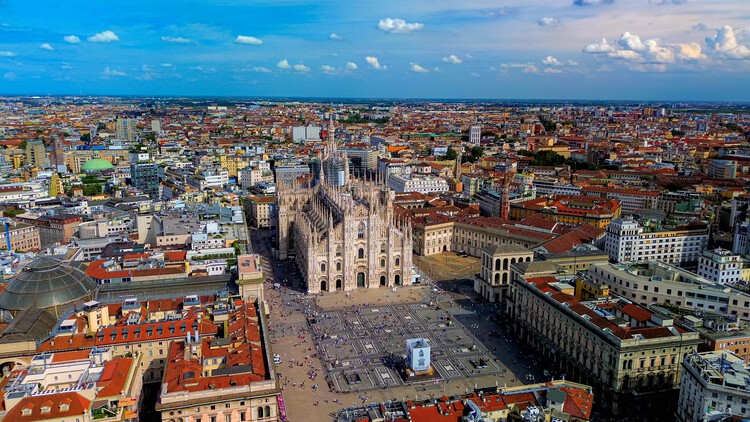
One month remains until the Opening Ceremony of the Olympic Winter Games Milano Cortina 2026, with competitions set to run from February 4 to 22, 2026. The Opening Ceremony will take place on February 6 at the Milano San Siro Olympic Stadium and will bring together approximately 2,900 athletes from around the world competing across 16 sports, with 116 gold medals to be awarded. The Olympic Winter Games return to Italy twenty years after Torino 2006 and seventy years after Cortina 1956. This edition, however, adopts a markedly different approach, proposing a shift away from the traditional high-cost, high-waste model toward adaptive reuse, renewable energy, and long-term regional development. The most geographically dispersed Winter Games in history plan to rely on 92% existing or temporary venues, build on regions with established tourism industries, avoid major environmental disruption, and implement circular design and recycling strategies, the results of which will become evident in the coming months. The Milano Cortina 2026 Winter Paralympics will follow, taking place from March 6 to 15, 2026.

https://www.archdaily.com/1037496/one-month-to-go-adaptive-reuse-and-alpine-transport-upgrades-shape-the-road-to-milano-cortina-2026Antonia Piñeiro
From Material Intelligence to Circularity: Lessons from Architecture in 2025

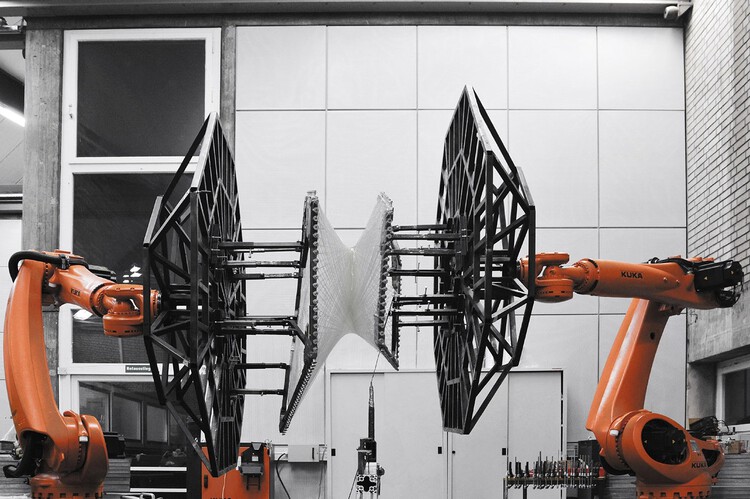
Which materials have taken center stage in the architectural discourse of 2025? Which projects have rediscovered new construction practices and methods through material innovation? While the future of building materials still appears uncertain, year after year, experimentation and research continue to reveal diverse practices, initiatives, and efforts dedicated to understanding their value and responsibility within the built environment. From agricultural waste that reduces carbon footprints to recycled plastics given new life, and living materials that engage with emerging technologies while reconnecting with nature, 2025 has highlighted and strengthened the role of architects as mediators between materials, disciplines, knowledge, and interests from diverse origins.


https://www.archdaily.com/1037330/from-material-intelligence-to-circularity-lessons-from-architecture-in-2025Agustina Iñiguez
How Asia Built Schools in 2025: 5 Site-Sourced Rural Projects

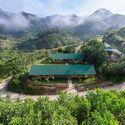
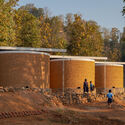
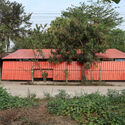
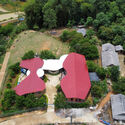
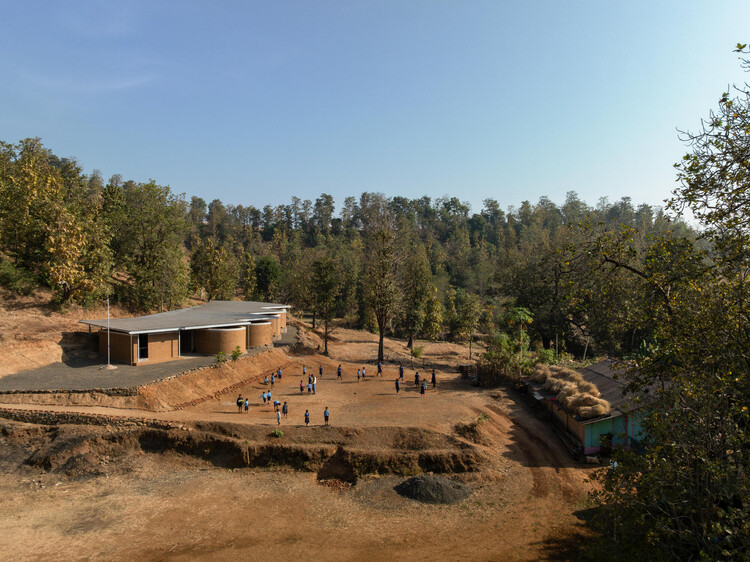
In the mountainous regions of Vietnam, the borderlands of Thailand, and the rugged Western Ghats of India, building school projects remains a challenge defined by logistics. In areas where infrastructure and industrial supply chains are limited or distant, transporting each kilogram of material can significantly increase costs and logistical complexity. During 2025, several school projects in rural contexts in Asia showed how the architect's role often shifted from a designer of form to a strategist of procurement. The primary challenge was not merely aesthetic but a matter of durability: using locally available materials and protecting them from monsoon rains, high-velocity winds, and sometimes seismic instability.
https://www.archdaily.com/1037417/how-asia-built-schools-in-2025-5-site-sourced-rural-projectsMoises Carrasco
High Museum of Art Announces Touring Exhibition on Isamu Noguchi’s Design Work

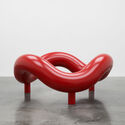
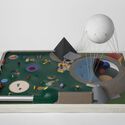
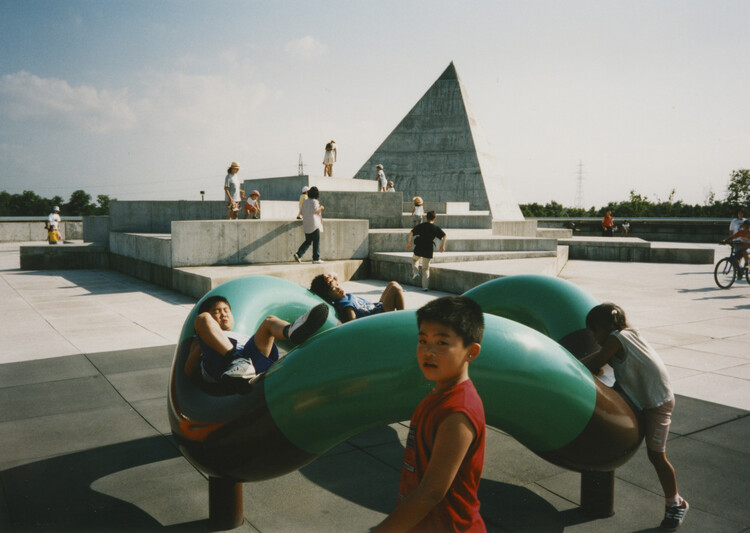
The High Museum of Art in Atlanta will present Isamu Noguchi: "I am not a designer" from April 10 to August 2, 2026. The exhibition examines the design work of Isamu Noguchi (1904–1988) across sculpture, furniture, lighting, landscape, and stage design, marking his first major design-focused retrospective in nearly 25 years. Following its presentation in Atlanta, the exhibition will travel to the Peabody Essex Museum in Salem, Massachusetts, from September 19, 2026, to January 3, 2027, and to the Memorial Art Gallery of the University of Rochester in spring 2027.
https://www.archdaily.com/1037483/high-museum-of-art-announces-touring-exhibition-on-isamu-noguchis-design-workReyyan Dogan
Who Owns Public Space? Three Active Models of Shared Management Shaping Urban Commons in Europe and New York

Public space is often understood as belonging to no one in particular, collectively accessible yet institutionally maintained, yet a growing number of initiatives are challenging this assumption by testing shared management and distributed ownership models. In Paris, Adoptez un banc introduces a sponsorship-based approach, allowing individuals and groups to support temporarily and symbolically claim responsibility for historic public furniture without compromising its collective use. Elsewhere in the city, community gardens operating under the Main Verte framework demonstrate a self-managed model, in which public and private landowners retain ownership while delegating day-to-day control to citizen associations for food production and shared use. In New York, Common Corner represents a third pathway, based on institutional collaboration and participatory design, where public agencies, nonprofits, designers, and residents co-produce public space within a public housing context. Taken together, these three cases suggest that care, authorship, and responsibility can be distributed across citizens and institutions, producing more resilient, locally grounded urban environments.
https://www.archdaily.com/1037479/who-owns-public-space-three-active-models-of-shared-management-shaping-urban-commons-in-europe-and-new-yorkAntonia Piñeiro
Indigenous Materials Towards an African Modernity: An Interview with Worofila
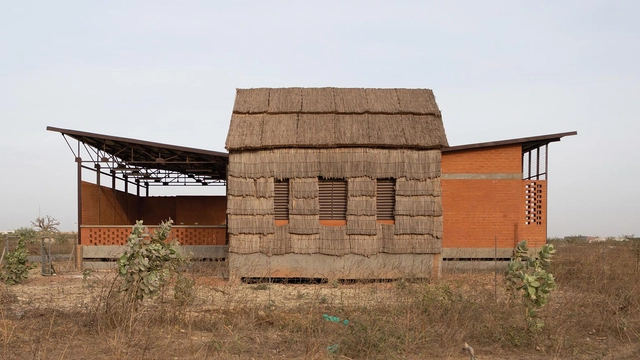
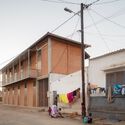
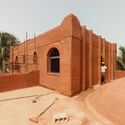
Founded by Senegalese architect Nzinga Mboup and French architect Nicolas Rondet, Worofila is a studio dedicated to bioclimatic and ecological architecture. Based in Dakar, Senegal, the firm explores the potential of vernacular materials like earth bricks and typha, applying modern techniques to create effective construction solutions. Their work addresses key issues of the environment, sustainability, and urbanization, merging traditional materials with innovative practices.
In this interview, Nzinga and Nicolas share their vision for a distinctly African modernity that integrates contemporary methods with traditional knowledge and resources. They advocate for a development approach that not only meets immediate needs but also empowers communities and fosters meaningful, long-term progress. Their insights provide a compelling perspective on how architecture can drive a more sustainable and contextually relevant future for African cities.



https://www.archdaily.com/1021081/indigenous-materials-towards-an-african-modernity-an-interview-with-worofilaRomullo Baratto
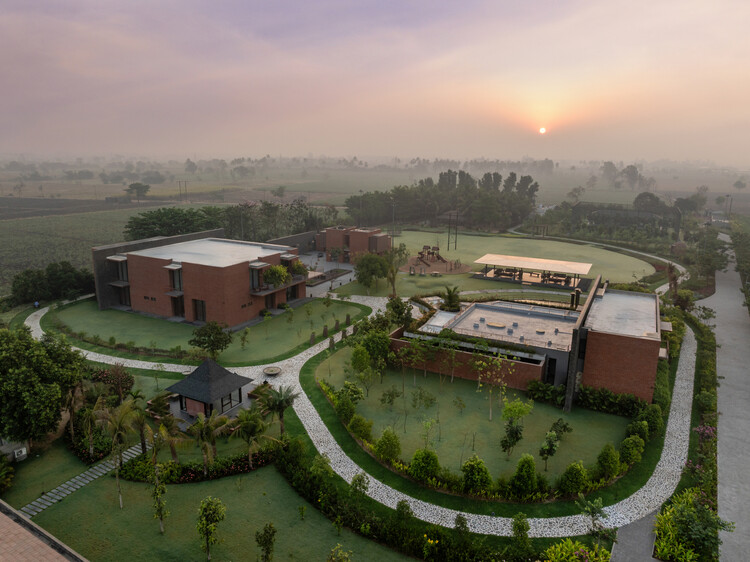
Small Practices, Big Ideas: Indian Studios Redefining Architectural Agency

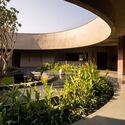
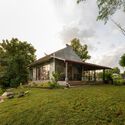
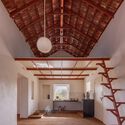
In contemporary architectural discourse, scale is often mistaken for influence. Large firms, landmark projects, and master-planned developments dominate visibility. It goes on to reinforce the idea that architectural ambition is measured by size, reach, or spectacle. Yet across India and similar contexts, a quieter but equally consequential body of work is emerging. It is led by small but mighty practices operating with limited resources, close client relationships, and an intimate understanding of local conditions.
https://www.archdaily.com/1037371/small-practices-big-ideas-indian-studios-redefining-architectural-agencyAnanya Nayak
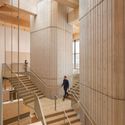
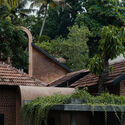
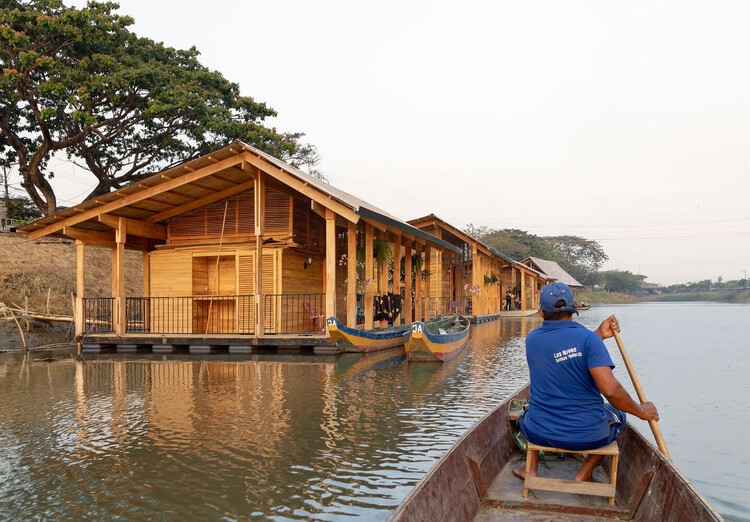
Architecture that Shapes Health: Lessons of Design and Well-Being in 2025
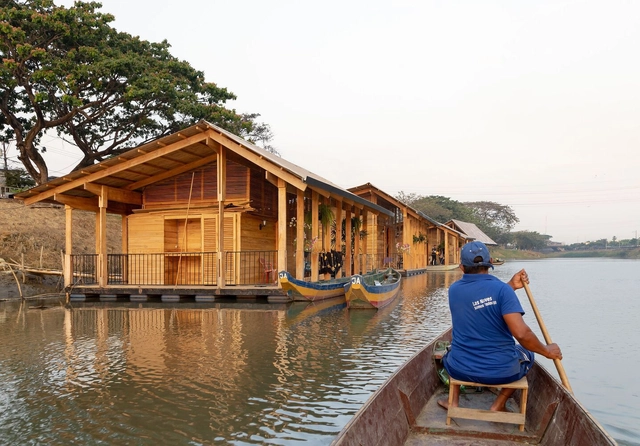
Health has become a central concern in architecture, planning, and design, driven by a growing awareness of how the built environment influences physical, mental, social, and environmental well-being. In 2025, this awareness moved beyond specialized building types or performance metrics and became central to architectural decision-making, informing how spaces are conceived, built, and inhabited across diverse contexts. Architects are no longer treating health as an external requirement but as an integral condition of everyday life.
https://www.archdaily.com/1037387/architecture-that-shapes-health-lessons-of-design-and-well-being-in-2025Olivia Poston
"Build Something That Disappears": Gabriela Carrillo on Public Space Design in Louisiana Channel Interview
In this interview with Louisiana Channel, Mexican architect Gabriela Carrillo introduces us to the challenges that drive her work, particularly the projects carried out as a member of Colectivo C733, in which she currently participates alongside Carlos Facio, José Amozurrutia, Eric Valdez, and Israel Espin. Through an exploration of her definition of architecture, she offers reflections on the design of public spaces, the relationship between architecture and land art, and the role of the preexisting in the transformation of space. She defends architecture as a "powerful tool" for fostering connections between people and their environment, defining her practice as optimistic.


https://www.archdaily.com/1026781/build-something-that-disappears-gabriela-carrillo-on-public-space-design-in-louisiana-channel-interviewAntonia Piñeiro