

This guide explains how to structure multi-image prompts in the RunDifussion platform. Explore RunDifussion's product catalog.
News
How to Prompt and Annotate Multiple Images with AI
| Sponsored Content
https://www.archdaily.comhttps://www.archdaily.com/catalog/us/products/38860/how-to-prompt-and-annotate-multiple-images-with-ai-rundiffusion
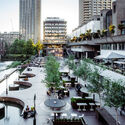
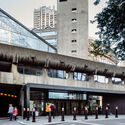
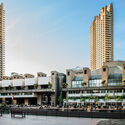
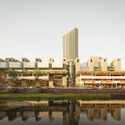
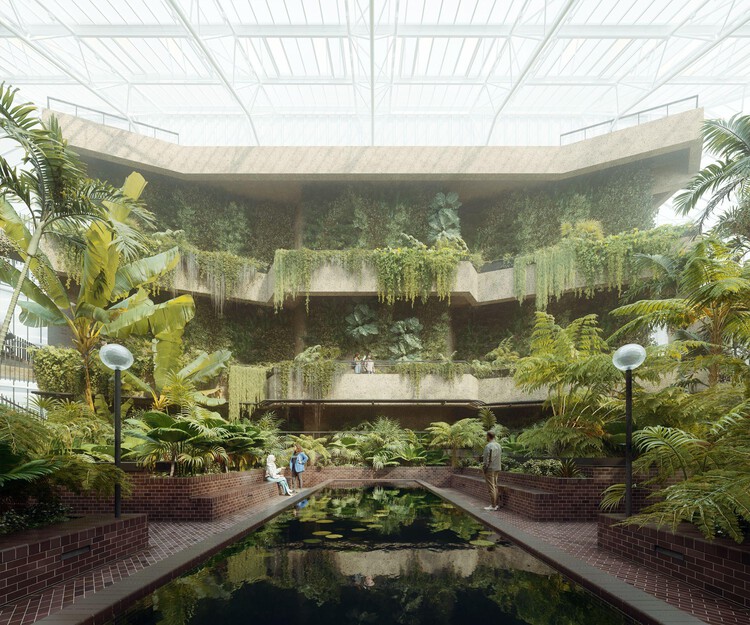
Barbican Center Renewal Program Moves Forward to Secure the Future of London’s Brutalist Legacy

The City of London Corporation has formally approved the delivery plan for the renewal of the Barbican Centre, confirming a £191 million investment to support the first five-year phase of a long-term transformation programme. Approved in December 2025, the decision secures funding for major repairs, infrastructure upgrades, and public space improvements across the Grade II-listed complex. Subject to planning permission, major construction is scheduled to begin in 2027, with completion of this phase targeted for 2030, ahead of the Barbican's 50th anniversary. To facilitate the works, most programmes within the Centre will pause for approximately one year between June 2028 and June 2029, while preparatory upgrades, including essential works to the Barbican Theatre, are set to begin in early 2026.
https://www.archdaily.com/1037394/barbican-center-renewal-program-moves-forward-to-secure-the-future-of-londons-brutalist-legacyReyyan Dogan
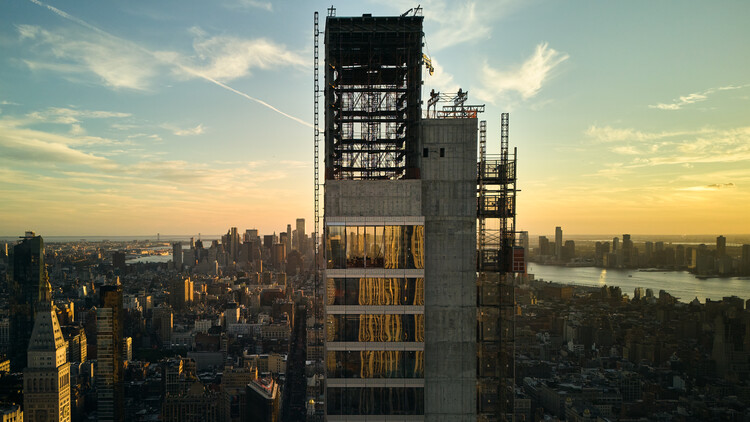
Meganom Nears Completion of 262 Fifth Avenue Residential Skyscraper in New York City

Moscow-based architecture, urban design, and research practice Meganom is nearing completion of its residential skyscraper at 262 Fifth Avenue in Manhattan, New York City. Designed for client Five Points Development, the project dates back to 2015 and brings together an international team that includes Norm Architects as interior architect, SLCE Architects as architect of record, and untitled architecture overseeing architectural supervision and project management. Rising 860 feet over 52 stories, the tower contains 26 residential units within approximately 140,000 square feet and draws conceptual inspiration from aeronautics, envisioning apartments as elevated "shelves" that frame expansive views of the city.


https://www.archdaily.com/1037382/meganom-nears-completion-of-262-fifth-avenue-residential-skyscraper-in-new-york-cityAntonia Piñeiro
Best Articles of 2025: Plural Practices, Environmental Responses, and an Architecture of Care
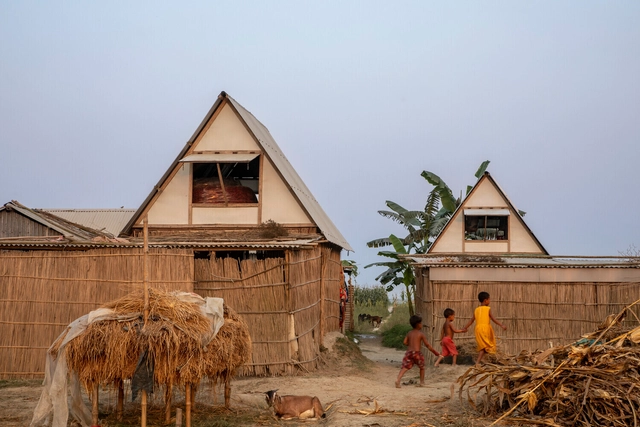
Across recent years, architectural discourse has been shaped by the emergence of new voices, rediscovered territories, and a growing commitment to shared forms of knowledge. These concerns remain fully present in 2025 as ongoing debates that continue to gain density and nuance. Questions of who produces architecture, from which contexts, and under what conditions remain central, increasingly informed by practices that operate collectively, across disciplines, and beyond singular authorship.
This continuity is reflected in how architecture is understood less as a finished object and more as an ongoing process embedded in social, cultural, and environmental systems. Discussions around agency, participation, and knowledge production persist, alongside sustained attention to rural, peripheral, and historically marginalized contexts. Rather than privileging a single scale or geography, architecture is approached as a practice that moves between territories, acknowledging the unequal conditions that shape how spaces are designed, built, maintained, and inhabited.



https://www.archdaily.com/1037263/best-articles-of-2025-plural-practices-environmental-responses-and-an-architecture-of-careRomullo Baratto
Shaping Desire: How Architects Redefine Commercial Spaces
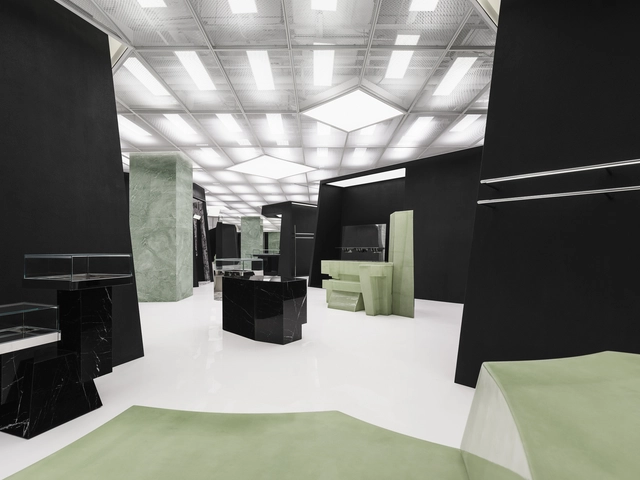
In contemporary architecture, commercial spaces have become more than points of sale; they are stages where identity, image, and experience converge. Stores, showrooms, and branded interiors often operate as laboratories where architects experiment with form, material, and light, translating corporate narratives into spatial experiences. In this context, the architect emerges as a mediator of desire, shaping atmospheres that guide perception, evoke emotion, and subtly influence behavior. This role reveals a complex intersection between design and capitalism: the creation of spaces that sell not only products, but also aspirations, lifestyles, and cultural meaning. By transforming commerce into an architectural performance, these projects invite reflection on how the discipline negotiates its agency in a world where visibility and image have become as essential as function.


https://www.archdaily.com/1037309/shaping-desire-how-architects-redefine-commercial-spacesDiogo Borges Ferreira
OODA Unveils House of Nassr Sports Complex, Its First Realized Project in Saudi Arabia
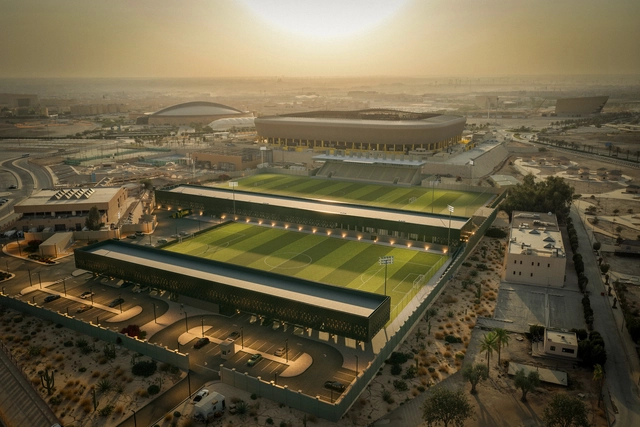
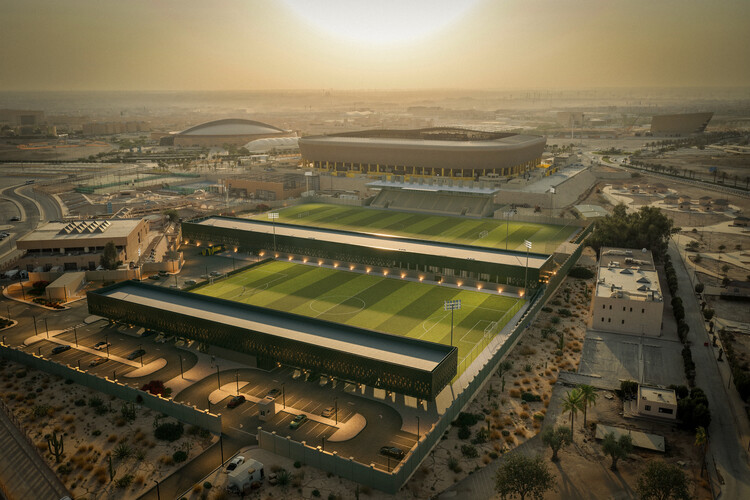
OODA announces the House of Nassr, a new integrated sports complex designed for Al Nassr FC in Riyadh, Saudi Arabia. Planned as a comprehensive facility supporting both athletic performance and club operations, the project brings together a high-performance training centre, administrative and media spaces, athlete support facilities, and social areas, with a hotel scheduled for a second phase of development. The complex occupies an area of approximately 4,000 square meters. While the overall project remains ongoing, the first phase has been completed in 2025, marking OODA's first realized project in Saudi Arabia.

https://www.archdaily.com/1037353/ooda-unveils-house-of-nassr-sports-complex-its-first-realized-project-in-saudi-arabiaReyyan Dogan
“Supertall for All”: Powerhouse Company Proposes Equitable Mixed-Income Skyscraper in New York City
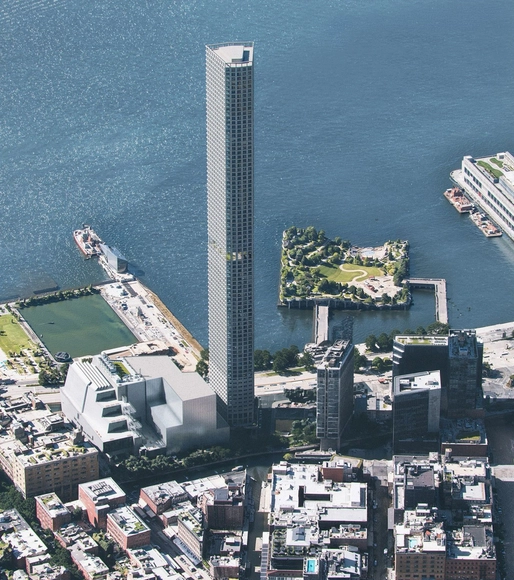
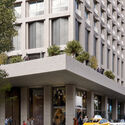
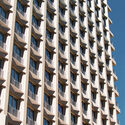
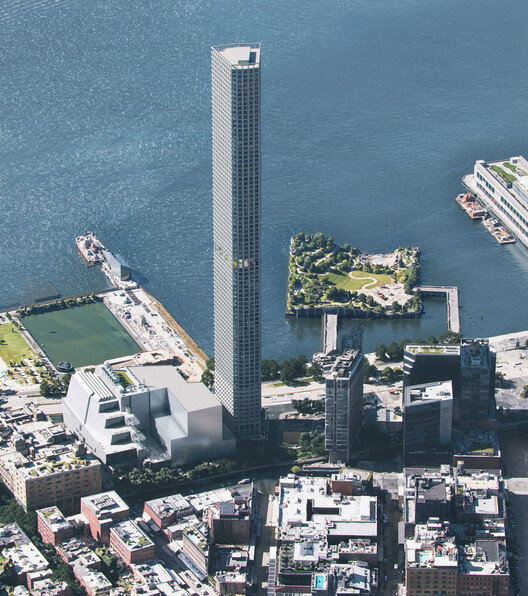
In January 2025, New York City Mayor and the New York City Economic Development Corporation (NYCEDC) announced new steps in the reimagining of Gansevoort Square, a 66,000-square-foot site located on Little West 12th Street between Washington Street and 10th Avenue in Manhattan's Meatpacking District. The redevelopment of the site aims to integrate a mix of affordable housing for New Yorkers, new retail space for residents and visitors, and opportunities to expand the Whitney Museum of American Art and the High Line. The Request for Proposals outlined a vision for up to 600 units of mixed-income housing, with a goal of 50 percent of the total units being permanently affordable, along with ground-floor commercial space. International architectural practice Powerhouse Company recently revealed its competition proposal, exceeding these demands with 1,000 rental homes in a supertall tower, half affordable and half market-rate, mixed equally throughout the building's full height.


https://www.archdaily.com/1037342/supertall-for-all-powerhouse-company-proposes-equitable-mixed-income-skyscraper-in-new-york-cityAntonia Piñeiro
New Life for Old Spaces: Buildner Announces Results of Its First Annual Re-Form Competition
| Sponsored Content

Buildner has announced the results of its Re-Form: New Life for Old Spaces, an international ideas competition examining the adaptive reuse of small-scale existing buildings. The competition invited architects and designers to propose transformations of used, abandoned, or overlooked structures with an approximate footprint of 250 square meters, located anywhere in the world. With no fixed site or program, participants were encouraged to explore alternatives to demolition and new construction through reuse strategies grounded in contemporary social and environmental concerns.
As an open-format competition, Re-Form foregrounded sustainability, feasibility, and community impact over formal or typological constraints. Submissions ranged from precise urban insertions to more speculative rural interventions, reflecting a broad range of approaches to working with existing fabric. Many projects focused on how limited, often marginal spaces could be reactivated to support new forms of collective use while responding to material, climatic, and ecological conditions.
https://www.archdaily.com/1037011/new-life-for-old-spaces-buildner-announces-results-of-its-first-annual-re-form-competitionRene Submissions
Housing Affordability Drives New Limits on Short-Term Rentals Across European Cities

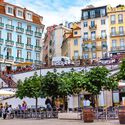
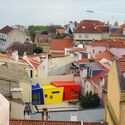
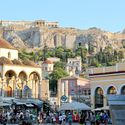
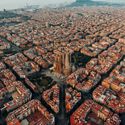
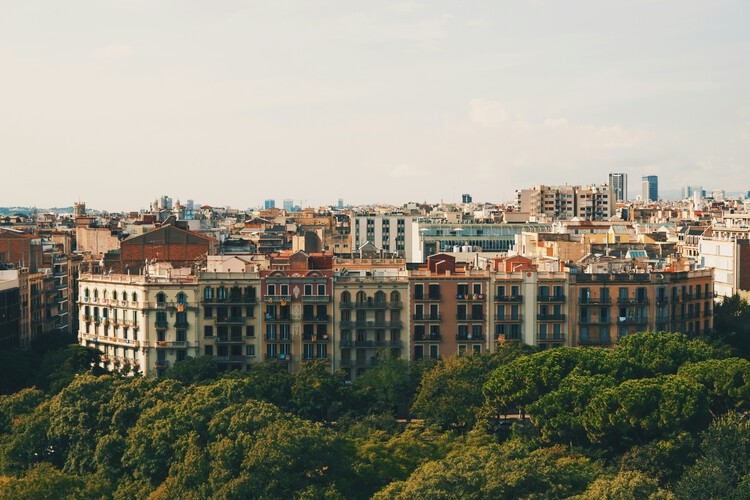
Across Europe's major tourist cities, housing affordability has increasingly emerged as one of the most pressing urban challenges, prompting governments to reassess the role of short-term rentals within residential neighborhoods. In Barcelona, Mayor Jaume Collboni recently announced plans to phase out tourist short-term rentals entirely by 2028, framing the decision as part of a broader effort to protect residents' right to remain in the city. The announcement coincides with a €64 million fine imposed by the Spanish government on Airbnb for advertising unlicensed properties, placing Spain at the center of an intensifying debate over how tourism-driven accommodation models intersect with housing access, inequality, and urban stability.
https://www.archdaily.com/1037308/housing-affordability-drives-new-limits-on-short-term-rentals-across-european-citiesReyyan Dogan
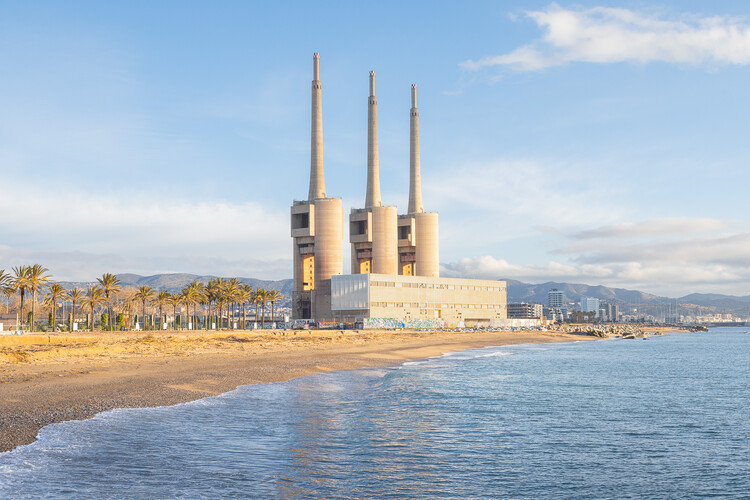
The UIA World Congress of Architects 2026 Barcelona Unveils Program and Speakers

The UIA World Congress of Architects is an international event for architectural dialogue organised by the International Union of Architects (UIA, by its French acronym), a non-governmental organisation that unites national associations of architects from over 100 countries, representing more than one million professionals. The first UIA Congress of Architects, which also marked the institution's founding, was held in Lausanne in 1948 during the post-war reconstruction period. Since then, UIA congresses have been held every three years in a different city within a member country, serving as the organisation's main recurring event. In 2026, the Congress will be held in Barcelona, and UNESCO has consequently designated the city as the World Capital of Architecture 2026. Each Congress focuses on a key topic relevant to the profession, articulated through a central theme. Recent themes include Copenhagen 2023: "Sustainable Futures. Leave no one behind." and Rio 2020–2021: "All the worlds. Just one World." The topic for 2026 is "Becoming. Architectures for a Planet in Transition," welcoming renowned figures in contemporary architectural thought and practice for a broad and critical overview of the possible futures of architecture.
https://www.archdaily.com/1037302/the-uia-world-congress-of-architects-2026-barcelona-unveils-program-and-speakersAntonia Piñeiro
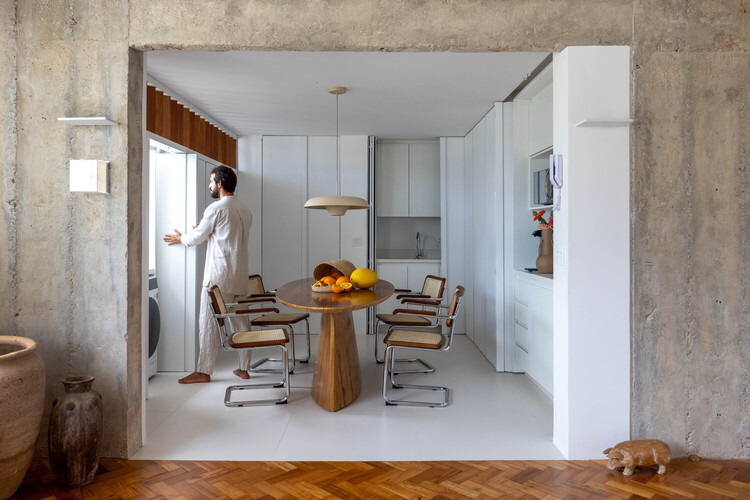
Renovation and Everyday Life: How Latin American Architecture Reinvents Existing Spaces

Across Latin America, renovation has become less about preservation alone and more about responding to changing ways of living. Rather than freezing buildings in time, many contemporary projects work with existing structures to adapt them to new domestic routines, social dynamics, and spatial needs. Through strategic changes in materials, composition, color, and light, these interventions reinterpret everyday spaces while maintaining a strong connection to their original context.
In this process, houses and apartments become sites of transformation where flow, continuity, and shared spaces are carefully reconsidered. Renovation operates as a precise architectural tool, one that prioritizes natural light, openness, and flexibility to support daily life as it evolves. Instead of imposing new forms, these projects repurpose what is already there, aligning spatial decisions with the habits and rituals of those who inhabit them.



https://www.archdaily.com/1037171/renovation-and-everyday-life-how-latin-american-architecture-reinvents-existing-spacesDaniela Andino
The Power of Restraint: Philippe Malouin on Minimalism, Material, and the HUM Collection
| Sponsored Content

Communicating an idea using only the essentials is a far greater challenge than it often appears. From Japanese haikus to the refined sculptures of Constantin Brâncuși, many artistic expressions have sought to condense the maximum meaning with the minimum of elements. This economy of form is not a sign of scarcity, but of intensity: every stroke, every word, every silence gains weight. There is something intrinsically appealing in what presents itself as simple and well-resolved, whether it is a text that wastes no words, a tennis player who moves with purposeful gestures, or a melody that is both direct yet unexpectedly profound.
That same principle, which transcends various artistic languages, resonates deeply in contemporary design. When reduced to the essential, furniture or everyday objects reveal a form of beauty that arises from precision and transcends their function. This is exemplified by HUM, the new collection of taps developed by designer Philippe Malouin for QuadroDesign, in which a simple gesture is transformed into a complete language.
https://www.archdaily.com/1034358/precision-purity-and-the-poetics-of-stainless-steel-for-contemporary-bathroomsEduardo Souza
Building Optimism: Lessons from Climate Adaptation in 2025

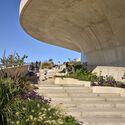
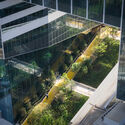
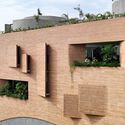
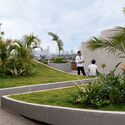
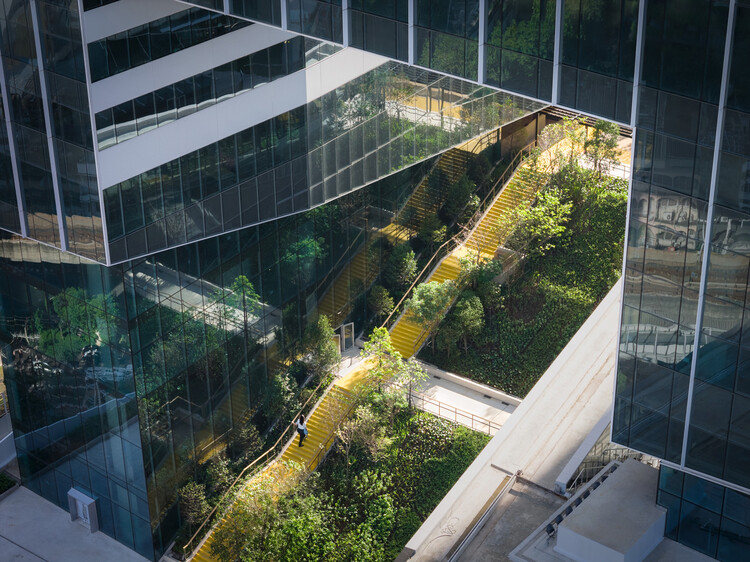
Climate risk is a shared global condition, marked by intensifying heat, water scarcity, flooding, and ecological loss that no border can contain. In 2025, these pressures sharpened a collective awareness that government pledges and international agreements are not keeping pace with lived realities. Across geopolitical contexts, the tension is immediate and structural, revealing gaps between policy ambition and material change. This moment has exposed a growing reliance on disciplines outside formal structures to respond quickly, intelligently, and with accountability.
https://www.archdaily.com/1037049/building-optimism-lessons-from-climate-adaptation-in-2025Olivia Poston
Rural Futures: The Projects and Installations That Reimagined the Countryside in 2025

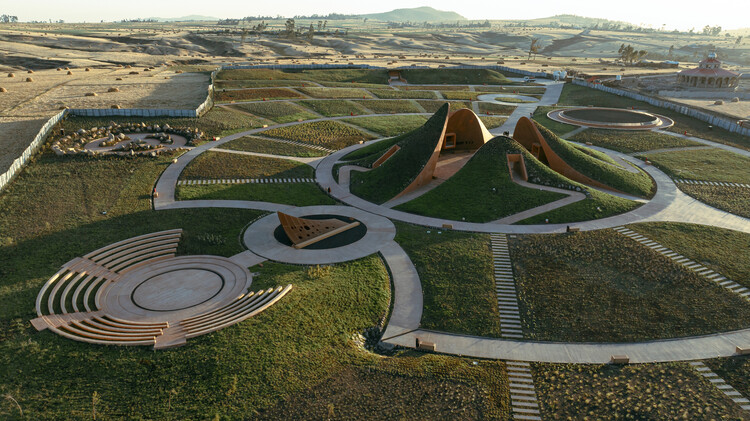
For several years now, the countryside has ceased to function merely as a picturesque counterpoint to the city and has instead become an active laboratory for new relationships between territory, landscape, and people. Here, environmental urgency meets collective memory; ancestral techniques converse with architectural experimentation; and local communities act as curators of their own territory. Contemporary rurality emerges less as a geography and more as a culture—inscribed in ways of life that care for the environment.
It is a vast rural expanse spread across the planet, assuming different expressions depending on context—from Asian rice fields to African agricultural settlements, from small European farms to the large estates and agro-extractive communities of the Americas. Yet, beneath this plurality, is there something that unites them? And, more importantly, how might architecture illuminate this quiet thread?

https://www.archdaily.com/1036760/rural-futures-the-projects-and-installations-that-reimagined-the-countryside-in-2025Camilla Ghisleni
The 100 Best Latin American Houses of 2025
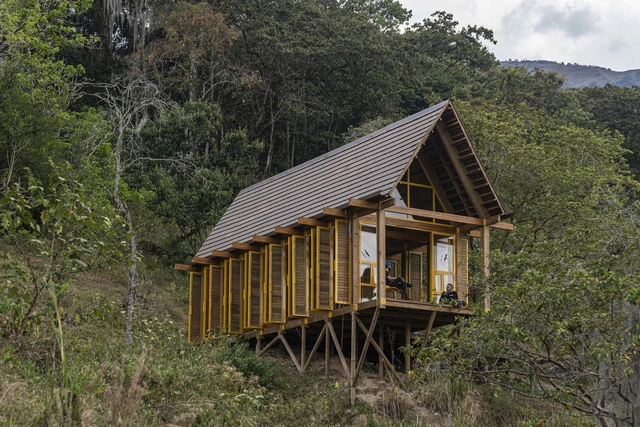
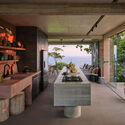
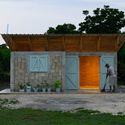
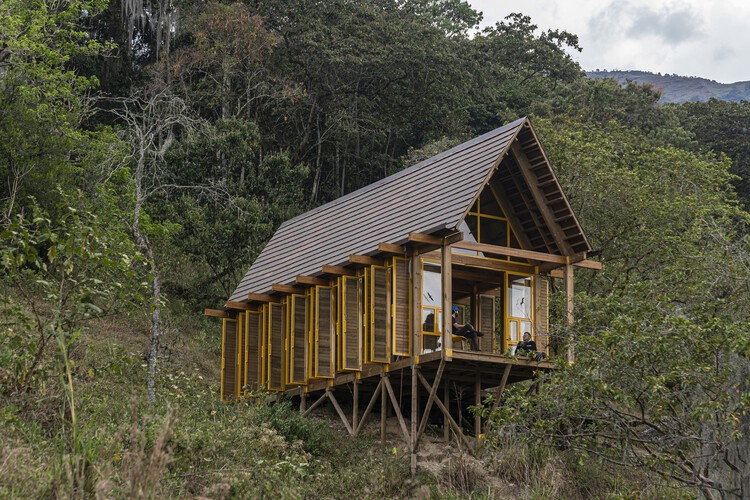
Each year, the ArchDaily Curatorial team reviews the projects that resonated most with our readers, identifying the architectural trends and design approaches that captured the greatest attention throughout the year. Across our local sites – ArchDaily Brasil and ArchDaily en Español – residential architecture remains the most popular category, with projects built in Latin America standing out year after year.
This year's selection of Best Latin American Houses brings together both renovations and ground-up projects, covering reinterpretations of local construction techniques and innovative architectural responses. The works are set in a wide range of contexts, from dense urban environments to rural and coastal landscapes.
https://www.archdaily.com/1037033/the-100-best-latin-american-houses-of-2025Susanna Moreira & Valentina Díaz
Bechu & Associés Wins Competition for Hunnu City Master Plan, Supporting Mongolia’s Vision 2050

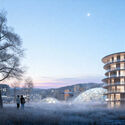
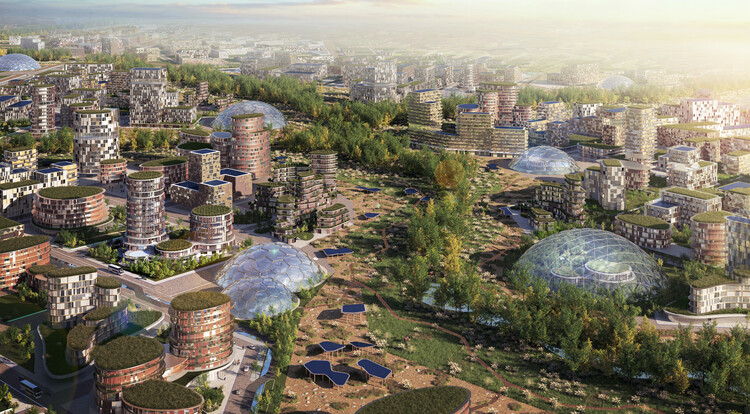
Bechu & Associés has been selected as the winner of the international open competition for the masterplan of Hunnu City, a new satellite city planned south of Ulaanbaatar, Mongolia. Announced in 2025, the winning proposal establishes a long-term urban framework for a 31,503-hectare site located near Chinggis Khaan International Airport, with phased development planned between 2025 and 2045. The project forms part of Mongolia's broader territorial strategy under the Ulaanbaatar 2040 Master Plan and the national Vision 2050 framework, positioning Hunnu City as a new emerging major city intended to support population decentralization, economic diversification, and long-term urban resilience.

https://www.archdaily.com/1037250/bechu-and-associes-wins-competition-for-hunnu-city-master-plan-supporting-mongolias-vision-2050Reyyan Dogan
Kéré Architecture and SOM Unveil New Images of the Future Las Vegas Museum of Art
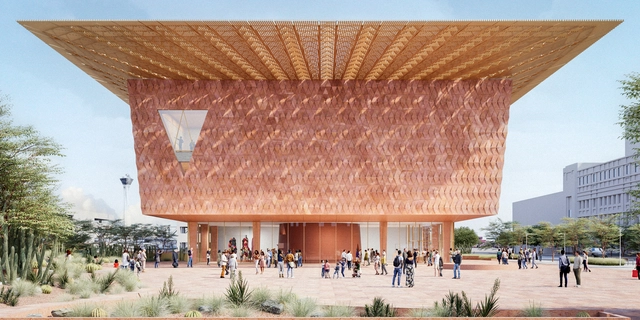
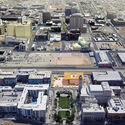
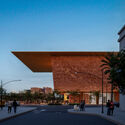
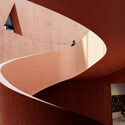
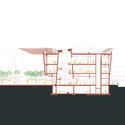
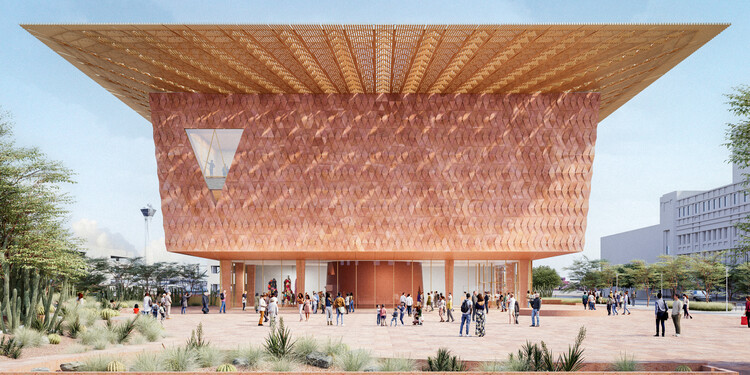
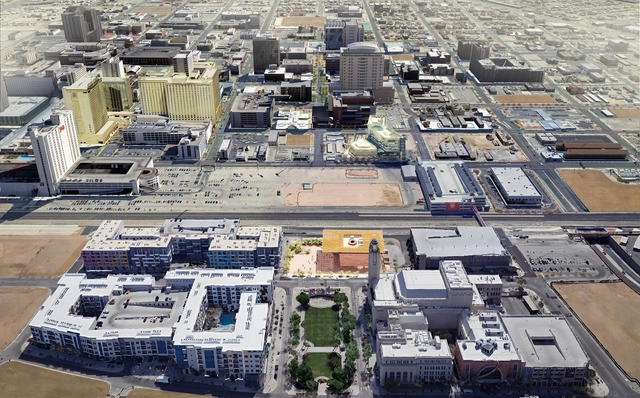
The future Las Vegas Museum of Art (LVMA) will be the city's first stand-alone museum, designed by Pritzker Prize-winning architect Francis Kéré. In fall 2024, the City of Las Vegas granted LVMA two acres of land in Symphony Park, neighboring the city's downtown arts district, as part of a public-private partnership. The project is intended to serve the city's more than 2.4 million year-round residents, including nearly 300,000 students living within a 10-mile radius of the park, as well as tens of millions of visitors from around the globe. The 60,000-square-foot building was designed by Kéré Architecture, which teamed up with Skidmore, Owings & Merrill (SOM) to provide Las Vegas with "a gathering place for community and a beacon for the cultural world," and is scheduled to open in 2029.
https://www.archdaily.com/1037235/kere-architecture-and-som-unveil-new-images-of-the-future-las-vegas-museum-of-artAntonia Piñeiro
The Invisible City: India's Urban Infrastructure Projects of 2025 That Deserve Attention
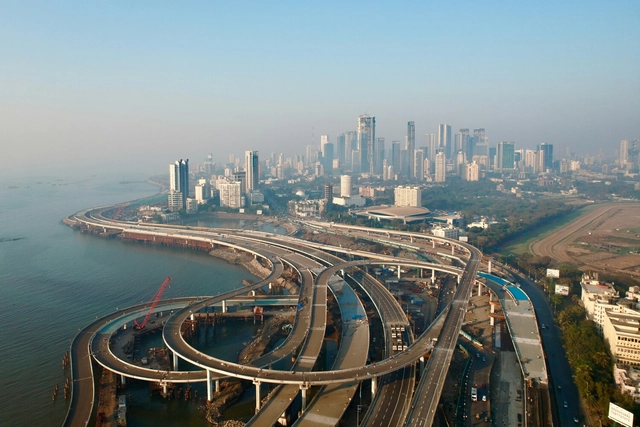
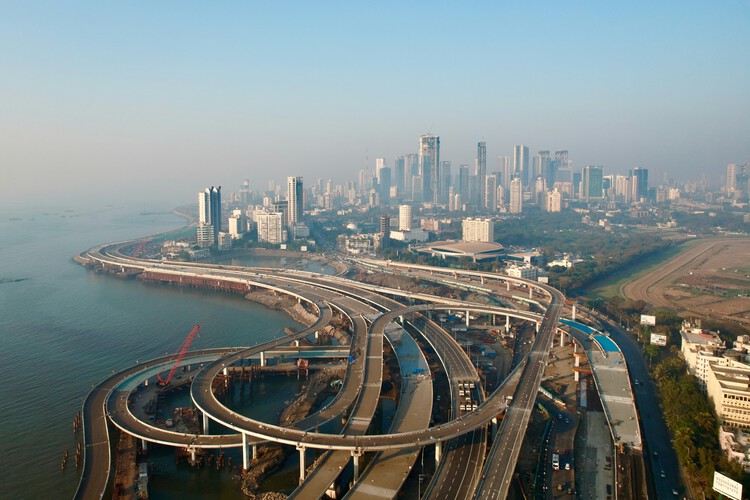
In 2025, India's most consequential design projects unfolded largely out of sight. While public attention gravitated toward museums, cultural landmarks, and visually arresting façades, the architecture that most decisively shaped daily life existed underground, at the city's edges, or inside secured compounds few citizens would ever enter. Sewage networks were rebuilt, flood tunnels bored beneath dense neighborhoods, substations lifted above floodplains, and data centers multiplied across peri-urban landscapes. These were not peripheral works of engineering; they were the spatial systems that allowed Indian cities to remain functional through record heatwaves, erratic monsoons, and accelerating urban growth.



https://www.archdaily.com/1036992/the-invisible-city-indias-urban-infrastructure-projects-of-2025-that-deserve-attentionAnanya Nayak
Redefining an Industrial Landmark: Bratislava’s Next Urban Chapter
| Sponsored Content

Bratislava, the rapidly developing capital of Slovakia—located in the heart of Europe—continues to strengthen its presence on the European architectural map. As a growing hub of contemporary design—already home to projects by Zaha Hadid Architects, Massimiliano & Doriana Fuksas, Stefano Boeri, Studio Egret West, and Snøhetta—the city has now reached another important milestone: an international architectural and urban design competition has been announced to shape the future of Zváračák, one of the last major brownfield sites near the city center.
https://www.archdaily.com/1036975/redefining-an-industrial-landmark-bratislavas-next-urban-chapterRene Submissions
The Best Interviews of 2025: Architecture’s Year of Reflection, Repair, and Optimism

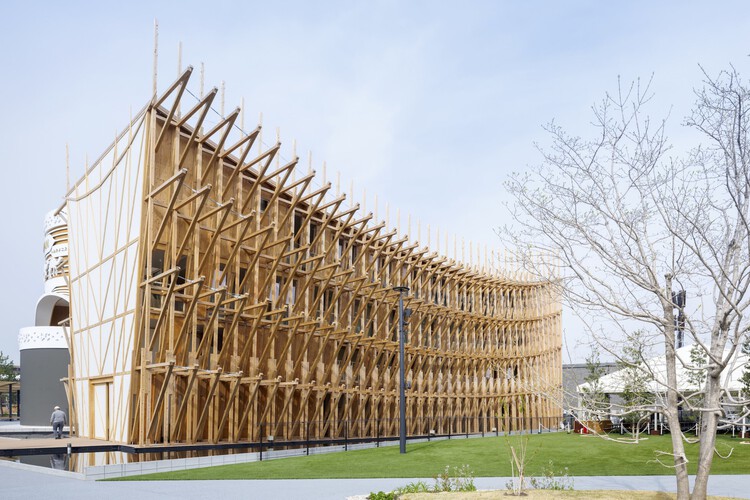
In 2025, the architectural field has been marked by a dense calendar of exhibitions, a measured slowdown in construction across multiple regions, and a period of reflection that scrutinizes the impact of intelligence (artificial and natural)—both on professional practice and workplace culture, as well as its use as a pedagogical tool. Over this calendar year, ArchDaily has published more than 30 interviews in a range of formats—Q&As, in-person conversations, video features, and more. These exchanges have engaged themes of sustainability and nature, housing and urban development, AI and intelligence, adaptive reuse and public life, and have closely followed major exhibition platforms including the Venice Biennale, Expo 2025 Osaka, Milan Design Week, Concéntrico, and others.



https://www.archdaily.com/1037009/the-best-interviews-of-2025-architectures-year-of-reflection-repair-and-optimismJonathan Yeung
Hotels That Belong to Their Landscape: Contextual Architecture and the Future of Hospitality
| In Collaboration
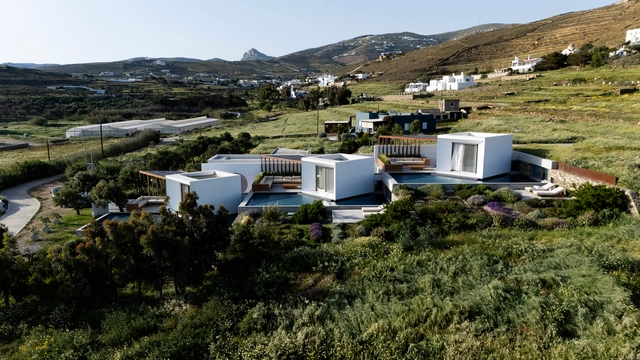
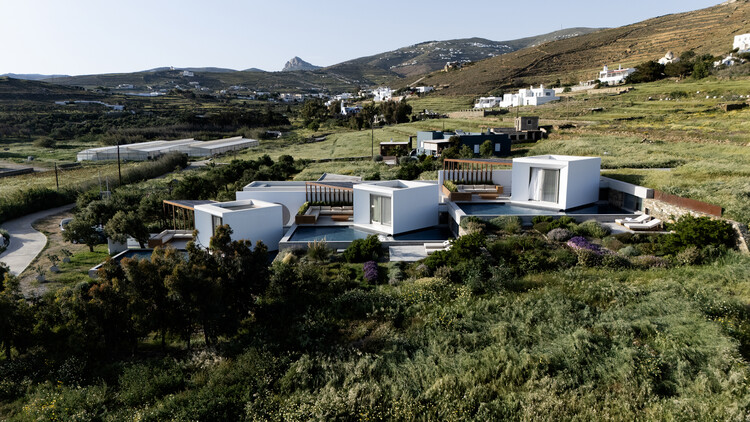
Amid countless questions, reflections, and debates about rethinking what a hotel can be, current hotel architecture faces growing complexities that span user experience, environmental responsibility, and the relationship with local context. Contemporary hotel design shows a clear—and increasingly prominent—intention to blend seamlessly and harmoniously with its surroundings, building a sense of identity that responds to local cultures, traditions, and character. The interconnection with nature, along with the reinterpretation of hotels as spaces for engaging with their surroundings, creates a direct relationship that expands their boundaries beyond the history and origins of the many practices that have shaped—and continue to define—their local characteristics and philosophy of life.
In a time when many hotels are designed to look like destinations, the real challenge is to design hotels that grow from their destination. But how can large-scale urban projects be integrated into sensitive landscapes without overpowering them? How is it possible to build with density while preserving a sense of intimacy and create identity in places that already carry strong local character?


https://www.archdaily.com/1036191/hotels-that-belong-to-their-landscape-contextual-architecture-and-the-future-of-hospitalityAgustina Iñiguez
London’s National Gallery Expansion and Lina Ghotmeh’s Mathaf Campus Project: This Week’s Review
This week's architectural news reflects a broad engagement with how institutions, practitioners, and cultural platforms are positioning themselves in relation to both legacy and long-term change. Across museums, galleries, and major cultural events, architecture is being framed as an evolving public infrastructure, one that must respond to expanding collections, shifting curatorial models, and growing expectations around accessibility, sustainability, and civic presence. Alongside these institutional developments, professional recognitions and appointments have foregrounded practices rooted in site specificity, conservation, and critical research, highlighting architecture's role in mediating between historical contexts and contemporary needs.


https://www.archdaily.com/1037182/londons-national-gallery-expansion-and-lina-ghotmehs-mathaf-campus-project-this-weeks-reviewReyyan Dogan
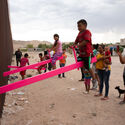
On International Migrants Day: A Look at Architectural Responses to Displacement

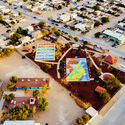
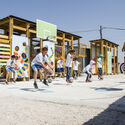
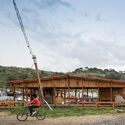
December 18 marks the United Nations' International Migrants Day, which aims to highlight the need for safer, fairer, and more inclusive migration systems. Proclaimed on December 4, 2000, the day seeks to recognize the multiple dimensions of migration beyond its economic and humanitarian aspects. According to the UN, mounting evidence indicates that international migration is beneficial for both countries of origin and destination. In this sense, International Migrants Day offers an opportunity to spotlight the value of the possibility to migrate and the contributions of millions of migrants worldwide to the cities and cultures in which they are integrated.
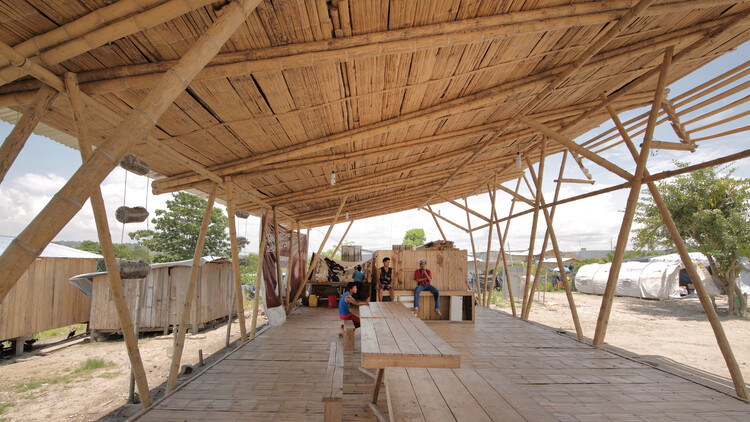
Aligned with this perspective, the UN's 2025 theme, "My Great Story: Cultures and Development," emphasizes how human mobility drives growth, enriches societies, and helps communities connect, adapt, and support one another. At the same time, International Migrants Day also acknowledges the increasingly complex environment in which migration occurs. Conflicts, climate-related disasters, and economic pressures continue to force millions of people from their homes in search of safety or opportunity. From both perspectives, it is essential to recognize the role of architecture in building integrated, multicultural communities and in responding to the conditions that lead people to migrate from their territories in the first place.
https://www.archdaily.com/1037173/on-international-migrants-day-a-look-at-architectural-responses-to-displacementAntonia Piñeiro
Architectural Authorship in the Age of the Collective Practices

This article is part of our new Opinion section, a format for argument-driven essays on critical questions shaping our field.
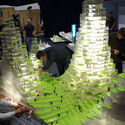
Who designs architecture today? In a professional landscape increasingly defined by collaborative workflows, generative software, and distributed teams, the figure of the architect as a singular creative author feels both anachronistic and inadequate. This article argues that architectural authorship is no longer an individual act, but a collective and distributed condition shaped by institutions, technologies, and shared forms of labor. The transition from individual to collective authorship is not simply a consequence of larger offices or digital tools; it signals a deeper structural shift in how architecture is produced, communicated, and validated.


https://www.archdaily.com/1032507/architectural-authorship-in-the-age-of-the-collective-practicesDiogo Borges Ferreira
Christ & Gantenbein Win International Competition for New Museum at Kistefos, Norway
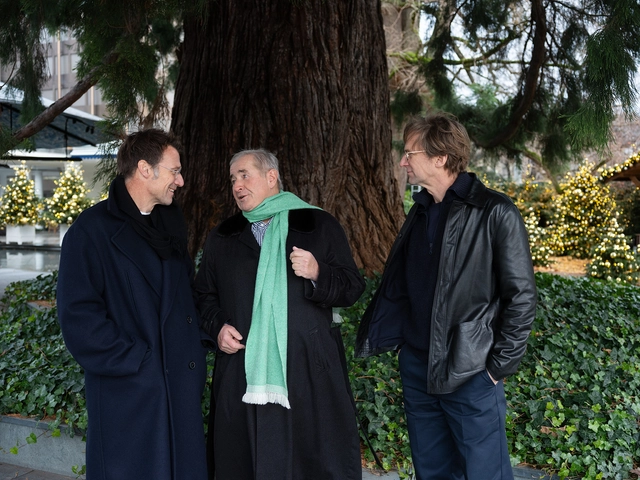
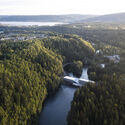
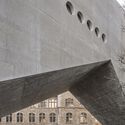
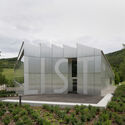
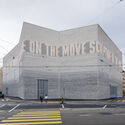
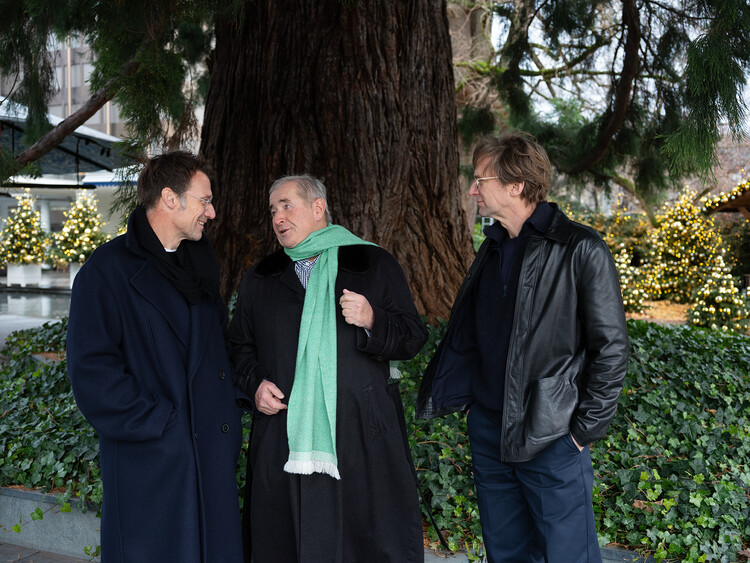
Kistefos Museum has announced Swiss architectural practice Christ & Gantenbein as the winner of its international design competition for a new museum building at the Kistefos site in Jevnaker, approximately one hour north of Oslo. Conceived as a significant new addition to one of Europe's leading sculpture parks and cultural destinations, the project is scheduled to open in 2031 and will house the art collection of Kistefos founder and collector Christen Sveaas through the Christen Sveaas Art Foundation. Following the announcement, Christ & Gantenbein will now work with Kistefos Museum to further develop the concept design toward realization.
https://www.archdaily.com/1037114/christ-and-gantenbein-win-international-competition-for-new-museum-at-kistefos-norwayReyyan Dogan