

This guide explains how to structure multi-image prompts in the RunDifussion platform. Explore RunDifussion's product catalog.
News
How to Prompt and Annotate Multiple Images with AI
| Sponsored Content
https://www.archdaily.comhttps://www.archdaily.com/catalog/us/products/38860/how-to-prompt-and-annotate-multiple-images-with-ai-rundiffusion
Christ & Gantenbein Win International Competition for New Museum at Kistefos, Norway
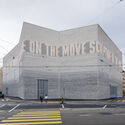
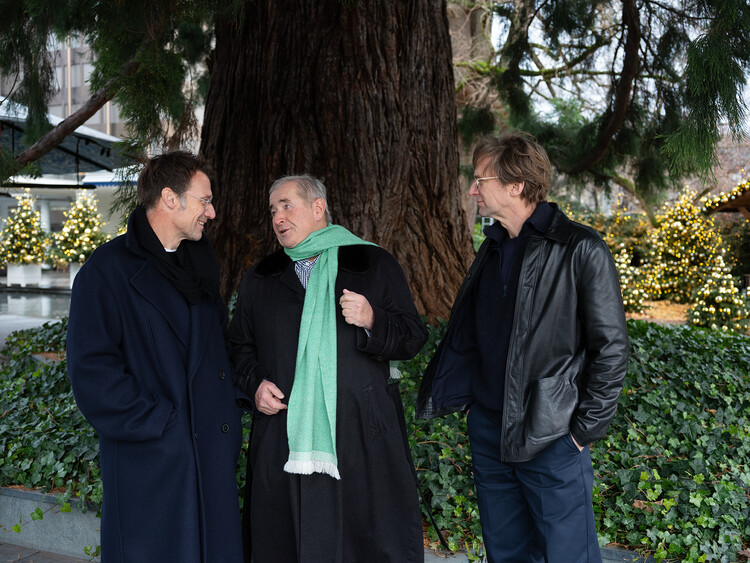
Kistefos Museum has announced Swiss architectural practice Christ & Gantenbein as the winner of its international design competition for a new museum building at the Kistefos site in Jevnaker, approximately one hour north of Oslo. Conceived as a significant new addition to one of Europe's leading sculpture parks and cultural destinations, the project is scheduled to open in 2031 and will house the art collection of Kistefos founder and collector Christen Sveaas through the Christen Sveaas Art Foundation. Following the announcement, Christ & Gantenbein will now work with Kistefos Museum to further develop the concept design toward realization.
https://www.archdaily.com/1037114/christ-and-gantenbein-win-international-competition-for-new-museum-at-kistefos-norwayReyyan Dogan
Joaquim Moreno Appointed Chief Curator of the 8th Lisbon Architecture Triennale

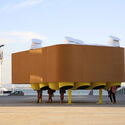
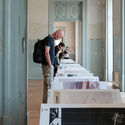
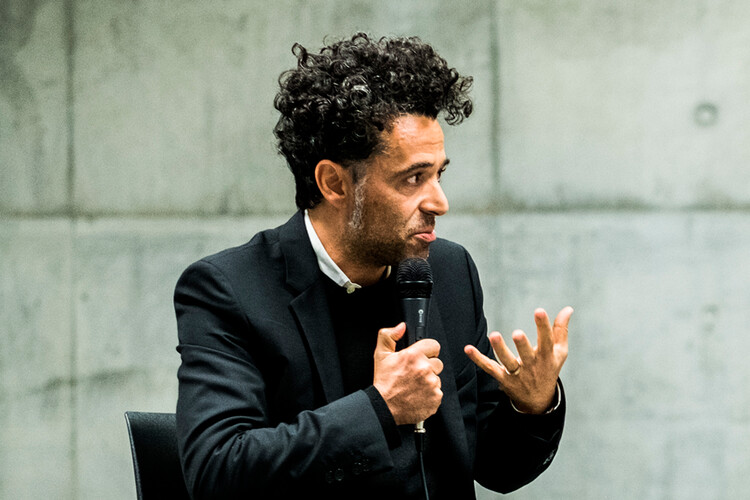
The 8th edition of the Lisbon Architecture Triennale is scheduled to take place in the autumn of 2028. As in previous editions, the curatorial process begins three years in advance, allowing time to fully develop the project and build on the work of earlier Triennales. The 7th edition, curated by Ann-Sofi Rönnskog and John Palmesino, founders of Territorial Agency, ran from October 2 to December 8, 2025. It was structured around the question How heavy is a city?, proposing an understanding of cities not as fixed objects but as dynamic systems extending beyond urban boundaries into the atmosphere, oceans, and deep time. This approach was explored through three main exhibitions, Fluxes, Spectres, and Lighter, alongside a wider set of initiatives. With the 7th edition concluded, the Triennale has announced Portuguese architect and academic Joaquim Moreno as Chief Curator of the upcoming edition, responsible for developing a new curatorial project for the event.
https://www.archdaily.com/1037107/joaquim-moreno-appointed-chief-curator-of-the-8th-lisbon-architecture-triennaleAntonia Piñeiro
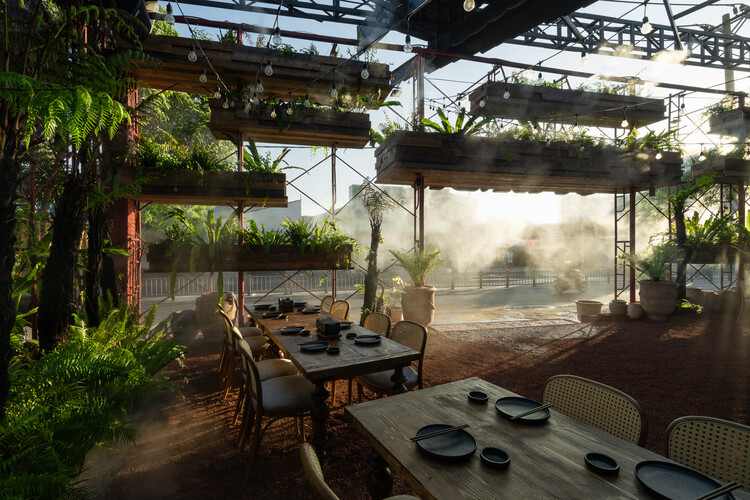
How Environments Shape Outdoor Dining Spaces: 24 Architectural Approaches
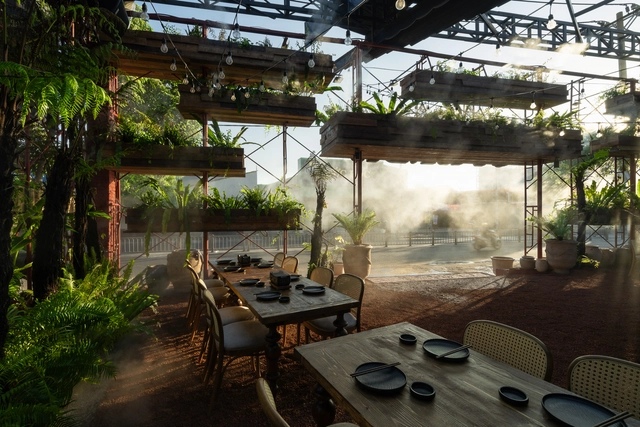
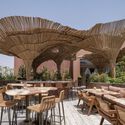
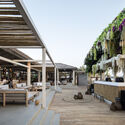
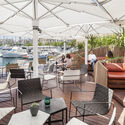
Outdoor terraces occupy a familiar threshold in cities around the world, operating as social rooms that sit between interior space and open air to host rituals of daily life. People meet to share a drink, watch the street's movement, or pause before returning to their routines. These places serve as cultural settings as much as commercial ones, revealing how hospitality and public life intersect to shape the city's character.
Climate influences these spaces more directly than almost any other design force, shaping how terraces function and how people inhabit them. Sun, wind, rain, and humidity guide decisions about orientation, shading, openness, and material selection. Each terrace becomes a negotiated space between human comfort and environmental pressure, and this negotiation can be read in every enclosure, surface, and spatial boundary.
https://www.archdaily.com/1036528/how-environments-shape-outdoor-dining-spaces-24-architectural-approachesOlivia Poston
Converging Architectural Trends in 2025: Circularity, Biomaterials, and Carbon-Conscious Design

The phenomenon known in biology as convergent evolution describes how distant species can develop similar structures when confronted with comparable challenges. Dolphins and ichthyosaurs, for example, are separated by millions of years of evolutionary history, yet both evolved nearly identical hydrodynamic bodies. Architecture has its own parallels: A-frame structures emerged independently in both the European Alps and Japan, even without direct cultural exchange, as spontaneous responses to snow, wind, and material scarcity.
https://www.archdaily.com/1037027/converging-trends-in-2025-architecture-circularity-biomaterials-and-carbon-conscious-designArchDaily Team
Extending the Lifespan of Materials: Circularity and Recyclability as Part of the Design
| In Collaboration

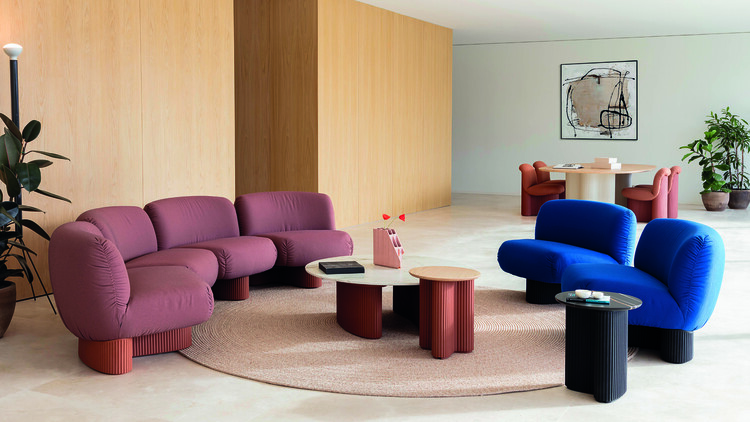
What is the current global outlook on the recyclability of materials used in architecture? To what extent are contemporary societies truly committed to reducing environmental impact? In the effort to live in balance with nature, replacing fossil fuels with renewable energy sources is one of the key strategies for cutting greenhouse gas emissions and addressing global warming. Looking to nature for inspiration as a way to protect it means creating designs that incorporate sustainability, circularity, and recyclability from the very first sketch. From building systems to surface finishes, the use of biomaterials in architecture reflects a mindset rooted in long-term responsibility for a material's full life cycle.



https://www.archdaily.com/1036758/extending-the-lifespan-of-materials-circularity-and-recyclability-as-part-of-the-designAgustina Iñiguez
Palestinian Architect Suad Amiry Wins 2025 Great Arab Minds Award in Architecture and Design

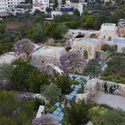
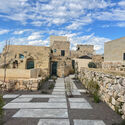
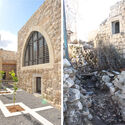
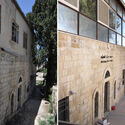
Palestinian architect Suad Amiry has been awarded the 2025 Great Arab Minds Award in the Architecture and Design category. Founder and director of the Riwaq - Centre for Architectural Conservation, Amiry was recognised for her long-standing work in documenting, preserving, and reusing Palestinian architectural heritage through conservation practices that link historic structures with contemporary community needs. Her approach positions architecture as both a repository of collective memory and an active social framework, emphasising the role of heritage in everyday urban and rural life.

https://www.archdaily.com/1037063/palestinian-architect-suad-amiry-wins-2025-great-arab-minds-award-in-architecture-and-designReyyan Dogan
Studioninedots Transforms a Former Tobacco Factory into a Mixed-Use Urban Complex in Groningen, Netherlands

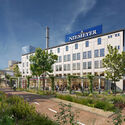
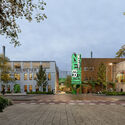
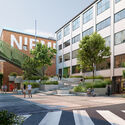
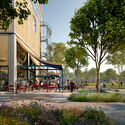
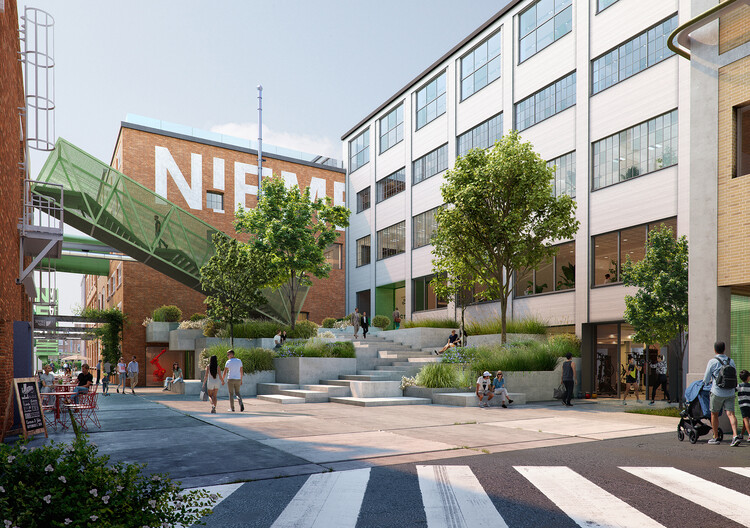
Studioninedots is leading the transformation of a 200-year-old tobacco factory site into Niemeyer, a mixed-use urban complex accommodating digital innovation, cultural venues, hospitality, education, and manufacturing within the existing industrial buildings. Located on Paterswoldseweg in Groningen, the Netherlands, the 38,000 m² project is commissioned by MWPO, with MWPO and Campus Groningen jointly acting as clients for the Shared Facilities. Currently in the design phase (2023–2025), the project's provisional timelines indicate a phased construction start beginning with the factory's southern section in 2026, followed by the northern section in 2027. The Amsterdam-based office's proposal opens the formerly closed industrial ensemble to the public, introducing cafés, galleries, workshops, and shared workspaces distributed across interior streets and adjacent park areas.
https://www.archdaily.com/1037048/studioninedots-transforms-a-former-tobacco-factory-into-a-mixed-use-urban-complex-in-groningenAntonia Piñeiro
In the Blink of an Eye: 60 Light Installations Illuminate a Citywide Gallery for Noor Riyadh 2025
| Sponsored Content

Noor Riyadh 2025 brought large-scale light installations to public sites across the Saudi Arabian capital, temporarily transforming transit hubs, historic districts, and significant landmarks into illuminated urban environments. From November 20 to December 6, 2025, Riyadh became a citywide gallery of light, motion, and shifting perception. The festival's fifth edition featured 60 artworks by 59 artists from 24 countries, including more than 35 new commissions, responding to the theme "In the Blink of an Eye." Through light as both medium and concept, the installations reinterpreted the capital's rapidly evolving architectural landscape and reflected how perception shifts in spaces shaped by heritage and ambitious urban development.
https://www.archdaily.com/1036858/in-the-blink-of-an-eye-60-light-installations-illuminate-a-citywide-gallery-for-noor-riyadh-2025Kiana Buchberger
RINA-Led Team With Zaha Hadid Architects Wins Malpensa Hospital Competition in Italy

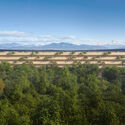
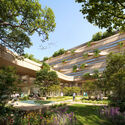
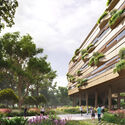
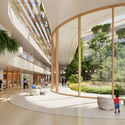
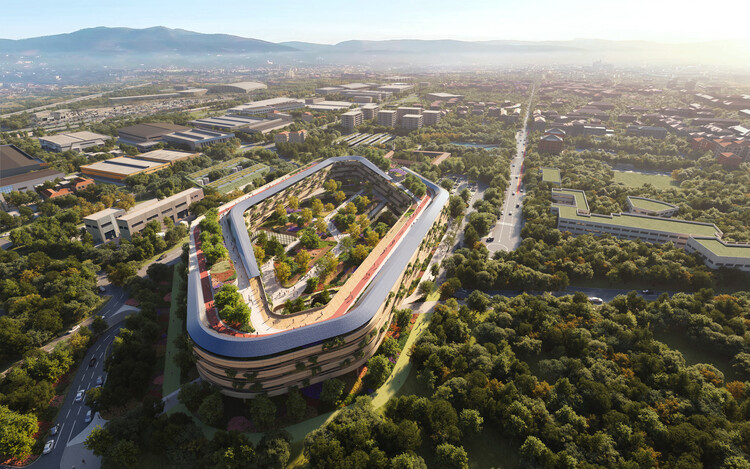
Zaha Hadid Architects, in collaboration with RINA as team leader, Studio Plicchi, WSP, STI Engineering, and BC Building Consulting, has won the international competition to design Malpensa Hospital (Grande Ospedale della Malpensa) in Italy. Commissioned by the Lombardy Regional Health Authority, the project will consolidate the existing Gallarate and Busto Arsizio hospitals into a single medical campus serving the area between Milan and Varese, with a catchment of nearly one million residents.
https://www.archdaily.com/1037002/rina-led-team-with-zaha-hadid-architects-wins-malpensa-hospital-competition-in-italyReyyan Dogan
MVRDV Receives Approval for Plum Village Buddhist Monastery Renovations in France

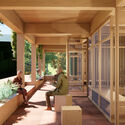
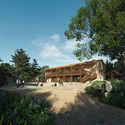
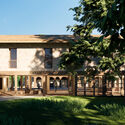
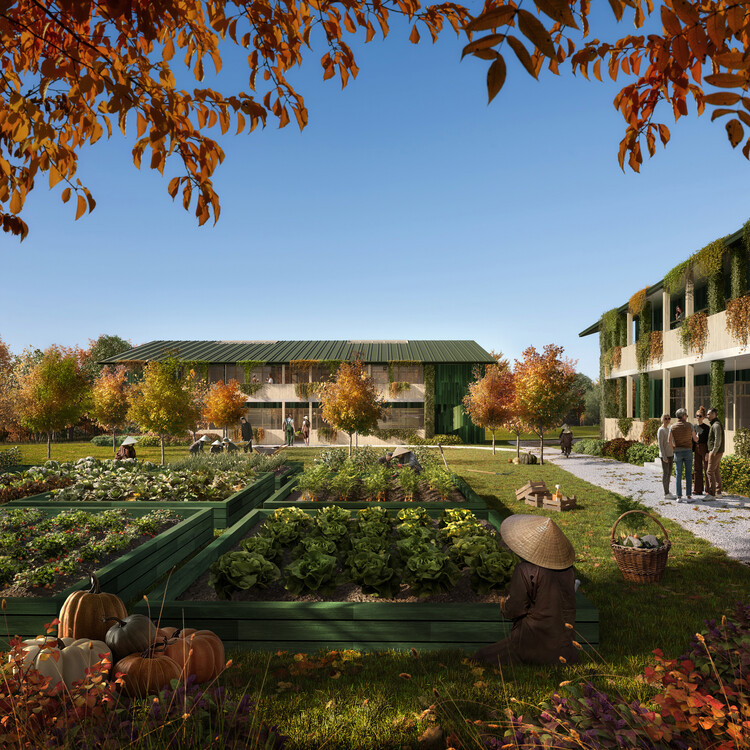
The Plum Village Buddhist Monastery in southern Dordogne, France, has received construction approval for the first phase of its ongoing collaboration with Dutch architecture studio MVRDV. The approvals cover the Upper Hamlet masterplan phase, including the construction of new guest houses and the renovation and expansion of the monastery's bookshop, as well as a new nunnery building at the Lower Hamlet. Developed in collaboration with co-architect MoonWalkLocal and consultants OTEIS, VPEAS, and Emacoustic, the wider project includes two masterplans for the Monastery's Upper and Lower Hamlets, four communal guest houses, a new nunnery, and the transformation of an existing bookshop. Working on a non-profit basis, the design team prioritises renovation alongside the use of circular and bio-based materials, aligning the architectural approach with the monastery's philosophical principles. The proposed additions aim to better accommodate the annual visitors who travel to Plum Village to engage with the teachings of Engaged Buddhism.
https://www.archdaily.com/1036991/mvrdv-receives-approval-for-plum-village-buddhist-monastery-renovations-in-franceAntonia Piñeiro
From Ecologies to Everyday Life: Reflecting on Architectural Exhibitions in 2025

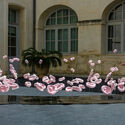
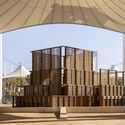
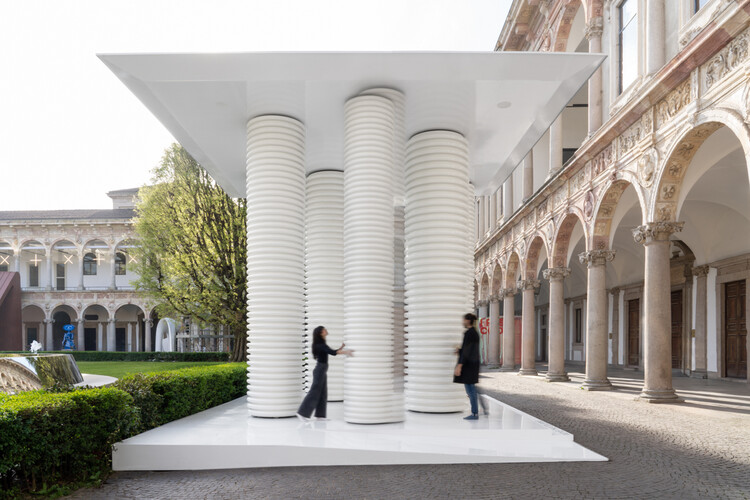
This past year marked a period of introspection for architecture. As 2025 unfolded, the discipline, confronted with evolving environmental and social realities, entered a broader turning point in how it understands its role and how users engage with it. Throughout the year, exhibitions shifted focus away from buildings as isolated objects toward a broader understanding of relationships between ecology, equity, everyday life, and collective imaginaries. Across institutions and cities, they operated less as showcases and more as discursive platforms: places where architecture was not only presented, but also imagined, questioned, and collectively redefined.
While exhibitions have long functioned as sites of discourse, politics, and community, this role became more explicit in 2025. As Carlo Ratti noted in an ArchDaily interview during the pre-opening of the Venice Architecture Biennale 2025, exhibitions today can "hybridize the way that people come together," an ambition that echoed across cities and institutions as exhibitions evolved into spaces for debate, experimentation, and collective reflection. Exhibitions are places where architects and designers meet, where conversations unfold openly with the public, and where ideas emerge through spontaneous exchanges among passersby. Exhibitions became spaces where architectural discourse extended beyond professional circles, opening conversations to broader publics through everyday encounters, shared experiences, and informal exchanges.
https://www.archdaily.com/1036818/from-ecologies-to-everyday-life-reflecting-on-architectural-exhibitions-in-2025Daniela Andino
What if the Smallest Detail Helped Shape the Mood of a Space?
| Sponsored Content

Across recent architectural discourse, interior design has been centered on how spaces shape psychological and atmospheric experience, and on what gives interior environments their emotional resonance. Attention has shifted toward small details rather than relying primarily on form or structure. Light, for instance, is not only a technical requirement but also an architectural material in its own right. It can structure space, animate surfaces, define textures, and shape atmosphere while influencing well-being. At the same time, the characteristics between minimalism and maximalism shape how atmospheres are perceived, prompting reflection on how approaches to simplicity or exuberance might influence mood. Rather than existing as opposing aesthetics, these tendencies explore how interiors interact with mental states, reflect personal identity, and respond to the subtle shifts in the way people inhabit and experience space.
https://www.archdaily.com/1036775/what-if-the-smallest-detail-helped-shape-the-mood-of-a-spaceKiana Buchberger
The 20 Most Anticipated Projects of 2026

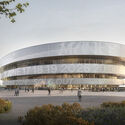
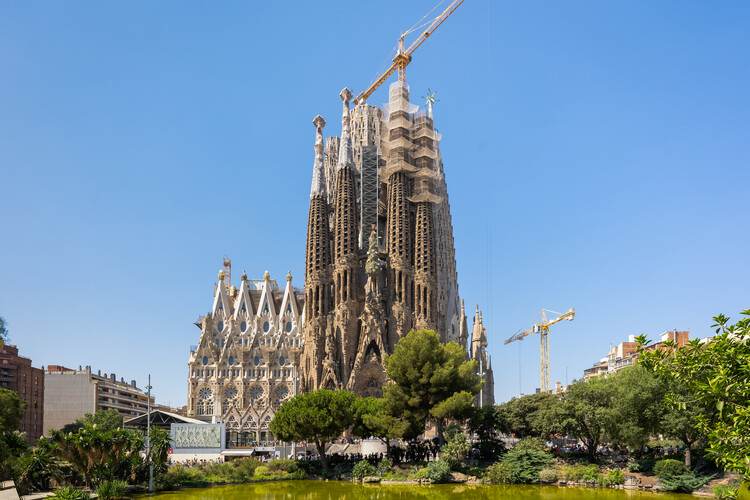
As 2025 concludes, we look ahead to 2026, a year scheduled to deliver a diverse range of significant architectural projects across the world. The year is particularly notable for the completion of new infrastructure and cultural buildings, including long-term projects. Europe will be in the spotlight of the new year with the Milano Cortina 2026 Winter Olympics. This event will feature projects such as the Olympic Village by SOM and the Winter Olympics Arena by David Chipperfield Architects. Also in Milan, BIG is set to complete construction of the City Wave project as part of a new business district in the city. At the same time, after more than 140 years of its establishment, the architects around the world will also be watching for the long-awaited completion of Antoni Gaudí's La Sagrada Familia in Barcelona, announced for 2026.
https://www.archdaily.com/1036741/the-20-most-anticipated-projects-of-2026Moises Carrasco
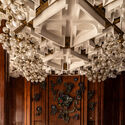
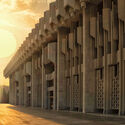
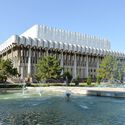
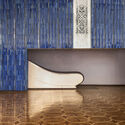
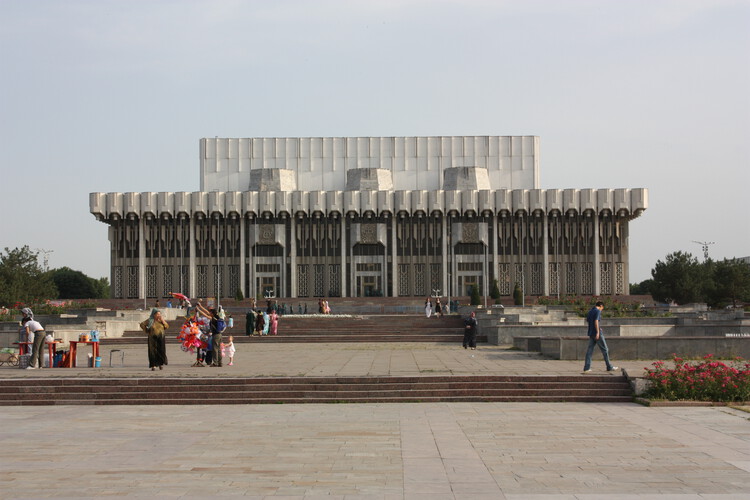
The Aesthetics of Power: Soviet Modernism Meets Uzbek Tradition in Tashkent’s Palace of Peoples’ Friendship

Tashkent, the capital of Uzbekistan and one of the oldest cities in Central Asia, has long been shaped by a hybrid culture. Located at a strategic point along the Silk Road, the city developed an architectural tradition defined by inner courtyards, domes, decorative ceramics, and Islamic geometric patterns. The annexation by the Russian Empire in the 19th century introduced administrative buildings, orthogonal squares, and straight avenues, creating a dual urban fabric — between the “old” Eastern city and the “new” European one — in which contrasts and overlaps became the norm.
During the Soviet period, when Tashkent became the capital of the Uzbek Soviet Socialist Republic and received intense migration from across the union, the city was transformed into a modernist showcase. The coexistence between Islamic heritage and the ideology of socialist progress found a new inflection point with the 1966 earthquake, whose destruction triggered a large-scale reconstruction effort involving architects from across the USSR. Massive housing complexes, cultural institutions, and monumental buildings emerged, reinterpreting local motifs through ideological and technological language. It was in this context that the Palace of Peoples’ Friendship took shape.
https://www.archdaily.com/1036573/the-aesthetics-of-power-soviet-modernism-meets-uzbek-tradition-in-tashkents-palace-of-peoples-friendshipCamilla Ghisleni
ArchDaily's Best Architectural Projects of 2025
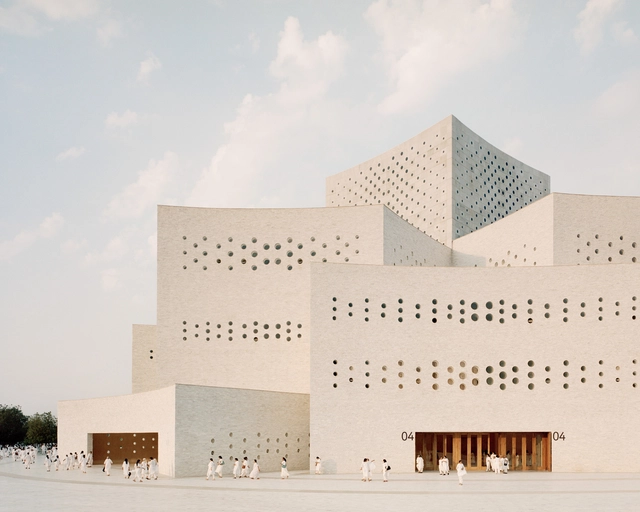
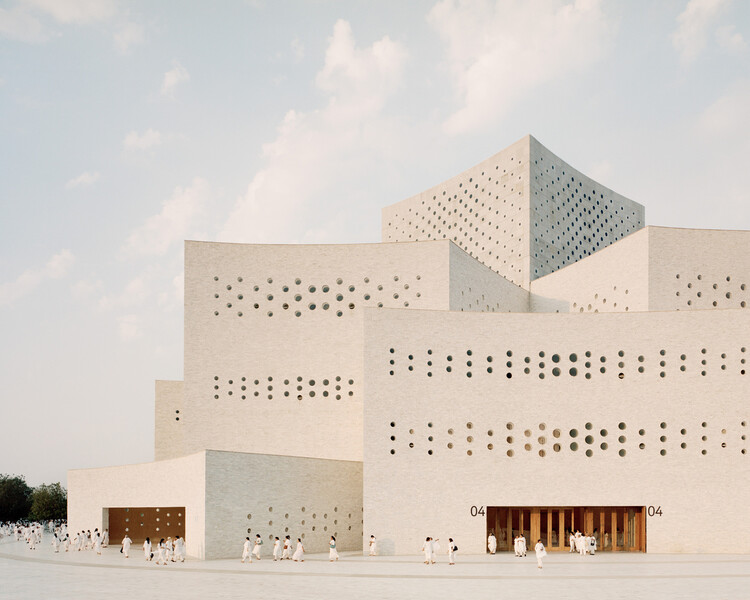
As the year culminates, it's once again time for the ArchDaily team of curators to reflect on the best-performing projects of 2025 and consider what readers were most interested in. Through this diverse overview, we assess the cross-continental similarities and differences in trends and construction development. This year brought us many grand cultural and public spaces by Lina Ghotmeh, BIG, Zaha Hadid Architects, DnA, and Serie Architects, who populated events like Expo Osaka and the Venice Biennale, as well as a surprising number of museums and public or landscape works in China and the rest of the Asian continent. However, while these were sought-after projects, the leading works remained, unsurprisingly, residential projects.
More specifically, the houses that were most viewed on the ArchDaily global site were concrete houses that bore considerable injections of greenery and landscape focus. They propose layouts highlighting voids and double heights, as well as inner courtyards or large openings to the exterior. While some references did suggest traditional or vernacular elements, modernist revivals were still predominant. Material trends are much more tame, with a recurrence of raw concrete use, as wood and stone were common accent elements. Still, the more interesting thing about the works this year is the efforts brought by architects in situating and setting the projects within their surroundings, bringing special attention to landscape and how projects merged with nature.
https://www.archdaily.com/1036342/archdailys-best-architectural-projects-of-2025Hana Abdel
How Automated Parking Systems Reclaim Urban Space
| Sponsored Content
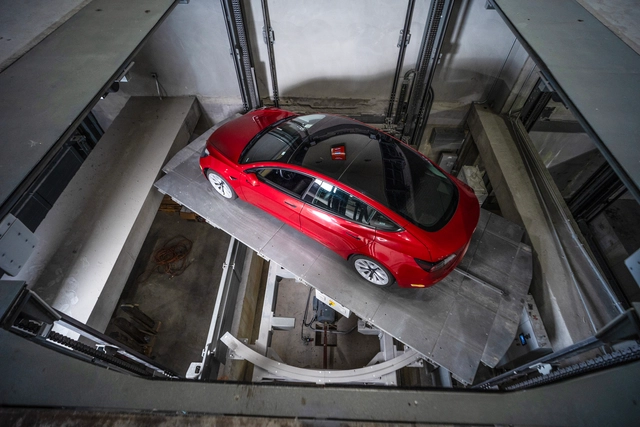
Cities are slowly reshaping themselves. Walkable streets, bike-friendly networks, and mixed-use neighborhoods are becoming planning priorities as climate goals, changing lifestyles, and remote work reshape daily patterns. Yet even as these people-centered ideas gain momentum, most cities still rely heavily on private cars, creating a tension between the urban futures we're designing for and the mobility habits that persist today.
This tension has pushed architects and developers to rethink one of the hardest pieces of the urban puzzle: parking. Mixed-use buildings are multiplying, stacking homes, workplaces, and services into tighter footprints, and every square foot has to work harder. The challenge is no longer simply where to put the cars, but how to integrate parking in ways that support density, livability, and long-term adaptability—allowing cities to evolve without letting vehicles dominate their form.
https://www.archdaily.com/1036703/how-automated-parking-systems-reclaim-urban-spaceKiana Buchberger
Izat Arundell’s “Caochan na Creige” Wins RIBA House of the Year 2025 Award
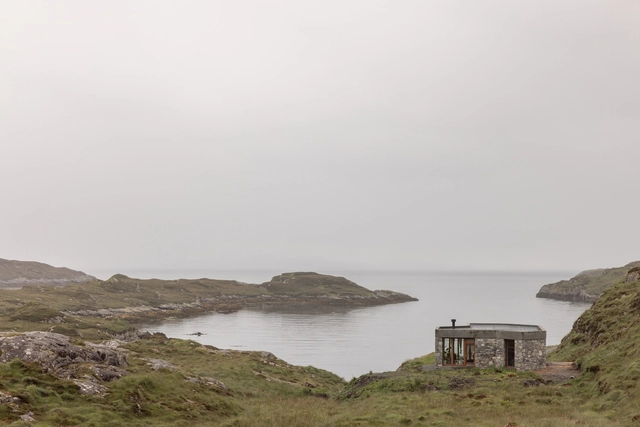
Caochan na Creige, designed by Izat Arundell, has been announced as the winner of the RIBA House of the Year 2025 award. The timber-framed, stone-clad self-build is located in Scotland's Outer Hebrides, occupying a compact rural plot defined by exposed weather conditions and a distinct geological setting. Built by and for its architect owners, the house was selected for its clear response to site constraints, its material strategy, and the consistency between design intent and construction.


https://www.archdaily.com/1036944/izat-arundells-caochan-na-creige-wins-riba-house-of-the-year-2025-awardReyyan Dogan
White Arkitekter Designs Bio-Based Timber Neighbourhood Proposal for Hoofddorp, Netherlands
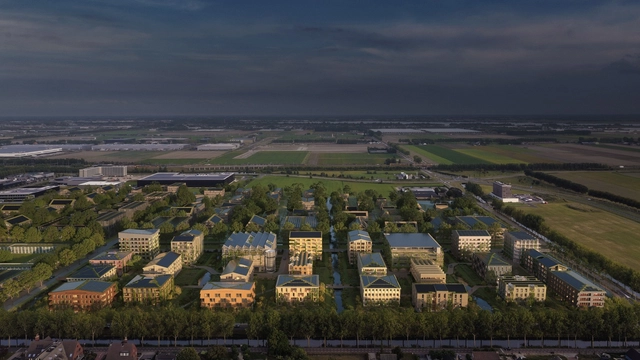
Timpaan, Blauwhoed and White Arkitekter, together with SeARCH, Space&Matter, Atlas Architects and DS Land Landschapsarchitecten, have been selected for the proposed development of The Erven, a timber-based neighbourhood planned for Hoofddorp in the Amsterdam metropolitan region. The winning proposal forms part of a major phase of the Lincolnpark area and outlines approximately 519 homes designed around four courtyards, or erven, inspired by the traditional Dutch farmstead.
https://www.archdaily.com/1036918/white-arkitekter-designs-bio-based-timber-neighbourhood-proposal-for-hoofddorp-netherlandsAntonia Piñeiro
How 2025 Turned Architectural Visuals Into Disputed Media

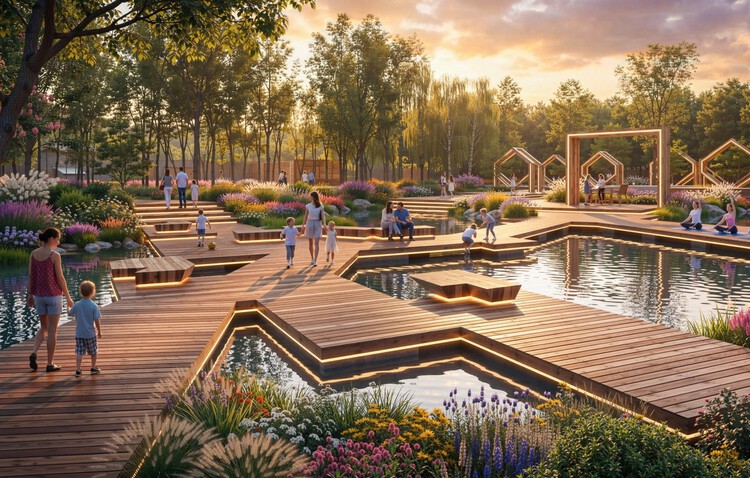
For much of modern architectural history, images have functioned as interpretive tools rather than literal records. Renderings, drawings, and competition visuals were traditionally understood as speculative instruments, offering atmospheres, intentions, and possible futures rather than fixed realities. This ambiguity allowed architects to communicate ideas that were still in formation, and it shaped a visual culture in which representation was valued as much for its suggestive quality as for its precision.
In recent years, this long-standing relationship began to shift. Architectural images did not simply become more refined or technologically advanced; they took on new social and institutional significance. As images moved beyond professional contexts and entered wider public circulation, their role expanded. They were no longer only methods of communication within the discipline, but also objects of public interpretation, discussion, and, at times, dispute. This marked a subtle but important change in how architectural visuals were understood and used.
https://www.archdaily.com/1036773/how-2025-turned-architectural-visuals-into-disputed-mediaAnanya Nayak
Quiet Hope: Frank Gehry’s Maggie’s Centre Hong Kong

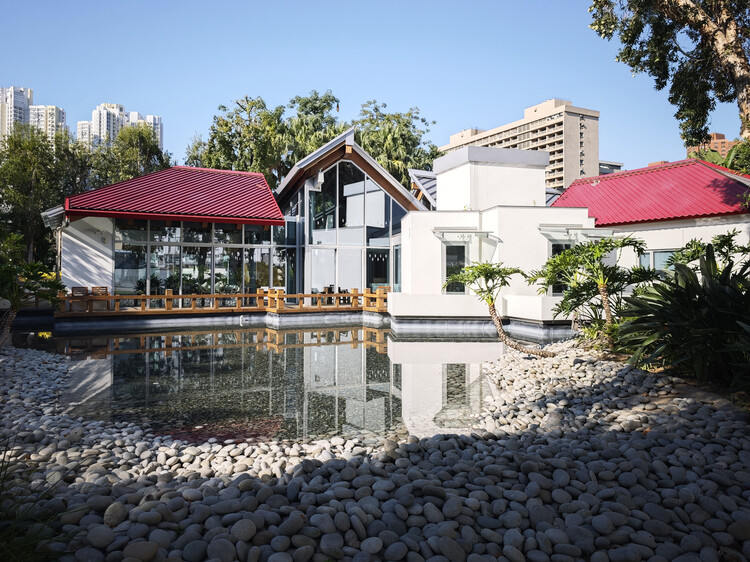
Earlier this month, news of Frank Gehry's passing prompted an outpouring of tributes to the architect behind flamboyant museums, concert halls, and sinuous residential complexes. Rather than revisit that well-charted terrain, it is worth pausing on a more contemplative work in his oeuvre: Maggie's Cancer Caring Centre in Hong Kong. Quiet, optimistic, and calibrated for everyday resilience, the building reflects multiple registers of Gehry's intent: a commitment to positivity and survival—and, more personally, an architect's own reckoning with loss and end-of-life care.
The remark reframes Maggie's Hong Kong as more than a commission; it suggests a design process shaped by grief and turned toward comfort, dignity, and the possibility of hope—an ethos that aligns closely with the organization's mission.
https://www.archdaily.com/1036787/quiet-hope-frank-gehrys-maggies-centre-hong-kongJonathan Yeung
Design as Impact: ADF 2026 Honors Architecture That Drives Change
| In Collaboration

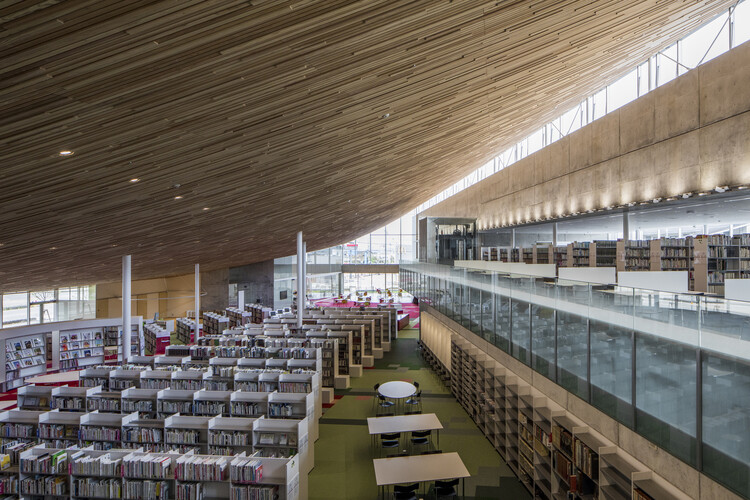
NPO Aoyama Design Forum (ADF), a non-profit organization, has announced the ADF Design Award 2026, celebrating architecture that does more than please the eye—it aims to make a meaningful impact on society, culture, and the environment. The award aims to recognize outstanding works that challenge existing conventions, demonstrate innovative thinking, and enrich people's lives through visionary, responsible design. Architects and designers around the world are invited to submit their proposals on a unique platform that fosters connections, promotes the exchange of ideas, and encourages meaningful cross-cultural collaboration.
https://www.archdaily.com/1036649/design-as-impact-adf-2026-honors-architecture-that-drives-changeAgustina Iñiguez
London’s National Gallery Unveils Shortlist for Expansion Featuring Farshid Moussavi, Foster + Partners, RPBW, and Kengo Kuma
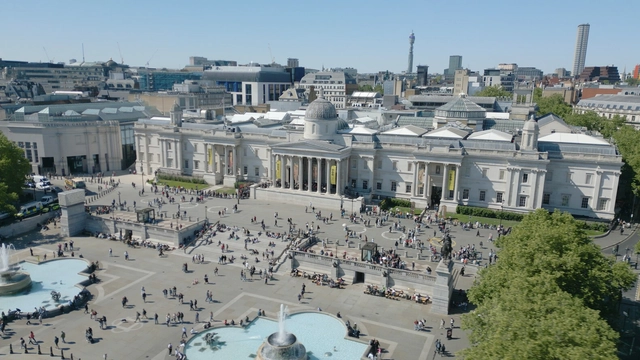
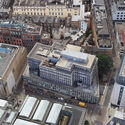
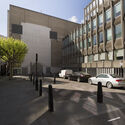
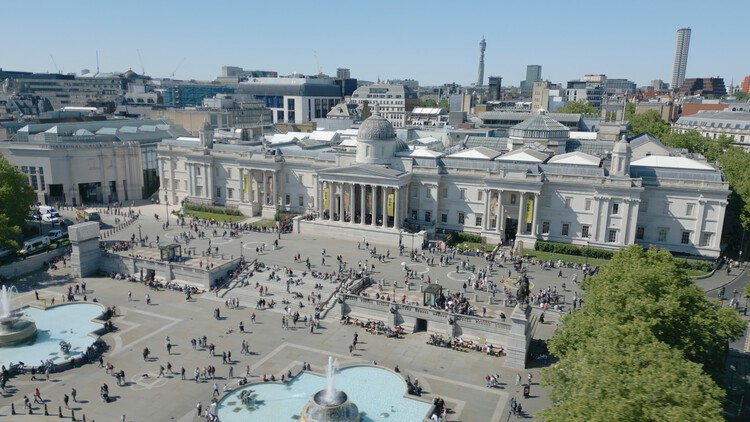
The National Gallery in London has announced six shortlisted teams for the design of a major expansion that will extend the museum into the St. Vincent House site, marking what officials describe as the most significant transformation in its 200-year history. The competition, launched in September 2025, received 65 submissions from international practices. Shortlisted proposals will shape a new wing intended to accommodate the Gallery's growing collection, welcome increasing visitor numbers, and redefine the public realm between Leicester Square and Trafalgar Square. The teams moving forward include Farshid Moussavi Architecture with Piercy & Company, Foster + Partners, Kengo Kuma and Associates with BDP and MICA, Renzo Piano Building Workshop with William Matthews Associates and Adamson Associates, Selldorf Architects with Purcell, and Studio Seilern Architects with Donald Insall Associates, Vista Building Safety, and Ralph Appelbaum Associates. The selected architect and wider technical design team are expected to be appointed by April 2026.
https://www.archdaily.com/1036901/londons-national-gallery-unveils-shortlist-for-expansion-featuring-farshid-moussavi-foster-plus-partners-rpbw-and-kengo-kumaReyyan Dogan
Remembering Frank Gehry and Looking Toward Architecture in 2026: This Week’s Review
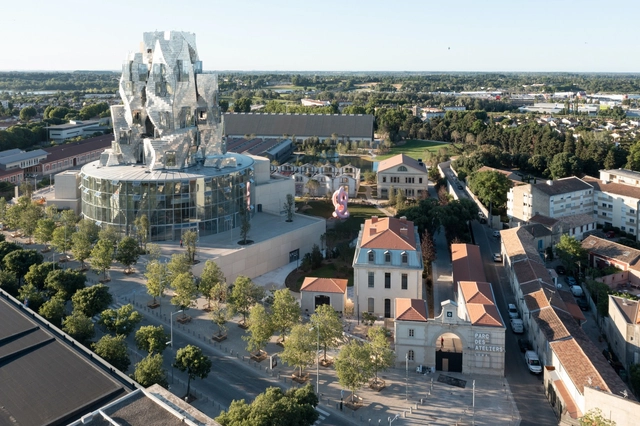
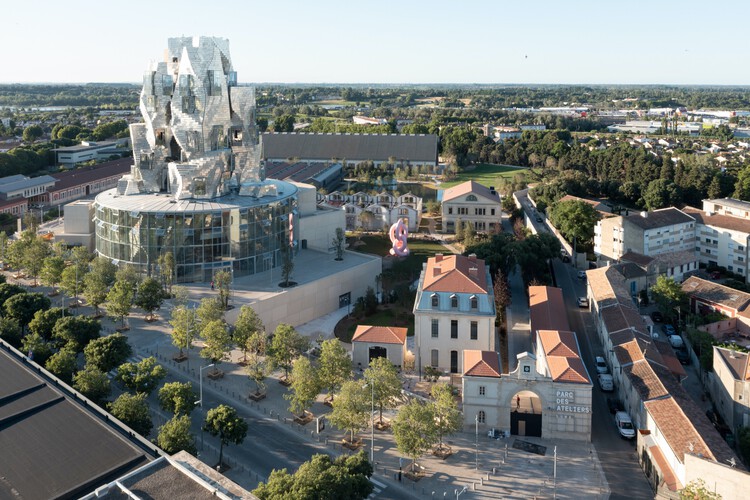
This week's news reflects architecture's simultaneous engagement with cultural reflection, professional legacy, and the material realities of building cities. The passing of Frank Gehry prompted a broader reassessment of late 20th- and early 21st-century architectural practice, while Shigeru Ban's selection as the recipient of the 2026 AIA Gold Medal brought renewed attention to socially driven design and the profession's public responsibilities. These milestones unfolded alongside wider conversations sparked by Human Rights Day, examining architecture's role in equity, housing access, and safety worldwide, and forward-looking discussions setting the architectural agenda for 2026 through major international events and cultural programs. At the scale of the built environment, these themes are echoed in three projects shaping future urban conditions: Powerhouse Company's transformation of a former limestone quarry into a mixed-use neighbourhood in Bærum, near Oslo; the groundbreaking of Riverside Wharf, a hospitality-led development contributing to the regeneration of Miami's River District; and Foster + Partners' approved retrofit of 1 St James's Square in London, focused on structural retention and long-term urban resilience.
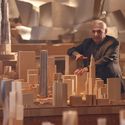
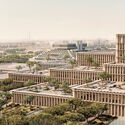
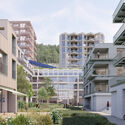
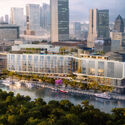
https://www.archdaily.com/1036857/remembering-frank-gehry-and-looking-toward-architecture-in-2026-this-weeks-reviewAntonia Piñeiro
Beyond the Syllabus: Architectural Education and a Defense of the Profession

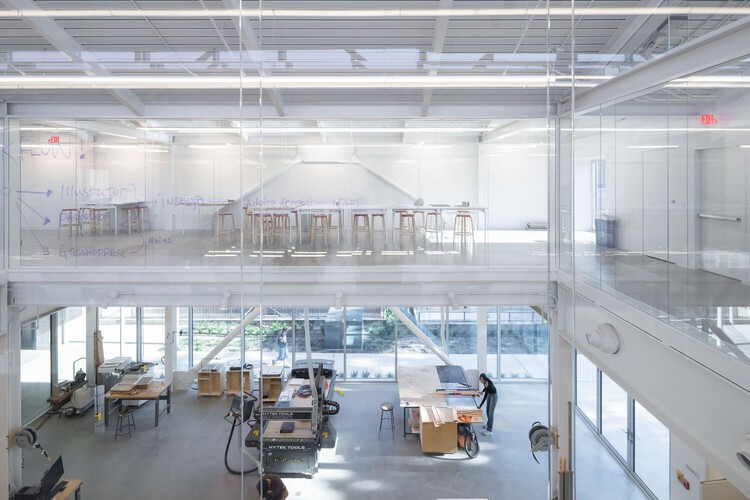
Recent federal discussions in the United States regarding the reclassification of architecture as a degree that no longer carries professional standing have intensified the need to articulate the purpose and structure of accredited programs. These political conditions have produced a moment in which the internal coherence of architectural curricula intersects with broader questions on public welfare, technical accountability, and the ethical responsibilities that define professional expertise. Architectural education in the United States requires an examination that acknowledges its internal pedagogical logic and the external pressures that shape its contemporary reception.

https://www.archdaily.com/1036802/beyond-the-syllabus-architectural-education-and-a-defense-of-the-professionOlivia Poston