

This guide explains how to structure multi-image prompts in the RunDifussion platform. Explore RunDifussion's product catalog.
News
How to Prompt and Annotate Multiple Images with AI
| Sponsored Content
https://www.archdaily.comhttps://www.archdaily.com/catalog/us/products/38860/how-to-prompt-and-annotate-multiple-images-with-ai-rundiffusion
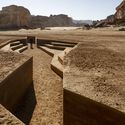
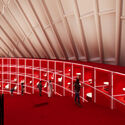
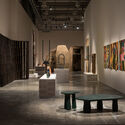
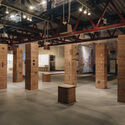
The Architecture Agenda: Inside the Key Events of 2026

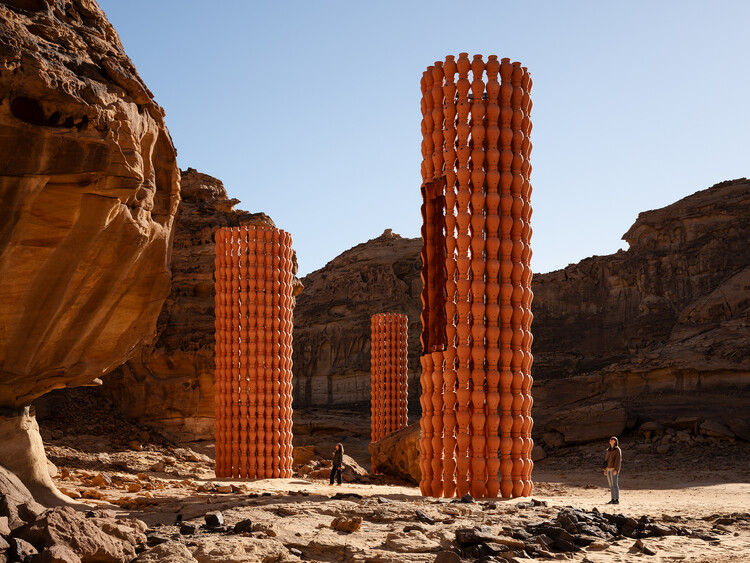
Architecture and design enter 2026 in a moment of renewed experimentation, urgent environmental reflection, and an expanded global dialogue on the built environment. As cities confront the pressures of climate adaptation, demographic shifts, and technological transformation, this year's international calendar offers a lens into how the discipline is responding, creatively, critically, and collectively. From long-standing biennials to newly established platforms, the events of 2026 spotlight architecture's evolving role as both a record of our changing world and a driver of more equitable, sustainable futures.
https://www.archdaily.com/1036637/the-architecture-agenda-inside-the-key-events-of-2026Ananya Nayak
Beyond the Limits of the Project: The Architectural Potential of Extruded Ceramic Tiles
| Sponsored Content

All architecture is grounded in the earth. This pliant, resilient raw material is the origin of extruded ceramic tiles—clay transformed from its natural state into an architectural solution without relinquishing any of its authenticity. Exagres' work is rooted in this natural material, carefully transforming the clay with skillful precision and guiding it on this journey rather than forcing it.
https://www.archdaily.com/1036506/beyond-the-limits-of-the-project-the-architectural-potential-of-extruded-ceramic-tilesRene Submissions
Effortless Design? Exploring Architecture Tools That Enhance the Creative Design Process
| In Collaboration

Finding the right tools to represent a project idea or carry out a construction job remains an ongoing challenge for architecture and design professionals. While software for drafting, 3D modeling, and calculations has increased precision and efficiency, many architects continue using legacy tools learned in academia or practice—tools that feel familiar, but don't necessarily offer the best design experience. From overloaded interfaces and clunky workflows to endless plug-ins and constant back-and-forth between disconnected software, traditional design tools often reveal their complexity and fragmentation.
https://www.archdaily.com/1036430/effortless-design-exploring-architecture-tools-that-enhance-the-creative-design-processAgustina Iñiguez
New National Museum in Abu Dhabi and The Nomadic Library: This Week’s Review
As cultural institutions advanced major preservation projects and new demographic data reframed understandings of urban growth, this week's architectural discussions centred on how cities and museums adapt to evolving social, environmental, and infrastructural conditions. Efforts to safeguard modern heritage, developments in long-term urban planning, and reflections on architectural legacy intersect with global observances such as the International Day of Persons with Disabilities, highlighting the ongoing need for more inclusive and accessible environments within the built landscape.
https://www.archdaily.com/1036656/new-national-museum-in-abu-dhabi-and-the-nomadic-library-this-weeks-reviewReyyan Dogan
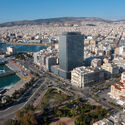
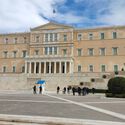
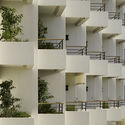
Athens Architecture City Guide: 26 Architectural Works From Ancient Grandeur to Modern Innovation
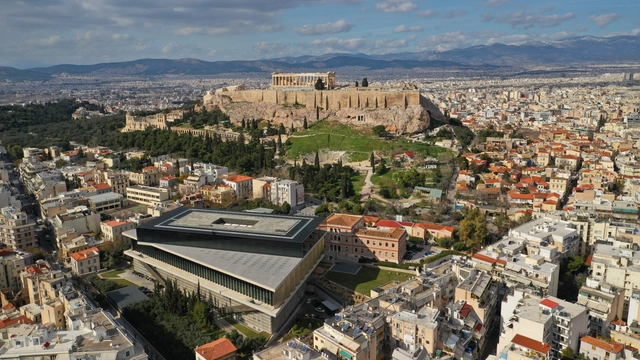
Athens stands as a city where the legacy of Antiquity is woven into its modern and vibrant urban landscape. World-renowned landmarks of Ancient Greece like the Acropolis and the Parthenon stand as enduring symbols of classical architecture and the city's storied past. These structures reflect the foundational principles of symmetry and balance that have influenced generations of architects and continue to attract scholars from around the world. Yet, Athens is also a thriving metropolis where contemporary architecture coexists with its historical counterparts. Recent developments, led by international firms and local architects, focus on sustainability and innovation while respecting Athens' rich cultural heritage. This duality—preserving the old while embracing the new—reflects Greece's broader urban aspirations, making Athens a focal point in global architectural discourse. The city's architectural evolution also extends to its contemporary architecture and interior design scene, which is gaining international recognition.
To celebrate this architectural evolution, this city guide features Athens's historical landmarks alongside ArchDaily's selection of projects focusing on contemporary architecture, and Designboom's curation of innovative interior designs. Together, they highlight Athens' role as a hub of design innovation.


https://www.archdaily.com/1022114/athens-architecture-city-guide-23-architectural-works-from-historical-to-contemporaryNour Fakharany
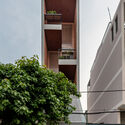
Vietnam’s Tube Houses: Architectural Strategies Under 100 m²

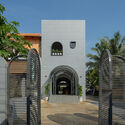
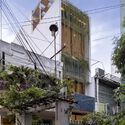
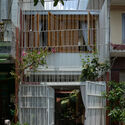
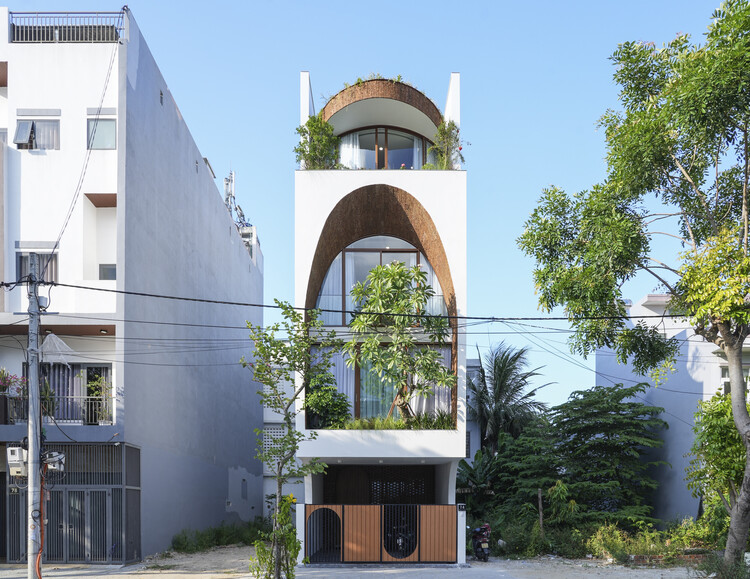
In Vietnam, the tube house has almost become a vernacular form in densely populated cities like Hanoi and Ho Chi Minh City. This typology originated from ancient façade taxes and as a strategic response to urban land scarcity and optimization of street frontage for commerce. Their traditional structure typically relies on the front façade for daylight and ventilation. People living there often face the challenge of designing in a space defined by the deep plots, limited street frontage, and close neighboring buildings, restricting natural light and airflow. To counter this fundamental lack of perimeter exposure, Vietnamese architects usually employ several strategies oriented towards internal environmental manipulation. This curated collection explores tube houses under 100 m2, where their small size increased the need for absolute spatial economy and the verticalization of function, which directly influenced design decisions across all projects.
https://www.archdaily.com/1036530/vietnams-tube-houses-architectural-strategies-under-100-m2Moises Carrasco
How Top Firms See AI Shaping Architecture’s Workflows
| Sponsored Content

As artificial intelligence tools sweep through creative industries, architecture stands at a pivotal moment: how to adopt systems that amplify design thinking without eroding authorship or craft. To understand how the profession is responding, AIRI Lab surveyed designers and leaders from practices including LWK+P, MVRDV, Gensler, Büro Ole Scheeren, CUBE, HUAYI, and others. Their responses reveal a nuanced, pragmatic view: AI is a collaborator rather than a substitute.
https://www.archdaily.com/1036357/how-top-firms-see-ai-shaping-architectures-workflowsRene Submissions
From Factories to Futures: Adaptive Reuse in the Post-Industrial City
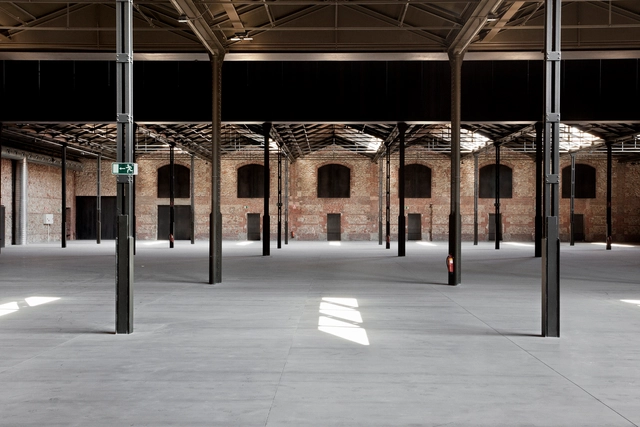
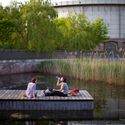
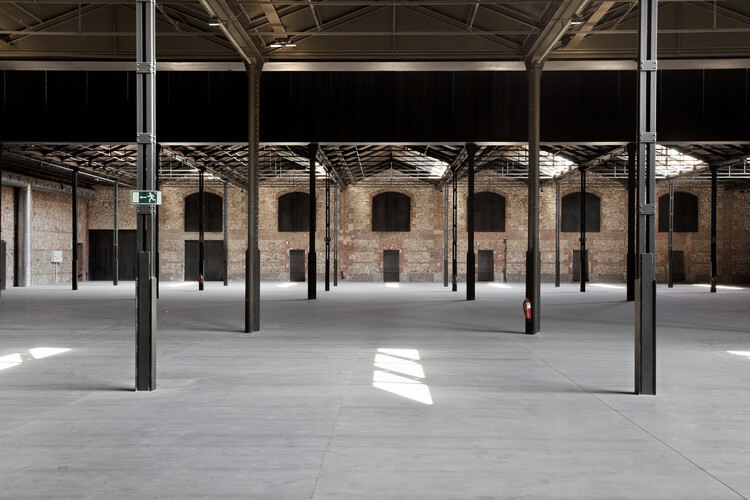
In cities across the world, the relics of industrial production have become the laboratories of a new urban condition. Warehouses, power plants, and shipyards, once symbols of labor and progress, now stand as vast empty shells, waiting to be reimagined. Rather than erasing these structures, architects are finding creative ways to adapt them to contemporary needs, transforming spaces of manufacture into spaces of culture, education, and community life.
This shift reflects a broader change in architectural priorities: building less and reusing more. The practice of adaptive reuse responds simultaneously to environmental urgency and to the need for cultural continuity in urban environments.
https://www.archdaily.com/1036111/from-factories-to-futures-adaptive-reuse-in-the-post-industrial-cityDiogo Borges Ferreira
The Role of Architects Is Shifting: From Solitary Visionaries to Collective Activists
| In Collaboration
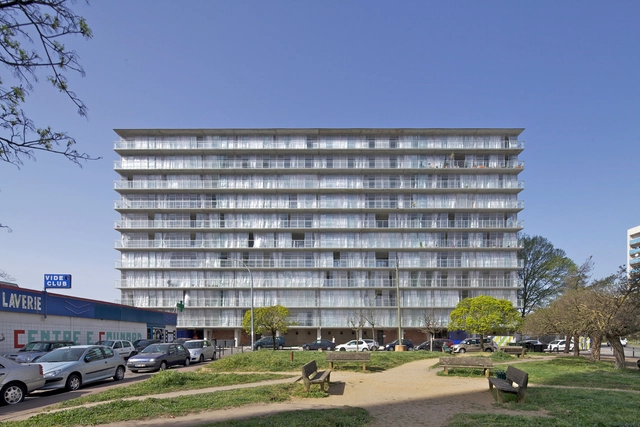
For a long time, architecture was understood as an essentially individual activity, dependent on the figure of a creative genius and centered on the ability to solve problems through drawing. Over time, this image began to fade. The protagonism once concentrated in a few names reached its peak during the era of the starchitects and gradually became distributed among offices, collectives, and multidisciplinary teams. Today, architects are expanding their boundaries into other fields such as gastronomy, music, design, and the corporate world, applying spatial thinking to address challenges of various kinds. As social, environmental, and political crises deepen, the role of the architect continues to evolve from a solitary author to a mediator, activist, and collective agent of transformation. This shift reflects an ethical awakening and a recognition that design, regulation, and care are inseparable dimensions of contemporary practice.
https://www.archdaily.com/1035900/the-role-of-architects-is-shifting-from-solitary-visionaries-to-collective-activistsEduardo Souza
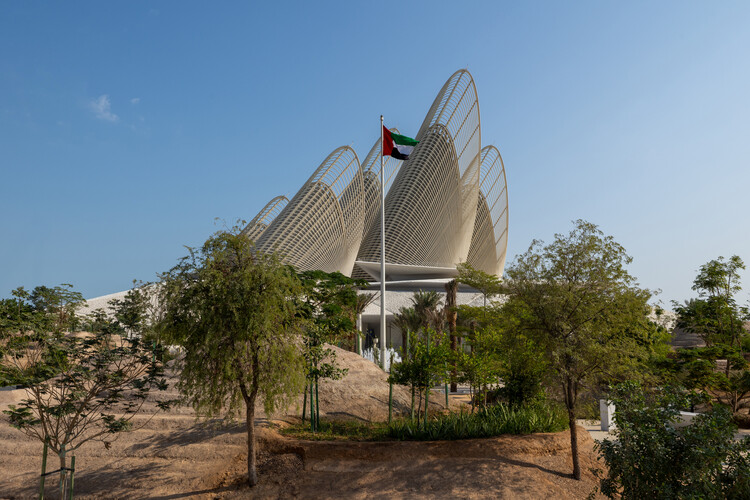
Foster + Partners’ Zayed National Museum Opens to the Public in Abu Dhabi
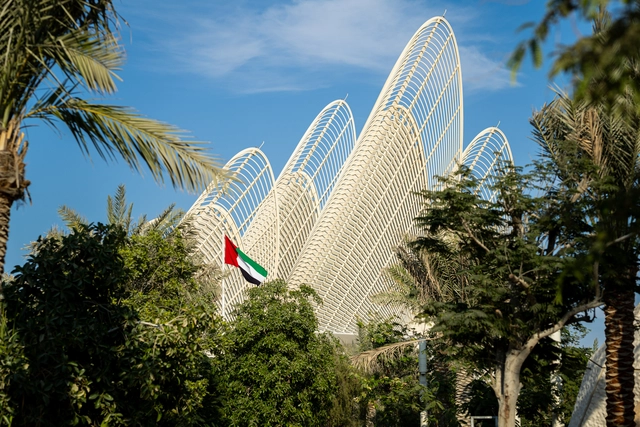
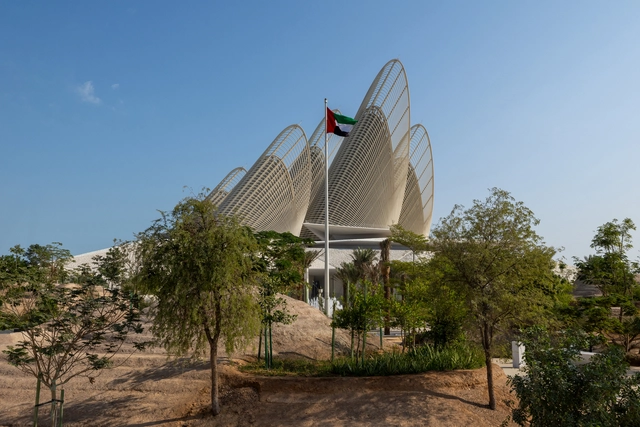
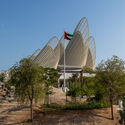
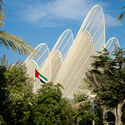
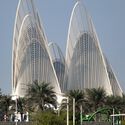
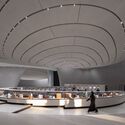
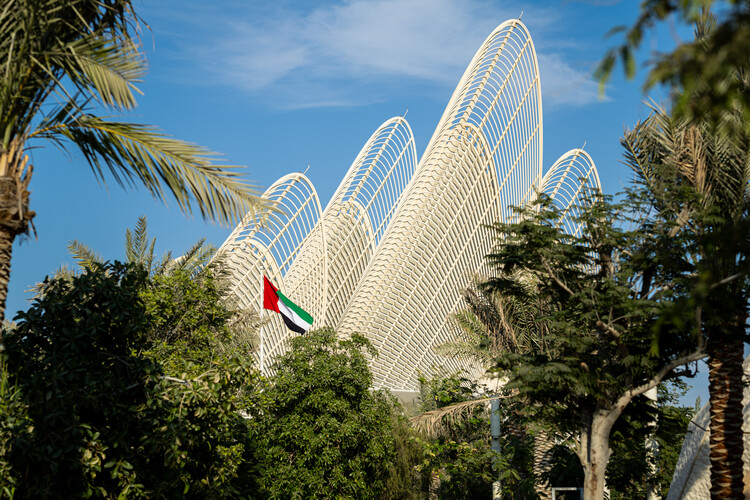
Zayed National Museum, the national museum of the United Arab Emirates and a major anchor of Abu Dhabi's Saadiyat Cultural District, has opened to the public. The project was awarded to Foster + Partners following a 2007 design competition, with construction commencing the following year. Its inauguration marks a significant moment in the UAE's cultural development, coinciding with a year that saw the opening of teamLab Phenomena Abu Dhabi and the Natural History Museum Abu Dhabi, as well as the reopening of Al Ain Museum, broadening the region's institutional landscape.
https://www.archdaily.com/1036627/foster-plus-partners-zayed-national-museum-opens-to-the-public-in-abu-dhabiReyyan Dogan
The CCA Launches a Comprehensive Research Initiative and Exhibition on Modern Architecture in China
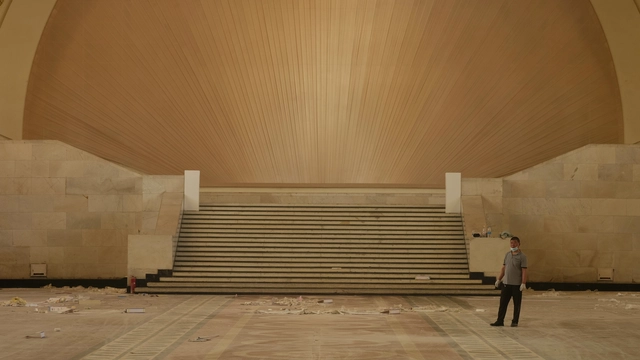
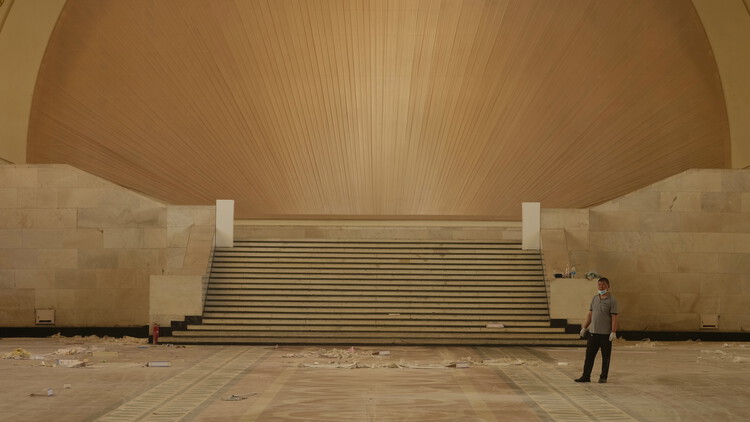
The Canadian Centre for Architecture (CCA) recently launched a new research project and institutional collaboration with M+ in Hong Kong titled How Modern: Biographies of Architecture in China 1949–1979. The project unfolds through an exhibition presented in the CCA's Main Galleries from 20 November 2025 to 5 April 2026, a series of commissioned films and oral history videos by artist Wang Tuo, online editorial content, public programming, and a companion book co-published by the CCA and M BOOKS. This collection of content seeks to reframe architectural histories of modernism in the first three decades of the People's Republic of China, revealing how design operated under shifting ideologies and socioeconomic pressures through the perspectives and experiences of architects, institutions, and residents. The project aligns with the CCA's ongoing interest in producing new readings of modern architecture across different sociopolitical contexts and geographical frameworks, including Architecture in Uniform: Designing and Building for the Second World War (2011) and Building a new New World: Amerikanizm in Russian Architecture (2020).
https://www.archdaily.com/1036610/the-cca-launches-a-comprehensive-research-initiative-and-exhibition-on-modern-architecture-in-chinaAntonia Piñeiro
Architecture for Everyone: Reflecting on Accessibility on the International Day of Persons with Disabilities

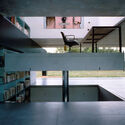
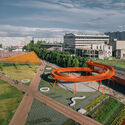
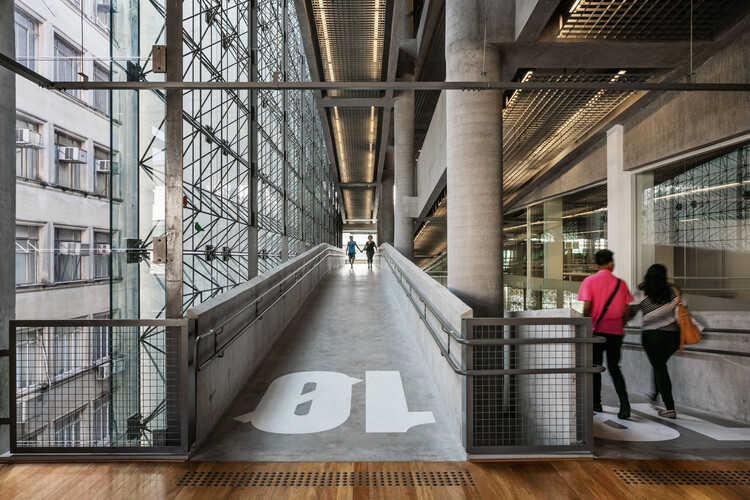
Every year on 3 December, the International Day of Persons with Disabilities brings renewed attention to the need for inclusive, equitable environments, both socially and spatially. The 2025 theme, "Fostering disability inclusive societies for advancing social progress," highlights how persistent barriers in employment, social protection, and access to services continue to affect more than one billion people worldwide. Within this broader context, the built environment plays a decisive role: architecture can either reinforce exclusion or open pathways toward autonomy, dignity, and participation in daily life.

https://www.archdaily.com/1036628/architecture-for-everyone-reflecting-on-accessibility-on-the-international-day-of-persons-with-disabilitiesReyyan Dogan
Local Knowledge and Ecological Context: City Making Lessons from Chicago’s Wild Mile
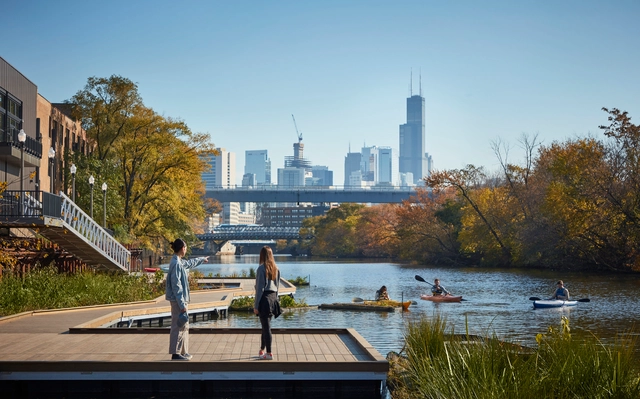
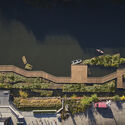
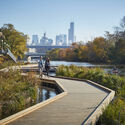
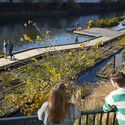
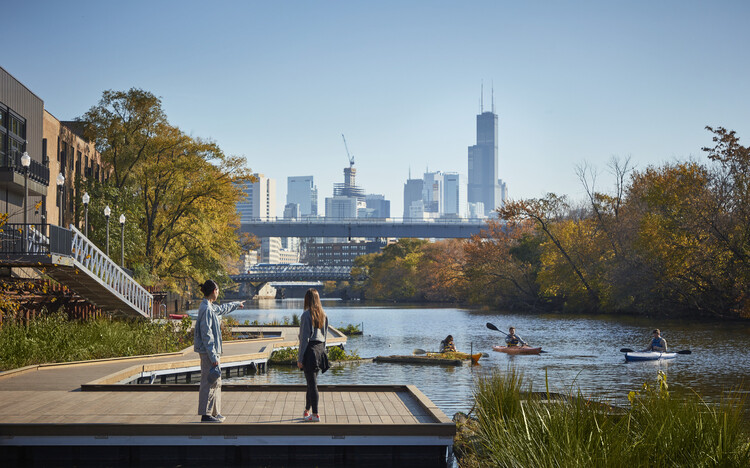
For more than a century, residents of growing American cities reshaped their rivers to serve industrial and manufacturing needs. Waterways were straightened, deepened, paved, or buried to support shipping routes and to move materials efficiently across regions. These transformations created an urban landscape in which rivers were treated as productive infrastructure rather than as living ecological systems.
This approach left a lasting imprint. Riparian habitats disappeared, water quality declined, regional biodiversity grew vulnerable, and communities grew accustomed to river corridors dominated by steel walls and concrete channels. The industrial reshaping of rivers in places such as Chicago, Los Angeles, and the Mississippi basin created durable patterns of development that still influence how cities function today.

https://www.archdaily.com/1036351/local-knowledge-and-ecological-context-city-making-lessons-from-chicagos-wild-mileOlivia Poston
Visualizing an Art Deco Icon: The Reimagined Waldorf Astoria
| Sponsored Content
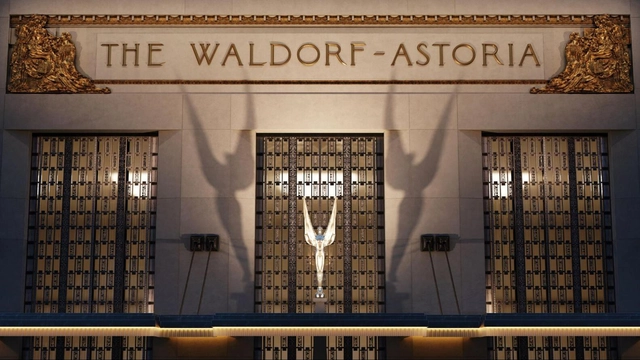
The quintessential symbol of Manhattan, Waldorf Astoria New York officially reopened for the public this year after an extensive renovation. Over its long history, the property has undergone numerous transformations, from its 19th-century beginnings to the modern landmark that stands between Park Avenue and Lexington Avenue.
Reimagining a building that pioneered modern hospitality—a jewel in New York's skyline—posed a challenge that required close collaboration between preservationists, 3D visualizers, architects, and designers. Together, they worked to preserve its protected architectural heritage while meeting contemporary expectations for craftsmanship and comfort.
https://www.archdaily.com/1036420/visualizing-an-art-deco-icon-the-reimagined-waldorf-astoriaRene Submissions
Rethinking Prefabrication From Standardization to Design Freedom
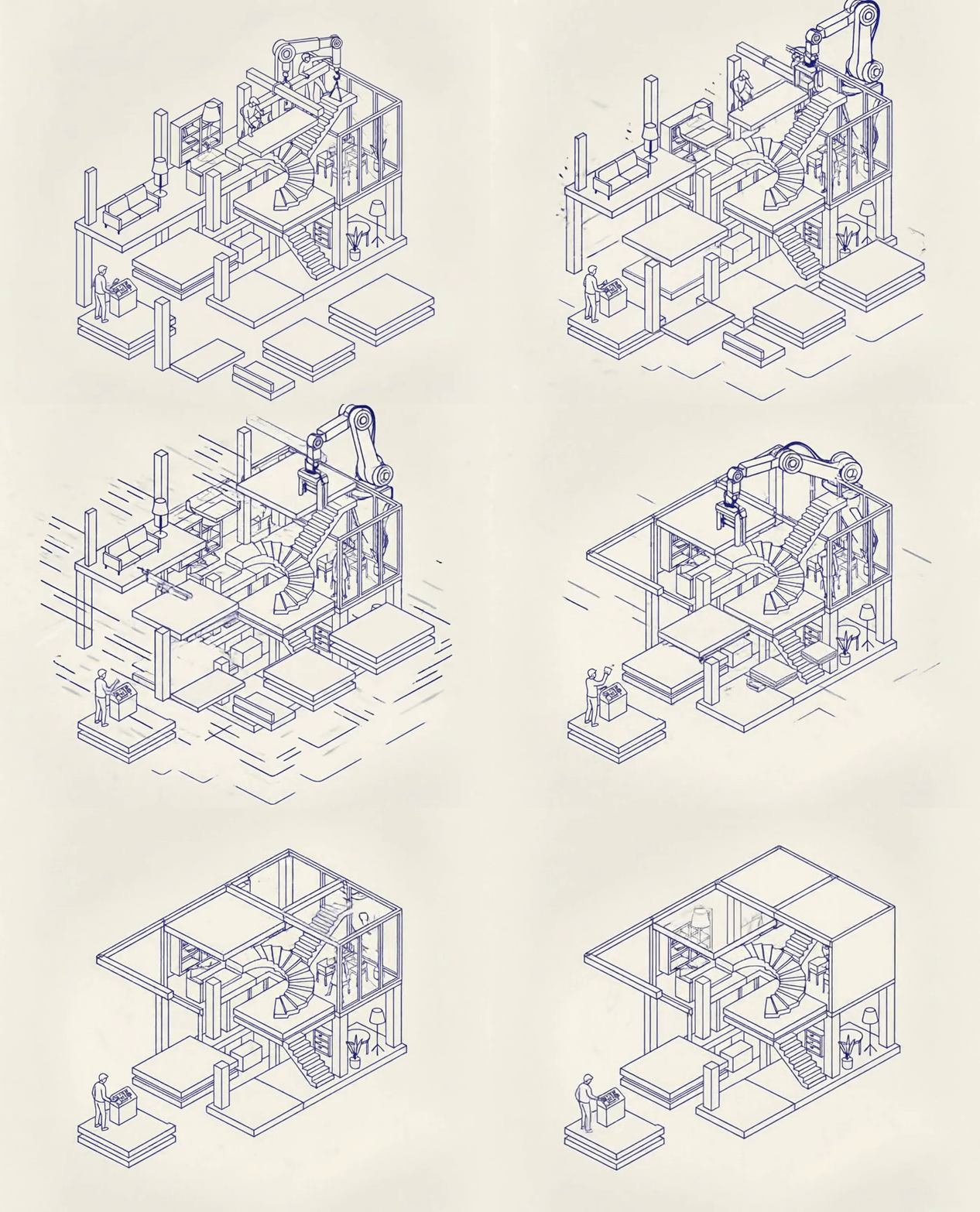
Generative AI (Gemini / Google DeepMind). Concept: Eduardo Souza / ArchDaily
Once synonymous with monotony, “prefabricated” buildings often bring to mind the gray, repetitive housing blocks of the postwar era. But that image no longer fits today’s reality. Powered by digital design, robotics, and advanced materials, prefabrication has evolved into a language of innovation and precision. Far from uniform, it now enables flexible, efficient, and sustainable spaces that reflect the individuality of contemporary architecture.
https://www.archdaily.com/1020705/debunking-the-myth-that-prefabricated-structures-are-rigid-and-unattractiveEduardo Souza
Building for the Heat: How Terraco’s Systems Can Reduce Energy Use in Hot Regions
| Sponsored Content

Terraco, a global leader in Exterior Insulation Finishing Systems, has demonstrated through independent studies that when planning building renovations, it is essential to adopt a deep retrofit strategy that includes energy-efficient measures, such as thermal insulation of external walls and roofs.
The studies show that cooling energy use in buildings can be reduced by up to 47% annually in Middle Eastern and South Asian climates, directly as a result of installing the combined Terraco EIFS and Roof Insulation Finishing Systems, compared to leaving external walls and roofs uninsulated.
https://www.archdaily.com/1036280/building-for-the-heat-how-terracos-systems-can-reduce-energy-use-in-hot-regionsRene Submissions
Urban Regeneration in Greece: The Ellinikon Master Plan and Beyond

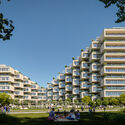
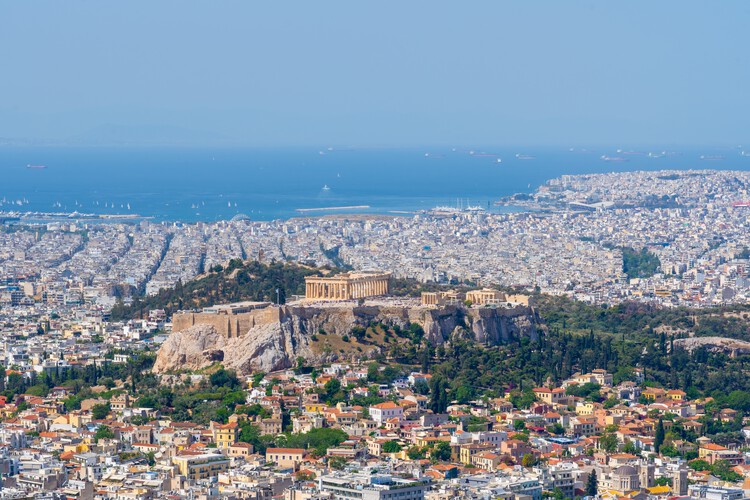
Greece's built environment is shaped by the coexistence of multiple architectural layers, where historic structures, modern interventions, and evolving urban systems intersect. Classical landmarks and their surrounding urban fabrics continue to inform the spatial character of cities, while postwar developments, infrastructural upgrades, and contemporary projects add new dimensions to the country's architectural landscape. This continuity between past and present provides the foundation for current design approaches, which increasingly focus on balancing heritage, environmental considerations, and contemporary urban needs.

https://www.archdaily.com/1036590/urban-regeneration-in-greece-the-ellinikon-master-plan-and-beyondReyyan Dogan
UNS Designs a 10-Minute Walkable City Master Plan for Multigenerational Living in Seoul, South Korea

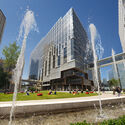
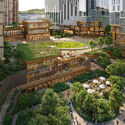
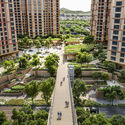
UNS has revealed images of SeoulOne, a master plan designed for Hyundai Development Company (HDC) in Seoul, South Korea, intended as a new model for multigenerational living. The project, already under construction on a brownfield site in the northeast of the city, reimagines an existing industrial site and railway area as a 405,000 m² car-free neighborhood for a multigenerational community. A never-sleeping, green master plan for Seoul, SeoulOne is envisioned as a mixed-use mini-city where all essential services for people of all ages are available within a 10-minute walk. The design includes 24/7 residential towers, retail spaces, offices, a hotel, sports facilities, daycare centers, senior living facilities, and a medical center, offering permanent services within walking distance. More than 30% of the site is dedicated to vegetation, including pocket parks, roof gardens, water gardens, and a forest walk, creating a year-round green village.

https://www.archdaily.com/1036582/uns-designs-a-10-minute-walkable-city-master-plan-for-multigenerational-living-in-seoul-south-koreaAntonia Piñeiro
The Year in Review: ArchDaily’s December Editorial Focus

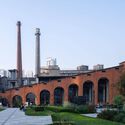
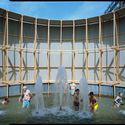
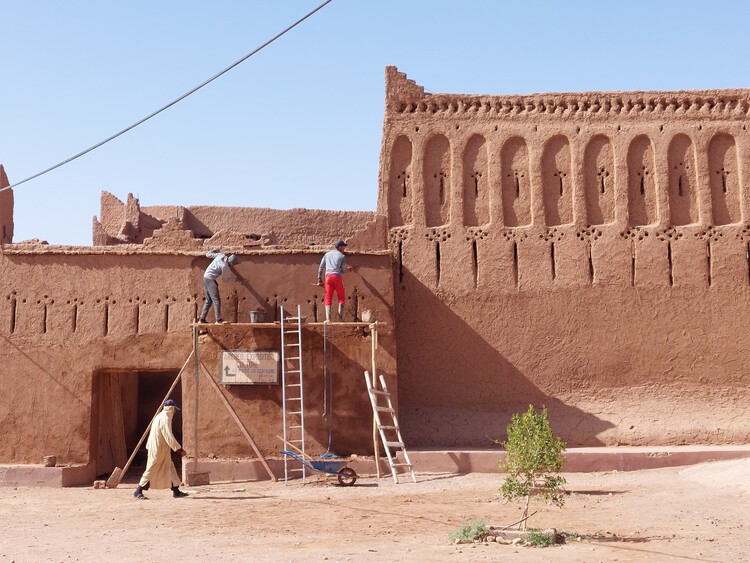
From the pavilions of Osaka and Venice, to the roundtables of Belém, another year comes to a close. December invites us to pause and look back at the moments that defined architecture and cities in 2025. Reflection is not only an act of memory, but of foresight — a way to understand where we've been in order to imagine where we might go next. From shifting cultural narratives to material and technological breakthroughs, this past year underscored the importance of experimentation and adaptation across the built environment.
This month, ArchDaily explores the Year in Review, gathering the year's most compelling stories, ideas, and voices. The coverage revisits the projects, interviews, and essays that shaped the conversation, while recognizing the architects and thinkers who left a lasting impact on the discipline. It also looks ahead, identifying the most anticipated projects and issues of 2026, and the emerging directions they suggest.
https://www.archdaily.com/1036469/the-year-in-review-archdailys-december-editorial-focusRomullo Baratto
From Tirana to Monterrey: 8 Unbuilt Housing Projects Reimagining Collective Living

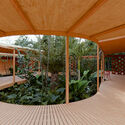
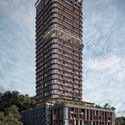
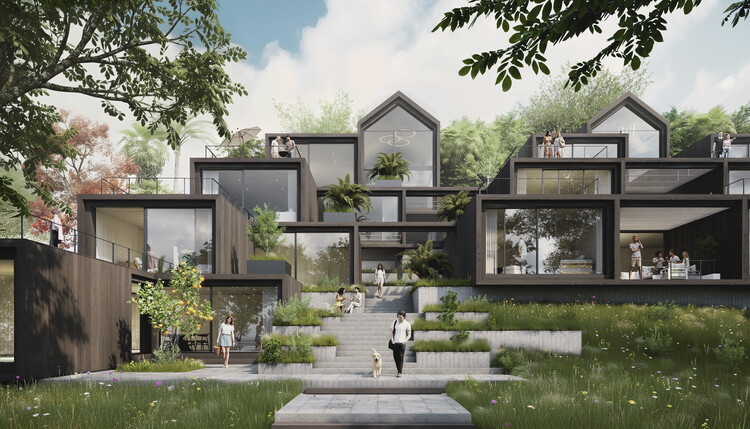
Collective housing remains one of the most active areas for unbuilt architectural exploration, revealing how architects are rethinking domestic life, density, and shared living across different cultural and environmental contexts. In this curated Unbuilt edition, submitted by the ArchDaily community, the selected proposals investigate new forms of dwelling that span mobile units, vertical developments, adaptive reuse, and landscape-driven residential clusters. Rather than treating housing as a purely functional container, these projects position it as a social and spatial framework that shapes everyday life, community ties, and long-term urban resilience.
Across varied geographies, from Tirana and Athens to Monterrey, Chaloos, Roatán, Bhola, and the DRC, these proposals explore multiple approaches to collective living: transforming industrial shells into residential structures, extending existing masterplans through landscape integration, reimagining verticality in dense urban centers, and developing modular prototypes that can adapt to changing climates or patterns of mobility. Some projects prioritize ecological strategies and local materials, while others test new models for accessibility, community well-being, or incremental urban growth. Together, they reflect a broad spectrum of architectural responses to contemporary housing pressures.

https://www.archdaily.com/1036571/from-tirana-to-monterrey-8-unbuilt-housing-projects-reimagining-collective-livingNour Fakharany
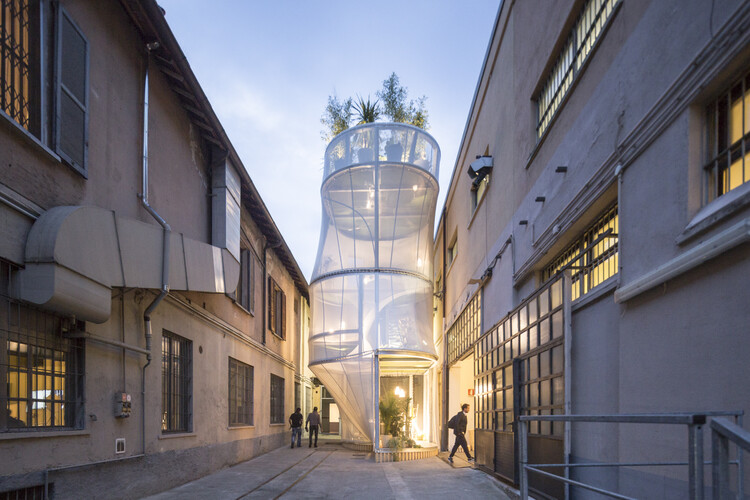
What Fits in the Void? Terrain Vague and Cities That Resist Planning

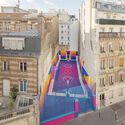
Every city carries, woven into its fabric, fissures that resist capture: ruins, vacant lots, leftover infrastructures, and gaps that persist at the margins of the official narrative. These are places that slip through the logics of planning, emerging as unexpected counter-scenes within a territory that seeks to present itself as coherent.
In the rush to organize and predict, we rarely pause to notice what emerges from such unforeseen conditions. Yet it is precisely in them that new forms of urban life begin to take shape. Free from pragmatic control or predetermined codes of conduct, these spaces reveal another layer of the city — one that, in its continual state of latency, opens room for new modes of appropriation.
https://www.archdaily.com/1036323/what-fits-in-the-void-terrain-vague-and-cities-that-resist-planningCamilla Ghisleni
Jakarta Becomes the World’s Most Populous City, According to New UN Data
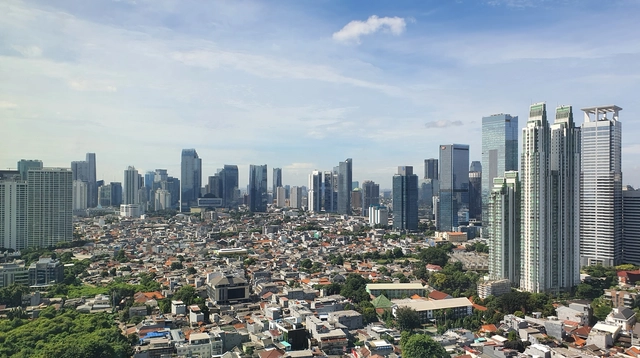
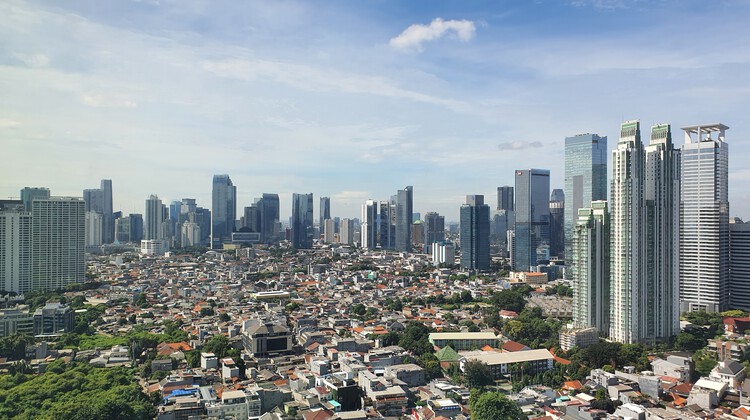
Jakarta has become the world's most populous city, according to the World Urbanization Prospects 2025 released by the United Nations Department of Economic and Social Affairs (UN DESA). Using an updated and harmonized method for defining urban areas, the report estimates Jakarta's population at nearly 42 million, placing it ahead of Dhaka, which is about 40 million, and Tokyo, 33 million. The revised ranking illustrates how updated measurement criteria and continued demographic growth are reshaping understandings of urban scale in Asia and globally.



https://www.archdaily.com/1036544/jakarta-becomes-the-worlds-most-populous-city-according-to-new-un-dataReyyan Dogan
MVRDV’s Schieblocks Office Complex Moves Forward with Construction Approval in Rotterdam

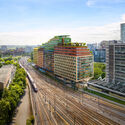
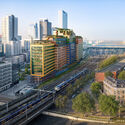
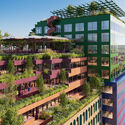
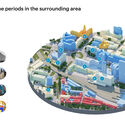
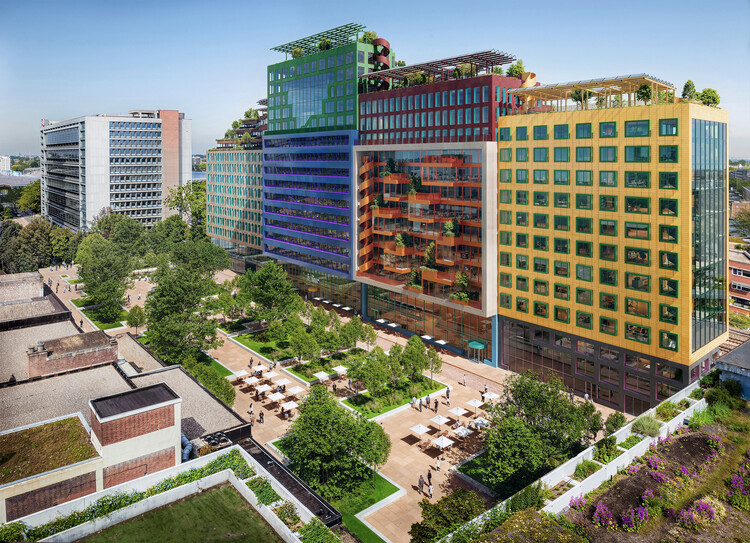
MVRDV and SYNRG have received approval to construct Schieblocks, a 47,000-square-metre office building in Rotterdam, the Netherlands. Designed for developer LSI, who markets the project as The Bluezone Offices, the building will occupy a narrow site along the railway line, reaching 61 metres in height and extending almost 150 metres in length. The programme includes commercial spaces at ground level, offices throughout, and a restaurant and event venue on the upper floors. Conceived as a "3D neighbourhood," the design breaks the large volume into a series of colourful, distinct blocks that incorporate numerous references to Rotterdam's architectural character.
https://www.archdaily.com/1036529/mvrdvs-schieblocks-office-complex-moves-forward-with-construction-approval-in-rotterdamAntonia Piñeiro
Computational Soundscapes: Sculpting the Visual and Invisible Dimension
| Sponsored Content

What defines a space first when entering: the sound or the visual impression? Architecture is often communicated through structure and surfaces, yet one of its most essential components moves unseen through the air: sound. It shapes how a space feels long before a wall or ceiling is noticed. Computational design brings these dimensions together, allowing architects and designers to create unique structures where acoustics and aesthetics inform one another rather than exist in parallel. By leveraging advanced algorithms, complex design processes transform into intuitive, accessible solutions that shape bespoke acoustic and visual highlights for every project. This approach combines parametric logic with material innovation, balancing efficiency, sustainability, and expressive design in equal measure.
https://www.archdaily.com/1036333/computational-soundscapes-sculpting-the-visual-and-invisible-dimensionKiana Buchberger