

This guide explains how to structure multi-image prompts in the RunDifussion platform. Explore RunDifussion's product catalog.
News
How to Prompt and Annotate Multiple Images with AI
| Sponsored Content
https://www.archdaily.comhttps://www.archdaily.com/catalog/us/products/38860/how-to-prompt-and-annotate-multiple-images-with-ai-rundiffusion
Snaptrude Launches Free Student Plan to Equip the Next Generation of Architects
| Sponsored Content
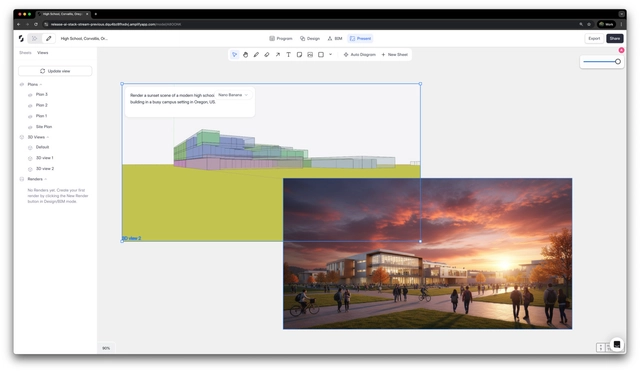
Snaptrude announced the launch of the Snaptrude Student Plan, a free offering that gives architecture students worldwide full access to Snaptrude's professional platform and intelligent AI workflows. The initiative reflects Snaptrude's commitment to strengthening architectural education and ensuring that emerging designers can build real-world skills while still in school. Full access to the professional platform and AI tools empowers students to design faster and build portfolio-ready work.
https://www.archdaily.com/1035779/snaptrude-launches-free-student-plan-to-equip-the-next-generation-of-architectsRene Submissions
Lucas Museum of Narrative Art by MAD Architects Set to Open September 2026 in Los Angeles
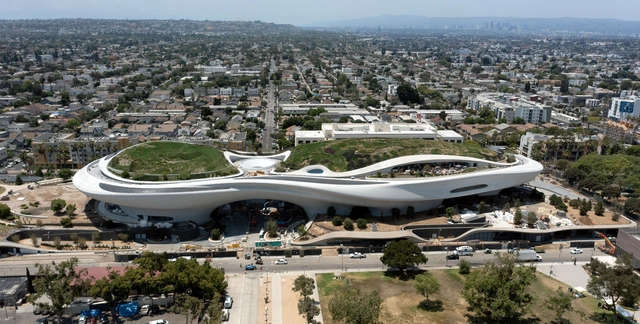
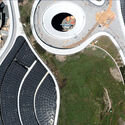
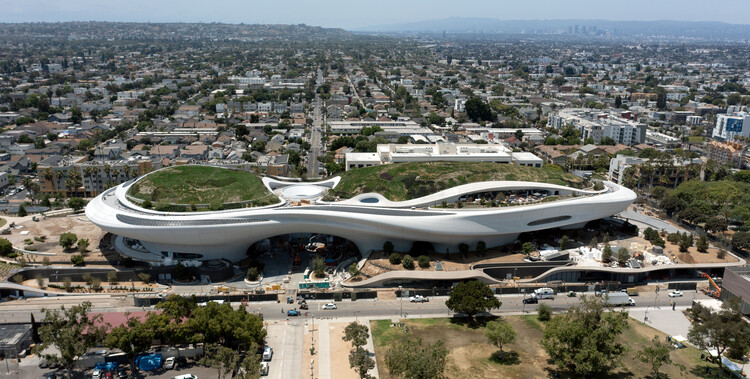
The Lucas Museum of Narrative Art has announced that it will open to the public on September 22, 2026, adding a new cultural institution to Los Angeles's Exposition Park. Founded by George Lucas and Mellody Hobson, the museum is dedicated to illustrated and narrative storytelling, understood as visual works that communicate stories across media and periods. The building is designed by Ma Yansong of MAD Architects, with landscape architecture by Mia Lehrer of Studio-MLA and Stantec serving as executive architect.

https://www.archdaily.com/1036001/lucas-museum-of-narrative-art-by-mad-architects-set-to-open-september-2026-in-los-angelesReyyan Dogan
New Cultural Venues, Awards and Transformative Architecture From Ghana to New York: This Week’s Review
This week's architecture news highlights a diverse global landscape of design innovation, cultural investment, and adaptive reuse. Across continents, new museums and cultural venues are opening to foster dialogue around art, design, and community engagement. At the same time, major recognitions and project announcements underscore the growing importance of sustainable, socially conscious practices in shaping contemporary architecture. From adaptive transformations in New York, Tainan, and Milan, including preparations for the Milano Cortina 2026 Winter Games, to new cultural landmarks in Ghana and Qatar, this week's overview features projects by leading firms such as Herzog & de Meuron, Snøhetta, and Mecanoo, alongside initiatives from emerging practices like Limbo Accra in West Africa.
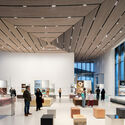
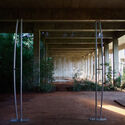
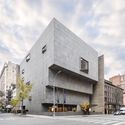
https://www.archdaily.com/1035984/new-cultural-venues-awards-and-transformative-architecture-from-ghana-to-new-york-this-weeks-reviewAntonia Piñeiro
World Architecture Festival 2025: Day One Winners Announced

The first award winners of the 2025 World Architecture Festival (WAF) have been announced, following Day One of the world's largest international live-judged architectural event, held at the Miami Beach Convention Center in Florida.
In total, the three-day festival will see over 460 live pitches from the 2025 finalists in front of over 160 international judges. Today has seen shortlisted projects from around the world compete for 22 award categories within Completed Buildings, Future Projects, and Interiors. Award winners include WOW Architects, BIG-Bjarke Ingels Group, Batlleiroig, and Perkins&Will.
https://www.archdaily.com/1035985/world-architecture-festival-2025-day-one-winners-announcedEnrique Tovar
Laying the Groundwork: Six Creative Strategies for Reusing Architectural Foundations

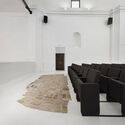
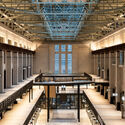
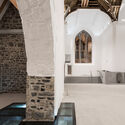
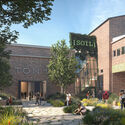
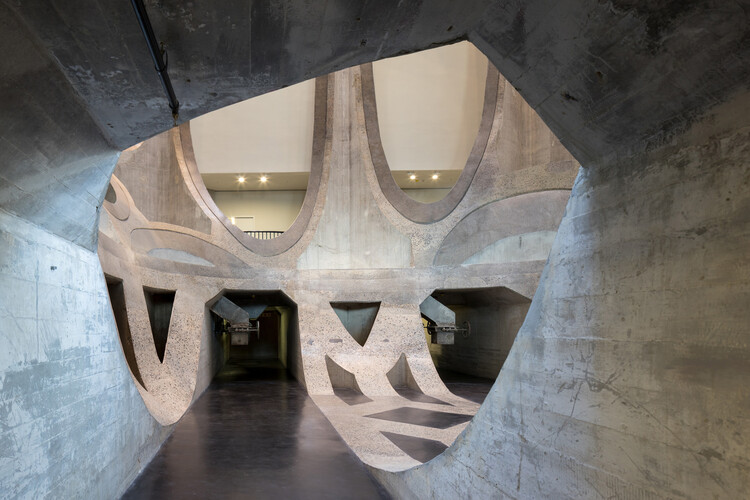
Adaptive reuse allows architects to conserve resources, reduce waste, and extend the life of existing structures. By working with what already exists, architects lessen the need for new materials, lower energy consumption, and limit demolition debris. This approach protects natural habitats and green spaces by reducing the demand for new land development. Through reuse, cities become more sustainable and less carbon-intensive while preserving the material and cultural value of the built environment.
https://www.archdaily.com/1035962/laying-the-groundwork-six-creative-strategies-for-reusing-architectural-foundationsOlivia Poston
Ammodo Architecture Awards 2025 Announces 26 Recipients for Socially and Ecologically Responsible Design
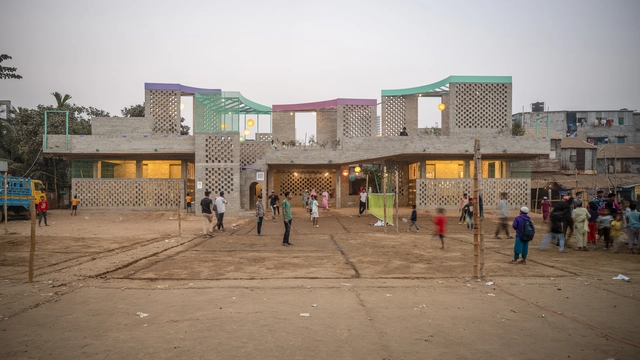
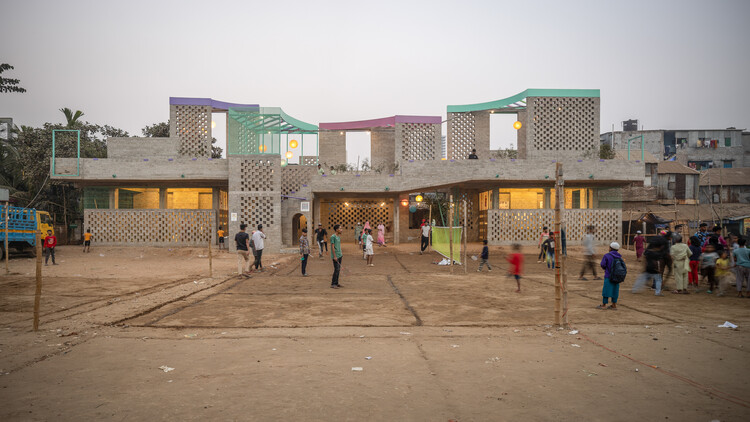
The second edition of the Ammodo Architecture Award has recognized 26 recipients for their contributions to socially and ecologically responsible design. Selected from 168 submissions spanning over 60 countries, the laureates represent a wide range of practices, from established offices to emerging collectives and community-led initiatives. Each recipient receives a grant ranging from €10,000 to €150,000 to support the continued development of their projects. Beyond recognition and financial support, the Ammodo Architecture initiative also functions as a knowledge platform, connecting awardees across regions and facilitating the exchange of ideas on key themes identified by the advisory committee.


https://www.archdaily.com/1035920/ammodo-architecture-awards-2025-announces-26-recipients-for-socially-and-ecologically-responsible-designReyyan Dogan
Can the Floor Beneath Us Shape How We Learn, Focus, and Feel?
| Sponsored Content

For over 125 years, Tarkett has been manufacturing linoleum flooring based on its original 1898 formulation. Trusted by architects worldwide, this natural floor covering is a benchmark in sustainability, durability, and timeless design. Today, Tarkett Linoleum is not only known for its heritage but also for its innovative application in modern architecture — particularly in the education sector. Learn more about the impact of Lino Materiale by Tarkett on today's spaces.
https://www.archdaily.com/1033536/closer-to-nature-tarkett-linoleum-in-educational-architectureRene Submissions
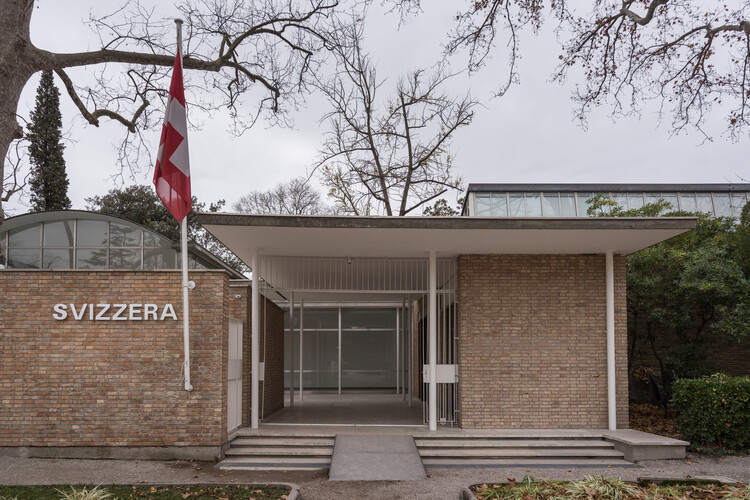
Re‑Situating Modernity: Bruno Giacometti’s Swiss Pavilion at the Venice Biennale

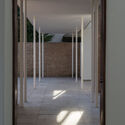
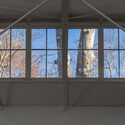
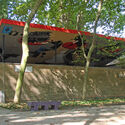
Amid the orderly grid of the Giardini della Biennale, the Swiss Pavilion appears almost reticent. Its low white volumes, completed in 1952 by Bruno Giacometti, seem to withdraw from the surrounding display of national pride. The building embodies a form of modernism that resists monumentality, where precision and restraint replace spectacle, and architecture becomes less an object than a framework for encounter.
Emerging from a Europe rebuilding itself, the pavilion reflects a time when nations were reimagining how to appear in the world. For Switzerland, neutrality had long been both a political stance and a cultural condition, and Giacometti translated this identity into a sequence of measured rooms arranged around an open courtyard, defined not by what they contain but by how they hold light, movement, and pause. The result is an architecture that does not speak loudly of belonging but invites attention through balance and care.

https://www.archdaily.com/1035655/re-situating-modernity-bruno-giacomettis-swiss-pavilion-at-the-venice-biennaleDiogo Borges Ferreira
AMO / OMA Explores the Future of Rural Living with “Countryside: A Place to Live, Not to Leave” in Doha
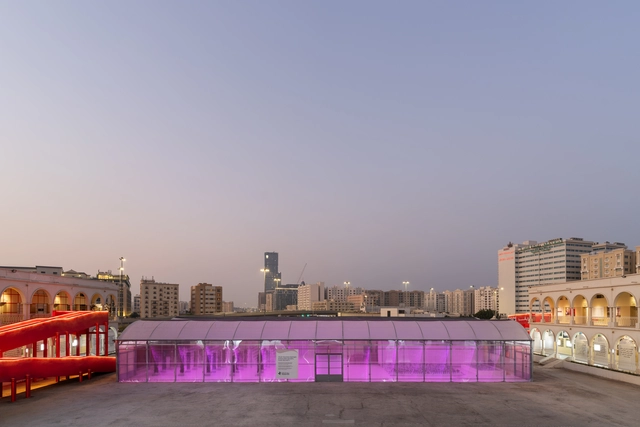
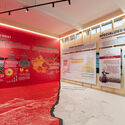
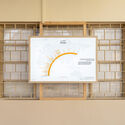
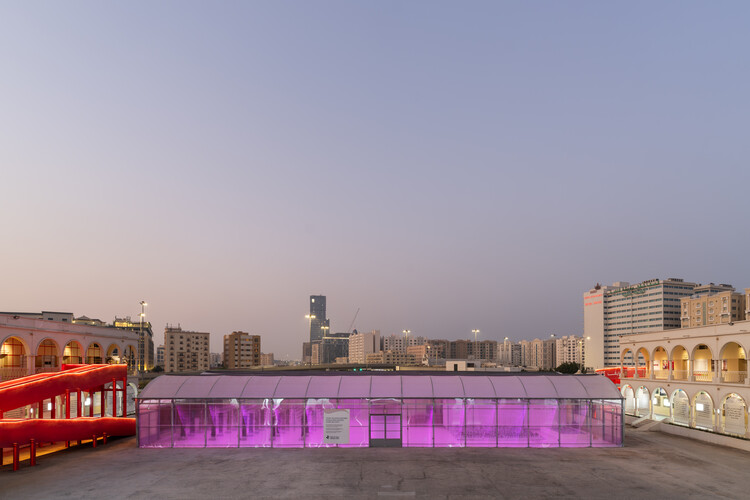
Countryside: A Place to Live, Not to Leave by AMO / OMA presents an exploration of contemporary life beyond the city, examining how rural territories adapt to global transformation. Conceived under the direction of Rem Koolhaas and Samir Bantal, with Yotam Ben Hur as project architect, the exhibition is presented by Qatar Museums in collaboration with the Qatar Fund for Development (QFFD), the Ministry of Environment and Climate Change (MoECC), Hassad Food, and Kahramaa. It is hosted across two venues in Doha, the Qatar Preparatory School and the National Museum of Qatar, and remains accessible to the public until June 30, 2026.
https://www.archdaily.com/1035961/amo-oma-explores-the-future-of-rural-living-with-countryside-a-place-to-live-not-to-leave-in-dohaReyyan Dogan
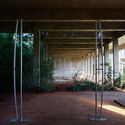
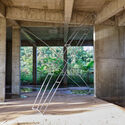
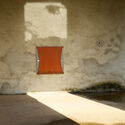
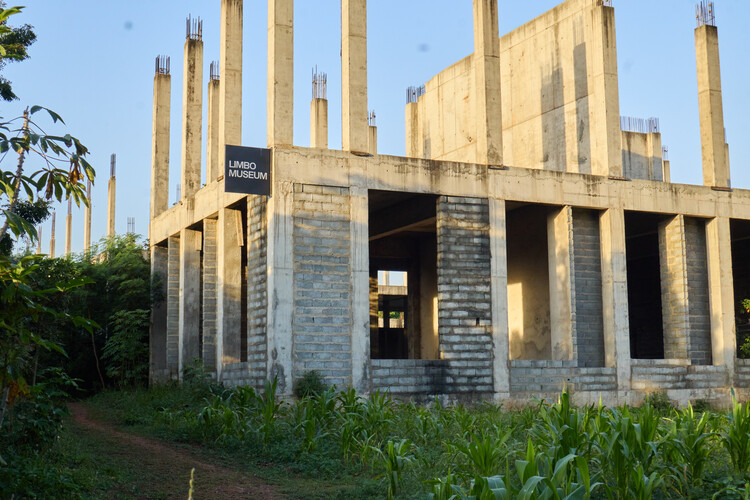
Limbo Museum Opens Its Debut Exhibition Within an Unfinished Brutalist Building in Ghana, West Africa

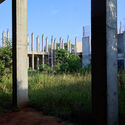
The Limbo Museum is a new institution dedicated to architecture, art, and design based in Ghana, West Africa. The museum challenges the concept of the ruin, operating from a formerly abandoned Brutalist estate that currently conveys the image of an unfinished building. The project was founded by Limbo Accra, a spatial design and research-based practice established in 2018 by Dominique Petit-Frère and Emil Grip, dedicated to "unlocking the potential of unfinished buildings across West Africa and beyond." On October 31, 2025, the museum opened its first public exhibition, On the Other Side of Languish by Reginald Sylvester II, developed through the institution's visiting artist residency program.
https://www.archdaily.com/1035953/limbo-museum-opens-its-debut-exhibition-within-an-unfinished-brutalist-building-in-ghana-west-africaAntonia Piñeiro
Architecture on Water: Adaptive and Ecological Approaches from Venice 2025

This curated selection of projects from the 2025 Venice Architecture Biennale explores how architects and designers are rethinking the relationship between the built environment and water in response to the global climate crisis. As sea levels rise and extreme weather events increase, water is no longer a distant threat but an immediate design condition. Rather than resisting it, these projects look at how architecture can coexist with, adapt to, and even regenerate through natural forces. Together, they suggest a shift toward working with the elements, acknowledging water not as a limit to construction but as an active participant in shaping future environments.



https://www.archdaily.com/1035893/architecture-on-water-adaptive-and-ecological-approaches-from-venice-2025Nour Fakharany
The Montreal Biodome: From Olympic Velodrome to a Space for Life

The history of the Olympic Games, while marked by athletic achievement, is consistently contrasted by infrastructure challenges. Across host cities, from Athens to Rio and Beijing, similar issues arise: significant cost overruns and the complex issue of legacy. The big question is: What is the best viable long-term use for purpose-built sport venues? Montreal's 1976 Games shared this fate after building an Olympic Park that faced heavy criticism for cost overruns and debt from specialized construction. Post-Games, venues like the Montreal Velodrome risked becoming a financial burden. However, the city demonstrated a proactive response by proposing the transformation of the building into a thriving civic asset that now stands as an internationally recognized example of successful Olympic venue repurposing.


https://www.archdaily.com/1035861/the-montreal-biodome-from-olympic-velodrome-to-a-space-for-lifeMoises Carrasco
How SCI-Arc Prepares Architects to Thrive in Constant Change
| Sponsored Content

Architecture is being reshaped by artificial intelligence, climate change, and shifting social structures. At SCI-Arc, students learn to face these challenges head-on, using design to shape a rapidly changing world.
This fall, SCI-Arc's upper-level Vertical Studios bring the world into the studio. Each is led by a practicing architect working at the forefront of the field—from experimental fabrication to urban and environmental design. Drawing on real projects and professional experience, faculty challenge students to engage with the realities of the present and to design with precision, empathy, and imagination.
https://www.archdaily.com/1035532/how-sci-arc-prepares-architects-to-thrive-in-constant-changeRene Submissions
See Through Walls: Adaptive Reuse Through Data, AI, and Circular Design
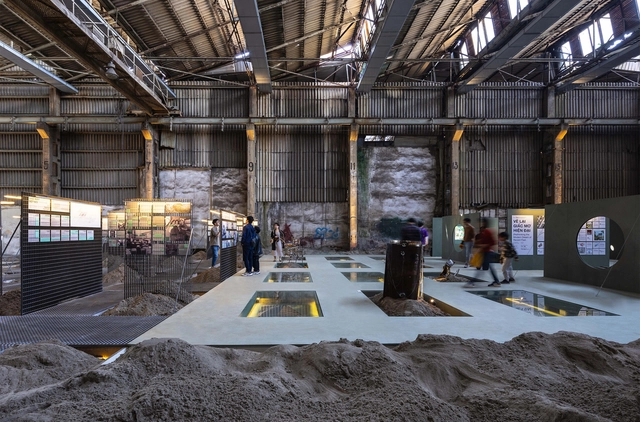
Behind layers of plaster, paint, and finishes lies an intricate network of pipes, electrical conduits, beams, and other structural elements that make a building function and stand, yet remain invisible to the everyday eye. Within these layers, traces of different periods accumulate: replaced systems, improvised adaptations, and technical solutions that once responded to specific contexts and urgencies. In adaptive reuse, the greatest challenge often begins before construction even starts, which is understanding what lies within when little or no reliable documentation exists. During a renovation, pleasant or unpleasant surprises are inevitable. The unexpected is part of the process, but it also represents cost, delay, and risk factors that often discourage investors and professionals from engaging in this type of project.
https://www.archdaily.com/1035859/see-through-walls-adaptive-reuse-through-data-ai-and-circular-designEduardo Souza
Wellness by the Vez: Buildner Reveals the SPA Competition Winners
| Sponsored Content

Buildner has announced the results of its Portugal Vez River SPA international competition.
This international competition invited architects to design a boutique wellness retreat along the serene banks of the Vez River in northern Portugal. The project challenged participants to propose a space of tranquility and renewal that would harmonize with its extraordinary natural setting and complement a restored historic watermill already on site. The project partner, the site landowner, plans to construct one of the winning entries.
https://www.archdaily.com/1035747/wellness-by-the-vez-buildner-reveals-the-spa-competition-winnersRene Submissions
BIG’s Suzhou Museum of Contemporary Art in China Nears Completion with "Materialism" Exhibition

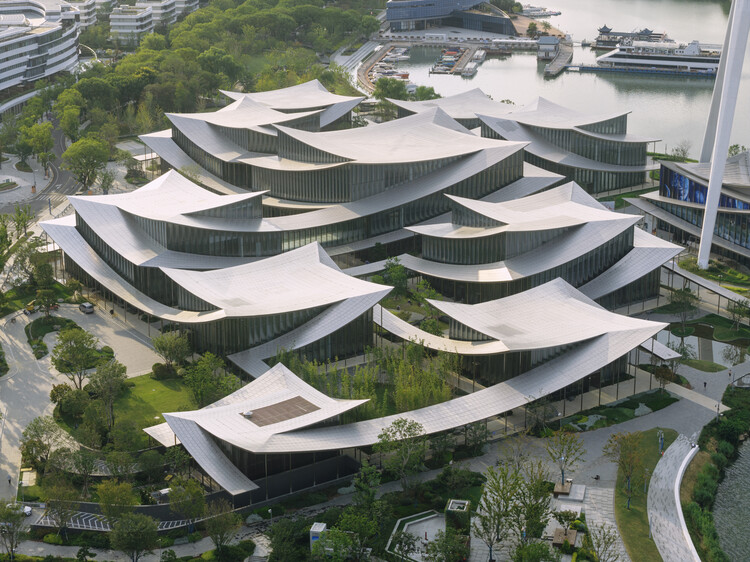
The Suzhou Museum of Contemporary Art (Suzhou MoCA), designed by BIG – Bjarke Ingels Group, is nearing completion along the Jinji Lake waterfront in Suzhou, China. Conceived as a cluster of twelve pavilions beneath a continuous, ribbon-like roof, the 60,000-square-meter complex reinterprets the traditional garden architecture that has long defined Suzhou's urban and cultural identity. Commissioned by the Suzhou Harmony Development Group and developed in collaboration with ARTS Group and Front Inc., the project is expected to open officially in 2026. The museum will debut with "Materialism," an exhibition curated by BIG that traces a material journey from stone to recyclate.



https://www.archdaily.com/1035914/bigs-suzhou-museum-of-contemporary-art-in-china-nears-completion-with-materialism-exhibitionReyyan Dogan
MVRDV Designs Spherical Landmark for Tirana’s New Asllan Rusi Sports Palace
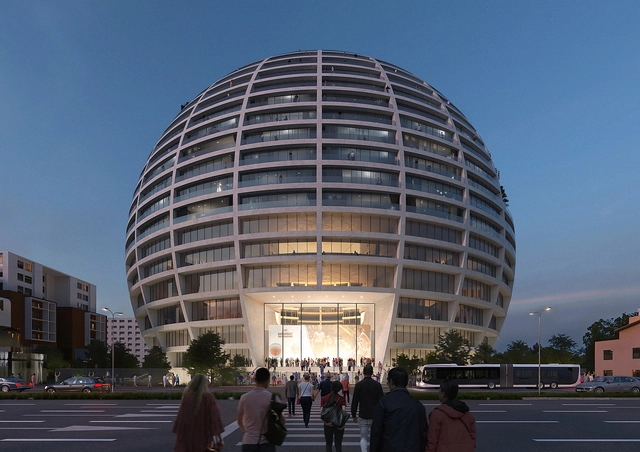
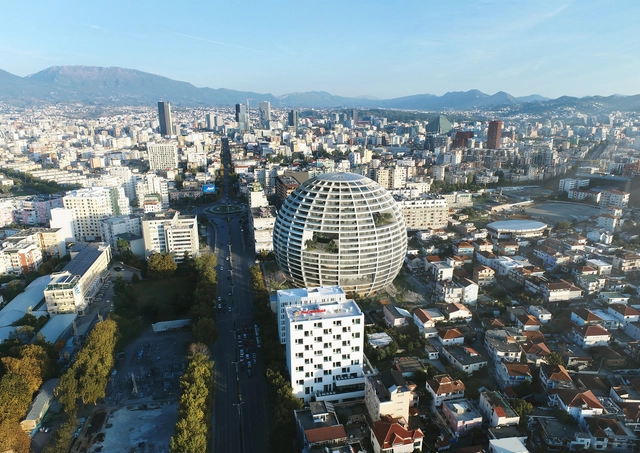
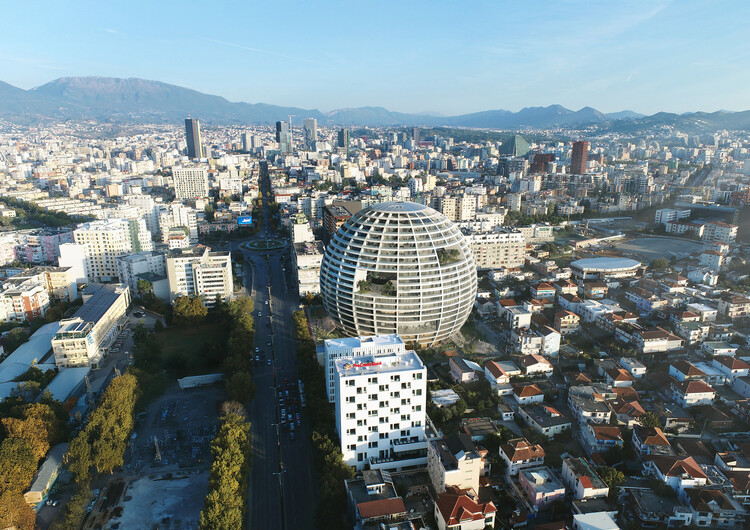
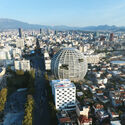
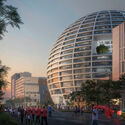
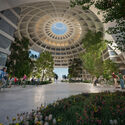
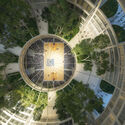
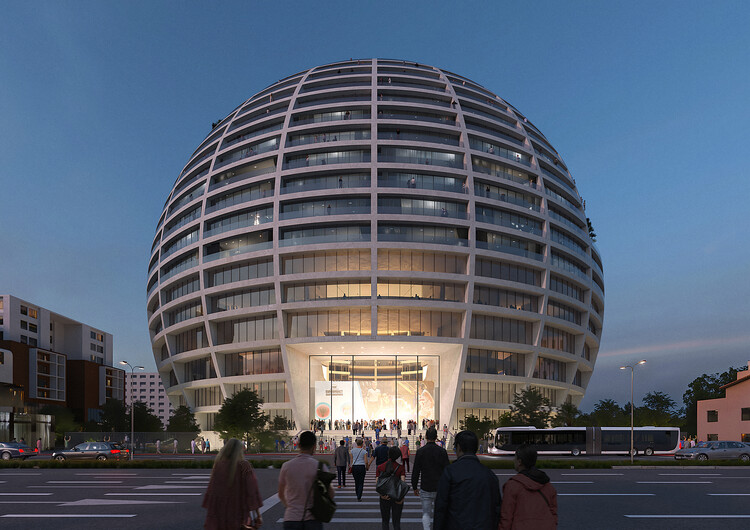
Tirana, the capital of Albania, is experiencing a rapid transformation driven by the long-term urban strategy outlined in the Tirana 2030 (TR030) Master Plan. Developed in 2017 by Stefano Boeri Architetti, UNLAB, and IND [Inter.National.Design] through a competition organized by the Ministry of Urban Development, the plan's objectives include increasing urban density, improving public infrastructure, and integrating green spaces and open areas into the urban fabric. It is in this dynamic setting that MVRDV has won the international competition for Tirana's new Asllan Rusi Sports Palace. Conceived as a mixed-use development, the project, named The Grand Ballroom, combines a 6,000-seat arena for basketball and volleyball with residential apartments, a hotel, and ground-level retail. With its spherical form exceeding 100 metres in diameter, the design adds a distinctive landmark to Tirana's growing collection of ambitious architectural projects.
https://www.archdaily.com/1035904/mvrdv-designs-spherical-landmark-for-tiranas-new-asllan-rusi-sports-palaceAntonia Piñeiro
2025 Pritzker Architecture Prize Ceremony Video Released Honoring Liu Jiakun
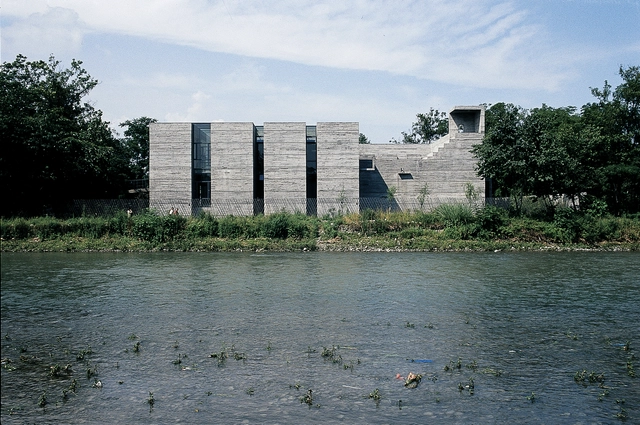
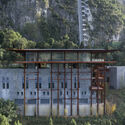
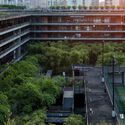
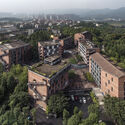
The Pritzker Architecture Prize has released a special video honoring Liu Jiakun, the 54th Laureate of the award. Filmed at the Louvre Abu Dhabi, the ceremony celebrates Liu's architectural vision, characterized by a deep engagement with civic life, cultural continuity, and the human condition. The film captures moments from the event and offers insight into Liu's broader practice, emphasizing architecture's capacity to reconcile tradition and modernity while addressing social and environmental challenges. The release of the ceremony video marks the culmination of the 47th edition of the Pritzker Architecture Prize. The 2026 Laureate will be announced in March, continuing the award's legacy of recognizing architects whose work advances the discipline and its role in shaping human experience.

https://www.archdaily.com/1035919/2025-pritzker-architecture-prize-ceremony-video-released-honoring-liu-jiakunReyyan Dogan
Bugs, Bees, and Trees: How to Integrate Biodiversity in the Built Environment

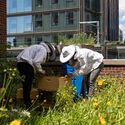
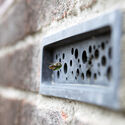
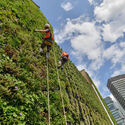
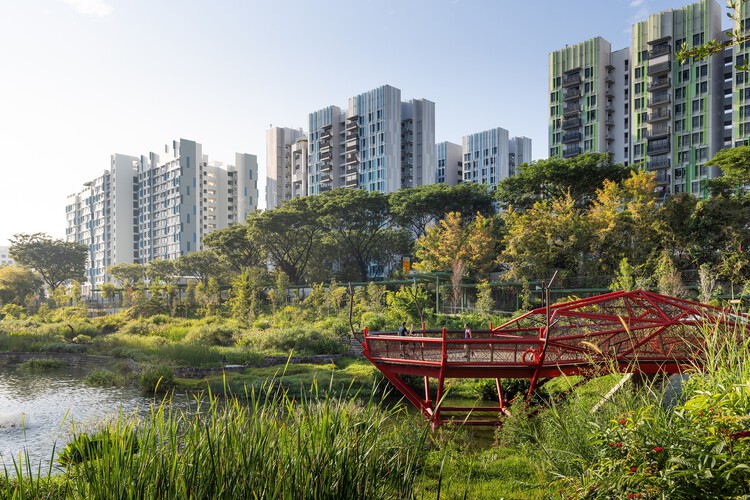
Biodiversity, defined by the World Wide Fund for Nature (WWF) as the different kinds of life found in an area, is in a state of crisis all across the world, with declines in the numbers of organisms and many species declared as at risk of extinction. All types are affected, from plants and fungi to large mammals, and there is a clear link to human activity being the cause. Although farming methods and climate change due to greenhouse gases play a major role, cities and buildings can play a small but important role in countering this decline.

https://www.archdaily.com/1035869/bugs-bees-and-trees-how-to-integrate-biodiversity-in-the-built-environmentMohieldin Gamal
Closing the Water Loop with Greywater Recycling in the Bathroom
| Sponsored Content

Water is the foundation of life. It shapes landscapes, regulates climates, and sustains every living organism. Yet on the only known inhabited planet, this essential resource faces a growing crisis: although 70% of Earth's surface is covered by water, less than 1% is actually available for human use. Most of it is consumed by agriculture and industry, while in households, activities like bathing and flushing use vast amounts of drinking water for non-essential purposes. The bathroom, therefore, has become a key space for innovation, where technology and design can help redefine how we use and reuse this vital element.
https://www.archdaily.com/1033783/closing-the-water-loop-with-greywater-recycling-in-the-bathroomEduardo Souza
Lighter and Stronger, Composites Are Changing How We Build
| In Collaboration

The practice of combining materials to achieve better performance has accompanied humanity since the earliest constructions. One of the first known examples emerged over five thousand years ago, when civilizations in Mesopotamia and Egypt mixed mud and straw to mold sun-dried adobe bricks. Light and fibrous, straw prevented cracking and increased strength, while mud acted as a binder and protection. This simple yet ingenious invention can be considered the first composite in history, illustrating the ancestral intuition that distinct materials, when combined, can become something stronger and better.
https://www.archdaily.com/1034993/lighter-and-stronger-composites-are-changing-how-we-buildEduardo Souza
The Studio Museum in Harlem Opens Its First Purpose-Built Home by Adjaye Associates

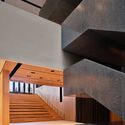
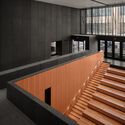
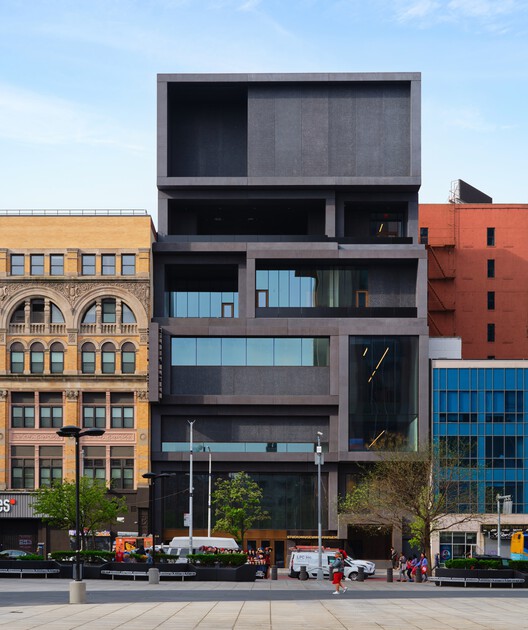
The Studio Museum in Harlem is preparing to open its new purpose-built home to the public on November 15 with a Community Day celebration. Designed by Adjaye Associates in collaboration with Cooper Robertson, the seven-story, 82,000-square-foot building is located on West 125th Street in Harlem, New York City. Serving as a major institution dedicated to artists of African descent, the museum's new facility marks the first structure in its fifty-seven-year history conceived specifically for its mission. The opening signals a new chapter for the museum's engagement with art, education, and the local community through expanded spatial and programmatic capacities.


https://www.archdaily.com/1035878/the-studio-museum-in-harlem-opens-its-first-purpose-built-home-by-adjaye-associatesReyyan Dogan
A Look at the 45 Award-Winning Pavilions of Expo 2025 Osaka

About a month after the closing of Expo 2025 Osaka, the designs and constructions presented at the world's fair remain as a legacy. While the Bahrain Pavilion, designed by Lina Ghotmeh Architecture, drew particular attention this year for receiving double recognition, it was one among many awarded projects. During the awards ceremony held on the penultimate night of the event, a total of 45 awards were presented among 165 participating countries. The Official Participant Awards are granted according to pavilion size and type, recognizing excellence in Architecture and Landscape (for self-built pavilions only), External Design (for module pavilions only), Exhibition Design, Theme Development, and Sustainability. The recipients were selected by an international jury of nine experts who visited all national and thematic pavilions during two evaluation sessions in May and October 2025. The following overview presents all 45 pavilions distinguished in the five categories of the Official Participant Awards.


https://www.archdaily.com/1035864/a-look-at-the-45-award-winning-pavilions-of-expo-2025-osakaAntonia Piñeiro
Voices of ArchDaily: Eduardo Souza

Based in Florianópolis, Brazil, Eduardo Souza brings a nuanced perspective to architecture shaped by his lifelong engagement with design, research, and editorial practice. Growing up in an environment deeply connected to architecture—his father a civil engineer and professor—Eduardo developed an early fascination with creativity, craftsmanship, and spatial thinking. This foundation naturally led him to study architecture, and later, to explore the editorial realm where writing and curation became extensions of his architectural passion.
Eduardo joined ArchDaily as a translator in its early years and gradually grew into various editorial roles, developing a keen interest in the intersection of materials, technologies, and construction systems. His editorial work focuses on uncovering innovations that challenge traditional modes of making architecture, emphasizing coherence between concept, execution, and context. He pays close attention to sustainable practices such as circularity, local material use, and vernacular reinterpretations that respond to today's environmental and cultural challenges.
https://www.archdaily.com/1035895/voices-of-archdaily-eduardo-souzaArchDaily