

This guide explains how to structure multi-image prompts in the RunDifussion platform. Explore RunDifussion's product catalog.
News
How to Prompt and Annotate Multiple Images with AI
| Sponsored Content
https://www.archdaily.comhttps://www.archdaily.com/catalog/us/products/38860/how-to-prompt-and-annotate-multiple-images-with-ai-rundiffusion
From Iran to Argentina: 9 Unbuilt Contemporary Residences Exploring Form, Context, and Identity

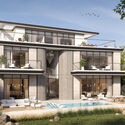
Across geographies and generations, architects are rethinking the idea of home, balancing personal expression, contextual sensitivity, and material clarity. These contemporary residential proposals, submitted by the ArchDaily community, reveal how the house continues to evolve as both an architectural statement and an intimate landscape for living. From the sculptural and futuristic to the grounded and vernacular, they explore how built form balances between identity, environment, and lifestyle in an increasingly complex world.



https://www.archdaily.com/1034921/from-iran-to-argentina-9-unbuilt-contemporary-residences-exploring-form-context-and-identityNour Fakharany
Lina Ghotmeh on Memory, Museums, and the Archaeology of the Future
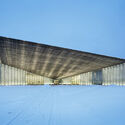
Known today for her poetic yet rigorous approach to architecture, Lina Ghotmeh has become one of the most compelling voices in contemporary design. Her work spans continents, from the British Museum's Western Range redesign in London to AlUla's Contemporary Art Museum, and includes landmark commissions such as the Serpentine Pavilion in London, Stone Garden in Beirut, the Bahrain Pavilion at the 2025 Expo Osaka, and the Estonian National Museum in Tartu, Estonia which she won the competition to design at just 25. Through a palimpsest of projects, Ghotmeh has established a distinctive architectural language that bridges memory and contemporary life. Wherever she builds, her process captures a constant dialogue between people, place, past and future.
https://www.archdaily.com/1034567/lina-ghotmeh-on-memory-museums-and-the-archaeology-of-the-futureChristele Harrouk
Rising Architectural Voices and New Commissions: The Week’s Review

This week, architectural conversations were shaped by themes of resilience, equity, and cultural relevance, brought into focus by World Architecture Day. Across global contexts, the discipline continues to expand its understanding of strength, not only as structural endurance but as a framework for inclusive, adaptable, and environmentally conscious design. From strategies for gender-equitable public space to new commissions grounded in memory and reconciliation, recent developments reflect how architecture is increasingly positioned as a tool for social engagement and long-term stewardship in the face of ongoing global challenges.

https://www.archdaily.com/1034894/rising-architectural-voices-and-new-commissions-the-weeks-reviewReyyan Dogan
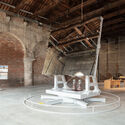
From Saudi Arabia to Uzbekistan: AlMusalla Pavilion Reinstalled for the Inaugural Bukhara Biennial 2025
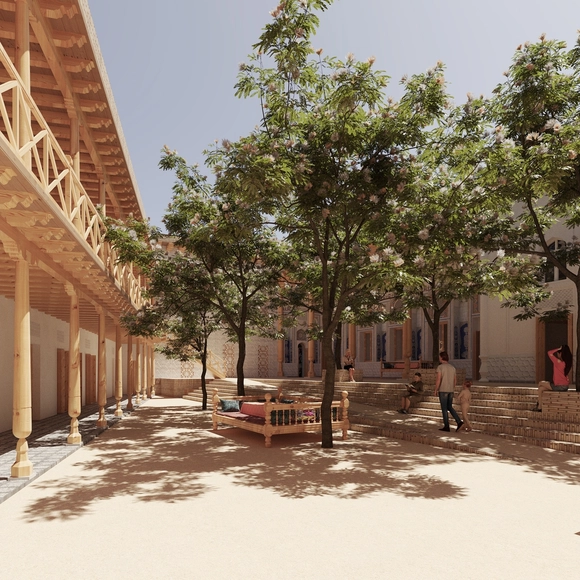
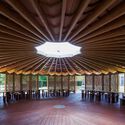
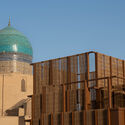
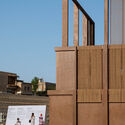
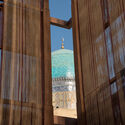
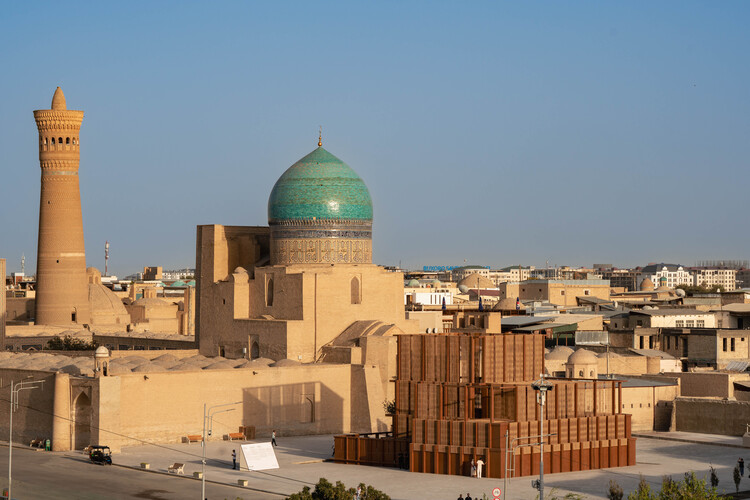
In April 2024, the Diriyah Biennale Foundation announced the AlMusalla Prize, an international architecture competition focused on designing a musalla: a flexible space for prayer and reflection accessible to people of all faiths. The winning project, designed by EAST Architecture Studio in collaboration with artist Rayyane Tabet and engineering firm AKT II, is a modular structure built with materials derived from local date palm waste, including fronds and fibers, and inspired by regional weaving traditions. Installed in the Western Hajj Terminal of King Abdulaziz International Airport in Jeddah, Saudi Arabia, the musalla served for four months during the Islamic Arts Biennale as a space for prayer, welcoming both Muslim and non-Muslim visitors. Conceived to be dismantled and reassembled, the structure was recently relocated to Uzbekistan for the inaugural Bukhara Biennial 2025.
https://www.archdaily.com/1034877/from-saudi-arabia-to-uzbekistan-almusalla-pavilion-reinstalled-for-the-inaugural-bukhara-biennial-2025Antonia Piñeiro
São Paulo Architecture Biennial Points to Possible Futures for a Planet in Crisis

There are places in the world where temperatures already exceed fifty degrees, and others where water levels rise meters above expected levels. Meanwhile, in the heart of São Paulo, architects, researchers, artists, and communities come together to ask: how can we inhabit the Earth in times of extremes? This question drives the 14th International Architecture Biennial of São Paulo, held at the Oca in Ibirapuera Park, focusing on the theme Extremes: Architectures for a Hot World. More than an exhibition, it is a call to confront the climate crisis, social inequality, and the urgent need to reinvent ways of living.
Unlike previous editions, which were spread across multiple locations in the city, curators Clevio Rabelo, Jera Guarani, Karina de Souza, Marcella Arruda, Marcos Certo, and Renato Anelli chose to concentrate this year’s edition under a single roof, allowing the curatorial narrative to unfold clearly and directly. The entire journey is there, organized into sections that weave together ancestral practices and emerging technologies, material experiments and critical perspectives, local projects and global debates. The Oca thus becomes a crossroads: a space where diverse architectural visions overlap, offering a platform for collective reflection on society and the environment.


https://www.archdaily.com/1034713/sao-paulo-architecture-biennial-points-to-possible-futures-for-a-planet-in-crisisRomullo Baratto
Architects as Mediators: Three Cases of Dialogue Between Communities, Governments, and Businesses in the Global South

In contemporary times, architectural practice goes far beyond designing buildings or materializing ideas; it has become a multidimensional field, taking on broader and more complex roles. In contexts marked by inequality, environmental crises, and territorial disputes, architecture becomes a tool for negotiation, capable of mediating interests among diverse actors. In this scenario, architects also assume the roles of cultural translators, social facilitators, and, often, advocates for collective rights.


https://www.archdaily.com/1034578/architects-as-mediators-three-cases-of-dialogue-between-communities-governments-and-businesses-in-the-global-southCamilla Ghisleni
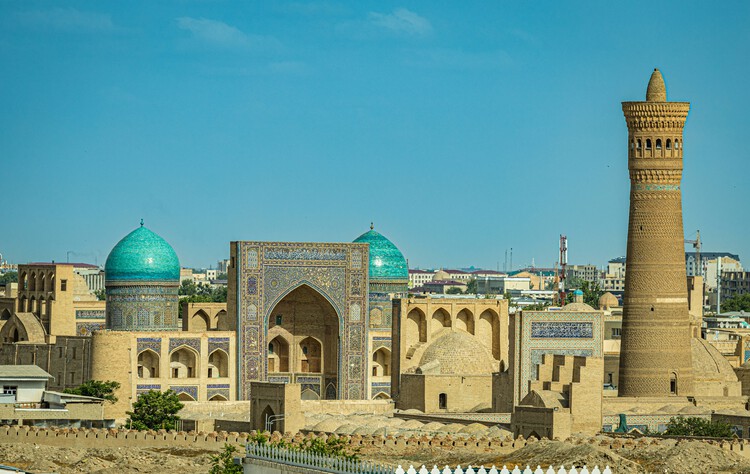
Bridging Past and Future: Uzbekistan’s Expanding Cultural Landscape
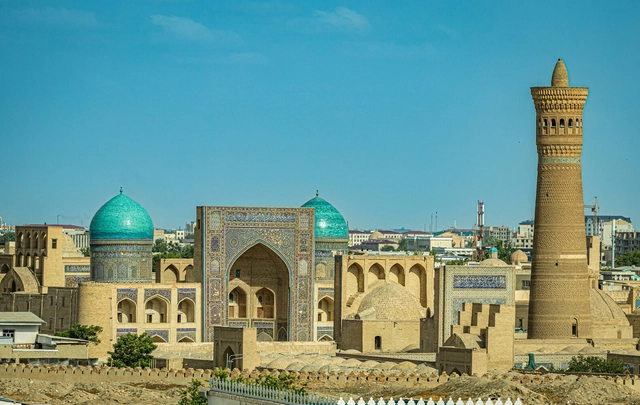
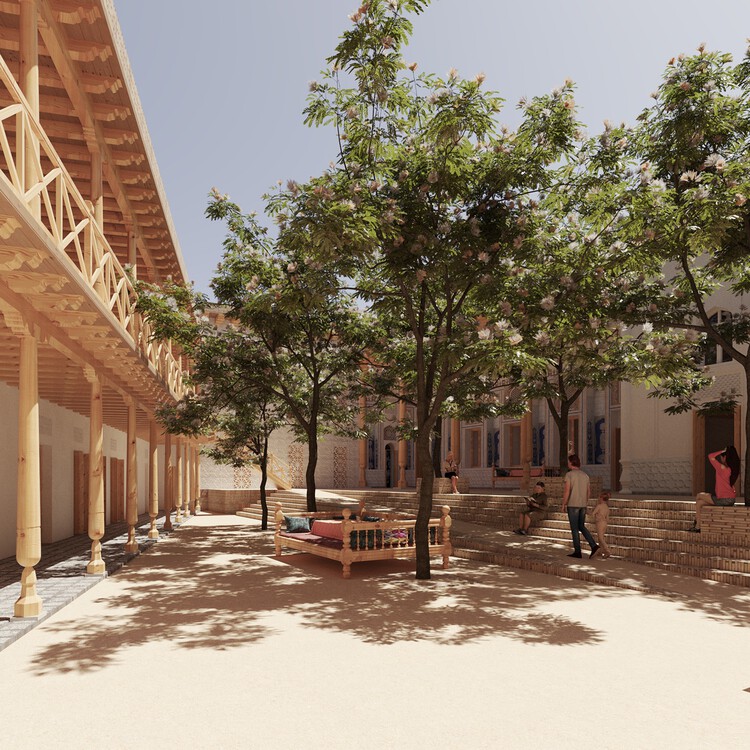
Uzbekistan's architectural and artistic heritage reflects a layered history shaped by centuries of cultural exchange along the Silk Road. From the monumental ensembles of Samarkand and Bukhara to the scientific and educational institutions of the Timurid era, architecture has long been a vessel of identity and knowledge across the region. In the twentieth century, Tashkent emerged as a new urban laboratory, where modernist ideals met local craft traditions and environmental pragmatism. The city's reconstruction following the 1966 earthquake became a defining moment, fusing Soviet urbanism with regional aesthetics to produce a distinctly Central Asian expression of modernity, one that translated cultural continuity into concrete, glass, and light.
https://www.archdaily.com/1034850/bridging-past-and-future-uzbekistans-expanding-cultural-landscapeReyyan Dogan
Make Space for Girls Launches Strategy for Gender-Inclusive Public Spaces
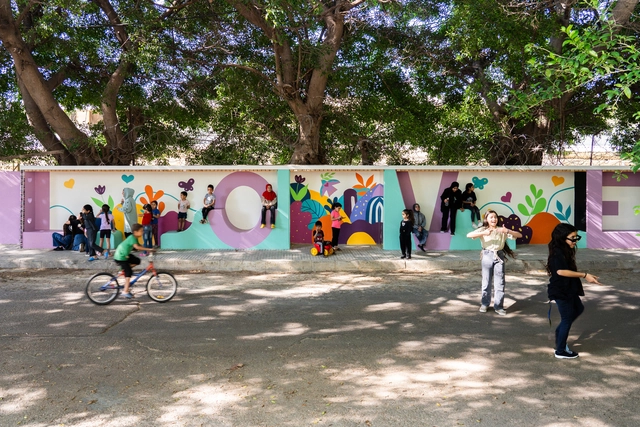
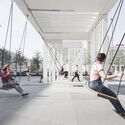
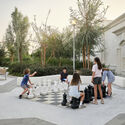
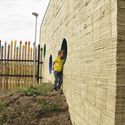
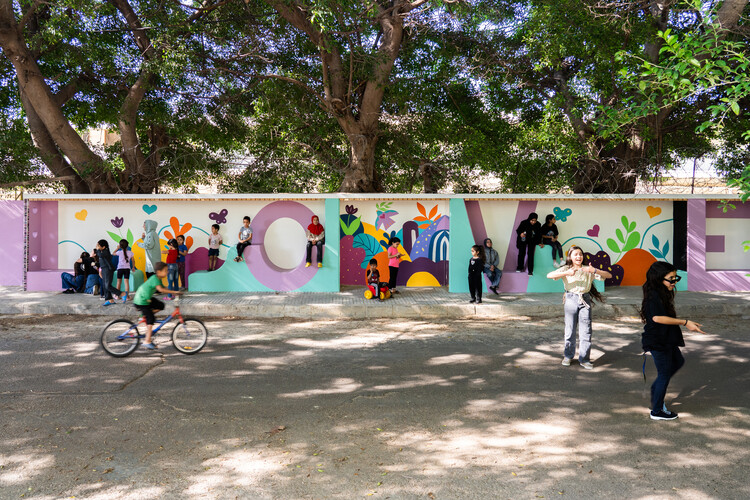
Make Space for Girls (MSFG) is a London-based charity that campaigns for public spaces and parks in the United Kingdom to be more inclusive of teenage girls. The organization conducts research on how public spaces are used and designed, raises awareness about perceived inequalities in their use, and collaborates with public and private institutions to promote the representation of teenage girls in the planning and design of outdoor environments. Their research indicates that their exclusion from the design of parks and public spaces often leaves them without places where they feel welcomed or valued, and that parks and public spaces for older children and teenagers are currently designed for the default male. From 8 to 15 October, the organization is running a fundraising campaign to support the implementation of its new three-year strategy aimed at promoting more inclusive public spaces.
https://www.archdaily.com/1034835/make-space-for-girls-launches-strategy-for-gender-inclusive-public-spacesAntonia Piñeiro
CarbonSpace: Designing with Carbon from the First Sketch

Every act of building begins with the transformation of raw materials, energy, and land, and this inevitably entails environmental impact. This encompasses all the changes a process triggers in the natural world: from resource extraction to pollutant emissions, from energy consumption to biodiversity loss. Measuring this is complex, as it spans multiple dimensions. Carbon has emerged as the common metric, translating these effects into greenhouse gas emissions (CO₂ equivalent) directly linked to global warming. This standardization has made it omnipresent and comparable across materials, systems, and sectors. Reducing carbon emissions, therefore, means addressing the root of global warming, which is a particularly urgent task in the construction industry, responsible for about 39% of global emissions. In response to this challenge, MVRDV NEXT, the innovation and digital tools division of the Dutch architectural firm, launched CarbonSpace, a free, open platform that brings carbon accounting to the architect's desk, right at the napkin sketch stage.


https://www.archdaily.com/1034783/carbonspace-designing-with-carbon-from-the-first-sketchEduardo Souza
Harnessing Vertical Light: Strategies for Spatial Depth and Comfort
| In Collaboration
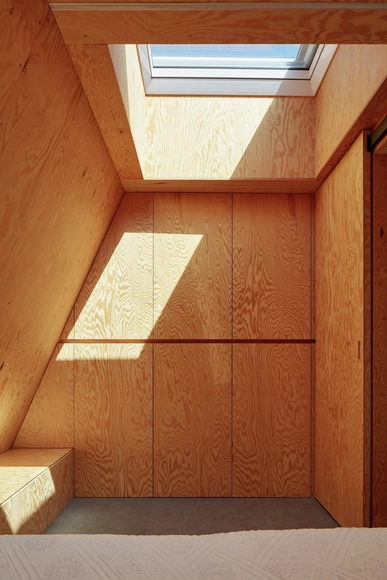
Architecture goes beyond its fundamental function of defining spaces and providing protection; it shapes the user experience, influencing sensations of comfort, spaciousness, and well-being. Among the many elements that make up a building, openings play a crucial role in connecting the interior and exterior, balancing privacy with transparency, and allowing the entry of natural light and ventilation. In particular, natural light transforms environments, defines atmospheres, and enhances architectural details, making spaces more dynamic and inviting.
https://www.archdaily.com/1034687/harnessing-vertical-light-strategies-for-spatial-depth-and-comfortEduardo Souza
Age of Nature: New DAC Exhibition Explores the Future Relationship Between Architecture and Nature

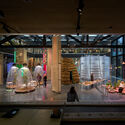
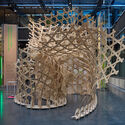
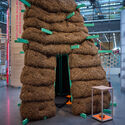
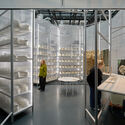
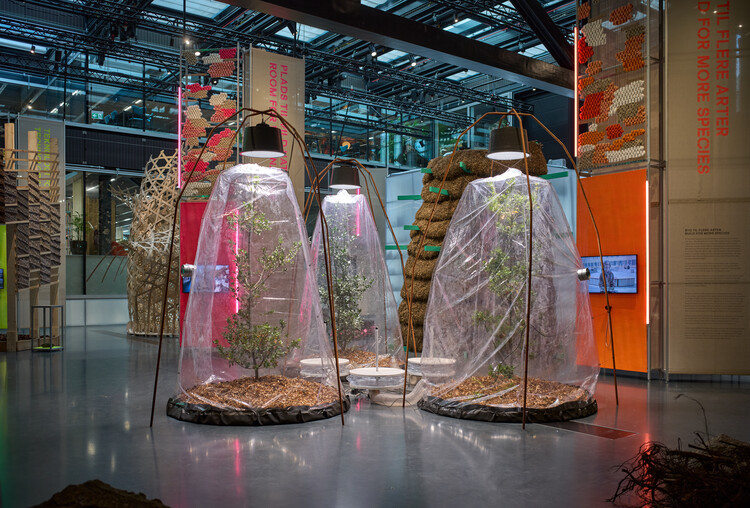
Opening on World Architecture Day, October 6, 2025, "Age of Nature" is a new exhibition at the Danish Architecture Center (DAC), on view until May 17, 2026. Presented in DAC's largest exhibition space, the show examines how architecture can evolve to support both human life and biodiversity, addressing one of the most pressing challenges of the time: redefining the relationship between the built environment and the natural world.
https://www.archdaily.com/1034831/age-of-nature-new-dac-exhibition-explores-the-future-relationship-between-architecture-and-natureReyyan Dogan
Zaha Hadid Architects and Bureau Cube Partners Design Mixed-Use Alta Bank Tower in New Belgrade, Serbia
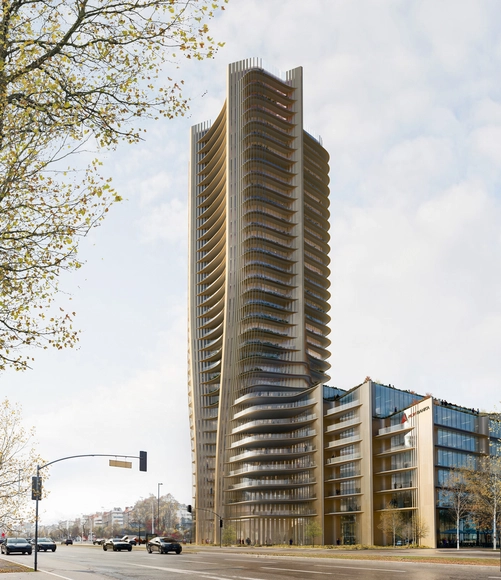
Zaha Hadid Architects, in collaboration with Bureau Cube Partners, have won an international competition to design a new tower for Alta Bank in New Belgrade, Serbia. Conceived as a mixed-use development, the project integrates the bank's new headquarters with residential units, rental office spaces, and retail and dining areas within a public plaza. The design aims to provide a future-oriented base of operations that reflects evolving patterns of work and urban life, continuing the collaboration between the two firms following their winning proposal for the new Nikola Tesla Museum in Belgrade in 2025.
https://www.archdaily.com/1034816/zaha-hadid-architects-designs-mixed-use-alta-bank-tower-in-new-belgrade-serbiaAntonia Piñeiro
Ancient Wisdom Meets Urban Reality: Vastu’s Role in Contemporary Indian Cities

India carries an ancient lineage of tradition that has long shaped the very conception and crafting of its cities. Vastu Shastra is one such tradition, more a science than a belief, intimately woven into the principles of architectural design. The practice remains widespread and highly regarded, with 93% of homes designed to align with Vastu principles. As India urbanizes at an unprecedented pace, projected to add 416 million city dwellers by 2050, Vastu Shastra continues to influence billions of real estate decisions amid the trials of modern city living. How might an 8,000-year-old spatial science evolve to guide the design of cities housing millions?


https://www.archdaily.com/1034777/ancient-wisdom-meets-urban-reality-vastus-role-in-contemporary-indian-citiesAnkitha Gattupalli
World Architecture Day 2025: How We Design for Strength in an Age of Crisis
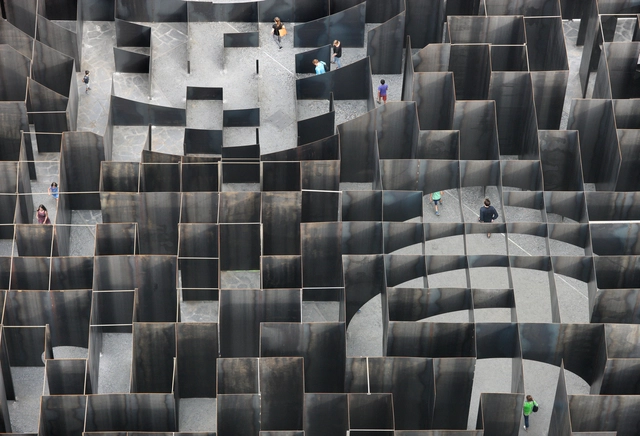
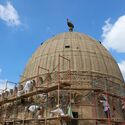
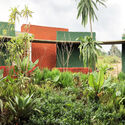
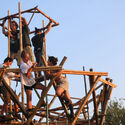
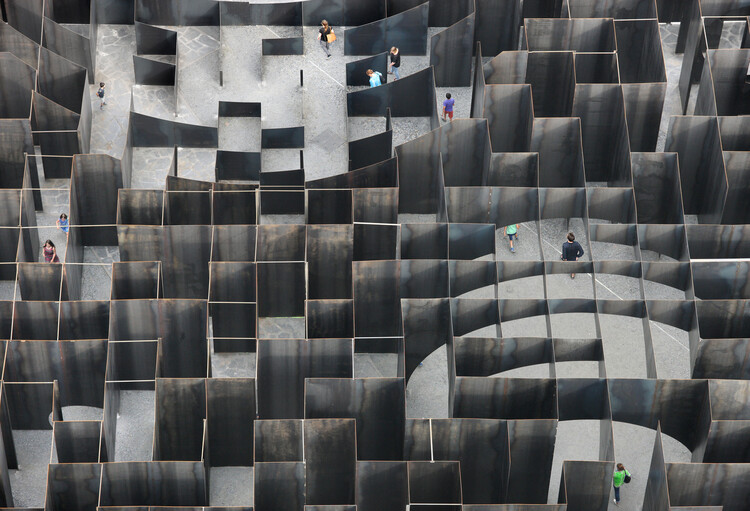
Today, on the first Monday of October, we celebrate World Architecture Day. This year, the International Union of Architects (UIA) has set the theme "Design for Strength," a powerful call to action that resonates deeply with the UN's focus on urban crisis response. In a world facing unprecedented environmental and social disruptions, this theme challenges us to move beyond temporary fixes. It asks: How can our buildings and cities not only withstand shocks but also foster equity, continuity, and resilience?
While the concept of strength in architecture can easily evoke images of reinforced concrete and steel, a more profound interpretation is emerging, one that defines strength not as mere rigidity, but as a holistic capacity to endure and adapt. This includes many facets, from ecological resilience and stewardship to long-lasting concepts of social resilience or the long-lasting conservation of existing urban structures, all contributing to a built environment more able to respond to the multitude of crises faced by cities worldwide.

https://www.archdaily.com/1034781/world-architecture-day-2025-how-we-design-for-strength-in-an-age-of-crisisMaria-Cristina Florian
Celebrating Innovation: Buildner and Dubai Award €250K in 'House of the Future' Contest
| Sponsored Content

Buildner, in partnership with the Government of Dubai, has announced the results of the 2024/25 House of the Future competition. Following the success of its inaugural edition in 2023, this second edition invited architects and designers worldwide to develop an affordable, expandable, and forward-thinking prototype home tailored to the evolving needs of Emirati families.
Organized in collaboration with the Mohammed bin Rashid Centre for Government Innovation and the Sheikh Zayed Housing Programme, the competition offered a total prize fund of €250,000 (1 million AED). Winning entries are now being reviewed for potential inclusion in the UAE's national catalogue of housing designs, which provides citizens with a selection of pre-approved, innovative home models.
https://www.archdaily.com/1034423/celebrating-innovation-buildner-and-dubai-award-eu250k-in-house-of-the-future-contestRene Submissions
OUALALOU+CHOI Wins Competition for the New Casa Sud Train Station in Casablanca

OUALALOU+CHOI has won the international competition for the design of the new Casa Sud Train Station in Casablanca, Morocco. Based in Paris and Casablanca, the architecture and urban design practice led by Tarik Oualalou and Linna Choi is recognized for its work exploring the relationship between architecture, infrastructure, and public life. The winning proposal envisions the new station as both an infrastructural hub and a civic landmark, addressing the needs of a rapidly expanding metropolis while contributing to the urban and social fabric of Morocco's economic capital.

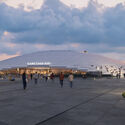
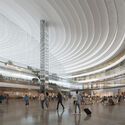
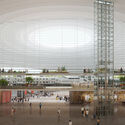
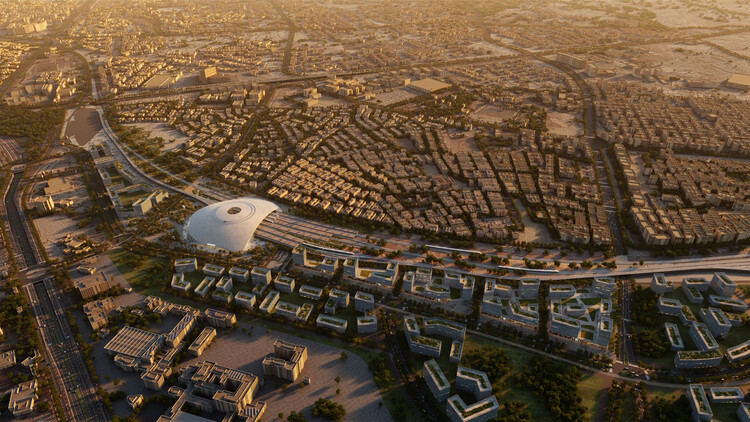
https://www.archdaily.com/1034778/oualalou-plus-choi-wins-competition-for-the-new-casa-sud-train-station-in-casablancaReyyan Dogan
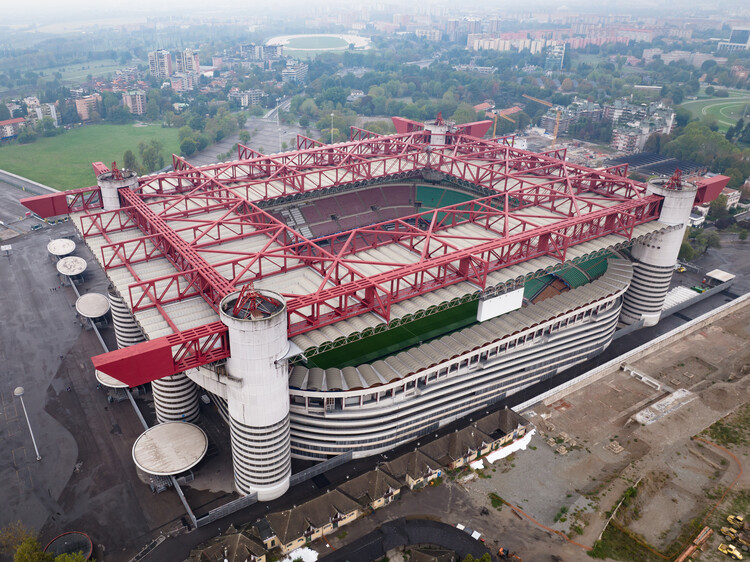
Foster + Partners and MANICA to Design New Stadium as Milan Approves Sale of San Siro
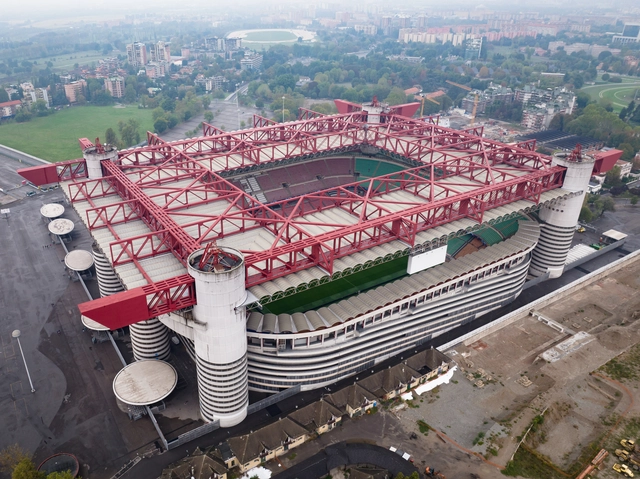
On September 30, 2025, AC Milan and Internazionale Milano football clubs announced that the Milan City Council had given preliminary approval for the sale of San Siro Stadium, officially named the Giuseppe Meazza Stadium, one of the city's most recognized sports venues. Located about six kilometers from central Milan, the stadium is among the largest in Europe and was spared from demolition in 2023 after the Regional Commission for the Cultural Heritage of Lombardy recognized its cultural significance.
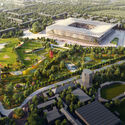
According to the clubs' joint statement, the City Government's latest decision will enable the design of a new international-standard stadium alongside an urban regeneration project for the surrounding area, reportedly led by Foster + Partners and MANICA. The announcement comes only months before the Milano-Cortina 2026 Winter Olympics, an event that will initiate the farewell period for San Siro as an active venue.

https://www.archdaily.com/1034772/foster-plus-partners-and-manica-to-design-new-stadium-as-milan-approves-sale-of-san-siroAntonia Piñeiro
ReSa Architects Wins the Lisbon Architecture Triennale Début Award 2025

The Lisbon Architecture Triennale announced as the winner of the fifth edition of the Début Award the Indian office ReSa Architects. The office is known for its collective approach to spatial practice, treating architecture as a process of rewriting social and bodily relations. In previous editions, the award recognized the work Vão (Brazil, 2022), Bonell+Dòriga (Spain, 2019), Umwelt (Chile, 2016) and Jimenez Lai, from Bureau Spectacular (USA, 2013).
The announcement was made on October 4, during the opening festivities of the Triennale, which in this edition awarded the Lifetime Achievement Award to the architect, Yasmeen Lari from Pakistan, the first person from the global south to receive the honor. Lari joins Marina Tabassum (2022 award winner), Denise Scott-Brown (2019), the duo Lacaton & Vassal (2016), Kenneth Frampton (2013), Álvaro Siza (2010), and Vittorio Gregotti (2007).
https://www.archdaily.com/1034763/resa-architects-wins-the-lisbon-architecture-triennale-debut-award-2025Romullo Baratto
Reclaiming the Narrative: A New Generation of Museums in West Africa

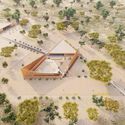
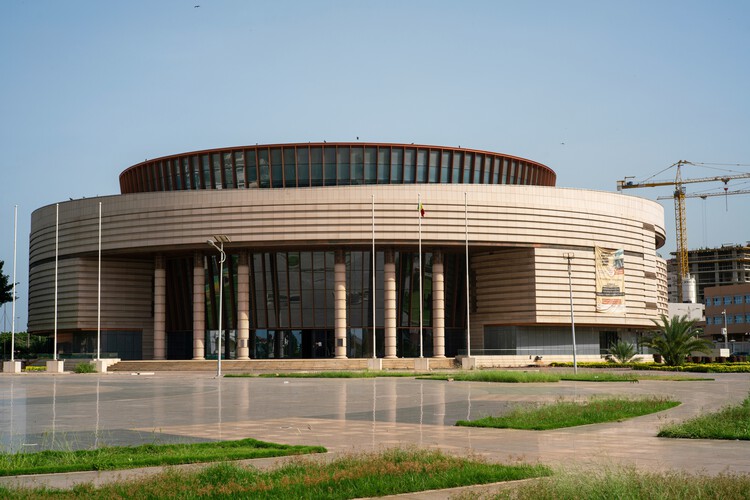
As countries in Africa emerged from colonialism in the mid-twentieth century, many expressed their independent identities through architecture. This process continues several decades later, exemplified by several new museums in West Africa, recently completed or in planning. Although varying in purpose and form, they have some common goals: addressing the need for restitution of many artifacts taken during colonialism and mostly kept in European museums; and defining a museum with local identity as opposed to a non-contextual import.
https://www.archdaily.com/1034631/reclaiming-the-narrative-a-new-generation-of-museums-in-west-africaMohieldin Gamal
Behind the Scenes, On Display: Self-Curated Journeys through the Museum Archive

The museum and gallery visit has long been a highly curated experience. Visitors are guided through a carefully orchestrated sequence of rooms, with hand-picked works arranged to tell a specific narrative, supported by signage, graphics, scenography, and calibrated lighting. Even the rarely changed exhibitions - the permanent collections, also typically rely on a strong curatorial voice— led by noted artists or curators—to set institutional stance and shape interpretation.
At the same time, storage areas for museums and galleries are typically kept separately—often within the same building but under tightly controlled access, and not infrequently off-site in dedicated facilities, such as the Louvre Conservation Centre. These zones have long been understood as highly controlled spaces not only in terms of access, but also in relation to climate, humidity, archival order, handling protocols, maintenance, and repair. For fear of thefts and that the spatial, environmental, and sequencing requirements of the archive could be disturbed, storage has traditionally been somewhat secretive and primarily serves academic researchers and art practitioners by request. Rarely does the general public gain a comprehensive picture of the works safeguarded by any given institution.


https://www.archdaily.com/1034544/behind-the-scenes-on-display-self-curated-journeys-through-the-museum-archiveJonathan Yeung
Rugs as Woven Memory: How Origin and Materiality Shape Interiors
| In Collaboration

Materials can carry memory. They do more than finish a space; they can anchor it, shape atmosphere, and connect interiors to broader cultural and material narratives. Some architects and designers explore local techniques, natural resources, and craft traditions to balance cultural preservation with modern functionality, introducing context and depth. This is not necessarily a return to the past, but a reinterpretation of inherited knowledge to create architecture that resonates with contemporary needs.
https://www.archdaily.com/1034384/rugs-as-woven-memory-how-origin-and-materiality-shape-interiorsKiana Buchberger
“It Takes a Lifetime to Build a City”: In Conversation With Mads Birgens From Cobe Architects
Founded in 2006 in Copenhagen, Cobe Architects has become known for its focus on public life, urban transformation, and strategic master planning. From cultural buildings and public spaces to large-scale urban developments, the office has played a central role in shaping Copenhagen's contemporary identity, particularly through its work on harbor regeneration. Among these, the Nordhavn master plan stands out as one of Europe's most ambitious waterfront redevelopments. During the Copenhagen Architecture Biennial, ArchDaily's Editor-in-Chief, Christele Harrouk, met with Mads Birgens, Head of Urbanism at Cobe, at the firm's office in Nordhavn. In the conversation, Birgens reflected on the evolution of the project since the office first won the open international competition in 2008, and on the broader lessons of designing cities for proximity, diversity, and long-term adaptability.


https://www.archdaily.com/1034718/it-takes-a-life-to-build-a-city-in-conversation-with-mads-birgens-from-cobe-architectsReyyan Dogan
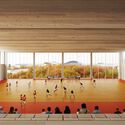
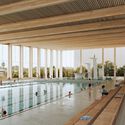
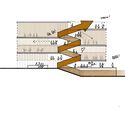
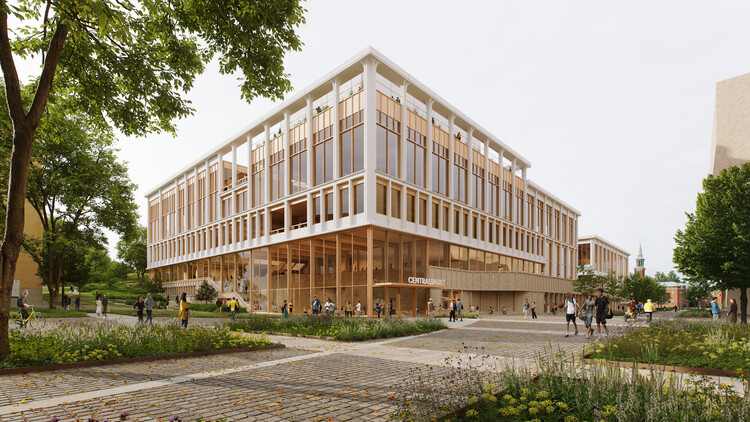
Henning Larsen Wins Competition to Design Timber-Structured Centralbadet Swimming Center in Gothenburg, Sweden
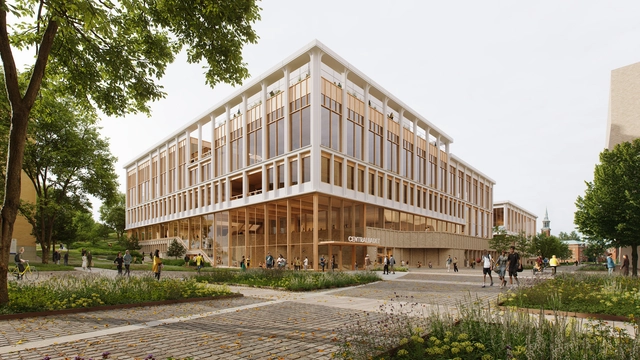
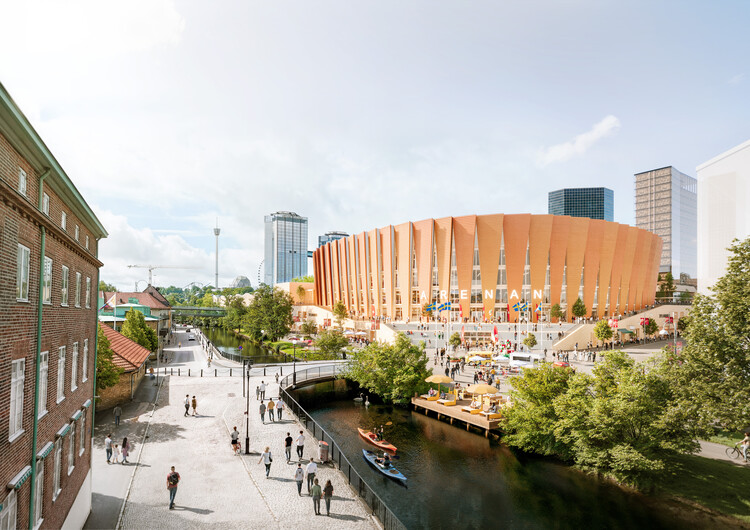
Henning Larsen has been selected to design Gothenburg's new Centralbadet, a public swimming and sports facility intended to strengthen the city's network of community and health-oriented spaces. The winning team includes Winell & Jern Architects, Ramboll, and John Dohlsten, Sports Science Lecturer at the University of Gothenburg. Organized by the City of Gothenburg, the competition included teams such as BIG and Wingårdh Arkitektkontor. The new center is planned as a multifunctional public facility that supports both everyday recreation and organized sport for residents of all ages.
https://www.archdaily.com/1034689/henning-larsen-wins-competition-to-design-timber-structured-centralbadet-swimming-center-in-gothenburg-swedenAntonia Piñeiro
Top 50 Most Inspiring Brick Buildings Around the World
| Sponsored Content

The shortlist for the prestigious BRICK AWARD 26 has been announced, revealing 50 exceptional brick buildings from across the globe. Organized by wienerberger, the biennial award celebrates architectural innovation and craftsmanship in brick and ceramic design, recognizing projects that push the boundaries of material, form and context. This year's selection spans five continents and 21 countries, highlighting the enduring relevance of brick in contemporary architecture; from intimate homes and cultural institutions to industrial facilities and public spaces. Winners will be announced in Vienna in June 2026, with all shortlisted entries featured in the BRICK 26 Book.
https://www.archdaily.com/1034640/top-50-most-inspiring-brick-buildings-around-the-worldRene Submissions