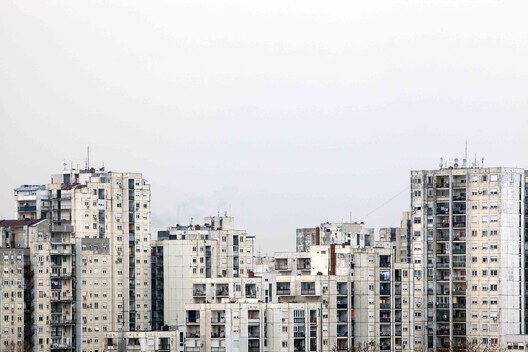
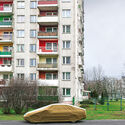
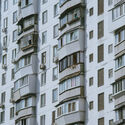
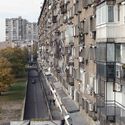
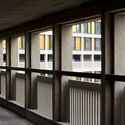
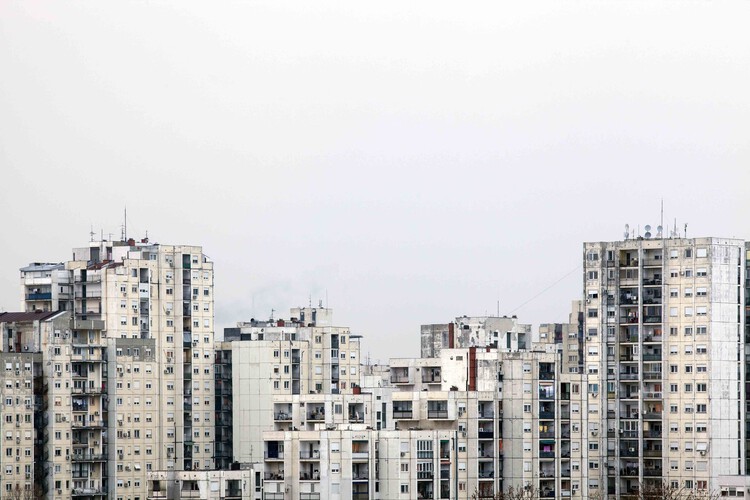
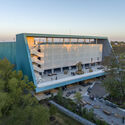
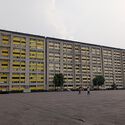
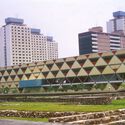
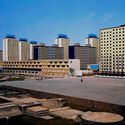
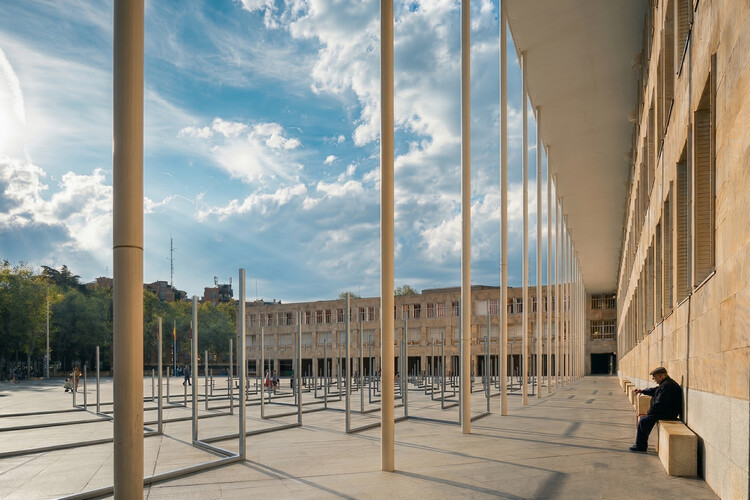
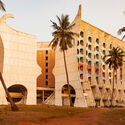
A housing block in New Belgrade appears orderly from a distance. Concrete slabs repeat with disciplined consistency, windows align into measured grids, and balconies stack with the confidence of a system certain of itself. However, proximity changes the reading. One balcony is enclosed in aluminum glazing, another softened with improvised shading. Insulation thickens part of a façade while laundry frames another edge like an accidental elevation study. The district still reads as planned, though occupation has made its order less uniform. Within that order, repetition has gradually been rewritten through occupation.
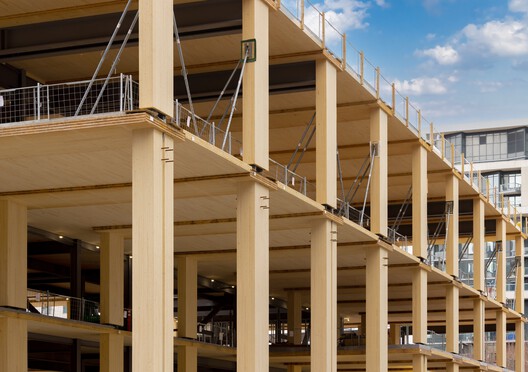
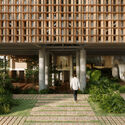
Mass timber has shifted from an experimental niche to a central part of the contemporary debate surrounding sustainable construction. The combination of lower embodied carbon, prefabricated systems, and faster construction timelines has helped position solutions such as CLT (cross-laminated timber) and DLT (dowel-laminated timber) as viable alternatives to concrete and steel in residential buildings, offices, schools, and public facilities around the world. Added to this are the predictability of construction processes and the environmental qualities associated with wood, often linked to user comfort and spatial experience.
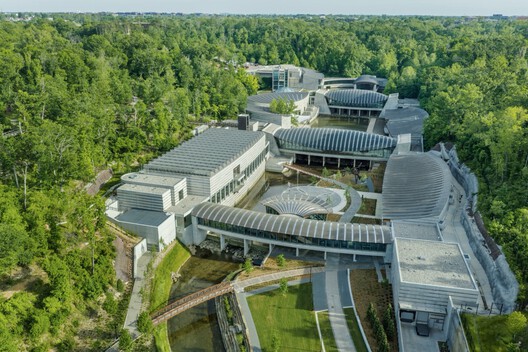
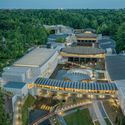
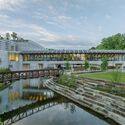
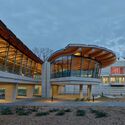
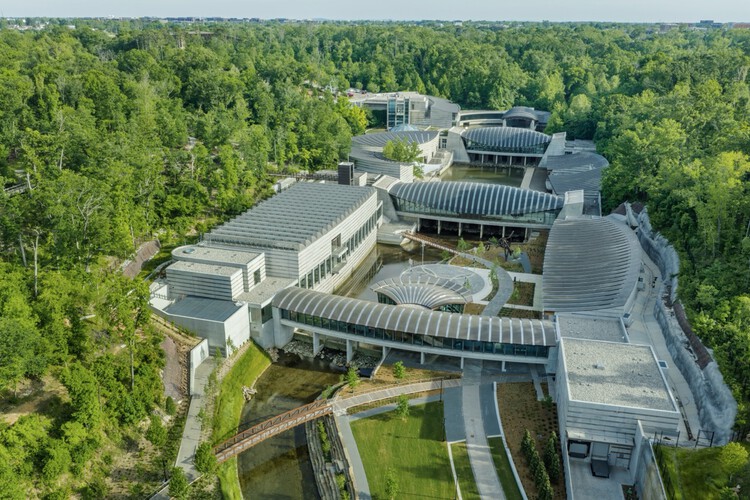
Crystal Bridges Museum of American Art in Bentonville, Arkansas, will open a major 114,000-square-foot expansion to the public on June 6–7, 2026. Designed by Safdie Architects, the project extends the museum's original architecture while introducing new galleries, educational facilities, public gathering spaces, and landscape connections across the institution's 134-acre campus. The addition represents the completion of a long-term development strategy for the museum, enhancing both its exhibition capacity and its engagement with the surrounding Ozark landscape.
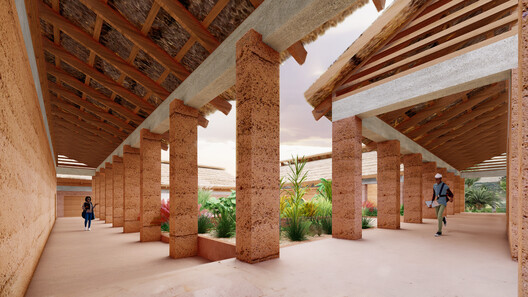
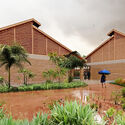
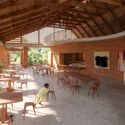
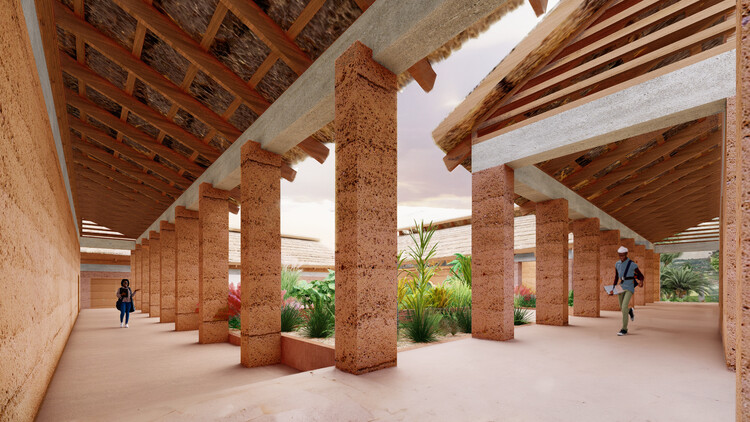
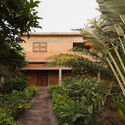
Designed by Studio NEiDA, The Falcon Cinema is a community and art centre located in Berekuso, Ghana, commissioned by film curator and Founding Director Jacqueline Nsiah. The cinema's mission is to create a home for cineastes to preserve Africa's cinematic legacy while hosting critical and creative thinking about contemporary filmmaking on the continent, designed and curated with a pan-African approach. The programme includes a 250-seat and a 150-seat screening room, a restaurant, an archive, communal spaces, an education hub, and an outdoor cinema. A second compound is planned for a future phase, to house living quarters for filmmakers in residence. Still in the design phase, the project started in 2024 and is expected to be completed in 2027.
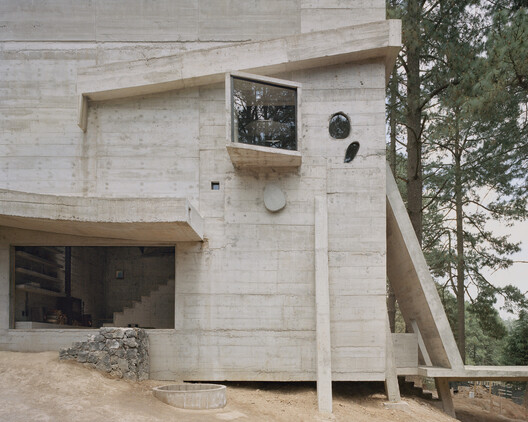
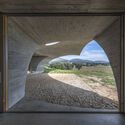
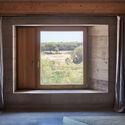
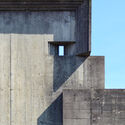
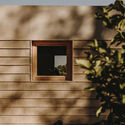
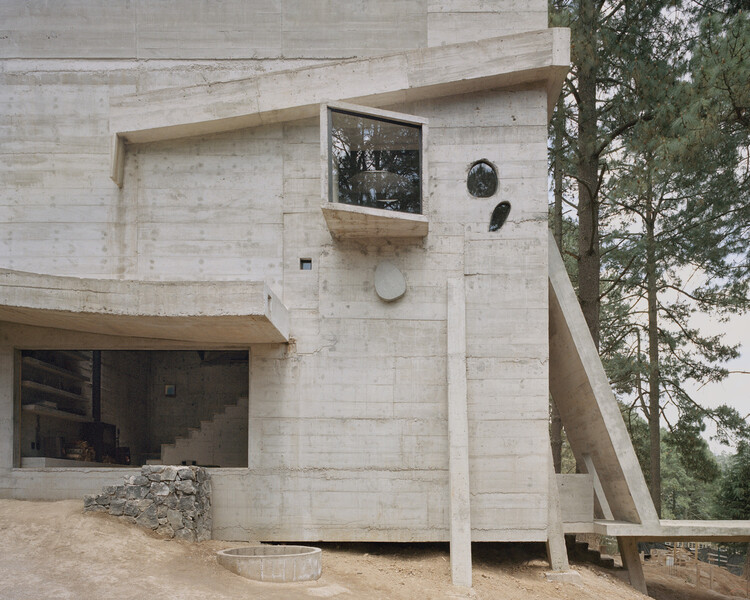
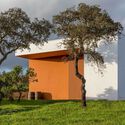
For much of the twentieth century, architectural culture was shaped by the pursuit of lightness. Steel structures and curtain walls reduced the building envelope to a thin layer separating interior from exterior, while façades became smooth, continuous surfaces where windows were cut as precise openings within an abstract plane. But for centuries, buildings were conceived as bodies of mass; walls possessed depth, windows were recessed within thick masonry, and space was often experienced as something carved from the solidity of construction. In recent years, several contemporary projects appear to revisit this older spatial logic, reintroducing thickness as an architectural condition through deep openings, monolithic volumes, and heavy envelopes.
This shift does not imply a rejection of modern construction technologies, nor does it represent a nostalgic return to historical forms. Instead, it reflects a renewed interest in the fundamental relationship between material, mass, and void. By reintroducing thickness into the architectural vocabulary, these buildings reconnect contemporary practice with long-standing traditions in which space was inseparable from the weight and depth of construction.
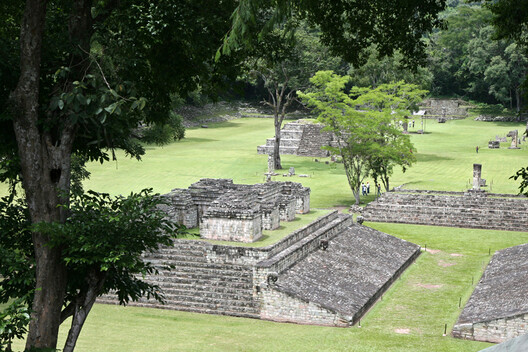
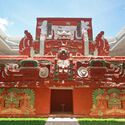
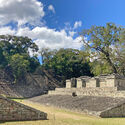
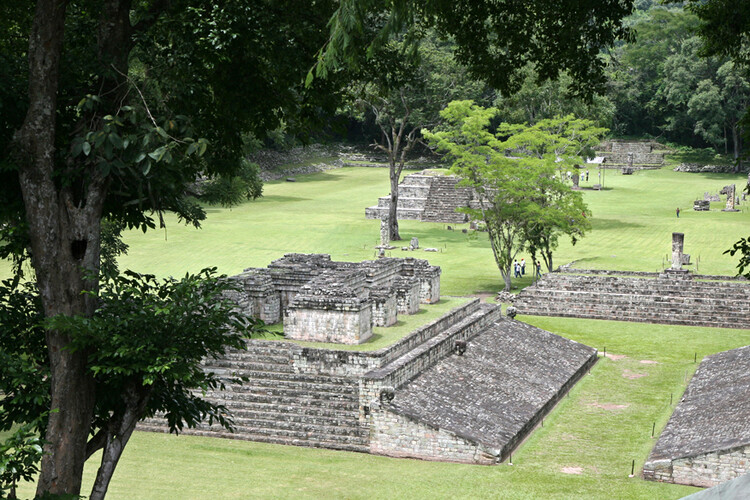
Deep in western Honduras, within a valley near the Guatemalan border, lies the ancient Maya city of Copán. Flourishing during the Classic period between the fifth and ninth centuries CE, the city developed as a regional epicenter through trade networks, dynastic politics, and monumental architecture. Today, the site is designated a UNESCO World Heritage Site due to its extensive architectural remains, including stepped pyramids, sculpted stelae, and ceremonial core. Over a century of systematic archaeological research has documented its urban morphology, revealing distinct residential districts, civic spaces, and systems of movement and visibility.
This analysis examines the spatial organization of Copán through the framework of urban theorist Kevin Lynch and "The Image of the City". By applying Lynch's five structural elements — edges, districts, paths, nodes, and landmarks — it is possible to analyze how Copán functioned not only as a ritual center but as a legible urban landscape designed to reinforce political hierarchy and regulate collective movement. Historical data for this analysis was taken from books and articles linked throughout the text, and was possible thanks to the collaboration of historian Arnulfo Ramirez de la Costa, professor and coordinator of the History program in the Department of History at the National Autonomous University of Honduras (UNAH) in Tegucigalpa.
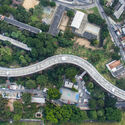
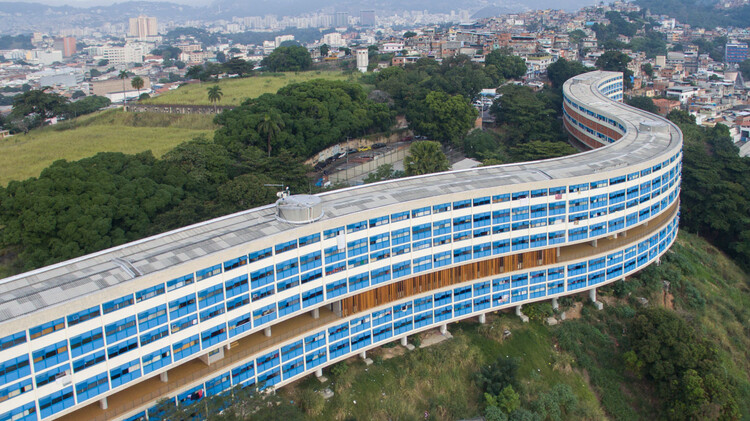
Modern housing was one of the places where modernism made its boldest promise: that architecture could reshape not only the city, but the way people lived within it. As Argentine architectural historian Ramón Gutiérrez has argued, popular housing is "the great unresolved subject, one that usually does not appear in histories of architecture." In Latin America, this absence is significant. Across the 20th century, expanding cities turned housing into one of the clearest ways to imagine urban change, and modernism entered not only plans and drawings, but apartments, neighborhoods, streets, and domestic routines.
Yet once built, these projects entered cities shaped by politics, memory, inequality, and changing ways of occupation. Their meanings no longer belonged only to the original plan, but to the ways they were inhabited, altered, and transformed over time. What this history reveals is not adaptation, but friction: the moment when architecture stops being an ideal model and meets the city it cannot fully control.
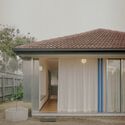
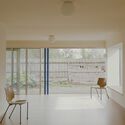
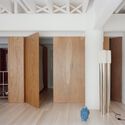
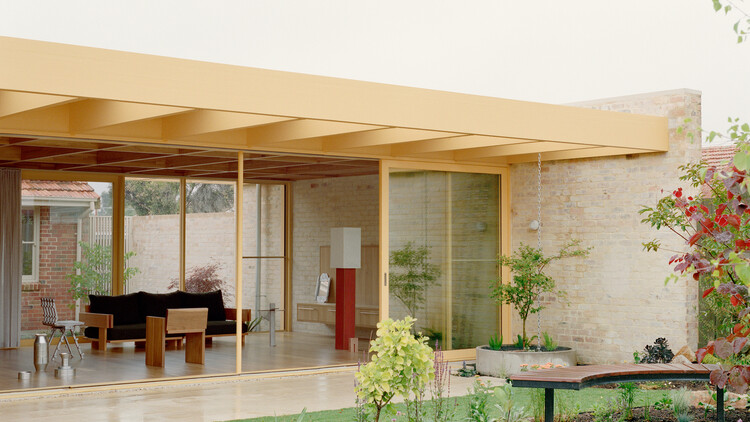
Amid growing recognition of architecture's responsibility toward environmental and planetary ecologies, contemporary practice is increasingly oriented toward working with what already exists—its material, spatial, and historical conditions. Within this shift, architecture and design aesthetics are increasingly about reshaping inherited environments. This approach underpins the work of SSdH, a Melbourne-based architecture practice founded in 2020 by Todd de Hoog, Harrison Smart, and Jean-Marie Spencer. Working across scales of renovation, extension, and adaptive insertion, the studio consistently engages existing buildings as active agents. Winner of the ArchDaily 2025 Next Practices Awards, the Australian firm foregrounds environmental responsibility, material economy, and collaborative processes grounded in site-specific conditions.
Workplace ergonomics have long been defined by stability: fixed postures, lumbar support, carefully calculated angles, and the relentless pursuit of the "correct" way to sit. Comfort was largely associated with maintaining a supported posture in chairs designed to reduce movement, align the spine, and sustain the body during long periods of sitting. Today, as contemporary workspaces become increasingly flexible and hybrid, questions are emerging around whether comfort is truly linked to static permanence, or rather to the possibility of movement itself.
Although ergonomic chairs have evolved significantly, many still operate within a "corrective" logic, managing discomfort through mechanisms and adjustments without fundamentally reconsidering the relationship between the body and motion. Recent research on sedentary behavior and active ergonomics has challenged the idea of stillness as the ideal condition for comfort. Instead, subtle posture transitions and continuous micro-movements are now understood as important contributors to circulation, musculoskeletal health, and overall wellbeing. In this context, contemporary ergonomics gradually begins shifting away from models based on containment toward approaches centered on adaptability, balance, and fluid movement.
Qbiss Notch, a new design edition developed by Pininfarina for Trimo's Qbiss façade system, has received the Red Dot Design Award. Based on Trimo's Qbiss façade technology, the project introduces vertically installed modular Qbiss panels, an alphabet of engraved Glyphs, and Notches with integrated lighting. Together, these elements allow designers to create distinctive façade compositions. Despite its visual flexibility, the system is designed around the efficiency and precision of prefabricated construction.
How can the most structured elements in architecture give rise to unplanned forms of everyday life? "Spontaneous order" describes how structured systems can generate unplanned but coherent patterns of behavior. In urban discourse, it is often used to describe cities: frameworks of streets, plots, and buildings that are designed, while everyday life is not. Movement, encounters, routines, and informal uses emerge from simple spatial rules rather than explicit programming. In cities, this is visible in how sidewalks, stations, and thresholds operate. The structure is fixed, but the social order is fluid, setting conditions for behavior rather than defining it.
A similar logic can be observed in architectural micro-infrastructures such as locker systems. Like cities, lockers rely on structured frameworks that do not prescribe how life unfolds within them. A locker system is highly controlled in architectural terms: repetitive modules, strict grids, standardized dimensions, controlled access. Yet once in use, it produces spontaneous behaviors. People pause in corridors, return at irregular times, linger near locker zones, or briefly interact with others doing the same. What appears to be a strictly infrastructural storage system begins to generate informal social and spatial behavior.
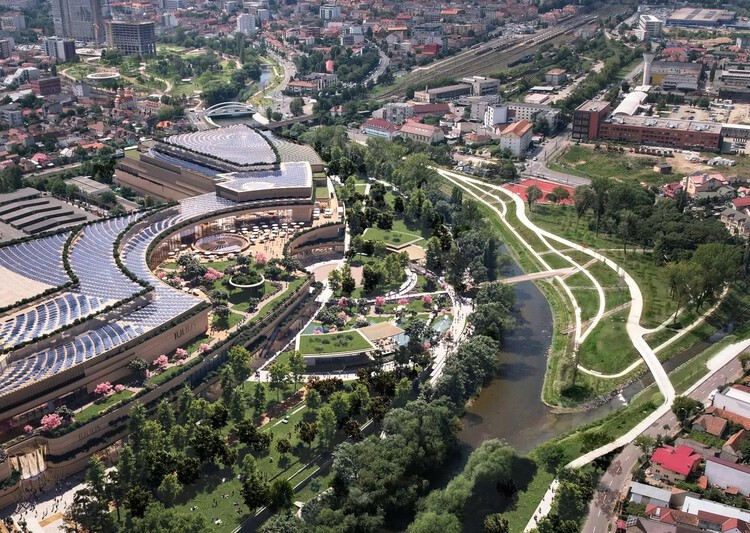
A former industrial site along the Someș River in Cluj-Napoca, Romania, is being transformed into a large-scale mixed-use district that reconnects the city with its waterfront. Designed by UNStudio in collaboration with Felixx Landscape Architects and Planners for developers IULIUS and Atterbury Europe, the RIVUS project combines urban regeneration, adaptive reuse, landscape design, and new public infrastructure within a single framework. Developed through a public participation process involving local residents, the proposal will transform the former Carbochim industrial platform into a river-oriented district organized around public space, mobility, and everyday urban activity.
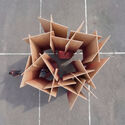
Concéntrico Festival 2026 will take place in Logroño, Spain, from June 18 to 23, transforming the city into a large-scale laboratory for architecture, design, and urban experimentation. Over six days, more than twenty interventions will be distributed across squares, vacant plots, streets, bridges, and emblematic spaces throughout the city, bringing together leading studios, researchers, and creators from the international scene, including Chilean architect Smiljan Radić, the raumlabor collective, Matilde Cassani, AAU Anastas, and Sahra Hersi, among others. This edition introduces a shift towards more collective, festive, and performative practices in public space, with a strong emphasis on sonic experiences and projects linked to accessibility, inclusion, and urban transformation. The programme is structured around three thematic axes: Identity and Fiction, Urban Ecologies, and Ephemeral Agents, ranging from architectures that understand public space as ritual or celebration to experimental approaches exploring materials, sound, and processes of reuse.
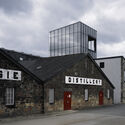
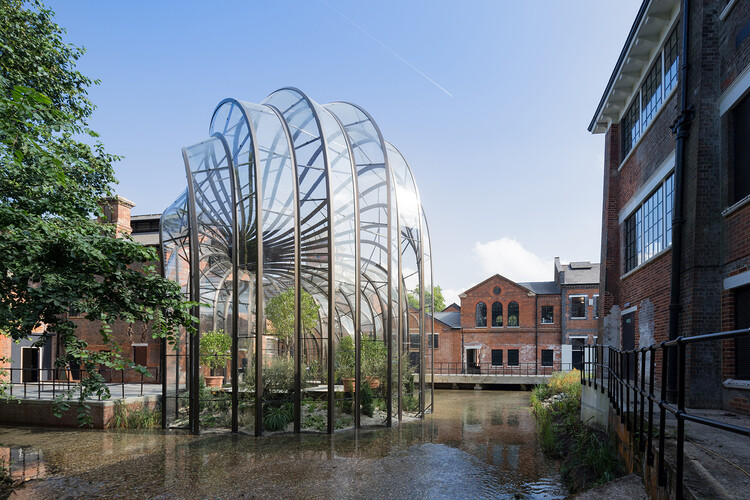
Unlike many industrial programs traditionally concealed behind neutral façades and hermetic spaces, contemporary distilleries often expose their production processes as an essential part of the architectural experience. The heat of the stills, the vapors of distillation, and the paths traced by raw materials cease to function merely as technical operations and instead assume spatial prominence.
Although they produce different spirits, the projects selected below share similar architectural challenges. All must organize industrial flows, control specific conditions of temperature, ventilation, and storage, and reconcile technical areas with public visitation routes. At the same time, each distillery develops particular responses to its territory, revealing different ways of relating production to landscape.
Fired clay has been used in construction for over 9,000 years, evolving from vernacular craft into one of the most widely applied materials in the built environment. Its durability, water resistance, thermal performance, and adaptability have made it a staple for facades, sanitaryware, flooring, architectural surfaces, and structural systems. Today, new manufacturing technologies are extending these possibilities as architects and manufacturers confront the environmental implications of material extraction and production.
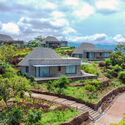
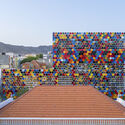
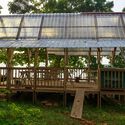
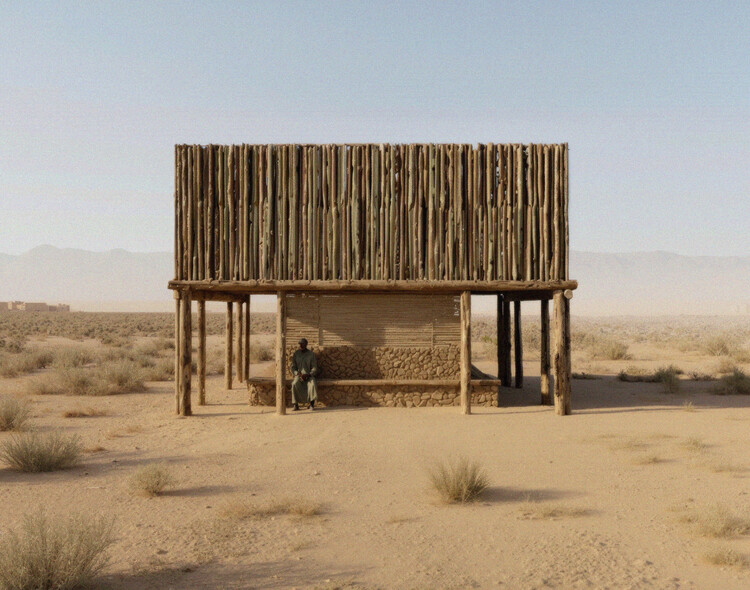
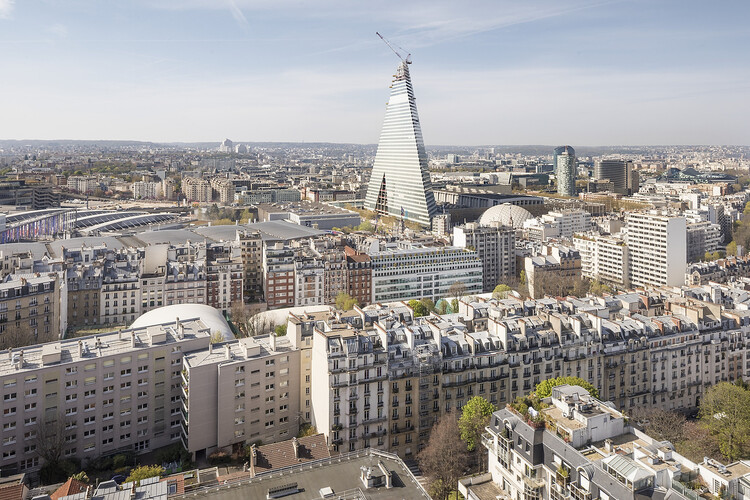
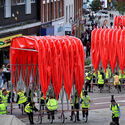
This week, we revisited the ideas currently shaping the design of 21st-century cities, with a view toward a longer timeframe than that which characterised modern design. These examples of today's urban design point toward the cities of tomorrow, seeking to reflect collective memory and social identity while addressing the climate challenges we face today. From a new museum in Panama drawing on Latin American architectural tradition to an inflatable installation on Paris's oldest bridge over the Seine, built and not-yet-built projects rescue architecture as a repository of collective memory, while others explore its transformative potential through the lens of contemporary well-being. In this weekly news compilation, we present ongoing projects from Panama, numerous African countries, France, Canada, Italy, Australia, and the United States.
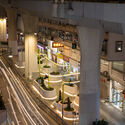
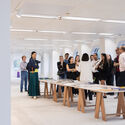
In Hong Kong, where architecture is often driven by real estate logic, infrastructure, and accelerated development, the space for bodily-scaled civic experimentation can be surprisingly narrow. This is where Design Trust has become distinctive. As a grant-making and project-enabling platform, it supports spatial interventions that sit between architecture, research, and public programming—work that is often too modest, collective, or uncertain to fit conventional client–architect pipelines.
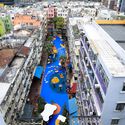
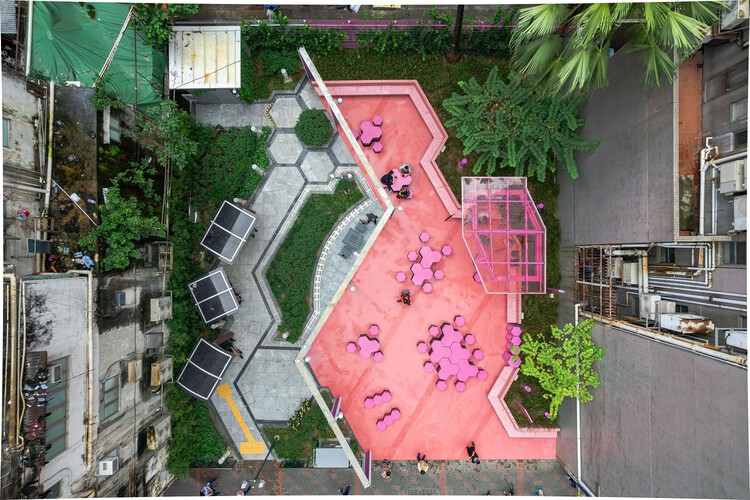
At the center of this work is Marisa Yiu, whose leadership positions Design Trust as both an enabler and a cultural actor. Through initiatives such as Micro-Parks Hong Kong, alongside exhibitions and public programs, the organization treats discourse and prototyping as forms of spatial agency, linking designers, communities, institutions, and policy conversations while foregrounding questions of stewardship, maintenance, and the "afterlife" of public space.
Åvontuura Founder Karl van Es with his Architecture Guide to Toronto
Karl van Es spent twenty years as a practicing architect before walking away to solve a problem every architect faces: the resources to travel like a professional simply do not exist. Mainstream guidebooks and travel apps rarely highlight the buildings that truly matter to the architectural community. Åvontuurawas born from that frustration — an independent publisher of illustrated architecture guides created by an architect, for architects. Its latest release, Madrid, maps 70 of the city's most significant buildings, representing a mission to bridge the gap between architectural interest and travel logistics.
Tsuyoshi Tane is a Japanese architect born in 1979 in Tokyo and based in Paris, where he founded ATTA – Atelier Tsuyoshi Tane Architects in 2006. Working across cultural, institutional, and landscape-related projects, Tane has developed an architectural approach that positions memory as a fundamental design driver. In his interview with Louisiana Channel, filmed in his Paris studio, Tane reflects on architecture as a discipline of observation and thought, arguing that meaningful design emerges from carefully reading the traces embedded within a site. For him, architecture is not produced on a blank slate but begins with an inquiry into what already exists, physically, culturally, and emotionally, beneath the surface of a place.
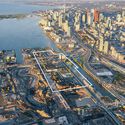
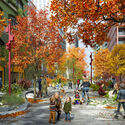
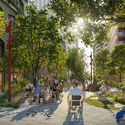
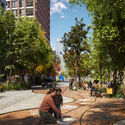
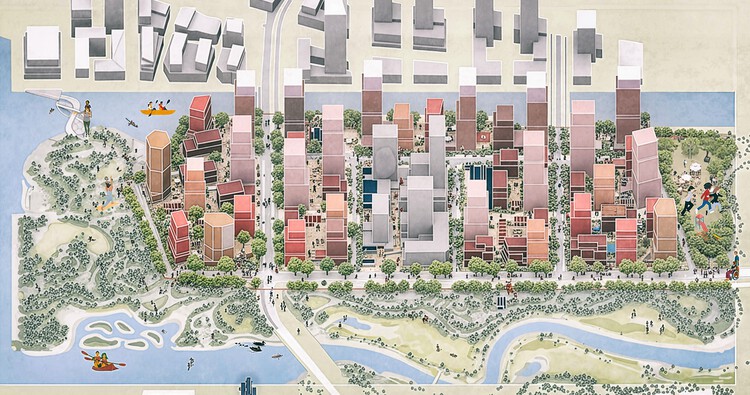
Landscape and urban design studio SLA has unveiled the design for the public realm and streetscapes of Toronto's new 39.8-hectare waterfront community. The urban landscape project "Ookwemin Minising" is located in the Port Lands, an industrial and recreational district southeast of downtown Toronto, currently undergoing urban revitalization to transform the area from a former industrial zone into a naturalized river valley, mixed-use neighbourhoods, and public parkland. The overall transformation is being led by Waterfront Toronto, a publicly funded, not-for-profit corporation established in 2001 to oversee the regeneration of the area, as part of a broader government initiative to renaturalize urban areas and increase housing density. The redevelopment of Ookwemin Minising is expected to be completed in phases between 2031 and 2040.
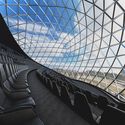
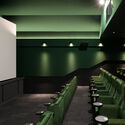
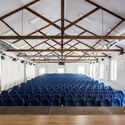
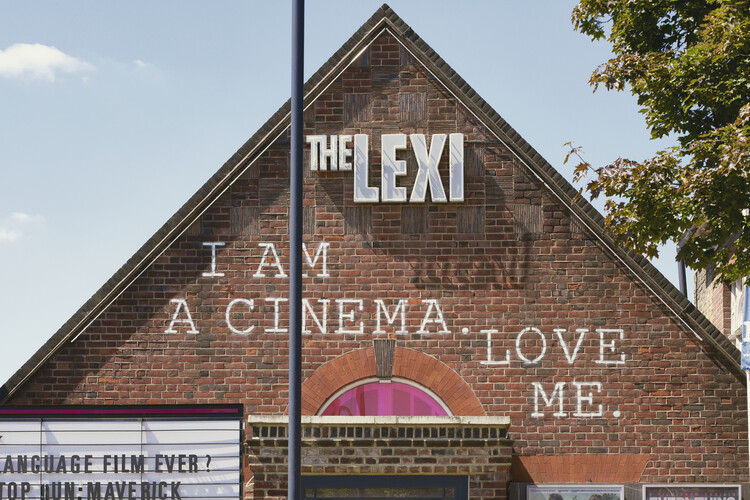
Over the years, cinema architecture has continually reinvented itself. From cinematic experiences that engage multiple senses to material technologies that reinterpret the aesthetics of past eras, the concept of the movie theater has enabled the recovery, revitalization, and renewal of numerous obsolete, ruined, or even historically protected spaces. Just as the Majestic Cinema reflects an important community function in Zanzibar, Tanzania, many twentieth-century buildings have found in adaptive reuse an opportunity to restore and preserve cultures, memories, and traditions that remain meaningful to their communities.
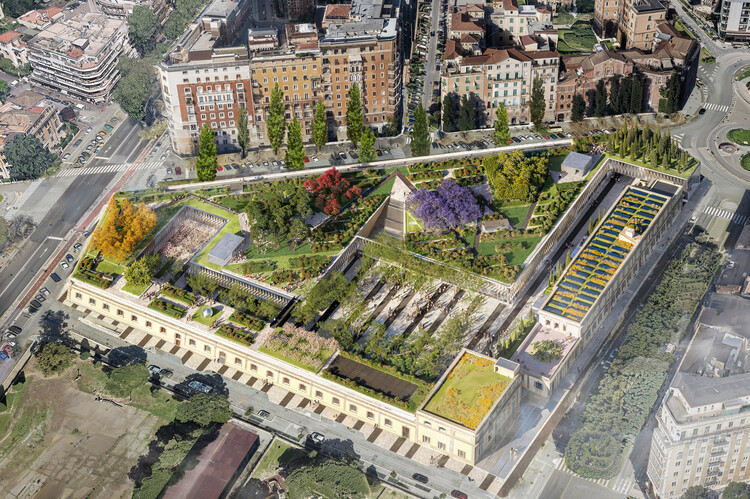
Stefano Boeri Architetti, Depositi Delle Vittorie Render. Image Courtesy of Stefano Boeri Architetti
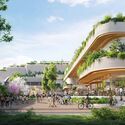
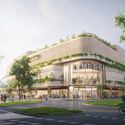
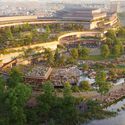
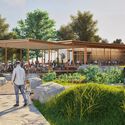
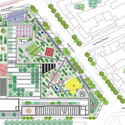
The Rome City Council has approved a Memorandum for the urban regeneration of the Depositi delle Vittorie in Piazza Bainsizza, a former ATAC depot in Rome dating back to the early 1900s. Abandoned for nearly two decades and now privately owned, the site is set to be transformed into a multifunctional complex designed by Stefano Boeri Architetti. The project envisions the adaptive reuse of the former transportation infrastructure through the introduction of cultural, educational, commercial, co-working, and leisure functions, alongside new public spaces and extensive landscaped areas.