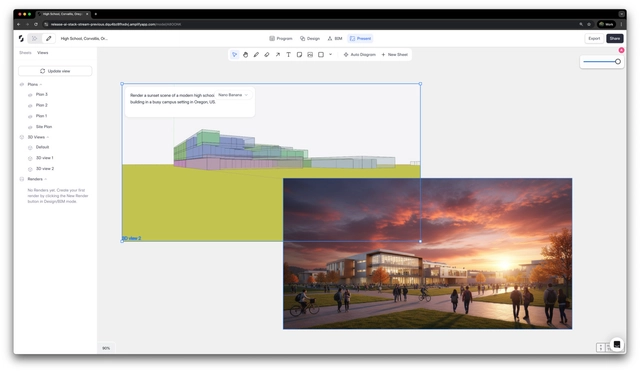
Snaptrude announced the launch of the Snaptrude Student Plan, a free offering that gives architecture students worldwide full access to Snaptrude's professional platform and intelligent AI workflows. The initiative reflects Snaptrude's commitment to strengthening architectural education and ensuring that emerging designers can build real-world skills while still in school. Full access to the professional platform and AI tools empowers students to design faster and build portfolio-ready work.
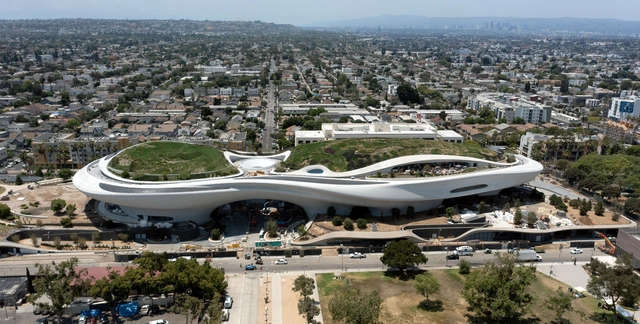
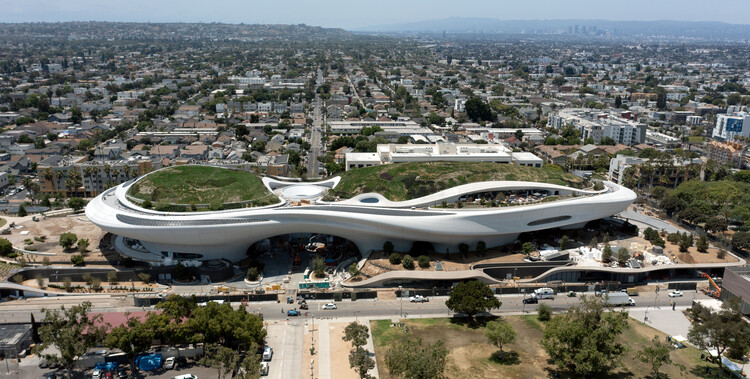
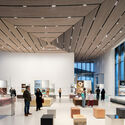
The Lucas Museum of Narrative Art has announced that it will open to the public on September 22, 2026, adding a new cultural institution to Los Angeles's Exposition Park. Founded by George Lucas and Mellody Hobson, the museum is dedicated to illustrated and narrative storytelling, understood as visual works that communicate stories across media and periods. The building is designed by Ma Yansong of MAD Architects, with landscape architecture by Mia Lehrer of Studio-MLA and Stantec serving as executive architect.
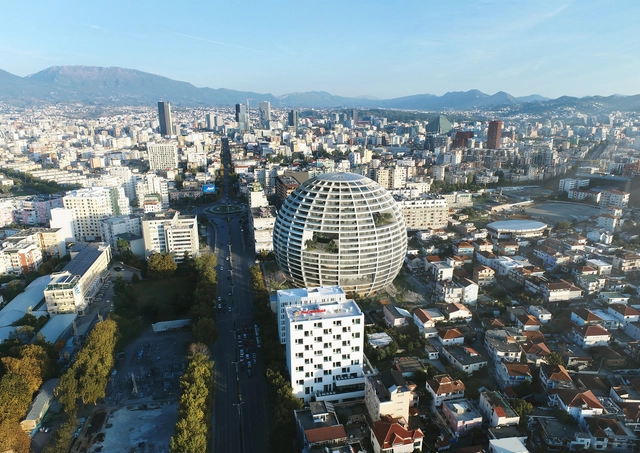
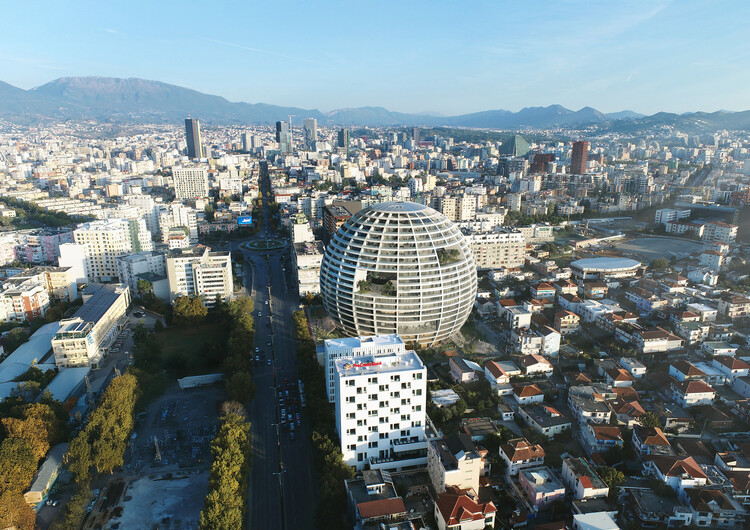
"The Grand Ballroom" Asllan Rusi sports palace project in Tirana, Albania by MVRDV. Image Courtesy of MVRDV
This week's architecture news highlights a diverse global landscape of design innovation, cultural investment, and adaptive reuse. Across continents, new museums and cultural venues are opening to foster dialogue around art, design, and community engagement. At the same time, major recognitions and project announcements underscore the growing importance of sustainable, socially conscious practices in shaping contemporary architecture. From adaptive transformations in New York, Tainan, and Milan, including preparations for the Milano Cortina 2026 Winter Games, to new cultural landmarks in Ghana and Qatar, this week's overview features projects by leading firms such as Herzog & de Meuron, Snøhetta, and Mecanoo, alongside initiatives from emerging practices like Limbo Accra in West Africa.
In total, the three-day festival will see over 460 live pitches from the 2025 finalists in front of over 160 international judges. Today has seen shortlisted projects from around the world compete for 22 award categories within Completed Buildings, Future Projects, and Interiors. Award winners include WOW Architects, BIG-Bjarke Ingels Group, Batlleiroig, and Perkins&Will.
https://www.archdaily.com/1035985/world-architecture-festival-2025-day-one-winners-announcedEnrique Tovar
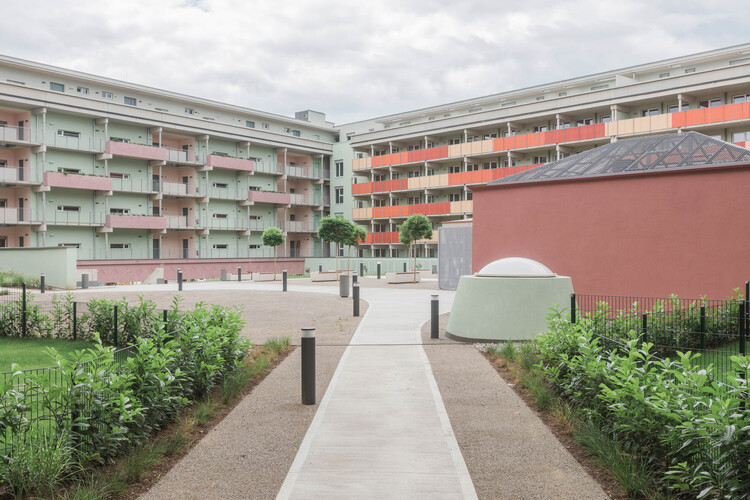
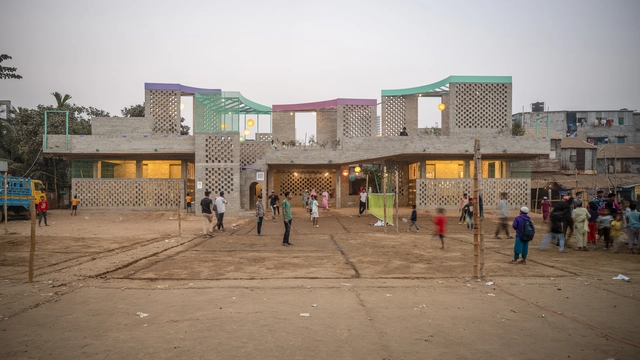
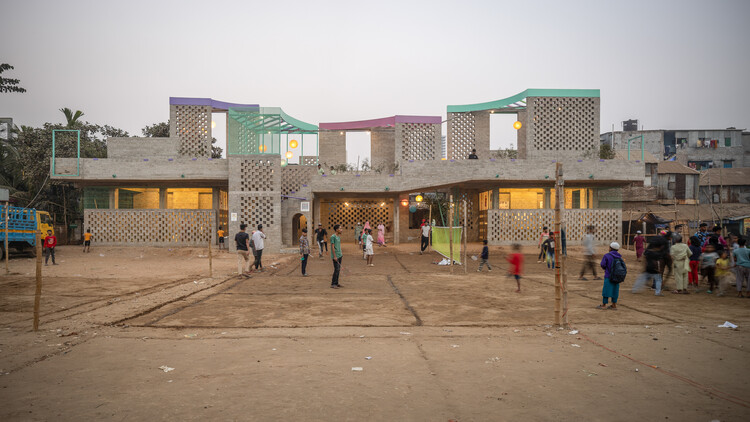
The second edition of the Ammodo Architecture Award has recognized 26 recipients for their contributions to socially and ecologically responsible design. Selected from 168 submissions spanning over 60 countries, the laureates represent a wide range of practices, from established offices to emerging collectives and community-led initiatives. Each recipient receives a grant ranging from €10,000 to €150,000 to support the continued development of their projects. Beyond recognition and financial support, the Ammodo Architecture initiative also functions as a knowledge platform, connecting awardees across regions and facilitating the exchange of ideas on key themes identified by the advisory committee.
For over 125 years, Tarkett has been manufacturing linoleum flooring based on its original 1898 formulation. Trusted by architects worldwide, this natural floor covering is a benchmark in sustainability, durability, and timeless design. Today, Tarkett Linoleum is not only known for its heritage but also for its innovative application in modern architecture — particularly in the education sector. Learn more about the impact of Lino Materiale by Tarkett on today's spaces.
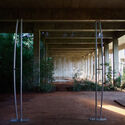
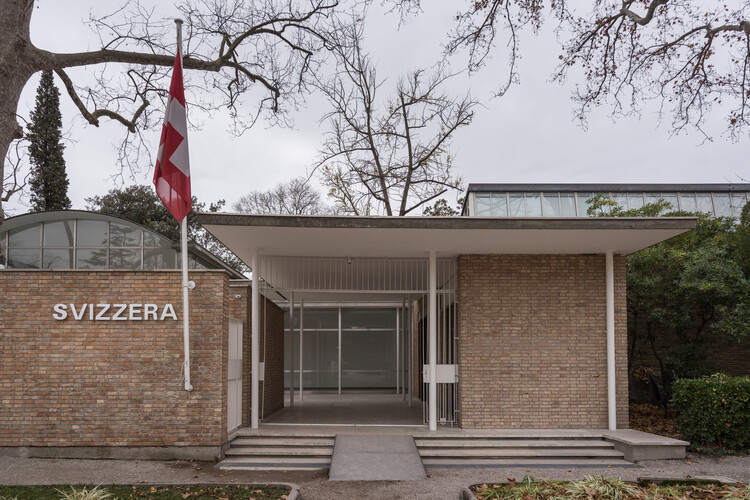
Amid the orderly grid of the Giardini della Biennale, the Swiss Pavilion appears almost reticent. Its low white volumes, completed in 1952 by Bruno Giacometti, seem to withdraw from the surrounding display of national pride. The building embodies a form of modernism that resists monumentality, where precision and restraint replace spectacle, and architecture becomes less an object than a framework for encounter.
Emerging from a Europe rebuilding itself, the pavilion reflects a time when nations were reimagining how to appear in the world. For Switzerland, neutrality had long been both a political stance and a cultural condition, and Giacometti translated this identity into a sequence of measured rooms arranged around an open courtyard, defined not by what they contain but by how they hold light, movement, and pause. The result is an architecture that does not speak loudly of belonging but invites attention through balance and care.