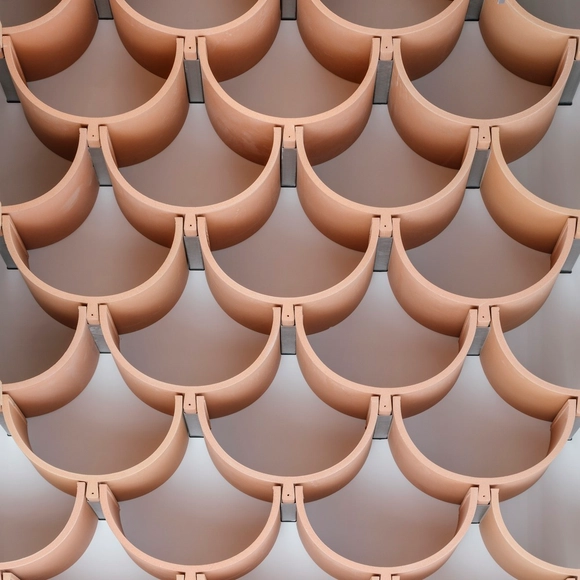
21 Projects Where Kengo Kuma (Re)Uses Materials in Unusual Ways

Kengo Kuma uses materials to connect with the local context and the users of his projects. The textures and elementary forms of constructive systems, materials, and products, are exhibited and used in favor of the architectural concept, giving value to the functions that will be carried out in each building.

From showcases made with ceramic tiles to the sifted light created by expanded metal panels, passing through an ethereal polyester coating, Kuma understands the material as an essential component that can make a difference in architecture from the design stages. Next, we present 21 projects where Kengo Kuma masterfully uses construction materials.
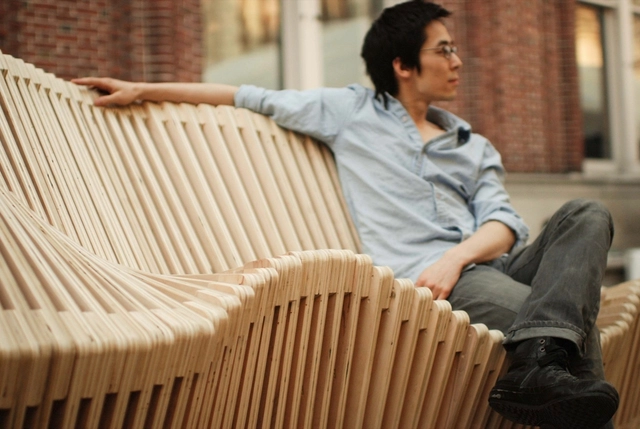
10 Innovative Outdoor Benches Shaping Public Spaces

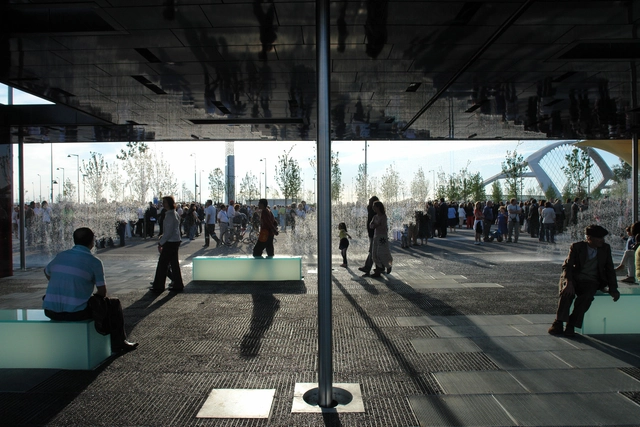
In order to create vibrant public spaces, people need to have a constant presence in these locations, whether they are on their own or in groups. In fact, they need to linger in these places and establish social interactions. To do so, one major element has to be incorporated into the urban setting: the bench.

What Does BuildTech Mean?

The construction industry moves a huge amount of resources, employs millions of people, and is a fairly accurate gauge for the economic situation of different countries. If the economy goes down, construction shrinks, and vice versa. Members of the construction industry include mining companies, contractors, material manufacturers, architects, engineers, governments, real estate, and more. In other words, many agents participate either directly and indirectly in the industry. But construction is also considered to be one of the most backward and resistant industries to embrace new technologies, instead opting to replicate traditional ways of doing less efficient work with high rates of waste. A study by McKinsey & Company showed that, unlike other industries, industry productivity has remained stable in construction in recent years, despite all the technological progress that has occurred.

Open Call: What Materials Should We Use to Build Better Cities?

Materials, products, and construction systems are constantly evolving and following new technologies, discoveries, and market trends. Today, within the framework of our Monthly Topic “Innovation” we wonder: what products or materials could we use so that our projects make relevant contributions to the way we are inhabiting our planet?

An Interview with TED Founder and Architect, Richard Saul Wurman

Richard Saul Wurman is one of the most influential architects of our time; a remarkable achievement for someone whose passions and explorations extend far beyond the traditional realms of the profession. Wurman’s lifelong pursuit of the misunderstood, the unknown, and the unexplored, has offered a litany of contributions to the wider world, from the highly-acclaimed TED Conference, which he founded in 1984, to signature theories such as LATCH and Information Architecture. Born in 1935 in Philadelphia, an architectural alumnus of the University of Pennsylvania, he has counted Louis Kahn and Charles Eames among his mentors, and Moshe Safdie and Frank Gehry among his great friends.

Designing School Playgrounds: Architecture for Learning Outside the Classroom

The most important part of children's education happens in the playground, instead of in the classroom. Despite this, many times we find huge empty school playgrounds.

What is the Future of Concrete in Architecture?

Concrete is the second-most used material on earth. It is also the second-largest emitter of CO2, with cement manufacturing accounting for 5 to 7 percent of annual emissions. The continued popularity of concrete as a material of choice in the design and construction industry, coupled with increasing unease of the environmental consequences, has put concrete firmly in the spotlight of innovation and experimentation. As a result, designers, architects, and researchers around the world are generating multiple visions for what the future of concrete in architecture could look like.

Sustainable Practices: 4 Projects with Innovative Solutions

Sustainability in architecture is an issue that may bring to light too general proposals and there are a lot of possibilities concerning the application of their concepts in design process. Sustainable strategies are essential so that the project development reconcile the economic and ecologic pillars and, above all, consider the well-being impact for those who are going to use the built space. Thinking about this, we have gathered four projects of different typologies that applied innovative methods in the conception of the buildings that stand out for their sustainable practices. Read on for the projects:

Layered Architecture: What is Additive Manufacturing?

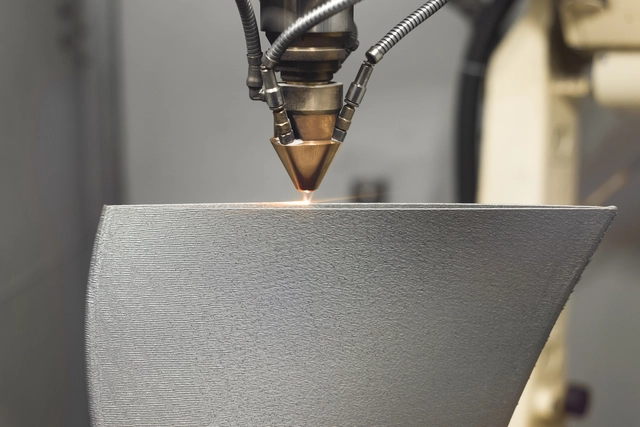
Additive Manufacturing (AM) is a term used to identify the manufacturing processes performed by 3D printing through layer-by-layer construction. In addition to avoiding the generation of waste through the use of precise geometries and exact quantities of material, these controlled processes can be much faster than traditional ones, since they don't require tools or other instruments.

Advanced Construction: Material Innovations and New Technologies

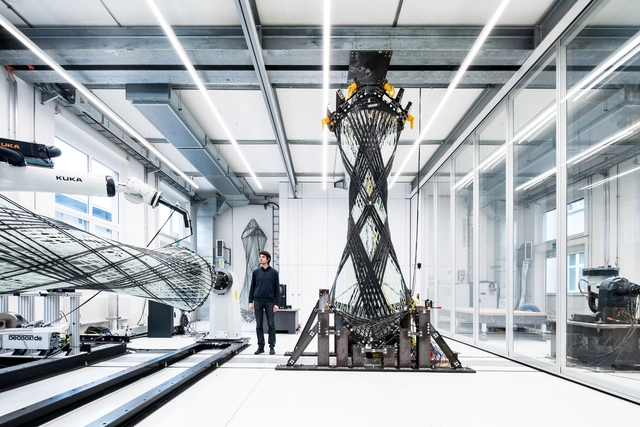
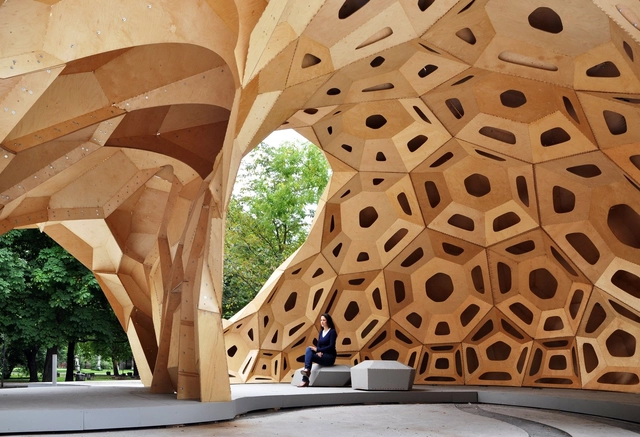
Materials and technology come together in new spaces and experiences. When looking to innovations in advanced construction, the Institute for Computational Design (ICD) and the Institute of Building Structures and Structural Design (ITKE), together with students at the University of Stuttgart, have been creating a series of experimental pavilion for many years. These structures tell a story of computational design and computer-aided manufacturing processes for advanced construction.

Transit Futures: New Innovations Moving Transport Forward

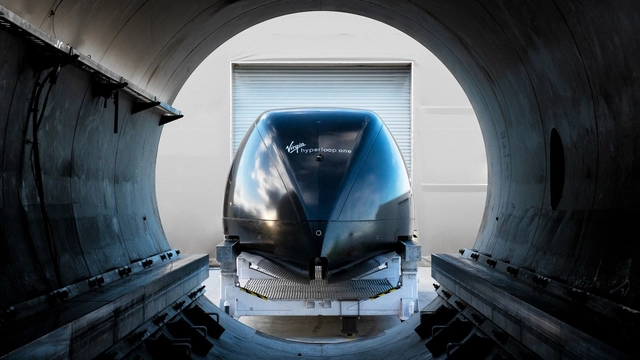
Between advances in autonomous technology and urban population growth, transit is being reimagined on the street and in the air. From public transit transforming to more user-centric mobility services, to rethinking regulatory and organizational status quos, advances in technology are expanding transit opportunities in cities around the world.

Heatherwick and MAD on Innovation in Architecture

Innovation can take on so many definitions. It can revolve around finding solutions, tackling with novel ideas, or just an original way of perceiving life. It can also be a very concrete technological advancement or an intangible concept. There is no right or wrong when it comes to innovation, just different points of view.

What is the Future of the Gas Station?

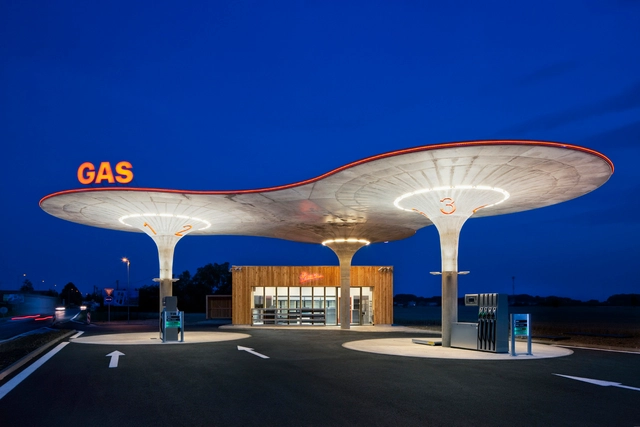
For decades, the gas station has been a staple of both urban and rural landscapes. As the 20th century saw the democratization of automobiles, the gas station became arguably one of the most generic, universal architectural typologies. Today in the USA alone, there are 130,000 gas stations serving 268 million cars. However, as populations move to condensed, urban areas with ever-improving public transit systems, and as the internal combustion engine evolves into electric alternatives, it is time to either redesign or retire the gas station.

What Will Bathrooms Look Like in the Future?

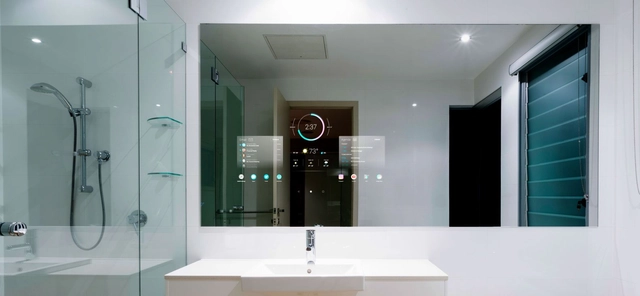
Home automation, from voice-controlled virtual assistants to app-controlled thermostats, has quickly and unexpectedly ushered the future into our own homes. As technology continues to progress, the way we interact with our environment will likely only grow more and more futuristic – even spaces as personal as our home bathrooms. While the prospect of such a highly digitized personal life may be daunting to some, others see this trend’s potential for improving not just comfort, but health and safety as well. Below, we outline some of the technologies that we hope to see in the bathrooms of the future.

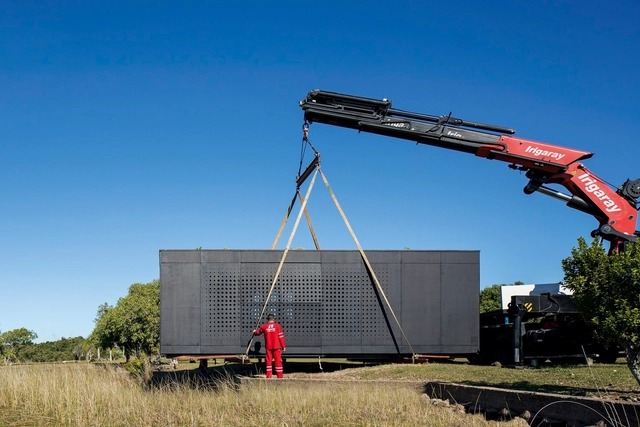
BuildTech Trends: Movements Shaping Architecture and Construction

As construction evolves, new advancements are shaping how we design. These movements are the product of shared ideas and the convergence of building technologies that open up new possibilities for architecture. From the atomic scale of materials to preassembled homes and faraway planets, the changes in BuildTech are felt across industries. As a result, disciplines are learning from one another to reimagine how we build.

The Sky is the Limit: 26 Projects that Take Full Advantage of Rooftop Space

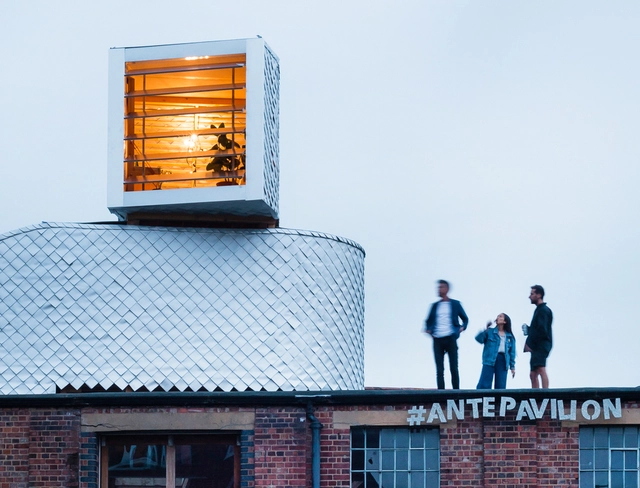
When we talk about roofs or fifth facades it is already a classic to think about green roofs. In reality, there is a wide range of uses and possibilities that materialize in different ways depending on the specific technical needs of each roof as well as the spatial and climatic possibilities of each location. The roofs can also be favourable spaces to develop structures, extensions, recreational areas and interactive spaces. It could even play a key role in the integration of a building with the landscape.

Carlo Ratti Discusses Architectural Innovation and the Shenzhen Biennale

Carlo Ratti can be considered one of the great architectural innovators of our time. The founder of Carlo Ratti Associati, and Director at the MIT Senseable City Lab, Ratti champions the power of new technologies to transform both how we live, and how we design. The act of “convergence” is central to Ratti’s architectural outlook, whether it be the convergence of bits and atoms, or natural and artificial, or human and technology. Moreover, he believes that this convergence can reframe the design process, and engage citizens in discussions on what kind of city they want to live in.

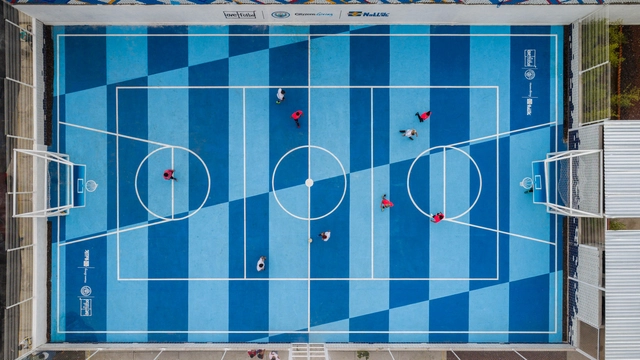
7 Examples Where Physical Activities Were the Catalyst Behind A Neighborhood Regeneration

People often gather around sports activities, whether they are the ones exercising or the ones cheering. This internationally recognized social interest brings everyone together seamlessly, regardless of their background, gender, culture, ethnicity and so on.