

-
Architects: Rushi Shah Architects, Tattva Landscapes
- Area: 930 m²
- Year: 2023
-
Professionals: RSA Rushi Shah Architects, Tattva Landscapes




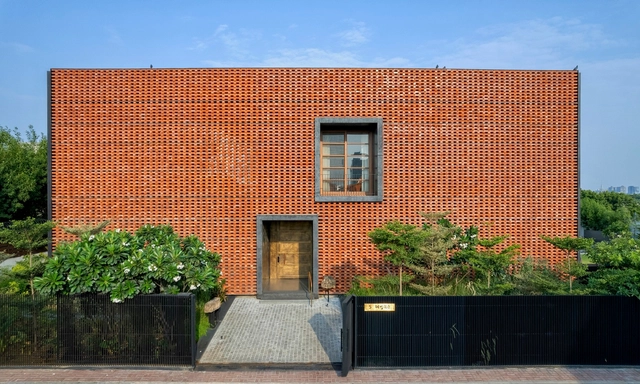
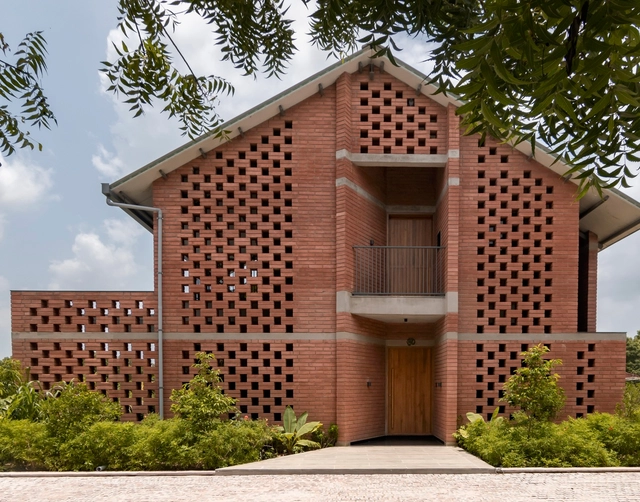
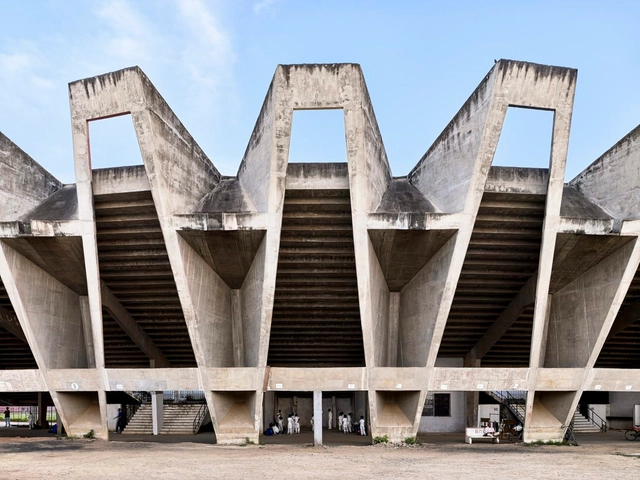
The Ahmedabad Municipal Corporation (AMC) has just announced its plan to demolish India's Sardar Vallabhbhai Patel (SVP) Stadium. The structure was initially designed by Charles Correa and engineer Mahenda Raj in the 1960s. A testament to “the progressive ideals and experimental spirit that characterized India’s post-independence period,” this iconic modernist structure has hosted ample cultural events for the city.
The structure was originally built to host international and domestic cricket matches. In the 1950s, the Cricket Club of Ahmedabad was granted 67,000 sqm of land to construct a Cricket Stadium. It was the country’s first “turf ground,” hosting the first cricket match in India. For the cricket community in the country, the SVP represents a venue that has nurtured and honed young cricketers from all over the state, and it has been graced by several of India's legendary players in both test and one-day cricket matches.


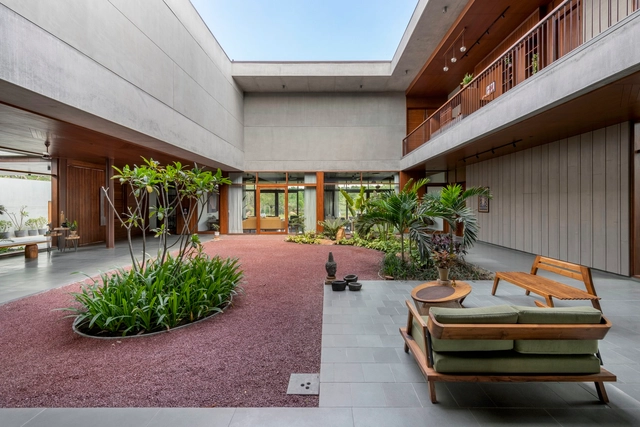

At the beginning of 2022, curator Lesley Lokko announced the title of the 18th International Architecture Exhibition – La Biennale di Venezia: “The Laboratory of the Future.” The theme’s intention is to highlight the African continent as the protagonist of the future, a place “where all these questions of equity, race, hope, and fear converge and coalesce,” in the words of the curator. As the fastest urbanizing continent, Africa is viewed as a land of potential, but also of challenges, where matters of racial equity and climate justice are played out with a significant impact on the world at large.
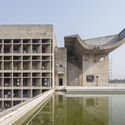
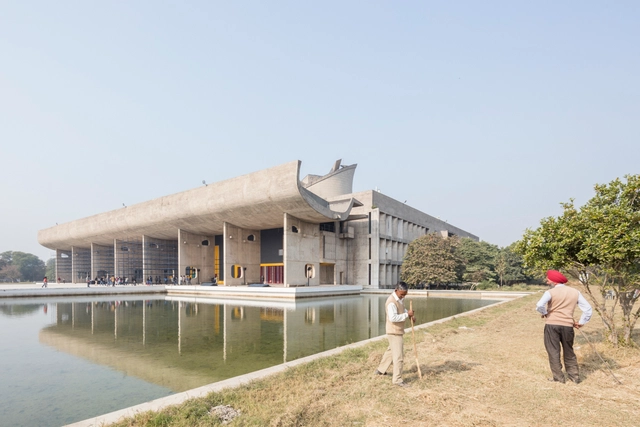
Yet in the late 1950s, another laboratory of the future was taking shape, one where the novel ideas of Modernism produced grand monumental designs and complete urban structures at an unprecedented scale: India. In the search for a modern and democratic image, the newly independent country welcomed Western architectural masters such as Le Corbusier and Louis I. Kahn and entrusted them with a wide range of commissions, from the urban layout of Chandigarh and its major governmental buildings to universities, museums, and smaller scale domestic projects. The result is a mixture of cultures, influencing one another to unexpected results.