Dakar, A City in Constant Reinvention

Subscriber Access | 

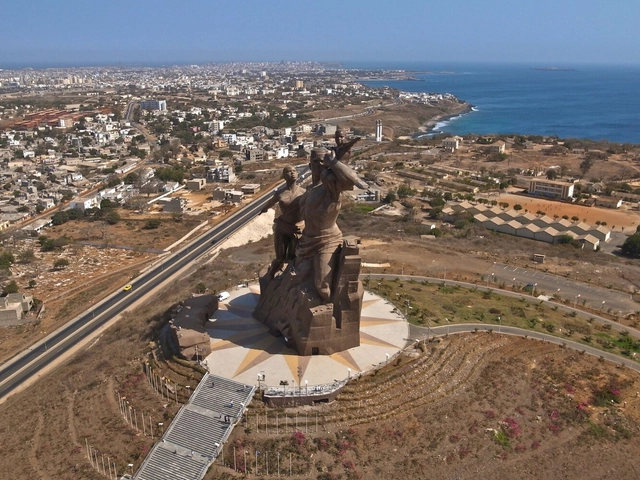
Dakar is a city of constant development. From colonial times, and on, the capital of Senegal has seen a lot of shifts in its societal definition which has, in turn, affected its architectural and urban fabric. Ever since the French mandate which somewhat forced a shift of local living traditions into a more 'European' lifestyle, the wheels of change have been set in motion. Afterward, a notable post-colonial attempt at re-defining Dakar was inevitable. It came about in many ways, still seen today, and it built a city of mixed architectural languages that defies most visitors' expectations.

Get your free pass for Smart City Expo 2024 in Barcelona

Use the form to receive a free pass for the Smart City Expo World Congress 2024 in Barcelona. You can choose from the Visitor Pass, the Tomorrow.Building World Congress Pass, and the Full Congress Pass.

Learning from Copenhagen

Subscriber Access | 

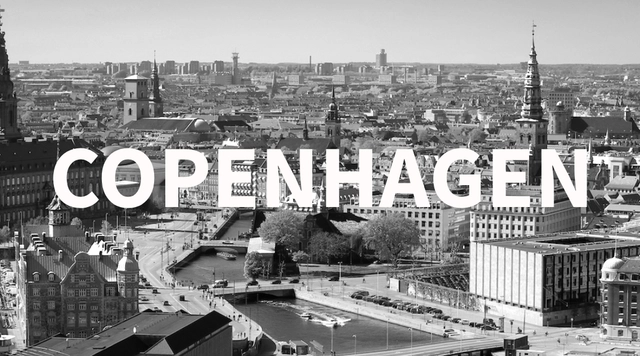
Copenhagen was founded around the 11th century, from a small fishing village called "Havn" (harbor), which served as a strategic point for trade and navigation. Over time, this settlement transformed into an industrial city and eventually became the capital of Denmark. Though small in size, Copenhagen exerts significant global influence as a model of urban living. Spread across two islands, it is recognized as one of the most livable cities in the world, compensating for its modest size with an imposing character, reflected in its vibrant urban life and a skyline punctuated by historic towers, low-rise buildings, and a mix of old and modern architecture.

The Ideal City According to Five Urban Concepts

Subscriber Access | 

Cities, like people, are dynamic and constantly evolving to keep pace with and adapt to the social, economic, and environmental changes of their time. Similarly, the vision of how the ideal city should be planned has been influenced by each era’s realities and prevailing thoughts.

The Windy City: Chicago as a Model of Modern Urbanism

Subscriber Access | 

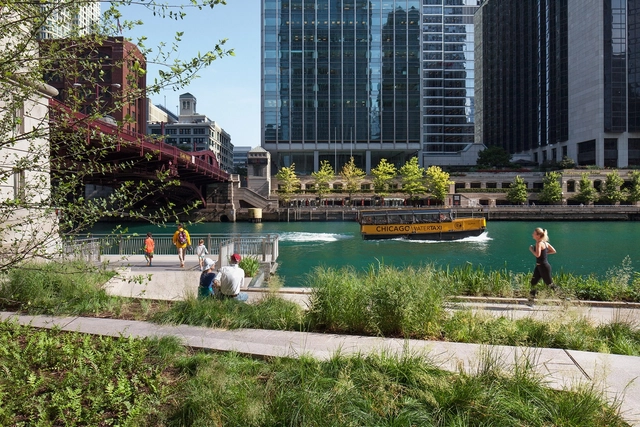
Chicago's urban history is a dynamic saga of innovation, resilience, and architectural prowess. From its early days as a bustling trade hub on Lake Michigan's shores to its transformation into a global metropolis, the Windy City has continually reinvented itself. Iconic events like the Great Chicago Fire of 1871 catalyzed a wave of architectural ingenuity and today, contemporary architects like the city’s own Jeanne Gang and SOM continue to shape its skyline with groundbreaking designs, while sustainable projects and adaptive reuse of historic buildings showcase the city's commitment to blending heritage with forward-thinking urban development. Whether it's the sleek Aqua Tower or the vibrant Riverwalk, Chicago continues to stand as a testament to the endless possibilities of urban innovation and design.

Blair Kamin on Reframing the Crucial Issue of Design Equity

This article was originally published on Common Edge.

From Haussmann to the Olympics: The Ever-Evolving City of Paris

Subscriber Access | 

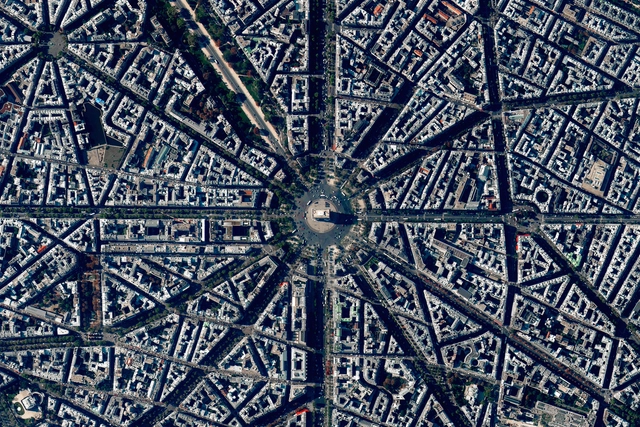
They say Rome wasn’t built in a day, and the same surely applies to one of the most prominent and glitzy cities in the world: magnificent Paris. It might even seem that both cities, of legendary repute, are somehow counterparts. They were both envisioned by an emperor who wanted to display a political message of innovation, grandeur, and opulence. In both cases, these major urban reforms and massive reconstructions blanketed any popular struggle or resistance with blinding beauty and a popular entertainment setup (from gladiators to cancan dancers and brasseries). And thus came to be the Paris that we now know, a city of divertissement that amasses over 30 million tourists a year.

Venice: Editor's Spotlight

Subscriber Access | 

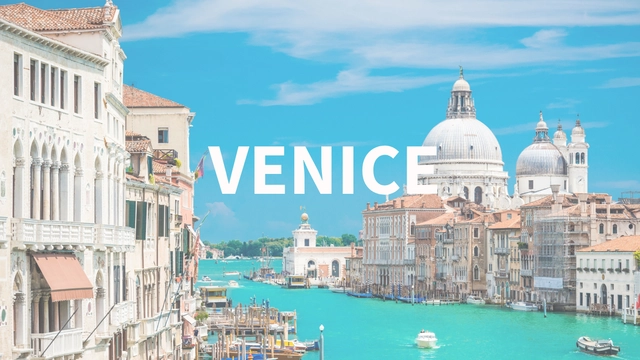
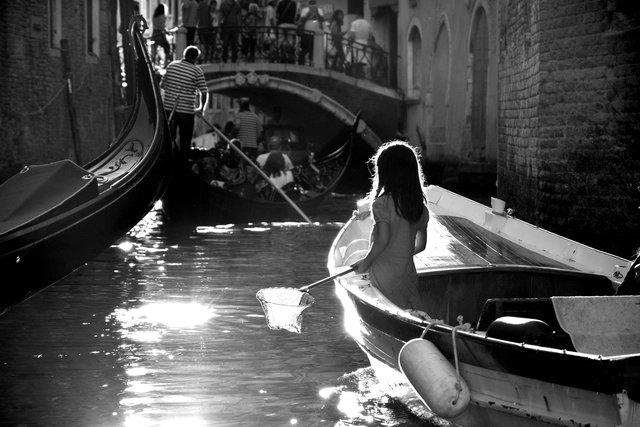
"Every time I describe a city I am saying something about Venice”, said Marco Polo to Kublai Khan in Italo Calvino’s seminal book, Invisible Cities. Once the heart of a powerful maritime republic, Venice indeed houses many cities inside its intricate network of canals, alleys, bridges, and squares. Renowned for its unique architectural beauty, Renaissance history, and cultural significance — and, of course, for being built in the middle of the water — over the past decades, Venice has become one of the most notable victims of overtourism, receiving an estimated 30 million visitors per year.

Venice on Her 1,600th Birthday

Subscriber Access | 

This article was originally published on Common Edge in 2021 to celebrate Venice's 1,600th birthday.

Simone Farresin From Formafantasma On Milan Design Week and the Responsibility of Designers

Subscriber Access | 

Simone Farresin from the Italian studio Formafantasma talks about his practice, together with his partner Andrea Trimarchi, their work, and the different approaches to projects. He also tackles their participation in the Milan Design Week, and the political role of creatives in the world.

Tokyo: Editor's Spotlight

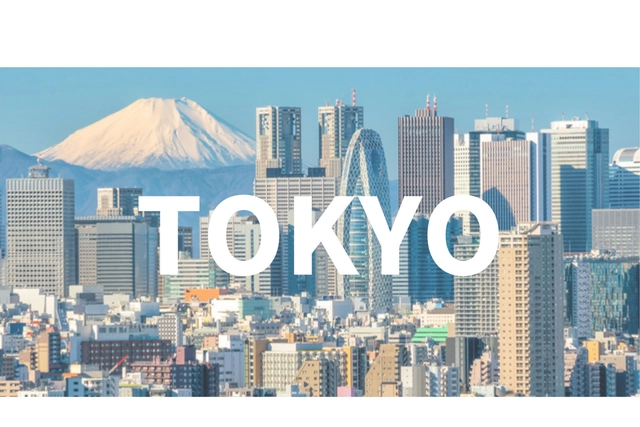
“The human invention par excellence.” This is how French sociologist Claude Lévi-Strauss described the city back in the first half of the 20th century. Although his idea can be seen as outdated by more recent narratives, one cannot deny that cities exist because of human action in the landscape. In that sense, Tokyo is perhaps the “most human” expression one can find, as its metropolitan population of 37 million people assures it the top spot among the world’s biggest cities. 

Benefits & Discounts - Exclusive to our Members

Welcome to our benefits and discounts program! We're excited to share with you a range of advantages designed to enhance your experience with us. We want to thank you for your support and commitment to our mission. Explore the benefits and enjoy the advantages that come with being part of this community!

Interview with Sadafumi Uchiyama: Designing Peace and Harmony

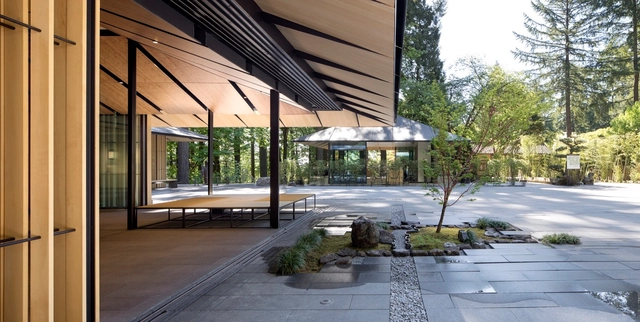
Sadafumi (Sada) Uchiyama, ASLA, is Curator Emeritus of Portland Japanese Garden. Before his retirement, Uchiyama served as Chief Curator from 2021 to 2023. Uchiyama is a third-generation Japanese gardener from southern Japan, where his family has been involved in gardening for over a century. In addition to his background as a gardener born and trained in Japan, Uchiyama is also a registered landscape architect in Oregon and California, with Bachelor’s and Master’s of Landscape Architecture degrees from the University of Illinois. This interview was conducted at the ASLA 2021 Conference on Landscape Architecture in Nashville.

Breaking the Standards: 10 Architects Who Are Daring in their Color Palettes

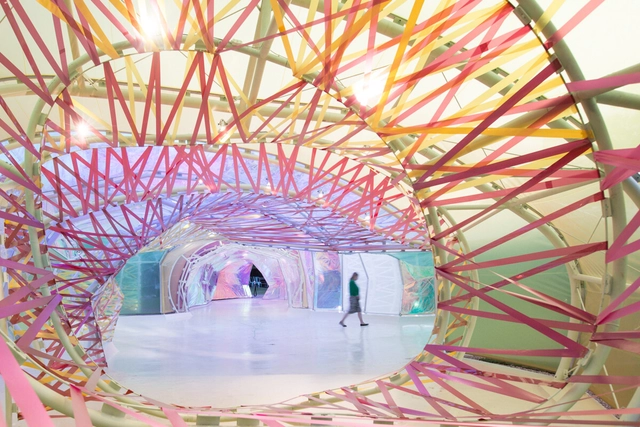
Colors are much more than just aesthetics. They can tamper with the sensations a space conveys, how we perceive the environment, and even comfort issues. With so many factors that they can influence, using them is not an easy task, and that is why many architects choose to stick with the classic white, grayscale, or even exposed materials to avoid any possible visual conflict. However, some architectural practices dare to use bold color palettes and create unique works that stand out precisely because of how colors help compose the project.

Brutalism in Lima: Ethical and Aesthetic Essays

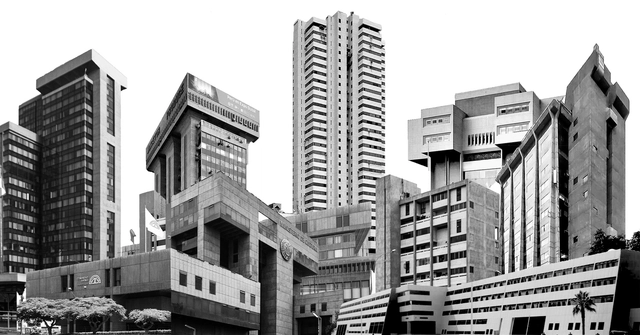
The origins of brutalism can be traced to the UK in the 1950s during the post-war period. However, there is no clear record of its initial boundaries or theoretical frameworks. Despite this, it is widely agreed that it sought to uphold constructive sincerity as its main value and that it had, in the execution of Le Corbusier's Marseille Housing Unit (1952), a turning point for its global diffusion (Casado, 2019). For authors such as Banham (1966) or Collins (1977), constructive sincerity in Brutalist buildings does not only refer to material or technical criteria, but also to moral, political or ethical ones. These variables, in nations such as Peru, were fundamental and built an aesthetic while trying, through and from architecture, to construct an idea of a country. This essay seeks to be an approximation to these ideas and experiences.