7 Latin American Architecture Firms that Achieve More with Less

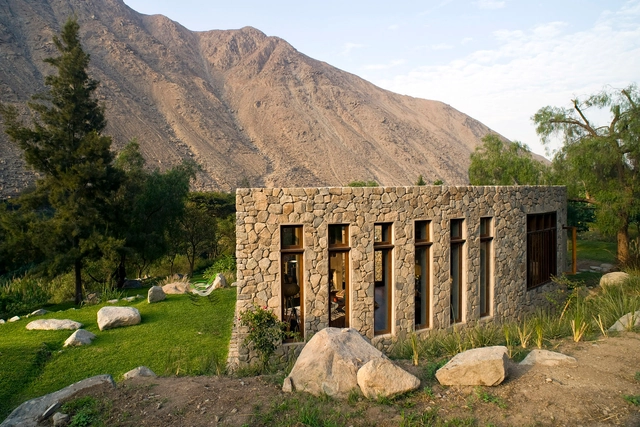
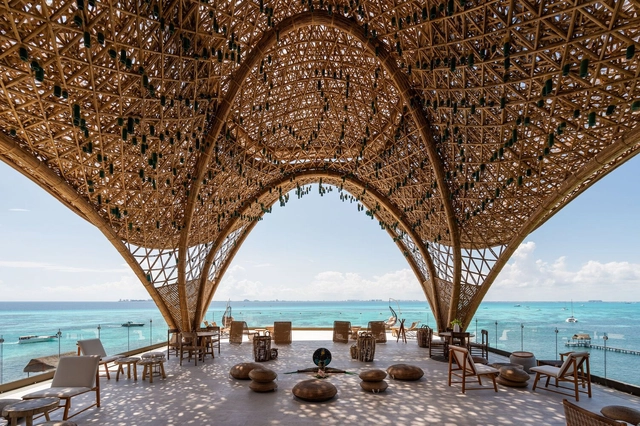
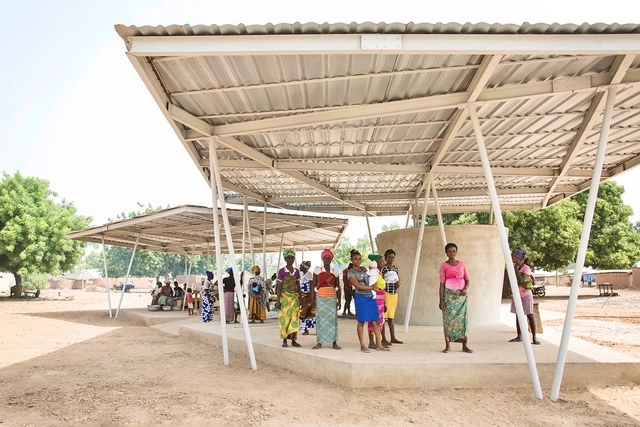
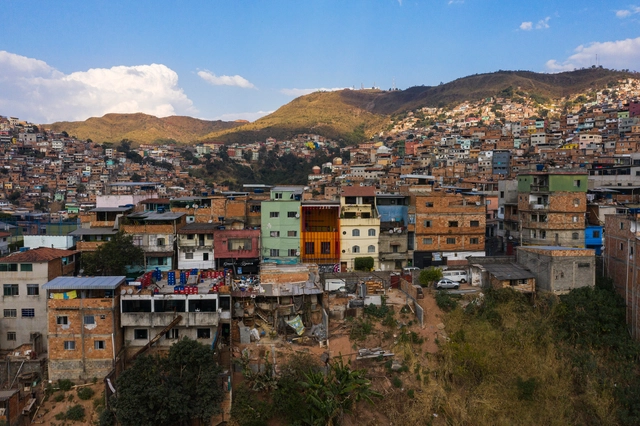
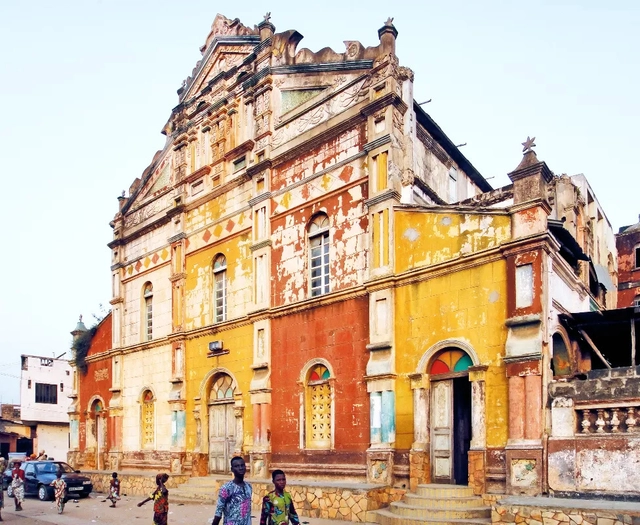
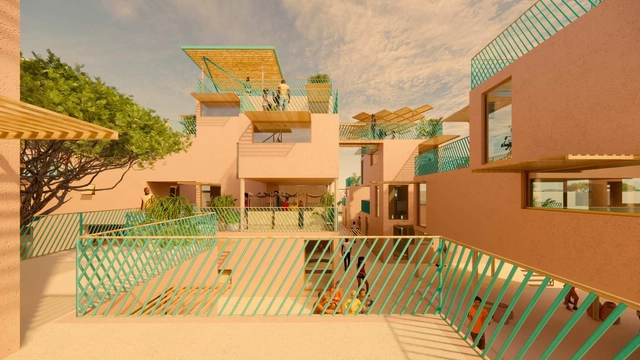
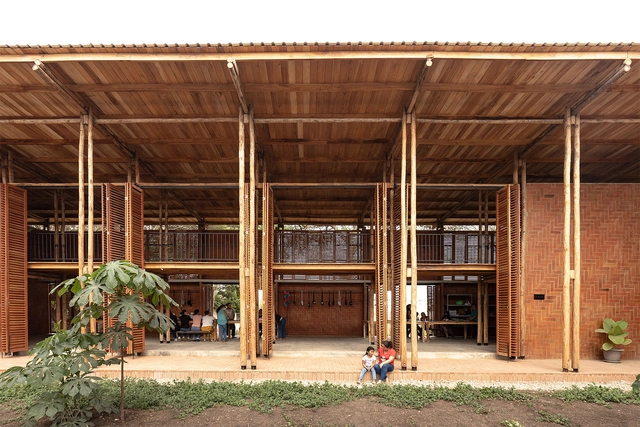
Young Latin American architecture firms are changing paradigms in the field by promoting a new approach to the profession's role in society. Their innovative explorations, driven by risk-taking, emerge from a deep emotional connection and thorough understanding of their context. They draw inspiration from local elements like geography, materials and available resources. With their unique identities, these firms move away from the still-prevalent modernist legacy, presenting authentic and innovative solutions to tackle contemporary challenges.
Maximized Density: How Co-Living Spaces Do More with Less

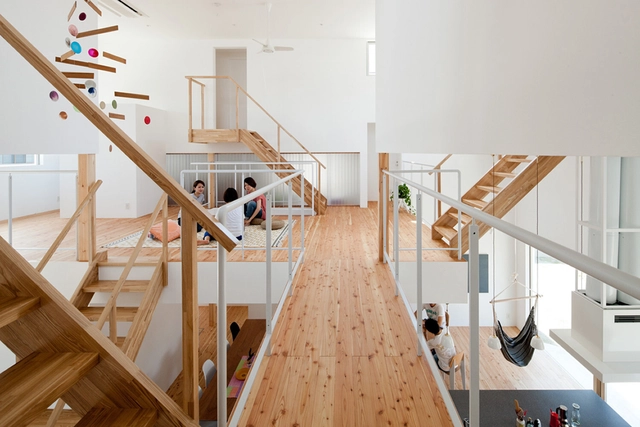
Rising populations and soaring real estate prices pose significant challenged to urban housing. In a desperate hunt for affordable living options, communal co-living spaces have emerged as a creative solution, offering quality living conditions through clever space optimization strategies. By implementing innovative design techniques, these shared living communities maximize every square foot to create functional spaces within compact footprints.

Learning from Global Architecture Exhibitions: Resource Efficiency, Vernacular Intelligence, and Social and Environmental Advocacy

Over the past year, architecture exhibitions have significantly addressed pressing global issues such as climate change, resource scarcity, and social advocacy. According to the Harvard Graduate School of Design, architecture exhibitions can foster dynamic engagement with contemporary issues, serving as platforms for experimentation and critique. These events, such as the Venice Architecture Biennale, Sharjah Architecture Triennial, Milan Design Week, and Concéntrico, serve as essential platforms for creatives to showcase and explore new ideas. Moreover, they have been instrumental in addressing the urgent challenges posed by the climate crisis by promoting sustainable practices.

Land as Raw Material: Latin American Homes Built With Locally Sourced Soil

Organizing, shaping, stacking. Transforming raw materials from the soil into architecture. This is a challenge that many Latin American architects embrace, demonstrating that scarcity can be daunting but also a rich opportunity to unleash creativity.

On Ethics and Fair Labor in Architecture: The Example of Theaster Gates’ Serpentine Pavilion Design

When he was invited to design the 21st Serpentine Pavilion in London’s Kensington Gardens public park, Chicago-based artist Theaster Gates envisioned a calm space to offer respite and a subtle exploration into the power of sound and music in architecture. Created out of lightweight stained wood, the “Black Chapel” demonstrates more than just artistic and architectural sensibilities. In addition to the use of sustainable materials, the project also pays close attention to how the building materials are sourced, bringing visibility to the problem of modern slavery in the construction materials supply chain.

A Lot With Little: Video Installation at the AA School in London Highlights Resource Efficiency in Architecture

Noemí Blager and Tapio Snellman are presenting a new video installation at the Architectural Association (AA) in London. The exhibition titled “A Lot with Little” set out to explore and showcase how architects can employ a more economical use of resources to create architectural works that are both sensible and sustainable. Previously shown in Germany, Switzerland, China, Czechia, the US, and the Venice Architecture Biennale, this London debut aims to highlight the global relevance of resource-efficient architectural practices. The exhibition is now on view at the AA School in London from April 26, until May 30, 2024.

Exploring the Smart Use of Brick: Thai Residence Case Study

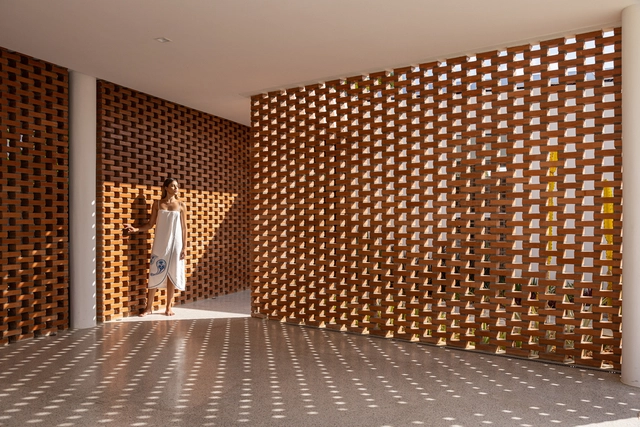
Brick is one of the oldest and most versatile materials in construction, going beyond the simple masonry wall. Its origins date back to 7500 B.C., with kiln-fired specimens appearing around 3000 B.C., representing a technological breakthrough for the construction of sturdier buildings. Spreading across Europe and Asia around 1200 BC, they replaced materials such as wood and stone in scarce regions. Roman bricks, notable for their long shape, were widely used in the construction of their cities and are still used today. The history of bricks is intertwined with that of civilization, being an easy-to-produce, resistant and versatile material, allowing for a multitude of applications and achieving impressive and unusual results.

Maximizing Dilapidated Infrastructure: The Potential of Repurposing Abandoned Buildings into Social Housing

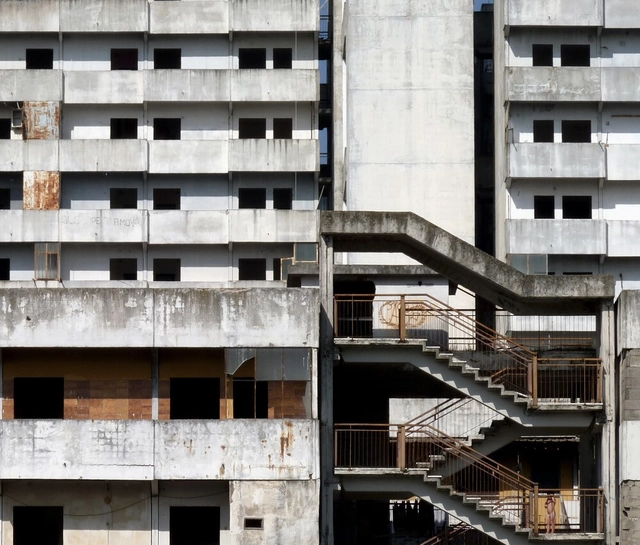
As the demand for affordable housing grows and the availability of low-cost properties diminishes, stakeholders in housing must become more innovative in their approach to social housing development. One opportunity lies in restoring and repurposing abandoned buildings. While building new houses remains the primary strategy for Housing Authorities and Associations, rehabilitating derelict buildings can be a more economical option. This approach not only maximizes the use of dilapidating infrastructure but also provides an economic opportunity to increase affordable housing within the city. Although rehabilitating derelict residential buildings may seem like an obvious solution, it becomes even more crucial when considering abandoned commercial, institutional, or historical buildings for social housing.

Community Growth Through Architecture: Maximizing Limited Resources for Positive Impact

Limited resources are becoming an increasingly common challenge in architecture. Today, regardless of the region, projects are affected by the availability of resources, which are now compounded by environmental considerations. This situation, far from being restrictive, prompts us to explore new possibilities in how we conceive the built environment. In this context, it is crucial to understand that resources are not only limited to the economy but also include technological, material, and spatial aspects. Thus, we can enhance our creativity and efficiency by broadening our considerations when approaching architectural design and its challenges, doing more with less.

Hotels in Mexico: Utilizing Natural Materials and Waste in Contemporary Construction

In the quest to promote a more sustainable construction where the use of natural materials contributes to the transmission of local traditions and cultures, an increasing number of architecture projects are exploring different resources and techniques to address environmental, economic, or social concerns. Understanding the benefits and qualities of materials such as color or texture influences the final experience of those who inhabit, walkthrough, or visit spaces. Therefore, understanding their technical, constructive, aesthetic, and functional properties should be part of the design process from the beginning.

Roofs of Trade: A Look at 12 Public Market Architectures

Public Markets are complex cases that beautifully combine an engineering exploration with the instigation of a beneficial public function. In fact, it doesn't take much to designate an open and accessible commercial hub that would encourage commercial exchange and economic development for small or local businesses. All one needs is a lot and a sheltering roof. However, many designers and architects have chosen to take this exercise beyond the social level and into further material and technical exploration. 

"One Step at a Time": An Interview with Coletivo LEVANTE

Centered on the development of architectural projects in favelas and peripheries, the work of Coletivo LEVANTE showcases a deep sensitivity to the unique characteristics and nuances of these environments. According to the group, "the recognition of what already exists and is attributed with values lived and earned by the favela residents — landscapes, constructions, identities, and relationships" is what they seek as the raw material for their projects. This approach is evident in projects such as Centro Cultural Lá da Favelinha and House in Pomar do Cafezal, winner of the 2023 Building of the Year Award by ArchDaily.

Incremental Iconation: A Path for Developing Monumental Buildings in the Global South

Buildings that are designed to layer stories and memories, evoke a sense of aspiration, define cultural narratives, and build a national identity will always be important in all societies. When buildings have this power to shape communities, make an impact on a city’s image, and change the course of socio-economic growth, then they can be identified as iconic. Though the term “iconic” is subjective, it is one that pushes the boundaries of architecture in any context. It calls for spatial originality, proposes innovative material technology, and necessitates a radical socio-economic investment to be realized.

What Do We Do With Waste? The Circular Economy and the Global South

A lot of people around the world would agree that we are currently in a climate emergency. The IPCC report, released last year, makes for difficult reading. Practitioners in the built environment have taken to direct climate action, with organizations such as ACAN and Architects Declare fostering carbon literacy and calling for designers to re-evaluate how they practice.