-
Architects: FAR frohn&rojas
- Area: 12765 m²
- Year: 2025
-
Manufacturers: Alwitra, HUCK, Herzbach, Schüco, Villeroy & Boch


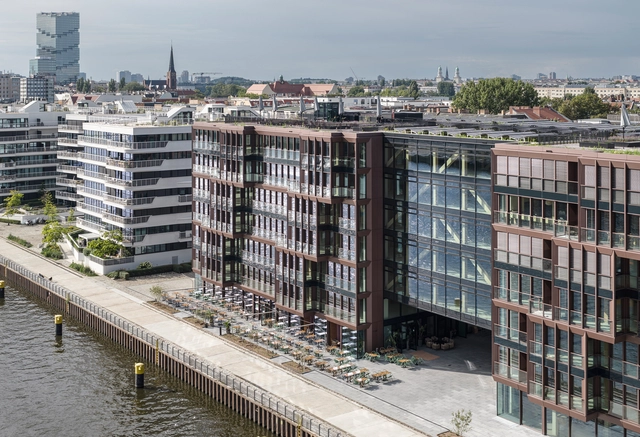
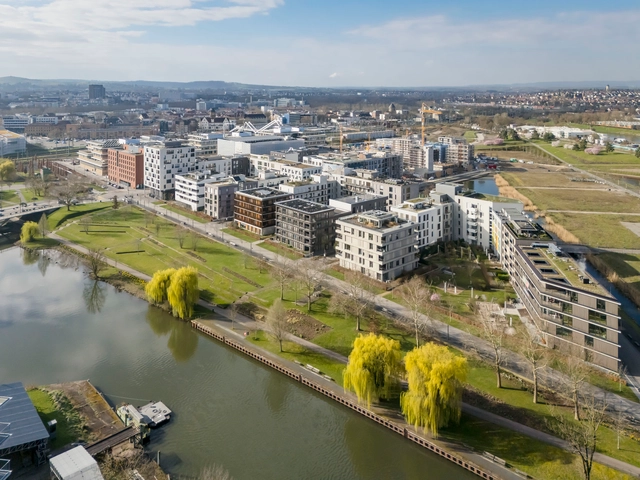
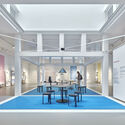
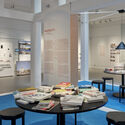
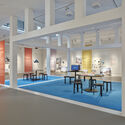
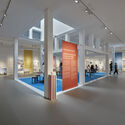
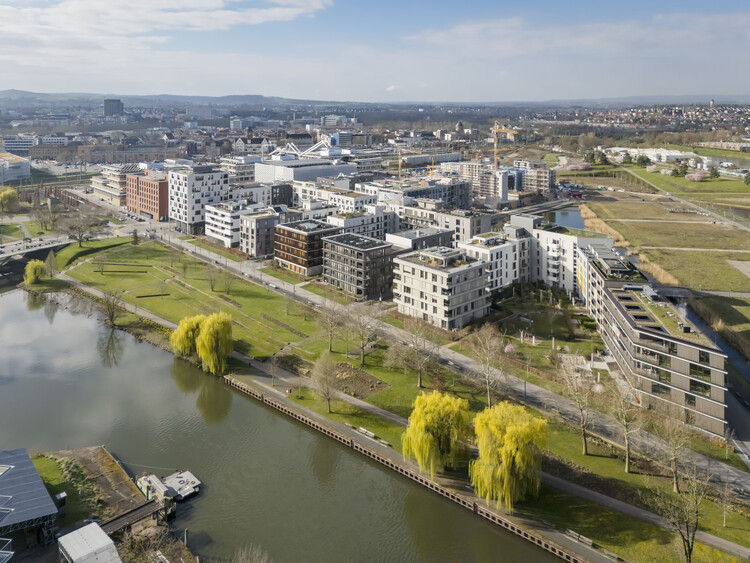
The Deutsches Architekturmuseum (DAM) in Frankfurt has opened a new exhibition titled Building Cities Today?, examining the complexities of developing new urban neighborhoods in Germany. Running from June 28 to November 2, 2025, the exhibition brings together nine projects that reflect diverse approaches to new urban planning, with a focus on sustainability, social integration, and long-term adaptability. Referencing the legacy of the "Neues Frankfurt" housing program of the 1920s, the exhibition opens with the Römerstadt estate, one of Germany's early experiments in functional and standardized housing. From there, it transitions to eight urban developments from the 1990s to the 2020s, presenting case studies that include HafenCity in Hamburg, Bahnstadt in Heidelberg, Neckarbogen in Heilbronn, City of Wood in Bad Aibling, and Messestadt Riem in Munich.

Studio Gang is an architecture and urban design practice founded in 1997 by Jeanne Gang and based in Chicago, with additional offices in New York, San Francisco, and Paris. Comprised of over 100 professionals, including architects, designers, and planners, the studio is known for its research-driven approach to design. On Friday, July 11, the Aedes Architecture Forum in Berlin will inaugurate an exhibition on Studio Gang's work, organized in collaboration with AW Architektur & Wohnen magazine. Titled Studio Gang: The Art of Architectural Grafting, the exhibition explores the studio's design methodology through six recent projects.
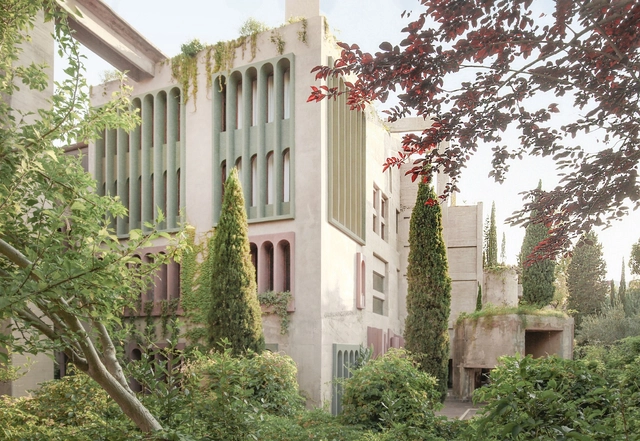
The twentieth century marked a definitive shift in the realm of architecture, as the Modernist movement broke from traditional building styles and encouraged experimentation and innovation. With the help of new materials and technologies, these times represent a crucial moment in the history of architecture as both cities and building styles evolved at an unprecedented rate. The structures that stand testament to this day are, however, nearing the age of a hundred years old. Their stark design features are not always embraced by the public, while the functionalist principles often hinder the adaptability of their interior spaces. Given that they also often occupy central positions within the city, there is increasing pressure to demolish these structures and redevelop the area in its entirety.
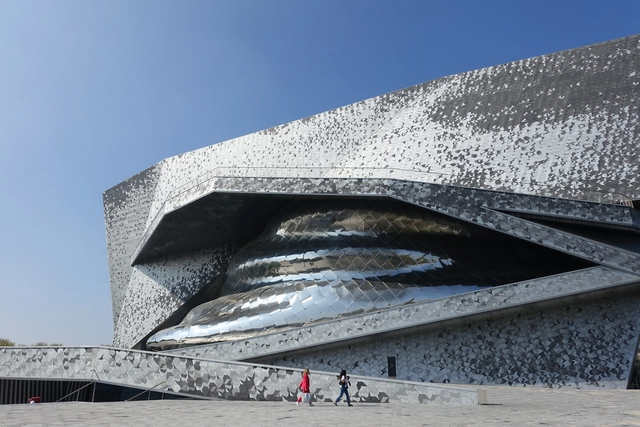
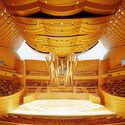
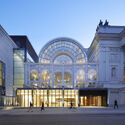
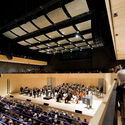
Theaters, concert halls, and opera houses are more than just venues — they are meticulously orchestrated environments where architecture, technology, and human emotion converge. Unlike conventional buildings, these spaces must accommodate a dynamic interplay between acoustics, sightlines, stage mechanics, and audience engagement, all while maintaining an architectural identity that resonates with performers and spectators alike. Whether it is the immersive embrace of a vineyard-style concert hall or the grandeur of a proscenium theater, every design decision shapes how performances are experienced and remembered.
The recently published SET PIECES: Architecture for the Performing Arts in Fifteen Fragments by Diamond Schmitt Architects explores these complexities through case studies and reflections. Inspired by its insights, this article examines essential design considerations for performance spaces, from acoustic engineering to the evolving role of theaters in urban life.
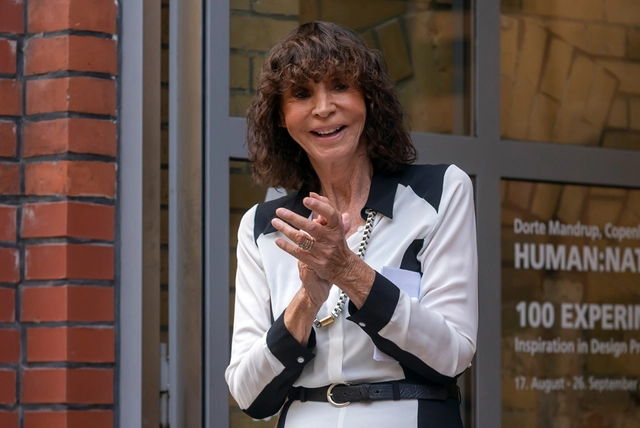
Kristin Feireiss, the German architecture curator, writer, and editor, passed away on April 20, 2025. With a career spanning over four decades, Feireiss played a significant role in promoting international public discourse on architecture, urban development, and social change.
Born in 1942, Feireiss studied art history and philosophy at Johann Wolfgang Goethe University in Frankfurt. In 1980, she co-founded the "Aedes Architecture Forum" in Berlin with Helga Retzer, establishing Europe's first private architecture gallery. After Retzer's passing in 1984, Feireiss continued to develop Aedes into an internationally recognized platform. Since 1994, in collaboration with Hans-Jürgen Commerell, she curated over 350 exhibitions and catalogues, expanding the forum's reach and impact. In 2009, the duo also founded "ANCB The Aedes Metropolitan Laboratory," which received the German Innovation Prize in 2010.
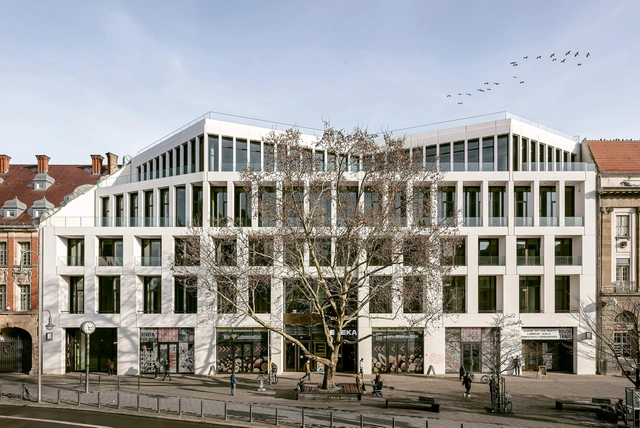
"Steven Holl – Drawing as Thought," an extensive exhibition of the American architect's original watercolors, is now on view at the Tchoban Foundation Museum for Architectural Drawing in Berlin. It reveals insights behind some of Holl's key projects and design methodology. The selected drawings range from early unbuilt winning competition entries to some of the latest visions now under construction in Europe and the United States. Occupying the museum's two levels, the show opened on February 6 with a conversation between Holl and the museum's founder and architect Sergei Tchoban, as well as addresses by Kristin Feireiss, the exhibition's curator and founding director of the next-door Aedes Architecture Forum, and Diana Carta, an architect and scholar from Rome. The show, which can be visited until May 4th, is accompanied by a catalog that states, "The work of internationally renowned US architect Steven Holl is distinguished not only by his extraordinary buildings, with a focus on cultural and public structures such as museums, art centers, concert halls, libraries and universities worldwide, but also by his artistic oeuvre, which today comprises more than 50,000 sketches, black-and-white drawings, and watercolors. […] While exhibition visitors will only encounter a small portion of his extensive body of work, each drawing should be explored and studied individually, in keeping with Holl's intent."
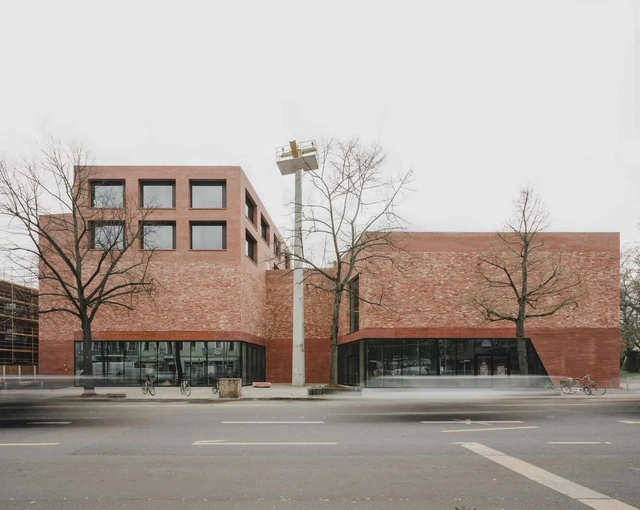
The DAM Preis 2025, presented by the Deutsches Architekturmuseum (DAM), has been awarded to AFF Architekten for their project, Spore Haus, in Berlin. As one of Germany's most recognized architecture awards, the DAM Preis highlights significant contributions to contemporary architectural practice. This year's winner, Spore Haus, was selected for its "thoughtful design and careful integration" into the urban context, as well as its contribution to public life.
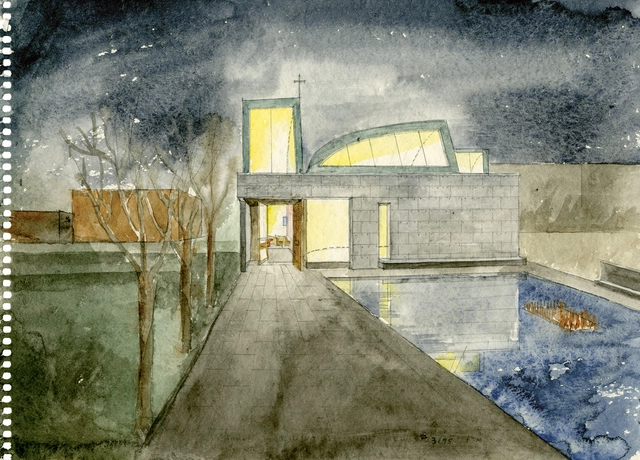
The Museum for Architectural Drawing in Berlin, Germany, will host a new exhibition titled "Steven Holl – Drawing as Thought," curated by Kristin Feireiss. The exhibition explores the creative process of internationally renowned architect Steven Holl with a focus on his use of drawing as a fundamental tool in architectural design. Furthermore, the exhibition highlights Holl's extensive artistic practice, which includes over 50,000 sketches, black-and-white drawings, and watercolors, offering insight into his approach to architecture through visual exploration.
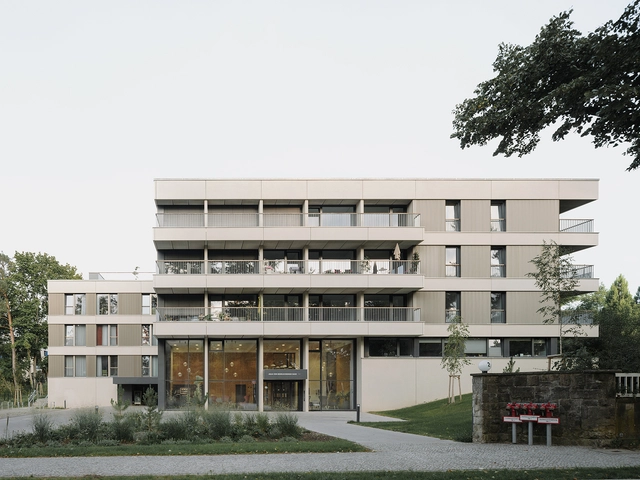
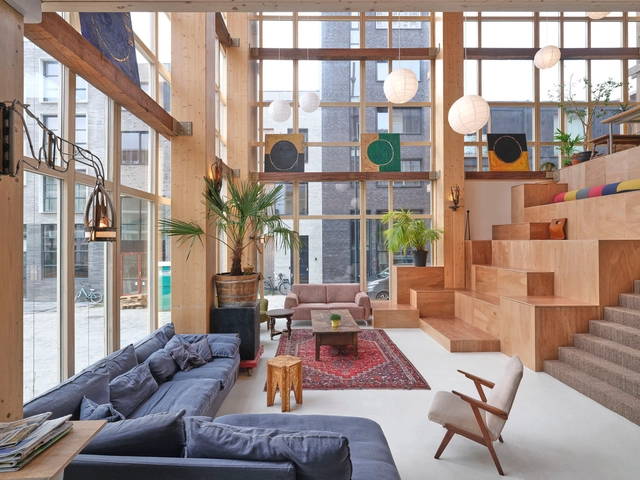
The International Day of Cooperatives, celebrated on the first Saturday of July each year, is an opportunity to raise awareness and celebrate the cooperative movement. Celebrated on this day by the United Nations since 1992, the cooperative movement is a social and economic movement empowering individuals and communities by creating enterprises that are collectively owned and democratically controlled by members. This year's theme is "Cooperatives: Partners for Accelerated Sustainable Development." Underscoring the critical role cooperatives play in achieving the Sustainable Development Goals, it also emphasizes the unique typology of cooperatives in exploring new ways of living together. With a belief in community growth, cooperatives believe in communal development, prioritizing people and supporting them to improve collective well-being.
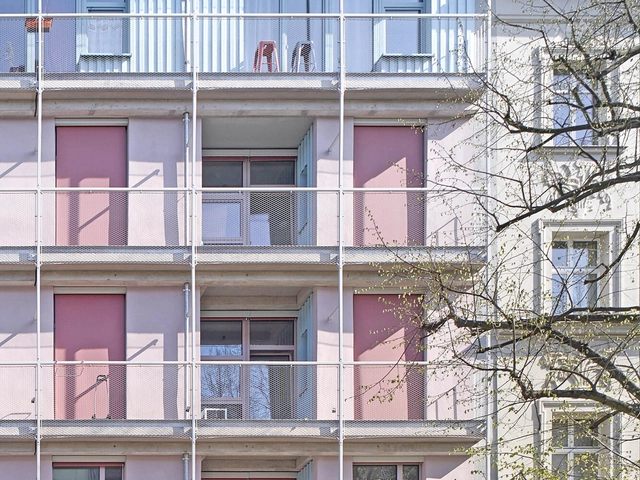
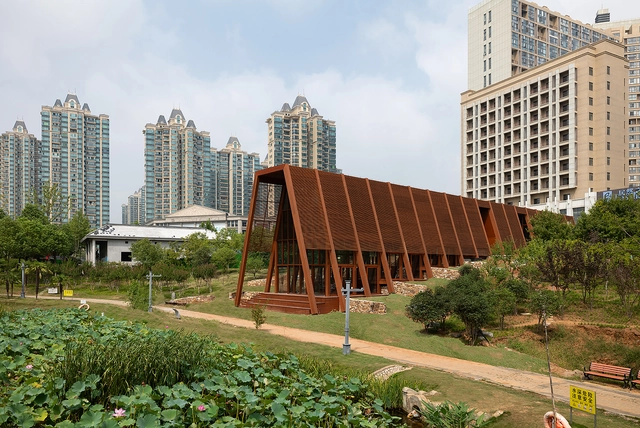
The Aedes Architectural Forum in Berlin presents over the next two months the trajectory and works of Christoph Hesse Architects. The exhibition, titled "Rural Rebellion," focuses on the studio's architectural projects that address the challenges of working in rural areas, particularly in Korbach—Hesse's hometown—and other villages across Germany. It highlights how the practice reimagines and reinterprets traditional building methods, translating them into contemporary contexts while emphasizing a collective and collaborative approach to architecture.