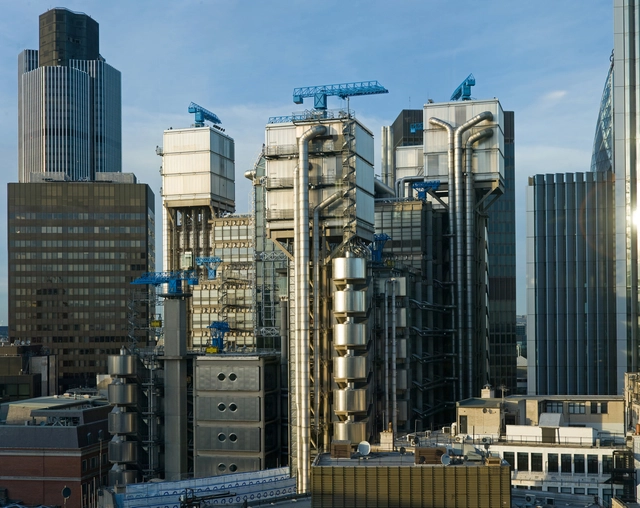
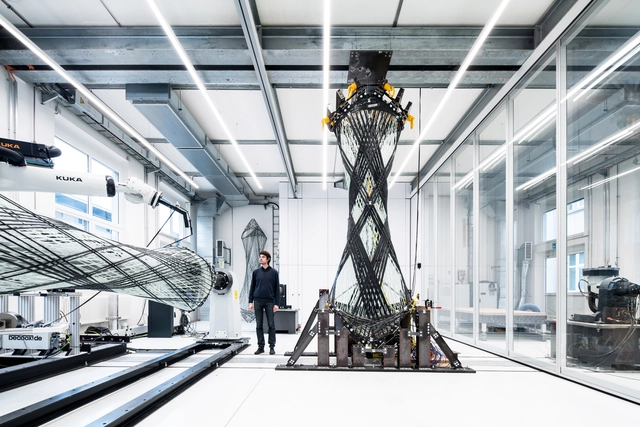
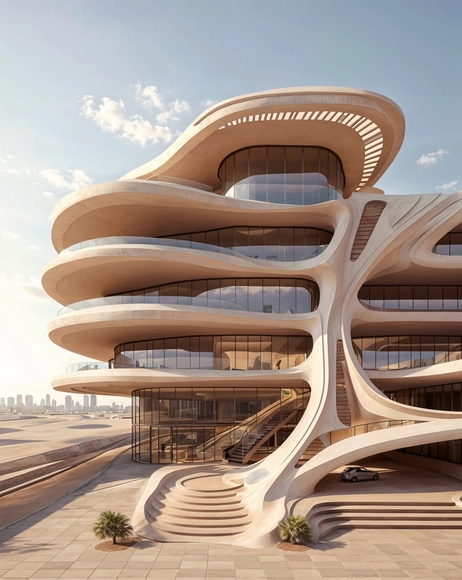
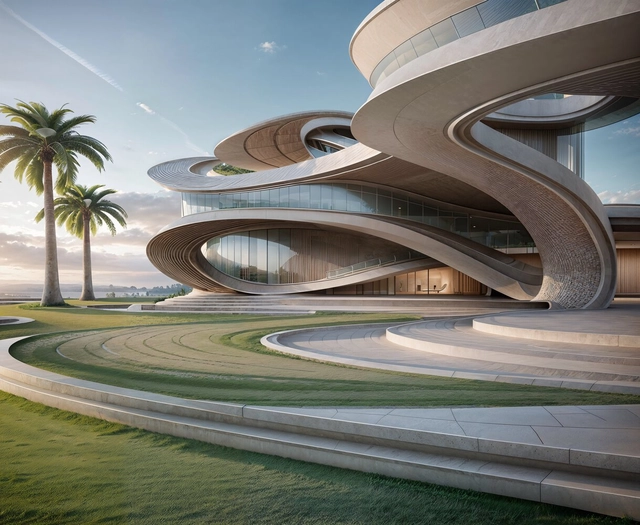
Modernism, a movement that sought to break away from traditional forms and embrace the future, laid the groundwork for many technological and digital advancements in contemporary architecture. As the Industrial Revolution brought about mass production, new materials, and technological innovation, architects like Le Corbusier, Walter Gropius, and Mies van der Rohe championed the ethos of "form follows function" and a rational approach to design. Their principles resonate in the digital age, where computational design and high-tech materials redefine form and construction.
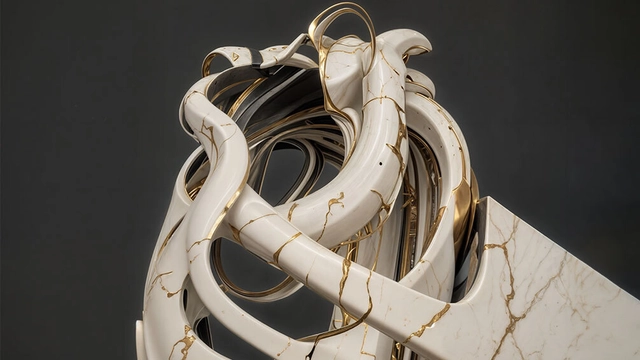
The 20th century's modernist ideals — efficiency, simplicity, and functionality — created a foundation for architects to experiment with structural clarity and material honesty. High-tech architecture, which emerged in the late 20th century, evolved from these principles, merging modernism's clean lines with advanced engineering and technology. This paved the way for parametricism and algorithm-driven design processes, revolutionizing architecture and enabling complex forms previously thought impossible.
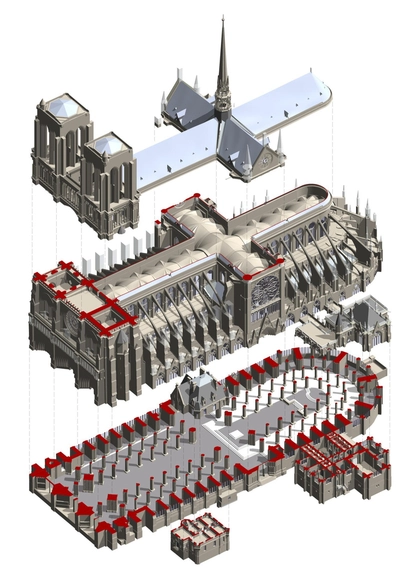
In many cultures, fire is a sacred element used in rituals of rebirth and renewal. It carries a dual symbolism, being both a creator and a destroyer—capable of illuminating paths or consuming everything in its wake. In Greek mythology, for example, Prometheus stole fire from the gods and gave it to humanity, marking it as a symbol of progress, knowledge, and creative power. However, fire also evokes destruction, as seen in biblical tales like that of Sodom and Gomorrah, where it was used as divine punishment. This duality was also evident in the 2019 fire at Notre-Dame Cathedral, which devastated its historic structure. The disaster sparked a wave of solidarity and led to unprecedented technological advancements, with restoration efforts utilizing digital tools such as laser scanning and Building Information Modeling (BIM) to recreate intricate details and preserve architectural heritage.
From the Colosseum's vast arches to the Pantheon's perfect dome, Roman architecture fused engineering precision with expressive form. These buildings reshaped the urban life of antiquity but also left traces that continue to guide contemporary design. Yet much of the knowledge behind their construction has been lost or obscured over time, like the geometry, the proportions, and methods. Today, new technologies are helping to recover that hidden layer of architectural intelligence, offering fresh perspectives on how Romans built with such ingenuity.
We are thrilled to announce our upcoming December workshops in collaboration with our ArchDaily Plus partner, Parametric Architecture. These workshops have been thoughtfully curated to empower architects, designers, and enthusiasts by providing them with the latest insights and skills in the dynamic realm of parametric design. Guided by industry experts and visionaries, these immersive sessions will explore cutting-edge techniques, innovative tools, and practical applications, creating an inspiring and dynamic learning environment where participants can take their design expertise to unprecedented levels.
https://www.archdaily.com/1024033/parametric-architecture-december-workshopsArchDaily Team
Every innovation brings with it frictions, disruptions, and, above all, learnings. In the construction industry—a sector historically resistant to change—new construction systems are often met with some skepticism, requiring careful analysis of the challenges that arise. The wood frame system, widely adopted in countries such as the United States, Japan, and Germany, has yet to gain significant popularity in Brazil due to factors that keep the sector labor-intensive and strongly tied to conventional masonry and concrete methods.
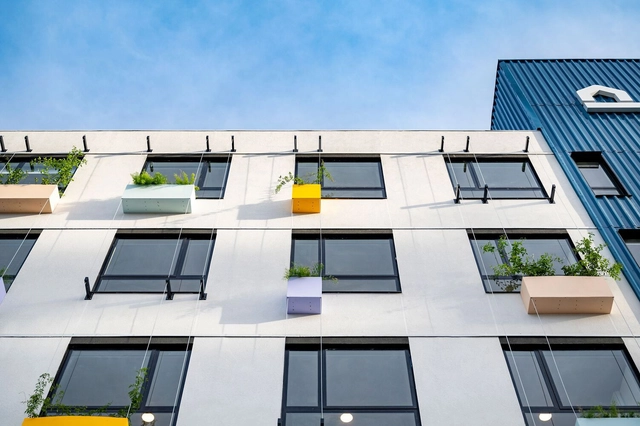
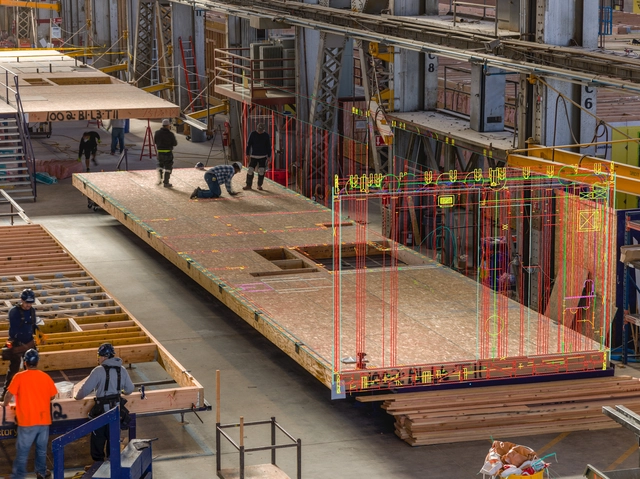
However, with the decreasing availability of labor and new demands for efficiency and sustainability, the construction sector has gradually begun to explore innovative alternatives. In this context, the Parkside Carvoeira building in Florianópolis stands out as a landmark of innovation, being the tallest wood frame building in Brazil. Developed in partnership with Desterro Arquitetos, Parkside, and the local construction company Tecverde, this pioneering project adopts the system as a sustainable and efficient solution to meet the needs of contemporary construction in the country.
We are thrilled to announce our upcoming November workshops in collaboration with our ArchDaily Plus partner, Parametric Architecture. These workshops have been thoughtfully curated to empower architects, designers, and enthusiasts by providing them with the latest insights and skills in the dynamic realm of parametric design. Guided by industry experts and visionaries, these immersive sessions will explore cutting-edge techniques, innovative tools, and practical applications, creating an inspiring and dynamic learning environment where participants can take their design expertise to unprecedented levels.
https://www.archdaily.com/1022613/parametric-architecture-november-workshopsArchDaily Team
For centuries, models have been central to architectural design, providing architects with a tangible way to explore ideas, test concepts, and communicate their vision. From the Renaissance to Modernism, models have been instrumental in the construction and reflection processes, offering insights into form, proportion, and spatial relationships. However, in today's digital age, where 3D modelsand Virtual Reality(VR) have become powerful and efficient tools, the question arises: Are physical models still relevant in contemporary architecture?
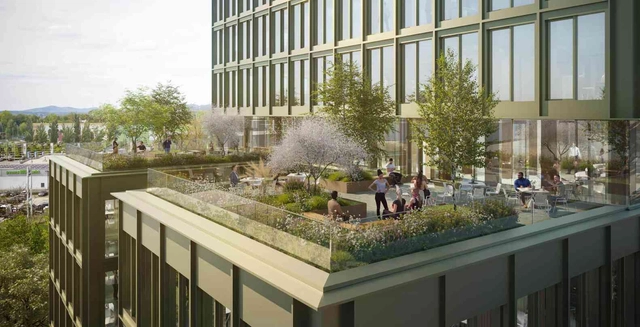
grabowski.spork architektur is designing "The Change," Eschborn, Germany's first timber-hybrid high-rise office building, on behalf of PE Merhenthaler GmbH—a joint venture between Bauwens and Ampure, two of Germany's largest property development companies. The project's BIM process exemplifies how these smart digital workflows contribute to exceptional design outcomes.
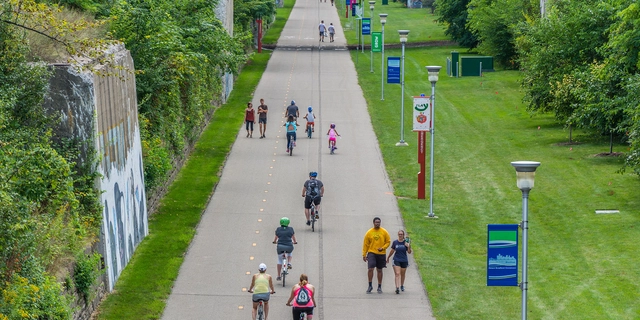
Dequindre Cut, Detroit / The High Line Network, SmithGroup. Image Courtesy of The Dirt
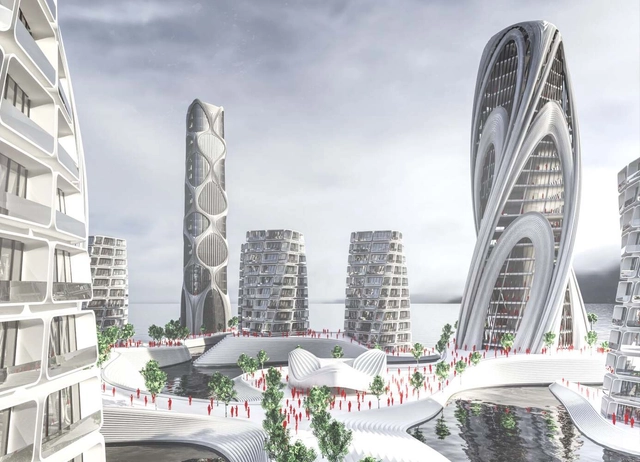
Throughout history, it has become clear that the key to long-lasting and sustainable projects is to lay solid foundations. Our society is headed towards a more urban future in which the density of metropolises will be ever greater. That is why this more urban tomorrow requires modern urban planning capable of building innovative, sustainable and flexible structures. Because the only way to make our society live better is to build better.
We are thrilled to announce our upcoming October workshops in collaboration with our ArchDaily Plus partner, Parametric Architecture. These workshops have been thoughtfully curated to empower architects, designers, and enthusiasts by providing them with the latest insights and skills in the dynamic realm of parametric design. Guided by industry experts and visionaries, these immersive sessions will explore cutting-edge techniques, innovative tools, and practical applications, creating an inspiring and dynamic learning environment where participants can take their design expertise to unprecedented levels.
https://www.archdaily.com/1021403/parametric-architecture-october-workshopsArchDaily Team
We are thrilled to announce our upcoming May workshops in collaboration with our ArchDaily Supporters partner, Parametric Architecture. These workshops have been thoughtfully curated to empower architects, designers, and enthusiasts by providing them with the latest insights and skills in the dynamic realm of parametric design. Guided by industry experts and visionaries, these immersive sessions will explore cutting-edge techniques, innovative tools, and practical applications, creating an inspiring and dynamic learning environment where participants can take their design expertise to unprecedented levels.
https://www.archdaily.com/1015811/parametric-architecture-may-workshopsArchDaily Team
We are thrilled to announce our upcoming April workshops in collaboration with our ArchDaily Supporters partner, Parametric Architecture. These workshops have been thoughtfully curated to empower architects, designers, and enthusiasts by providing them with the latest insights and skills in the dynamic realm of parametric design. Guided by industry experts and visionaries, these immersive sessions will explore cutting-edge techniques, innovative tools, and practical applications, creating an inspiring and dynamic learning environment where participants can take their design expertise to unprecedented levels.
As a token of our appreciation, ArchDaily Supporters will be entitled to exclusive benefits, including special discounts on any of the workshops offered by Parametric Architecture and one complimentary monthly workshop. Your commitment to advancing architectural innovation seamlessly aligns with the enriching experiences that these workshops promise to deliver. Stay tuned for more information on how you can fully unlock your creative potential and embark on an exciting journey of design exploration in April.
https://www.archdaily.com/1014843/parametric-architecture-april-workshopsArchDaily Team
We are thrilled to announce our upcoming March workshops in collaboration with our ArchDaily Supporters partner, Parametric Architecture. These workshops have been thoughtfully curated to empower architects, designers, and enthusiasts by providing them with the latest insights and skills in the dynamic realm of parametric design. Guided by industry experts and visionaries, these immersive sessions will explore cutting-edge techniques, innovative tools, and practical applications, creating an inspiring and dynamic learning environment where participants can take their design expertise to unprecedented levels.
As a token of our appreciation, ArchDaily Supporters will be entitled to exclusive benefits, including special discounts on any of the workshops offered by Parametric Architecture and one complimentary monthly workshop. Your commitment to advancing architectural innovation seamlessly aligns with the enriching experiences that these workshops promise to deliver. Stay tuned for more information on how you can fully unlock your creative potential and embark on an exciting journey of design exploration in March.
https://www.archdaily.com/1013663/parametric-architecture-march-workshopsArchDaily Team
The discipline of architecture has undergone considerable change, primarily driven by advancements in the application of technology. Architects, long viewed as the futurists of the constructed world, are now utilizing progressive techniques and resources and expanding the use cases of technologies such as Augmented Reality (AR) and Virtual Reality (VR). This transition extends beyond professional practices into architectural education, bringing opportunities to redefine the approach of architects toward their craft.
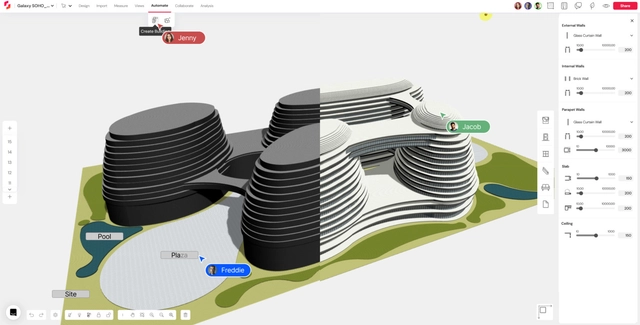
Transforming a conceptual massing model to BIM with Snaptrude’s automated workflows. Image Courtesy of Snaptrude
In the ever-changing world of design and construction, the tools at architects’ disposal have remained the same for decades. With its ability to deeply understand how architects design, Snaptrude has emerged as a collaborative 3D building design tool that incorporates smart, parametric modeling, live building information, easy real-time collaboration, and offers strong interoperability with other BIM tools like Revit.
By analyzing its wide variety of features, we showcase how Snaptrude empowers the design process to operate faster, smarter, and more collaboratively.
Videos
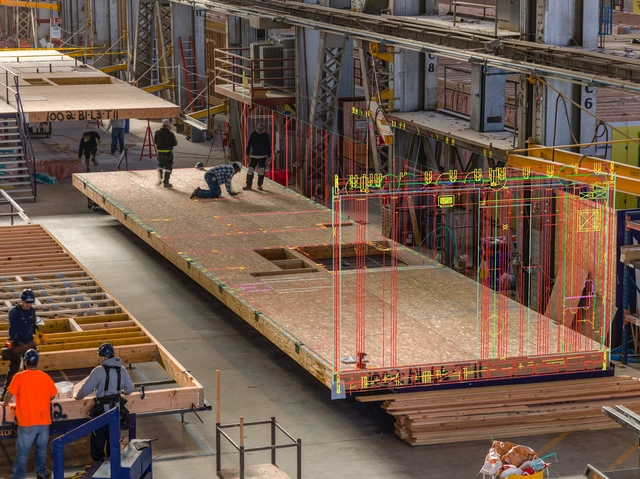
Phoenix Project. Image Cortesia de Autodesk
"In just one generation, we have gone from the pencil to AI.” This quote by Knut Ramstad from the Nordic Office of Architecture encapsulates the seismic changes we have witnessed in the development of architecture projects over the last few decades. By bringing forth increased efficiency and visualization possibilities, the express analysis and deeper understanding of project variables have become much easier. Architectures have become more complex, with more variables, numerous new demands and pressures, and with deadlines not getting any shorter. In this ever-evolving landscape of the architecture, engineering, and construction (AEC) industry, technological advancements have sparked a radical shift in professionals' approach to conceptualizing, planning, and executing projects, expanding a wide array of opportunities and highlighting the transformative power of data as an essential resource. This transformation could catalyze the industry's efficiency and sustainability, with a crucial focus on reducing its carbon footprint and minimizing waste generation.
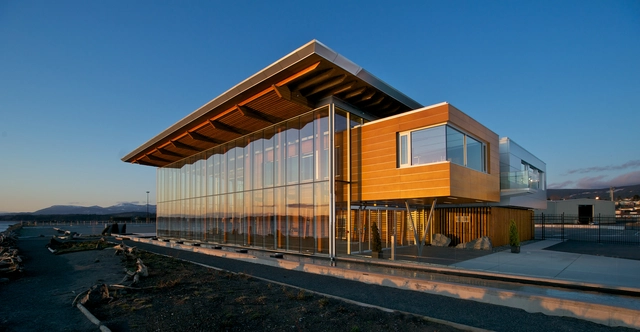
Nanaimo Cruise Ship Terminal. Image Courtesy of Checkwitch Poiron Architects & HA Photography
Design confidence is crucial to the team at Checkwitch Poiron Architects. If they can be confident in their design, then it becomes much easier to advocate for it with clients. The team builds that confidence with flexible software and cultural awareness.
Architecture is a unique field that combines equally constant aesthetic and functional needs, while immersed in dynamic technological environments. At this juncture, design processes and buildings are becoming increasingly intricate, requiring architects to manage projects efficiently while fostering multidisciplinary and multi-level collaboration throughout workflows. Additionally, the new technologies and tools we employ in the process must evolve at the same pace —sometimes even faster— by embracing aspects such as sustainability and efficiency, all while keeping an eye on the future.
The tools available in the multidisciplinary architectural environment have evolved significantly quickly. Both students and experienced architects have now nearly completely transitioned from manual methods to computer-aided drafting software. Today, we find ourselves immersed in the era of architecture driven by technologies such as Building Information Modeling (BIM), artificial intelligence, and digital processes. At the same time, the fundamentals of BIM and its historical background trace back to the early days of computing, research, and new technologies, which sparked a rapid evolution within the AEC industry and among its professionals.
https://www.archdaily.com/1008860/bim-and-the-future-of-architecture-accelerating-design-processes-with-archicad-27Enrique Tovar