

-
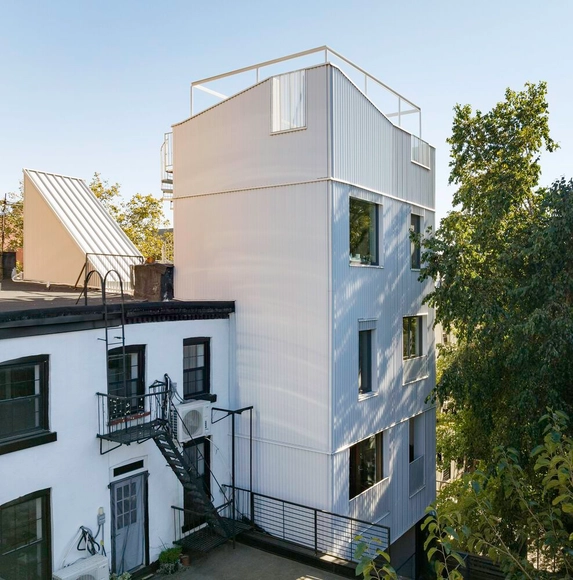
Architects: MODU
- Area: 3500 ft²
- Year: 2023
-
Professionals: Silman Structural Engineers, Engineering Solutions, Zero Energy Design, Transsolar


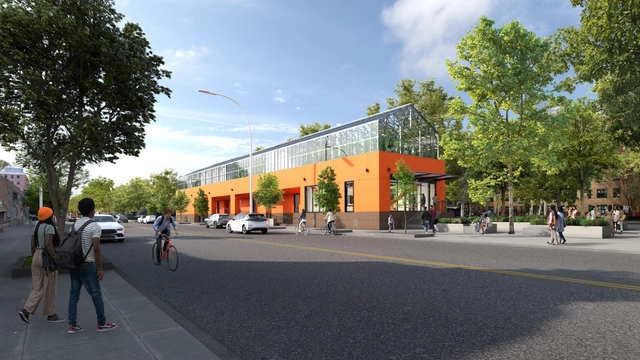
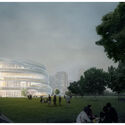
Studio Gang has just released the design for the new Marlboro Agricultural Education Center in Brooklyn, New York. Reimagining a more equitable and inclusive food system, the design transforms a New York City Housing Authority (NYCHA) campus into a hub for multigenerational education, job training, and community leadership in urban agriculture. Operated by the nonprofit organization The Campaign Against Hunger (TCAH), the Center seeks to leverage longstanding efforts across the city to enhance food autonomy and security in underserved neighborhoods.
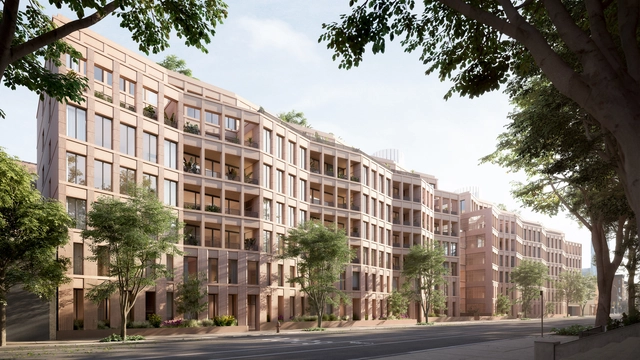
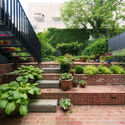
Taller Frida Escobedo has unveiled a new residential project to take shape in Brooklyn, New York. The 209,000-square-foot project titled after its location, Boerum Hill – Bergen, aims to become a contextual addition to the neighborhood, adapting its materiality and scale to the surrounding context. The developers, Avdoo & Partners, also enlisted Workstead for interior design, DXA for master planning, and DXA and Patrick Cullina for landscape design. The project is scheduled for completion in 2025.





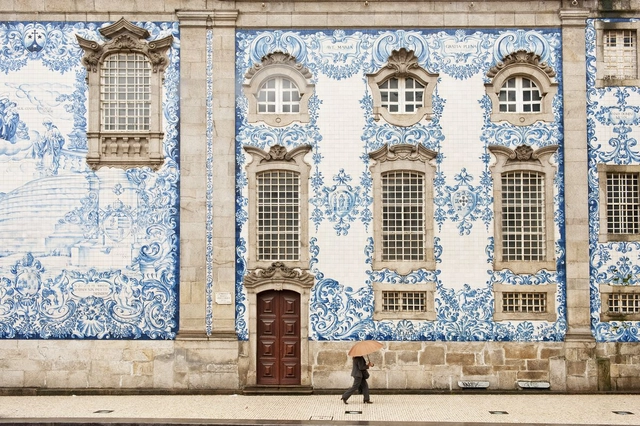
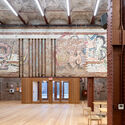
Historically, architecture has served as a canvas for artistic expression. Building elements have been adorned with relief-carved garlands, inscriptions, fresco murals, portrait busts, and classicizing figurative sculptures, all of which emphasize the unique and intentional nature of each component. However, the industrialization of the 19th century brought about a shift in ideals, that stripped architectural components of their decorative elements. Instead, it preferenced the search for beauty in standardization and the economic accessibility provided by mass-produced building elements.
But is there room for artistry within mass production? Can artists be involved in the industrial-making processes of building elements? And how can new technology facilitate artistic mass customization of building components? These questions prompt us to consider the potential for expression, communication, and reflection in the craft of building elements in both interior and exterior spaces.
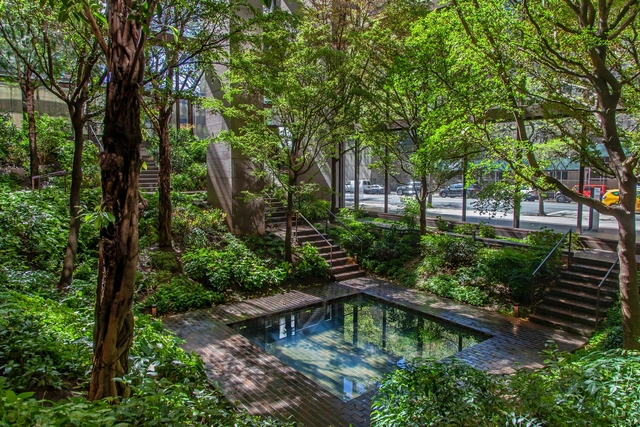
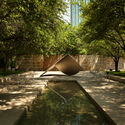
As a landscape architect, Dan Kiley has significantly contributed to the world of design. The designer worked with influential architects such as Louis Kahn, I.M. Pei, and Eero Saarinen. Influenced by the timeless landscapes of André Le Nôtre, most of his designs are well-known for their manner of merging grids and allées, striking a balance between natural and organized beauty.
Opening January 18th, “The Landscape Architecture Legacy of Dan Kiley” exhibition is a traveling photographic exhibition honoring one of the most critical Modernist landscape architects. Curated by The Cultural Landscape Foundation, the display aims to explore and spread awareness of the architect’s profound impact. Showcased at The Exhibition Space @ ABC Stone in Brooklyn, the show offers a captivating journey through 27 carefully chosen designs by Dan Kiley.

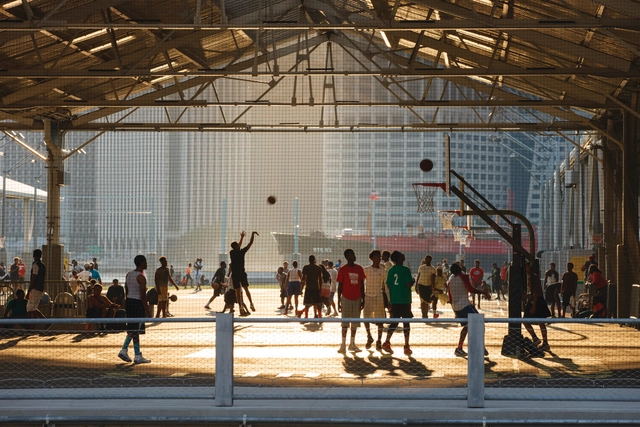
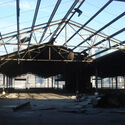
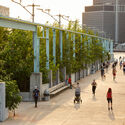
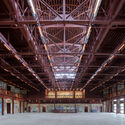
Beautiful sites with stunning views along the waterfront of major cities often go unused due to the industrial remains of a past economy based on shipping and manufacturing. The move away from these economic sectors and the potential of these sites has contributed to a move to adapt these spaces into public amenities. While some cities' approach has been to demolish and start from scratch completely, the thirteen-year transformation of the Brooklyn Bridge Park in New York City's waterfront included keeping some of its industrial character. In their upcoming book "Brooklyn Bridge Park," Michael Van Valkenburgh Associates discuss their design process, including using the existing materiality and structures along the piers to embed the site's history in the park.

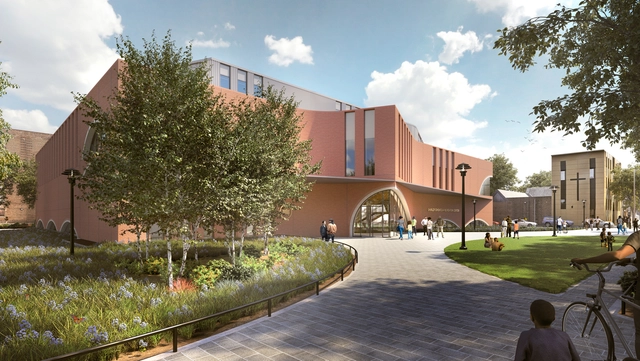
New York City Mayor Eric Adams, along with the New York City Department of Design and Construction, has announced the breaking ground on the construction of the Studio Gang-designed Shirley Chisholm Recreation Center. Located at the Nostrand Playground in East Flatbush, Brooklyn, the center aims to bring new amenities to the residents of East Flatbush while honoring the history and heritage of the community. The new center is named after Brooklyn-born politician Shirley Chisholm, the first African American woman to serve in Congress and the first woman and African American to seek the nomination for president of the United States.
This article was originally published on Common Edge.
A simple walk in the park will relax even the most tightly wound individual. But what about the places where people spend far more of their time, such as schools, office buildings, and hospitals? What role can design play in incorporating nature into those environments? And at what additional cost? Bill Browning has published a book—The Economics of Biophilia: Why Designing With Nature in Mind Makes Financial Sense, 2nd Edition (written with Catie Ryan and Dakota Walker)—arguing that the cost of bringing nature into building projects isn't prohibitive but additive. An environmental strategist with a long history in green building, Browning is one of the founding partners (with architects Bob Fox and Rick Cook) of the sustainable design consultancy Terrapin Bright Green. Recently I talked with Browning about biophilic design—and, because he was a founding member of the U.S. Green Building Council's board of directors, about the strengths and shortcomings of the LEED rating system.


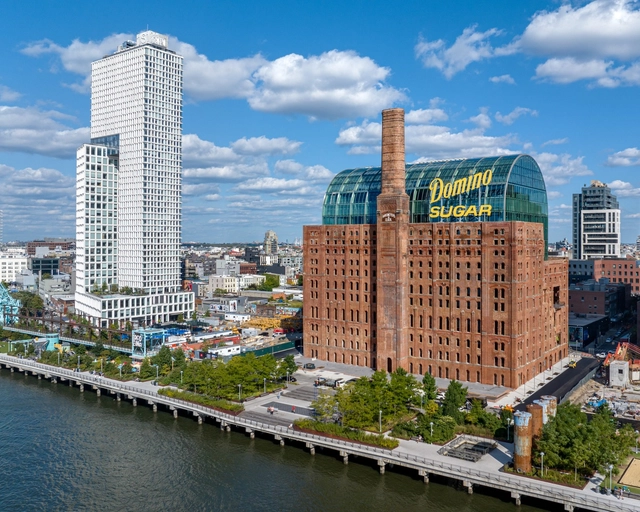
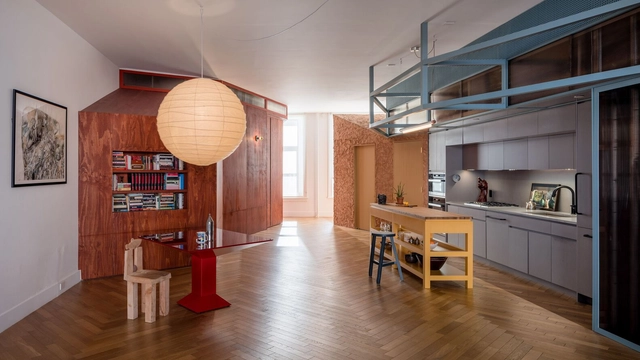
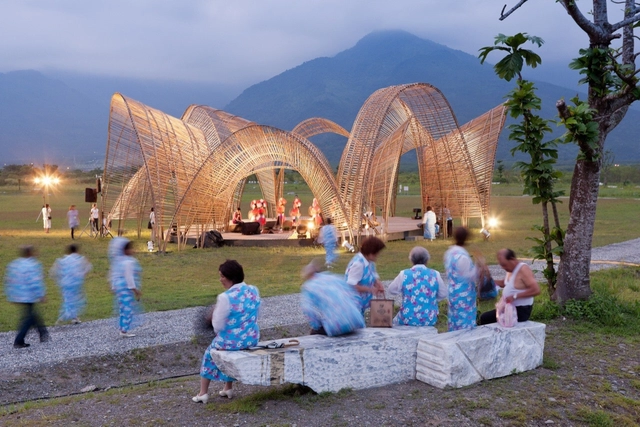
nArchitects has just received the 2023 National Design Award in Architecture from the Cooper Hewitt, Smithsonian Design Museum. The award brings national recognition to the different forms of design that improve and enhance everyday life. In fact, the Architecture award selects a studio or individual for their holistic understanding of spatial experiences, and this year the committee picked nArchitects famous for their New York Micro-Apartment experiment, the cultural center A/D/O in Brooklyn, and many more interactive works.