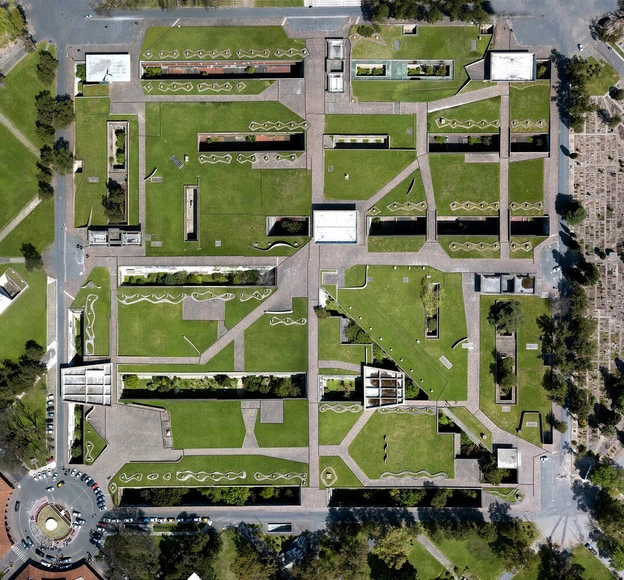
Until recently, the Sixth Pantheon of Chacarita was an icon of Argentine modern architecture that went unnoticed. Located in the heart of the city of Buenos Aires, this pantheon represents one of the first and one of the largest experiments in modern funerary architecture of such magnitude in the world.
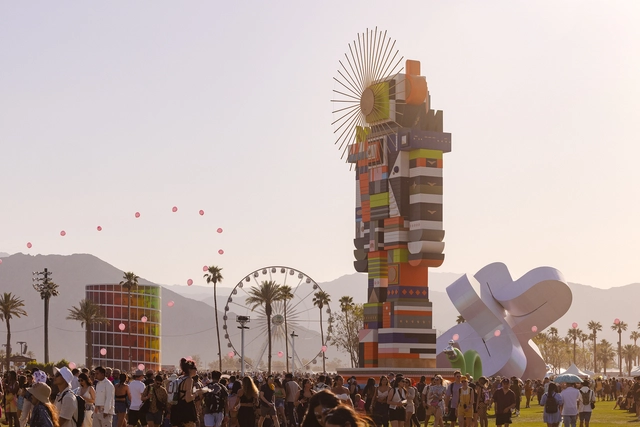
Music Festivals can provide artists, designers, and architects a platform to present their work to large crowds. The sheer scale of these installations, the space for artistic exploration, and the vast audience they reach can give designers the opportunity of a lifetime to showcase their ideas. Through scale, color, imagery, and lighting, these installations create lasting impressions on the people who attend these events and those who see them through news coverage or social media. Some themes explored this year included reframing familiar things in unfamiliar ways, large-scale abstract geometries at the intersection of technology and art, and the use of innovative new materials.
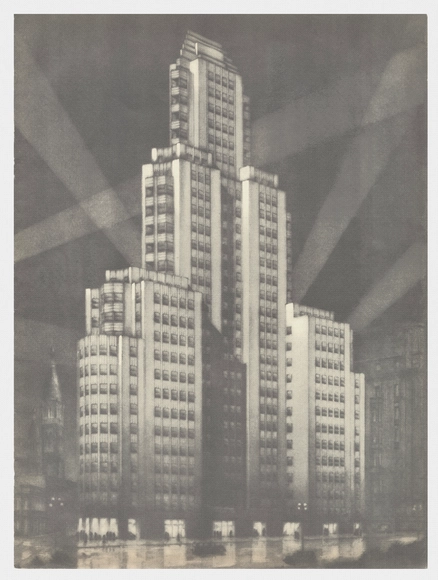
El croquis final en carbonilla del edificio Kavanagh, presentado a Cora Kavanagh en marzo de 1943. Foto: CdA. Image Cortesía de Díaz Ortiz Ediciones
Perhaps without even looking for it, Cora Kavanagh would leave one of the most emblematic buildings of rationalist architecture in Argentina. Inaugurated in January 1936, with its almost 120 meters of height, the Kavanagh Building stands in front of the ravine of Plaza San Martín, located in the central neighborhood of Retiro in the Autonomous City of Buenos Aires.
"Cora Kavanagh and her Building" is the title of Marcelo Nougués' new book that gathers the entire story, revealing everything from her building and her travels to her art collection and the different houses she lived in during a period of almost 50 years. In collaboration with Díaz Ortiz Ediciones, this 572-page printed volume compiles texts, photographs, and documents from the author's collection and also showcases selected images and illustrations from extensive research. Discover a part of this story below.