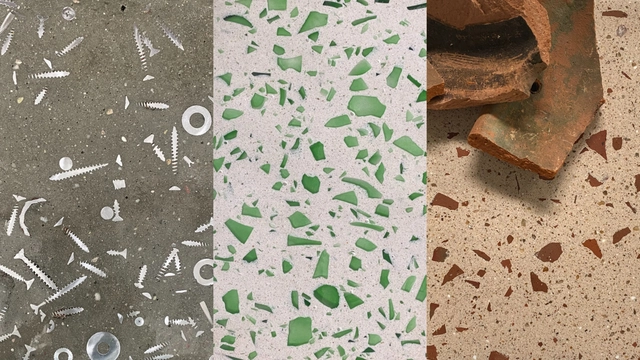
In a context where sustainability and material identity are becoming priorities in architecture, some ancient materials are finding new life. Terrazzo, with origins dating back to the 15th century, stands out as an example of how tradition can fuel innovation. The modern form, as we know it today, emerged in 15th-century Venice, Italy, when Venetian mosaic workers, seeking to make use of marble scraps, began incorporating these irregular fragments into mortar to create durable and visually appealing surfaces for terraces around their homes. This approach not only minimized raw material waste but also led to the development of new surface-finishing techniques, evolving from manual stone rubbing to the use of a heavy, long-handled grinding stone known as a galera.
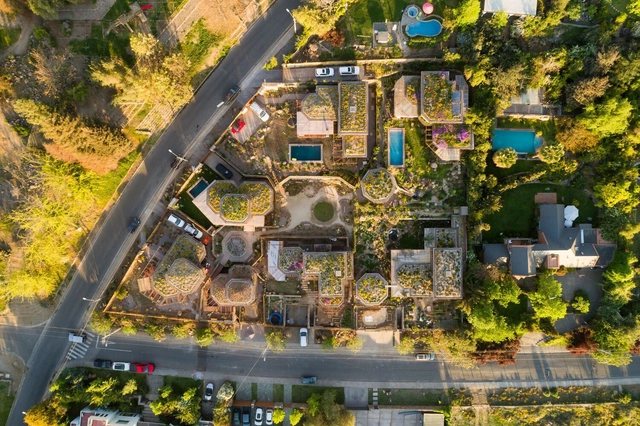
Social fragmentation and economic divides have fractured the fabric of urban environments. In this context, ecovillages emerge as influential remedies to societal and ecological crises, microcosms where sustainable living, social cohesion, and economic resilience drive urban growth. Rooted in environmental stewardship and circular systems, ecovillages offer a scalable model to inspire the development of regenerative urban neighborhoods across the world. Traditional urban and suburban development has led to sprawl and social isolation which have had detrimental effects on community cohesion and the environment. Alongside this phenomenon, cities have become inhumane, characterized by anonymity, unaffordable housing, traffic congestion, and pollution. The lack of access to nature solidifies these issues, leaving many urban dwellers disconnected from elements that promote well-being and a sense of belonging.
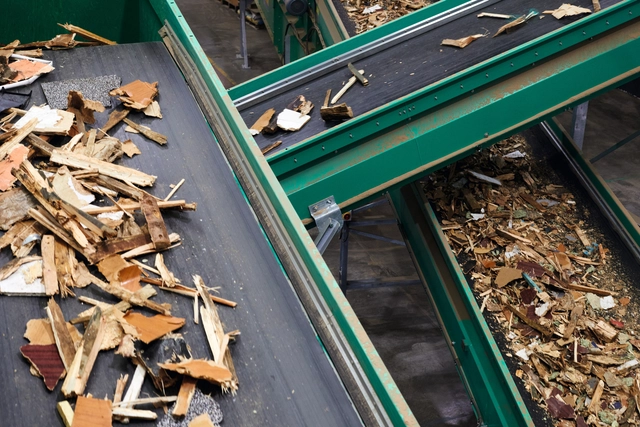
Sustainability has been deeply rooted in EGGER's corporate DNA since 1961. Long before it became a global imperative, Fritz Egger Sr. recognized the immense value of wood and laid the foundation for a business model built on responsible resource use. Working in closed cycles is a central element of the corporate philosophy. The wood-based material specialist gives the valuable resource of wood many lives and assumes comprehensive economic, ecological and social responsibility.
For decades, the life cycle of buildings was a simple formula: planning, design, construction, demolition, and, of course, the great villain in this history: the landfill. Over time, architectural practice began embracing concepts like reuse, disassembly, and circular demolition, but often as secondary elements, part of the gradual shift toward a circular economy in construction. But what if these principles were no longer exceptions? What if we crafted or chose every building component to maintain value and purpose beyond its original use? The truth is, there is life after demolition. This transition—from demolition to practices focusing on reuse, repurposing, and sustainable dismantling—is edging closer to reality. By the time 2030 arrives, we could fundamentally reshape how we approach processes, buildings, and the market itself. As these changes unfold, we must assess how our strategies align with the evolving goals and challenges related to sustainability—and, of course, the new opportunities they bring.
https://www.archdaily.com/1025567/what-if-every-brick-had-a-future-rethinking-demolition-and-material-reuse-in-the-circular-economyEnrique Tovar
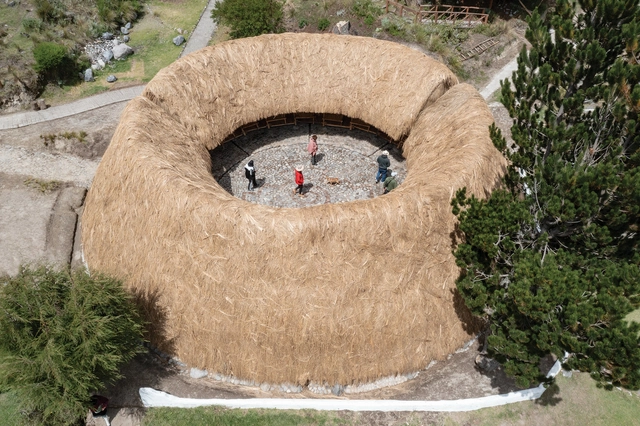
Sustainability has been a central theme in architectural discussions for years, encompassing not only the profession’s role in combating climate change and transitioning to low-carbon economies but also preserving cultural heritage and celebrating vernacular traditions. In 2024, a wave of projects and studies stood out for their innovative use of natural materials, particularly in the Global South. These initiatives skillfully blend creativity and technology with renewable resources, demonstrating how architecture can deliver high-quality spaces that align with contemporary demands for sustainability and environmental responsibility.
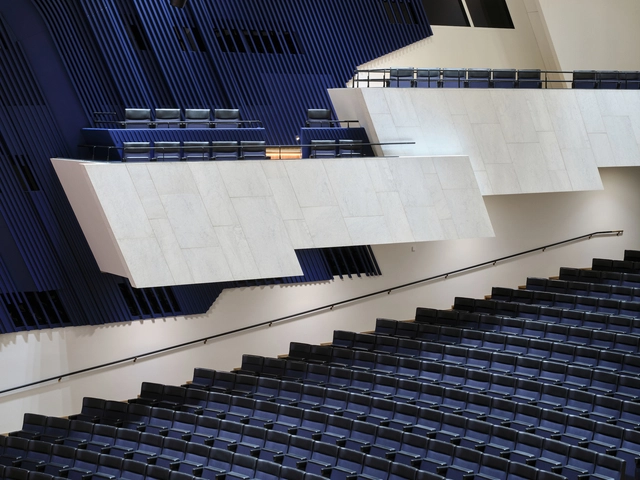
Originally designed by Modernist architect and designer Alvar Aalto in 1971, Finlandia Hall represents one of Helsinki's most important modernist works of architecture. In early 2022, an extensive renovation project began, led by Finnish architecture firm Arkkitehdit NRT, aiming to make the venue more accessible to the wider public and create additional services while respecting Alvar Aalto's original design. After three years of renovation, Finlandia Hall officially reopens on Saturday, 4 January 2025.
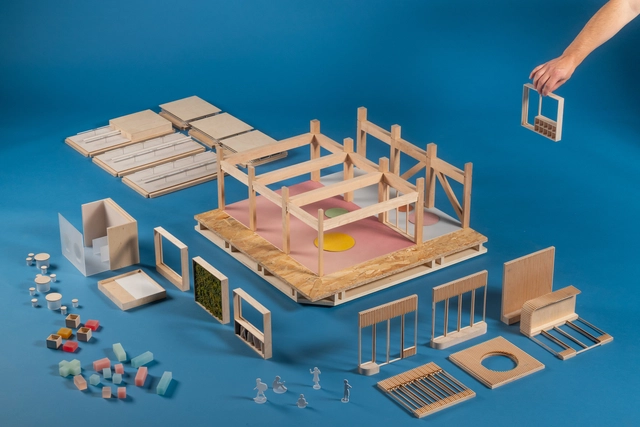
The UK Pavilion, designed by London-based Woo Architects, in collaboration with Japanese contractor ES Global, has been completed at the Expo 2025 in Osaka. Built on the principles of a circular economy, the pavilion features a modular, 10-by-10-meter gridded structure designed that prioritizes ease of assembly, disassembly, and relocation. Ultimately, the pavilion's design reflects the Expo's theme, "Come Build the Future," embodying sustainability and reuse.
Lydia Kallipoliti is a recognized architect, author, and educator whose pioneering research has transformed the way architecture engages with the pressing challenges of sustainability, technology, and environmental politics. As an Associate Professor at Columbia University's Graduate School of Architecture, Planning, and Preservation (GSAPP), Kallipoliti's approach to architectural education encourages students to confront critical issues such as waste, reuse, and closed-loop systems. Her pedagogical philosophy empowers students to see design not only as an aesthetic or functional pursuit but as a powerful tool for addressing global ecological crises, urging them to think systemically and creatively about the future of the built environment.
In addition to her role in academia, Kallipoliti has authored influential works such as The Architecture of Closed Worlds and Histories of Ecological Design: an Unfinished Cyclopedia, which delve deeply into the relationship between architecture and environmental politics. Her research and writings have sparked discourse on methods for architects to reconsider traditional design paradigms and embrace sustainability as a core tenet of architectural practice.
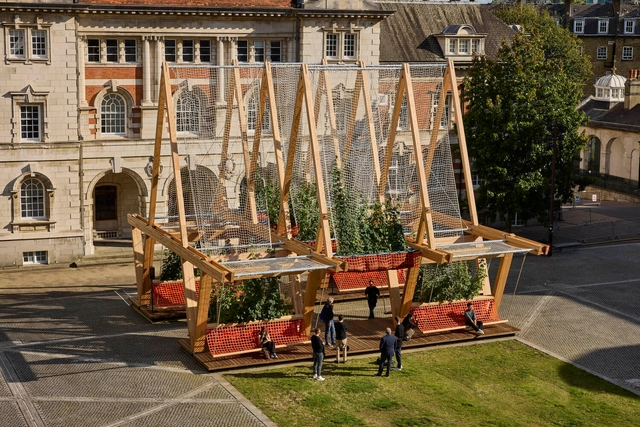
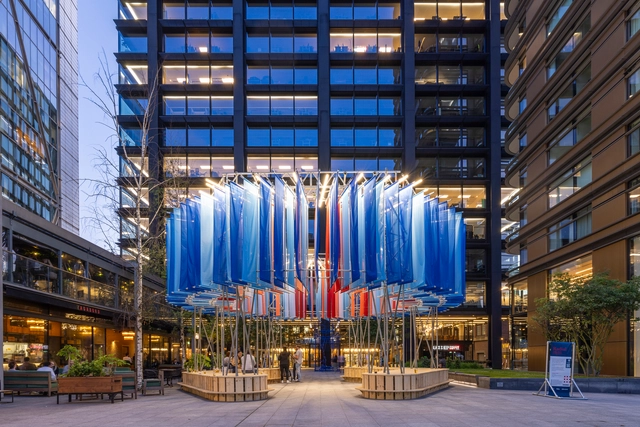
Pavilions offer architects a unique opportunity to experiment, serving as compact spaces that push the boundaries of design and spatial concepts. Free from many conventional functional constraints, these structures allow for artistic expression and the testing of new technologies. Pavilions often act as living laboratories of architecture, positioned in public or cultural contexts. They transform their surroundings into interactive, memorable experiences, providing a stage for architects to showcase their most innovative ideas. In recent years, climate responsiveness has emerged as a crucial focus in pavilion design. By using temporary structures as a testing ground for more sustainable practices, architects can experiment with alternative materials and environmentally conscious approaches that address the climate crisis.
Foster + Partners, in collaboration with the Maldives Fund Management Corporation (MFMC), has unveiled the masterplan for Gaafaru, an inhabited island in the Kaafu Atoll of the Maldives. This project is designed to ensure a sustainable and resilient future for the island by addressing the critical challenges posed by climate change, rising sea levels, and social inequalities. At the heart of this plan are six guiding principles that aim to balance environmental protection with community prosperity, creating a model of future-proof island development.
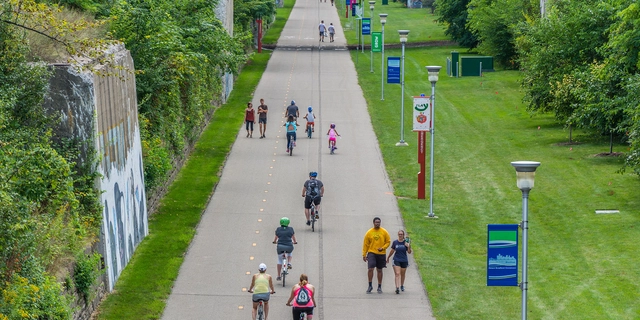
Dequindre Cut, Detroit / The High Line Network, SmithGroup. Image Courtesy of The Dirt
Throughout history, it has become clear that the key to long-lasting and sustainable projects is to lay solid foundations. Our society is headed towards a more urban future in which the density of metropolises will be ever greater. That is why this more urban tomorrow requires modern urban planning capable of building innovative, sustainable and flexible structures. Because the only way to make our society live better is to build better.
With expanding urban populations and evolving consumption patterns, cities are faced with challenges pertaining to waste management. Traditional approaches centered on collection and disposal currently seem inadequate in the face of serious environmental concerns and resource scarcity. Waste management has become a focused topic to address, being introduced as a key strategy towards circular economies. The Zero Waste concept hopes to transform the way cities manage urban waste and build supportive cultures around it.
Space exploration isn’t merely a testament to human ambition or a quest for new territories and resources. Our ventures beyond Earth’s atmosphere are driven by a deeper purpose: to understand better our place in the cosmos and to pioneer innovations that can transform life on our home planet.
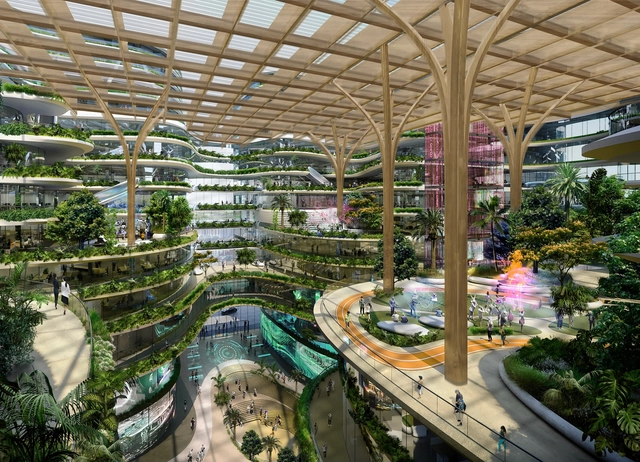
Following a competition, Zaha Hadid Architects (ZHA), in collaboration with JLand Group Sdn Bhd (JLG), have been chosen to design Discovery City in Johor, Malaysia. The disctrict is expected to be to be a visionary 582-acre mixed-use precinct within the expansive Ibrahim Technoloplis in Johor. As ZHA’s inaugural project in Malaysia, Discovery City aims to boast a blend of innovative design and sustainability, blending with the region’s landscapes.
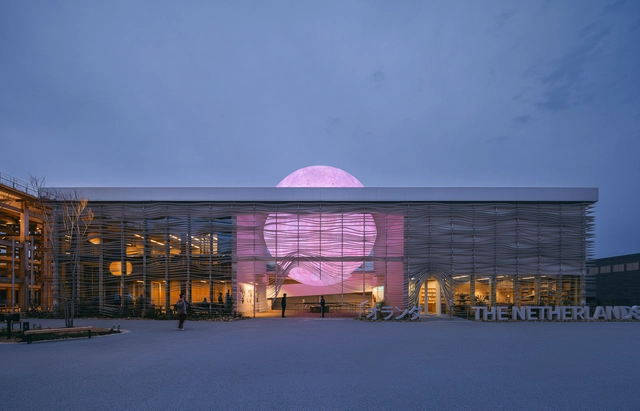
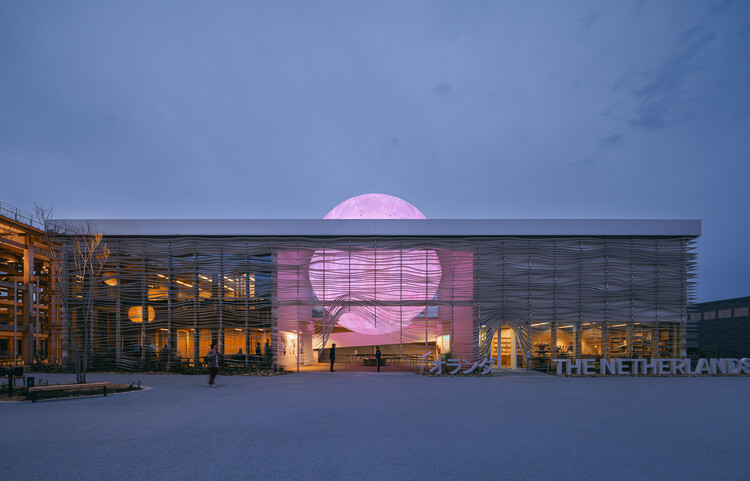
The Kingdom of the Netherlands's pavilion, presented at the Expo 2025 Osaka, Kansai, Japan, features the theme, "Common Ground: Creating a New Dawn Together," emphasizing the Netherlands' dedication to fostering mutual understanding to address global challenges. Designed by RAU Architects, the pavilion's circular design features a prominent illuminated sphere at its center, symbolizing a new era of unlimited clean energy, akin to a "man-made sun" signaling a future powered by sustainable resources.
Evolving urban conditions call for an evolving builtscape, and retrofits have been a key mechanism to allow buildings to adapt and respond to new needs. Amidst global environmental concerns, climate retrofits have become a popular strategy to upgrade buildings based on improved operational efficiency. Global decarbonization plans have even called for city-wide retrofits, such as in the case of London, to meet civic goals. While such upgrades significantly reduce energy consumption, they often come with a hidden cost - embodied carbon in retrofit materials and the potential for future waste.