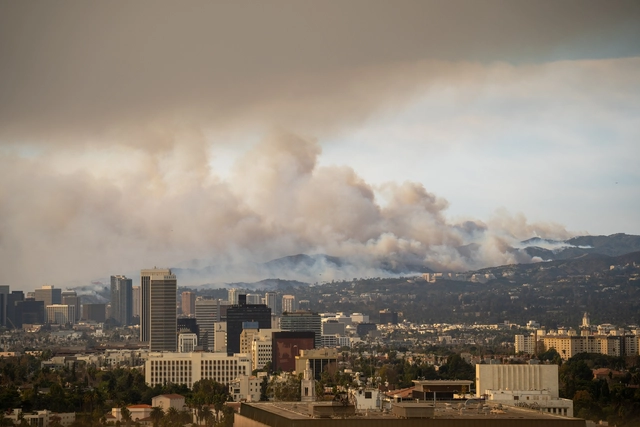
Devastating wildfires across Los Angelesa have resulted in widespread destruction, displacing thousands of residents, and necessitating a rapid and efficient rebuilding process. Two executive orders have been issued to expedite the rebuilding process, one by Los Angeles Mayor Karen Bass and another by California Governor Newsom, both intending to remove significant regulatory hurdles and expedite project approvals.
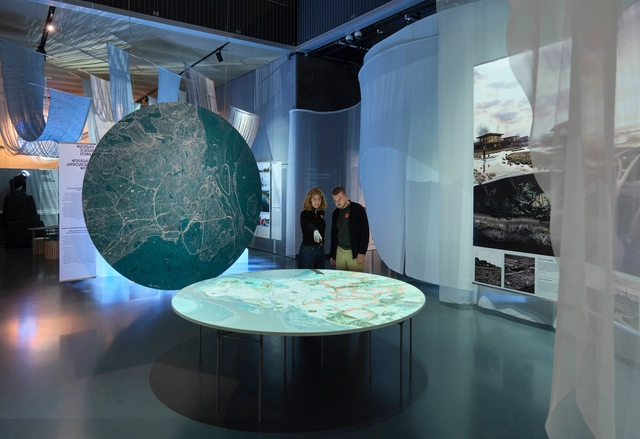
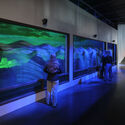
The Danish Architecture Center (DAC) will open its new exhibition, "Water is Coming" in October 2024, remaining open until March 12, 2025. The exhibition addresses the escalating global water crisis, prompted by melting polar ice, rising groundwater levels, and increasingly frequent and intense flooding. It acknowledges the reality of rising sea levels and extreme weather events, shifting the focus from mitigation to adaptation. The exhibition aims to foster a deeper understanding of our complex relationship with water, exploring its vital role as both a life-giving resource and a potential threat to human settlements.
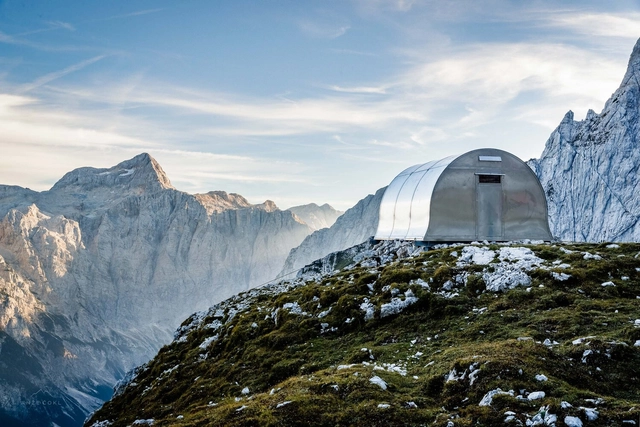
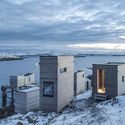
Mountainous and high-altitude regions are considered to be among the most fragile ecosystems on Earth. From melting glaciers to land erosion, these environments face mounting threats from climate change, making it imperative to reimagine how architecture and its supporting infrastructure are designed for such places.
The world has lost 60 percent of animal populations since 1970. This staggering decline reflects the growing pressures on ecosystems, from habitat destruction to climate change. And 1 million species now face threats of extinction. As these problems continue to escalate, the importance of preserving biodiversity and restoring ecosystems becomes clearer.
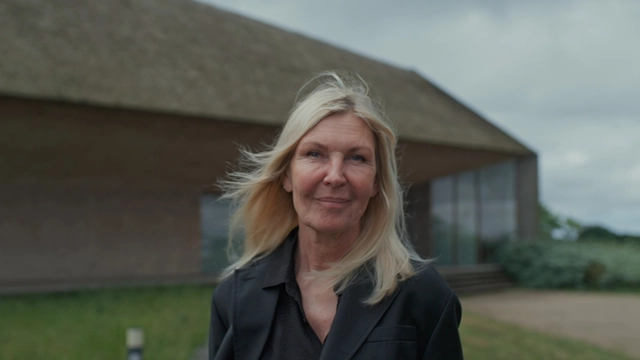
Buildings are deeply interconnected with their surroundings—the climate, culture, landscape, and the lives of their occupants. For Dorte Mandrup, a renowned Danish architect, context is more than a mere consideration; it is the driving force behind her designs. Her work demonstrates a profound curiosity about the people who will inhabit her buildings and the unique stories embedded within each site. Her buildings aren't just structures; they're thoughtful responses to their surroundings, without aiming to disappear within them.
Dorte Mandrup is featured, alongside Tosin Oshinowo, in the second installment of the documentary Women in Architecture, released November 12, 2024. Produced by Sky-Frame in collaboration with ArchDaily and directed by Boris Noir, the film builds upon the first episode, which highlighted Toshiko Mori, Gabriela Carrillo, and Johanna Meyer-Grohbrügge, offering a continued exploration of diverse perspectives within architecture.
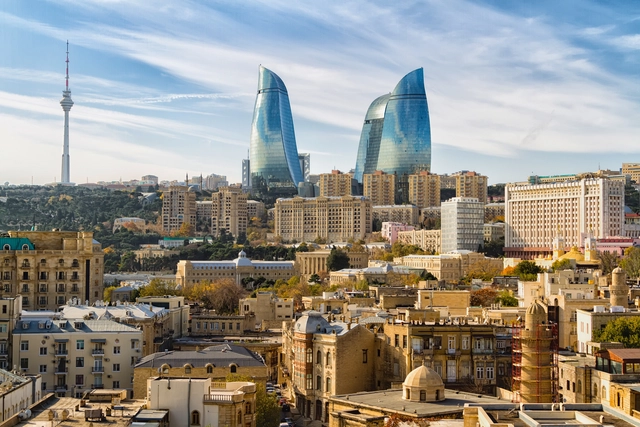
The 29th Conference of the Parties to the UN Framework Convention on Climate Change (COP29) takes place between the 11th and 22nd of November in Baku, Azerbaijan. The event proposes a global gathering of business leaders, governments, and civil society with the aim of taking effective measures to limit global warming to 1.5°C above pre-industrial levels. As the construction industry is responsible for approximately 37% of global emissions, the conference is of particular interest to architects, urban planners, and researchers in this field.
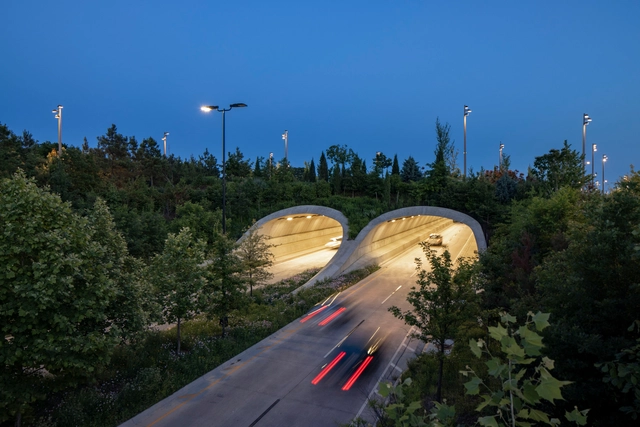
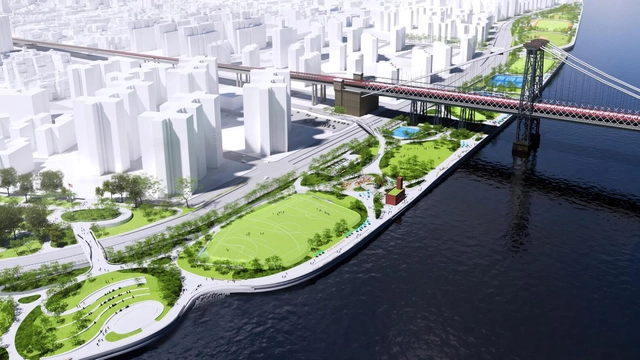
Superstorm Sandy inundated Lower Manhattan, causing billions in property and infrastructure damage. To protect against future flooding, storm surges, and sea level rise, landscape architects are developing an innovative mix of green and grey solutions along the southern coast of Manhattan.
These are not nature-based solutions but forms of armor. And designers are showing how this armature can be woven into the public realm, creating new kinds of infrastructure. Smart design is resulting in retractable gates and walls, landscaped berms, and raised platforms. No concrete walls separating communities from each other or the waterfront here.
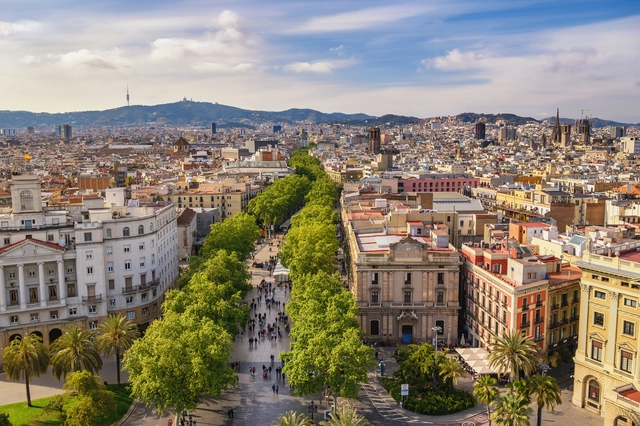
In this roundup, ArchDaily consolidates this year's transformative updates in cities worldwide, organized into thematic clusters that capture the evolving nature of urban design and policy in 2024. Projects like the extensive renovations of Barcelona's La Rambla and the preservation efforts around Chicago's historic skyscrapers highlight preservation of urban heritage, while initiatives in Venice and Los Angeles respond to overtourism and housing pressures, balancing livability with growth. Meanwhile, ambitious master plans have been announced, including the revitalization of industrial sites in Tallinn and Connecticut, reflect how cities are reimagining their urban fabric. Finally, post-disaster rebuilding in Kharkiv and Türkiye underscores the urgency of resilience-driven design, ensuring that cities can endure and evolve even in challenging times. Together, these updates offer a glimpse into the global forces reshaping urban landscapes
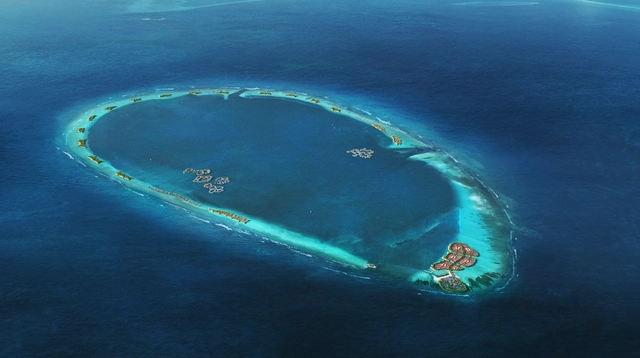
Foster + Partners, in collaboration with the Maldives Fund Management Corporation (MFMC), has unveiled the masterplan for Gaafaru, an inhabited island in the Kaafu Atoll of the Maldives. This project is designed to ensure a sustainable and resilient future for the island by addressing the critical challenges posed by climate change, rising sea levels, and social inequalities. At the heart of this plan are six guiding principles that aim to balance environmental protection with community prosperity, creating a model of future-proof island development.
About a decade ago, the term "resilience planning" became ubiquitous in climate circles. That shift, in the wake of increasingly unpredictable events, was shaped in part by the Rockefeller Foundation's 100 Resilient Cities program, a six-year, $160 million effort to establish chief resilience officers in cities all over the world. Out of that program, which ended in 2019, emerged its successor, Resilient Cities Catalyst (RCC), a New York–based nonprofit engaged in what it calls "capacity building" projects. For Climate Week, I talked to Sam Carter, one of RCC's founding principals, about his definition of resilience, the organization's planning and philanthropic method, and the challenge of scaling up climate efforts.
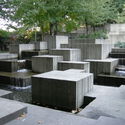
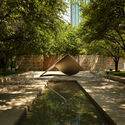
Modernistlandscape architecture marked a radical shift from traditional garden designs, emphasizing simplicity, functionality, and a stronger connection between people and their environments. From the 1930s through the 1960s, this movement saw the emergence of visionary landscape architects who integrated form and function in ways that redefined outdoor spaces. Their designs responded to the rapidly evolving urban landscapes of the time, prioritizing usability and creating environments that could accommodate modern life. The enduring influence of these principles continues to shape contemporary practices, while also presenting unique challenges in preservation as these landscapes age.
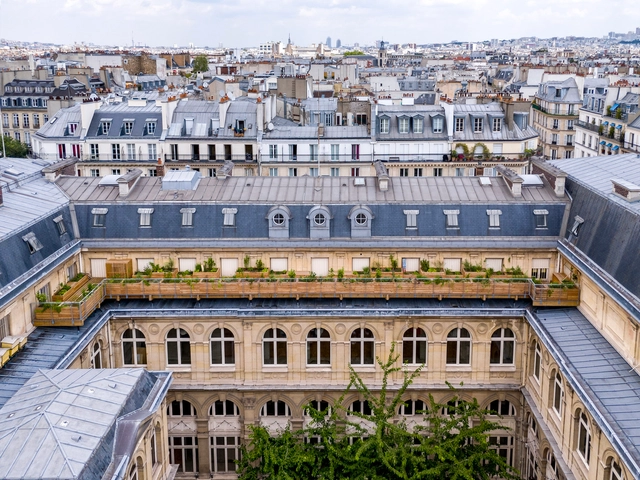
As record-breaking temperatures sweep across European cities, practitioners have recognized that existing infrastructure is poorly equipped to address the impacts of climate change. In response to this concern Roofscapes, a startup emerging from the MIT School of Architecture and Planning, has developed innovative solutions to amplify urban climate resilience. Their approach focuses on the strategic adaptation of underutilized spaces such as rooftops. By tackling the immediate challenges posed by extreme heat, the startup's work epitomizes how architectural innovation can directly contribute to addressing climate adaptation needs in cities. The company was recognized as one of ArchDaily's 2024 Best New Practices for their innovative approach to tackling urban issues such as affordability, lack of biodiversity, rising urban temperatures and repurposing.
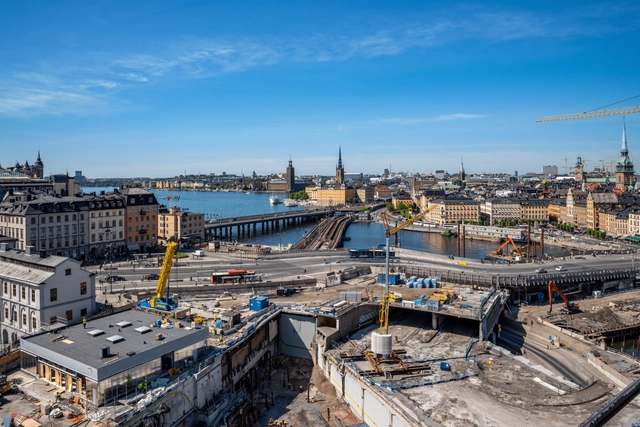
STOCKHOLM, SWEDEN - MAY 26, 2018: Cityscape view from above of large contruction site at the Old Town and Slussen in Stockholm Sweden May 26, 2018.. Image via Shutterstock | Per-Boge
Anyone who walks during the summer in a city like Boston knows that a significant amount of time is spent charting routes with shade. But I can’t use that as my only excuse for being off-task. Honestly, I’m distracted. The swirling headlines of the U.S. presidential election, an unprecedented UN climate conference looming, and the phrase “decade of decisive action” weighs heavy on my shoulders. While it’s easy to get caught up in current events, those of us with solutions must stay focused.
A perhaps helpful Japanese phrase to call upon is “kotsu kotsu,” essentially meaning to slow down and focus on the task at hand, and do it well. Temperatures are soaring, people are suffering. As a recent UN COP letter stated, “time lost is lives, livelihoods, and the planet lost.” Cooling our cities and communities is more important than ever.
In November of 2022, the coastal city of Sharm El Sheikh, Egypt, hosted the 27th convention of the United Nations Conference of the Parties, known as COP27. Since signing the Paris Agreement in 2015, the nearly annual conference has gained momentum as a global leader in sharing knowledge and developing frameworks to mitigate climate change worldwide. While the more recent COP28, held in Dubai in 2023, focused on conversations of energy production, this previous conference focused on urban contexts, as they deal with the urgent need for incorporating loss, damage, and climate reparations into climate action plans. As two years have now passed since COP27, it is important to revisit these discussions and hold governing bodies accountable for the promises made and the benchmarks set for climate change mitigation. One of the most ambitious plans from COP27 highlights an urgent debate in our urban environments: how will we define loss, damage, and climate reparations in the twenty-first century?
The format for Blair Kamin’ latest book, Who Is the City For? is slightly different from typical compilations. Kamin groups his columns thematically (all 55 appeared in the Chicago Tribune, when he served as architecture critic), and then, more often than not, adds a postscript updating or reframing the story for our fraught new normal. One of the recurring themes, both in the stories and in the postscripts, is the issue of design equity. As income inequality, systemic racism, and climate change became central to the cultural and political debates, equity became the critical lens for much design criticism. In our recent conversation, Kamin advocated for a broader definition of the term.
https://www.archdaily.com/1019288/blair-kamin-on-reframing-the-crucial-issue-of-design-equityMartin C. Pedersen
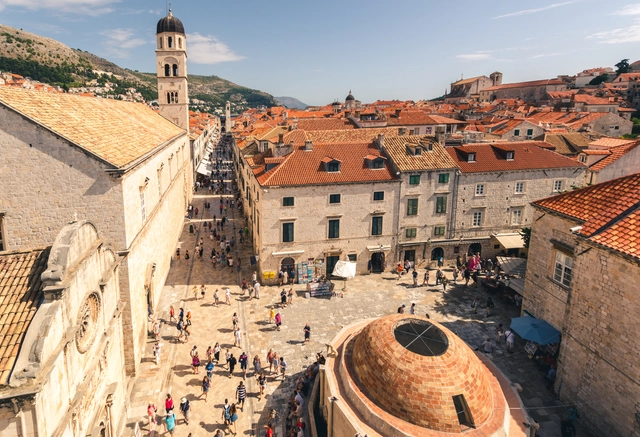
Eastern and Southern Europe is enduring a severe heatwave, with temperatures reaching over 40 degrees Celsius in many countries including Greece, Croatia, Macedonia, and Romania. Driven by hot air from North Africa, this prolonged heatwave has raised significant threats for residents and has strained the cities’ mechanisms for protection and climate mitigation. As the heatwaves expose the vulnerabilities of urban infrastructures, cities across Europe are striving to implement measures to address these challenges.