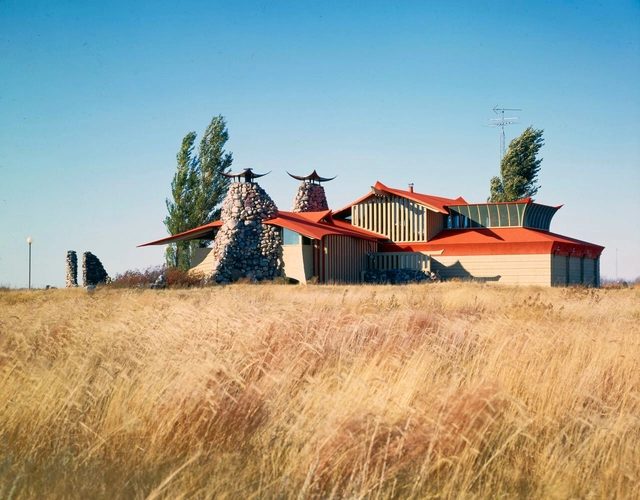
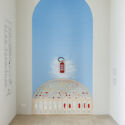
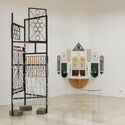
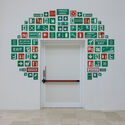
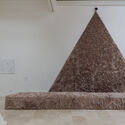
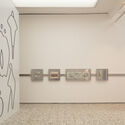
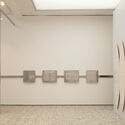
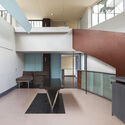
“Glen and Anna Harder House, Mountain Lake, Minnesota,” 1970. Color transparency, 4 x 5 in. Copyright J. Paul Getty Trust, Getty Research Institute, Los Angeles (2004.R.10). Photo: Julius Shulman. For the 2025 grant to the Art Institute of Chicago for the exhibition “Bruce Goff: Material Worlds”. Image Courtesy of Graham Foundation
The Graham Foundation for Advanced Studies in the Fine Arts has announced $573,300 in grants to 39 organizations worldwide. Chosen from more than 200 submissions, the 2025 awards support a broad range of initiatives, including exhibitions, installations, publications, podcasts, student-led journals, internationalarchitectureevents, and public programs that contribute to advancing architectural discourse and design experimentation. Over nearly seven decades, the Graham Foundation has provided more than $45 million in direct support to over 5,200 projects. With the addition of the 2025 grantees, the Foundation aims to continue to strengthen its international network of individuals and organizations advancing architectural ideas and public engagement around the world.
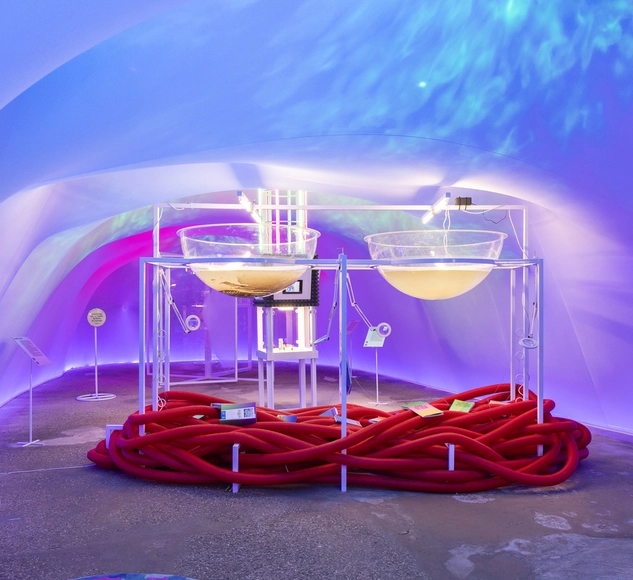
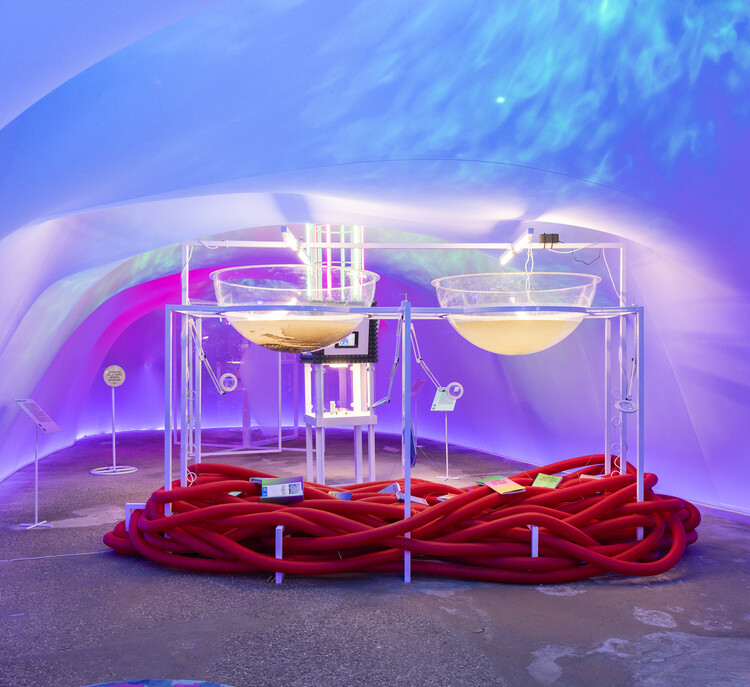
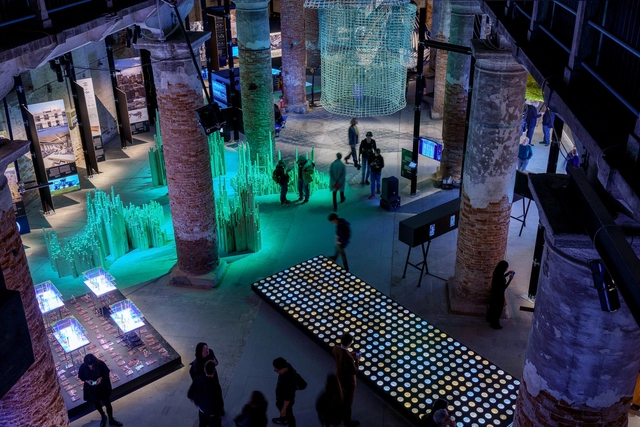
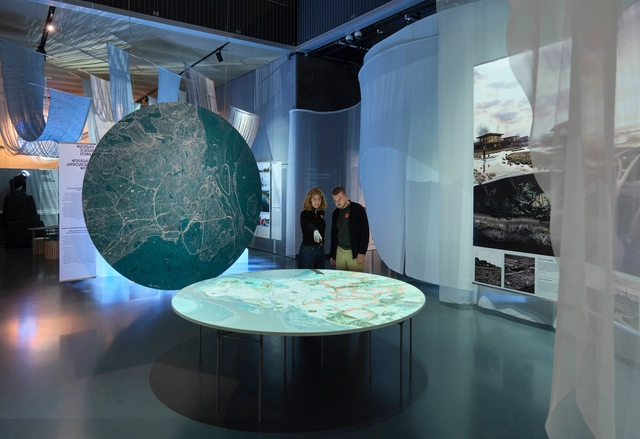
As part of the collateral events of the 2025 Venice Architecture Biennale, the Institut Ramon Llull presents the project "Water Parliaments: Projective Ecosocial Architectures", bringing together the waters of Lleida, Girona, Tarragona, Barcelona, Valencia, the Balearic Islands, and beyond to address the water crisis as an interconnected ecosocial, cultural, and political issue. Framing architecture as a tool for critical speculation and collective action, the project advocates for the imagining of future scenarios grounded in coexistence—interweaving the human and non-human, the natural and artificial, the technological and vernacular, the global and the local.
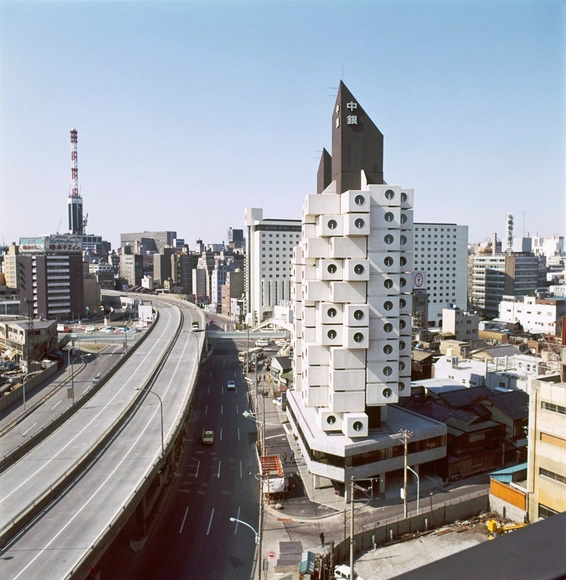
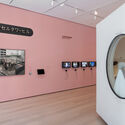
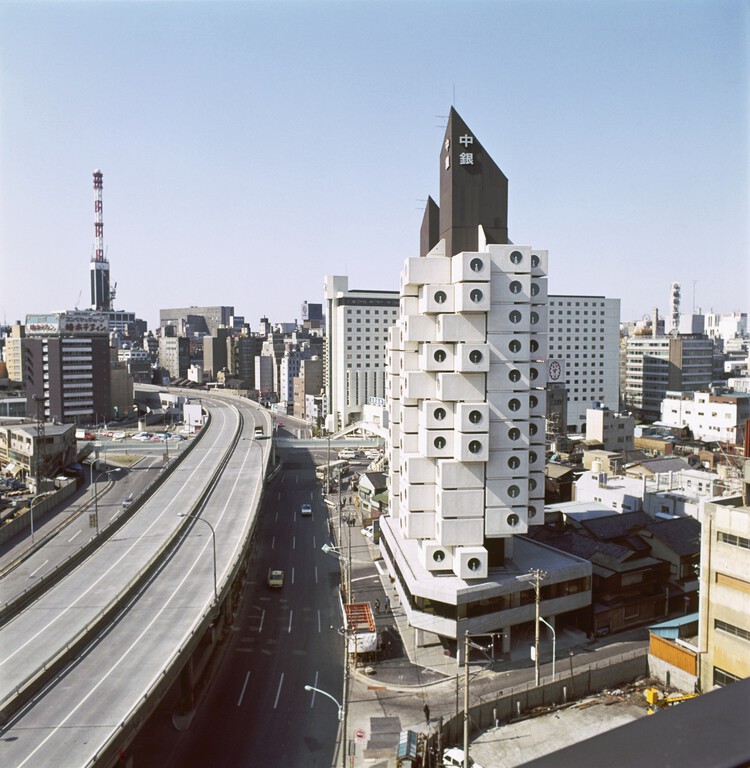
The Museum of Modern Art (MoMA) in New York is hosting an exhibition dedicated to Japanese architect Kisho Kurokawa's Nakagin Capsule Tower from July 10, 2025, through July 12, 2026. Titled The Many Lives of the Nakagin Capsule Tower, the exhibition offers a retrospective on the building's 50-year lifespan. Constructed in Tokyo's Ginza district in 1972 and dismantled in 2022, the tower is presented through contextual materials, original drawings, archival recordings, and a fully restored capsule. The exhibition invites reflection on how cities address aging buildings and the rapid transformation of urban areas. The diverse materials documenting the tower's continuous evolution over five decades encourage viewers to consider how architecture might endure by taking on new roles and functions beyond its original purpose.
Studio Gang is an architecture and urban design practice founded in 1997 by Jeanne Gang and based in Chicago, with additional offices in New York, San Francisco, and Paris. Comprised of over 100 professionals, including architects, designers, and planners, the studio is known for its research-driven approach to design. On Friday, July 11, the Aedes Architecture Forum in Berlin will inaugurate an exhibition on Studio Gang's work, organized in collaboration with AW Architektur & Wohnen magazine. Titled Studio Gang: The Art of Architectural Grafting, the exhibition explores the studio's design methodology through six recent projects.
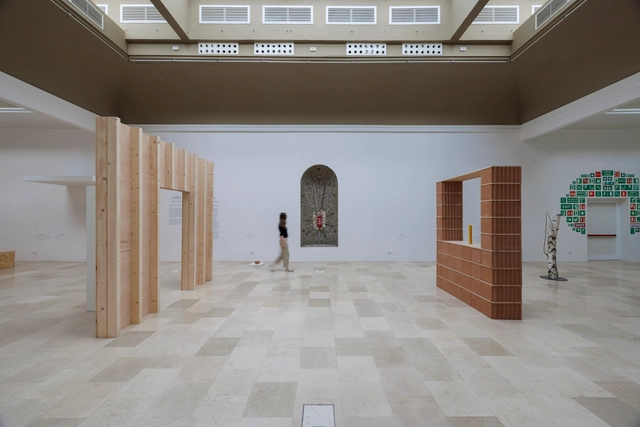
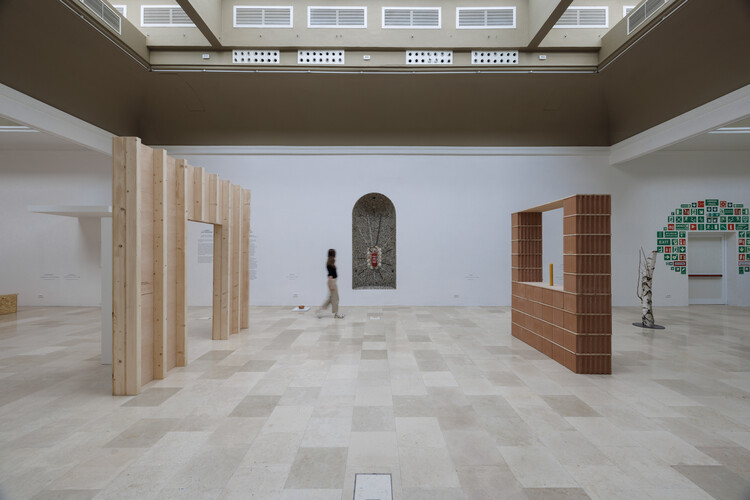
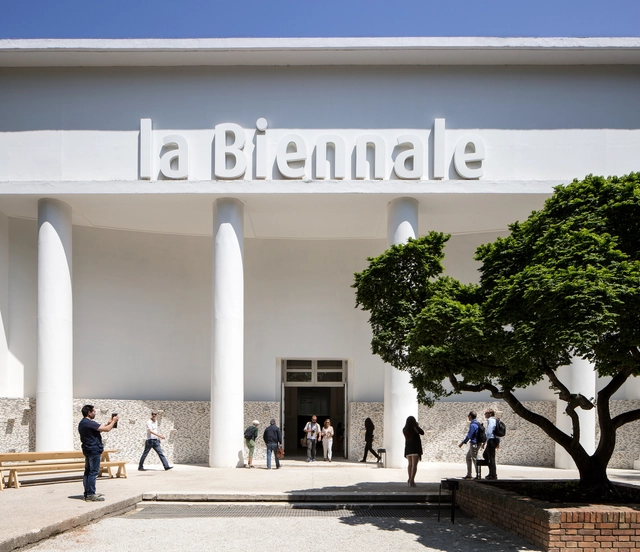
The Polish Pavilion at the 2025 Venice Architecture Biennale presents Lares and Penates: On Building a Sense of Security in Architecture, an exhibition that explores how architecture continues to function as a form of protection in an age marked by uncertainty. Framed as an anthropological investigation, the project examines the emotional and rational dimensions of building practices. The exhibition is developed by a multidisciplinary team including curator and art historian Aleksandra Kędziorek, architect Maciej Siuda, and artists Krzysztof Maniak and Katarzyna Przezwańska. Rather than focusing on architecture from the designer's perspective, the team investigates how individuals inhabit space and construct a sense of safety, responding to deep-seated fears, desires, and needs.
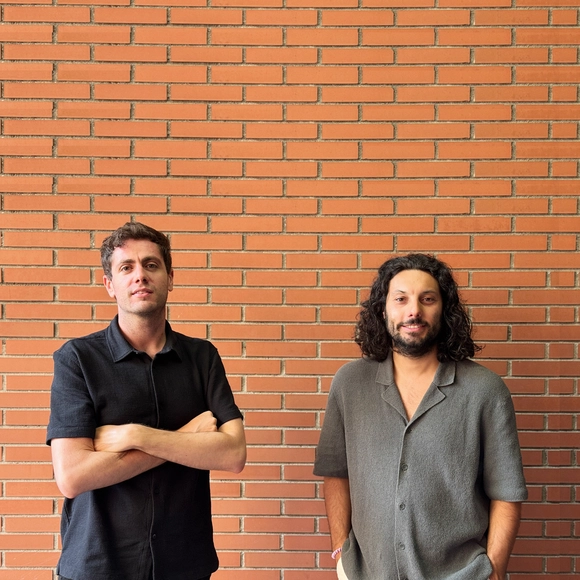
Miguel Ramón López y Ander Bados Sesma, comisarios de la XVII Bienal Española de Arquitectura y Urbanismo. Image Courtesy of XVII Bienal Española de Arquitectura y Urbanismo
The seventeenth edition of the Spanish Biennial of Architecture and Urbanism (BEAU) will take place in December 2025. The event consists of an exhibition hosted in a former thermal power station repurposed as a cultural center in Ponferrada, in northeastern Spain. This edition will be curated by architects Ander Bados Sesma, from Atelier Ander Bados, and Miguel Ramón López, a Ponferrada native and architect at Estudio Lamela, under the curatorial proposal titled flujos comun.es ("common flows"). Their curatorial proposal responds to the theme of the open call: Architecture as a Policy for Change, an invitation to reflect on the role of the discipline in processes of social, economic, and environmental transformation. Within this framework, flujos comun.es presents a critical perspective on the challenges associated with hyperconnectivity. The call for proposals and project submissions is currently open, and will be until the end of July, depending on the category.
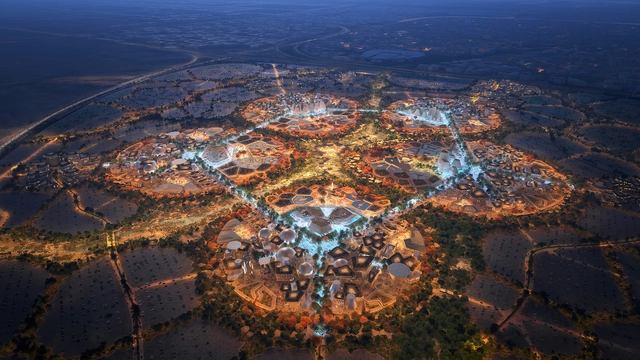
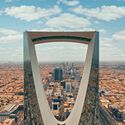
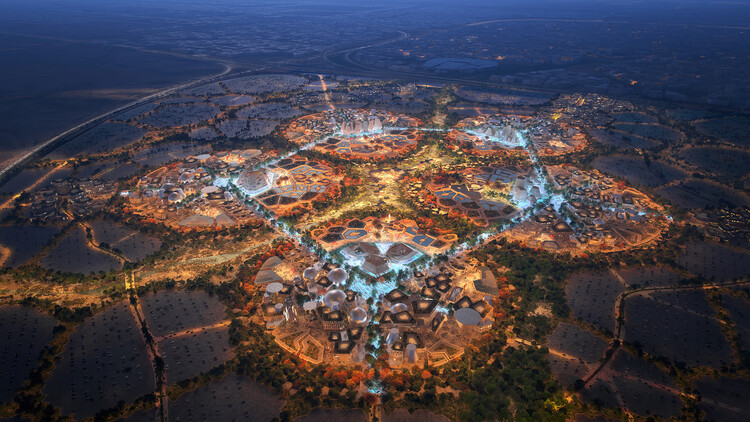
The Bureau International des Expositions (BIE) General Assembly in Paris has officially approved the Registration Dossier for Expo 2030 Riyadh, formally confirming Saudi Arabiaas the host of the upcoming World Expo. With this milestone, the next phase of preparations will begin, including the official invitation of participating countries through diplomatic channels. Coinciding with the approval, the initial masterplan for the Expo site designed by LAVA, the Laboratory for Visionary Architecture, has been unveiled. Scheduled to take place from October 1, 2030, to March 31, 2031, the event will be held on a site in Riyadh, designed to accommodate more than 40 million visits and host over 195 participating nations.
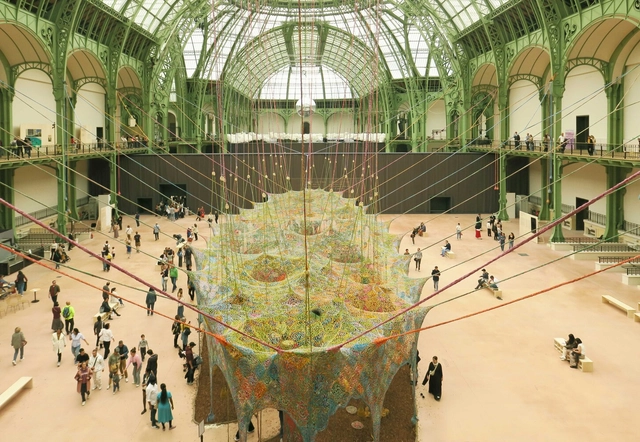
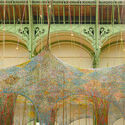
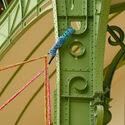
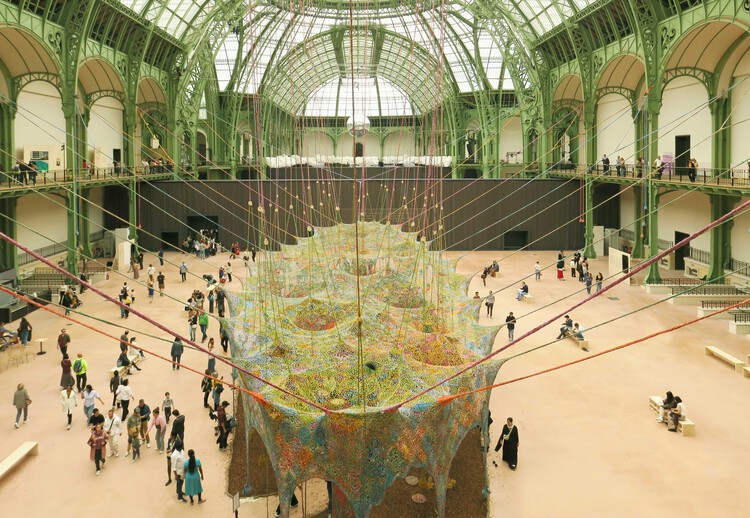
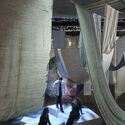
The exhibition "Nosso Barco Tambor Terra" by Brazilian artist Ernesto Neto, held at the recently renovated Grand Palais in Paris from June 6 to July 25, 2025, is a large-scale, immersive installation that invites visitors to reconnect with nature and community through sensory experience. Drawing inspiration from Brazilian and Indigenous cultures, Neto uses textiles, scents, and organic materials to create a space for reflection and interaction. The textile installation was recently captured by photographer Paul Clemence, who sought to portray its architectural qualities.
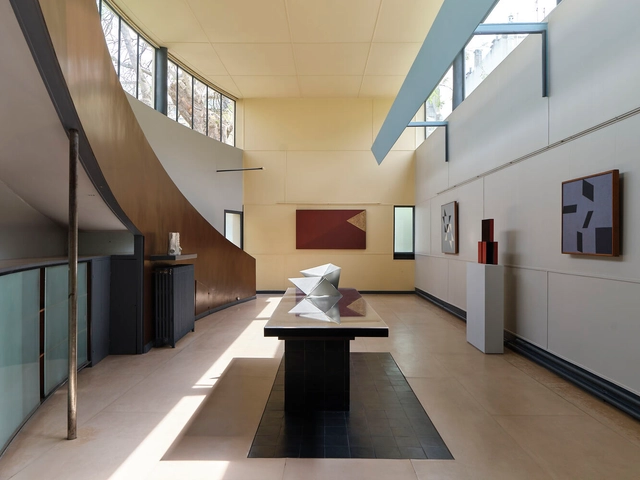
Founded in 2022 by art advisor Filipe Assis, ABERTO is an exhibition platform celebrating the convergence of art, design, and architecture in Brazil and beyond. Staging exhibitions in private and public modernist spaces, its past editions have highlighted the global connections forged by Brazilians from the 20th century onwards. Following three exhibitions in São Paulo, "ABERTO 4 – Brazil After Le Corbusier" marks its first international edition, taking place at Le Corbusier's Maison La Roche in Paris, from 14 May to 8 June 2025. The exhibition presents around 35 design and art pieces by Brazilian artists, spotlighting Le Corbusier's seminal connection to Brazilian modernist architecture and exploring his influence on contemporary Brazilian creatives. Previous editions of ABERTO have featured over 100 artists from Brazil and abroad in houses designed by Oscar Niemeyer (2022), Vilanova Artigas (2023), and Ruy Ohtake and Chu Ming Silveira (2024).
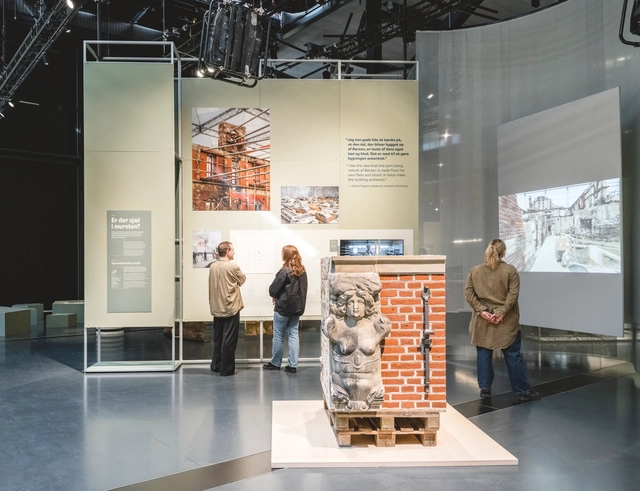
A new architecture and design exhibition opened on April 11, 2025, at the Danish Architecture Center in Copenhagen. Titled Recycle!, it explores recycling and reuse as a new way of creating, living, and building within the urgent context of the current climate crisis. The exhibition goes beyond presenting recycling and reuse as necessities; instead, it frames them as positive cultural shifts taking root in the construction industry and society at large. One of the exhibition's goals is to highlight the importance of resource awareness by posing the question: How can we increase the conservation, reuse, and transformation of what we already have?
The Danish Architecture Center (DAC) will open its new exhibition, "Water is Coming" in October 2024, remaining open until March 12, 2025. The exhibition addresses the escalating global water crisis, prompted by melting polar ice, rising groundwater levels, and increasingly frequent and intense flooding. It acknowledges the reality of rising sea levels and extreme weather events, shifting the focus from mitigation to adaptation. The exhibition aims to foster a deeper understanding of our complex relationship with water, exploring its vital role as both a life-giving resource and a potential threat to human settlements.
ane Drew and Maxwell Fry with a model of one of their many buildings for the Gold Coast, 1945. / Tropical Modernism - Architecture and Independence at the V&A South Kensington . Image Courtesy of RIBA
Reflecting on 2024, numerous architectural exhibitions have opened worldwide, addressing various themes, exhibition formats, and featured architects. Architectural design and architecture practice influence our daily lives in subtle and often unnoticed ways, where the end-users embrace built environments as they are. This reaction may arise from a combination of factors, such as a sense of powerlessness to enact significant change after a building is constructed or the experience of growing up in environments over which individuals had little or no agency in shaping. For these reasons, architectural exhibitions serve an essential purpose, offering society a chance to pause, reflect, and critically examine the myriad issues that surface during designing and building. These issues are often overlooked or need to be acknowledged, as practitioners may prioritize delivering projects within strict timelines over exploring more profound reflections.
In 2024, museums, galleries, and curators responded to the evolving challenges within the built environment with various approaches. Some exhibitions questioned the ethics of building materials and the practices behind supply chains, drawing attention to the broader implications of material choices. Others focused on documenting architectural movements worldwide, emphasizing their cultural and historical significance and the urgent need to preserve and adapt rather than replace them with entirely new builds. These efforts highlight the role of exhibitions in raising awareness about pressing issues while fostering a more critical dialogue about the architectural discipline.
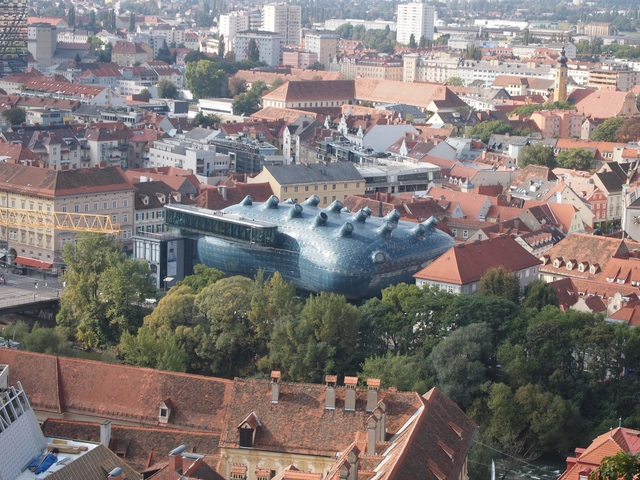
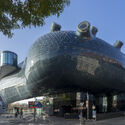
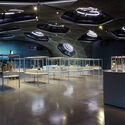
Situated along the River Mur in the Lend district, the Kunsthaus challenges traditional architectural norms with its organic, free-flowing design. Rejecting orthogonal geometry, the museum seamlessly merges art, architecture, and public interaction, redefining the concept of a cultural institution. Its impact extends beyond aesthetics, sparking urban revitalization in a once-overlooked neighborhood, and bringing cultural vibrancy and economic activity.
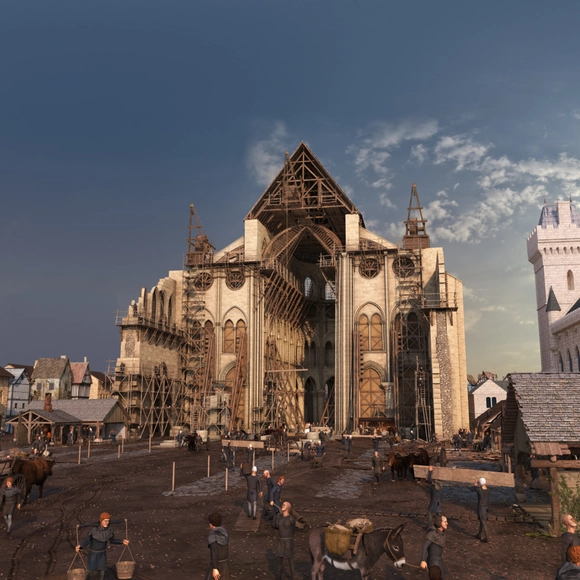
1180 - The Gothic Choir. Image Courtesy of Histovery
Ahead of the official reopening of Notre Dame de Paris, scheduled for December 8, a series of exhibitions are happening worldwide, aiming to use immersive technologies and augmented reality to bring to a wider audience both the restoration efforts and the wider story of the beloved monument. The event aims to present significant chapters of the history of the iconic structure, from its medieval origins to its witnessing of historical events such as the coronation of Napoleon or the marriage of Henri IV, the 19th-century restoration which added the spire designed by French architect Viollet-le-Duc, and the devastating 2019 fire.