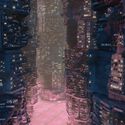
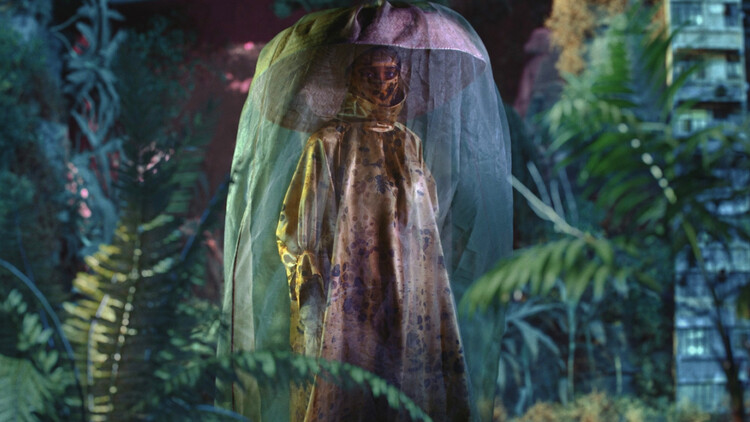
Australian artist, director, and BAFTA-nominated producer Liam Young creates imaginary worlds as a way of thinking through the futures we fear, desire, and are already making. As a creator and designer of atmospheres, he proposes speculative landscapes reflecting the possibilities of a world to come, whether ideal or truthfully unsettling. In his worldbuilding practice across the film, television, and video game industries, fiction becomes a tool for navigating the environmental urgencies of the present. He is considered a "futurist" working across design strategies, technological scenarios, and collective imaginations, grounded in his academic research yet reaching a wider audience in exhibitions such as "In Other Worlds" at the Barbican Centre in London and "Age of Nature" at the Danish Architecture Center in Copenhagen. In February 2026, he was interviewed by Marc-Christoph Wagner for Louisiana Channel, where he shares his visions of our future: from architecture consolidating as a boutique industry to the need for a new kind of planetary punk at the scale of the climate crisis.
Film: The Latest Architecture and News
"My Solutions Are Not Polite:" Liam Young on Architecture in the Age of Polycrisis in Louisiana Channel Interview

Studio NEiDA Designs The Falcon Cinema in Ghana, a Community Art Centre Dedicated to African Film

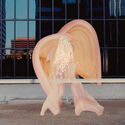
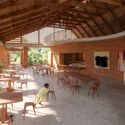
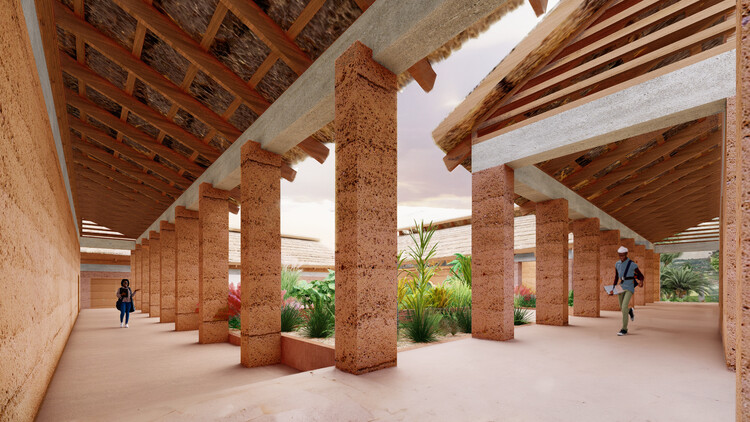
Designed by Studio NEiDA, The Falcon Cinema is a community and art centre located in Berekuso, Ghana, commissioned by film curator and Founding Director Jacqueline Nsiah. The cinema's mission is to create a home for cineastes to preserve Africa's cinematic legacy while hosting critical and creative thinking about contemporary filmmaking on the continent, designed and curated with a pan-African approach. The programme includes a 250-seat and a 150-seat screening room, a restaurant, an archive, communal spaces, an education hub, and an outdoor cinema. A second compound is planned for a future phase, to house living quarters for filmmakers in residence. Still in the design phase, the project started in 2024 and is expected to be completed in 2027.
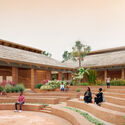
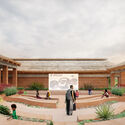
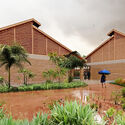
Material Culture and Heritage in Contemporary Cinema Architecture

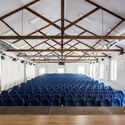
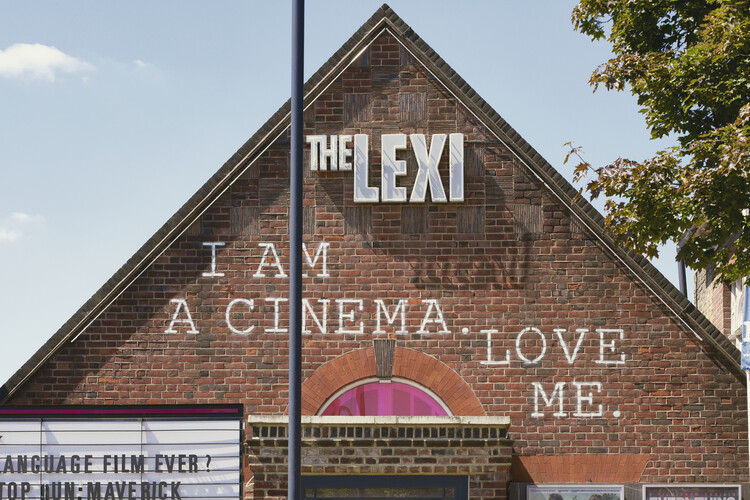
Over the years, cinema architecture has continually reinvented itself. From cinematic experiences that engage multiple senses to material technologies that reinterpret the aesthetics of past eras, the concept of the movie theater has enabled the recovery, revitalization, and renewal of numerous obsolete, ruined, or even historically protected spaces. Just as the Majestic Cinema reflects an important community function in Zanzibar, Tanzania, many twentieth-century buildings have found in adaptive reuse an opportunity to restore and preserve cultures, memories, and traditions that remain meaningful to their communities.

"Artisans of the Reiwa Era" Documentary Showcases Traditional Japanese Wood Construction and Craftsmanship
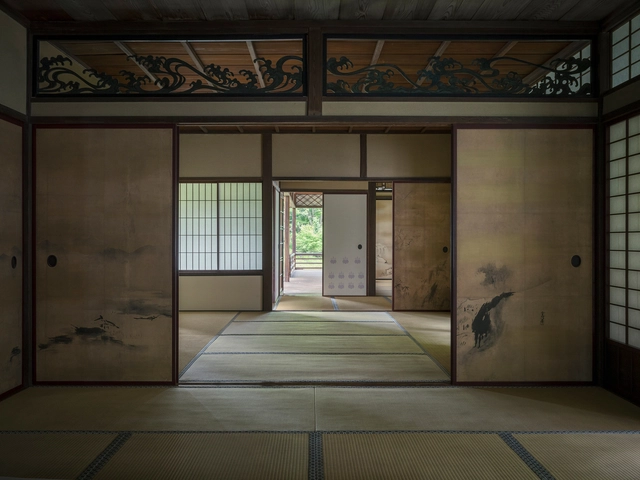
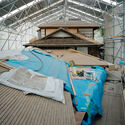
Rinshunkaku is a notable example of early Edo-period residential architecture. Originally built in the Wakayama Prefecture by the Kishu Tokugawa family, the villa was relocated to Sankeien, a traditional Japanese garden in the city of Yokohama, during the Taisho era (1912-1926). The garden was created in the early 20th century by businessman and art patron Sankei Hara and features a number of historic buildings relocated from Kyoto, Kamakura, and other areas of Japan. Rinshunkaku, one of the garden's gems, is a prime example of traditional Japanese architecture and wood construction. Its historical value motivated a large-scale restoration project in 2019, documented in the film Artisans of the Reiwa Era (Reiwa no Shokunin-tachi), filmed and edited by Katsumasa Tanaka and Hiroshi Fujiki. The documentary offers a close, detailed view of Japanese craftsmanship and wood expertise, highlighting rare traditional techniques and paying tribute to the artisans who preserve them.