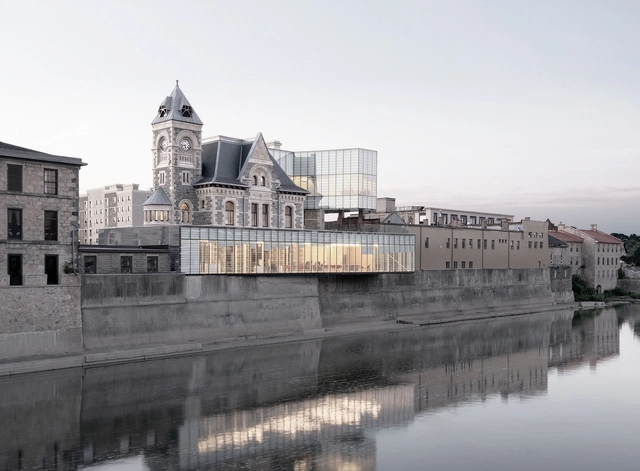
In this context, the adoption of 19th-century Gothic Revival styles and Classical Revival styles of the early 20th century became popular. Today, many of those buildings remain as prominent landmarks across the country and have become integral parts of the urban landscapes. This curated collection explores how Canadians are integrating traditional elements with modern materials like glass and steel. These efforts preserve the historical significance of the buildings while adapting them to meet the functional demands of modern life.
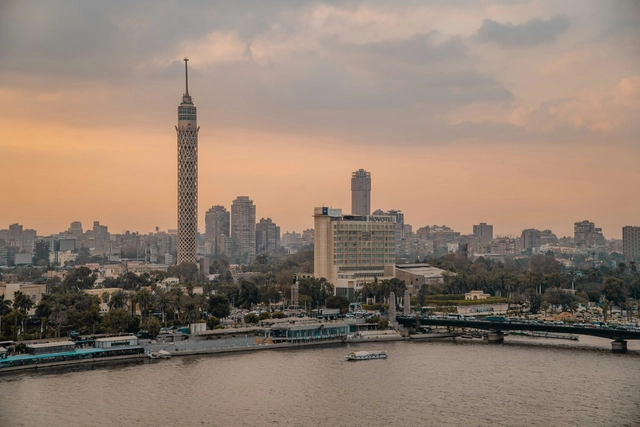
To this day, Cairo has a vibrant history, rich architectural culture, and heritage, which, from an outside perspective, is still the vivid and leading representation of the city. But what is today's Cairo beyond the capital of Egypt, the Nile, the deserts, the bustling streets, the museums, and the archaeological sites and historic buildings? The city has experienced a rapid urban transformation over the past few decades, acquiring a remarkably different character from the one recent and older generations remember from their youth in the streets, neighborhoods, and buildings of the city.
Cairo represents a population growth of 4 million in the 1960s to over 20 million today, while its urban footprint expanded by approximately 400% since the 1960s. The built-up area represents nearly half the metropolitan region, with an annual urban growth rate of 2-4% - much higher than the approximate 1% growth rate typical in countries like Canada, Germany, Japan, Italy, and Sweden. Due to this rapid urbanization, agricultural land now constitutes less than 10% of the total area of Greater Cairo. The city is a constantly evolving mosaic of over 50 distinct neighborhoods, each embodying its own unique identity and demographic composition, contributing to Cairo's diverse urban fabric.
https://www.archdaily.com/1022982/cairo-a-mosaic-of-contrasting-urban-narrativesHadir Al Koshta
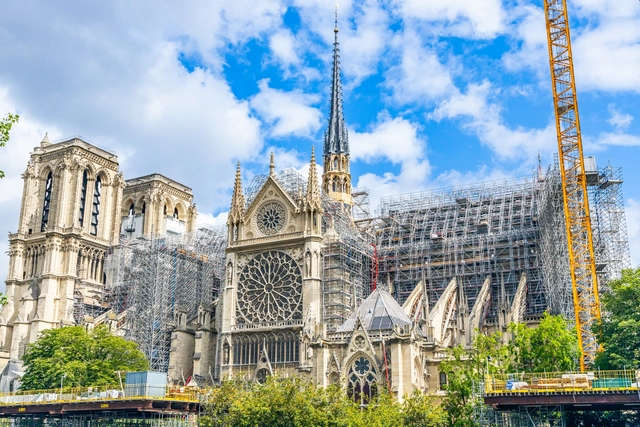
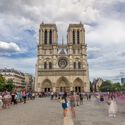
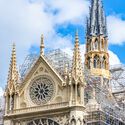
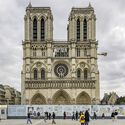
Over 5 years after a devastating fire threatened to destroy Paris' most famous cathedral, Notre Dame is scheduled to reopen to the public on December 8, 2024. The heritage building has been undergoing an extensive and, at times, controversial restoration process aiming to rebuild its timber roof and reconstruct the collapsed spire, a 19th-century addition to the gothic cathedral designed by French architect Eugène Viollet-le-Duc's design. In preparation for the grand reopening, France's culture minister, Rachida Dati, has proposed introducing a €5 entrance fee to contribute to a fund aimed at protecting the country's historical churches and monuments.
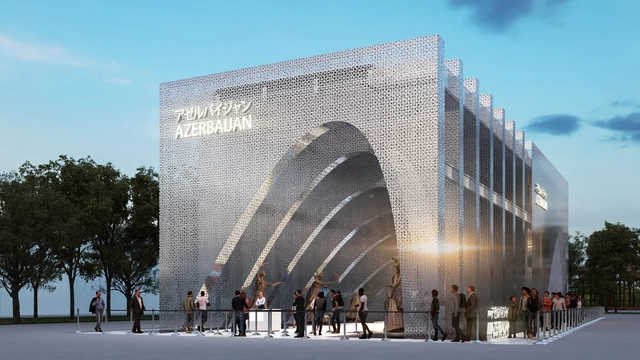
Azerbaijan Pavilion. Image Courtesy of Bellprat Partner
The Republic of Azerbaijan has just revealed its design for it's pavilion at Expo 2025 in Osaka, Kansai. Shining a spotlight on the country's culture, history, and forward-thinking approaches, the pavilion aims to promote connection and sustainability. Designed by Bellprat Partner in collaboration with Eleven, the pavilion will offer visitors a journey through Azerbaijan's rich traditions while emphasizing its modern goals for sustainability and international cooperation.
Guillaume Bontemps/Ville de Paris. Image Courtesy of Paris 2024 Olympic Games
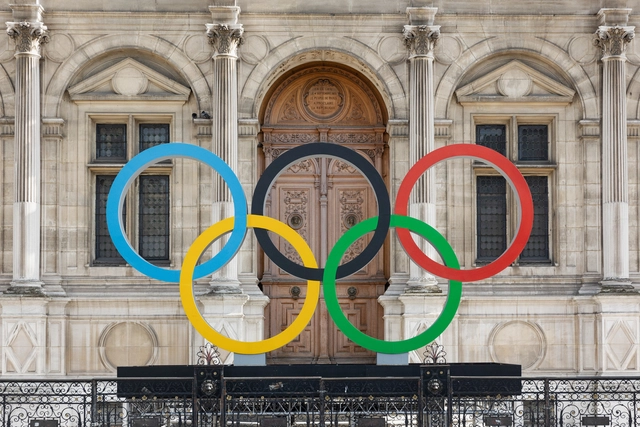
The recent history of the city of Paris is entangled with that of the Olympic Games. In 1900, Paris hosted the second edition of the Games, starting a journey of urban adaptations and architectural developments that prepared the city for the event. Among the most important changes was the introduction of Line 1 of the metro, inaugurated in 1900 to link the locations of the Universal Exhibition with those of the Olympic Games in Vincennes. Just 24 years later, the city hosted one of the most influential editions of the Olympic Games. The event, the first to be broadcasted on the airwaves, contributed to a substantial rise in the popularity of the Games. It was also during this edition that the concept of the Olympic Village was born. Several of the infrastructures and venues built over a century ago are still in use in Paris, with some of them returning now as hosts of Olympic events.
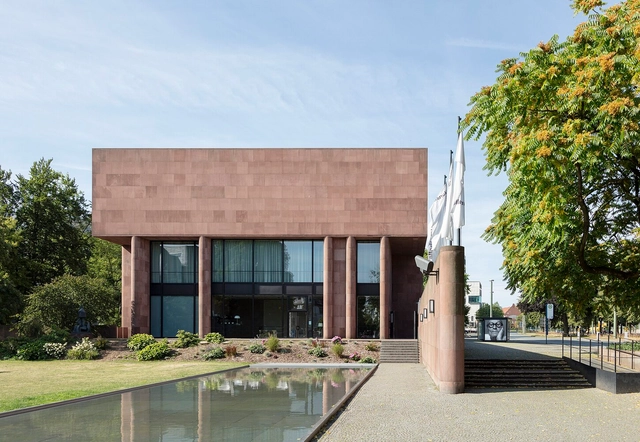
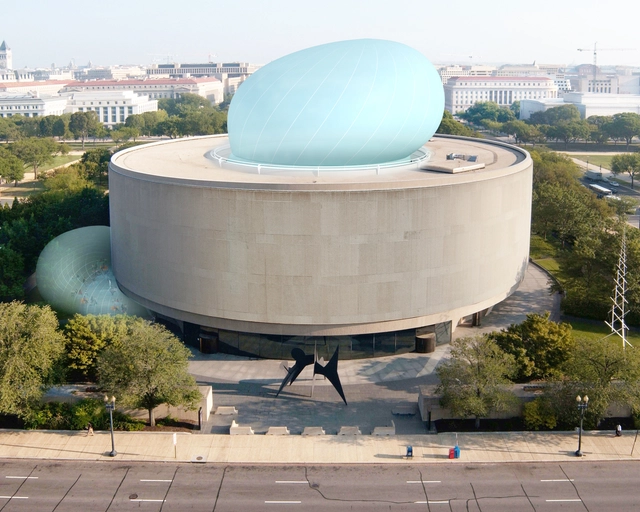
Following an international competition, Caruso St John Architects has been appointed to renovate the iconic Kunsthalle Bielefeld in Northwest Germany. Designed by Philip Johnson and completed in 1968, the structure is Johnson’s only museum in Europe. Despite past maintenance efforts, the building remains largely unchanged from its original state. The renovation aims to modernize the museum’s services, exterior, and interior spaces.
In the whirlwind of daily life, a large majority of urban centers transform to accommodate new functions and/or needs demanded by their populations, seeking to improve, renovate, or update the infrastructures, equipment, networks, and spaces that enable community life. Although times change, and with them, many buildings that once served important protective or sheltering functions start to become obsolete. However, the heritage they leave behind reflects the passage of time and provides a living testimony of their history, contributing to the consolidation of identity and the recognition of a sense of belonging.
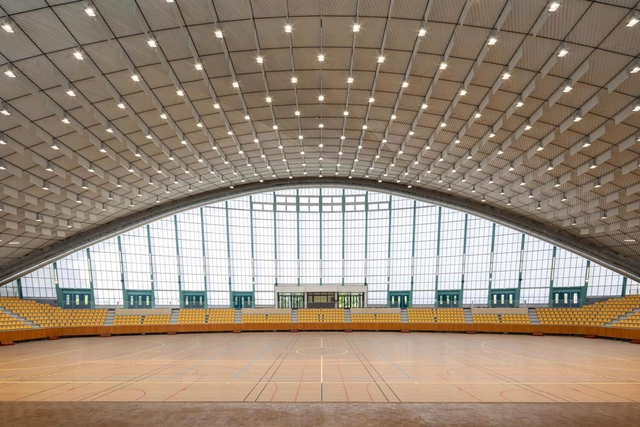
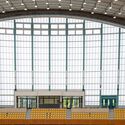
After a seven-year closure, Chatillon Architectes has renovated the Grande New de I’Île-des-Vannes in Paris, France. Transforming the building into an Olympic training site for the upcoming games, the renovation incorporates modern solutions and state-of-the-art facilities. Initially designed by Anatole Kopp, Lucien Metrich, and Pierre Chazanoff in 1971, the structure features a sweeping parabolic roof and striking translucent side paneling. The restoration involves adding contemporary energy solutions, structural repairs, universal accessibility upgrades, acoustic paneling, sports flooring, and enhancing lighting fixtures.
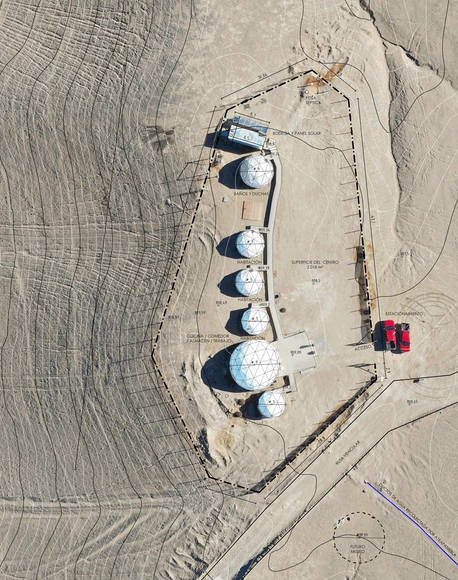
Tomás Bravo has been selected to be part of the ArchDaily's 2024 Best New Practices, highlighting his work about the dialogue between architecture and territory, and the use of advanced technologies to analyze nature and heritage through a process that involves a project in itself. Originating from Chile's diverse and complex geography, he proposes using classical architectural representation in combination with technological tools and measurement methodologies to bring the territory and heritage closer to architecture professionals and their clients.
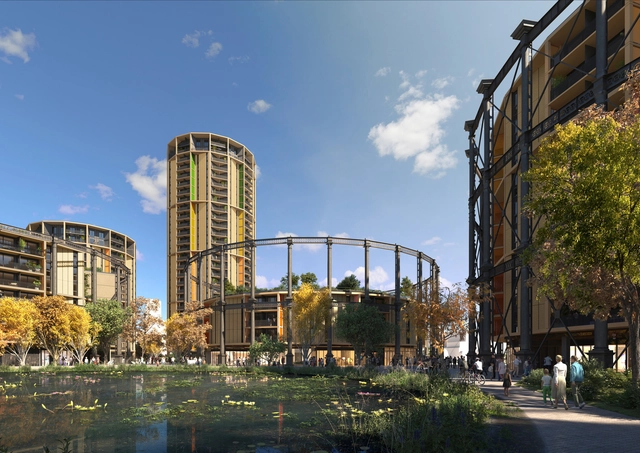
RSHP’s design proposal for the Bromley-By-Bow Gasworks regeneration project has just been approved by the London Borough of Newham’s Strategic Development Committee. The 23-acre site dates back to the 1870s, housing the largest collection of Victorian gasholders worldwide, making the project one of the largest regeneration proposals in the Lower Lea Valley in London. After three years of design development, the scheme reimagines the gas holders into a mixed-use development offering new high-quality residential architecture.
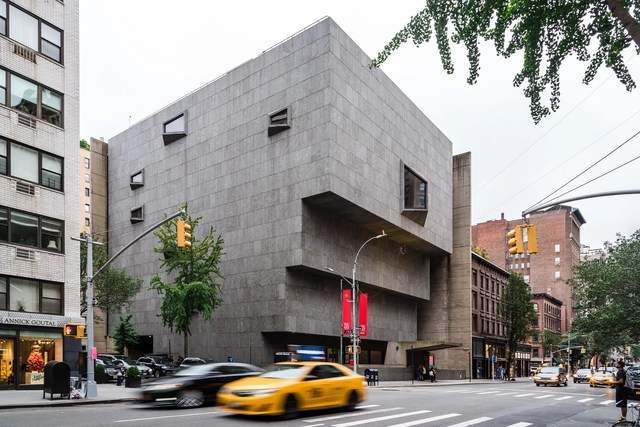
Brutalist buildings are a significant component of Washington, D.C.’s architectural identity. In the National Building Museum’s new exhibition, Capital Brutalism, this identity is explored further. Co-organized with the Southern Utah Museum of Art (SUMA), Capital Brutalism is a comprehensive exhibition of Brutalist architecture in Washington, D.C., to date, running until February 17th, 2025.
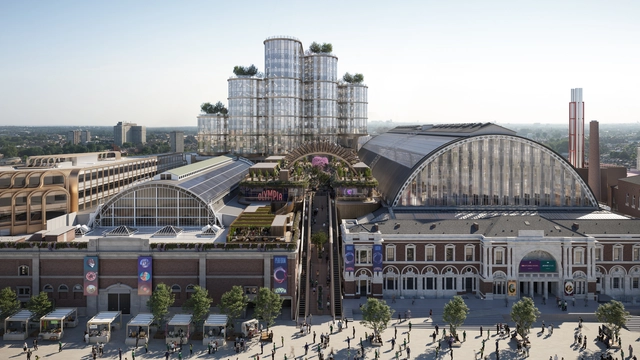
Heatherwick Studio has unveiled the design of a new large-scale glass canopy to become one of the main attractions of Olympia, an ambitious regeneration project aimed at transforming the 138-year-old exhibition halls in London into a global culture and entertainment destination. Originally designed by Sir Henry Edward Coe, Olympia is set to offer visitors a wide range of venues and activities, including two hotels, over 30 restaurants, bars and eateries, a 4,400-capacity live music hall, a theater, and spaces for the Wetherby Performing Arts School, in addition to over 2.5 acres of accessible public spaces. The revival project is co-designed by Heatherwick Studio and SPPARC.
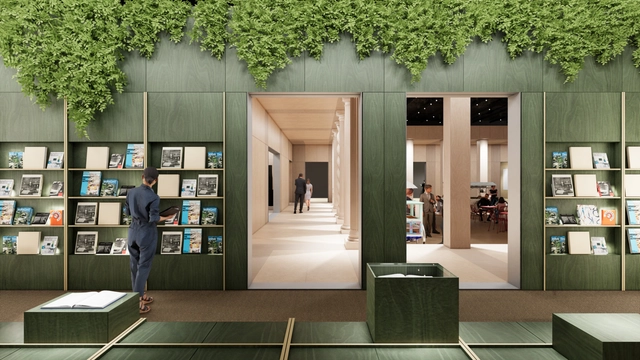
Stefano Boeri has designed a cultural square at the heart of the Italian pavilion for the 76th edition of the Frankfurt Book Fair. With Italy returning as Guest of Honor after 36 years, the book fair is the largest and most significant event in the publishing world and will be held from October 16-20, 2024. The Italian pavilion, designed by Stefano Boeri, seeks to celebrate Italian cultural heritage and publishing, aligning with the theme “Roots in the Future.”
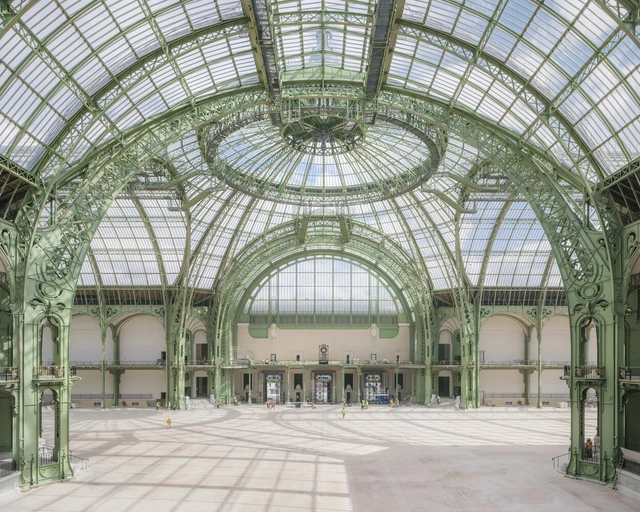
The Grand Palais, an iconic Parisian landmark, is set to play a significant role in the 2024 Paris Olympics following a major restoration by French studio Chatillon Architectes. The first images of the refurbished building, captured by Laurent Kronental, reveal the progress of the extensive project that began in 2021. While the full restoration is expected to be completed by 2025, the initial phase will be unveiled this summer, allowing the historic venue to host Olympic events, including the fencing and taekwondo competitions.
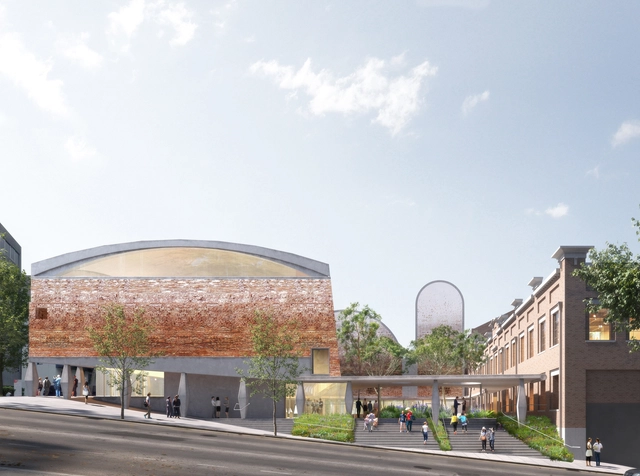
Powerhouse, Australia’s largest museum institution dedicated to applied arts design, and technology, has revealed the plans for a comprehensive restoration of its three sites located in Sydney, Australia, in addition to the opening of a new site in Parramatta in Western Sydney in 2025. The Powerhouse Ultimo site contains two heritage-listed buildings: the Ultimo Powerhouse and the Ultimo Post Office. The project for the renovation of this heritage location is led by a team of architects, Durbach Block Jaggers working in partnership with Architectus, Youssofzay + Hart, and landscape architects, Tyrell Studio.
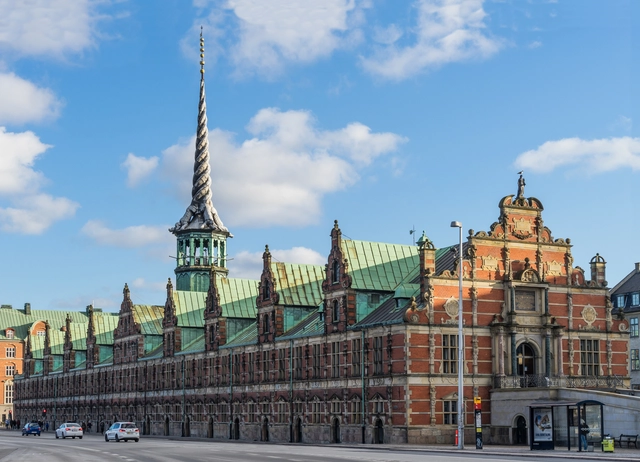
In the early morning of April 16, a fire broke out in the capital of Denmark, engulfing Copenhagen’s Old Stock Exchange, one of the oldest landmarks in the city. In the fire, the 56-meter-tall Dragon Spire, shaped as the tails of four entwined dragons, collapsed. In just a few hours after the fire begun, half of the 17th century Børsen building was destroyed according to authorities. The structure was undergoing renovation works at the time of the event. Emergency workers, staff members and passers-by collaborated to rescue the historic artworks housed in the former stock exchange.
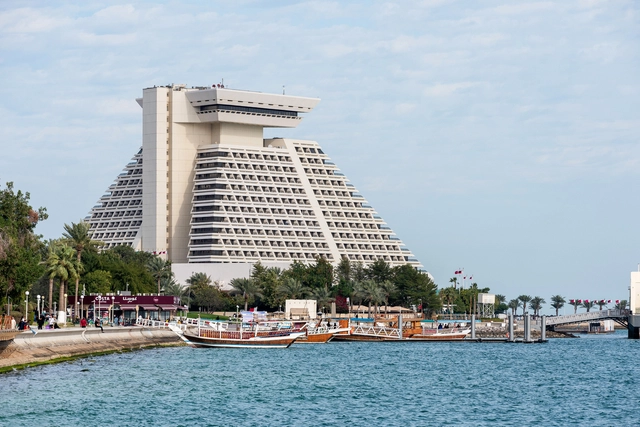
As part of the Design Doha 2024 Biennial, Glenn Adamson and Péter Tamás Nagy present the exhibition “Colors of the City: A Century of Architecture in Doha” investigating the architectural evolution of the capital of Qatar based on multiple global influences that characterize it. Running until March 30, 2024, the exhibition offers a journey through Doha's architectural history featuring various styles such as Classicism, Art Deco, and Modernism, contemplating the Qatari adaptations of these styles developed by architects from Europe, America, the Middle East, and South Asia.