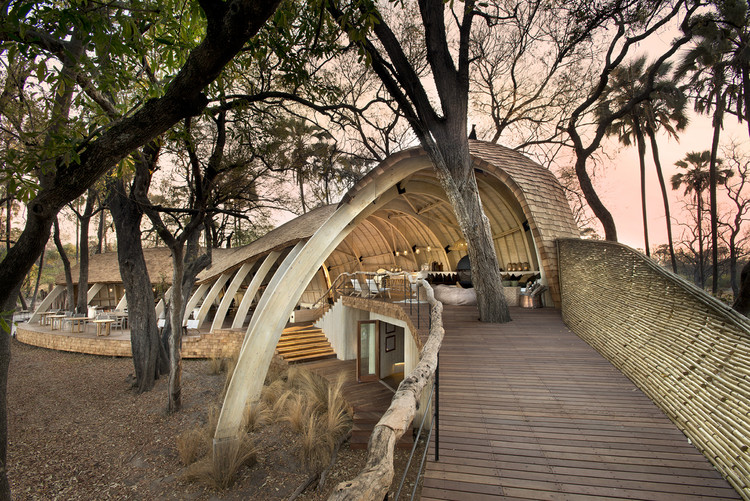
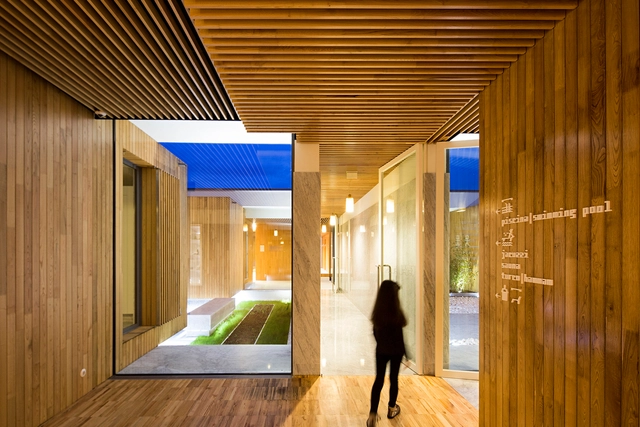
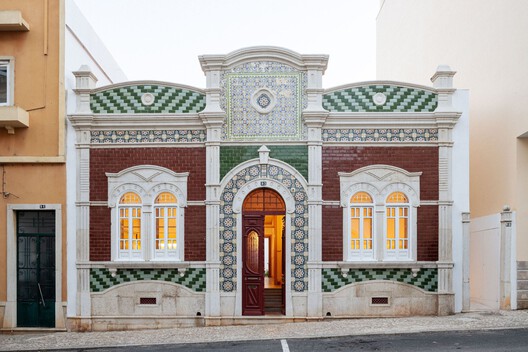
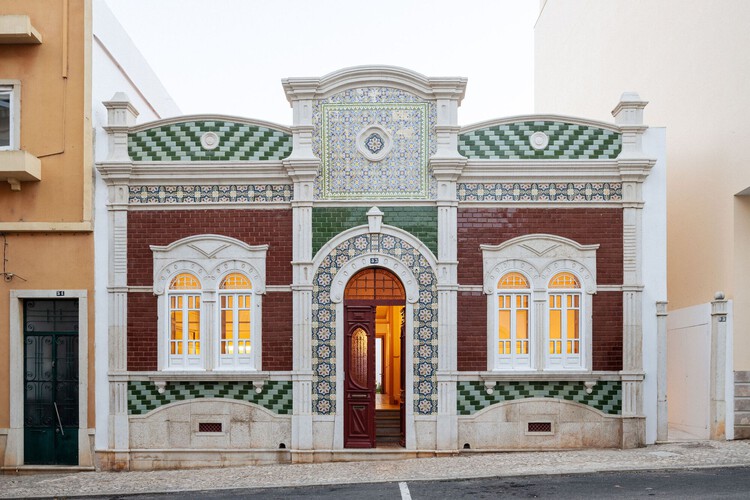
At the turn of the 20th century, parallel, yet connected movements around the world ushered in a new style and architectural era. From the Arts and Crafts in England, Art Nouveau, then Art Deco in France, or the Jugendstil in Germany/Austria, these design and artistic developments spread around the world and took on different forms depending on their context. The basis remained similar, though, with a focus on artisanal value and craftsmanship; the use of wood, glass, and various metals; the integration of organic forms into the exterior facade and interior structure; and the refined incorporation of ornamentation as an architectural element, often as vegetation or geometric patterns.
Bali might most commonly be associated with its beaches and leisure sector. Rightfully so, since the Indonesian province received more than 2.9 tourists this year alone. Along with the temporary visitors, Bali also houses some longer-term inhabitants and digital nomads, which contributed to its fast population increase. This has naturally affected its urban density and its need for additional accommodation and services, offering opportunities for some creative architecture and materials exploration.
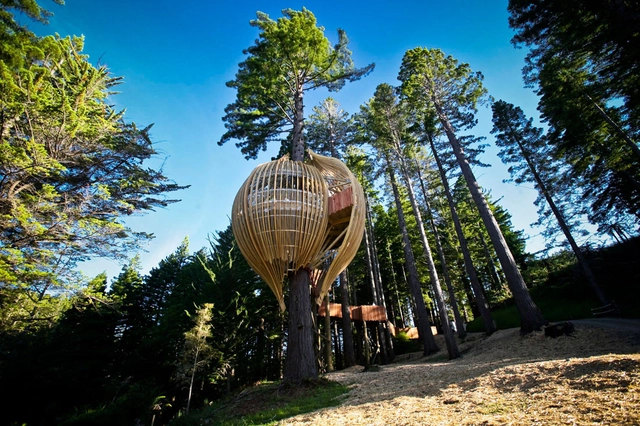
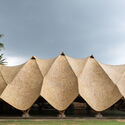
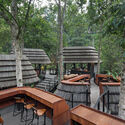
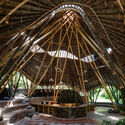
This often appears through the many bamboo-built projects, with the island being the stage for some of the oldest and most intricate bamboo vernacular construction. This knowledge can be transmitted to willing architects and professionals from all around the globe who seek to understand how this versatile material can be applied in their own countries. Many renowned global and local practices, such as IBUKU, and Bamboo U, have championed this ecologically aware architecture through their projects, which are always focused on nature preservation and the revival/ optimization of traditional building techniques.
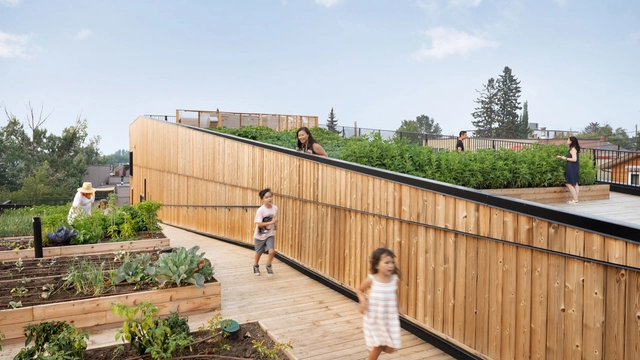
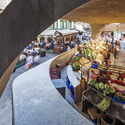
The farm-to-table movement represents a profound shift in how food is grown, distributed, and consumed. Rooted in sustainability and the support of local economies, it prioritizes fresh, locally sourced ingredients and fosters direct relationships between producers and consumers. While the concept focuses on food, the spaces where these connections occur are equally important in shaping the experience, highlighting the critical role of architecture.
During the last years, Kyiv became one of Europe’s most active and trending cities. A bustling scene of creative industries and tech startups, created a fertile ground for architectural and interior design experimentation in a fast growing hospitality and residential industry: hotels, restaurants, clubs, bars, offices, housing projects, that set a new benchmark in creativity and brough new views towards East. Among the practices that shaped a new architectural identity is Balbek Bureau, a young yet prolific studio that crafted a unique style, always ahead of trends.
While the full scale invasion of Ukraine is having a deep impact on economy and development, Ukrainians don’t resign, and their resilience pushes them to find opportunities in the country and abroad. Balbek Bureau has a diverse and creative portfolio, working with Ukraine’s top tech companies, fashion and beauty brands, and the coolest new bars and cafes, among others. Their projects are not just found in Kyiv, Lviv or Odesa, but also across Central and Western Europe, Canada, the US, Mexico, China and even Antarctica.
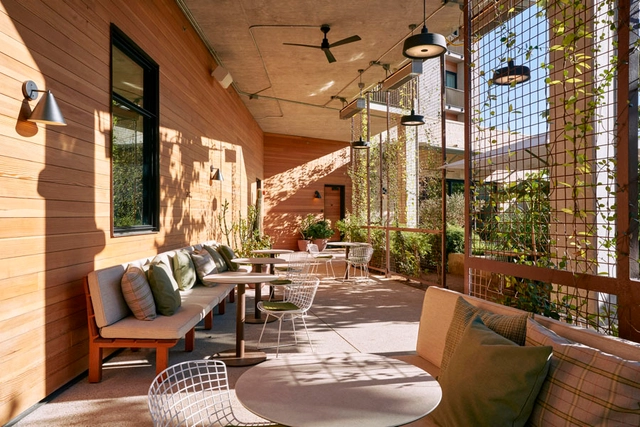
Hotel Magdalena, the latest from Bunkhouse Group, a Texas-based hospitality company known for the highly Instagrammed El Cosmico in Marfa, Texas, is an 89-room hotel that plays on Austin‘s music culture and love for lakeside living. Named after Mary Magdalene, the hotel is part of the group’s hotels that are named after Saints, neighboring the popular Hotel Saint Cecilia and Saint Cecilia Residences, which are currently under construction.
https://www.archdaily.com/952583/the-first-mass-timber-hotel-in-north-america-has-opened-in-austinLauren Jones
















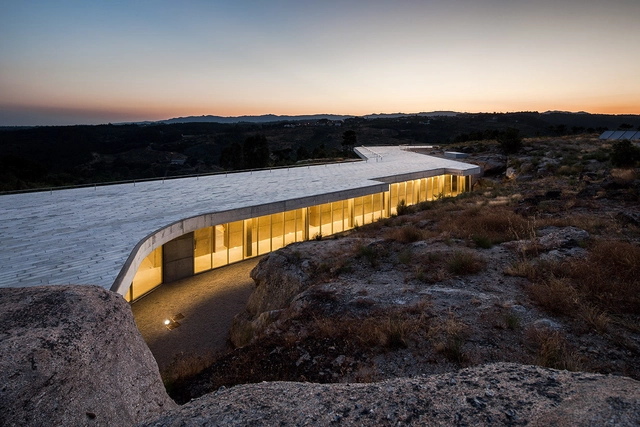
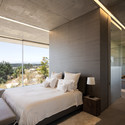


.jpg?1427073359 "© Leonardo Finotti")
.jpg?1427073543 "© Leonardo Finotti")
.jpg?1427073484 "© Leonardo Finotti")
.jpg?1427073422 "© Leonardo Finotti")