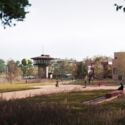
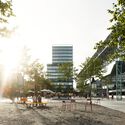
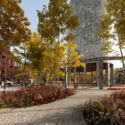
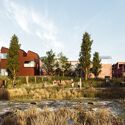
Courtesy of Neutelings Riedijk Architects / ARS Architectes
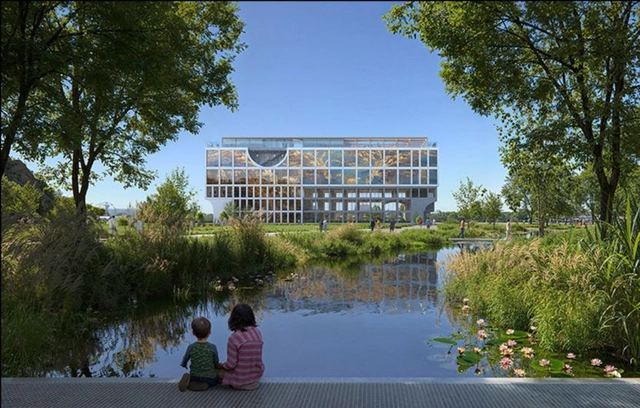
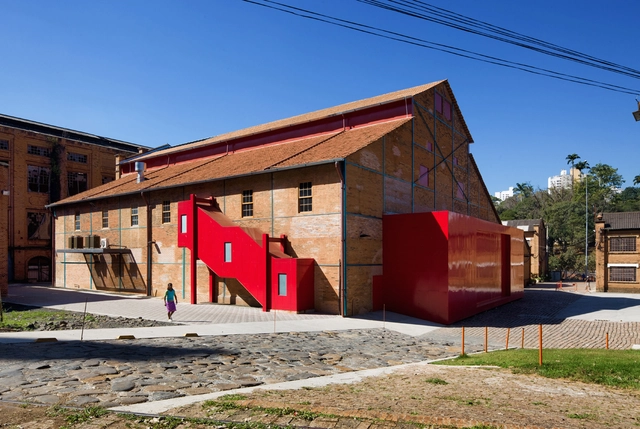
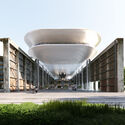
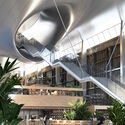
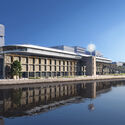
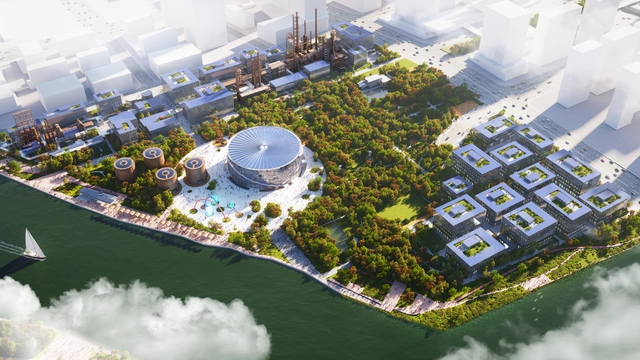
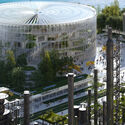
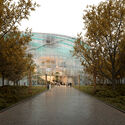
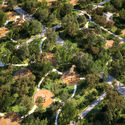
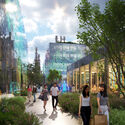
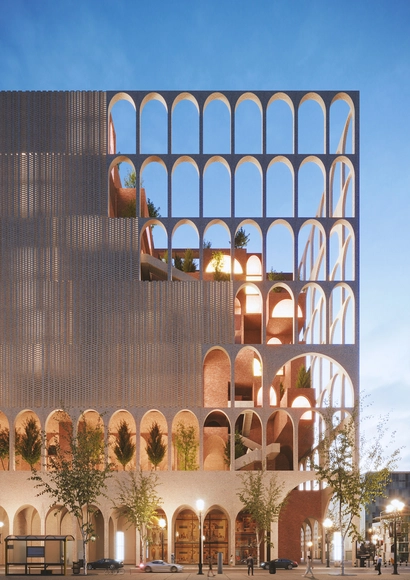
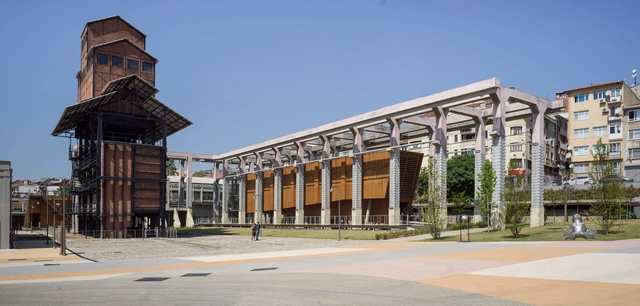
Neutelings Riedijk Architects and ARS Architects Urbanistes have just won a competition to design the Cité des Imaginaires and Grand Musée Jules Verne in Nantes, France. Selected from 160 entries, their design seeks to revitalize the historic “Moulins de Nantes” mil, also known as CAP44. This industrial heritage site, notable for its unique Hennebique concrete structure, is set to be transformed into a sustainable structure within the Garden Extraordinaire. Additionally, the museum will celebrate the legacy of the renowned author Jules Verne, born in Nantes.
After two weeks of open voting in the 15th edition of the Building of the Year Awards, our readers have meticulously narrowed down a pool of over 4,000 projects to a select group of 75 finalists spanning 15 categories. This year's awards enthusiastically honor the pinnacle of design, innovation, and sustainability on a global scale, showcasing an exceptional range of projects within the shortlist. As a crowdsourced award, we take pride in affirming that your selections authentically mirror the current state of architecture, and the caliber of this year's finalists further underscores the excellence and diversity prevalent in the field.
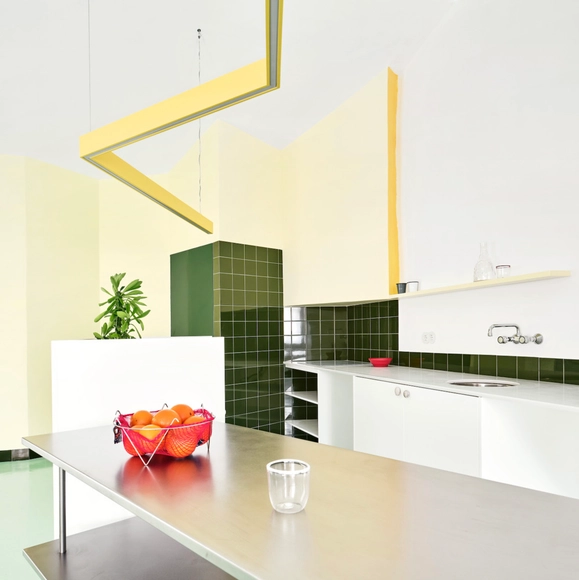
Often associated with an industrial aesthetic, metal has become more prevalent in residential and commercial architecture. Its reflective quality has broadened the scope of texture and color combinations, giving rise to a fresh aesthetic for interior design. Consequently, architects and designers increasingly incorporate metallic surfaces to define floors, benches, and other furniture elements, thereby defining spatial layouts and infusing them with a contemporary vibe. To inspire this trend, we explore various methods for incorporating aluminum or similar materials into your space.
A historic symbol of the industrial age, the sawtooth roof is a lasting legacy of architectural history. Although a functional invention born from necessity nearly 200 years ago, the iconic shape is enjoying a renaissance in many contemporary projects.
Made up of many long, thin roofs with irregular pitches laid alongside each other, a sawtooth roof positions its steeper edges – filled with glass panels – away from the equator. This allows large buildings to control their solar gain by omitting direct sunlight, while still allowing uniform indirect natural light to fill an entire interior area.
Christopher Payne’s fascination with factories goes back decades. As an architecture student at the University of Pennsylvania in the 1990s, Payne had the good fortune to find a summer job with an agency inside the National Park Service called the Historic American Buildings Survey. “They sent teams of architecture students, historians, and photographers to document all kinds of projects,” he says. “We documented grain elevators in Buffalo, cast iron bridges in Ohio, a power plant in Alabama, and national parks in Utah. That experience instilled a deep appreciation for industrial architecture.” After graduation, he worked for several years as an architect in New York City before transitioning full-time to photography. His previous books include New York’s Forgotten Substations: The Power Behind the Subway; Asylum: Inside the Closed World of State Mental Hospitals; North Brother Island: The Last Unknown Place in New York City; and Making Steinway: An American Workplace. Last month, Payne gave the School of Visual Art’s Ralph Caplan Memorial Lecture, and shortly afterward I reached out to him to talk about his most recent book, Made in America (Abrams), his long love affair with factories, and the photographic process.
In the global context, the first factories emerged in the latter part of the 16th century, primarily housing typographic workshops. Over time, their purposes expanded to include carpentry, tapestry, and porcelain workshops. However, the recognizable form of industrial buildings we see today only took shape in the 18th century, closely tied to the transformations brought about by the Industrial Revolution. The shift from human labor to machinery fundamentally altered the scale of these structures, turning them into expansive warehouses.
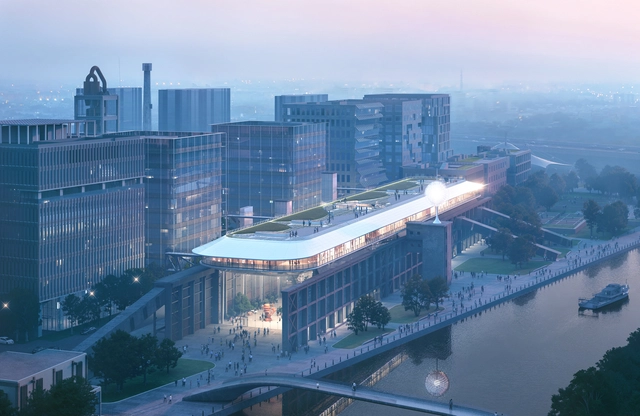
MAD Architects has unveiled the project for the renovation of the "Wanmicang" warehouse on the southside of the Shanghai Zhangjiang CementFactory. The building is set to be transformed into a multifunctional public waterfront space for culture, creativity, and commerce. The project maintains the character of the former industrial site but introduces a new addition in the form of an ark-like metal 'floating' volume, creating a stark contrast between the old and new structures. The project is scheduled for completion by 2026.
The architecture and construction industry has undergone a transformation with the integration of various digital tools, now indispensable to the design process. The welcoming of technologies has effectively streamlined operations, enhanced efficiency, and elevated design quality. This digital shift, however, has resulted in a digital divide that goes beyond accessibility to tools and software. It also encompasses the crucial aspect of integrating traditional and indigenous communities into the urban development landscape. Can advancing technology support the growth of vernacular architecture? Can indigenous building practices find a place in the vision for a digitalized future?
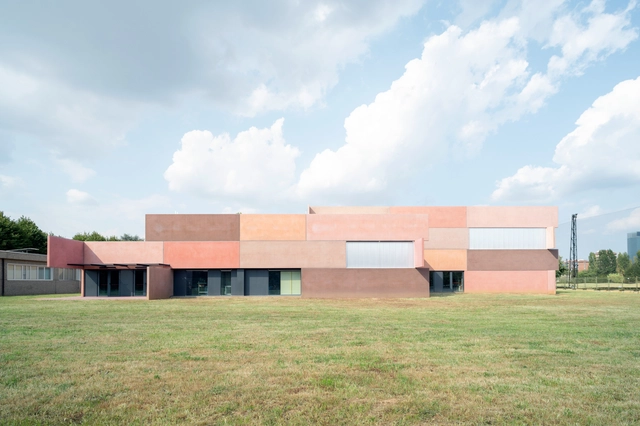
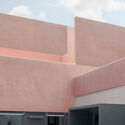
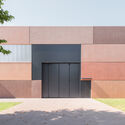
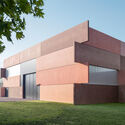
Architecture studio ELASTICOFarm, led by Stefano Pujatti, has been awarded the Premio Italiano di Architettura (Italian Architecture Prize), promoted by the Triennale di Milano and MAXXI. The award, now in its fourth edition, is received in recognition of their S-LAB project, a new building in Turin, Italy, for the Istituto Nazionale di Fisica Nucleare (INFN). The prize highlights works of architecture with high design quality and an attentive approach to innovation and the social role of architecture.
Following an international competition, MVRDV has been selected to lead the design of the Hangzhou Oil Refinery Factory Park, an extensive project aiming to transform the former industrial district into a cultural center set in a green environment. Complete with a new art and science museum, offices, retail, and a wide variety of cultural offerings, the redevelopment demonstrates a way forward from an oil-based infrastructure to more sustainable alternatives, while retaining the memory of the past technologies. The park sits alongside the southern end of China’s Grand Canal, the world’s longest and one of the oldest man-made waterways created to strengthen economic connections between the south and the north of the country.
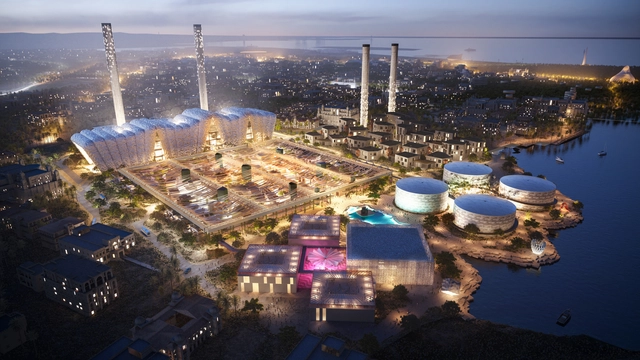
Heatherwick Studio has unveiled a new project to transform an old desalinization plant into the centerpiece of a new cultural district on the waterfront of Jeddah, Saudi Arabia. The industrial structure is set to be reconfigured to become The Museum, large complex offering production spaces, studios, and ateliers for artists and makers. Its program also includes exhibition spaces that can accommodate large-scale commissions to help visitors to learn and feel inspired by the next generation of artists.
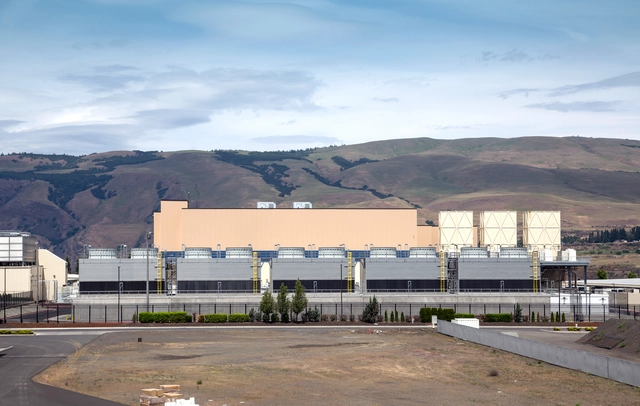
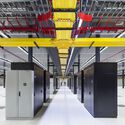
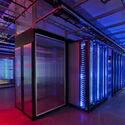
In the contemporary context, as has been said a multitude of times, we seem to be living in what is classified as a digital age. A worldwide pandemic has enhanced the popularity of digital avenues to communicate — such as Microsoft Teams and Zoom, and the multiplatform messaging app WhatsApp is reported to have over 2 billion active users. From an environmental standpoint, we see the migration of businesses to the “cloud” heralded as a sustainability win. In simplified terms and to pick out a specific example, companies can refrain from storing data on external hard drives, opting instead to store their data on online file hosting services.
After two weeks of voting in our 14th edition of the Building of the Year Awards, our readers have narrowed down over 4,500 projects to just 75 finalists across 15 categories, casting over 100,000 votes. This year's awards celebrate the very best in design, innovation, and sustainability from around the globe, with the shortlist featuring an exceptional range of projects, from a house in a favela to cutting-edge cultural centers and innovative public spaces that are sure to impress. As a crowdsourced award, we are proud to say that your selections are a true reflection of the state of architecture, and this year's finalists are no exception.
Tagh Behesht Business Center in Tehran, Iran. Image Courtesy of Rvad Architecture and Design Studio
This week's curated selection of Best Unbuilt Architecture highlights office spaces submitted by the ArchDaily community. From a TV station in Vietnam to a bazaar-inspired business center in Iran, this round-up of unbuilt projects showcases how architects structure corporative spaces to serve as a model for sustainable, innovative, and future-oriented workplaces.
Videos
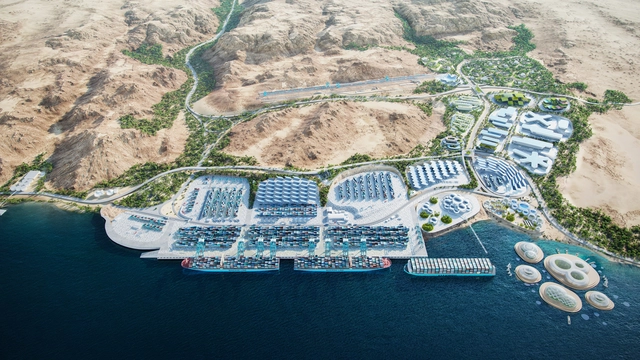
Courtesy of BIG – Image by Ping-Pong Visualization
BIG – Bjarke Ingels Group supports APM Terminals and Maersk in reimagining the shipping industry's future with a master plan for the AqabaPort Terminal in Jordan, expected by 2040. Considered one of the most strategic ports in the country and an important gateway to the Levant region, the 3 square kilometers plan will merge different strategic approaches at the regional scale, starting from the terminal refurbishment, expansion of the logistics functions, and connecting to the broader port's community and natural environment.
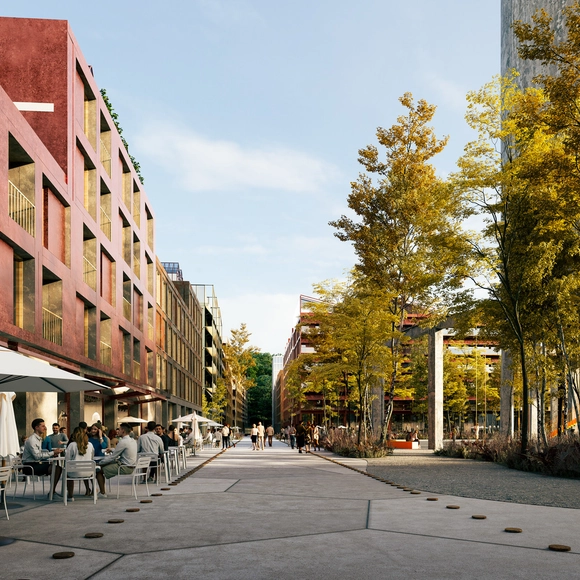
Courtesy of Urban Agency | COBE | LuxPlan |Urban Creators
Urban Agency, in partnership with COBE, won in 2019 a competition to transform a former steel factory into an 850,000 square meters car-free mixed-use district. The industrial site is planned to become a mixed-use district, with housing for over 8,000 new residents, office spaces, schools, workshop spaces, and 268,000 square meters of landscape, including a reactivated river area. The master plan strategies focus on urban nature, renaturalization, preservation and reuse, car-free streets, and an adapted dense mix of buildings and functions.
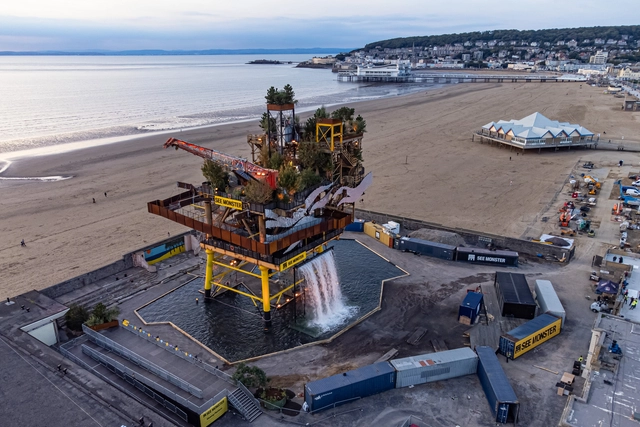
NEWSUBSTANCE transforms an oil rig into a 35 meters tall public art installation in Weston-super-Mare, UK. The mega-platform features a 10- meter-high waterfall, a wild garden, and a 6,000-piece kinetic installation, including Ivan Black's work and Trevor Lee's art pieces. From 24 September to 5 November 2022, "SEE MONSTER" will welcome the public to inspire conversations about reuse, renewables, and the great British weather, as part of the festival UNBOXED: Creativity in the UK.