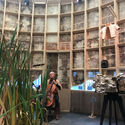
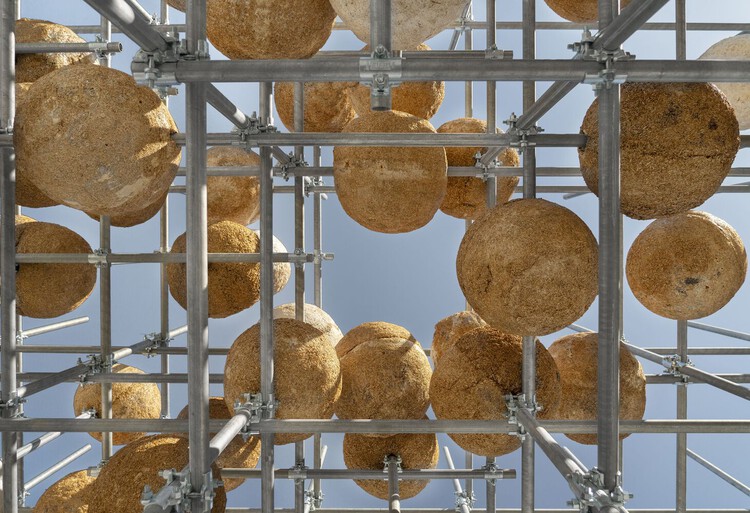
Once confined to the aerospace and automotive industries, composite materials have taken on an increasingly central role in contemporary architecture. By combining two or more components, such as fibers and polymers, they offer lightness and strength, high durability, formal freedom, and enhanced environmental performance. Their incorporation into architectural practice marks a profound transformation in how we design, fabricate, and inhabit space.
What does optimism feel like in cities that can no longer rely on perfection as their ultimate ambition? Across the world, urban environments bear the weight of overlapping pressures: climate volatility, spatial inequality, political fragmentation, public distrust, and chronic infrastructural disinvestment. These realities render the idea of an ideal city increasingly detached from lived experience. Yet the hope for building better systems persists. While utopian visions may seem like an escape from the growing complexities of the modern world, the greater challenge for contemporary city-making is to confront those complexities rather than avoid them.
In public restroom design, innovation goes far beyond aesthetics—it transforms the entire user experience. One of the most exciting trends today is integrating all functional elements—hand dryers, faucets, soap dispensers, and paper dispensers—behind the mirror.
This approach creates a cleaner, minimalist look while optimizing space and enhancing hygiene. All devices remain fully functional but hidden: users simply place their hands where indicated on the mirror, and the equipment activates automatically—no physical contact required.
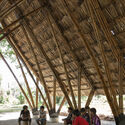
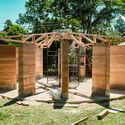
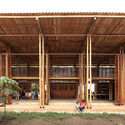
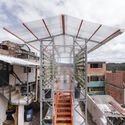
Across South America, architecture is increasingly being understood as a collective act. Rather than imposing external views, many studios and designers are building with and for communities, learning from their local practices, materials, and ways of inhabiting. These projects are repositioning the architect's role from an author to a facilitator, transforming design into a participatory process that centers collaboration, care, and mutual respect.
What unites these efforts is not style or scale, but a shared belief: architecture emerges from collective dialogue, not imposition. From rural Ecuador to the urban peripheries of Brazil, Colombia, and Paraguay, these projects reveal how social engagement and local making produce spaces that are sustainable not only environmentally but also socially. They respond to inequality not through top-down solutions, but through co-authorship, offering spaces that reflect the needs, knowledge, and agency of the people who use them.
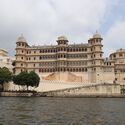
Mehrangarh Fort, Jodhpur, Rajasthan India. Photo by Sanhitasinha. License Creative Commons Attribution-Share Alike 4.0 International
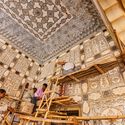
India's palaces and former colonial warehouses are witnessing a new kind of restoration, one that happens beneath the surface. From discreet steel supports tucked behind centuries-old masonry to digital sensors embedded in frescoed ceilings, technology is quietly reshaping how heritage buildings are protected for the future. These upgrades are more about subtle precision and less about spectacle; invisible engineering wonders.
As the world moves towards adaptive reuse, architects and engineers are confronted with an evolving challenge to make historic structures safe for public access while maintaining the authenticity of the architecture. Whether it's upgrading palaces to cool efficiently or seismic reinforcement of Victorian godowns, the goal is beyond preservation. It's about the intelligent coexistence of the old and the new.
Architecture has entered a pivotal moment. As cities continue to grow under the weight of climatic and social pressures, the materials and systems that shape them are being redefined. Artificial intelligence and robotics, once used to accelerate construction processes, are now being rethought as tools for cultivation. Printed structures that grow, breathe, and decay. Cultivation, in this context, refers to designing with biological materials, where growth and decay are active parameters, merging digital precision with ecological intelligence. This evolution shows the shift from efficiency to empathy, where architecture becomes an agent of active repair. The introduction of mycelium and other natural materials into 3D printing presents a new paradigm in architecture: the logic of the living. A place where computation and fabrication meet biological adaptability.
AI and robotics, once associated with industrial efficiency, are now opening new ways of designing. Early examples, such as ICON's 3D-printed housing prototypes, focused on speed and automation but offered little response to their surroundings. Newer projects, such as the MycoMuseum at the 2025 Venice Architecture Biennale, reinterpret these tools through a biological lens. Instead of shaping concrete, they cultivate living materials, marking a shift from pure optimization toward regeneration.
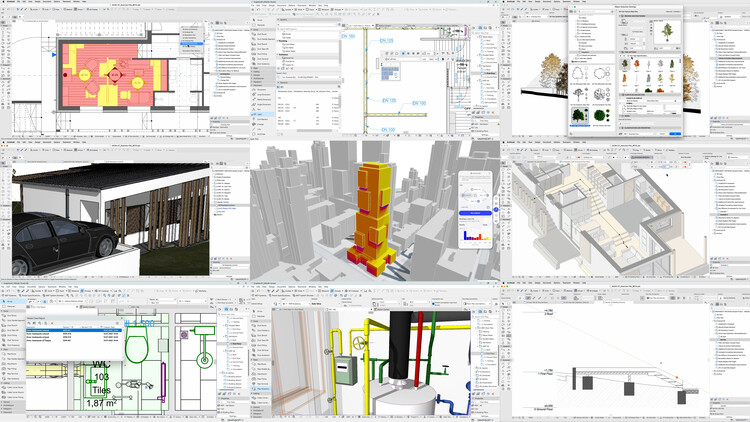
When architects are still students, a moment often marks a turning point: their first encounter with software. It's not just about learning a tool but discovering a space where ideas transcend physical models, taking shape in a digital environment and beginning a relationship many will carry throughout their careers. What happens next? Software keeps evolving, and with it, the design experience. In recent years, this evolution has accelerated—machine learning, AI, prompts, and integrated workflows have moved from the periphery to the core of design practice, becoming part of the shared language between software and users. As these tools take hold, a key question emerges: How will this reshape our experience of designing architecture in the future?
Spaces of hospitality are a mirror to how different cultures articulate generosity, care, belonging, and identity. In busy city settings, this is reflected in hotels, service systems, and curated amenities that directly shape the visitor experience. These spaces translate care into measurable forms, where success is correlated with efficiency, luxury, and brand identity.
Innovation is at the core of architecture, expressed through new approaches to design, material experimentation, and, of course, ways of living. As a result, the conception of buildings and indoor spaces is constantly evolving. This evolution is especially evident in regions with a rich cultural heritage, such as Spain, where innovation reinterprets traditional ways of relating to space. This attentiveness to memory and daily life extends into interiors, where each intervention has the potential to actively reshape how people experience a space and open new possibilities for living and interaction.
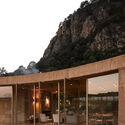
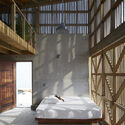
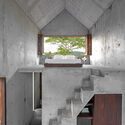
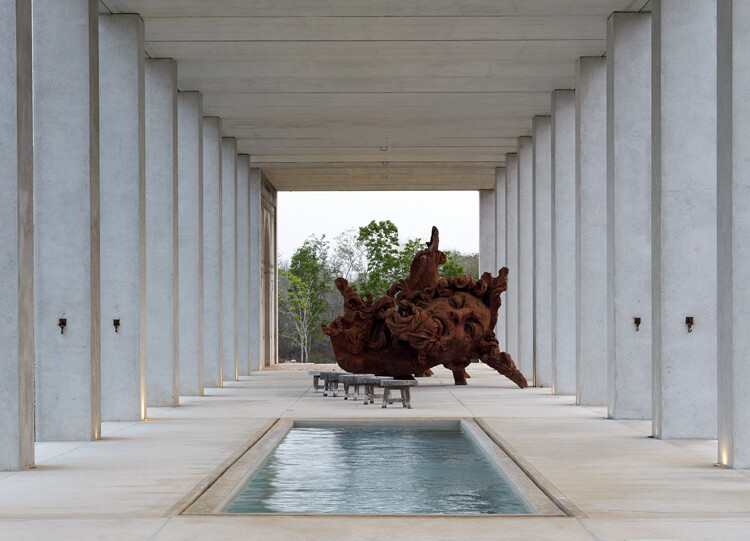
Blending vernacular techniques with contemporary experimentation, Mexico's architectural landscape is shaped by a continuous dialogue between tradition, materiality, and modernity. As the fifth most biodiverse country in the world, Mexican architecture seeks to respond to its vast range of natural environments, climates, and cultural traditions, all within a territory marked by striking contrasts. Reflecting a visible duality, it can embody both exclusivity and act as a catalyst for social transformation.
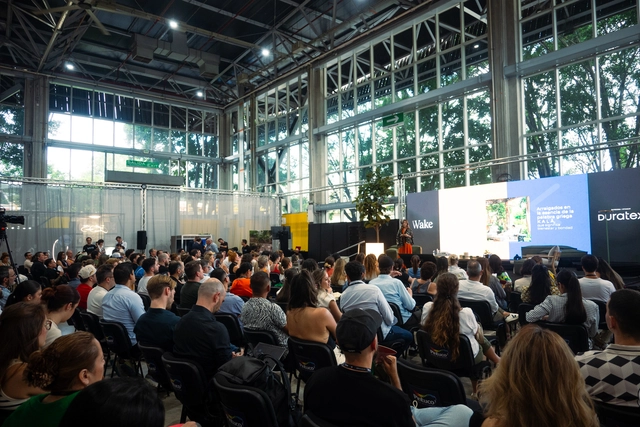
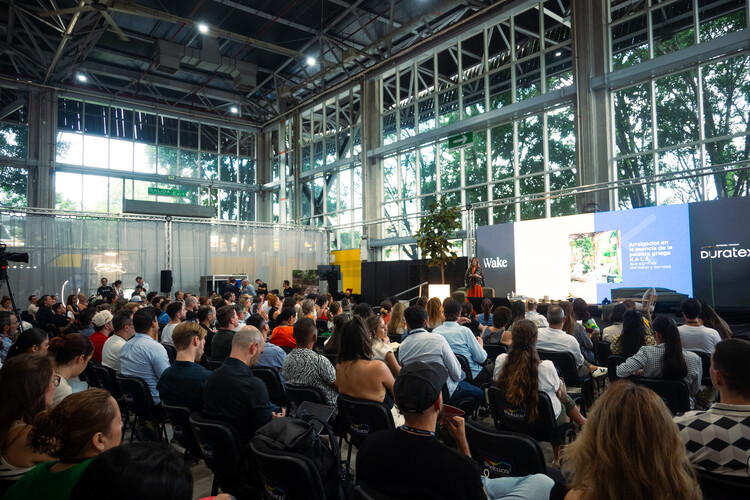
Asking questions is the first step toward challenging what we take for granted and opening up new possibilities for planning and building. These questions, valuable in themselves, gain new strength when shared and examined through different perspectives. As they intersect with the experiences of professionals and brands, they weave together viewpoints that enrich the discussion. Design fairs and events around the world have become spaces where these conversations gain momentum, fostering connections and encouraging collaborative dynamics. In this landscape, Colombia has emerged as a hub, serving as a platform that promotes architecture and design across Latin America and the Caribbean while bringing the region's voice to the global stage.
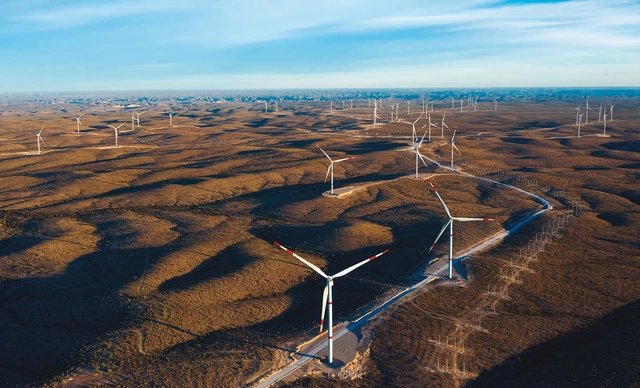
Enel, a global leader in renewable energy, launched "WinDesign", an international contest where talented professionals and students, in the domain of engineering, architecture and design, are invited to imagine and design new wind turbines. The goal is to develop turbines projects that blend more seamlessly into the landscapes that host them, thereby supporting a wider role for them in the energy transition.
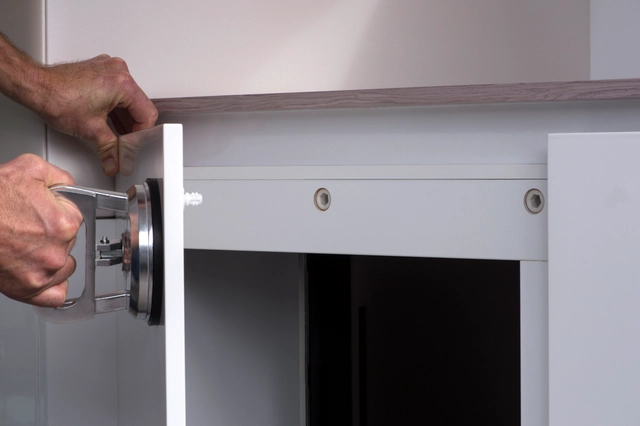
In high-end architectural design, traditional access panel fasteners like visible screws and magnetic closures often disrupt aesthetics and functionality. These outdated methods can loosen over time, lack durability, or require visible frames, making them unsuitable for premium spaces. Whether you need to access electrical systems, HVAC components, or plumbing, choosing the right installation method is crucial for a seamless integration into your space.
Early hidden solutions like French cleats and Z-clips improved appearance but introduced new challenges. These systems require sequential panel removal and extra clearance, making maintenance difficult—especially in areas needing frequent access. The unavoidable gap that appears at the top of panels also compromises the aesthetic appeal, as well as cutting out sections of panel for wall sockets.
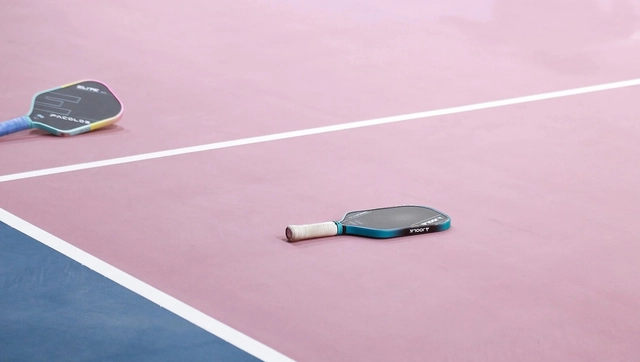
Following the recent success of the FIP World Padel Championships in Qatar and the announcement of Saudi Arabia hosting the FIFA World Cup in 2034, the Middle East is gearing up to be a hub for major sporting events, which drives the demand for high-performance sports infrastructure. From Pickleball and Padel courts to internationally renowned stadiums, the evolution of sports flooring requires innovative, durable, and sustainable solutions.
Terraco, a global leader in construction finishing materials, has consistently delivered cutting-edge solutions for sports complexes worldwide, helping architects, contractors, and developers build facilities that stand the test of time.
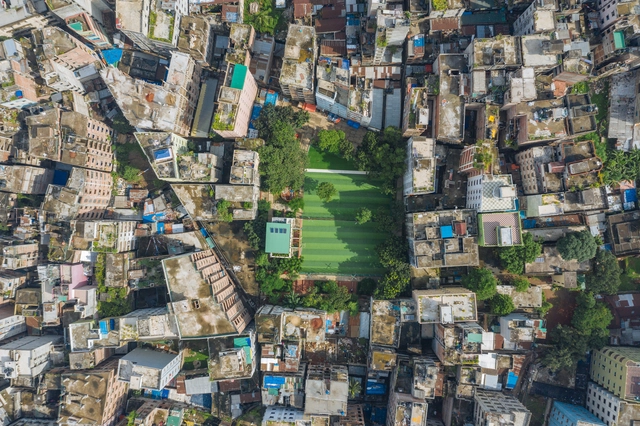
Extreme heat is one of climate change's most urgent and rapidly growing consequences, especially in cities. Urban areas are particularly vulnerable because they trap heat in building materials and urban streets, creating dangerous conditions for residents. As temperatures continue to rise and heat waves lengthen, cities are grappling with how to remain livable in the face of this intensifying threat.