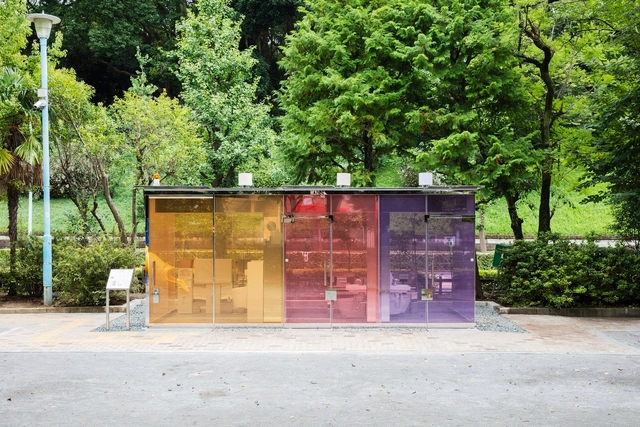
"A bathroom is a place where everyone is equal—there is no rich or poor, no old or young; everyone is part of humanity." This reflection was shared by Wim Wenders, exponent of New German Cinema and director of the filmPerfect Days (2023) when asked about the striking sets of his most recent work. Wenders selected Tokyo's public restrooms to craft a narrative that deeply explores themes of solitude, simplicity, and the beauty of everyday life.
The story follows Hirayama, a middle-aged man working as a public toilet cleaner in Tokyo. His life is simple and routine, yet filled with small pleasures and moments of reflection. This modest lifestyle contrasts with the technological, colorful, and innovative designs of the public restrooms he cleans every day.
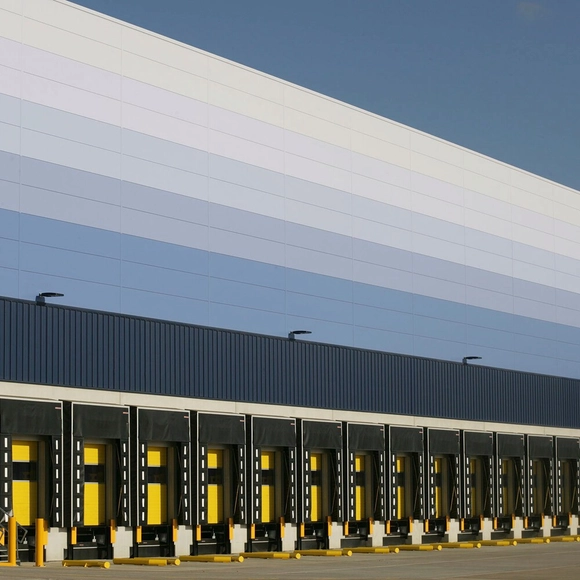
Gazeley Regional Distribution Centre. Image Courtesy of Kingspan
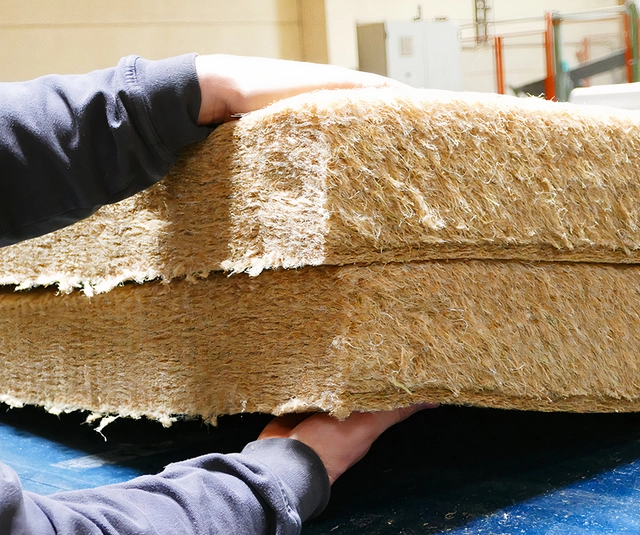
Insulation plays an essential role in today’s buildings—whether it is to provide thermal efficiency to reduce energy demand and cut carbon emissions, or to reduce noise transmission to provide acoustic comfort. Every building has different requirements for the type of insulation needed in floors, roofs, ceilings and walls, and to meet these varying demands Kingspan has developed a range of holistic insulation solutions fit for the future of the built environment.
From lower embodied carbon products to bio-based materials, reducing environmental impact is an area of increasing importance. Meanwhile, the pressing need to upgrade the thermal efficiency of existing buildings often demands insulation technologies that can work with existing structures without requiring excessive thickness. For cladding systems, reaction to fire can be every bit as important as thermal conductivity, and for acoustic panels that form part of the internal décor, aesthetics is as crucial as sound absorption.
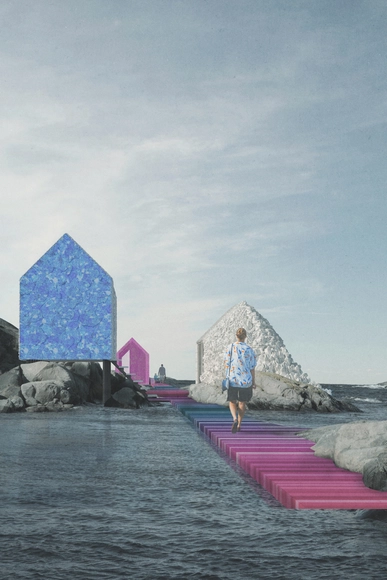
Plastic Island. Image Courtesy of Emily-Claire Goksøyr
As you read this, you may notice that you are surrounded by several items made of plastic. This omnipresence is no coincidence; the versatility of plastic has made it suitable for a variety of applications, and was described by its inventor—Leo Baekeland— as “the material of a thousand uses.” However, when it comes to environmental impact, the problem lies in its very qualities: it is so durable, adaptable, and easy to produce (430 million tons per year) that, according to UN data, the equivalent of 2,000 garbage trucks full of plastic are dumped into the oceans, rivers, and lakes every day.
In the built environment, plastic has been incorporated into various materials, products, and construction systems, contributing to an environmental crisis that seriously affects the well-being of millions of living beings. Faced with this problem, one possible direction is to shift away from utilizing it. The search for plastic-free alternatives is marking a path toward a future where architecture is progressively disassociating itself from these polluting materials, promoting sustainable solutions that reduce our dependence on it and contribute to preserving the environment.
https://www.archdaily.com/1016334/making-the-case-for-plastic-free-architecture-innovative-solutions-for-the-present-and-futureEnrique Tovar
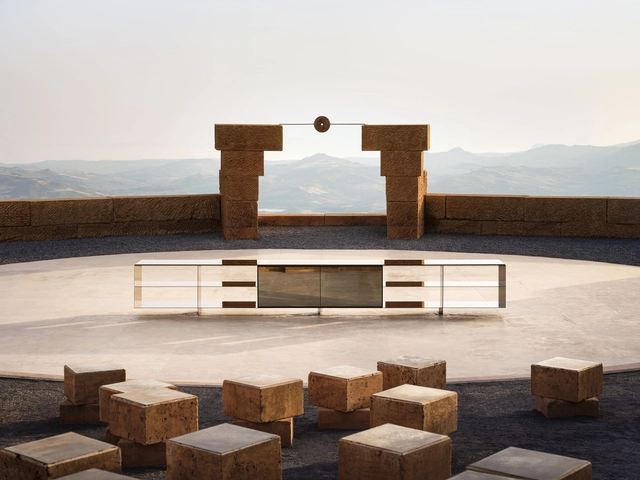
This year's Milan Design Week brought together designers, architects, producers, and key figures from the design world. The events were divided between the Salone del Mobile at Rho Fiera, a trade fair with over 1950 exhibitors, and Fourisalone, featuring various events across Milan. With numerous installations throughout the city and a wide range of events, conferences, and debates, Milan Design Week stands as one of the most significant design-focused events worldwide. For architects, this represents an opportunity to not only exchange ideas but also to actively contribute through collaborations and explorations across disciplines.
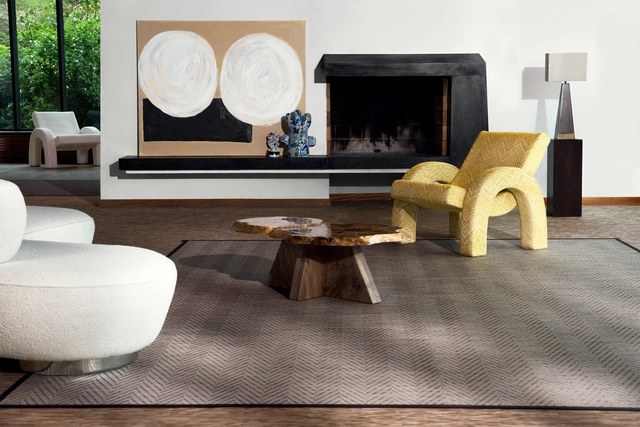
This year, many internationally recognized architects have entered collaborations with furniture and light design companies, exploring the intersection of design and architecture. Despite the change in scale, many of these products reflect the recognizable architectural language of their designers, offering an insight into the principles that guide their practice. In addition to aesthetic explorations, many of the products selected are tackling important themes of interest, from the need to develop more sustainable materials with a reduced carbon footprint, to the potential impact of new technologies such as artificial intelligence.
Courtesy of Feldman Architecture and Western Window Systems
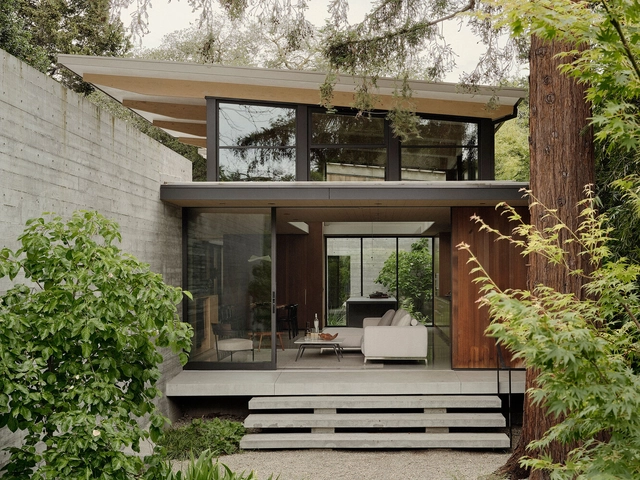
When it came to designing a nature-embracing modern home in Palo Alto, California, USA, architect Tai Ikegami took his responsibility to protect and venerate the magnificent trees on the lot seriously.
“The house is designed around a series of trees on the site—an oak in the front, another oak on the side, a redwood in the back. These are dramatic trees with a large scale,” says Ikegami, a partner at Feldman Architecture, San Francisco.
Videos
Turning waste into beautiful flooring. Image Courtesy of Bolon
In contemporary architecture, recycling has evolved from a desirable to an unavoidable necessity. This change is mainly due to the growing climate crisis, accentuated by the constant presence of waste (for which no use has been found beyond the initial one).
This approach has stimulated the creation of innovative materials to reuse waste in various contexts. A notable example is the case of woven flooring and rugs, where Bolon took a step forward in 1949 by transforming textile waste into stylish products. Since then, they have continued to innovate in materials, fusing the traditional flooring branch with sustainable creative design.
https://www.archdaily.com/1014951/walk-on-waste-weaving-waste-into-stylish-floorings-and-rugsEnrique Tovar
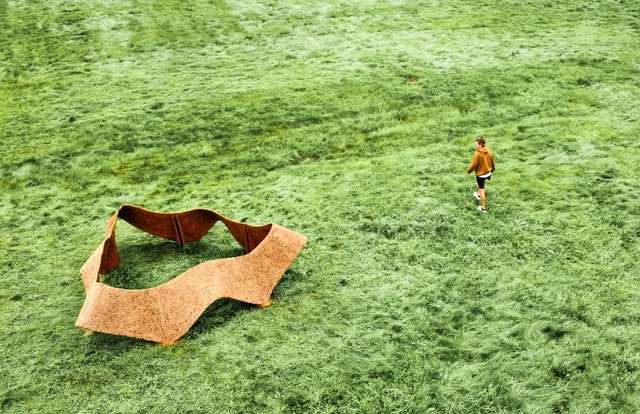
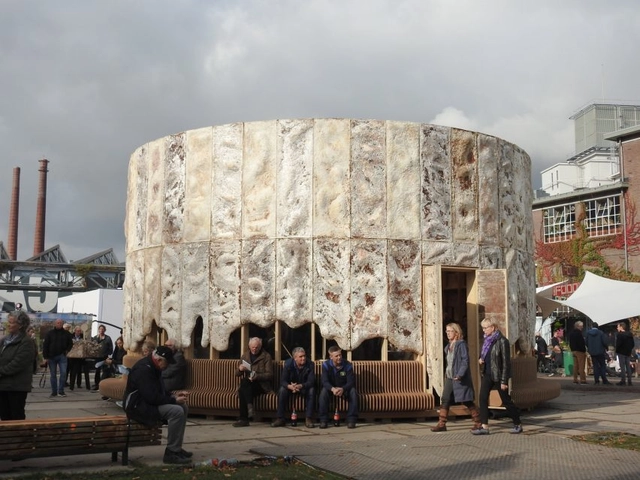
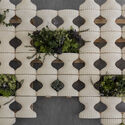
For decades, our society has predominantly embraced an extractivist approach when formulating models for material manufacturing across diverse industries. While we now know that this model is unsustainable, a major question remains: So, how do we do it? We may be a while away from offering a definitive answer to this challenge. Still, it is exciting to note that, in a context marked by a challenging global and ecological horizon, the architectural community maintains a positive approach by pushing for a re-evaluation of what we make and how we make it.
This momentum may be gaining relevance due to the emergence of new, more environmentally conscious generations, such as Gen Z and Alpha. What is certain is that we are witnessing the development of new production philosophies, such as plant-based materials, which adopt practices aimed at favoring the use of resources derived from plants, reducing dependence on extractive processes, and promoting conscious and sustainable alternatives in various aspects of the manufacture and production of materials in architecture.
https://www.archdaily.com/1014260/harvesting-architecture-a-glimpse-into-3-plant-based-materialsEnrique Tovar
Last Monday I got on a Berlin to Doha flight, a usual route given how Qatar has positioned itself as an effective hub connecting east and west. But this time Doha was not the connection, it was the destination.
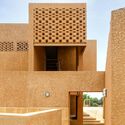
Architecture, understood as a cultural product, is strongly influenced by diverse stimuli that include historical, geographical, and cultural aspects, among others. Together, these elements form a heritage that may (or may not) endure through time. Although architecture tends to adapt to each culture, modeling its traditional techniques according to its context and shaping the surrounding environment, there is no guarantee that the traditional elements in it will endure or remain unchanged over time. This is largely due to the constant evolution of society and technology, which sometimes tends towards universality and the adoption of a common language, rather than one of their own.
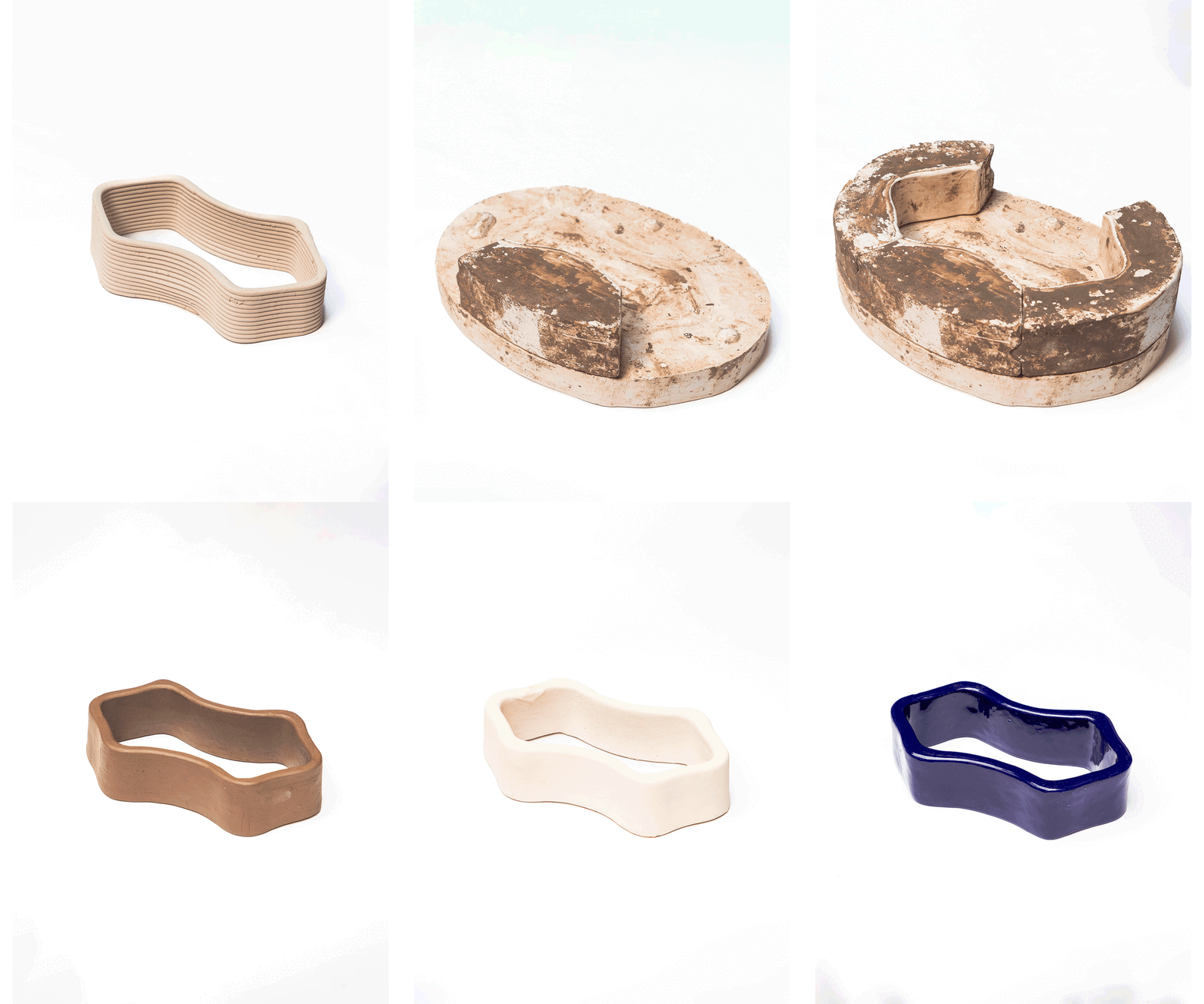
Given this scenario, it is essential to explore an approach where innovation and technology do not replace tradition and artisanal production; instead, they arise as a means of exploration towards emerging routes. Adopting novel techniques and innovative materials that are adapted to specific local needs makes it possible to maintain an authentic expression that responds to the demands of the environment. This approach, which could be termed neo-craft, allows for the preservation of a distinct voice that reflects the authenticity of the local context. At the same time, it contributes to a universal perspective, merging the local with the global.
https://www.archdaily.com/1012790/at-the-intersection-of-innovation-and-tradition-the-talavera-projectEnrique Tovar
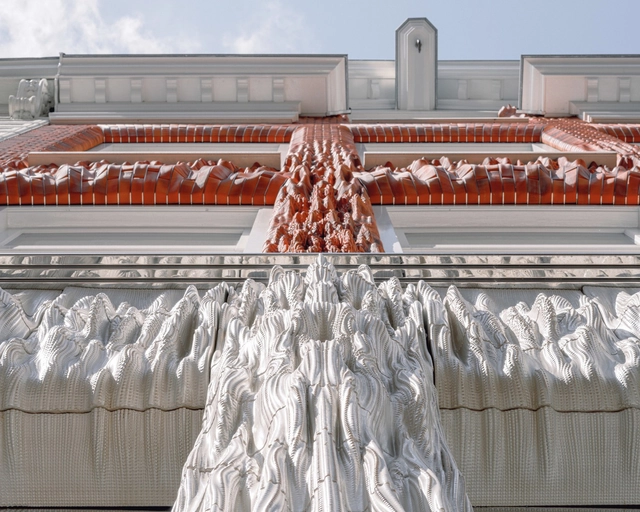
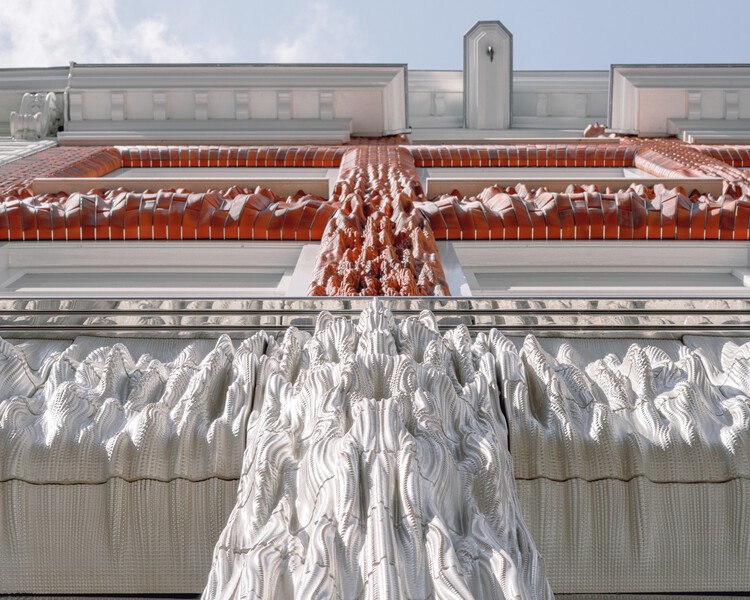
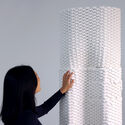
Advancements in 3D printing technology are progressing at an unprecedented pace, accompanied by a parallel surge in computational power for manipulating and creating intricate geometries. This synergy has the potential to offer architects an unprecedented level of artistic freedom in regards to the complex textures they can generate, thanks to the technology's remarkable high resolution and rapid manufacturing capabilities. If the question of production was out of the way, and architects could now sculpt virtually anything into a facade effectively and efficiently, what would they sculpt?
Our buildings become symbolic of the times we live in, reflecting the spirit of a given era, attending to different needs, lifestyles and functions. “Architecture should speak of its time and place, but yearn for timelessness,” says one of the most prominent architects of our time, Frank Gehry. For architectural innovators, exploring new technological potentials and envisioning ways to enrich people’s lives have long been driving forces, shaping responses to contemporary challenges. Today, sustainability stands as a key challenge, adding new dimensions to the debate, bringing together form, function, the responsible choice of materials and long-term thinking. Adapting to these demands has never held more significance.
Innovative materials play a crucial role in shaping the future of architecture. They offer not only novel ways to craft buildings but also sustainable and efficient solutions to address pressing environmental challenges. Architects and designers are now more than ever exploring and integrating innovative materials into their projects. By harnessing the unique properties of these materials, they create structures with new visual languages while also being environmentally friendly.
As part of our year-in-review, we reflect on the innovative materials that were featured. These materials delved into the concepts of recycling agro-waste, adapting bio-based products, transforming local materials, and decarbonizing concrete. The objective was not only to offer alternatives to traditional construction practices but also to help reduce carbon emissions and promote a more sustainable built environment. In this dynamic field, these materials demonstrate the potential to revolutionize building design and construction in diverse contexts, paving the way for a more sustainable and resilient future.
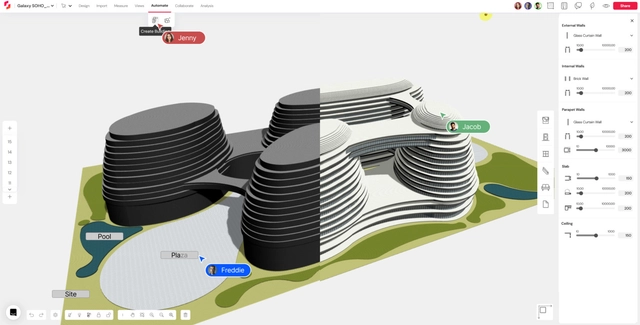
Transforming a conceptual massing model to BIM with Snaptrude’s automated workflows. Image Courtesy of Snaptrude
In the ever-changing world of design and construction, the tools at architects’ disposal have remained the same for decades. With its ability to deeply understand how architects design, Snaptrude has emerged as a collaborative 3D building design tool that incorporates smart, parametric modeling, live building information, easy real-time collaboration, and offers strong interoperability with other BIM tools like Revit.
By analyzing its wide variety of features, we showcase how Snaptrude empowers the design process to operate faster, smarter, and more collaboratively.
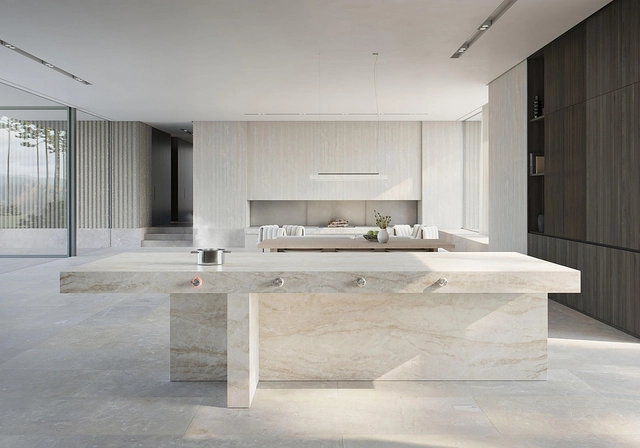
Essential Induction Cooktop. Image Courtesy of Gaggenau
Following evolving lifestyle trends and technological innovations, contemporary architecture often enhances the design of kitchens to fulfill multifaceted and dynamic roles. By incorporating smart and automated systems and creating flexible, adaptable spaces with minimalist and clean lines, kitchens embody the essence of contemporary life.
Based on technological advances, a clear design language and functionality, Gaggenau’s innovative home appliances evolve in harmony with changing lifestyles. Among their solutions, the Essential Induction cooktop seamlessly integrates into the kitchen’s worktop, providing flexibility and cutting-edge design for culinary enthusiasts.
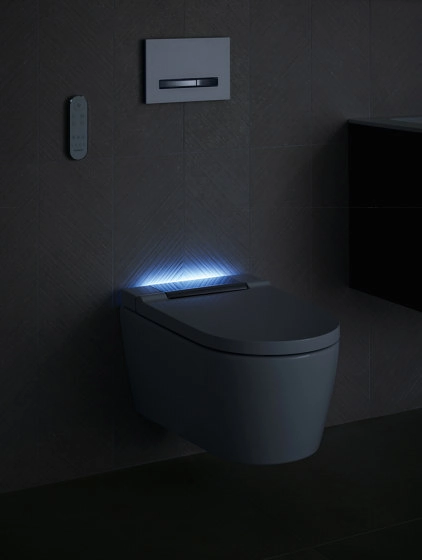
Even the most mundane elements of everyday life have undergone remarkable developments throughout the years, especially when it comes to practicality, efficiency, and sustainability. A notable example is the contemporary toilet, an essential element for any home or public space, which has undergone significant transformations. Although they may appear to have remained relatively unchanged over the decades in terms of design and materials, incorporating technology has been the main development, offering improvements in comfort, variety of design, and innovative features. The evolution of toilets transcends mere functionality, representing a fusion of technology, design, and sustainability to create a holistic bathroom experience.
What insulation materials are needed to meet the challenges facing the modern built environment, including how to create a more sustainable future? What if some of them are already available? Kingspan’s dedicated innovation center, IKON, hosted a panel of experts to discuss some of the key issues and explore solutions. Michael Bol, an architect and Concepting Director at Buro Kade, Benjamin Constant, Director of Development and Partnerships at Neo-Eco Partner, and Sandra Del Bove, Kingspan Group Head of Innovation, each brought a different perspective and shared their experiences of these crucial issues.
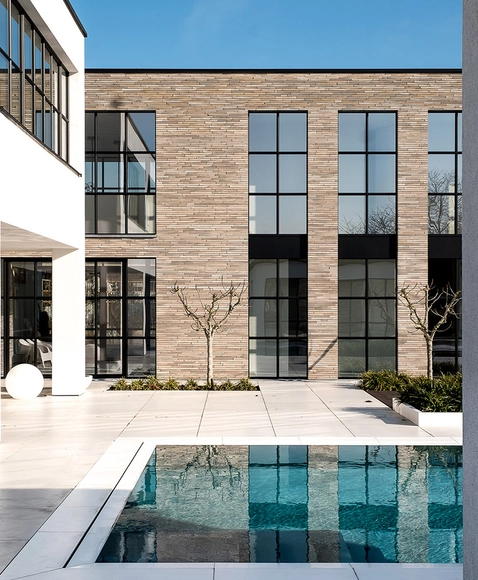
Villa Groot, Belgium / Lemaire & Longeval. Image Courtesy of Randers Tegl
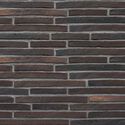
Bricks are versatile and long-lasting building materials that combine technical and aesthetic qualities. In a variety of shapes, dimensions, textures, and colors –depending on the manufacturing process and type of clay– incorporating bricks into architecture creates dynamic facades and structures. From traditional to modern styles, these versatile elements can be arranged in different patterns and easily integrated with other building materials, enabling diverse architectural expressions. In addition to these qualities, the use of bricks in contemporary architecture is distinguished by experimenting with placement, orientation, and material textures, as well as embracing minimalistic design principles focused on simple and clean lines.
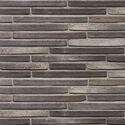
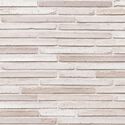
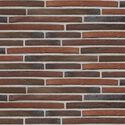
Among the different types of bricks, designing with a linear or elongated style involves playing with horizontal and vertical arrangements –or a combination of both– creating modular patterns for a rhythmic and harmonious visual appeal. Following this format, Randers Tegl has developed the Ultima waterstruck brick collection, which integrates craftsmanship, high-quality materials, and timeless appeal. By analyzing various projects, we showcase how the aesthetics of linear bricks are applied in contemporary architecture.