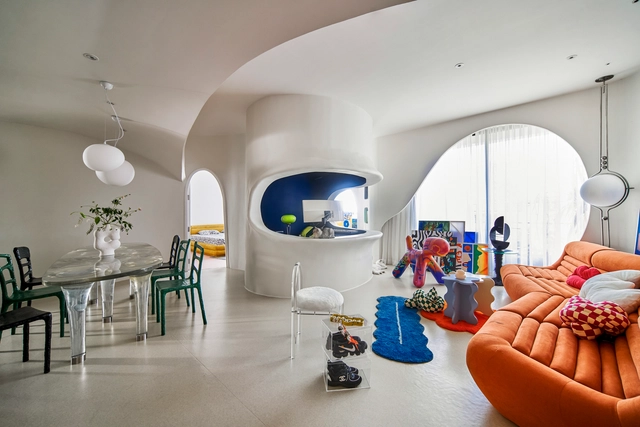
Housing is one of the primary aspects of the architecture profession. There are many ways to explore it, from a subordinate program such as a religious cloister to the splendor of a single-family home. Luis Fernández-Galiano is torn between the "waste" of a low-density area in this type of housing and its seductive formal charm. He reminds us that high-density collective housing, such as apartments, makes more sense in an urban context.
To think about how we inhabit is to think about architecture. If the primal need for shelter gave rise to the discipline, today, housing remains one of architects' most significant concerns. Providing comfort, seeking innovative materials, respecting memory, transforming culture - multiple layers intersect in a residence's design. Therefore, imagining the synthesis of the contemporary home is a great challenge. In search of new perspectives, we collaborated with Ulises Design Studio to understand how Artificial Intelligence (AI) perceives the contemporary home in the context of 15 different countries. Among data that touches on facts of reality and fiction, the pictures that emerge can bring inspiration and important reflections on spatial practice and the creation of its images.
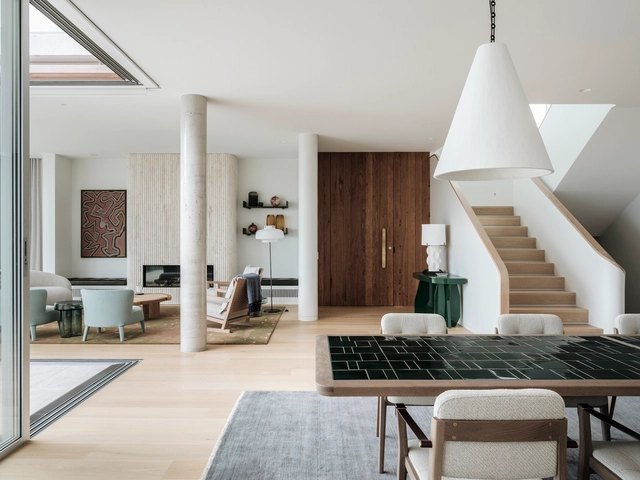
When it comes to forward-thinking interior design, adaptability, and timelessness are two key factors that can guarantee a home will look just as current years from now as it does today. One interior style that makes use of them more than any other is: contemporary. By borrowing elements from several prominent styles and combining them into a harmonic whole, contemporary interiors stay current even as trends move on. But what are the components that remain constant even with this ever-changing fashion? We explore seven evergreen design elements that define contemporary interiors.
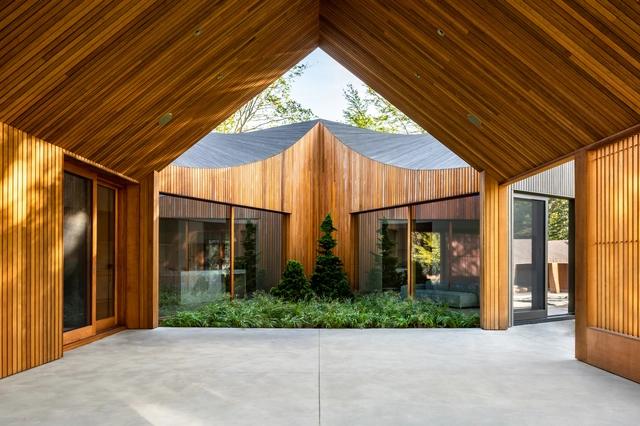
Humans are hard-wired to respond positively to nature; the crackling sound of fire, the smell of fresh rain on soil, the healing characteristics of plants and the color green, being in proximity to animals, etc. That, along with today’s critical environmental conditions and rapid urbanization, shifted architects' focus towards eco-conscious projects to bring people closer to nature. Architects explored numerous approaches: rammed earth structures, recycled materials and furnishing, designing around the site's sun orientation... The practice was so driven by green architecture that the lines became blurred between what is truly sustainable and ecological and what is "greenwashed". But what proved to bring about the most innate biological connection with nature was biophilia, and "bringing the outdoors in" through design.
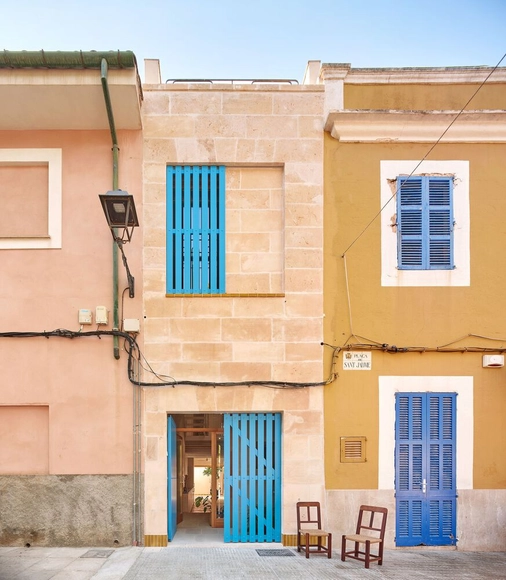
How narrow can a space become without losing its habitability? What are the minimum dimensions that a dwelling must have to ensure the comfort of its inhabitants and the correct performance of their daily activities?
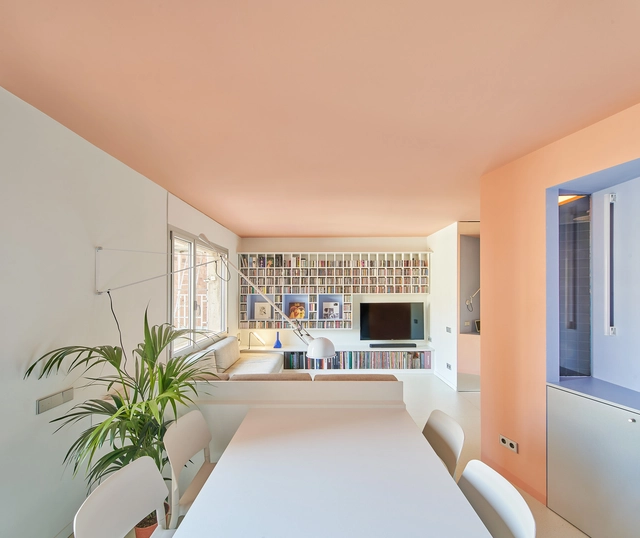
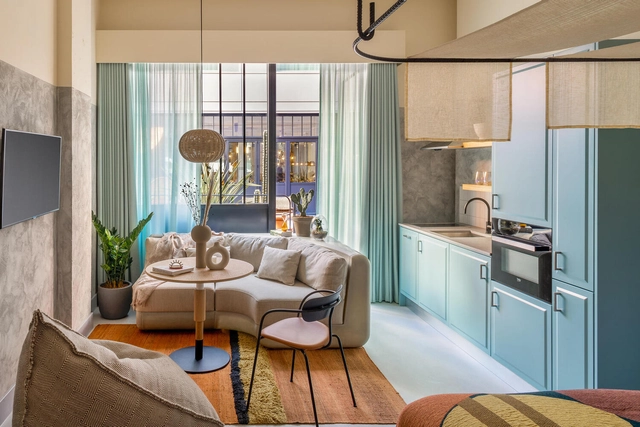
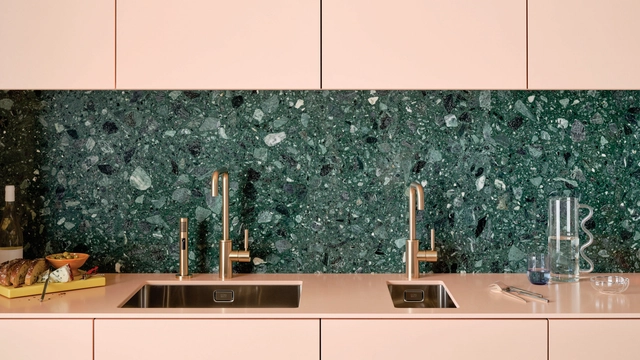
With a high proportion of white mixed with a small amount of colorful pigments, pastel colors provide a range of pale, subdued tones. Related to soothing and calming environments, these colors have a timeless quality and can be seen throughout different architectural styles, such as rococo, art déco or the mid-century modern years. Applied in exteriors, interiors, or both, pastel tones make rooms feel more light, airy and spacious.
From subtle accents to taking the spotlight in a project’s overall strategy, pastel colors are a versatile alternative that can be used in multiple ways and varying degrees. Following Ricardo Bofill’s color proposals, Paulo Mendes da Rocha’s interiors and Michael Graves’ buildings, contemporary architecture plays with soft colors for aesthetic and functional purposes, as well as providing a sensory experience. Analyzing different examples of their application in architecture and design, we showcase how four prevailing colors –mint green, pale pink, lemon yellow and light blue– are currently taking the stage.
The traditional architecture of the past can sometimes seem a long way from the modern, open-plan environments we enjoy today. But while some seemingly bygone upper-class room typologies like parlors, drawing rooms, and smoking rooms still exist by other names – dens, snugs, and man caves, to name a few – other architectural intricacies are more rarely replicated.
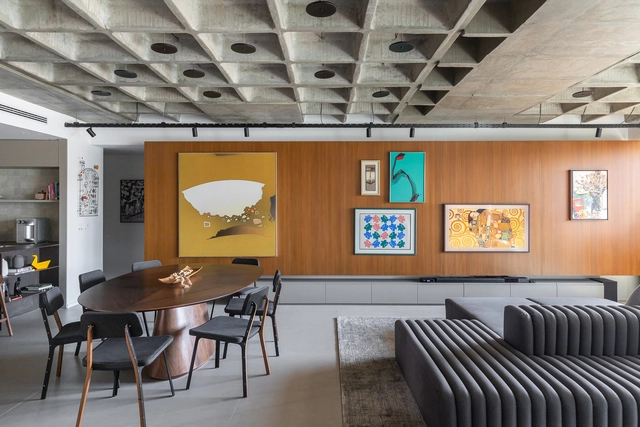
Back staircases, sculleries, and drying rooms, for example, were at one stage imperative for properties of a certain size and status to function. But just like a woolen jumper accidentally washed on the wrong setting, technology has reduced the size of laundry workspaces over the past century. Small homes like Under the Barao’s Sky Apartment in Sao Paolo, Brazil, for example, are now able to replace separate laundry rooms and pantries with all-in-one kitchen-diners that integrated small washing/drying appliances into an open kitchen layout, leaving more room for living.
No matter how long, how far, or how restful a trip away is, one of the most relaxing moments of any vacation is when you get home. When every muscle in the body relaxes as you collapse into your own chair, greeted by the comforting features of a home you didn’t previously realize you missed.
After the rise of Airbnb and other likeminded travel accommodation sites and services, providing real homes –or at least characterful spaces dressed up as them– to travelers searching for more familial home comforts, hoteliers, designers, and architects are taking note, and implementing features that turn the hotel room into a home away from home.
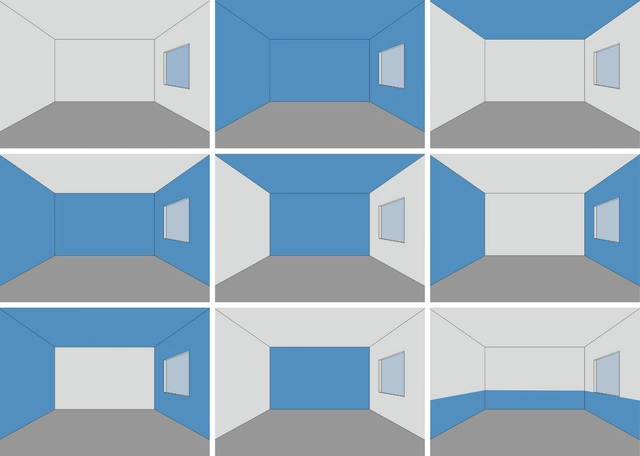
Humanity spends more and more time inside, whether at work or at home - with studies showing that we now spend 87% of our lives indoors. Pleasant environments positively influence the mood and well-being of its occupants, just as poorly lit, uncomfortable places can make lives miserable. That is why the craft of interior design is so important, even if it is often considered minor by some professionals. When designing an interior, the architect has the power to alter important variables, be it artificial lighting, natural light, proportions, or materials - with all such elements influencing the experience that occupants will have in a space.
“How to give your home: Dark Academia vibes” reads the title of a popular YouTube video targeted at homeowners fascinated by the aesthetics relating to liberal education and the arts. A subculture born in the age of social media, Dark Academia is one of many internet aesthetics that have gained prevalence in the last decade. Image-based platforms like Tumblr, Instagram, Pinterest, and TikTok have amplified internet aesthetics, especially during the COVID-19 pandemic. Social media allows users to support and create their own trends that rapidly amass a following. Today, the creation of aesthetic trends lies in the hands of the general public and will dictate the way interior design trends develop.
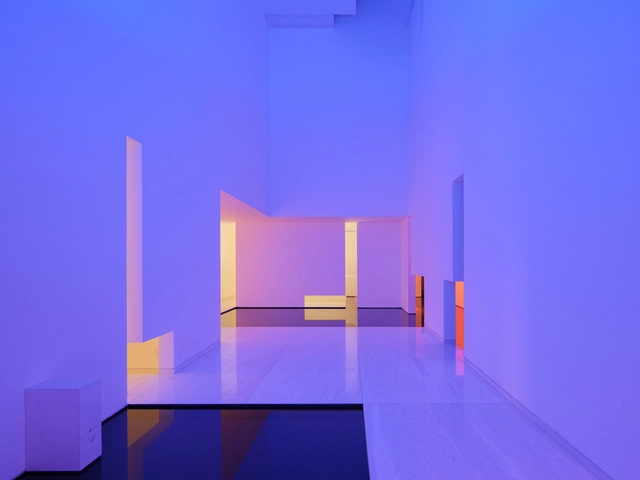
Luis Barragán’s legacy lies in the way he uses light and color. Tadao Ando's sensitive approach to natural light established his own architectural language. James Turrell's dramatic interior transformations explore a unique perception of visual experiences where "light is not a tool to enable vision but rather something to look at itself". Olafur Eliasson's immersive installations play with the psychology of viewers using just light, water, and air. These architects and designers, among others, have reimagined how light is perceived, inspiring generations of architects to follow suit with the way they understand and employ light.
Hidden in plain sight, ceilings are often the final surface interior designers and architects think about, but the expansive plane of unobstructed plaster or concrete offers mar more creative freedom than we realize. Modern design rules demand that the ceiling is kept clean. Not with a telescopic mop attachment, but by stripping off the popcorn spray, wood-chip wallpaper, or plaster patterning that haunt my own memories of ceilings-past.
While many clients greet this contemporary need for clean lines with acquiescence, choosing smooth, skimmed plaster finishes with unobtrusive yet forgetful recessed spots, other bolder clients recognize the ceiling’s potential for the creative outlet it is.
META SQUARE Brushed Champagne. Image Courtesy of Dornbracht
Appropriate fittings are as crucial to interior design as any other prominent feature, enhancing aesthetic appeal and providing the finishing touches to a space. Considered spaces where some of our most basic needs are met, kitchens are ideally designed to suit the lifestyles of its inhabitants, and can include customized fittings with diverse faucet systems, functions and finishes. Seeking style and functionality, we showcase a round-up of Dornbracht’s latest series of kitchen faucets, which seamlessly integrate cutting-edge refinements with timeless design to create versatile living spaces.
Contrary to what we might believe, hearing loss is not always congenital, but could sooner or later happen to any of us. According to the WHO, almost a third of people over 65 suffer from debilitating hearing loss. Yet from a certain perspective, hearing loss could be considered more of a 'difference' than a 'disability'. Although the spatial demands of people with hearing disabilities are not as noticeable as spaces for the blind or for those who experience reduced mobility, the reduction of hearing capacity does entail a particular way of experiencing the environment. Is it possible to enhance this experience through interior design?
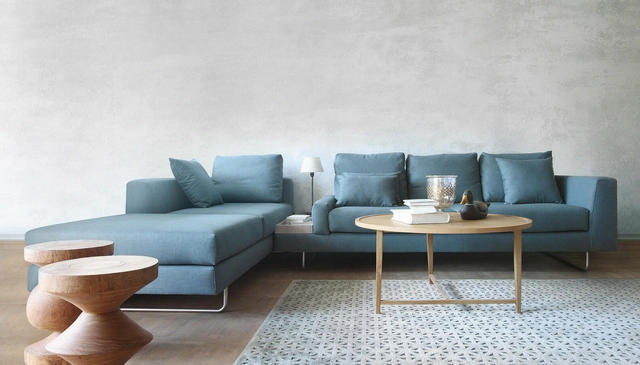
Falling in love is easy. When eyes meet tufting over a crowded showroom, the beauty of a sofa’s slender legs, soft fabric skin, and inviting curves are like a siren song, blinding you from the truth. Then, six-eight weeks after the night before, the bubble bursts.
There’s nothing better after a hard day than cozying up on a comfortable sofa. In fact, there’s nothing better after an easy day either. But what if that settee stunner you fell head over cushion for, isn’t as nice to live with when you get it home?
In order to avoid relationship pain (and neck and back), and ensure long-term compatibility, here are some rules for selecting the right sofa.
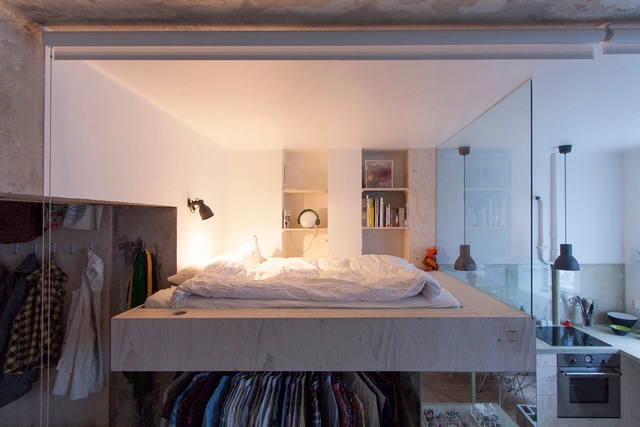
The bed, as an indispensable element, is an essential consideration in these experiments. Its functions can be fulfilled without completely losing the valuable space it occupies, and the bedroom experience can be enriched with careful thought. How can we reinvent and take advantage of the opportunities of the traditional bed?
Lighting is often a numbers game — too much, and interiors lose their edge (literally), too little, and the dim atmosphere can make a space seem bland. Its importance in interior design cannot be overstated: done right, it not only accentuates a space's architectural features but also makes inhabitants feel at ease. As Carmelo Zappulla of Lighting Studio External Reference explains in a recent interview with Architonic, light is a crucial tool to add an emotional element and "animate a space." It follows that a lighting concept gone wrong can have catastrophic consequences for an otherwise perfectly designed room.
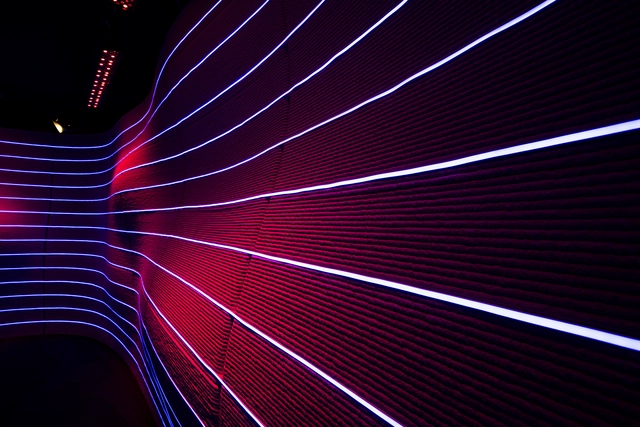
By emulating manual manufacturing techniques, 3D printing utilizes digital models to create customized three-dimensional objects through an additive production process. This tool enables architecture to explore innovative forms, structures, and materialities, providing new paths for creative thinking. Progressively expanding its limits, 3D printing is integrating other existing technologies to unlock new uses and typologies. Such is the case with the work of Philipp Aduatz, which combines 3D printed textured structures with LED lighting, adding a new layer of complexity to enable the creation of the world's first 3D printed film studio.