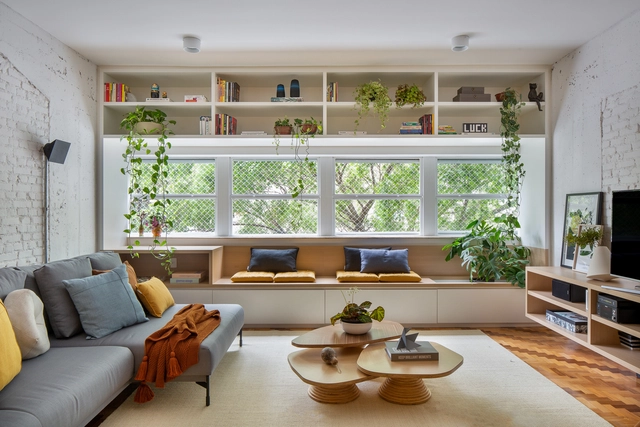
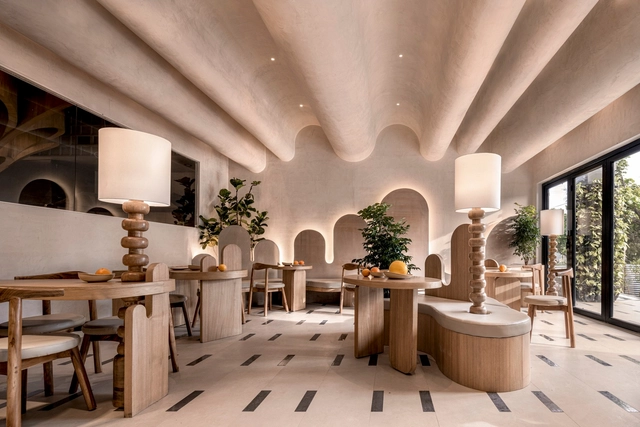
Better for sight, better for eyes, better for health, and better for moods, natural light is understandably the majority’s favored method of illumination, but it’s an uncontrollable resource. It can be increased with larger windows, open-plan interiors, and reflective or light-hued surfaces, but ultimately, when those cold winter nights draw in, the majority of our time is spent fumbling around in the dark.
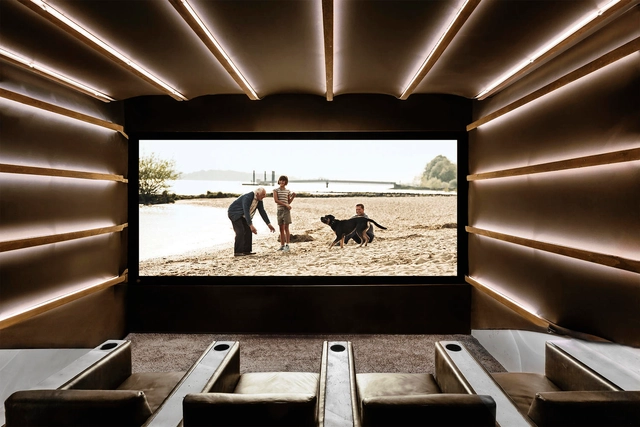
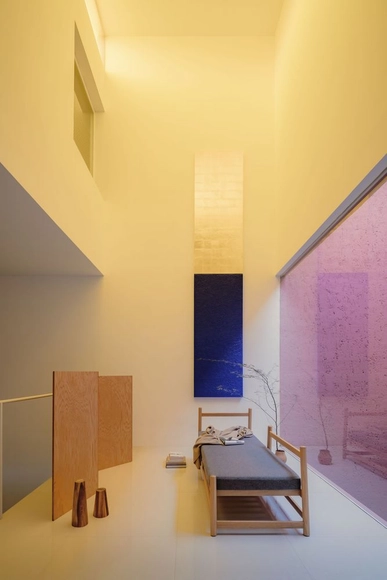
It’s not all doom and gloom, however. Well-thought-out lighting concepts can entirely transform an interior environment. This home in Japan, for example, highlights its architectural features with hidden lighting, bringing them to life at night, while this small-scale showroom cinema also uses indirect lighting strips to graphically define its interior.
When lockdowns first hit and retailers were forced to shut up shop, many took to the digital high street instead, with those investing hardest and quickest in their online personas invariably winning the battle for our bookmarks. As the world opened again, some kept both their physical and digital presence in a hybrid model, while others chose to remove themselves from bricks and mortar altogether.
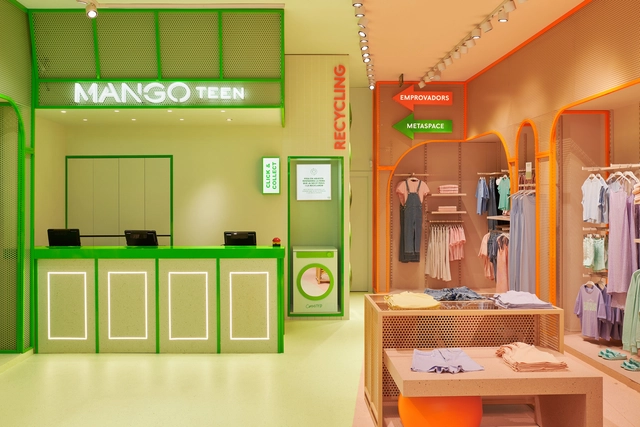
As we become more accustomed to using both models together, it’s clear that physical retail spaces can offer sensorial experiences that the digital simply can not – yet. These four projects buck the online retail trend and encourage consumers – and therefore other retailers, too – to move back into the physical, by turning the act of shopping into an exciting, invigorating, or relaxing luxury pastime, rather than a chore.
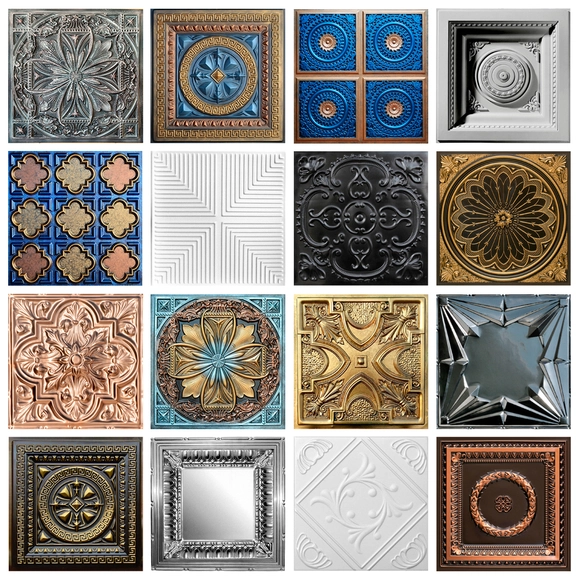
Ceilings were once a symbol of grandeur and opulence, adorning grand buildings, churches and palaces with their intricate and elaborate designs. We still find ourselves looking up in awe at these mesmerizing historical buildings, with our eyes drawn to their magnificent vaulted ceilings, remarkable truss structures or distinctive works of art depicting mythology, historical events and landscapes. Contemporary design, on the other hand, has shifted towards a sleek, minimalistic aesthetic; one where plain white ceilings have become the norm in most modern buildings. As Rasmus Wærn and Gert Wingårdh suggest in their book What is Architecture? And 100 Other Questions, “Ceilings have devolved from being the focal point of a room to being a zone for mechanical equipment.” And yet they have extraordinary creative potential.
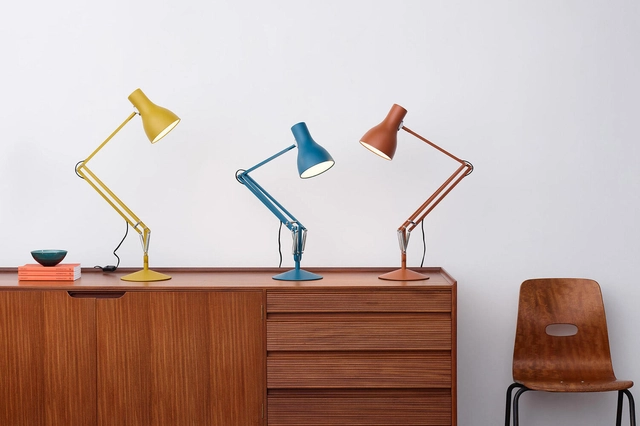
Founder of the balanced-arm design, the Anglepoise lamp holds the weight of its head with attached springs. Image Courtesy of Anglepoise
"You’ve got a friend in me…" sings Randy Newman, in the Oscar-winning toy-box-fearing romp, Toy Story. But although the song refers to the relationship between a young boy and his favorite toys, it could equally apply to another of Pixar Animation’s most iconic characters, the loveable Luxo Jr, seen hopping around the studio’s production logo.
Combining a stable base with an independently moveable arm and head may make anthropomorphic desk lamps more functional, but while size, position, brightness, temperature, and the adjustability of all of the above are important features, what you really look for in someone to share a desk with, is a friend. Here are some of the friendliest desk light characters.
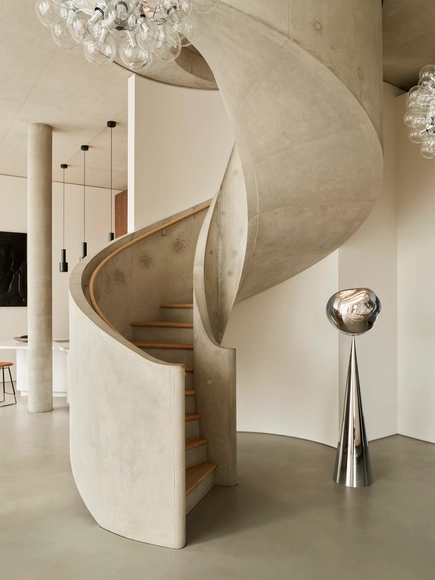
With a simple flick of a switch, lighting has the ability to completely transform a space, define its ambiance and create a mesmerizing, multi-sensory experience. It can cast shadows and highlights, add depth and texture, and even has the power to stir emotions and influence our well-being. More than just a practical source of illumination, it’s a tool for sculpting spaces and making a bold statement. Lighting fixtures come in various shapes, sizes and styles, each with a unique character and purpose; from the ornate elegance of a chandelier hanging from the ceiling to the sleek minimalism of a recessed light installed into a wall. The possibilities for creative expression are endless. Innovating and breaking the boundaries of traditional lighting design, Tom Dixon’s sculptural luminaires are a testament to these possibilities.
When one steps into a Starbucks, they almost instantly know they are in the famed coffeehouse, and not at a McDonald's. Apart from the uniformed staff and a giant sign at the door, there are countless other factors that make a Starbucks look like a Starbucks. Textures, materials, shapes, colors, layouts, furniture, and lighting all contribute to the experience of being in a branded environment. These elements are replicated globally to create an identifiable image. As economic patterns change, brands are looking at extending their identities into spatial experiences in order to better engage with their customers in their daily lives.
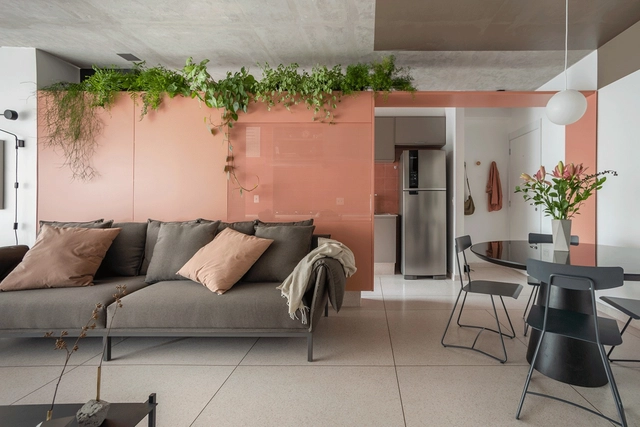
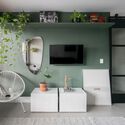
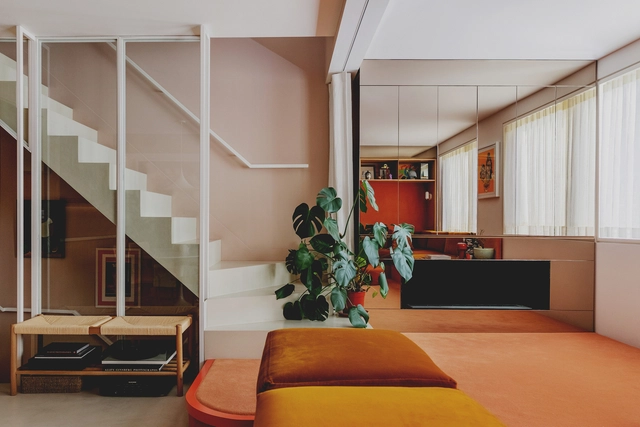
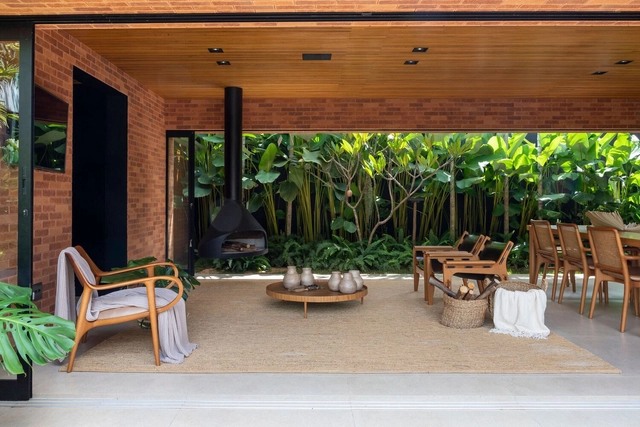
One plant makes all the difference with its color, texture, movements, and the celebration of its flowering. The green inside the homes offers several benefits. However, besides knowing which species are easier to grow, looking for more effective ways to blend the plants with the room can enhance the spatial experience. That is why we've selected some tips for placing the vases and planters around the house (or not).
Despite the initially slow and arduous process of molding glass into shape, mankind has used the material for thousands of years. According to archaeological evidence, the first human-made glass tools and jewelry were found in Eastern Mesopotamia and Egypt around 3500BC — and after the invention of the blowpipe in Syria in the 1st century BC and the Western Industrial Revolution made mass production easier, the material's signature traits of transparency and durability could finally be applied on a large scale in architecture and design.
Fast forward to the present day, and the use of glass for building facades and windows is well documented. But what about once we move inside? By treating glass for different levels of transparency, cleverly positioning it within a room, or employing its reflective surface to their advantage, interiors can benefit just as much from the material as exteriors.
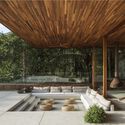
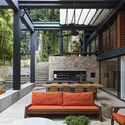
The connection between interior and exterior is one of the most desired qualities in architectural projects. Such feature appears in several architectural narratives, and it is achieved with distinction. It appears in unusual places such as bathrooms or kitchens, but it gains greater magnitude in living and meeting spaces.
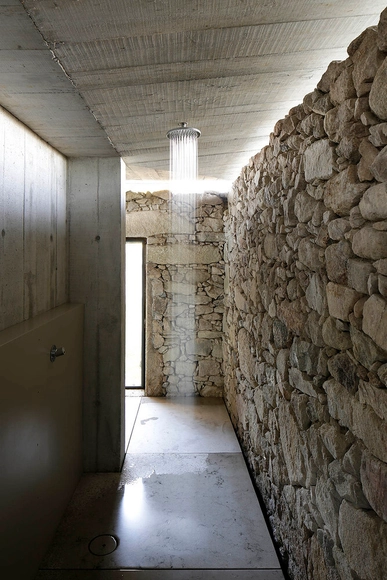
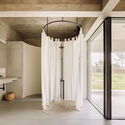
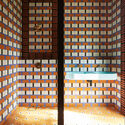
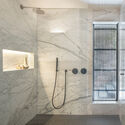
In a world that increasingly demands more from us, for many people the bath goes beyond a moment of hygiene. It can give you a few minutes to relax after a long day at work and recharge your batteries. Therefore, more and more people are looking for spaces that escape the usual when it comes to bathroom design. Showering can become a pleasurable experience that allows a momentary escape from everyday tasks, as the projects selected below can demonstrate.
Home spaces filled with clutter and mess can be mentally exhausting, making it impossible to relax with the weight of life visually bearing down on an interior. ‘Tidy space, tidy mind’ as the idiom instructs, and home environments that focus on clean lines – either with a minimalist lifestyle, decluttering, or expansive and well-organized storage systems – cultivate a more meditative mindset. Perhaps, however, the demonization of clutter and these are, characterless spaces it creates, can get a little, well, boring.
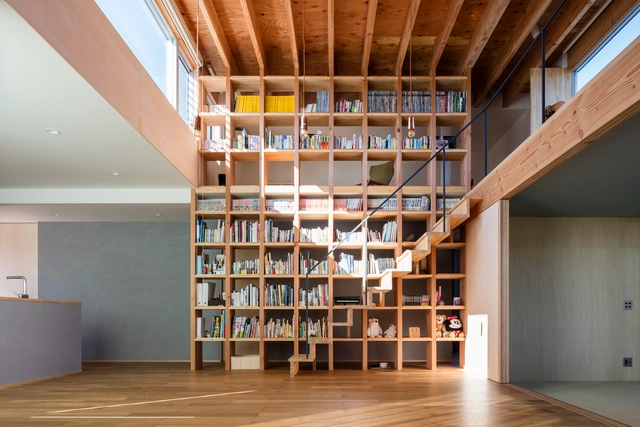
So-called ‘clutter’ can still spark joy when given an opportunity, however. So whether they hold treasured memories in photo frames, bookcases of stories not just in print, proud achievements, inspiring equipment, or functional items kept close to hand, open storage elements like shelving, doorless cabinetry, or hanging hooks and pegs can create decorative, textured and, most importantly, personalized surfaces.
As we take stock and analyze the year 2022 from the most visited articles in our Materials section, it is clear that issues related to interiors have strongly resonated with our readers. While humanity spends more time indoors, both in physical and now even virtual realms like the metaverse, the forms and functions that define these interior spaces have acquired greater importance and value. Experimenting with fluid, flexible and versatile spaces is a trend that we have been witnessing for some years now, driven mainly by the impacts of the countless lockdowns still present in our memory. The chaos and uncertainty we experienced made us understand the importance of buildings with spatial awareness and sensitivity –those able to anticipate and take responsibility for the effects they have on their inhabitants. Factors such as orientation, the size and distribution of rooms, the use of natural light and ventilation, and the overall aesthetics of the space are essential. Technological advances have taken center stage and disrupted traditional interior design, giving rise to new and innovative approaches to domestic efficiency and circularity.
Through three different approaches –operations, aesthetics and energy–, below we provide a forecast of how we think interior spaces will evolve from 2023 onwards.
Usually, a window is an exterior opening that provides lighting and ventilation to the interior of a building. This connection with the context, added to appropriate lighting, makes it fundamental in the house. It is possible to improve your design so that it has different uses. Therefore, we have compiled some tips on how to take advantage of the sill to assign new functions to a room.
Interior design has progressively become a subject of interest among architects and designers. Having spent more time indoors recently, practitioners have been experimenting with their spaces and exploring different approaches to scale, comfort, and aesthetics. Much like everything else, design is highly influenced by external factors; any change to people's lifestyle influences how they respond to it, whether consciously or subconsciously. And while this dynamic is often seen in fashion or graphic design, it has been noticeable in interior design as well. Following years of linear, clean-cut, and refined spaces, curved silhouettes were revived, becoming one of the dominating interior design trends across the world.
Photo by Rihards Sergis, via Unsplash. Editing: ArchDaily
TikTok is a social network for sharing short videos that offers extensive features to edit them. It is possible to include filters, subtitles, soundtrack, gifs, make cuts and use creativity at will. As with Instagram and Twitter, you can follow other people's profiles and interact, liking their posts, making comments and even sharing via WhatsApp.
Salone del Mobile 2022. Image Courtesy of UNStudio
The 61st edition of The Salone del Mobile transformed its general layout and program, including Euroluce, the iconic International Lighting Exhibition in Milan. Curated by architect Beppe Finessi, in collaboration with Formafantasma and the studio Lombardini22, the new vision for The Salone del Mobile will improve accessibility and the trade fair and user experience. Running from 18th to 23rd April 2023 at Rho Fiera Milano, the 2023 Salone will focus on schools and universities under the theme "Design School."
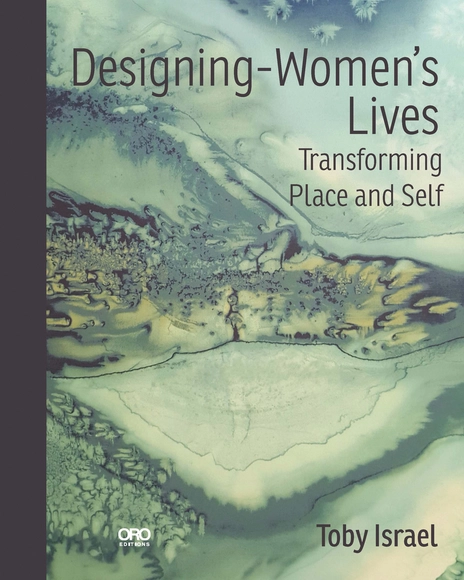
Designing-Women’s Lives calls for a place-making revolution based on women’s culturally nurtured “feeling” sensibility. Women too often have had to repress that sensibility in order to become designers. Now, rather than struggle to fit in, women can break new ground by using Design Psychology as the foundation for creating emotionally satisfying places. To encourage such a heart/mind shift, the author discusses how she took architecture Gold Medalist Denise Scott Brown and interior design legend Margo Grant Walsh through a series of Design Psychology exercises.
The year 2022 saw a rise in conversation around health and well-being. Two years after the start of the COVID-19 pandemic, the architecture industry is more informed about healthy building practices and equipped to drive forward impactful solutions. World Architecture Day 2022 was themed around “Architecture for well-being”, paralleling the designation of 2022 as the UIA Year of Design for Health in buildings and cities. As we wind up the year, ArchDaily explores “healthy spaces” as a trend along with insights that will last well into the future.