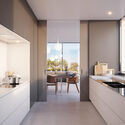
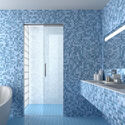
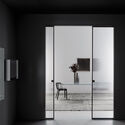
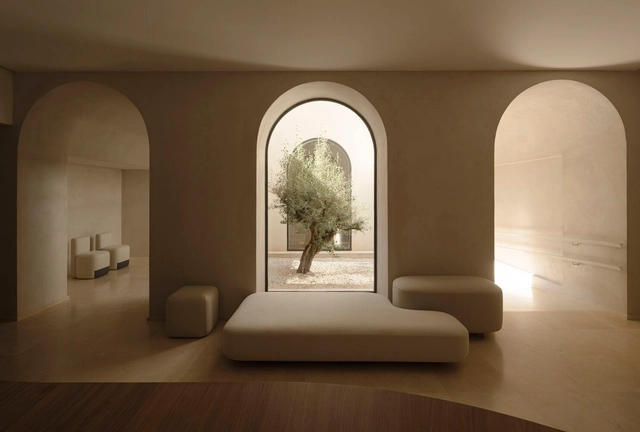
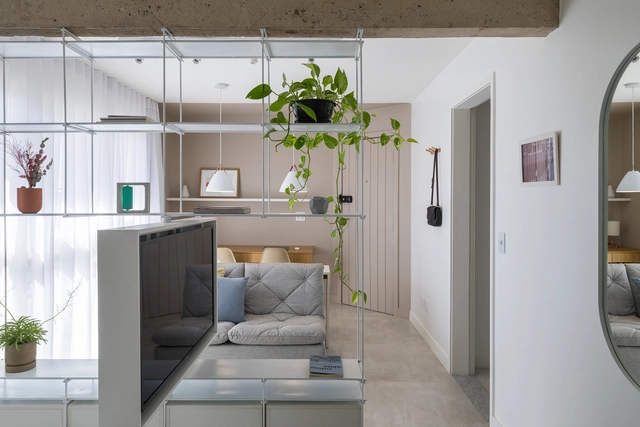
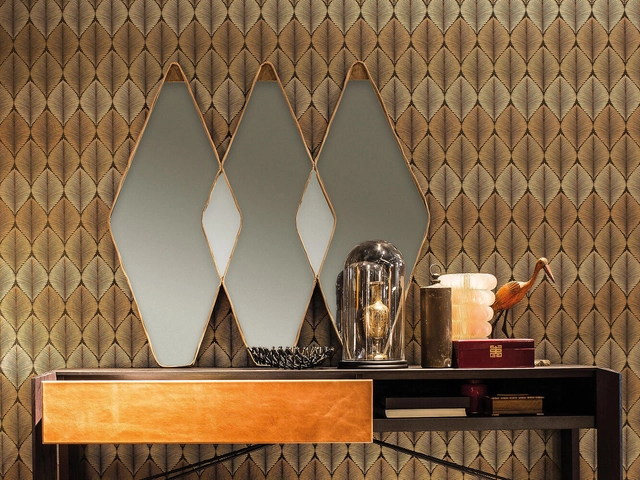
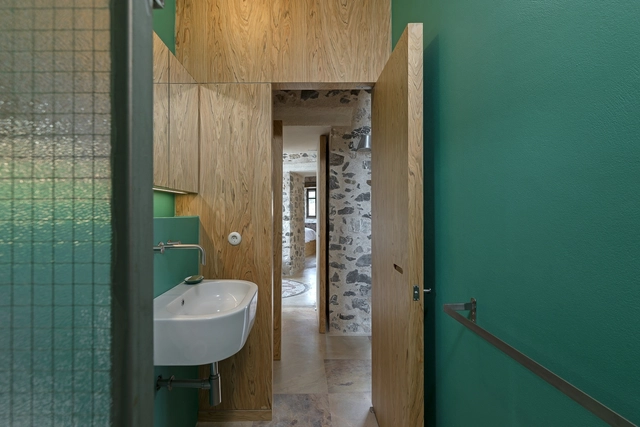
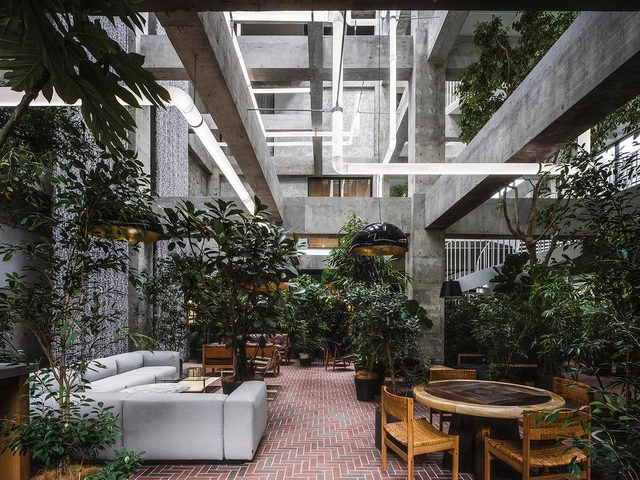
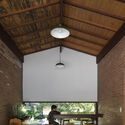
Once popular in Victorian architecture, pocket doors fell out of fashion in the mid-1920s and hinged doors soon became the norm. In recent years, however, a renewed interest in space-saving and design-forward solutions has brought pocket doors back into the limelight. What used to be an overlooked architectural feature is now becoming increasingly common in modern interiors, along with its creative flair and countless functions. These sleek, sliding doors can efficiently divide rooms, create seamless transitions, save space and contribute to a unique, sophisticated and stylish look. All of this while adding a slight touch of poetry to the home; sliding silently into the wall, pocket doors invite users to step through and explore what lies beyond, creating a strong sense of mystery and intrigue.
Throughout 2022 we brought different ideas for homes, from methods that do not require previous experience and with accessible materials to more elaborate projects that demand a complete renovation of the space. Many people want to bring a new atmosphere into their own homes at the end of the year. That is why we have put together some tips with the simplest executions and others that help you create the necessary transformation for your home.
As we wrap up 2022, we take a look back at how this year introduced new adaptations to the way we live, work, and interact with our built environment, especially after emerging from years of unprecedented changes. One way to describe this year's design identity is that there isn't one. Going through this transitional period, inspiration came from foreign travels, immersive virtual worlds, being one with the planet and the serenity that came with it, platforms that promote expressionism and individuality, and a trend-setting generation known for its bold perspectives.
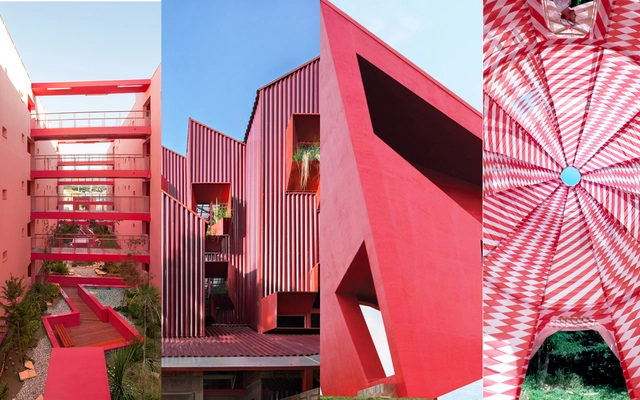
Pantone has revealed its Color of the Year for 2023, 18-1750 Viva Magenta, a brand-new color "brave and fearless, whose exuberance promotes a joyous and optimistic celebration." The shade falls under the red family and is inspired by the tone of cochineal extract, one of the most precious dyes historically used to color textiles, cosmetics, and food.
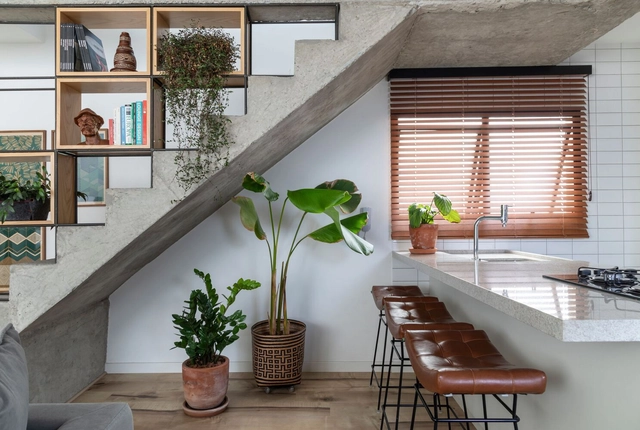
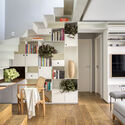
Vertical circulation may be just one of the functions of a ladder. Always occupying a reasonable area, this element can serve to bring some other uses when it is thought of in a more integrated way with the entire room, providing living spaces, storage and also a greater aesthetic appeal. That is why we have gathered some ideas on how to occupy the areas around a staircase in different projects: from home to industrial scale.
A Hungarian proverb says "Aki tagadja a múltat, az nem talál jövőt", telling of the importance of using our past experiences to write our future, but balancing these two endless worlds – the traditions and culture of one, with the technology and innovation of the other – is often key to creating timeless design.
At the annual 360 Design Budapest event, Hungary’s most important cultural showcase of emerging and existing homegrown talent, the interconnectedness of both time and art inspired three key themes of storytelling (history and tradition), education (youthful talent and sustainability) and digitalization (technology and innovation).
Here are some of the standout designers, manufacturers, and their products from the week:
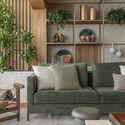
Designing a living room is not just about deciding on the sofa and rug set. Often, because it is the main environment of the house, it is connected with other programs of more public use, such as kitchens and offices - or even private, such as dormitories, in the case of apartments with a reduced area -, therefore, in order to conceive greater spatial flow, it is necessary to think of different strategies that help design a more comfortable and pleasant space.
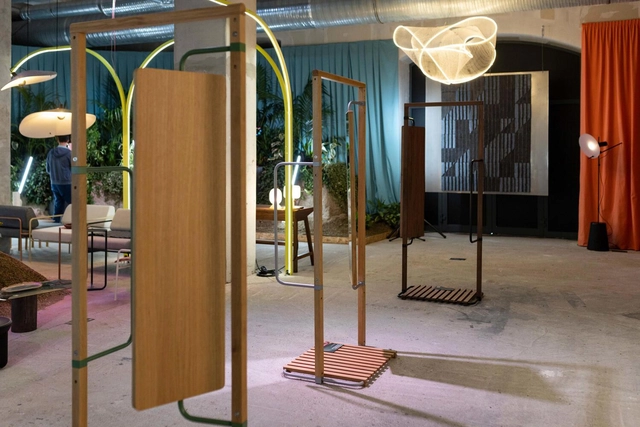
With different shapes, sizes, and styles suiting different locations, functions, and personalities, mirrors can be used as points of self-reflection for dressing and beautifying, but also for multiplying light and space in naturally dark or narrow environments, or simply as strikingly decorative objects. Here are the right questions to ask when lost.
Thinking about woodworking in wet areas is one of the key parts of interior design. In the case of bathrooms, besides creating spaces for storing toiletries or towels, woodworking can serve as an element that composes the space by bringing different possibilities of decoration or even hiding pipes.
Widely recognized as being responsible for 8% of global CO2 emissions, concrete should be a blacklisted material, relegated to the shameful annals of architectural history. Rapid global urbanization, however, will ensure its unequaled production simplicity and structural strength help retain concrete’s firm grip on the construction industry.
If you can’t beat it, improve it: is the industry’s mantra on innovation, currently developing various alternatives to concrete or its constituent parts and admixtures. So with a concrete set for the environmental green list, the concrete revolution –using the material as an aesthetic exterior facade, interior decoration and fittings, or even in furniture and lighting, as well as a structural framework– is free to continue.
If we previously brought in before and after plans of apartment refurbishments, we now focus on residential projects that have received needed improvements. In addition to the plans, the information contained in the memorial of each project helps to better understand the attitude taken in each architectural design. After all, each work brings with it different demands: deadlines, budgets, legislation and pre-existing conditions.
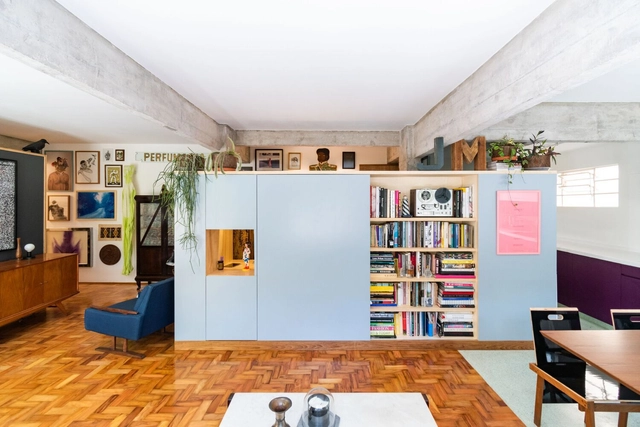
The design of cabinets and shelves is fundamental for the composition of the interior of a house. Their functions can be the most diverse - home libraries, storage, artwork and decorative elements display -, but with a little architectural ingenuity it is possible to make them protagonists, adding not only an aesthetic value to the room, but making the environment more versatile. Therefore, we have separated some tips and references to inspire your next project.
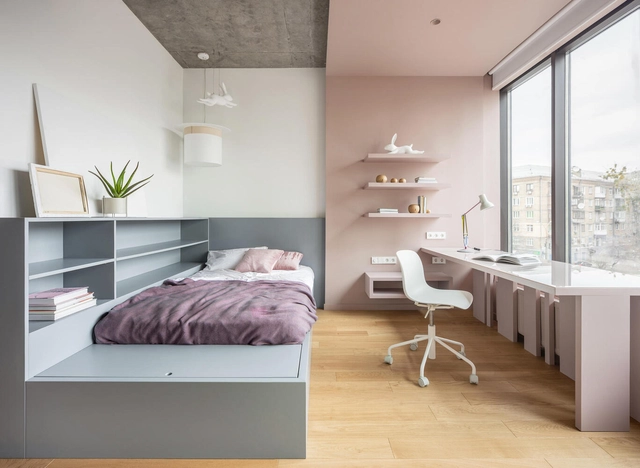
In the majority of family homes, it’s common for children to be given the smallest rooms. They are, after all, the smallest people. But where grown-ups have the rest of the house to fill with their accrued material wealth, children’s only freedom to decide what they do and where things go, is in that one small room.
Learning about the world can be frustrating, and quickly lead to misdiagnosed ‘bad’ behavior. So creating a safe, welcoming, comfortable space where children can feel calm, loved, and protected while enjoying their independence and individuality, is essential for a happy, healthy childhood. Children’s bedroom design, therefore, has more in common with open-plan living than simple sleeping quarters.
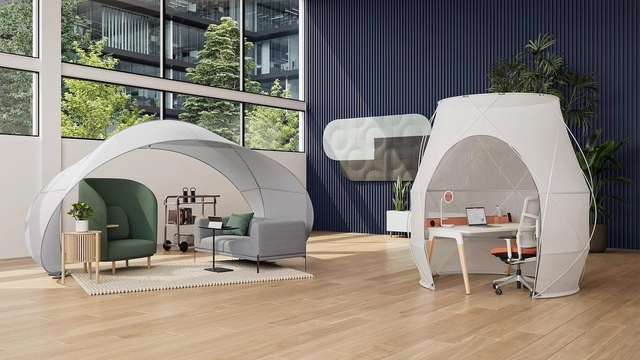
As the post-pandemic generation of the workplace takes shape, office comfort is fast becoming its main selling point. But that can’t just mean big, comfy ‘working’ sofas and a few scatter cushions. With the hybrid options of home, office, or third space on the table, the majority of employees still choose to spend a large proportion of their working time together, benefitting from the community feeling and creative atmosphere, but most of all the professional working environment and interior. So while comfortably cozy spaces help them feel at home, the traditional set-up with individual desks and chairs for quiet focus, can’t be underestimated
With rising rental rates and major firms already in the process of downsizing to survive the digital work era, only flexibly and adaptably designed workplaces can provide both comfortable and focused typologies.
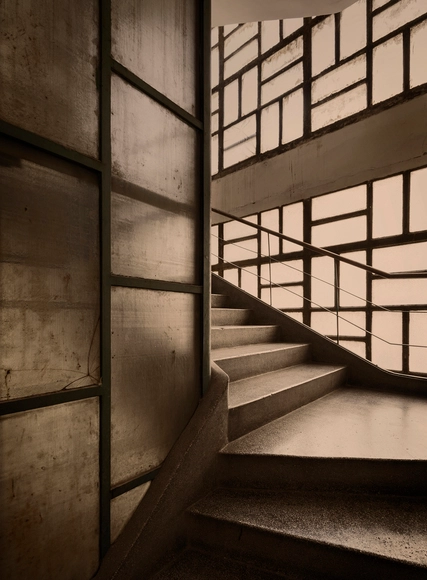
A city of electric architectural diversity – Belgrade’s Modernist structures give the Serbian capital a unique character. The grey of Belgrade’s Brutalist concrete is one of the city’s architectural signatures, existing in both complex volumetric facades and monolithic rectilinear forms. But while a plethora of architectural appraisals has been conducted on the external qualities of brutalist structures in Belgrade and beyond, photographic documentation of Belgrade’s brutalist interiors is relatively rare – something that photographer Inês d’Orey has sought to change in her most recent exhibition.
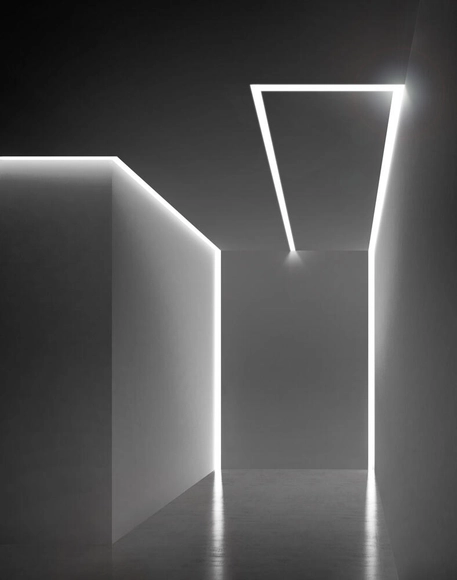
Dimensions, textures and colors are not the only factors to consider when designing a space. Choosing the right lighting also rises as a key strategy to create a project’s atmosphere. Appropriate lighting adds new aspects to space. Within the same project, different ways of applying light develops diverse situations, playing with light and shade, warmness and coldness, as well as depth and height.
Through the boundless lighting products available in Architonic’s ‘Interior lighting’ and ‘Outdoor lighting’ sections, architects are able to play with a new angle to design their future projects. The following discussion brings up four ways - path guides, outside lighting, art objects and a combination with furniture - in which architecture applies lighting as a design strategy.
The first full-size London Design Festival (LDF) for three years, and the event’s 20th anniversary year, this was meant to be a celebration. But life, as the saying goes, had other plans. Rocked by the news of HRH Queen Elizabeth II’s passing, the country, and indeed the world started the London Design Festival in a period of mourning. Having reigned over the densest period of design innovation in human history, however, her majesty was no stranger to change.
With long-running themes like sustainability, materials, economic crises, and digital futures never higher in the public’s consciousness, LDF ’22 wasn’t just a professional meet and greet, but a chance to share some much-needed positivity with design enthusiasts, as well as locals, just passing by. Here are the most interesting and talked-about installations and talks from nine days of reflection on the past and hope for the future.
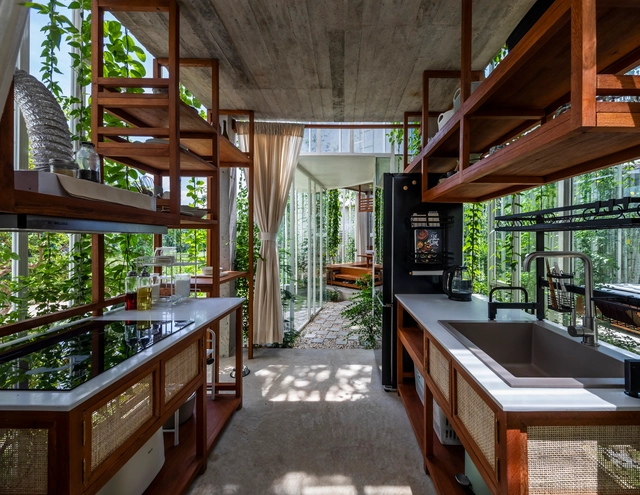
The kitchen emerges as an environment that permeates several issues within domesticity. Ranging from a workspace to a welcome meeting table, this area has evolved a lot over time: more functional designs and different materials and textures that have improved the gastronomic experience. and, more than that, it stopped being an indoor environment to open itself to the outside, exploring through permeability a better quality of light and bringing greater pleasure to those who occupy it.