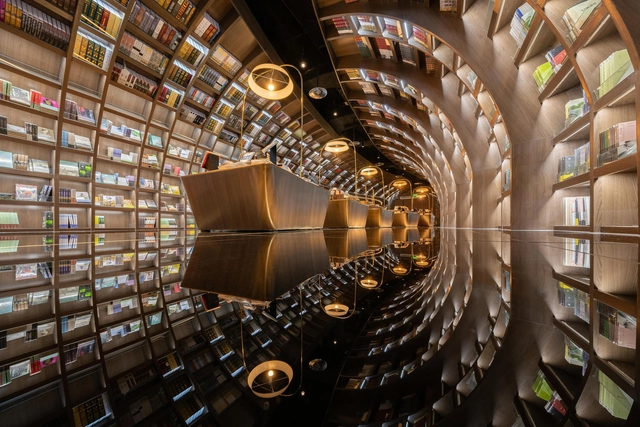
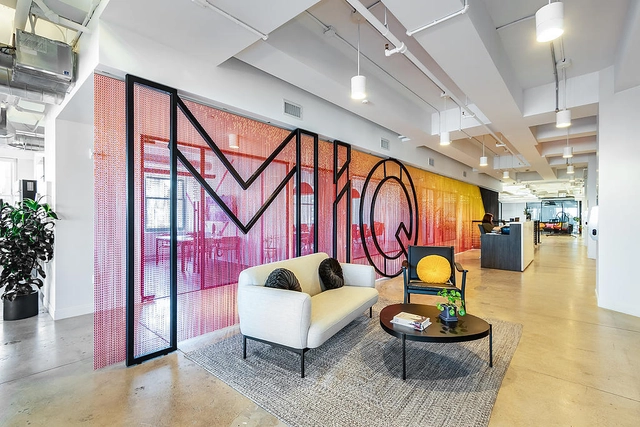
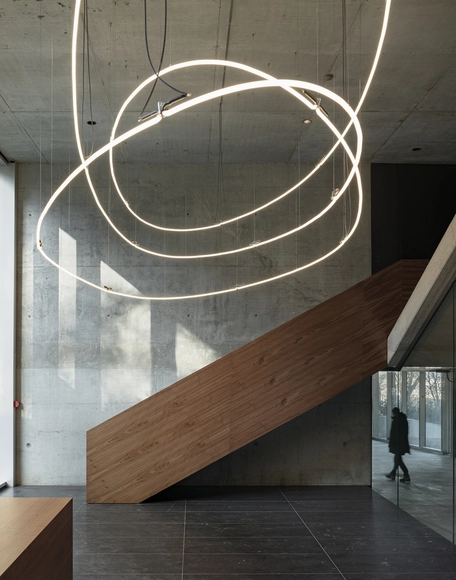
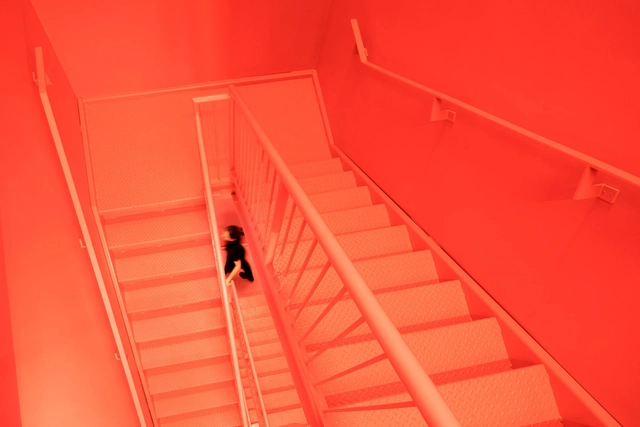
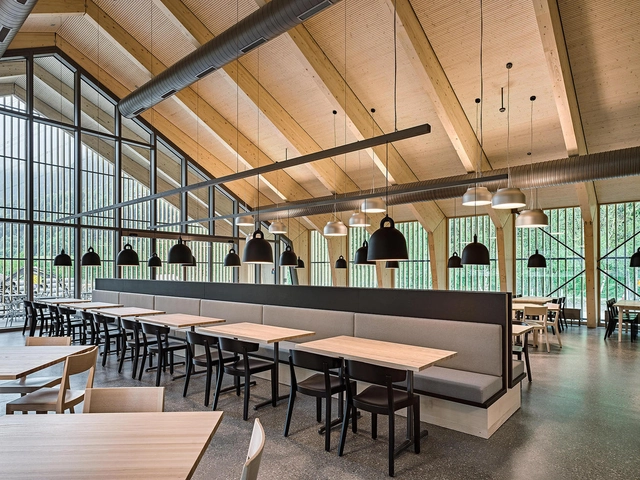
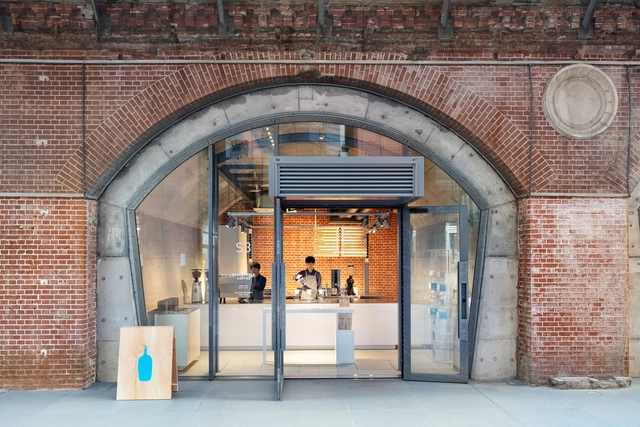
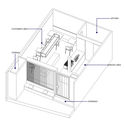
The interior design of a coffee shop can make-or-break an establishment. With an inviting design, you can transform drinking a simple cup of coffee into a wonderful experience. However, when you only have a few square meters and various machines and properties to distribute, finding an efficient configuration is not easy.
https://www.archdaily.com/896529/small-cafe-designs-20-aspirational-examples-in-plan-and-sectionClara Ott
If the maxim "the first impression is the one that stays" is taken seriously, in architecture, the entrance hall takes on a fundamental importance. This small space, in addition to welcoming the house, can also gain several other functions: storing objects, housing a waiting and reading area, distributing the movement of the residence, displaying a painting. Finally, there are several possibilities to think about and occupy this environment, so here we present three design guidelines that can help you when thinking about it.
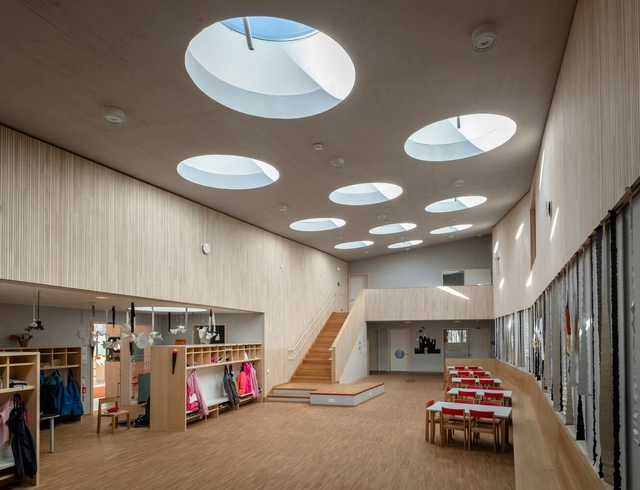
Kindergarten “St. Severin”, Garching. Image Courtesy of LAMILUX
Our environment influences how we feel; we have all experienced this. For students, it is easier to study in a bright place, artists look for inspiring atmospheres, and our mood can improve with the right color scheme. These aspects are also important for kindergartens, daycare centers and schools, because a child-friendly design can stimulate the curiosity and imagination of children, so that they learn in a playful way. The design of a room supports the learning and creativity of children. Daylight systems, for example, flood rooms with light, making them appear larger and friendlier.
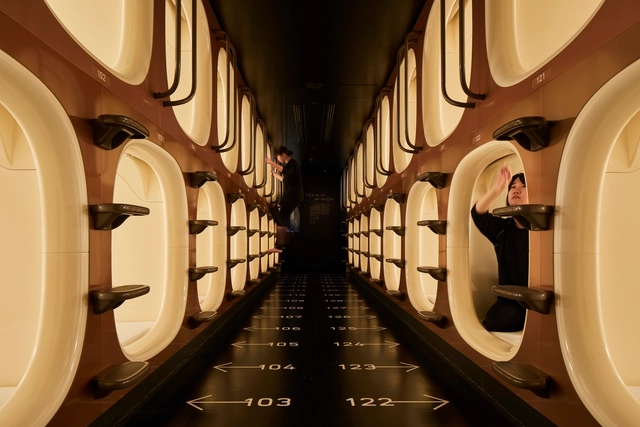
Hotels are a hub for commerce, transportation and culture. Today, interior designers are redefining hospitality spaces to accommodate new forms of travel, communication and rest. From historic renovations to contemporary ground-up hotels, these projects center around leisure and memorable guest experiences. In turn, they express brand identity to rethink what interior design and hospitality will be in the future.
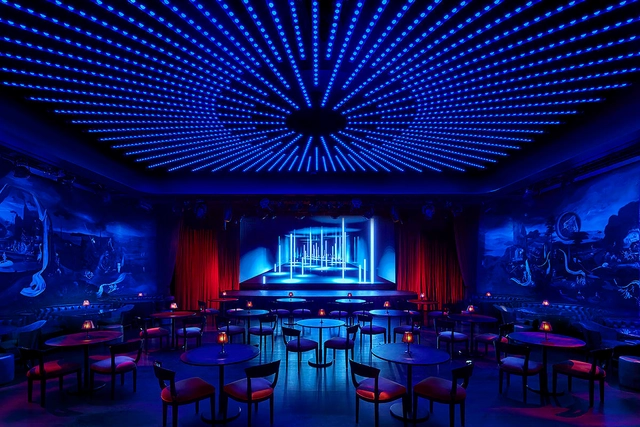
Statement interiors leave a lasting impression on both frequent and infrequent users, whether with striking pieces of furniture, oversized lighting, or even a bold feature wall. The very best creations, however, don’t need to beg for attention to be recounted afterward, they let praise come to them with a peacocking presence so extravagant, it’s impossible not to take notice.
Modern interior living environments’ fine-tuned lightscapes feature a delicate mix of ambient, task, and accent lighting to perfectly balance performance and pleasure. But one area of a home’s visibility that’s still so easily overlooked is the exterior.
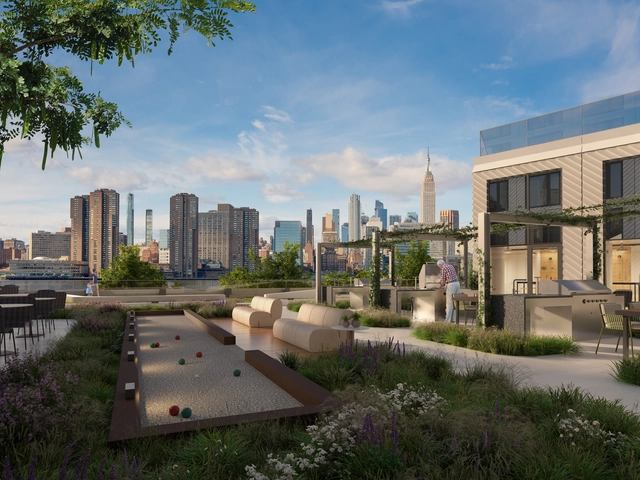
As OMA New York / Jason Long's Greenpoint Landing residential towers near completion, new renders have been released that showcase the amenities, interior spaces, and landscape of the project. Developed by Brookfield Properties and Park Tower Group, the Eagle + West Towers feature 745 units of mixed-income housing, 8,600 sq. ft. of retail space, along with recreational amenities such as a pool, lounge, gym, workshops, and test kitchen.
Scandinavian interiors and products have had an affinity with design excellence for the better part of a century. Although the local landscape is one of doubtless natural beauty, it remains frustratingly covered in darkness for a large portion of the year.
The glass-shatter sound effect has been a mainstay of classic comedy routines for a long time. Whenever a lightweight prop object flies off-screen or stage, it inevitably smashes through glass a beat later. Right now, it’s still amusing, if harmlessly ludicrous, but before long, the idea of a rogue schoolchild’s rogue football shattering through a neighbor’s window will be met only with query and disdain.
Space partitioning can often be dismissed as a bland, acoustic-only solution. But projects show how space can be artfully divided while adding color, character, and personality.
Whether it's by sharing a meal at a restaurant or preparing a home-cooked meal together, food does in fact, bring people together. With that in mind, architects placed kitchens at the heart of homes, giving residents a space to cook, dine, and spend quality time with their families and friends. However, not all homes can fit spacious kitchens, some are too small and others don't have the proper spatial configuration for it. In this interior focus, we will explore how architects and designers opted for different kitchen layouts based on different spatial and user needs.
Light serves an essential purpose in architecture: to help us see. Whether it be through natural or artificial methods, rooms must be illuminated accordingly so occupants can safely inhabit them and fulfill their daily functions. When the right system is selected, light can also contribute to energy efficiency and sustainability within the building as a whole. However, apart from its evident functional and environmental value, lighting design can vastly impact the visual comfort and aesthetic tone of interiors by drawing attention to textures, enhancing colors and defining volumes. Therefore, of the many pieces involved in interior design, lighting is certainly one that can enhance or destroy a space and even affect users’ well-being, which is why it should be considered a crucial design element by itself.
Just as the colors of an abstract painting or photograph can produce a certain mood, so can the colors of a building or room profoundly influence how the people using it feel. Physiologically, study after study has shown that blue light slows the production of melatonin, keeping people more alert or awake even at night. Psychologically, people associate certain colors with certain feelings due to cultural symbols and lived experiences – for example, they might perceive the color red as menacing or frightening because of its connection to blood.
Altogether, the way a room is colored can have complex effects on how its users feel, while a façade can be perceived in dramatically different ways depending on how it is colored. Below, we summarize the emotional associations of every color, assessing their differing effects as each is used in architectural space.
https://www.archdaily.com/930266/how-color-affects-architectureLilly Cao
It's not uncommon to see housing complexes integrate commercial spaces at the ground level, but the challenge of mediating between the private and public realm on a smaller scale, especially with the rise of the home office, has forced architects to explore all aspects of the structure, from the topography it sits on, to the direction of light and wind, to the design and organization the domestic space. This interior focus explores different design solutions that show how architects and interior designers transformed their projects from a living space into a mixed-use typology, taking into account privacy, flexibility, functionality, and predefined spatial requirements.
Another year comes to an end and with it, another round up that explores the most important events that took place over the past twelve months. In this article, we look into the photos that received the most interactions (likes, comments, shares, and saves) on ArchDaily's Instagram.
Steeped in history, culture, and tradition, Switzerland is a country with a lot of pride. The famous Swiss exports of watches, financial services, chocolate, and cheese are all synonymous with ‘quality’, but perhaps Switzerland’s greatest export of all is its landscape.
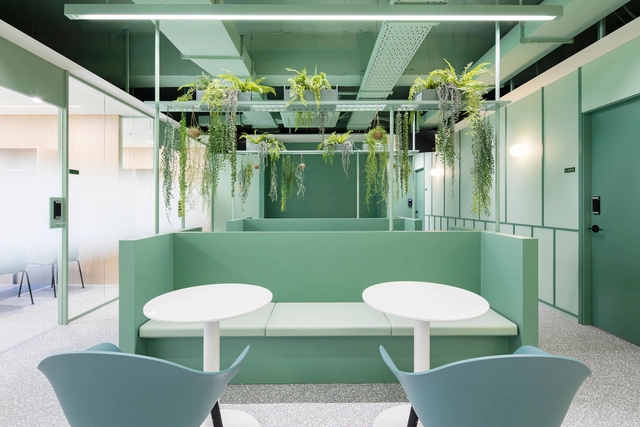
Offices have evolved tremendously in recent years. They are becoming more and more like a domestic space, incorporating new color palettes, flexible furnishings, warm textures, and even greenery as part of the design. In the latter case, it is not simply an aesthetic addition, but the greenery is integrated in such a way that it completely transforms and enhances the work experience of the people inside. How can plants become protagonists of the workspace? Let's review 7 cases that creatively integrate them in favor of the well-being of users.
As 2021 comes to an end, we look back at how this year introduced new normals and raised questions about what the future of the built environment could look like. In retrospect, not much has changed in regards to where people are spending most of their time. Following constant changes in commuting restrictions and the continuation of the pandemic, people acknowledged that most of their time will be spent indoors, so they adapted their living and working spaces accordingly.
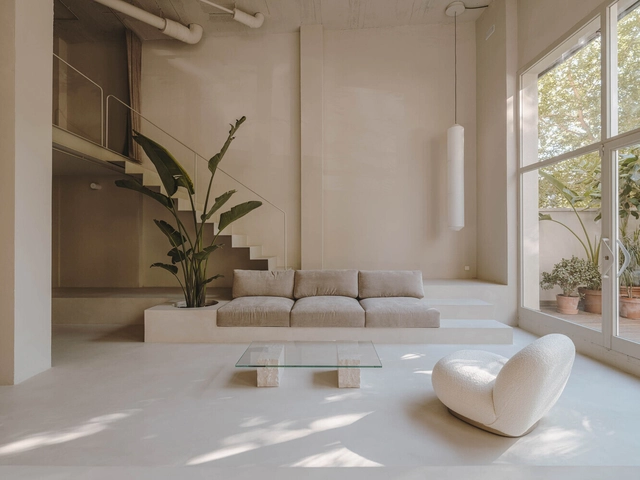
These sudden lifestyle changes forced people to become well aware of the fact that the space they inhabit has great influence on their physical and mental wellbeing, so they began opting for features that promote sensitivity, calmness, optimism, and playfulness, emotions that counter the inconsistent and troublesome events taking place in the outside world and offer an implied sense of escapism.











.jpg?1645556927)