Materials can carry memory. They do more than finish a space; they can anchor it, shape atmosphere, and connect interiors to broader cultural and material narratives. Some architects and designers explore local techniques, natural resources, and craft traditions to balance cultural preservation with modern functionality, introducing context and depth. This is not necessarily a return to the past, but a reinterpretation of inherited knowledge to create architecture that resonates with contemporary needs.
Innovation is at the core of architecture, expressed through new approaches to design, material experimentation, and, of course, ways of living. As a result, the conception of buildings and indoor spaces is constantly evolving. This evolution is especially evident in regions with a rich cultural heritage, such as Spain, where innovation reinterprets traditional ways of relating to space. This attentiveness to memory and daily life extends into interiors, where each intervention has the potential to actively reshape how people experience a space and open new possibilities for living and interaction.
The capsule wardrobe concept, popularized in the 1970s by Susie Faux, proposes an exercise in synthesis: a compact set of versatile pieces, capable of combining in countless ways to suit different occasions. In visual culture, there are a few metaphors for this: in cartoons like Doug Funnie or Dexter's Laboratory, opening the closet revealed rows of identical clothes, ready to simplify life (and, in the case of animators, the work). In the real world, figures like Steve Jobs turned this logic into a method, adopting a daily uniform to eliminate the small but recurring decision of "what to wear?", freeing up time and energy for more important matters.
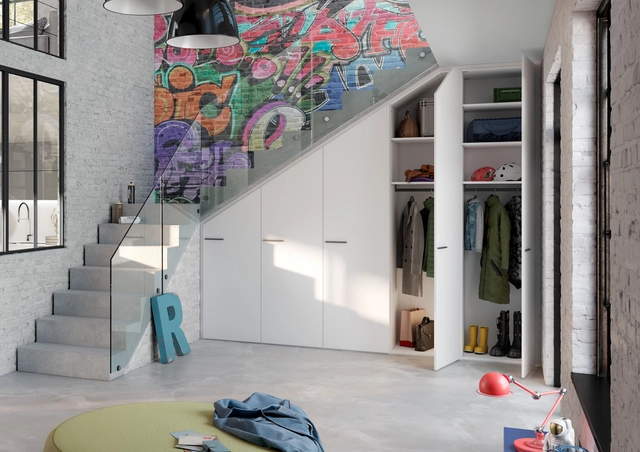
For others, however, this would be far from a burden. Choosing what to wear is a pleasurable moment, capable of setting the tone for the day and influencing one's mood. In this sense, the wardrobe is also an extension of identity, a space where practical and symbolic choices meet. Unsurprisingly, expressions like "coming out of the closet" or "skeleton in the closet" are deeply rooted in language, revealing the cultural dimension of this element of the home. In contemporary interior design, this notion has gained new layers: the wardrobe can define the character of a space, guide circulation, influence perception, and even shape the atmosphere of an environment.
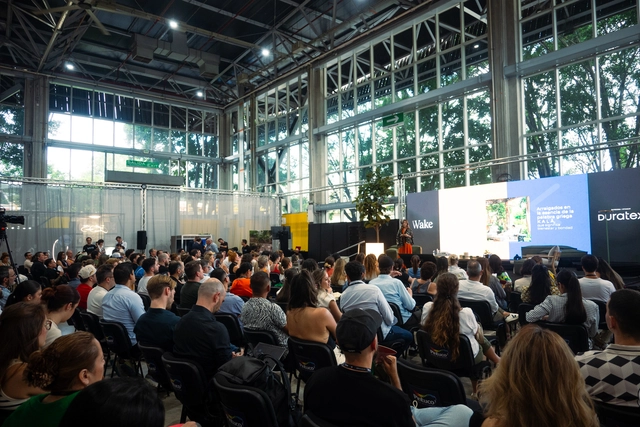
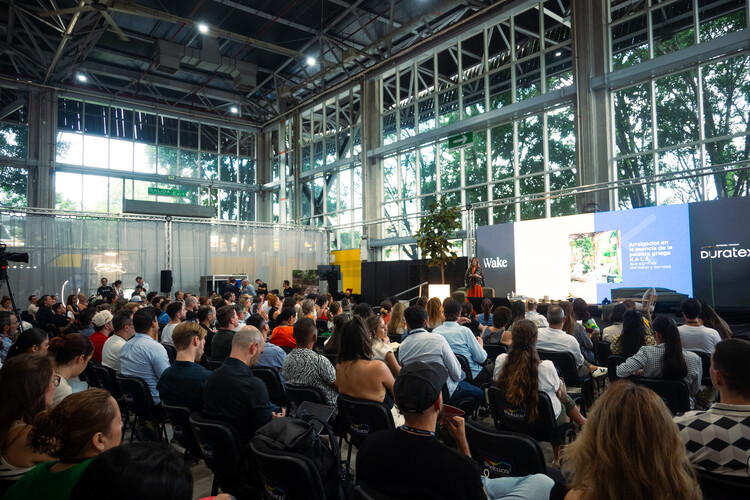
Asking questions is the first step toward challenging what we take for granted and opening up new possibilities for planning and building. These questions, valuable in themselves, gain new strength when shared and examined through different perspectives. As they intersect with the experiences of professionals and brands, they weave together viewpoints that enrich the discussion. Design fairs and events around the world have become spaces where these conversations gain momentum, fostering connections and encouraging collaborative dynamics. In this landscape, Colombia has emerged as a hub, serving as a platform that promotes architecture and design across Latin America and the Caribbean while bringing the region's voice to the global stage.
In contemporary interior architecture, service provisions—mechanical, electrical, HVAC, plumbing—are almost always treated as elements to be concealed. Thickened wall cavities, extensive dropped ceilings, and, in regions where solid construction such as brick or concrete prevails, furred-out walls are routinely employed to hide these systems. This approach has become so normalized that it often forms the starting assumption for spatial planning, inherently constraining imagination and reducing the range of spatial possibilities. The priority shifts towards covering-up, rather than exploring how these systems might coexist visibly within a design language.
From the interior design of sports facilities to wellness spaces, contemporary architecture continues to experiment with incorporating different uses, installations, and materialities that make it possible to reach broader audiences, generate new spatial experiences, and enhance the simultaneous development of various activities. While each sport requires its own type of architecture, such as climbing training, for example, architecture and design professionals are striving to create atmospheres where exercise becomes more than just a physical experience, but also a psychological one, connecting mind and body through a state of physical renewal, relaxation, and sociability.
From the field of architecture and construction, the concept of material reuse is closely tied to circular economy and the reduction of carbon footprints, paving the way toward a more sustainable and responsible future. By incorporating recycling practices, recovery, restoration, and/or the reuse of demolition materials, resource efficiency along with the reduction of energy consumption makes it feasible to experiment with techniques, applications, and new materials that honor the memory of spaces while also bringing new life to both interiors and exteriors.
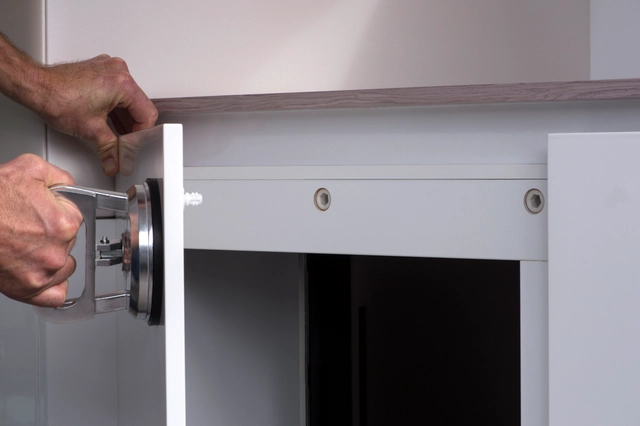
In high-end architectural design, traditional access panel fasteners like visible screws and magnetic closures often disrupt aesthetics and functionality. These outdated methods can loosen over time, lack durability, or require visible frames, making them unsuitable for premium spaces. Whether you need to access electrical systems, HVAC components, or plumbing, choosing the right installation method is crucial for a seamless integration into your space.
Early hidden solutions like French cleats and Z-clips improved appearance but introduced new challenges. These systems require sequential panel removal and extra clearance, making maintenance difficult—especially in areas needing frequent access. The unavoidable gap that appears at the top of panels also compromises the aesthetic appeal, as well as cutting out sections of panel for wall sockets.
How does the design of contemporary interiors create different experiences through its materials? How does the adaptability and reuse of certain materials make it possible to generate contrasting and/or complementary atmospheres within a single space? According to each material's textures, proportions, colors, or properties, interior architecture currently recognizes the opportunity to create environments where materiality plays more than just an aesthetic role. With special attention to the final experience of its users, El Equipo Creativo aims to combine designs where landscape, nature, culture, and art stand out in interior compositions that accommodate broad programs and audiences.
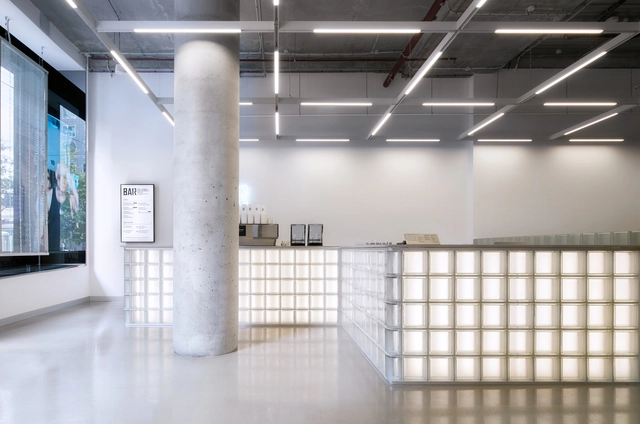
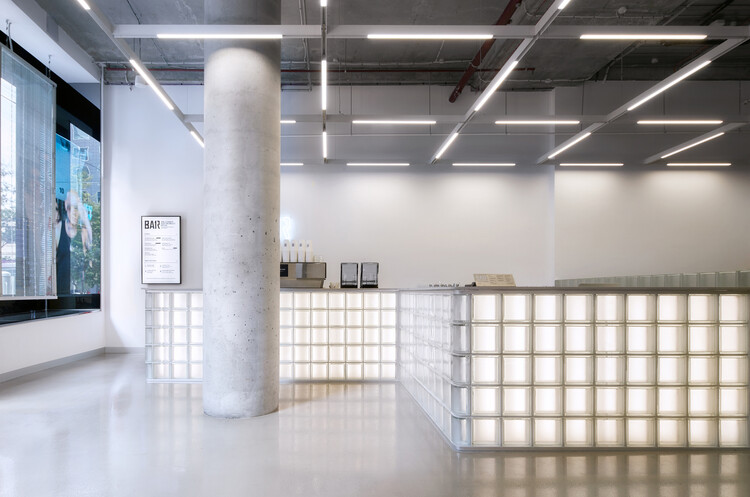
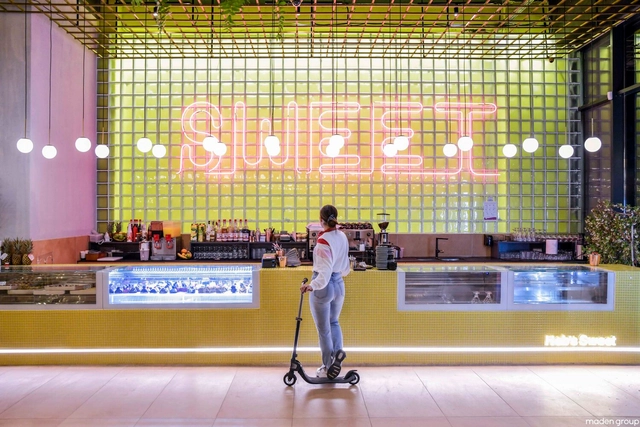
Glass bricks have been widely used in architecture, eventually becoming a staple of the 1980s architectural styles. Some examples of construction with this material could be the classic "Maison de Verre" by Pierre Chareau and Bernard Bijvoet in Paris or the more modern take of Hiroshi Nakamura & NAP with the Optical Glasshouse in Japan. In recent years, glass bricks are becoming increasingly popular, no longer relegated to older aesthetics. Instead, they have evolved into versatile design elements that bring light, texture, and character into contemporary interiors. Their ability to diffuse natural and artificial light while maintaining privacy has reignited interest among designers seeking innovative ways to enhance indoor spaces while taking advantage of natural light.
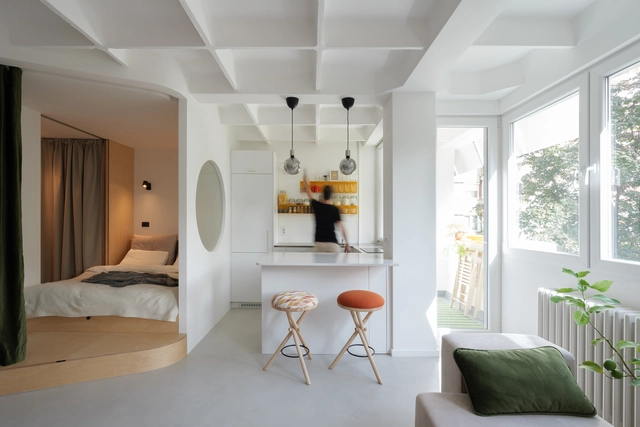
Living in densely populated cities is a reality for many. While the benefits of urban living—such as proximity to amenities, infrastructure, job opportunities, and lifestyle—remain highly valued, homes have seen a significant reduction in square footage. The trend toward smaller apartments has become increasingly common, with interior design playing a fundamental role. Reducing square meters demands efficient use of space and smart floor plan layouts. However, far from generating dull spaces, creativity in design has led to interesting architectural solutions that condense high-quality living into what is often called a micro apartment or studio, studios of 40m2 or under.
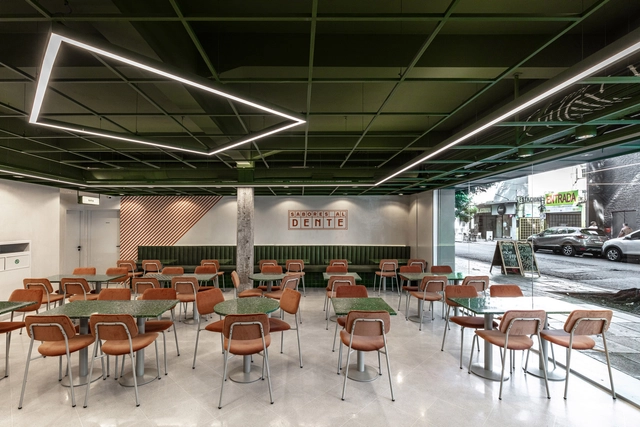
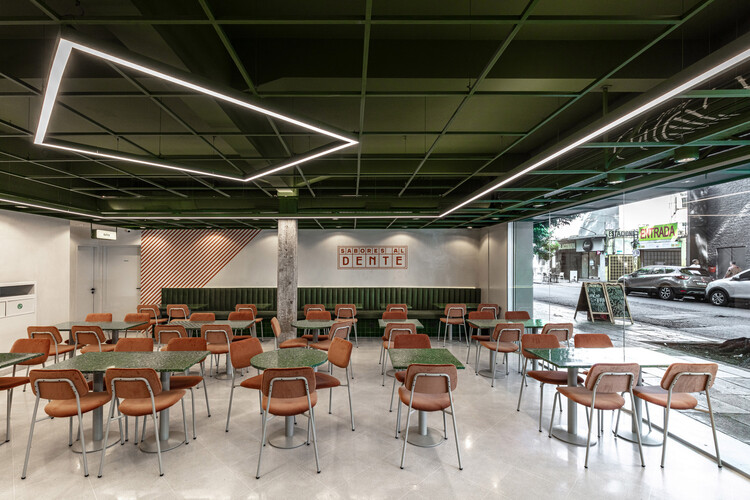
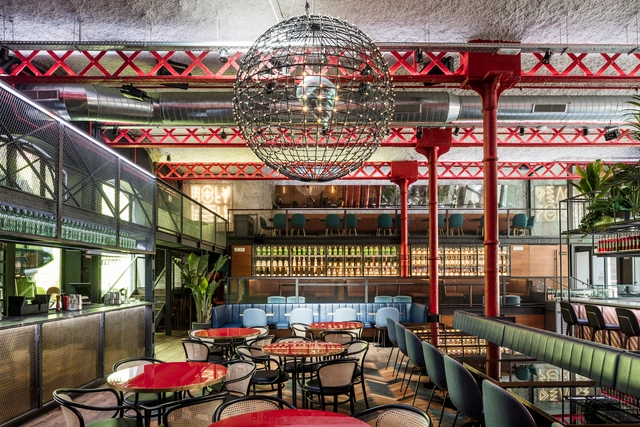
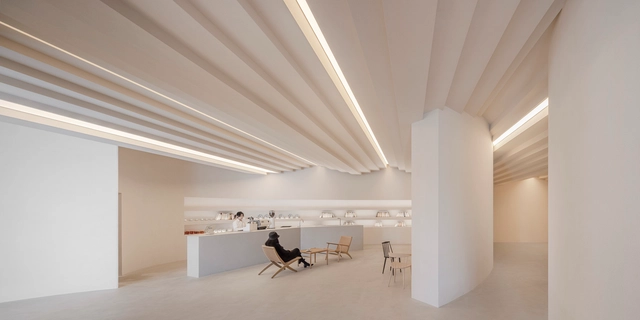
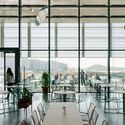
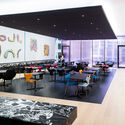
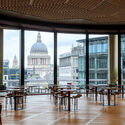
Cafés in museums and galleries do more than provide convenience — they have become an essential part of today’s cultural experience. As Claire Bishop explains in her idea of the “expanded aesthetic experience,” cultural spaces now include hybrid environments that encourage new ways of engaging, socializing, and reflecting. In this context, cafés are not just places to rest; they extend the visit on both sensory and symbolic levels, offering moments of interaction and contemplation in carefully designed settings. By blending architecture, art, and hospitality, they help create immersive and welcoming atmospheres — a concept already hinted at by Brian O’Doherty, who viewed exhibition spaces as an integral part of the artwork itself.
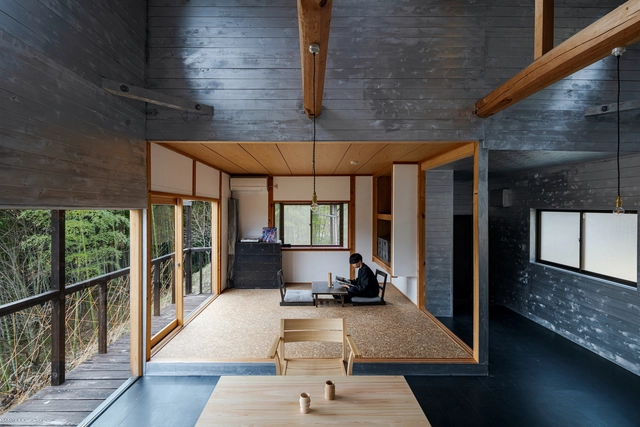
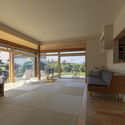
When examining photos of Japanese houses, one frequently notices a recurring space with tatami mats, often slightly elevated and integrated into the public areas of the home. This is the washitsu, or Japanese-style room: a traditional, multipurpose space still commonly found in modern residential architecture. Used for activities ranging from reading and sleeping to hosting a family altar, its versatility is central to its continued relevance. This article explores the Washitsu's layout and meaning, beginning with its historical origins to better understand its role and interpretation in contemporary Japanese homes.
When creating exhibition spaces, the design of the experience, the proposed route, and the transmission of certain perceptions and senses contribute to establishing different bonds and connections between the displayed objects and their visitors. Understanding a showroom as a space designed to creatively and experientially showcase products and services, what design strategies could enhance users’ interior experiences? How does interior design engage in dialogue with exhibition architecture?
The internal environment is the focus of this second article about designing for noise to improve well-being. According to several recent studies, noise in cities has become an increasing hazard to health. Environmental noise, that is, noise from traffic, industrial activities, or amplified music, which reaches internal spaces, is not merely an annoyance. It has been linked to cardiovascular disease, diabetes, dementia, and mental health issues. As the world urbanizes, more people are exposed to excessive levels of noise. In medium- and high-density housing, in office buildings, and in schools, noise pollution can emanate from internal as well as external sources.
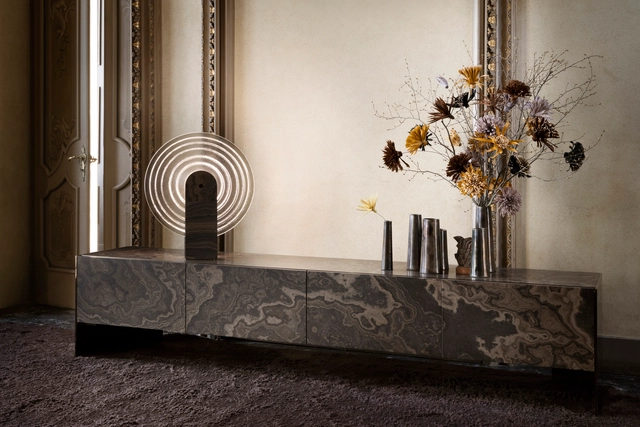
The 2025 edition of Milan Design Week took place from April 8 to April 13, 2025. During these five days, the city of Milan hosted special events, exhibitions, installations, and discussions centered on the creative disciplines, including the 63rd edition of the Salone del Mobile at Fiera Milano fairgrounds. Among the numerous activities, the event serves as an ideal opportunity to introduce the latest trends and showcase upcoming pieces from brands and designers worldwide. Among the new releases and product launches, the ArchDaily team identified a selection of products designed by architects, ranging from lighting and furniture systems to materials and small objects.
The term "biophilia" understandably conjures images of buildings engulfed by vegetation and integrated into natural landscapes. In modern architectural discourse, the concept has come to be associated with the incorporation of greenery into built environments, yet such applications represent only a sliver of biophilic design's true scope. Inarguably, nature plays a central role in biophilic design. However, its influence stretches to often-overlooked strategies that involve spatial configuration and environmental patterning. "Invisible" biophilia frequently leads to positive health outcomes for occupants, working impactfully beneath the surface.
As cities continue to grow and daily realities shift rapidly, people are turning to new and evolving ways to maintain their well-being. While promoting active lifestyles has long been a focus for many planners and architects, through pedestrian- and bike-friendly cities, parks, and fitness or sports centers, recent times have shown that these publicly valued facilities are not always accessible. A clear solution has emerged in recent years, accelerated by the global pandemic in 2020. Both homes and workplaces have begun to adapt their interior spaces, incorporating designated areas and equipment to support physical activity and provide opportunities for movement during the day.



























_Yohei_Sasakura.jpg?1584733407&format=webp&width=640&height=580)
_Toshiyuki_Yano.jpg?1584733248 "© Toshiyuki Yano")
_Fernando_Guerra___FG_SG.jpg?1584733499 "© Fernando Guerra | FG+SG")
_Toshiyuki_Yano.jpg?1584733288 "© Toshiyuki Yano")
_Adrien_Williams.jpg?1584733422 "© Adrien Williams")
_Yohei_Sasakura.jpg?1584733407)