

Riken Yamamoto, born in Beijing in 1945 and raised in Yokohama shortly after World War II, is a Japanese architect celebrated for fostering community through architecture. After founding his practice, Riken Yamamoto & Field Shop, in 1973, he became renowned for works ranging from social housing, such as Hotakubo Housing and Pangyo Housing, to civic projects like the Hiroshima Nishi Fire Station and Saitama Prefectural University, all unified by modular simplicity. Honored in March 2024 as the Pritzker Architecture Prize Laureate, he was praised by jury chair Alejandro Aravena for "blurring boundaries between public and private," fostering spontaneous social interaction, and "bringing dignity to everyday life" by enabling community to flourish through thoughtful design. In this interview with Louisiana Channel, the architect reflects on the social role of architecture, emphasizing the inseparable bond between housing and context, and the need to create spaces that foster visible, meaningful relationships.
Interviews: The Latest Architecture and News
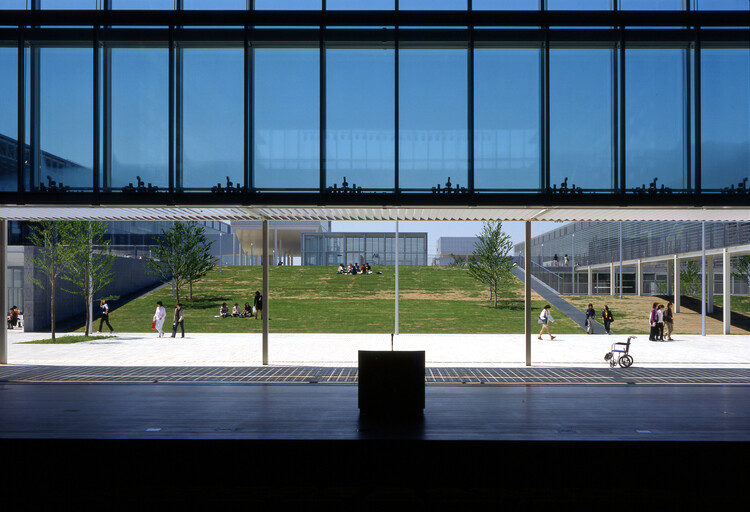
"No House Exists in Isolation": Riken Yamamoto on the Failures of Contemporary Housing in Louisiana Channel Interview
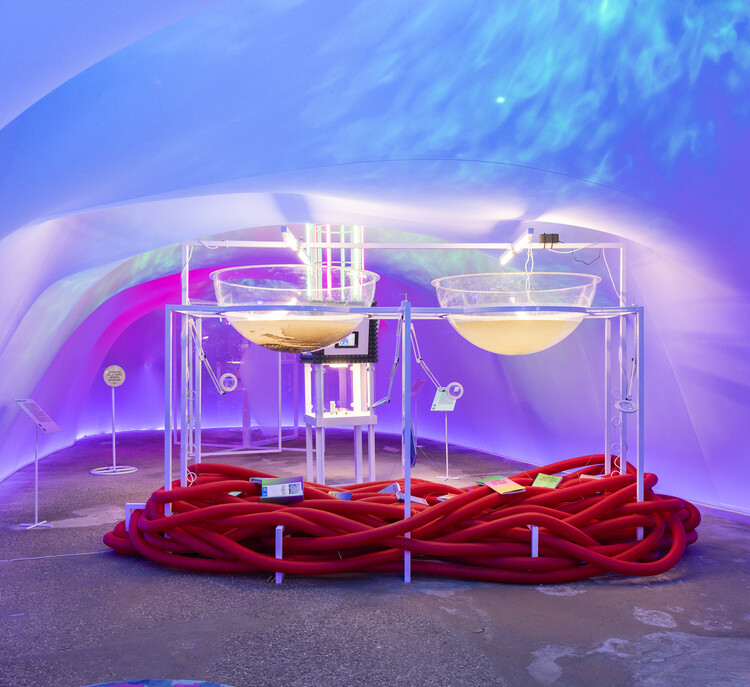
'All Architecture is Water Architecture': Eva Franch i Gilabert, Mireia Luzárraga and Alejandro Muiño on Catalonia's Pavilion in Venice
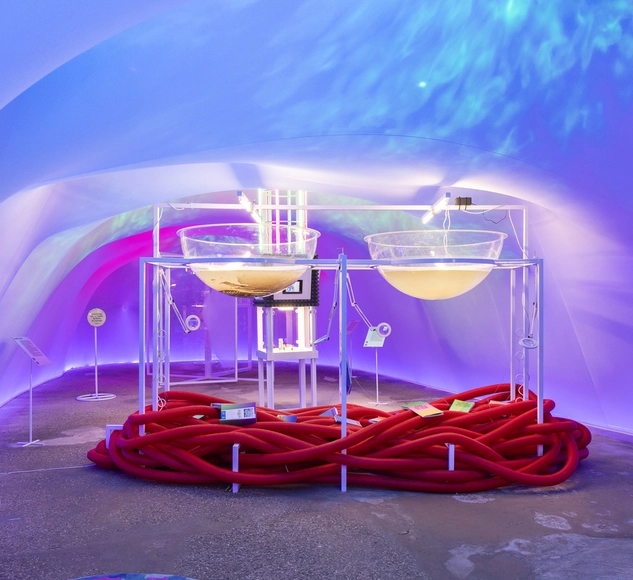
As part of the collateral events of the 2025 Venice Architecture Biennale, the Institut Ramon Llull presents the project "Water Parliaments: Projective Ecosocial Architectures", bringing together the waters of Lleida, Girona, Tarragona, Barcelona, Valencia, the Balearic Islands, and beyond to address the water crisis as an interconnected ecosocial, cultural, and political issue. Framing architecture as a tool for critical speculation and collective action, the project advocates for the imagining of future scenarios grounded in coexistence—interweaving the human and non-human, the natural and artificial, the technological and vernacular, the global and the local.
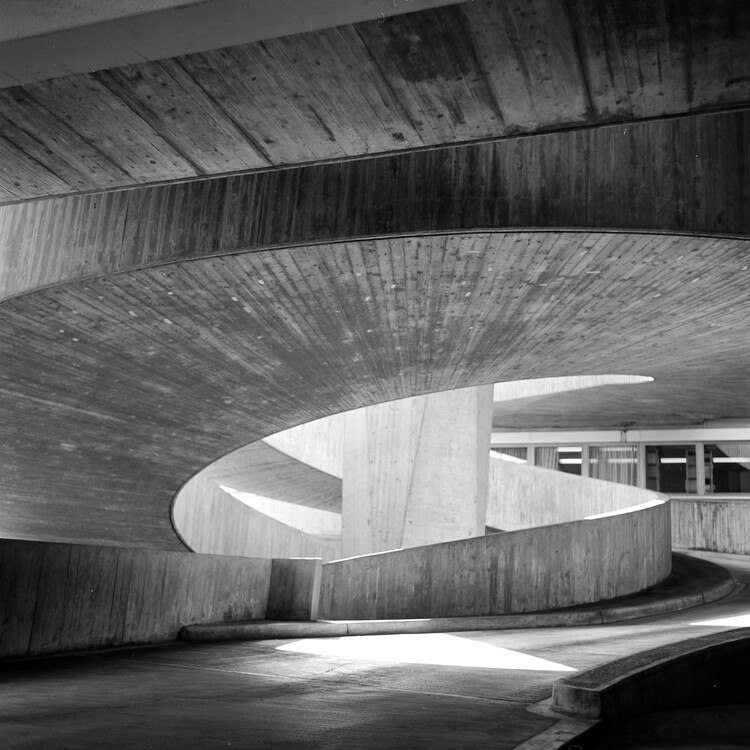
Architecture and Light Between Documentation and Emotion: In Conversation with the Photographer Thomas Mayer
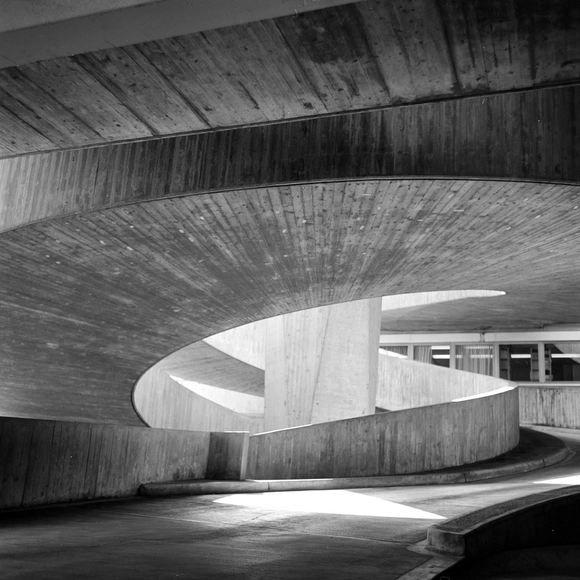
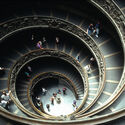
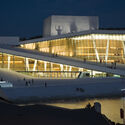
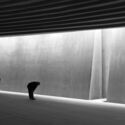
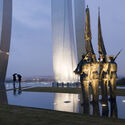
For over five decades, Swiss photographer Thomas Mayer has developed a serene, emotional, and documentary language for architecture. His lens captures the random and memorable moments of our built environment - reflections in the rain, long blue hours in Nordic summers, and the quiet darkness of sacred spaces. Recognized by ArchDaily as one of the top architectural photographers, Mayer carries an abundant fascination for light and space.
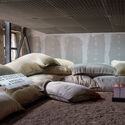
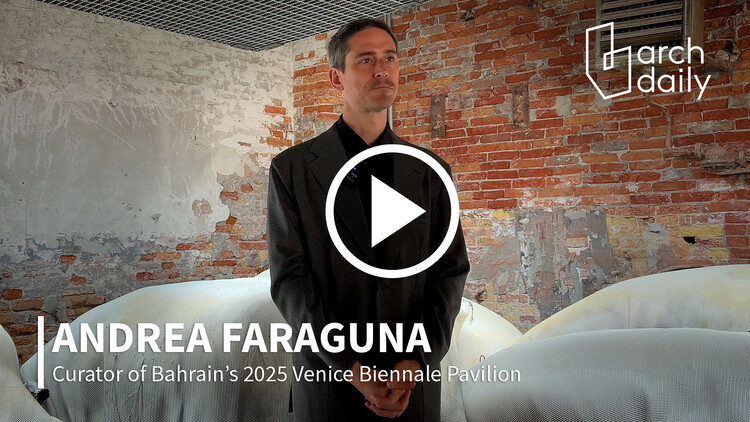
"It's the Moment to Open Up the Practice": In Conversation with Andrea Faraguna, Curator of the Bahrain Pavilion
Architect Andrea Faraguna is the curator of the Kingdom of Bahrain's national pavilion at the 19th Venice Architecture Biennale. The exhibition, titled Heatwave, is a site-specific installation that explores passive cooling strategies for public spaces, inspired by Bahrain's traditional architecture and reimagined through contemporary approaches. Its technical response to the global challenge of rising urban temperatures was recognized by the Biennale's international jury, which awarded it this year's Golden Lion for Best National Participation. While on site in Venice, ArchDaily's editors had a chance to discuss with curator Andrea Faraguna about the context that gave rise to the pavilion, the mechanisms put in place, and his perspective on events such as the Venice Architecture Biennale.
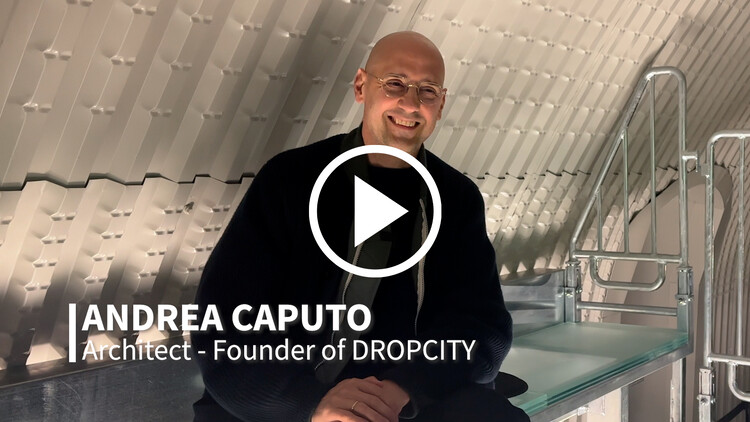
"The Logic Is to Let the Content Be Open to the Possibilities": In Conversation with Andrea Caputo, Founder of DROPCITY
DROPCITY is an ambitious and open platform for architecture and design, located in Milan's formerly abandoned Magazzini Raccordati tunnels behind Central Station. Initiated by Andrea Caputo in 2018 and open permanently since 2024, the project reimagines 40,000 square meters into public galleries, production workshops, prototyping labs, and research spaces. The founder of the platform is Andrea Caputo, an Italian architect and researcher. During Milan Design Week 2025, ArchDaily's managing editor, Maria-Cristina Florian, had the chance to sit down with Andrea Caputo to explore his vision and plans for DROPCITY, the platform's connection to the city of Milan and its active architecture scene.

“The Kind of Architecture I Try to Achieve Is a Rainbow:” In Conversation With Kengo Kuma
In my 2008 interview with Kengo Kuma in Manhattan—the Tokyo-based architect was in town for a lecture at Cooper Union and to oversee the construction of a house renovation in nearby Connecticut— he summarized the intention of his work for me, "The closest image to the kind of architecture I try to achieve is a rainbow." The architect designs his buildings as a chef would prepare a salad or a florist arrange a bouquet of flowers—by carefully selecting ingredients according to their size, shape, and texture. He then tests whether they should touch, overlap, or keep a distance to let the airflow pass through. The process is closer to a trial-and-error scientific experiment rather than an artistic exercise in projecting visionary forms and images. Although his buildings surely look strikingly artistic and utterly breathtaking. They are both precise and loose, primitive and refined, material and transient. The architect's fascination with materiality is startling, and despite having completed many dozens of buildings all over the world over the course of his distinctive career, in our conversation last month over Zoom, Kuma told me, "I stand at the beginning of a long process of material exploration."

“Suddenly, You Step into the Landscape through the House”: In Conversation with Ben Van Berkel of UNStudio
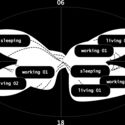
In 1993 a young professional couple with two toddlers and a large suburban lot in Naarden, a town less than half an hour's drive southeast of Amsterdam, approached Ben van Berkel to design an unusual house. They envisioned it as progressive and innovative in every way possible. More than that, they wanted a kind of building that "would be recognized as a reference in terms of renewal of the architectural language." Before settling on the architect, they spoke to several candidates, including Rem Koolhaas. They chose van Berkel who five years earlier, together with his then-wife Caroline Bos co-founded their eponymous practice, because as he told me, "I went to the site and studied it carefully and already had ideas about what I called the four quadrants of the landscape. I knew what kind of house it would be. I could see clearly where different rooms would go, how they would be shaped, and how they would relate to each other." The couple couldn't resist. Yet, there would be no rush on the project which took five years to complete, most time was invested in its design, going through many iterations and refinements, all based on the Möbius loop.



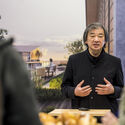
"I Am Disappointed in Architects" Shigeru Ban on Socially Conscious Architecture in Louisiana Channel Interview
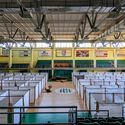
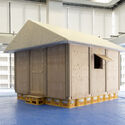
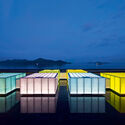
In a recent interview with Louisiana Channel, acclaimed Japanese architect Shigeru Ban shared his perspectives on architecture, his journey in the field, and his dedication to socially responsible design. Known for his innovative use of materials such as paper and timber, Ban has spent much of his career creating solutions for disaster-stricken communities and displaced populations around the world.

Estudio Rare: An Architecture of Experimentation Through Art
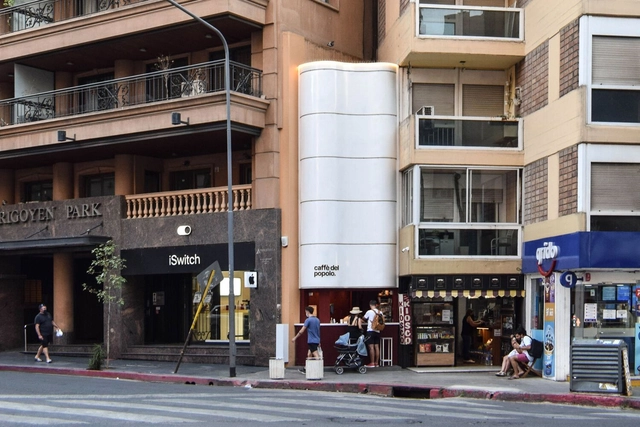
Selected as one of ArchDaily's Best New Practices 2024, Estudio Rare defines itself as an interdisciplinary experimental space. Based in Córdoba, Argentina, its three founding partners, Agustín Willnecker, Iván Ferrero, and Mateo Unamuno, met while studying at the Faculty of Architecture of the National University of Córdoba. With a young but notable trajectory, the Rare team offers a free and dynamic perspective on design, architecture, and construction. Their works, regardless of scale or commission, demonstrate a close relationship with art, reflecting the diverse interests and personal backgrounds of each team member and their collaborators.


A Compact Yet Fundamental Survey of the Modern Movement: In Conversation with Kenneth Frampton
If there is one book every architecture student must have on their shelf, it must be an architectural history. There is no more comprehensive yet compact alternative than Kenneth Frampton's Modern Architecture: A Critical History, originally published in 1980 by Thames & Hudson. Its much-expanded latest fifth 734-page, 813-illustration edition came out in 2020. In 2023, I discussed the book at length with the author in a video interview, now available on YouTube.
Regarding one compact yet fundamental survey of the evolution of the Modern movement, Modern Architecture: A Critical History is unquestionably the most authoritative, complete, and in-depth chronicle. The most valuable addition to the new book is the introduction of new chapters focusing on regions such as Canada, Mexico, Colombia, Australia, China, India, and Sri Lanka, among others. These chapters shed light on many before-overlooked practices that operated outside of traditional centers of power, namely Western Europe, the United States, and Japan.


Voices Shaping the Future of Architecture: ArchDaily's Best Interviews of 2024
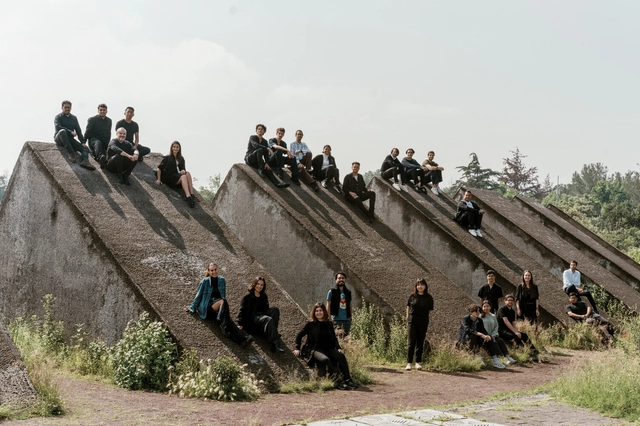
In 2024, architecture continues to evolve in response to global challenges, with an increasing focus on sustainability, cultural context, and social responsibility. ArchDaily's interviews with leading architects, such as Kengo Kuma and Anne Lacaton, highlight how design is shifting towards environmental and community-centric solutions. These conversations also shed light on the emerging voices from the Global South, where innovative practices are addressing unique socio-political and environmental challenges. Architects from regions like Africa, Asia, and Latin America are offering fresh perspectives, pushing the boundaries of traditional architecture to reflect their diverse cultural narratives and local contexts.




"Buildings Have Their Own Lives:” Rafael Moneo on Creativity in Louisiana Channel Interview
In an interview with Louisiana Channel, Rafael Moneo, the celebrated Spanish architect and 1996 Pritzker Architecture Prize laureate, reflected on his career and philosophy. Born in Tudela, Navarra, Spain, in 1937, Moneo described how his early academic interests and professional experiences shaped his approach to architecture, resulting in a distinguished body of work that integrates historical, cultural, and environmental contexts.


How Latin American Female Architects Are Tackling Their Countries' Challenges: 4 Inspiring Interviews Highlighting Creativity and Resilience
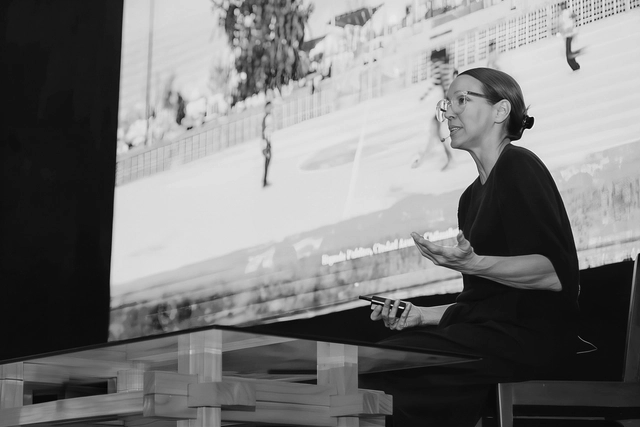
Architecture and urban planning in Latin America face deeply rooted social, environmental, and economic challenges shaped by historical inequalities, rapid population growth, and unplanned urbanization. Addressing these issues requires innovative solutions that balance housing needs, ecological preservation, and respect for local identities. Amid this complex landscape, several visionary female architects are making a difference with creative and impactful approaches.


A Fresh Coat With a Hidden Cost—The Microplastics We're Adding with Every Brushstroke
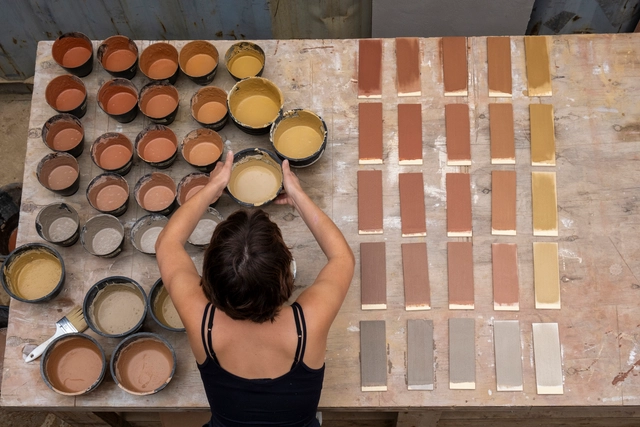
Who would think that a freshly painted wall, so smooth and glossy, could hide such a serious problem? Paint is one of the finishing touches that brings beauty and protection to both indoor and outdoor spaces. But beneath this layer of color, there’s an invisible coat that, silently, accumulates in our ecosystems and even in our bodies. Recent research from Switzerland identifies construction paint as one of the largest sources of microplastic pollution in oceans, rivers, and other environments. These microplastics, less than 5 mm in size, enter ecosystems through weathering, accumulating in marine and terrestrial animal bodies — and ultimately, in humans. Although the long-term effects on human health are still under study, evidence so far indicates that continuous exposure may contribute to various physical and metabolic health issues. Yet, sustainable alternatives are emerging, offering a way to create healthier spaces while minimizing environmental impact.
Here's How to Level-up Indoor Pools with Daylight Solutions
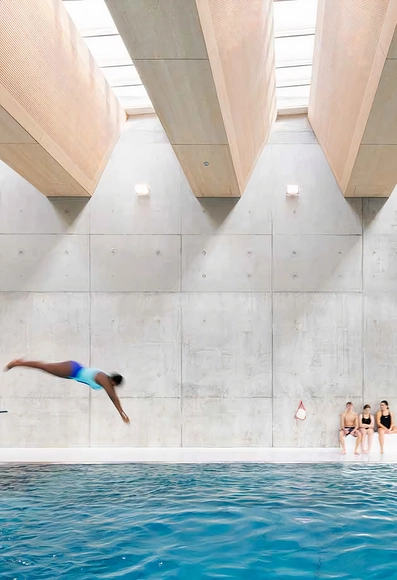
Water and daylight? At first glance, they seem like distant concepts: one is tangible, while the other, —though intangible—, manifests itself through its effects and perceptible qualities. Both are powerful and recurring resources in architectural design, often employed only for compositional purposes. However, in the context of indoor pools, this combination is frequently functionally oriented, prioritizing 'protection' from external stimuli. This one-dimensional approach can restrict the dynamic interaction between water and natural light, leading to aesthetic, functional, and operational challenges.
Beyond Conventional Design: The Unique Approaches of Office ParkScheerbarth
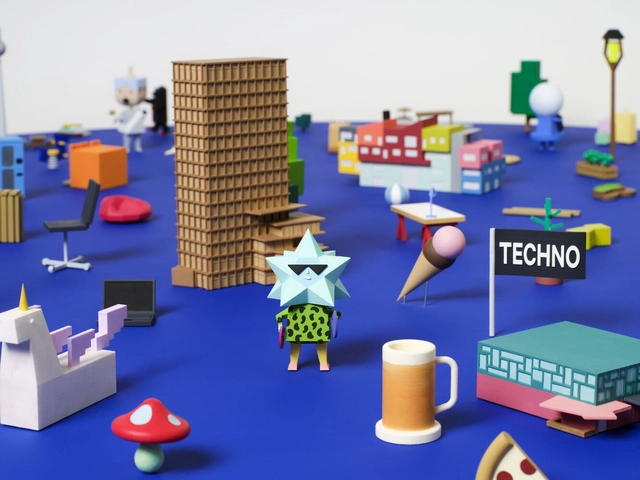
Office ParkScheerbarth, selected as one of ArchDaily's 2024 Best New Practices, was founded in Berlin in 2019 by principals Moojin Park and Benjamin Scheerbarth. Together, they create a synthesis between architecture, urban planning, and social science, drawings on cultural and educational contexts from Korea, the US, and Germany. Their work creates spaces that welcome versatility, challenges, and growth. The duo embodies a fusion of cultures, nationalities, and diverse disciplines, approaching each project from multiple perspectives and emphasizing adaptability, respect for ownership, and the continuous pursuit of knowledge and innovation. Challenging norms and regulations of the built environment, Moojin Park and Benjamin Scheerbarth share a commitment to pushing and exploring design boundaries. They met during their Master's studies in the US, where their shared vision took shape and marked the beginning of their journey together.


Architectural Grafting: A Strategy for Sustainable Design
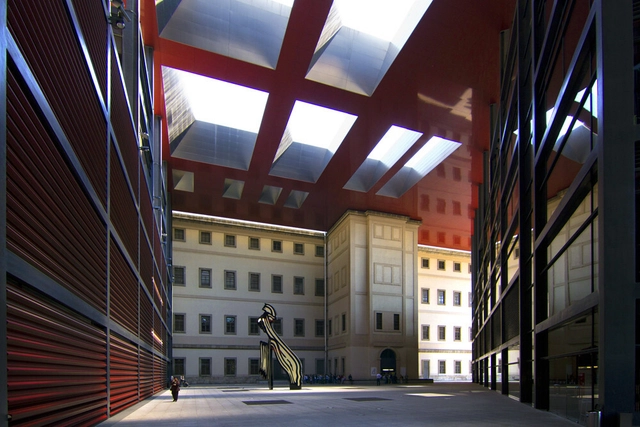
Architectural grafting, a concept recently popularized by Jeanne Gang in The Art of Architectural Grafting, presents a transformative approach to urban regeneration and sustainability. Drawing inspiration from botanical and horticultural practices — where new growth is added to existing plants for enhanced resilience — this architectural method integrates new structures with existing ones, allowing them to coexist and adapt. Rather than pursuing demolition, grafting prioritizes adaptation, extending the life of buildings while safeguarding their cultural and historical significance.
While Studio Gang has played a pivotal role in advancing this method, architectural grafting embodies a broader principle that architects have long used to enhance sustainability, conserve resources, and honor heritage. Across scales — from individual buildings to urban landscapes —grafting reshapes the relationship between past and present, adapting existing structures for contemporary needs while addressing environmental demands. By reimagining historic buildings for modern use, this approach fosters a sustainable evolution of cityscapes.


Powering-Up Through the Facade: Maximizing Energy with Building-Integrated Photovoltaics
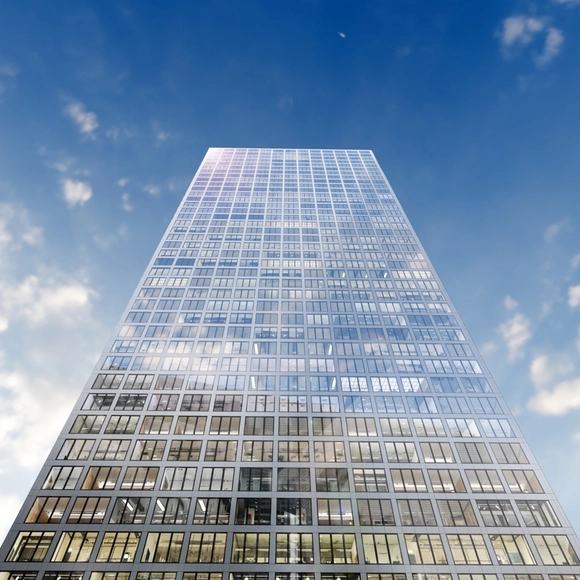
People frequently claim that finding smart solutions to problems requires a creative approach that involves thinking outside the box. This premise has become a widely accepted idea in the field of technology, where numerous historical breakthroughs have emerged from innovative methods. Prominent examples in power generation include the discovery of the photovoltaic effect by Edmund Becquerel in 1839 and the development of the first commercial solar panel by Charles Fritts later that century. These milestones have enabled the integration of solar panels as essential components of clean energy generation within architecture, driving a significant shift toward renewable energy.
This shift is currently manifesting as a tipping point between power generation and the built environment, driven by a transition that promotes creative thinking and encourages new perspectives. Today, sustainable energy production extends beyond merely installing solar panels on roofs; it aims to integrate various building elements into the energy system. ClearVue's Building-Integrated Photovoltaics (BIPV) exemplifies this innovation by harnessing nearly all facade components as sources of power production. This vision opens new possibilities for the design of urban structures, promoting a more sustainable approach that aligns with contemporary needs.