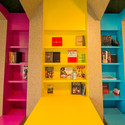
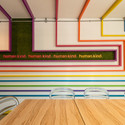
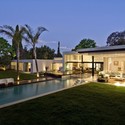
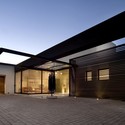
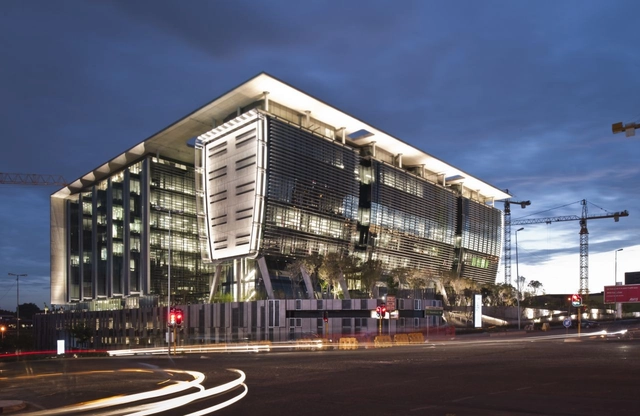
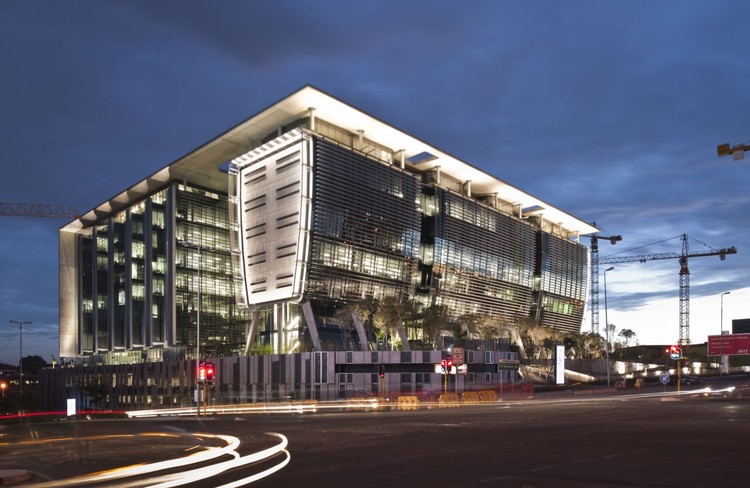
Adjaye Associates has announced plans to transform a 17-floor post-modernist structure in Johannesburg’s central business district into a luxury mixed-use building that will be known as the “Hallmark House.” Scheduled for completion mid-2016, the project aims to “combine an African aesthetic with a contemporary vision” and form a new typology for urban living.
“The transformation of Hallmark House is an opportunity to apply fresh thinking to urban community and to address changing lifestyles with a more fluid approach to the way we inhabit cities,” says David Adjaye.
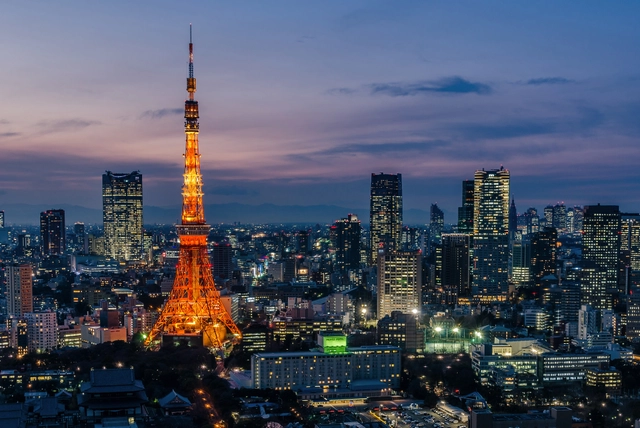
With more than 7 billion people now alive, the greatest population growth over the last century has occurred in urban areas. Now, a new series of interactive maps entitled "The Age of Megacities" and developed by software company ESRI allows us to visualize these dramatic effects and see just how this growth has shaped the geography of 10 of the world’s 28 megacities. Defined as areas with continuous urban development of over 10 million people, the number of megacities in the world is expected to increase, and while Tokyo still tops the list as the world’s largest megacity, other cities throughout Asia are quickly catching up. Find out more after the break.
The history of Johannesburg's Ponte City Apartments is a provocative one: built in 1975 and designed by Manfred Hermer as the height of luxurious (white-only) living in South Africa, the continent's tallest residential building soon became a notorious vertical slum, filled with crime and poverty, its signature hollow core re-purposed as a trash dump and a suicide drop.
Courtesy of Citiq Property Developers, via Inhabitat
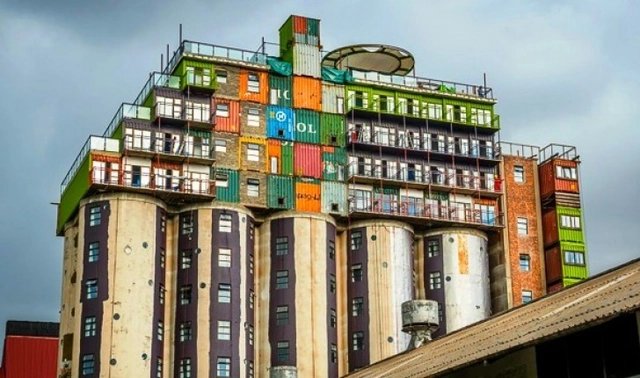
Inhabitat has just featured an unlikely new student housing project in Johannesburg: Mill Junction, a student complex that consists of two former grain silos topped with shipping containers. According to its developers, Citiq Property Developers, the energy and money-saving project re-directs money towards communal facilities, proving popular with students. As a result, Mill Junction, the second shipping-container housing project built by the Developers, may be the second of many more. More info at Inhabitat.
The Ponte Tower is a residential high-rise in Johannesburg, South Africa with a unique history and now a promising future. It was designed by architect Manfred Hermer in the 1970's to be one of the most desirable places to live in the city, with an iconic, hollowed out interior, three-story apartments and rooftop jacuzzis. Over time, however, the building fell into disrepair and instead of serving as an icon of extreme wealth and prosperity, it became an icon of poverty and indifference. In still racially-divided South Africa, this was marked by the moving out of whites and the moving in of a primarily black population as property values plummeted. It has been associated with high levels of crime, a lack of sanitariness and even suicides, thanks to the building's hollow core.
Architecture ZA 2010 is set to become Africa’s premier urban culture festival as it brings together leading-edge architectural thinkers and multidisciplinary practitioners from around the globe. It takes place in Johannesburg’s Newtown precinct from September 21 to 27 2010 and will open debate about our post-event cities and urban futures.