Videos
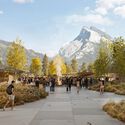
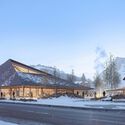
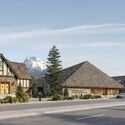
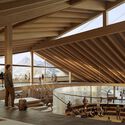
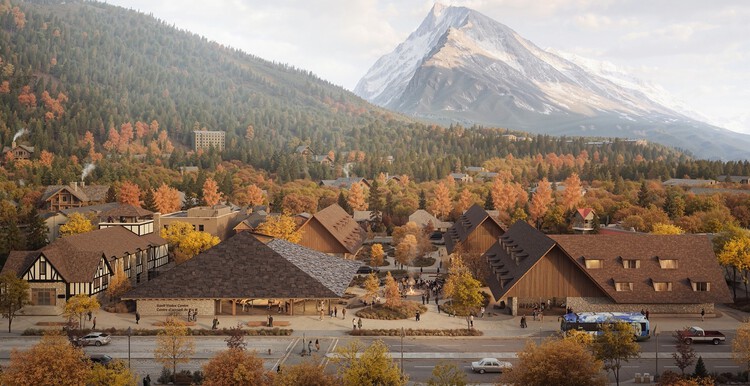
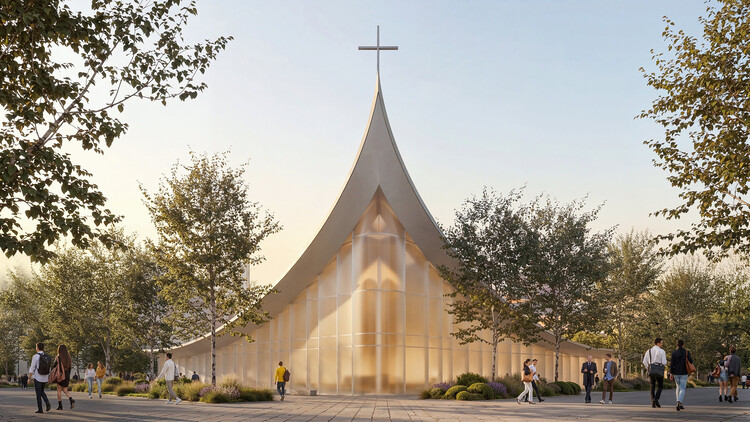
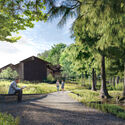
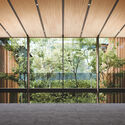
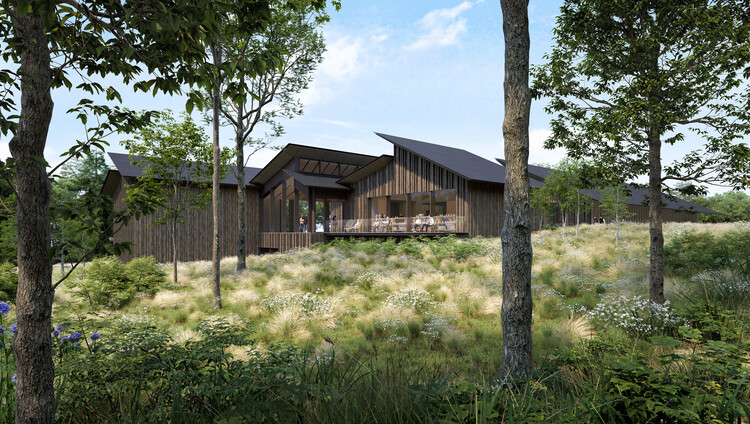
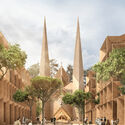
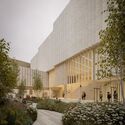
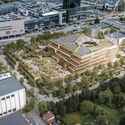
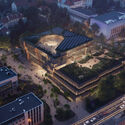
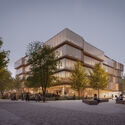
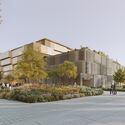
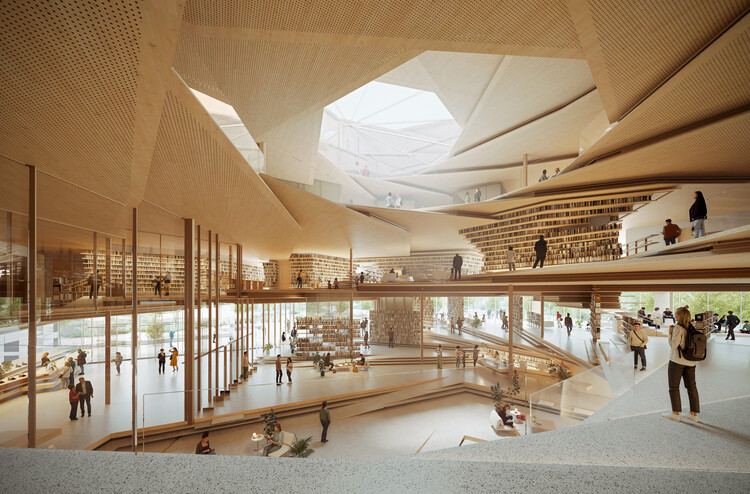
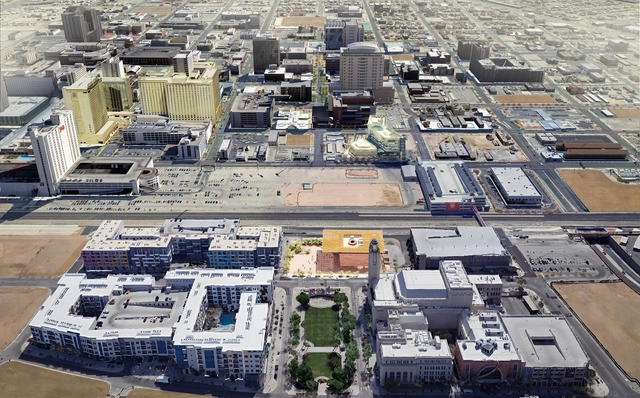
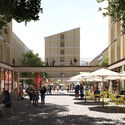
Winning design for a reimagined visitor centre and community space in Banff National Park. Paul Raff Studio and Kengo Kuma & Associates, 2026. Image Courtesy of Parks Canada
On May 13, 2026, Parks Canada, the federal agency responsible for protecting and managing Canada's natural and cultural heritage, announced the winning design for a reimagined visitor centre and community space in Banff National Park. The competition was organized in partnership with the Royal Architectural Institute of Canada (RAIC) as part of the 200-Block Banff Avenue Redevelopment Project. The proposal by Paul Raff Studio and Kengo Kuma & Associates was selected from a shortlist of five pre-qualified teams that also included EVOQ + Ryder, KPMB Architects, Revery Architecture, and Stantec Architecture. An independent jury assembled by the RAIC selected the design for its approach to landscape, sustainability principles, and its balance between conservation, heritage, Indigenous perspectives, and visitor experience, among other considerations.
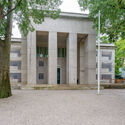
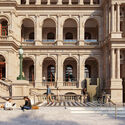
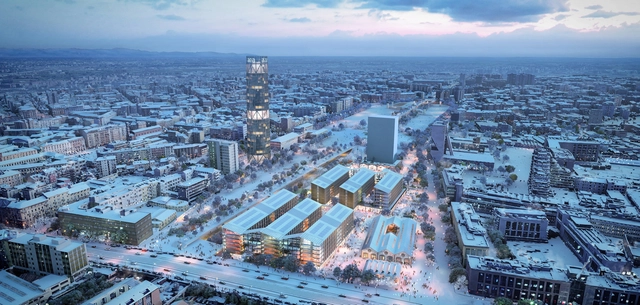
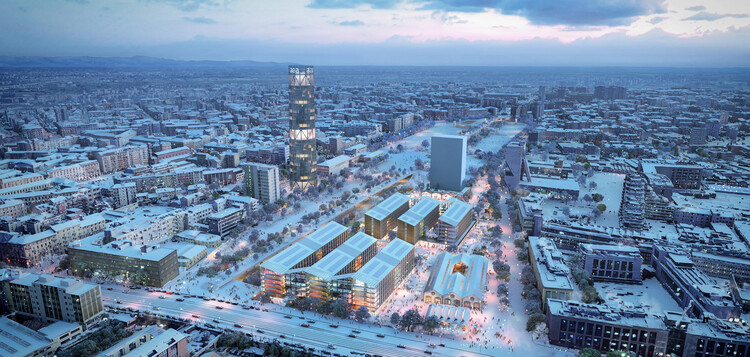
Ambrosian Monastery, Milan. Image Courtesy of Stefano Boeri Architetti
As global urban challenges intensify alongside growing environmental, social, and cultural pressures, this week's news reflects how institutions, exhibitions, and restoration projects are highlighting the relationship between the built environment and collective experience. From international forums addressing housing insecurity and urban resilience to cultural events examining memory, identity, and spatial perception, positioning architecture as both a framework for policy and a medium for critical reflection. At the same time, major restoration and redevelopment initiatives highlight a renewed focus on preserving historical continuity while adapting heritage sites and cultural institutions to contemporary forms of use, accessibility, and public engagement.
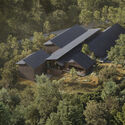
Courtesy of Kengo Kuma & Associates and Field Operations
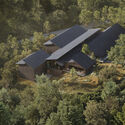
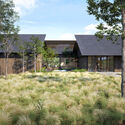
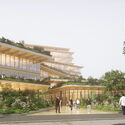
The Brandywine Conservancy & Museum of Art, located near Philadelphia, is dedicated to promoting the natural and cultural connections between the region's landscape, historic sites, and artists. The Conservancy protects land and waterways throughout the Brandywine Valley and other priority conservation areas, while the Museum houses a collection of American art, with particular strengths in landscape and still life painting, portraiture, and illustration. On May 6, 2026, the institution announced a project to transform its 15-acre campus, including the renovation of the historic museum building, a new museum building by Kengo Kuma & Associates, and conservation and landscape interventions by Field Operations that will create a publicly accessible 325-acre reserve with ten miles of trails.
As major cultural events, institutional transformations, and new architectural commissions unfold across different geographies, this week's discourse highlights how architecture operates at the intersection of public life, creativity, and long-term adaptation. With Milan Design Week 2026 foregrounding process, experimentation, and citywide participation, the projects and initiatives emerging this week point to a broader shift toward openness, accessibility, and experiential engagement across disciplines and urban contexts. Ongoing investments in cultural infrastructure, from new museums to large-scale renovations and competition-winning proposals, further underscore how institutions continue to recalibrate their spatial and social roles in response to evolving environmental, technological, and cultural demands.
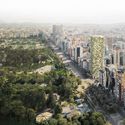
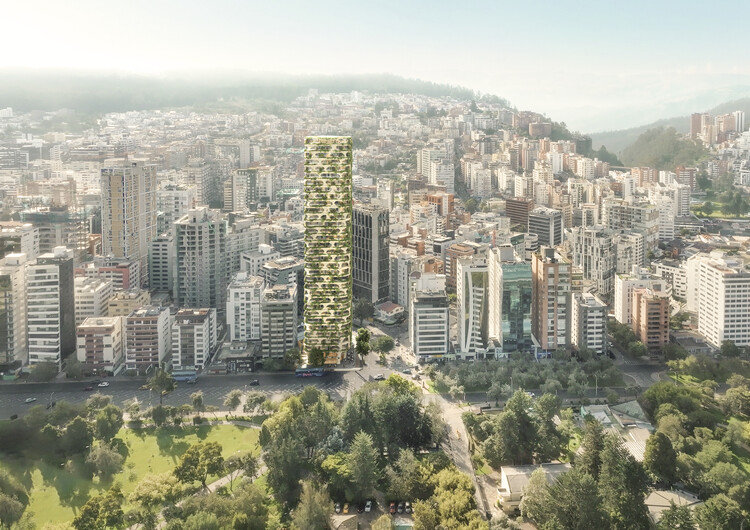
Qapital Tower Ecuador. Image Courtesy of Kengo Kuma and Associates(KKAA)
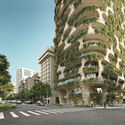
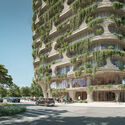
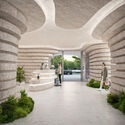
Kengo Kuma & Associates has unveiled plans for Qapital, a 32-story mixed-use tower set to rise in Quito, Ecuador, in collaboration with local developer Uribe Schwarzkopf. Scheduled for completion in 2029, the project marks Japanese architectKengo Kuma's first work in the country, extending the studio's international portfolio into the South American context. Located opposite La Carolina Park in Quito's central business district, the 125.8-meter tower introduces a vertically organized program that brings together residential, commercial, and shared amenities.
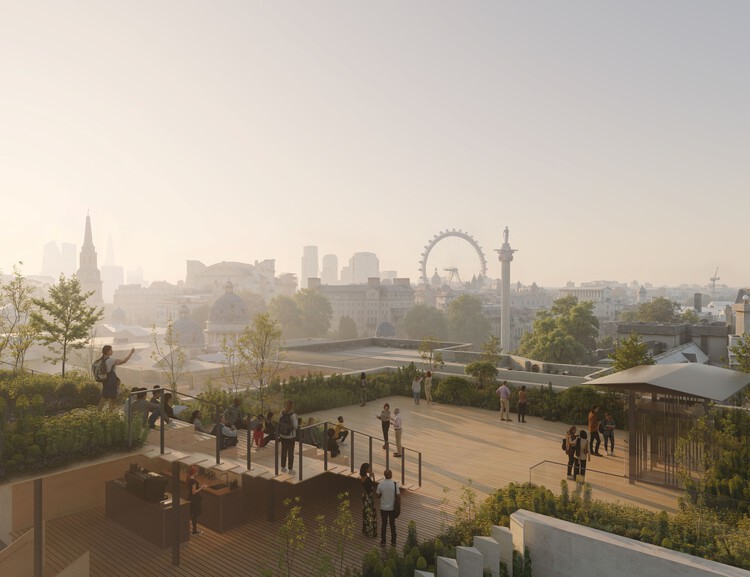
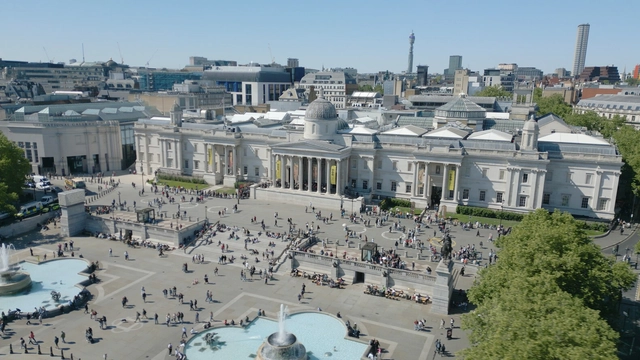
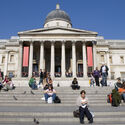
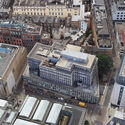
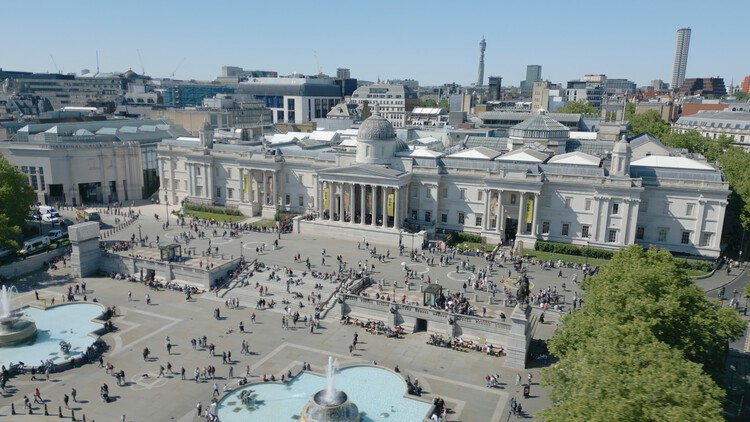
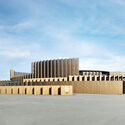
London's National Gallery has announced Kengo Kuma & Associates, in collaboration with BDP and MICA, as the winners of the international competition to design a new wing for the institution. Launched in September 2025, the competition attracted 65 submissions from international practices, from which six teams were shortlisted to develop proposals. The selection marks a key milestone in the institution's long-term development strategy, Project Domani, positioning the new addition as a central component in the reconfiguration of its architectural and curatorial framework. Conceived as the most significant transformation of the museum since its establishment in 1824, the project aims to expand both spatial capacity and curatorial scope, enabling the presentation of a continuous narrative of Western painting within a single setting.
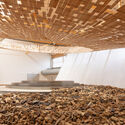
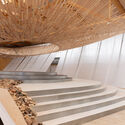
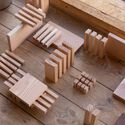
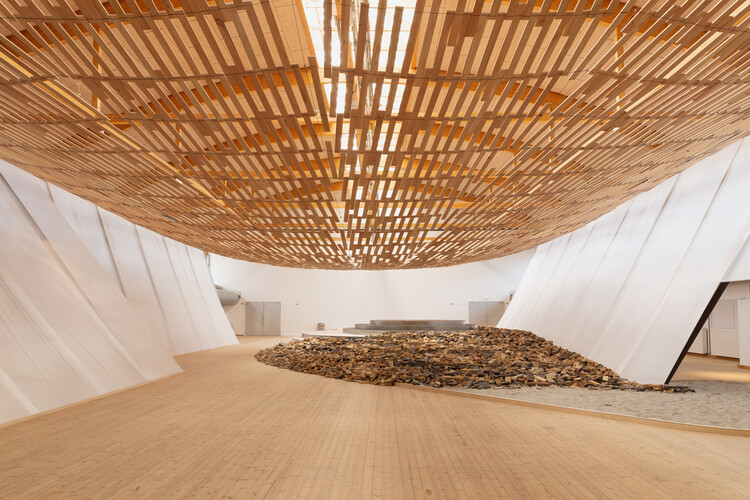
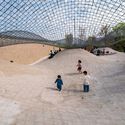
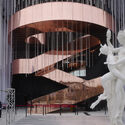
Japanese architectKengo Kuma and his studio Kengo Kuma & Associates (KKAA) have unveiled Earth | Tree, a site-specific installation at Copenhagen Contemporary, developed in collaboration with Danish wood manufacturer Dinesen. Opened on March 28, 2026, as part of the institution's CCreate programme, the project occupies a former industrial hall, introducing a spatial intervention defined by timber, brick, and light. Led by partner Yuki Ikeguchi, with team members Asger T. Taarnberg, Nicolas Guichard, and Yasemin Shiner, the installation marks KKAA's first exhibition in Scandinavia and situates the studio's material-oriented practice within an exhibition format.
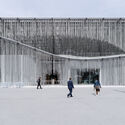
Kengo Kuma and Associates was recently awarded first prize in the competition to design a new library in Rzeszów, the capital of the Subcarpathian Voivodeship in southeastern Poland. The city, home to nearly 200,000 residents, lies on the Wisłok River and is known as a center for the aviation industry. Strategically positioned along the main Kraków-Lviv railway and road corridor, it also serves as an important transit point near the Ukrainian border. Located on Józef Piłsudski Avenue, the new library is conceived as a connector between the Marshal's Office of the Podkarpackie Voivodeship and the nearby Secondary School Complex, reinforcing the area's civic character. The program combines traditional library functions with cultural, educational, and artistic spaces. In addition to reading and collection areas, an expanded event zone includes a music hall, multifunctional hall, conference rooms, and administrative areas. A spiraling library volume forms the tallest element of the complex, while event spaces and roof terraces extend the program outward, linking the building's activities with the surrounding city.
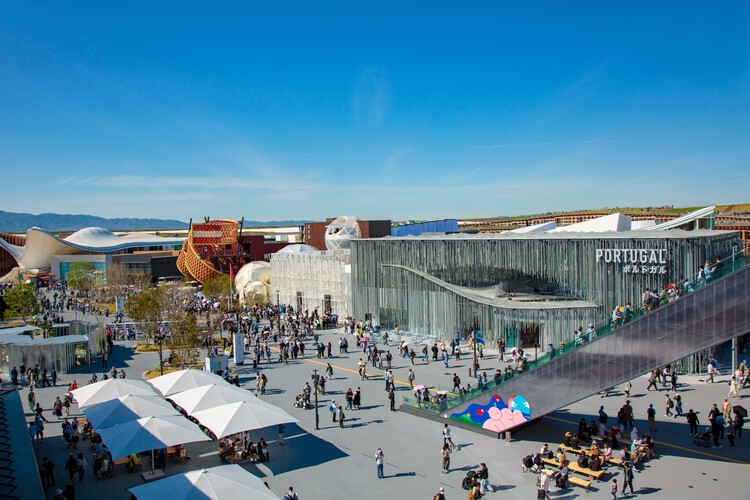
The 2025 Osaka Expo has captured widespread attention—not only for its architectural ambition and spectacle, but also for breaking records and generating controversy. Its most iconic feature, a monumental timber ring designed by Sou Fujimoto, has already made headlines as a Guinness World Record-breaking wooden structure. Built on the reclaimed island of Yumeshima, the site has attracted praise and critique in equal measure. Beyond its awe-inspiring 2-kilometer circumference—parts of which extend dramatically over the water—the structure has also drawn concerns, including questions about health & safety, extreme heat, and swarms of insects that may affect the visitor experience.
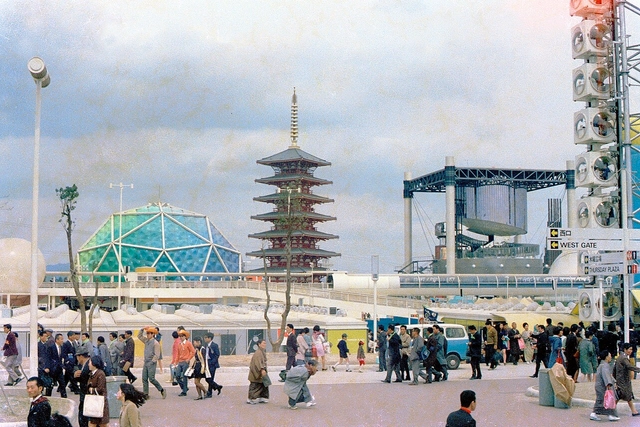
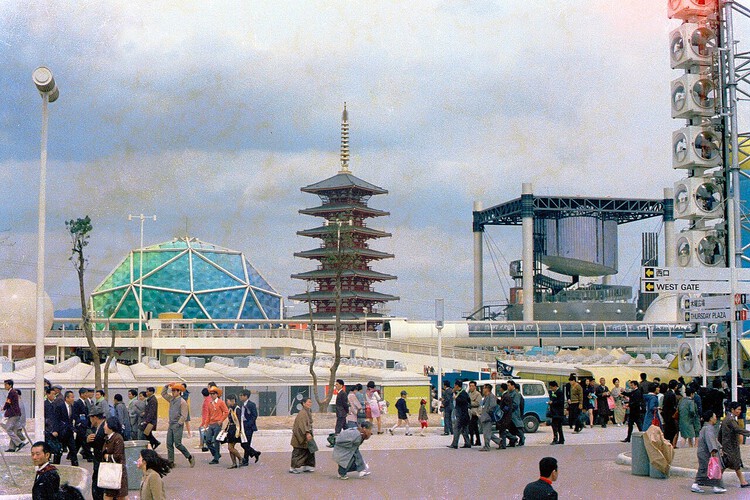
This year also marks a significant anniversary: the 55th year since the 1970 Osaka Expo, held under drastically different socio-economic conditions. Comparing these two expos—both hosted in the same city—offers a rare opportunity to reflect on how the rhetoric, curatorial themes, and architectural ambitions of world expos have evolved over time. From "Progress and Harmony for Mankind" in 1970 to "Designing Future Society for Our Lives" in 2025, the shift in thematic focus reveals changing global priorities. Meanwhile, the scale and nature of architectural involvement have also transformed, from the futuristic visions of Japanese Metabolism to a more internationally dispersed group of designers concerned with sustainability, technology, and civic engagement.
This week's architectural news reflects a broad engagement with how institutions, practitioners, and cultural platforms are positioning themselves in relation to both legacy and long-term change. Across museums, galleries, and major cultural events, architecture is being framed as an evolving public infrastructure, one that must respond to expanding collections, shifting curatorial models, and growing expectations around accessibility, sustainability, and civic presence. Alongside these institutional developments, professional recognitions and appointments have foregrounded practices rooted in site specificity, conservation, and critical research, highlighting architecture's role in mediating between historical contexts and contemporary needs.
Chimneys are among the most quietly persistent elements in architectural history. Yet their presence persists in nearly every cultural and climatic context, serving as a technical feature and a spatial, atmospheric, and symbolic device. It populates dense city skylines and anchors rural horizons alike, its vertical silhouette as ordinary as a window or a doorframe. This apparent ordinariness is deceptive. The chimney is one of the few architectural components that links the intimate scale of interior life with the expansive forces of the environment. For architects and designers, the necessity of the chimney presents a choice: to let it recede quietly into the building's functional fabric or to amplify it as a central, expressive element that shapes a project's identity.
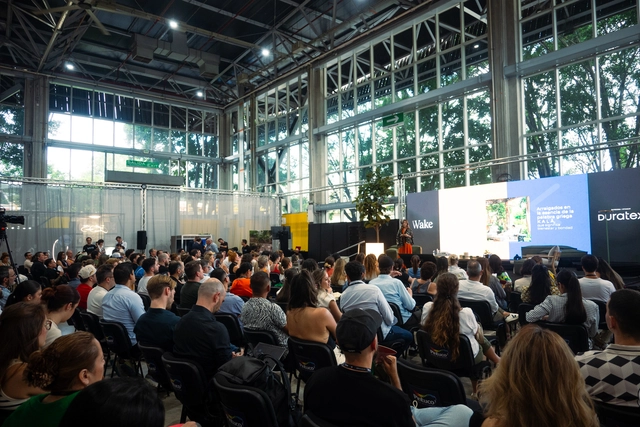
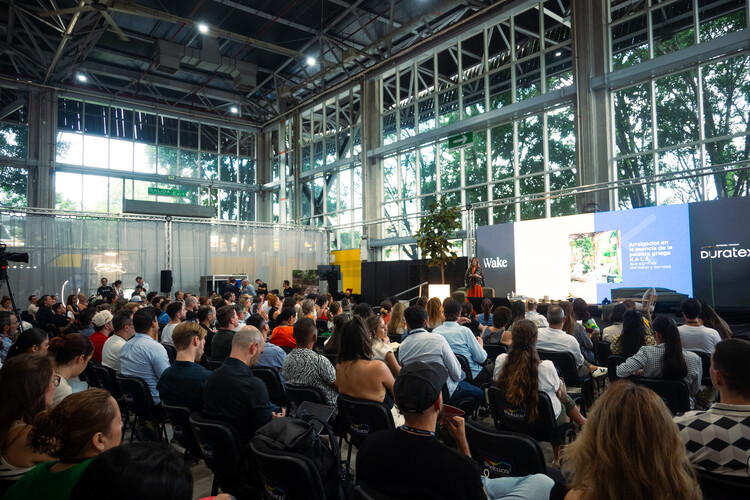
Asking questions is the first step toward challenging what we take for granted and opening up new possibilities for planning and building. These questions, valuable in themselves, gain new strength when shared and examined through different perspectives. As they intersect with the experiences of professionals and brands, they weave together viewpoints that enrich the discussion. Design fairs and events around the world have become spaces where these conversations gain momentum, fostering connections and encouraging collaborative dynamics. In this landscape, Colombia has emerged as a hub, serving as a platform that promotes architecture and design across Latin America and the Caribbean while bringing the region's voice to the global stage.
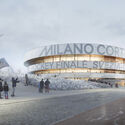
Italy is preparing to host its third Olympic Winter Games as Milan and Cortina d'Ampezzo welcome Milano Cortina 2026, seventy years after Cortina staged the 1956 edition and two decades after Torino 2006. The Games will take place from February 6 to 22, 2026, marking the first time the Winter Olympics are organized across two cities, two regions, Lombardy and Veneto, and two autonomous provinces, Trento and Bolzano. Covering a territory of 22,000 square kilometers, Milano Cortina 2026 will become the most geographically extensive Winter Games to date, with over 90% of venues already existing or designed as temporary facilities.
As Expo 2025 Osaka passes the midpoint of its six-month duration on July 13, the international exposition continues to serve as a global platform for architectural experimentation, cultural exchange, and technological innovation. Officially opened on April 13 on the reclaimed island of Yumeshima, the event is organized under the theme "Designing Future Society for Our Lives," and has already welcomed more than 13 million visitors as of late July. Conceived as a space for collaboration across disciplines and borders, the Expo brings together more than 150 national, thematic, and corporate pavilions.
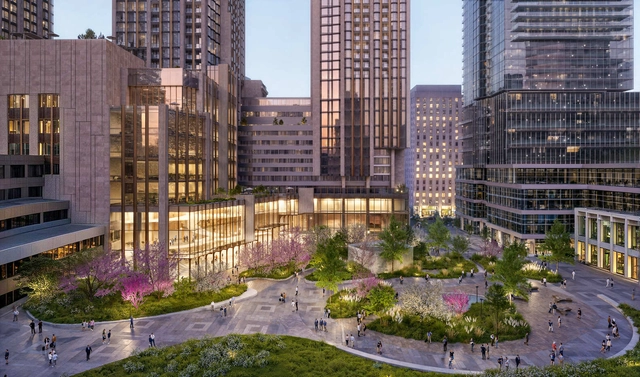
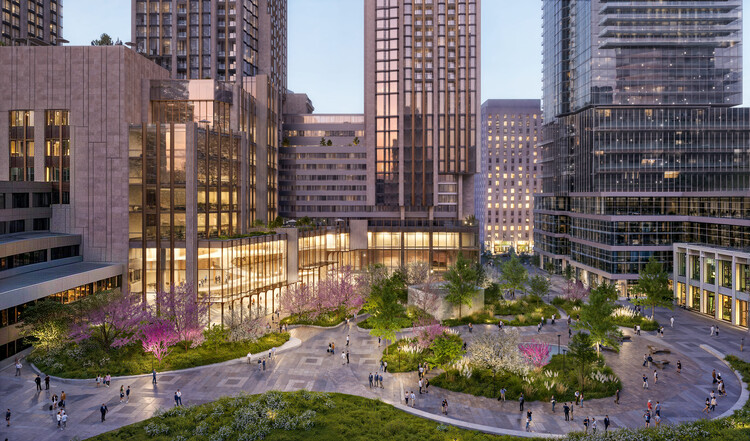
College Park. Image Courtesy of Hariri Pontarini Architects
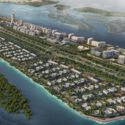
As cities around the world respond to shifting environmental, cultural, and social dynamics, new architectural proposals are reshaping how we think about public life, community engagement, and the built environment. From Aldar's coastal wellness destination on Fahid Island in Abu Dhabi, to a flexible scaffolding-based office concept in Athens by Georges Batzios Architects, this edition of Architecture Now features diverse projects that reinterpret architecture as both infrastructure and interface. In Seoul, Heatherwick Studio is leading a resident-initiated redevelopment model for a housing complex near the Han River, while Toronto's College Park is set for a major transformation balancing heritage restoration with vertical intensification. In Oklahoma City, MANICA and TVS are designing a new sports arena that anchors an emerging entertainment district through material, landscape, and civic gestures. Together, these diverse yet interconnected efforts signal a broader shift toward integrated, future-oriented urban design.
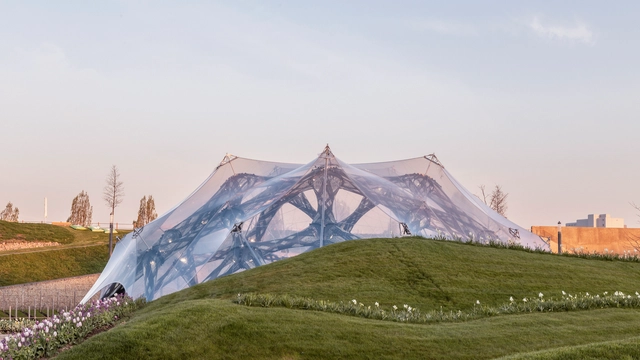
In recent years, architecture has increasingly embraced adaptability, flexibility, and responsiveness as core design principles. This evolution reflects a shift from traditional notions of static, permanent structures to dynamic environments that can adjust to changing needs and conditions. Central to this transformation is the concept of "soft architecture", which leverages pliable materials and innovative systems to create spaces that are functional, sustainable, and user-centric. Soft architecture takes shape through membranes that breathe, façades that move, structures that inflate or fold, and surfaces that bend rather than break. It involves designing for transformation — not only in how a building performs environmentally, but also in how it can accommodate shifting functions, user interactions, or temporary occupations. This approach to building challenges traditional notions of durability and control, proposing instead a more responsive and open-ended architecture. It reflects a growing awareness that buildings, like the societies they serve, must be able to evolve.
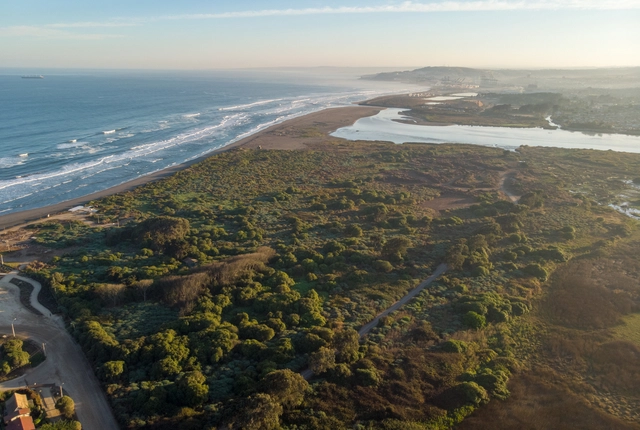
Santuario de la Naturaleza Humedal Río Maipo.. Image Courtesy of Fundación Cosmos
On Earth Day 2025, observed annually on April 22, we are once again reminded of the urgent environmental and sustainability challenges that face our planet—challenges that continue to evolve alongside global economic, political, and cultural shifts. The building and construction industry remains one of the most critical sectors in the effort to manage and reduce global carbon emissions. This year, these issues are being addressed through increasingly diverse lenses, calling for more holistic and integrated approaches. It's vital that we view sustainability not as a one-size-fits-all solution, but as a multi-scalar effort—one that spans from large-scale urban development and strategic planning, to the advancement of sustainable materials, and even to temporary, thought-provoking interventions like exhibitions and installations. In doing so, we reaffirm our commitment to reducing our collective carbon footprint, while shaping a built environment that promotes human well-being and planetary health.