1. ArchDaily
  2. Lima

Lima: The Latest Architecture and News

PREVI Lima and the Politics of Resident Authorship in Social Housing

Subscriber Access | 

Architects are accustomed to being credited for buildings long after construction ends. Names remain attached to projects through photographs, publications, and histories, often decades after the original drawings were produced. Buildings, on the other hand, rarely remain faithful to that narrative for long. Families grow, technologies change, businesses emerge, and daily life introduces demands that no plan can fully anticipate. Over time, architecture accumulates modifications, repairs, additions, and improvisations that gradually distance it from its original form.

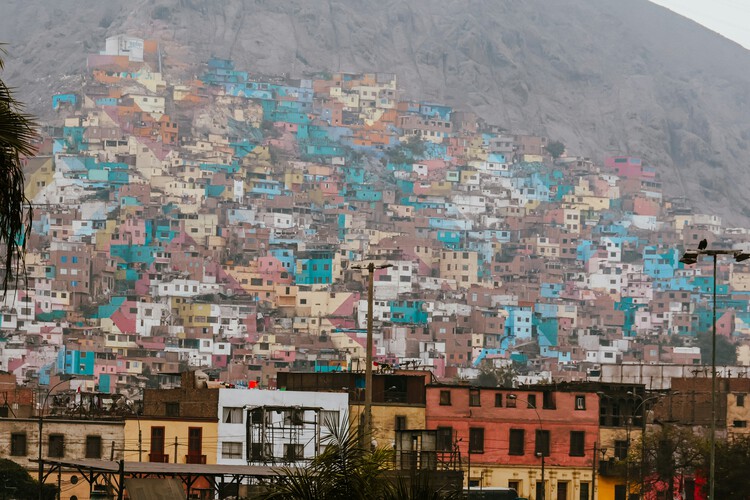
Few projects confront this question as directly as PREVI Lima. Conceived in the late 1960s as Peru's Experimental Housing Project, PREVI invited an international group of architects to develop housing prototypes capable of accommodating growth over time. The project is often remembered for its ambitious roster of designers, which included figures such as James Stirling, Aldo van Eyck, and Christopher Alexander. More than fifty years later, the neighborhood has become a record of resident decisions, revealing a form of architecture designed to remain unfinished.
PREVI Lima and the Politics of Resident Authorship in Social Housing - Image 1 of 4PREVI Lima and the Politics of Resident Authorship in Social Housing - Image 2 of 4PREVI Lima and the Politics of Resident Authorship in Social Housing - Image 3 of 4PREVI Lima and the Politics of Resident Authorship in Social Housing - Image 4 of 4PREVI Lima and the Politics of Resident Authorship in Social Housing - More Images+ 14

Designed to Repeat, Forced to Adapt: The Parallel Architecture of Socialist Housing

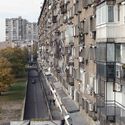
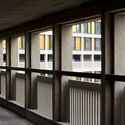
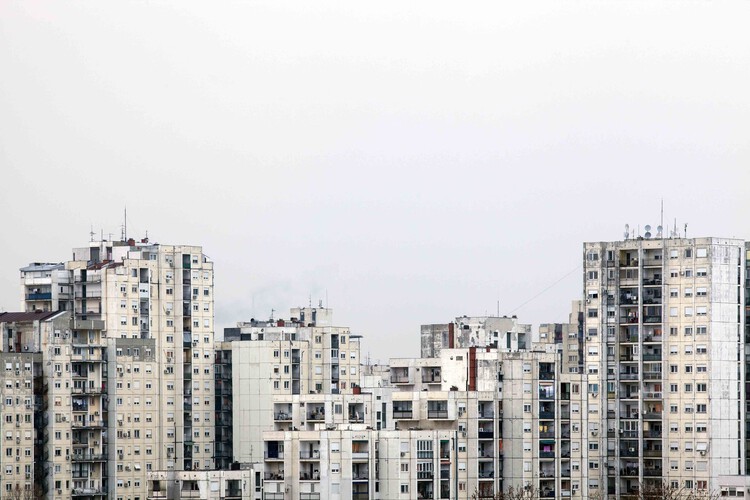
A housing block in New Belgrade appears orderly from a distance. Concrete slabs repeat with disciplined consistency, windows align into measured grids, and balconies stack with the confidence of a system certain of itself. However, proximity changes the reading. One balcony is enclosed in aluminum glazing, another softened with improvised shading. Insulation thickens part of a façade while laundry frames another edge like an accidental elevation study. The district still reads as planned, though occupation has made its order less uniform. Within that order, repetition has gradually been rewritten through occupation.

Designed to Repeat, Forced to Adapt: The Parallel Architecture of Socialist Housing - Image 1 of 4Designed to Repeat, Forced to Adapt: The Parallel Architecture of Socialist Housing - Image 2 of 4Designed to Repeat, Forced to Adapt: The Parallel Architecture of Socialist Housing - Image 3 of 4Designed to Repeat, Forced to Adapt: The Parallel Architecture of Socialist Housing - Image 4 of 4Designed to Repeat, Forced to Adapt: The Parallel Architecture of Socialist Housing - More Images+ 10

From the Hills of Athens to the Craters of Mars, Discover 8 Award-Winning Competition Proposals from the ArchDaily Community

Subscriber Access | 

Architectural competitions have long offered a space for experimentation: platforms where ideas can be tested, typologies reimagined, and critical questions addressed through design. Freed from some of the constraints of commercial commissions, competition entries often reflect ambitious visions for how architecture can respond to environmental, cultural, and social challenges. Whether focused on future habitats, public institutions, or small-scale community infrastructure, these proposals give shape to the values and priorities driving architectural thinking today.

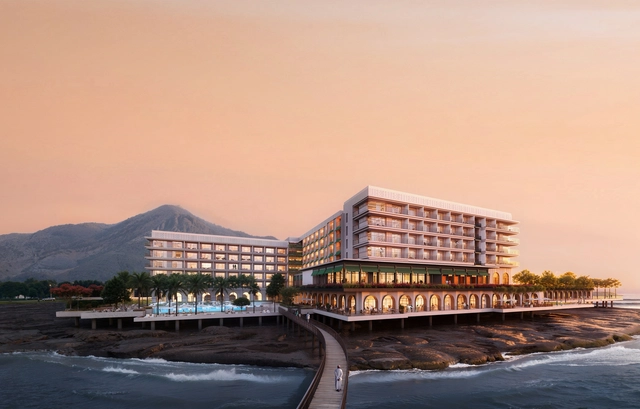
This month's Unbuilt selection brings together eight competition-winning projects submitted by the ArchDaily community. Each received first, second, or third place in recent local and international competitions. The featured proposals span a wide range of programs and geographies: a sustainable library in Lima, a Martian habitat exploring closed-loop systems, an adult orphanage designed for empowerment in India, a new French school in Athens, and a placemaking initiative in Singapore rooted in local folklore. While varied in scale and scope, they all highlight architecture's capacity to engage context, foster inclusion, and propose new ways of inhabiting space.

From the Hills of Athens to the Craters of Mars, Discover 8 Award-Winning Competition Proposals from the ArchDaily Community - Image 7 of 4From the Hills of Athens to the Craters of Mars, Discover 8 Award-Winning Competition Proposals from the ArchDaily Community - Image 8 of 4From the Hills of Athens to the Craters of Mars, Discover 8 Award-Winning Competition Proposals from the ArchDaily Community - Image 33 of 4From the Hills of Athens to the Craters of Mars, Discover 8 Award-Winning Competition Proposals from the ArchDaily Community - Image 41 of 4From the Hills of Athens to the Craters of Mars, Discover 8 Award-Winning Competition Proposals from the ArchDaily Community - More Images+ 44

Antonio Raimondi College Library / TERRITORIAL

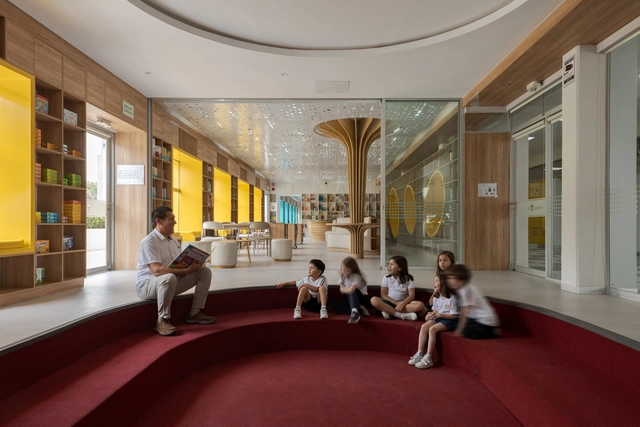
Antonio Raimondi College Library / TERRITORIAL - Interior Photography, Library, Lighting, ChairAntonio Raimondi College Library / TERRITORIAL - Interior Photography, Library, Kitchen, Table, Lighting, ChairAntonio Raimondi College Library / TERRITORIAL - LibraryAntonio Raimondi College Library / TERRITORIAL - Exterior Photography, LibraryAntonio Raimondi College Library / TERRITORIAL - More Images+ 20

Lima, Peru
  • Architects: TERRITORIAL
  • Area Area of this architecture project Area:  240
  • Year Completion year of this architecture project Year:  2024