



-
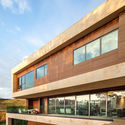
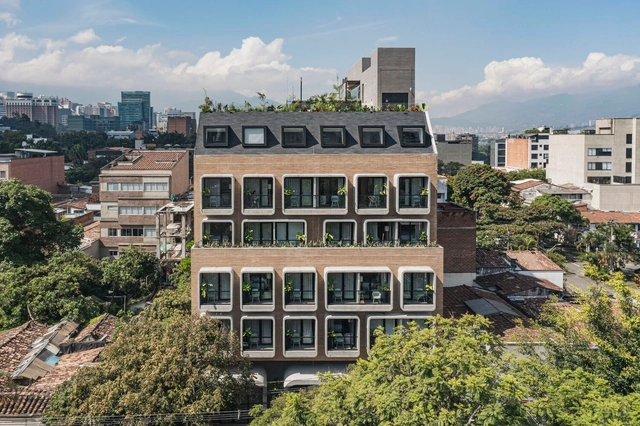
Architects: Plan:b arquitectos
- Area: 5133 m²
- Year: 2022
-
Manufacturers: Cimbrados, Corona, Fabricaciones Santa Fe, Indural


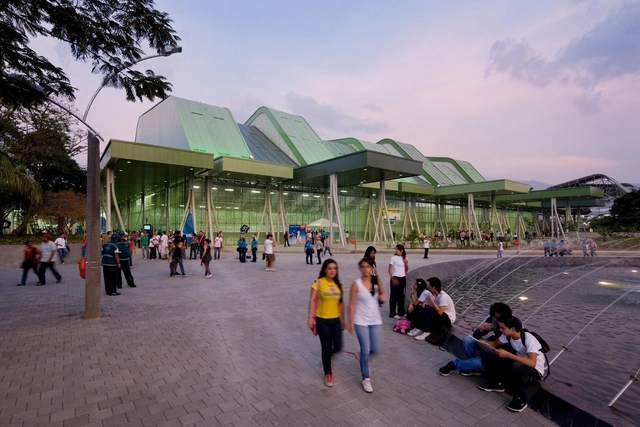
In 2013, Medellín (Colombia) was declared the most innovative city in the world as part of the City of the Year Competition, organized by the Wall Street Journal. It competed alongside metropolises like New York and Tel Aviv.
The Antioquian capital has become one of the most advanced technological and intellectual epicenters in Colombia, not to mention the important urban development that has occurred in the city since the beginning of 2010. The city’s mobility-orientated integrated infrastructure together with interventions of high social impact have turned Medellín into the center of the debate on the growth and development of Latin American cities.
The following projects tell you the story of a city that bet on urban consolidation through quality public spaces and projects that encouraged citizen management by supporting the development of marginalized areas in a process of social reconstruction, where architecture has played an important role as a spatial formulation tool.


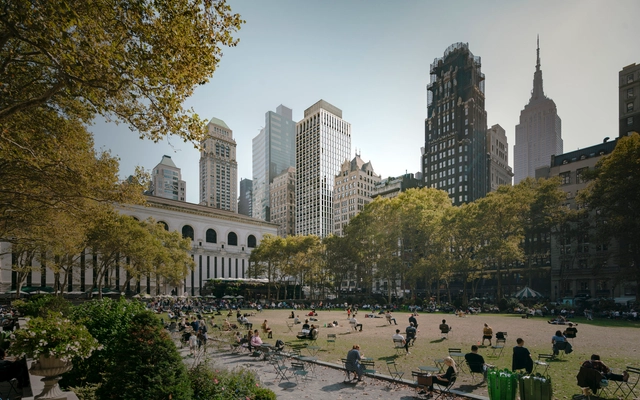
Recent extreme weather events and the acceleration of climate change, paired with decarbonization efforts that are not on track, make climate-related disruption unavoidable for urban environments, raising the issue of climate-risk adaptation. Moving past what can be done to prevent climate change, there is a strong imperative to develop strategies to prepare urban environments to cope with inevitable challenges such as sea-level rise, floods, water scarcity or extreme heat. The following discusses how cities can build resilience and adapt to undergoing and expected future climate threats.
Social Urbanism: Reframing Spatial Design – Discourses from Latin America, a new book by Maria Bellalta, ASLA, dean of the School of Landscape Architecture at the Boston Architectural College, is a welcome addition to the growing number of publications on the social justice-oriented form of urbanism, architecture, and public space emanating from Medellín and Colombia. The achievements of social urbanism have rightfully become synonymous with Medellín in the world of landscape architecture, urban planning and design, and architecture.

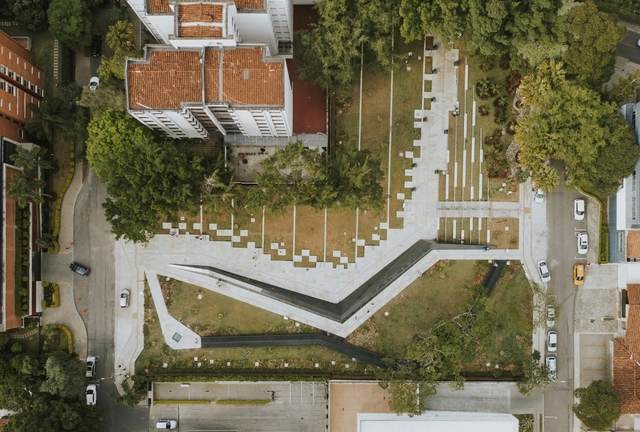
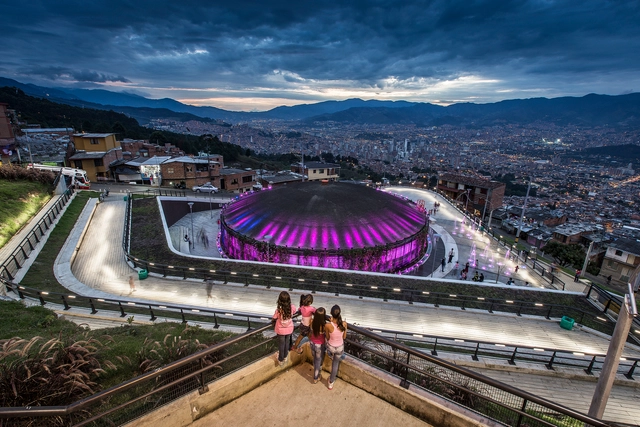
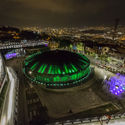
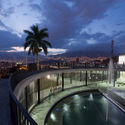
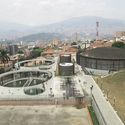
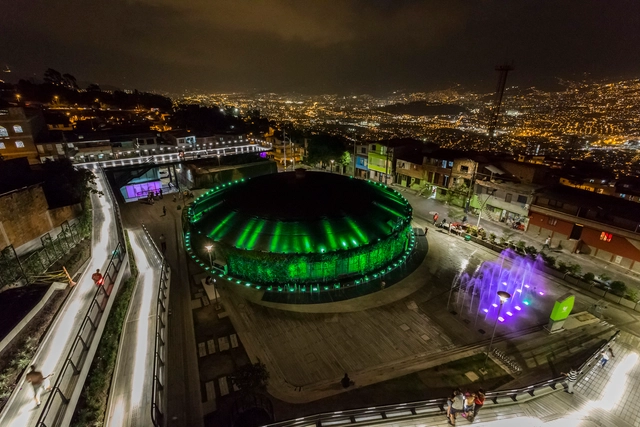
While developing a master plan for Medellin's urban lighting system, EPM, Medellin's public utility company, analyzed the Colombian city's infrastructure and nocturnal lighting system by superimposing a map of the system over a map of the city. What they found was an urban landscape blotted by "islands" of darkness.
Much to the surprise of the utilities company, the dark spots were actually 144 water tanks that were initially built on the city's outskirts; however, thanks to the progressive expansion of Medellin's city limits, the tanks now found themselves completely surrounded by the informal settlements of the Aburra Valley. Even worse, they had become focal points for violence and insecurity in neighborhoods devoid of public spaces and basic infrastructure.
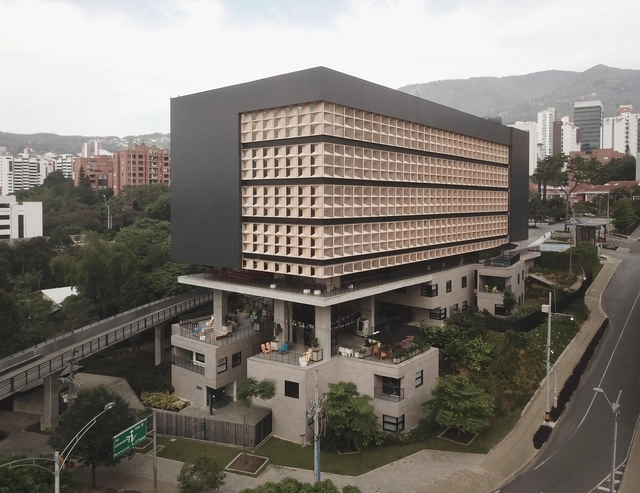
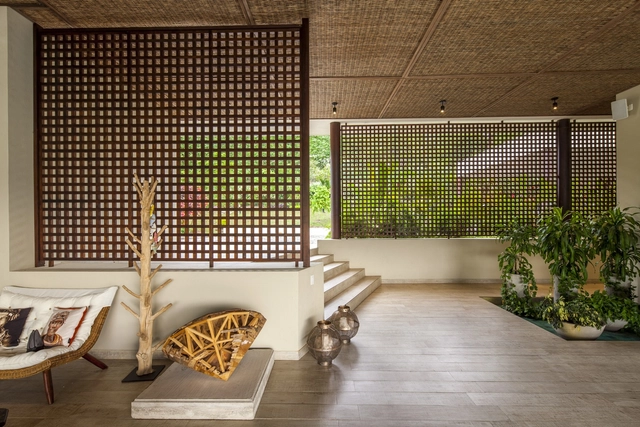
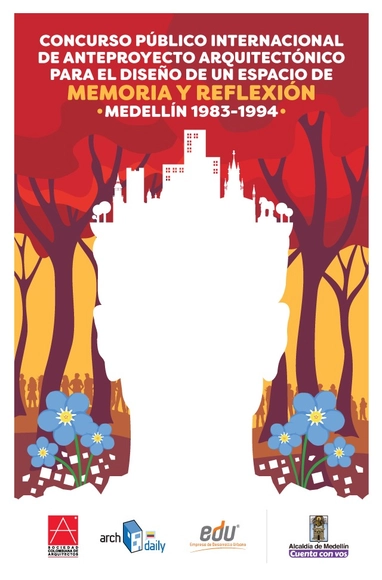
With the help of Empresa de Desarrollo Urbano/Urban Development Company (EDU) and La Sociedad Colombiana de Arquitectos/the Colombian Architect's Society (SCA), Medellín has launched an international competition to design a space to remember and reflect on the period between 1983 and 1994.
These years were some of the most violent in the Colombian city's history. In January 1988, a car bomb with 80 kilos of dynamite exploded in front of the Monaco Building, the former home of drug lord Pablo Escobar in El Poblado neighborhood. This was the first of a series of attacks between rival drug cartels in Medellin.
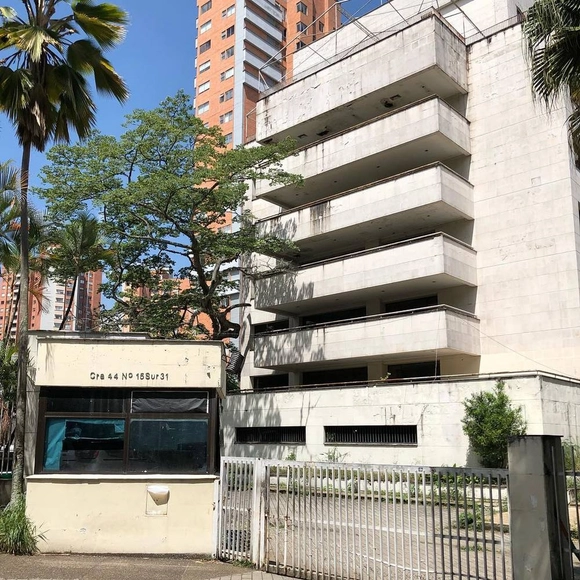
After a series of failed attempts, the Monaco building in Medellín will finally be demolished at the beginning of 2019, according to the Colombian newspaper El Tiempo.
The Monaco building, which was converted into a municipal asset this year, was the residence of the late drug trafficker Pablo Escobar in the El Poblado neighborhood of Medellín. In January of 1988, a car bomb with 80 kilograms of dynamite exploded in front of the building giving rise to a series of attacks between the drug cartels in Medellín.

Mercer released their annual list of the Most Livable Cities in the World last month. The list ranks 231 cities based on factors such as crime rates, sanitation, education and health standards, with Vienna at #1 and Baghdad at #231. There’s always some furor over the results, as there ought to be when a city we love does not make the top 20, or when we see a city rank highly but remember that one time we visited and couldn’t wait to leave.
To be clear, Mercer is a global HR consultancy, and their rankings are meant to serve the multinational corporations that are their clients. The list helps with relocation packages and remuneration for their employees. But a company’s first choice on where to send their workers is not always the same place you’d choose to send yourself to.
And these rankings, calculated as they are, also vary depending on who’s calculating. Monocle publishes their own list, as does The Economist, so the editors at ArchDaily decided to throw our hat in as well. Here we discuss what we think makes cities livable, and what we’d hope to see more of in the future.





_copia.jpg?1649721825 "© Luis Bernardo Cano")
.jpg?1649721864 "© Luis Bernardo Cano")